

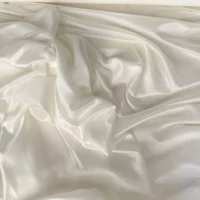
- The secret behind cotton sateen lies in its weave. A sateen construction uses longer yarn floats and fewer visible interlacing points on the fabric face. This creates a smoother surface that reflects light differently from plain-weave cotton.
- However, cotton sateen is not the same as silk satin, and not every cotton sateen fabric has identical performance. Its softness, shine, drape, and durability depend on yarn quality, weave density, and finishing.
This guide explores the characteristics, manufacturing process, different types, advantages, disadvantages, applications, and quality considerations of cotton sateen fabric for clothing brands and garment manufacturers.
What Is Cotton Sateen Fabric?
Cotton sateen is a woven fabric made from cotton yarns using a sateen weave. This construction creates a smooth face with a soft, sometimes glossy appearance. Traditional cotton sateen is commonly associated with a weft-faced construction, where the weft yarns form longer floats across the visible surface. These floats reduce the number of visible yarn crossings and help create the fabric’s characteristic smoothness and luster.
Main Characteristics of Cotton Sateen
- Fiber composition: Commonly 100% cotton, although blended versions are available.
- Weave: Sateen construction with extended yarn floats.
- Surface: Smooth, refined, and often subtly lustrous.
- Texture: Soft and pleasant against the skin.
- Drape: Can range from softly flowing to moderately structured.
- Appearance: Elegant and suitable for polished garment designs.
- Applications: Dresses, blouses, shirts, skirts, trousers, and bedding.
Is Cotton Sateen Always 100% Cotton?
No. Although traditional cotton sateen can be made entirely from cotton, some manufacturers blend cotton with elastane or other fibers to create specific performance characteristics. For example, cotton-elastane sateen may provide additional flexibility for fitted garments. Buyers should confirm the exact fiber composition before ordering fabric or preparing garment labels.
Cotton Sateen vs. Satin: Are They the Same?
Cotton sateen and satin are related through their weave structures, but they should not be treated as identical materials. Cotton sateen generally refers to cotton-based fabric using a sateen construction. Satin describes a family of smooth, lustrous woven fabrics and can be made from silk, polyester, or other fibers. Silk satin is made from silk, while cotton sateen is made primarily from cotton. Their appearance may be similar, but their texture, care requirements, drape, and performance can differ significantly.
How Is Cotton Sateen Fabric Made?
Cotton sateen production involves several stages, from cotton fiber preparation to weaving and finishing. Each stage affects the fabric’s final quality.
- Cotton Yarn Preparation: The process begins with cotton fibers that are spun into yarns. Yarn fineness, uniformity, strength, and twist influence the fabric’s smoothness and durability. Fine, uniform yarns can help create a refined appearance, while the chosen yarn specifications must also meet the intended garment’s strength requirements.
- Sateen Weaving Process: Unlike a plain weave, where yarns interlace frequently, a sateen weave allows selected yarns to float over several perpendicular yarns before interlacing. These floats create a smoother surface and can produce an attractive sheen. However, their length and distribution also influence snagging resistance, abrasion behavior, and seam performance.
- Dyeing and Printing: Cotton sateen can be produced in solid colors, prints, and decorative designs. Dark and rich colors may highlight its polished surface, while printed versions offer additional possibilities for fashion collections.
- Fabric Finishing – Finishing treatments can modify the appearance and performance of cotton sateen. Depending on the manufacturing process, these may include: Washing and cleaning, Softening treatments, Mercerization to enhance certain cotton properties, Calendering to modify surface smoothness and sheen, Dimensional-stability treatments, Wrinkle-resistant finishing, Final fabric inspection. Not every cotton sateen receives the same finishing treatments. Buyers should request specifications and physical samples to confirm the desired surface appearance.
Different Types of Cotton Sateen Fabric
Cotton sateen can be categorized by fabric weight, fiber composition, finishing, and intended application.
Lightweight Cotton Sateen:
Lightweight cotton sateen is suitable for garments that need a smooth appearance without excessive bulk. It may be used for blouses, fashion shirts, and selected dress styles.
Medium-Weight Cotton Sateen:
Medium-weight cotton sateen often provides a balance between drape and structure. It can be used for dresses, skirts, shirts, and fashion garments.
Heavyweight Cotton Sateen:
Heavier constructions may offer additional body for trousers, structured skirts, and fashion jackets. Strength and abrasion resistance should be assessed for each specific application.
Stretch Cotton Sateen:
Stretch cotton sateen commonly incorporates elastane to improve flexibility. It can be useful for fitted trousers, pencil skirts, and tailored dresses that require greater freedom of movement.
Mercerized Cotton Sateen:
Mercerized cotton sateen undergoes a treatment that can enhance luster and dye affinity. This finish may be chosen when a more refined appearance is desired.
Printed Cotton Sateen:
Printed sateen combines a smooth woven surface with decorative patterns. It is suitable for fashion dresses, skirts, blouses, and other design-focused products.
Pros And Cons of Cotton Sateen Fabric
Advantages of Cotton Sateen
- Smooth surface: Creates a polished and refined fabric appearance.
- Elegant sheen: Offers a subtle luster suitable for premium-looking clothing.
- Soft hand feel: Provides a pleasant tactile experience.
- Attractive drape: Can create graceful folds and soft garment silhouettes.
- Versatile applications: Suitable for dresses, shirts, skirts, trousers, and bedding.
- Design flexibility: Available in various weights, colors, prints, and stretch constructions.
Disadvantages of Cotton Sateen
- Potential snagging: Longer yarn floats may catch on rough surfaces.
- Surface shine changes: Repeated friction, washing, and finishing can affect luster.
- Careful pressing: Excessive heat or pressure may cause unwanted shiny marks.
- Variable durability: Performance depends on fiber quality, fabric density, and weave construction.
- Wrinkling: Untreated cotton sateen may wrinkle during use or washing.
- Possible shrinkage: Cotton-based constructions may change dimensions during laundering.
Common Uses of Cotton Sateen Fabric
Due to its smooth texture and polished appearance, cotton sateen is used in various clothing and home textile products.
Women’s Dresses
Cotton sateen is suitable for many dress designs, including shirt dresses, A-line dresses, fitted dresses, and structured fashion styles. Different fabric weights allow designers to create a range of silhouettes, from soft and flowing to more tailored looks.
Blouses and Shirts
The smooth surface of cotton sateen makes it attractive for fashionable blouses and smart-casual shirts. For clothing brands developing shirt collections, fabric selection should consider wrinkle behavior, drape, colorfastness, and ease of care.
Skirts
Cotton sateen can be used for A-line skirts, pencil skirts, and structured skirt designs. Stretch versions may provide additional comfort in fitted styles.
Trousers and Fashion Pants
Suitable medium-weight and heavyweight cotton sateen fabrics may be used for tailored trousers and fashionable pants. Because trousers experience repeated friction, manufacturers should pay particular attention to abrasion resistance, seam strength, and surface durability.
Fashion Uniforms
Cotton sateen may be used for selected uniforms where a smooth and polished appearance is important, such as hospitality or office garments. However, fabrics used in uniforms should be tested for repeated washing, colorfastness, and long-term appearance retention.
Bedding and Home Textiles
Cotton sateen is widely used for bed sheets, duvet covers, and pillowcases. Its smooth surface and soft feel make it a familiar material in comfort-focused bedding collections. Bedding sateen and apparel sateen may differ in their yarn specifications, density, weight, and finishing requirements.
How to Care for Cotton Sateen Fabric
Proper care helps maintain the fabric’s smooth appearance. However, care requirements depend on fiber composition, finishing, and garment construction.
Washing Cotton Sateen
- Follow the garment care label.
- Use the recommended water temperature.
- Choose a suitable mild detergent.
- Separate dark and light colors when needed.
- Avoid excessive friction and harsh washing conditions.
Drying Cotton Sateen
Air-drying may help protect the fabric from excessive heat. If tumble drying is allowed, follow the care label to reduce the risk of shrinkage or surface changes.
Ironing Cotton Sateen
Use the recommended ironing temperature. Pressing on the reverse side or using a pressing cloth may help protect the fabric’s surface appearance.

Preventing Snags
Keep garments away from rough accessories and sharp objects that might catch the surface yarns.
Proper Storage
Store garments in a clean, dry area. Hanging or folding should be selected according to the garment’s weight and design.
Cotton Sateen vs. Other Popular Fabrics
Cotton sateen is often compared with silk satin, cotton poplin, cotton twill, and cotton percale. Although these fabrics may share certain qualities, they have different structures and typical applications.
| Fabric | Typical Surface | Common Applications | Key Difference |
|---|---|---|---|
| Cotton Sateen | Smooth, often lustrous | Dresses, blouses, trousers, bedding | Cotton-based sateen construction |
| Silk Satin | Smooth, often highly lustrous | Luxury clothing and accessories | Silk fibers with a satin weave |
| Cotton Poplin | Smooth, relatively crisp | Shirts, uniforms, dresses | Plain-weave construction |
| Cotton Twill | Diagonal woven texture | Trousers, jackets, workwear | Distinctive diagonal weave |
| Cotton Percale | Crisp, generally matte | Bedding, selected garments | Closely woven plain-weave construction |
12. Conclusion: Is Cotton Sateen Fabric the Right Choice?
Cotton sateen fabric is a versatile material that combines a smooth surface, soft hand feel, and refined appearance. Its distinctive weave makes it suitable for dresses, blouses, shirts, skirts, trousers, bedding, and other products that benefit from a polished finish.
However, cotton sateen should not be selected based on appearance alone. Snagging resistance, surface durability, weave density, shrinkage, and care requirements can vary significantly between constructions. For clothing brands and garment manufacturers, selecting the right cotton sateen requires balancing visual appeal, comfort, durability, and production efficiency. Understanding the fabric’s construction and testing samples before bulk production can help ensure consistent quality in finished garments.
Planning a new clothing collection? Explore fashion dress manufacturing and shirt manufacturing services at Mekong Garment to learn more about garment development and production in Vietnam. For more fabric information, read our guide to different types of cotton fabric.
Frequently Asked Questions About Cotton Sateen Fabric
What Is Cotton Sateen Fabric Made Of?
Cotton sateen is typically made from cotton yarns woven in a sateen construction. Some versions contain added fibers such as elastane.
Is Cotton Sateen the Same as Satin?
No. Cotton sateen refers to cotton-based fabric with a sateen weave, while satin can be made from silk, polyester, and other fibers using related weave constructions.
Is Cotton Sateen a High-Quality Fabric?
Cotton sateen can be high quality, but the fabric name alone does not guarantee quality. Yarn specifications, weave density, finishing, and performance testing are important.
Is Cotton Sateen Breathable?
Cotton sateen can be comfortable to wear, but breathability depends on fabric construction, density, weight, and finishing.
Does Cotton Sateen Wrinkle?
Yes. Untreated cotton sateen may wrinkle during wear and laundering. Wrinkle-resistant finishes may help reduce creasing.
Does Cotton Sateen Shrink After Washing?
It can. Shrinkage depends on fabric construction, finishing, and washing conditions. Pre-production testing is recommended.
Is Cotton Sateen Suitable for Summer?
Lightweight cotton sateen may be suitable for summer garments. Dense or heavyweight constructions may feel warmer, especially in humid climates.
Is Cotton Sateen Good for Dresses?
Yes. Cotton sateen can be used for many dress styles, from soft fashion dresses to structured designs. The selected weight should match the garment silhouette.
Is Cotton Sateen Stretchy?
Conventional woven cotton sateen has limited stretch. Stretch sateen usually contains elastane or another stretch component.
Does Cotton Sateen Snag Easily?
Some constructions are more vulnerable to snagging because of their longer yarn floats. Performance depends on fabric density, yarn quality, and finishing.
Is Cotton Sateen Better Than Cotton Poplin?
Neither fabric is universally better. Cotton sateen is often chosen for smoothness and sheen, while cotton poplin is valued for its crisp and structured appearance.
What Should Fashion Brands Check Before Buying Cotton Sateen?
Brands should review fiber composition, GSM, weave density, surface appearance, shrinkage, colorfastness, abrasion resistance, snagging resistance, and sewing performance before bulk production.