
Cotton flannel fabric is a soft, comfortable textile widely used in casual shirts, pajamas, sleepwear, and cooler-weather clothing. Known for its cozy texture and relaxed appearance, cotton flannel has become a familiar choice for garments designed to provide warmth and everyday comfort.One of the most recognizable characteristics of cotton flannel is its brushed or napped surface. During finishing, fine fibers may be raised from the fabric to create a soft, fuzzy texture. This surface can help trap small pockets of air, contributing to the fabric’s insulating feel. However, not all cotton flannel fabrics are identical. Their weight, weave, brushing intensity, softness, and durability can vary significantly. Understanding these differences is important for fashion brands, garment manufacturers, and consumers.
In this guide, we explore what cotton flannel fabric is, how it is made, its main characteristics, different types, advantages, disadvantages, common uses, and how to select the right fabric for clothing production.
What Is Cotton Flannel Fabric?
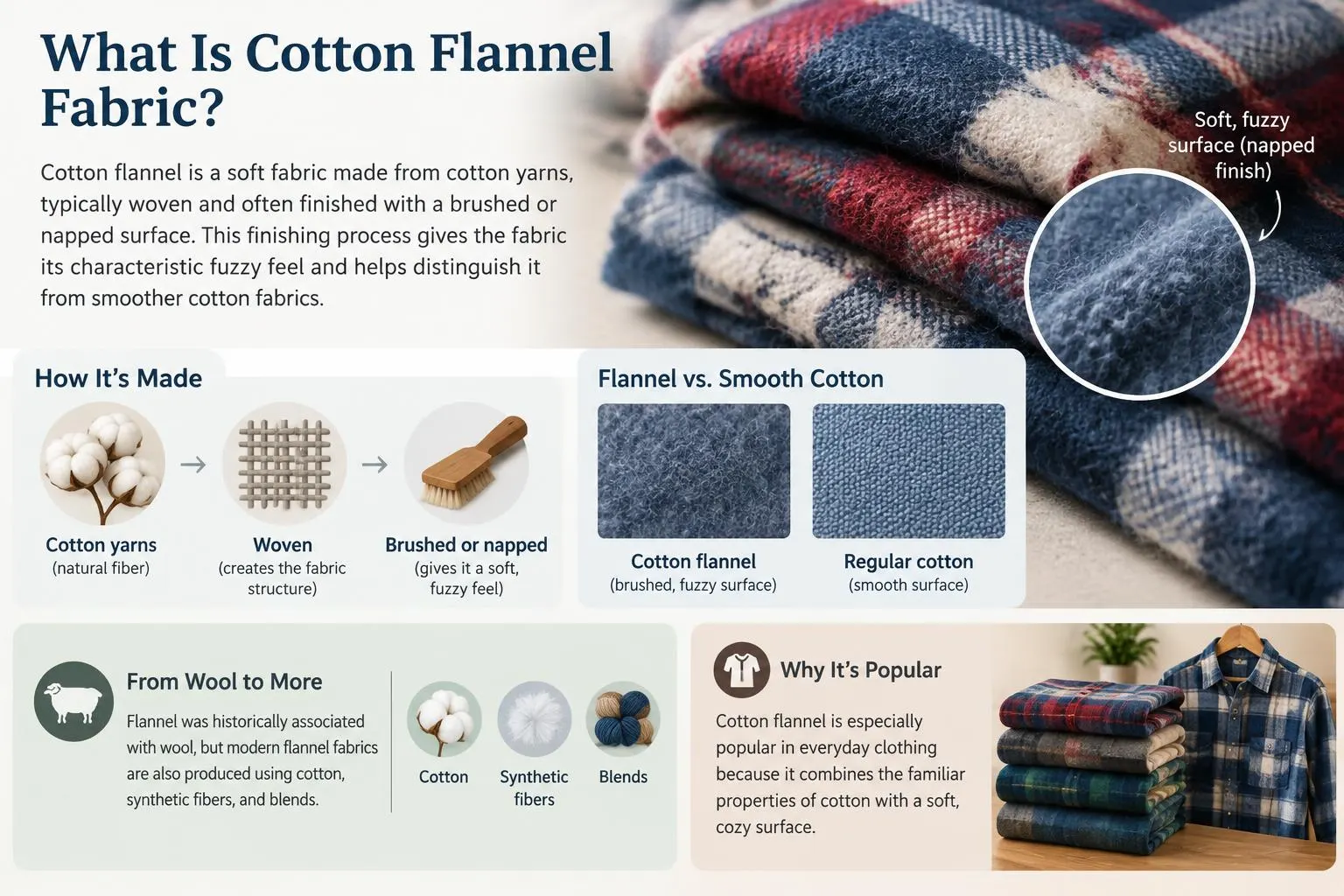
Cotton flannel is a soft fabric made from cotton yarns, typically woven and often finished with a brushed or napped surface. This finishing process gives the fabric its characteristic fuzzy feel and helps distinguish it from smoother cotton fabrics. Flannel was historically associated with wool, but modern flannel fabrics are also produced using cotton, synthetic fibers, and blends. Cotton flannel is especially popular in everyday clothing because it combines the familiar properties of cotton with a soft, cozy surface.
Main Features of Cotton Flannel Fabric
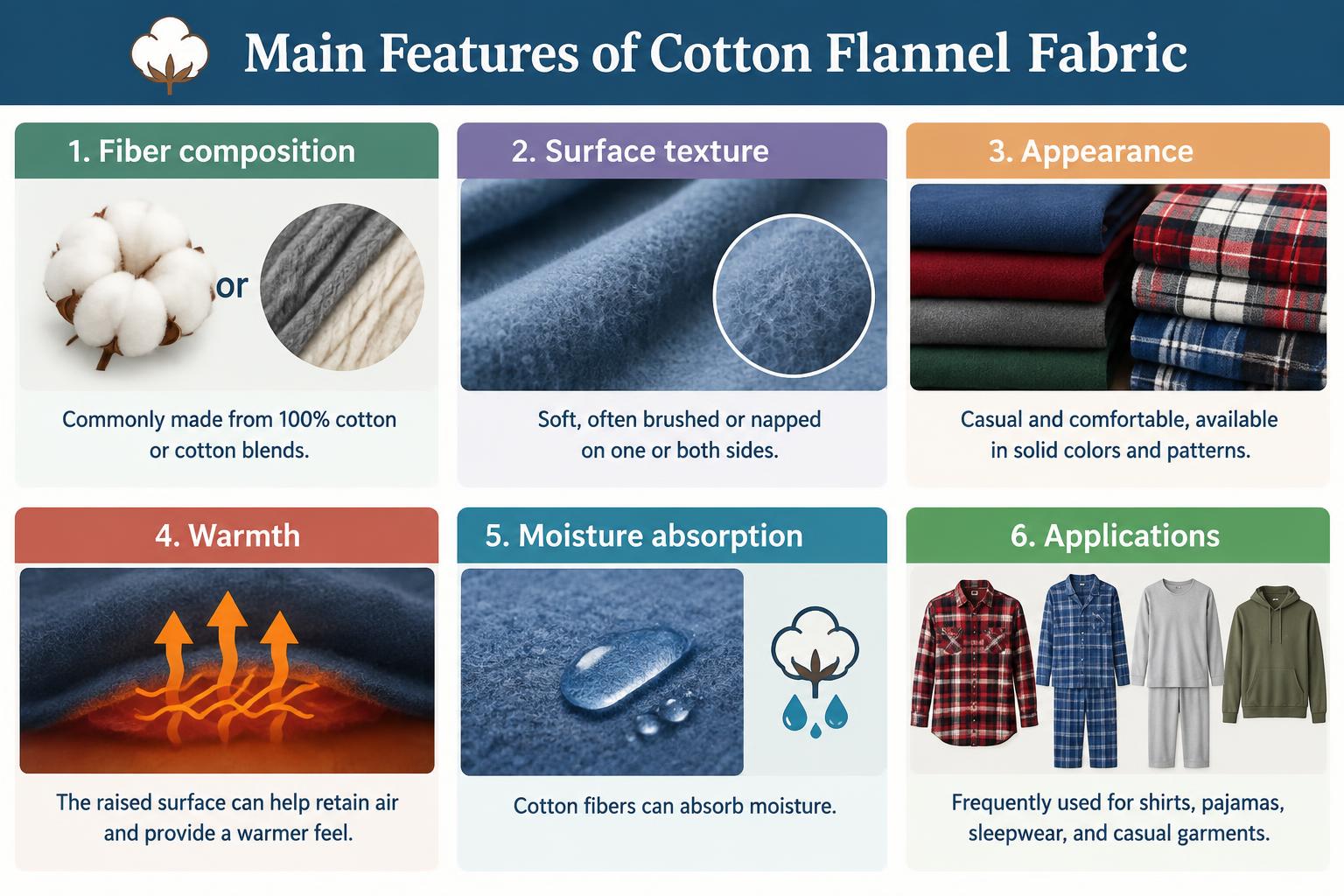
- Fiber composition: Commonly made from 100% cotton or cotton blends.
- Surface texture: Soft, often brushed or napped on one or both sides.
- Appearance: Casual and comfortable, available in solid colors and patterns.
- Warmth: The raised surface can help retain air and provide a warmer feel.
- Moisture absorption: Cotton fibers can absorb moisture.
- Applications: Frequently used for shirts, pajamas, sleepwear, and casual garments.
Is Cotton Flannel Always Brushed?
Brushing is strongly associated with cotton flannel, but finishing methods can differ between manufacturers. Some fabrics have a noticeable nap on both sides, while others are brushed on only one side or have a subtler raised surface. For this reason, fabric buyers should examine actual samples rather than assume that every cotton flannel has the same softness or surface appearance.
Is Flannel a Fabric or a Pattern?
Flannel is a type of fabric, not a specific pattern. Although plaid and checked designs are commonly associated with flannel shirts, cotton flannel can also be produced in solid colors, stripes, and printed designs. A plaid shirt is not necessarily made from flannel, and flannel fabric does not have to feature a plaid pattern.
How Is Cotton Flannel Fabric Made?
The production of cotton flannel involves yarn preparation, fabric construction, finishing, and quality inspection. The exact process depends on the desired texture, weight, and performance.
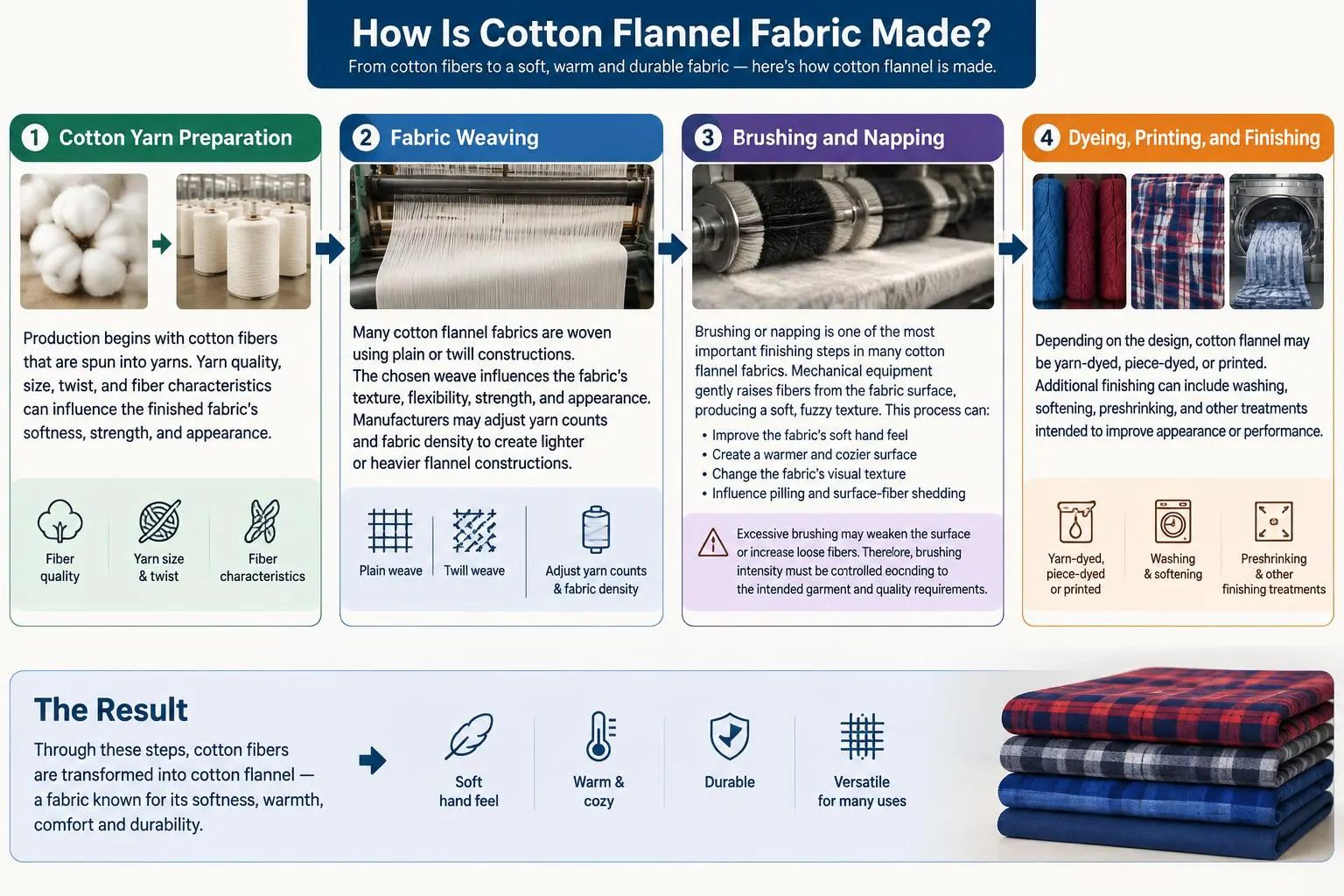
- Cotton Yarn Preparation: Production begins with cotton fibers that are spun into yarns. Yarn quality, size, twist, and fiber characteristics can influence the finished fabric’s softness, strength, and appearance.
- Fabric Weaving: Many cotton flannel fabrics are woven using plain or twill constructions. The chosen weave influences the fabric’s texture, flexibility, strength, and appearance. Manufacturers may adjust yarn counts and fabric density to create lighter or heavier flannel constructions.
- Brushing and Napping – Brushing or napping is one of the most important finishing steps in many cotton flannel fabrics. Mechanical equipment gently raises fibers from the fabric surface, producing a soft, fuzzy texture. This process can: Improve the fabric’s soft hand feel, Create a warmer and cozier surface, Change the fabric’s visual texture, Influence pilling and surface-fiber shedding. Excessive brushing may weaken the surface or increase loose fibers. Therefore, brushing intensity must be controlled according to the intended garment and quality requirements.
- Dyeing, Printing, and Finishing: Depending on the design, cotton flannel may be yarn-dyed, piece-dyed, or printed. Additional finishing can include washing, softening, preshrinking, and other treatments intended to improve appearance or performance.
Essential Features of Cotton Flannel Fabric
Cotton flannel is valued for its comfortable texture, but its performance depends on fabric construction, finishing, and care.
| Characteristic | Description |
|---|---|
| Texture | Soft, often fuzzy or brushed |
| Appearance | Casual, cozy, and available in many colors and patterns |
| Warmth | Raised fibers can help trap air and provide insulation |
| Breathability | Varies according to weight, density, and finishing |
| Moisture Absorption | Cotton fibers can absorb moisture |
| Stretch | Generally limited in conventional woven constructions |
| Pilling | May occur with friction and repeated use |
| Shrinkage | Possible if the fabric has not been adequately stabilized |
| Common Uses | Casual shirts, pajamas, sleepwear, and cooler-weather garments |
- Soft and Comfortable Surface: The soft surface is one of cotton flannel’s strongest selling points. Brushed fibers can create a pleasant feel against the skin, making the fabric popular for garments worn during rest and relaxation.
- Warm and Cozy Feel: The raised surface can trap small amounts of air, which helps the fabric feel warmer than some smooth cotton fabrics of comparable construction. However, warmth also depends on thickness, fabric density, garment design, and environmental conditions.
- Casual Appearance: Cotton flannel has a familiar, relaxed appearance. Plaid flannel shirts are especially common, but solid-color flannel can also be used for simple, minimalist designs.
- Variable Fabric Weight: Cotton flannel is available in lightweight, medium-weight, and heavier constructions. Lightweight versions may be suitable for sleepwear, while heavier fabrics are often selected for overshirts and cooler-weather clothing.
- Surface Pilling and Shedding: The raised fibers that make flannel soft can also contribute to pilling and fiber shedding. Fabric quality, brushing methods, laundering, and friction all influence these effects.
Pros and Cons of Cotton Flannel Fabric
Advantages:
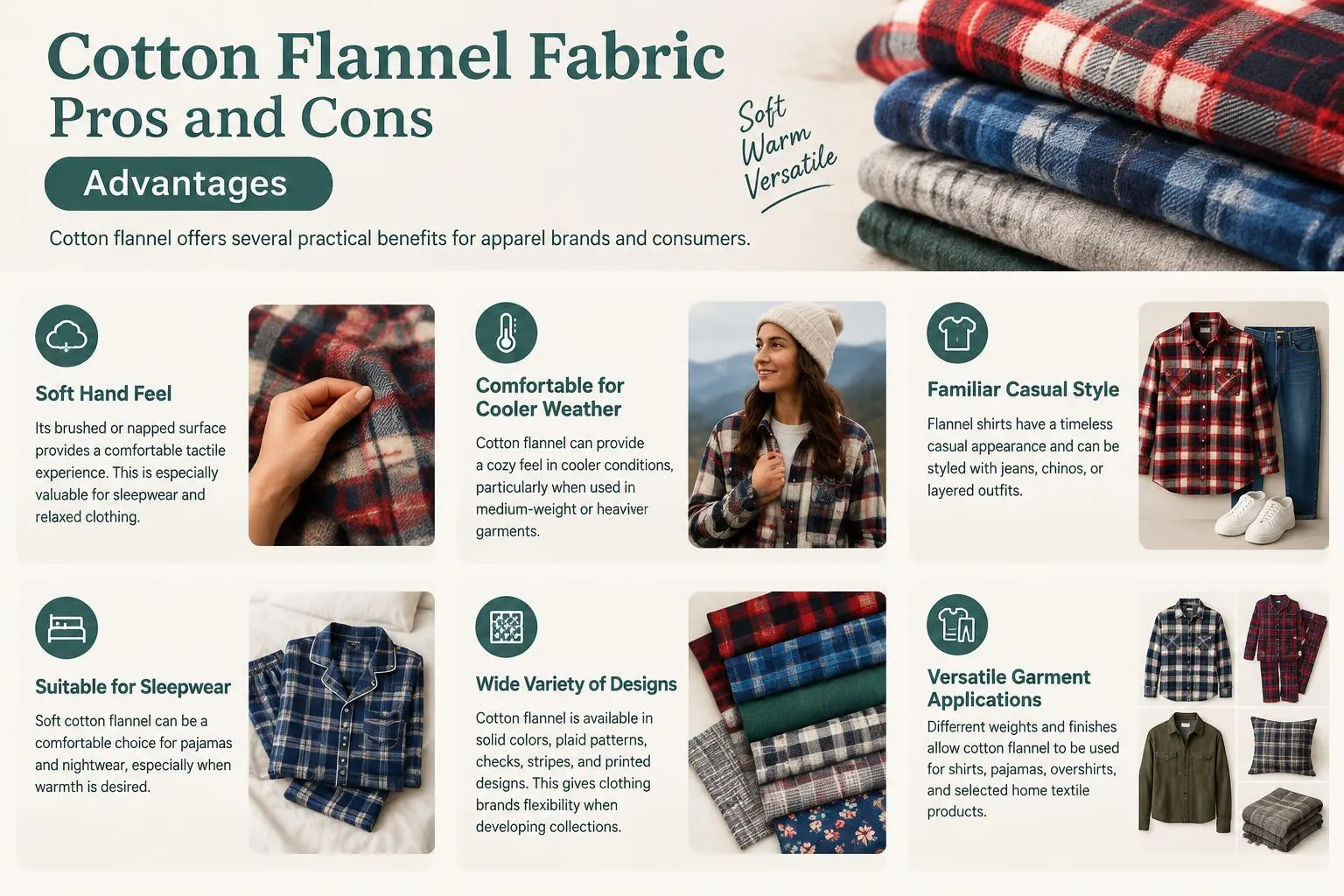
Cotton flannel offers several practical benefits for apparel brands and consumers.
- Soft Hand Feel: Its brushed or napped surface provides a comfortable tactile experience. This is especially valuable for sleepwear and relaxed clothing.
- Comfortable for Cooler Weather: Cotton flannel can provide a cozy feel in cooler conditions, particularly when used in medium-weight or heavier garments.
- Familiar Casual Style: Flannel shirts have a timeless casual appearance and can be styled with jeans, chinos, or layered outfits.
- Suitable for Sleepwear: Soft cotton flannel can be a comfortable choice for pajamas and nightwear, especially when warmth is desired.
- Wide Variety of Designs: Cotton flannel is available in solid colors, plaid patterns, checks, stripes, and printed designs. This gives clothing brands flexibility when developing collections.
- Versatile Garment Applications: Different weights and finishes allow cotton flannel to be used for shirts, pajamas, overshirts, and selected home textile products.
Disadvantages:
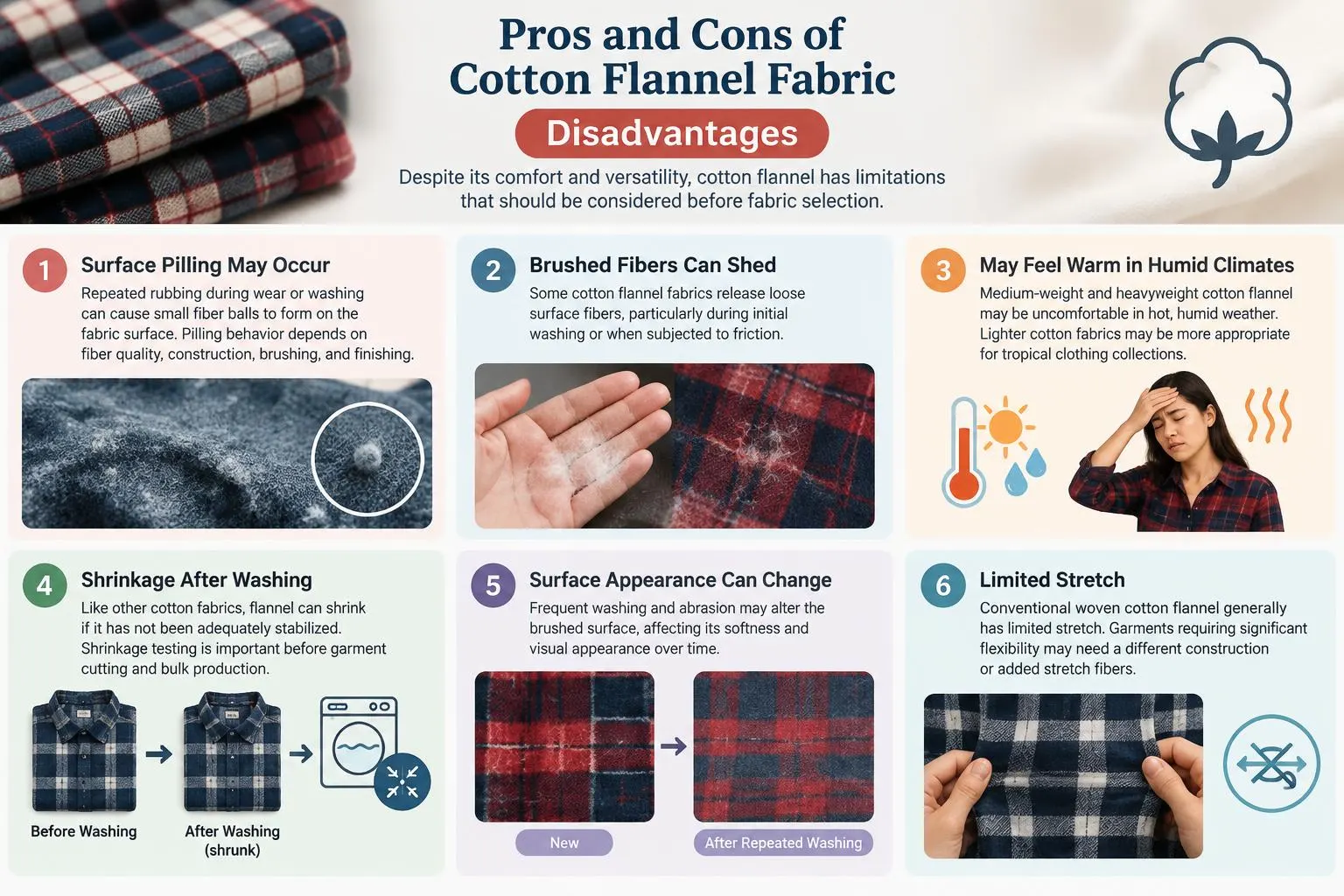
Despite its comfort and versatility, cotton flannel has limitations that should be considered before fabric selection.
- Surface Pilling May Occur: Repeated rubbing during wear or washing can cause small fiber balls to form on the fabric surface. Pilling behavior depends on fiber quality, construction, brushing, and finishing.
- Brushed Fibers Can Shed: Some cotton flannel fabrics release loose surface fibers, particularly during initial washing or when subjected to friction.
- May Feel Warm in Humid Climates: Medium-weight and heavyweight cotton flannel may be uncomfortable in hot, humid weather. Lighter cotton fabrics may be more appropriate for tropical clothing collections.
- Shrinkage After Washing: Like other cotton fabrics, flannel can shrink if it has not been adequately stabilized. Shrinkage testing is important before garment cutting and bulk production.
- Surface Appearance Can Change: Frequent washing and abrasion may alter the brushed surface, affecting its softness and visual appearance over time.
- Limited Stretch: Conventional woven cotton flannel generally has limited stretch. Garments requiring significant flexibility may need a different construction or added stretch fibers.
Different Types of Cotton Flannel Fabric
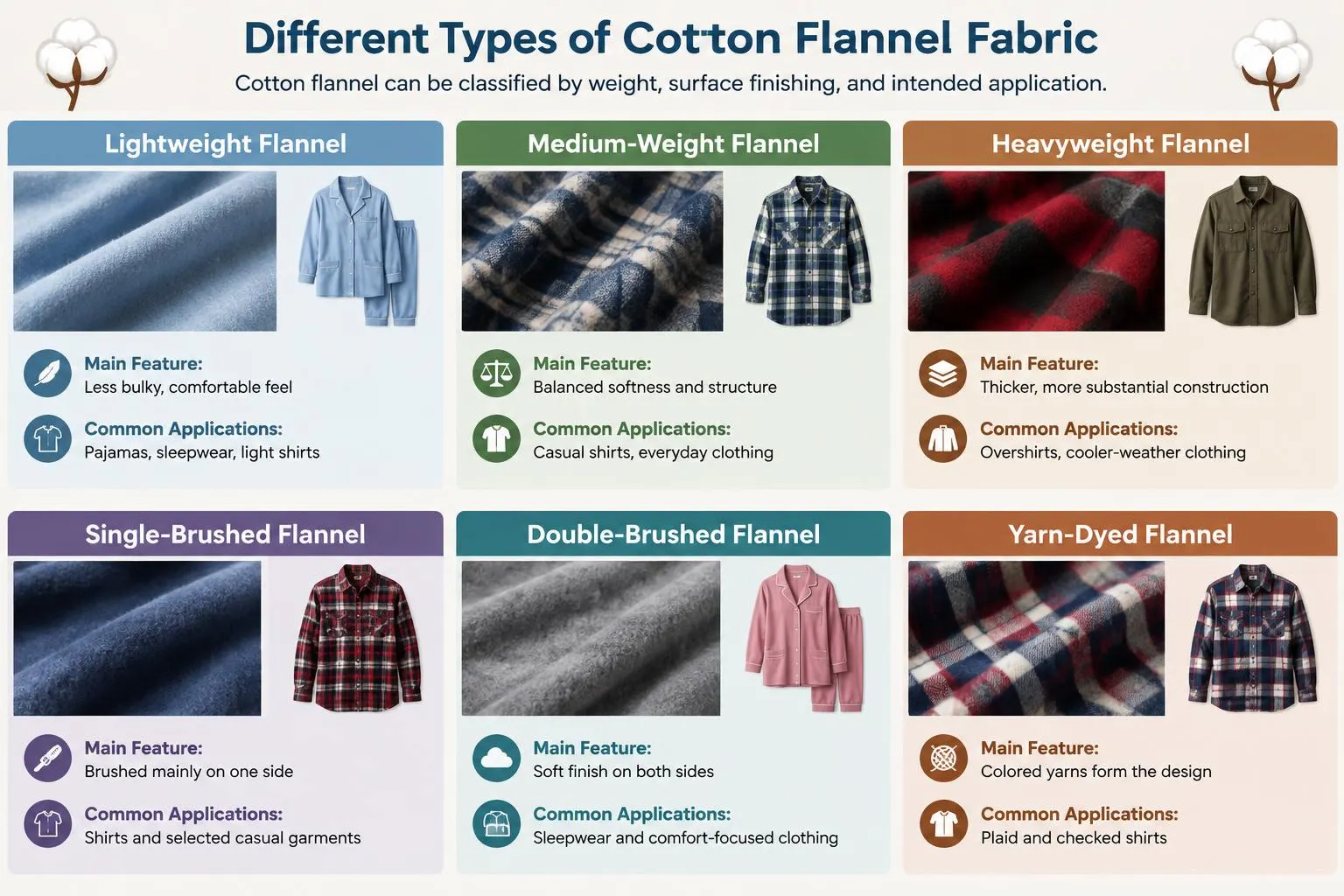
Cotton flannel can be classified by weight, surface finishing, and intended application.
| Flannel Type | Main Feature | Common Applications |
|---|---|---|
| Lightweight Flannel | Less bulky, comfortable feel | Pajamas, sleepwear, light shirts |
| Medium-Weight Flannel | Balanced softness and structure | Casual shirts, everyday clothing |
| Heavyweight Flannel | Thicker, more substantial construction | Overshirts, cooler-weather clothing |
| Single-Brushed Flannel | Brushed mainly on one side | Shirts and selected casual garments |
| Double-Brushed Flannel | Soft finish on both sides | Sleepwear and comfort-focused clothing |
| Yarn-Dyed Flannel | Colored yarns form the design | Plaid and checked shirts |
- Lightweight Cotton Flannel: Lightweight cotton flannel typically has a softer, less bulky construction. It is often selected for pajamas, sleepwear, and comfortable indoor garments.
- Medium-Weight Cotton Flannel: Medium-weight flannel offers a balance between comfort and structure. It is commonly used for casual shirts, everyday clothing, and certain uniform styles.
- Heavyweight Cotton Flannel: Heavyweight cotton flannel provides a more substantial feel and may be suitable for overshirts, shirt jackets, and cooler-weather garments. Its suitability for outerwear depends on the garment design and required protection. Cotton flannel alone should not be assumed to provide windproof or waterproof performance.
- Single-Brushed Cotton Flannel: Single-brushed flannel has a raised surface primarily on one side. This can create different textures on the inner and outer faces of the fabric.
- Double-Brushed Cotton Flannel: Double-brushed flannel is finished on both sides to create a soft surface on each face. It is often chosen for garments where softness against the skin is especially important.
- Printed and Yarn-Dyed Cotton Flannel: Printed flannel receives designs on the fabric surface, while yarn-dyed flannel uses colored yarns during weaving. Yarn-dyed plaid and checked patterns are common in classic flannel shirts.
Cotton Flannel vs. Other Popular Fabrics
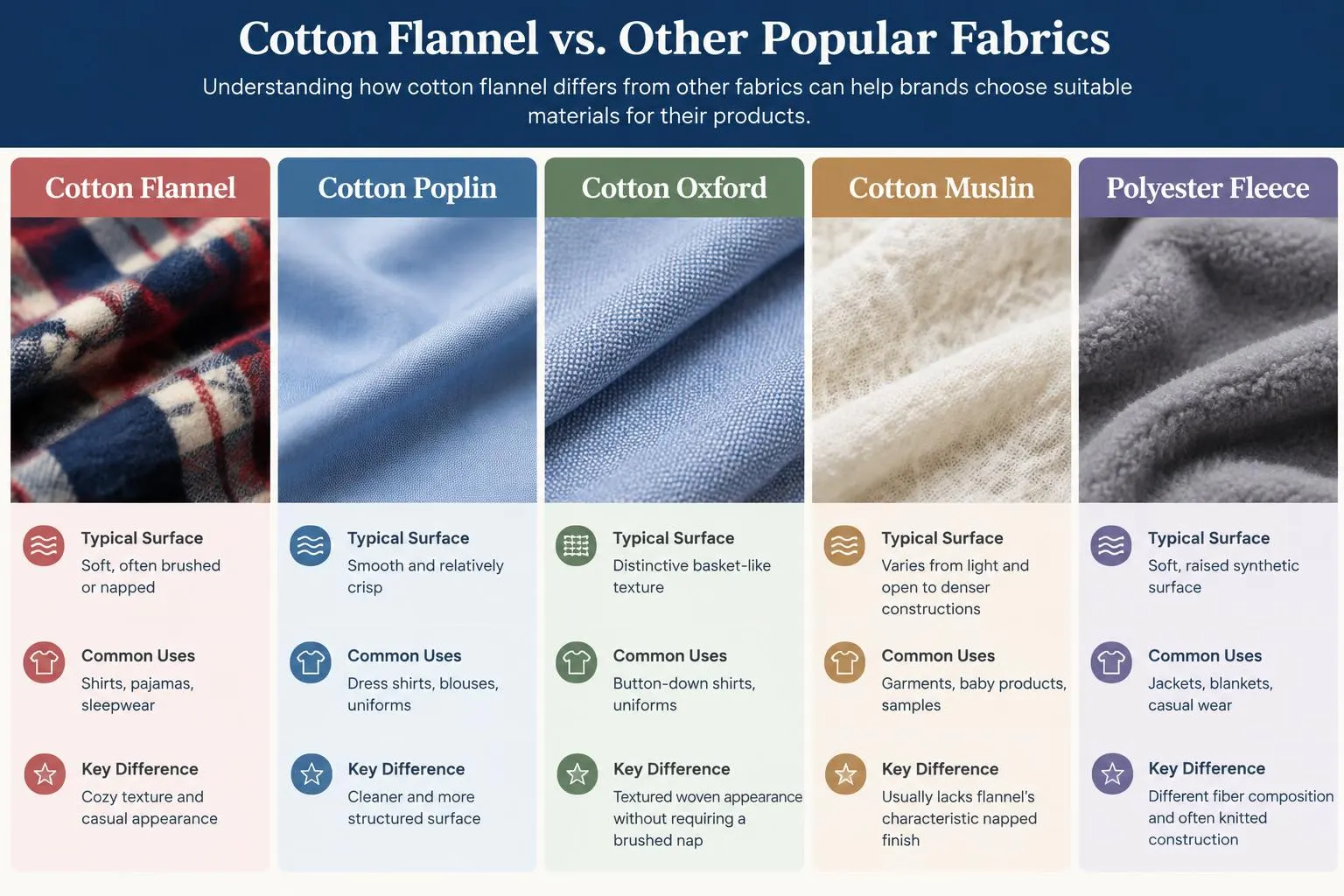
Understanding how cotton flannel differs from other fabrics can help brands choose suitable materials for their products.
| Fabric | Typical Surface | Common Uses | Key Difference |
|---|---|---|---|
| Cotton Flannel | Soft, often brushed or napped | Shirts, pajamas, sleepwear | Cozy texture and casual appearance |
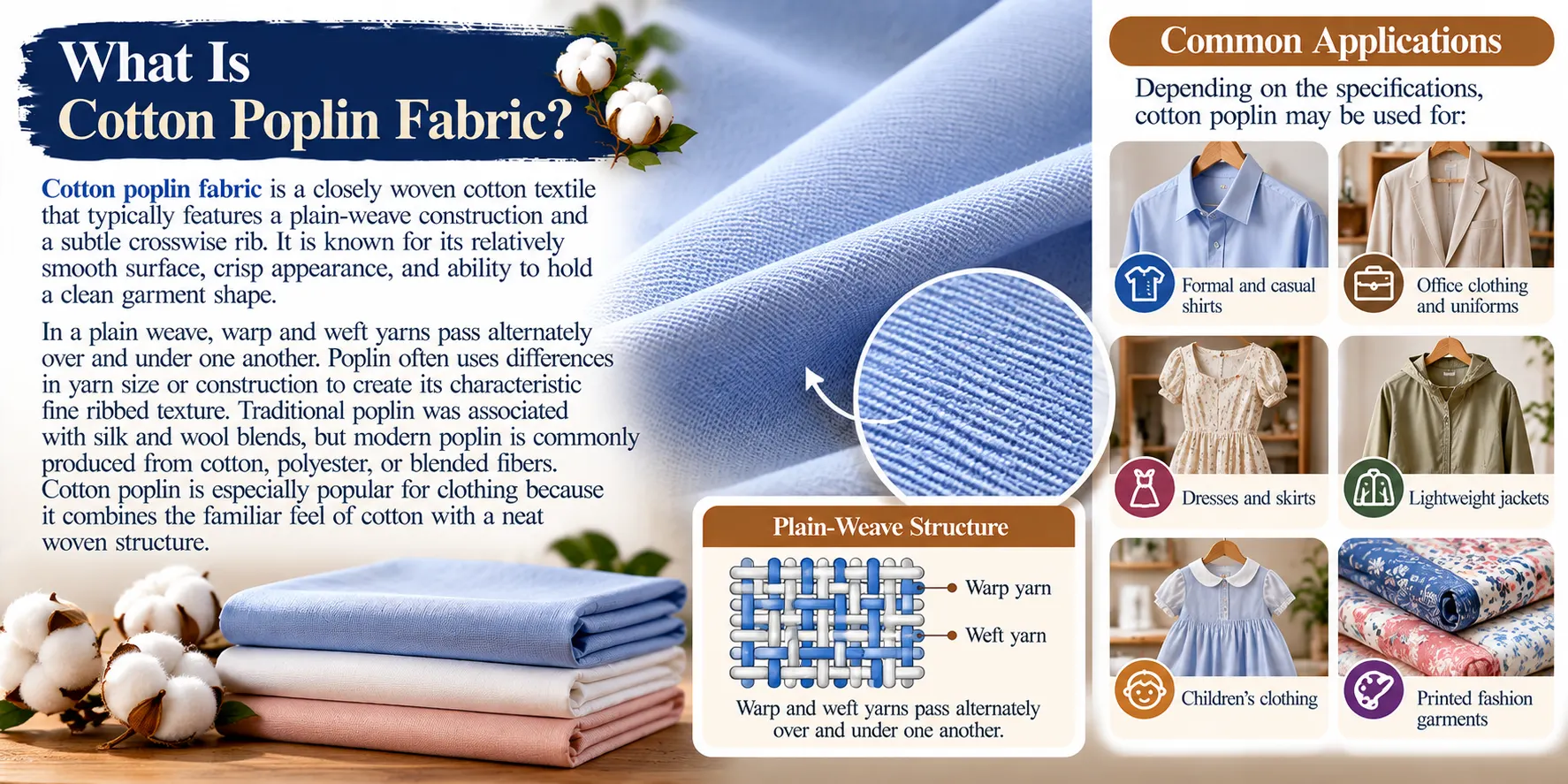
| Cotton Poplin | Smooth and relatively crisp | Dress shirts, blouses, uniforms | Cleaner and more structured surface |
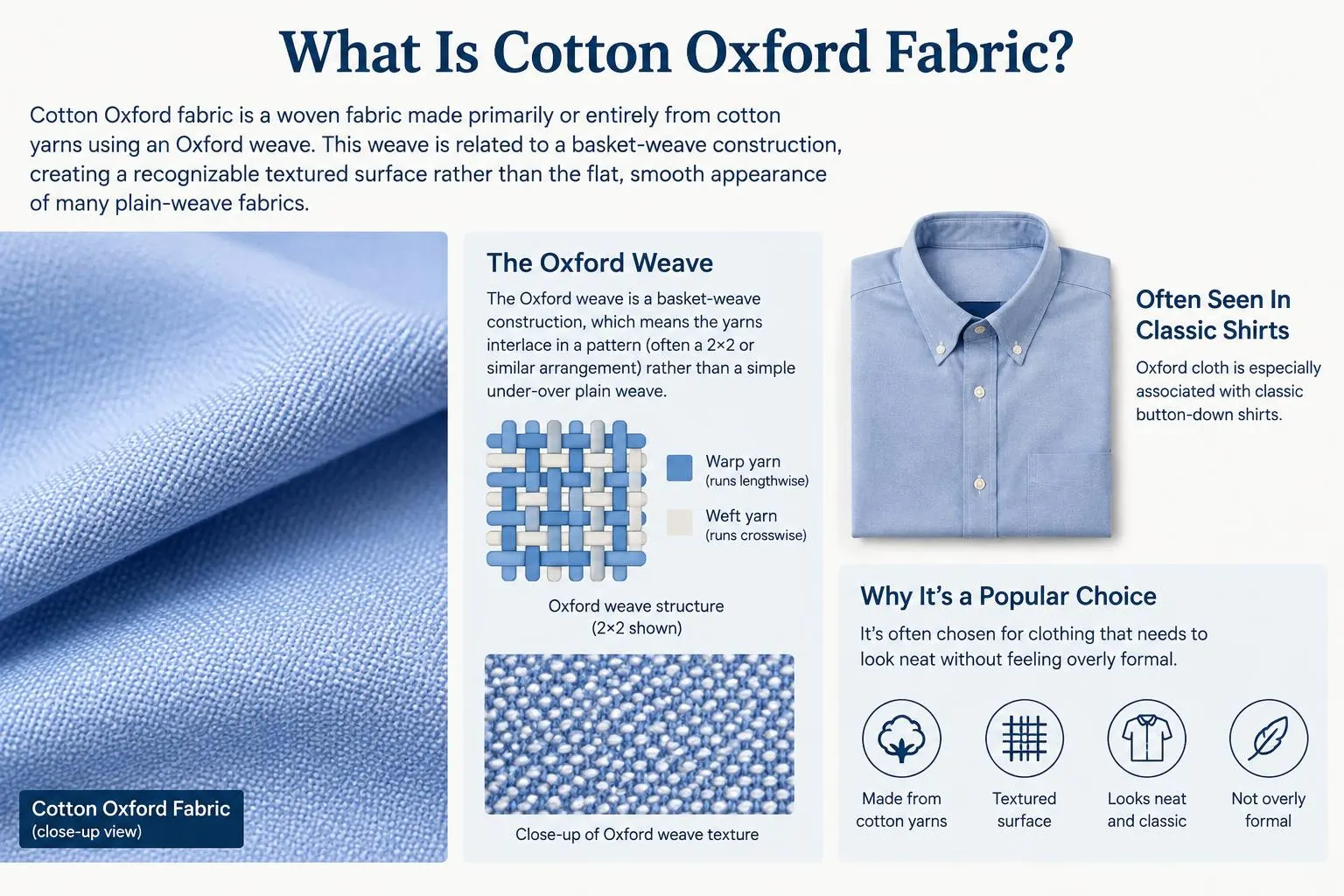
| Cotton Oxford | Distinctive basket-like texture | Button-down shirts, uniforms | Textured woven appearance without requiring a brushed nap |
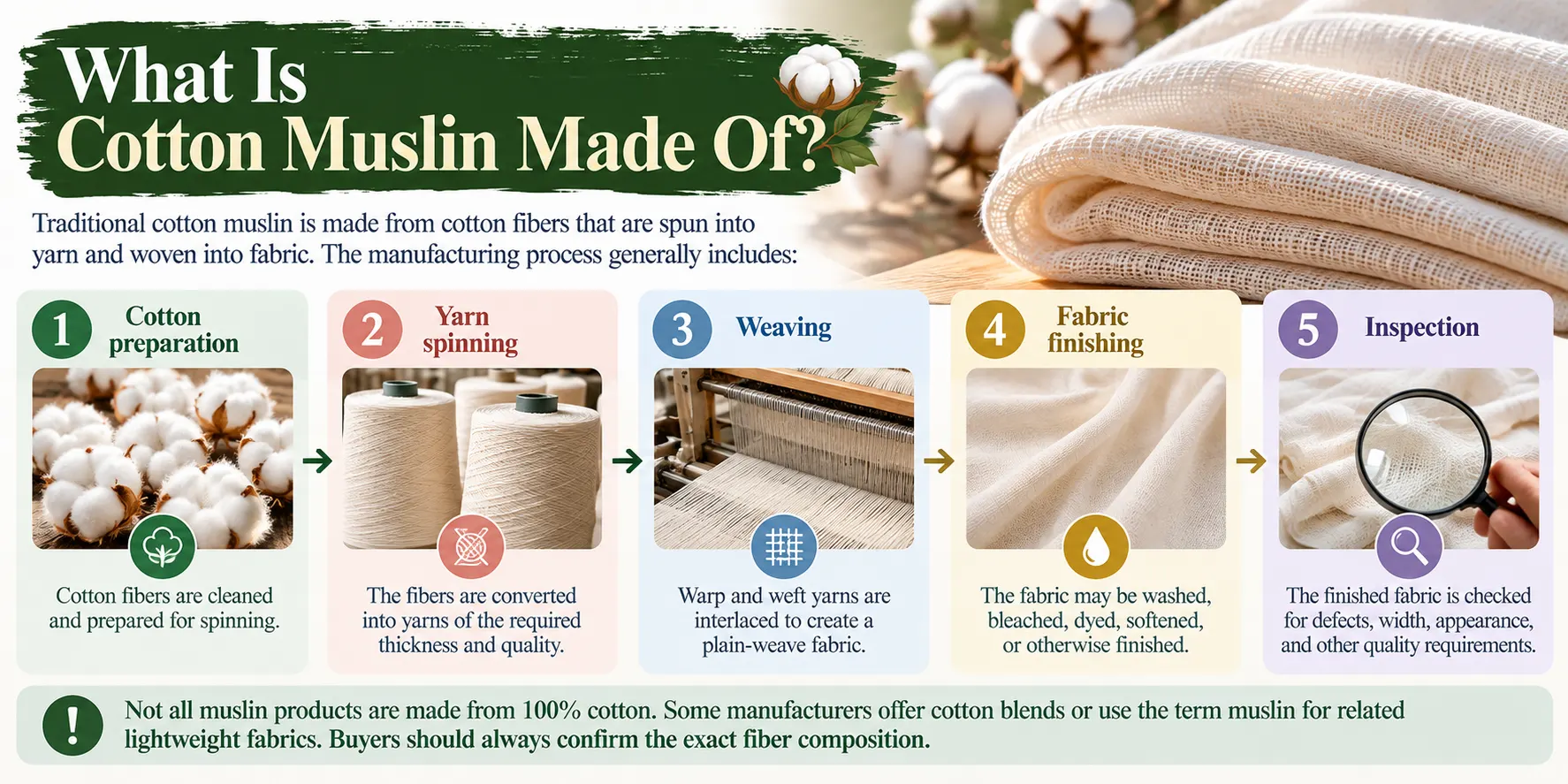
| Cotton Muslin | Varies from light and open to denser constructions | Garments, baby products, samples | Usually lacks flannel’s characteristic napped finish |
| Polyester Fleece | Soft, raised synthetic surface | Jackets, blankets, casual wear | Different fiber composition and often knitted construction |
- Cotton Flannel vs. Cotton Poplin: Cotton flannel is generally chosen for softness and a cozy, casual feel. Cotton poplin is often preferred when a smooth, crisp, and more polished appearance is required.
- Cotton Flannel vs. Cotton Oxford: Oxford cloth has a distinctive woven texture, while flannel is known for its soft, often brushed surface. Both are suitable for casual shirts, but they offer different tactile experiences.
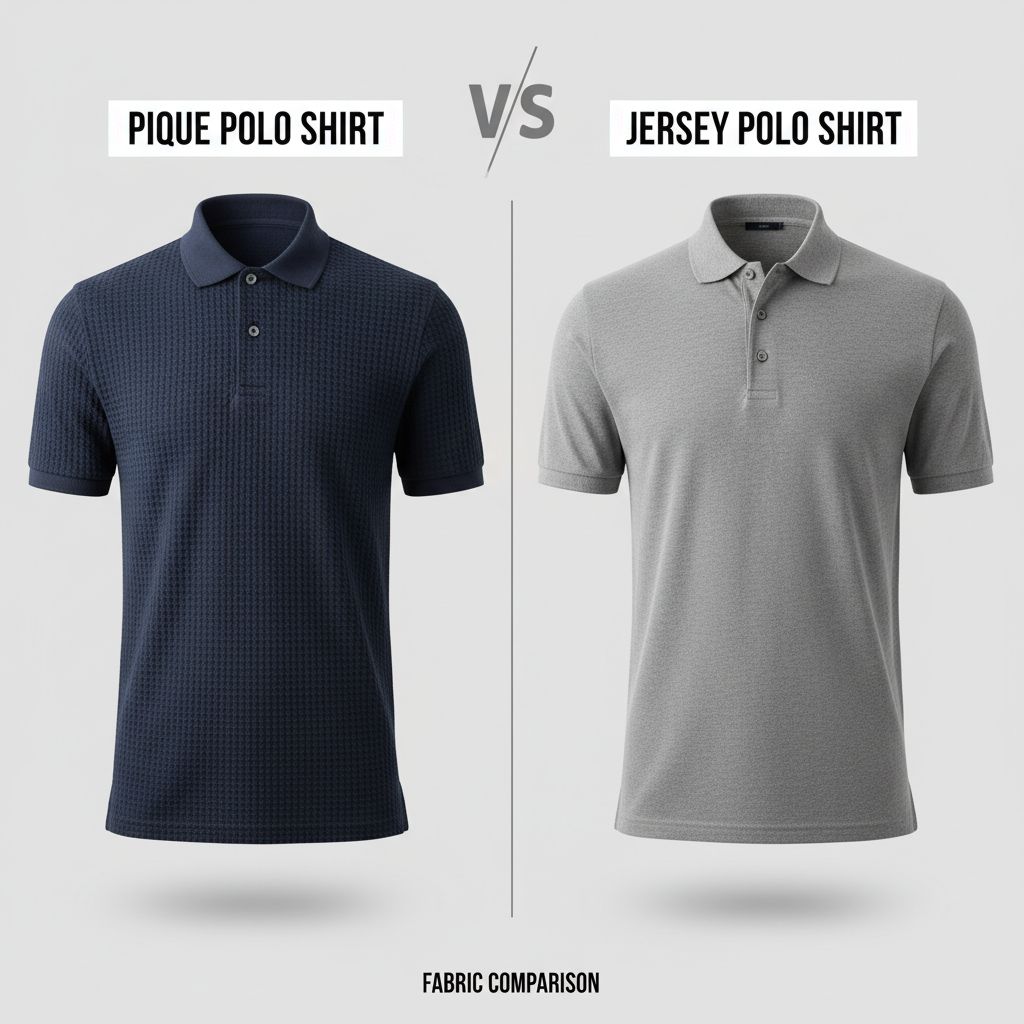
- Cotton Flannel vs. Brushed Cotton: Brushed cotton is a broad term for cotton fabric that has undergone a brushing process. Cotton flannel is often brushed, so the categories can overlap. However, not every brushed cotton fabric should automatically be classified as flannel. Construction, finishing, and commercial specifications matter.
- Cotton Flannel vs. Fleece: Cotton flannel and fleece can both feel soft and warm, but they are not the same material. Cotton flannel is commonly woven from cotton yarns, while many commercial fleece fabrics are knitted from polyester. Their moisture behavior, drying characteristics, weight, and care requirements may differ.
Common Uses of Cotton Flannel Fabric
Cotton flannel is used in clothing categories where softness, comfort, and a relaxed appearance are important.
Casual Flannel Shirts
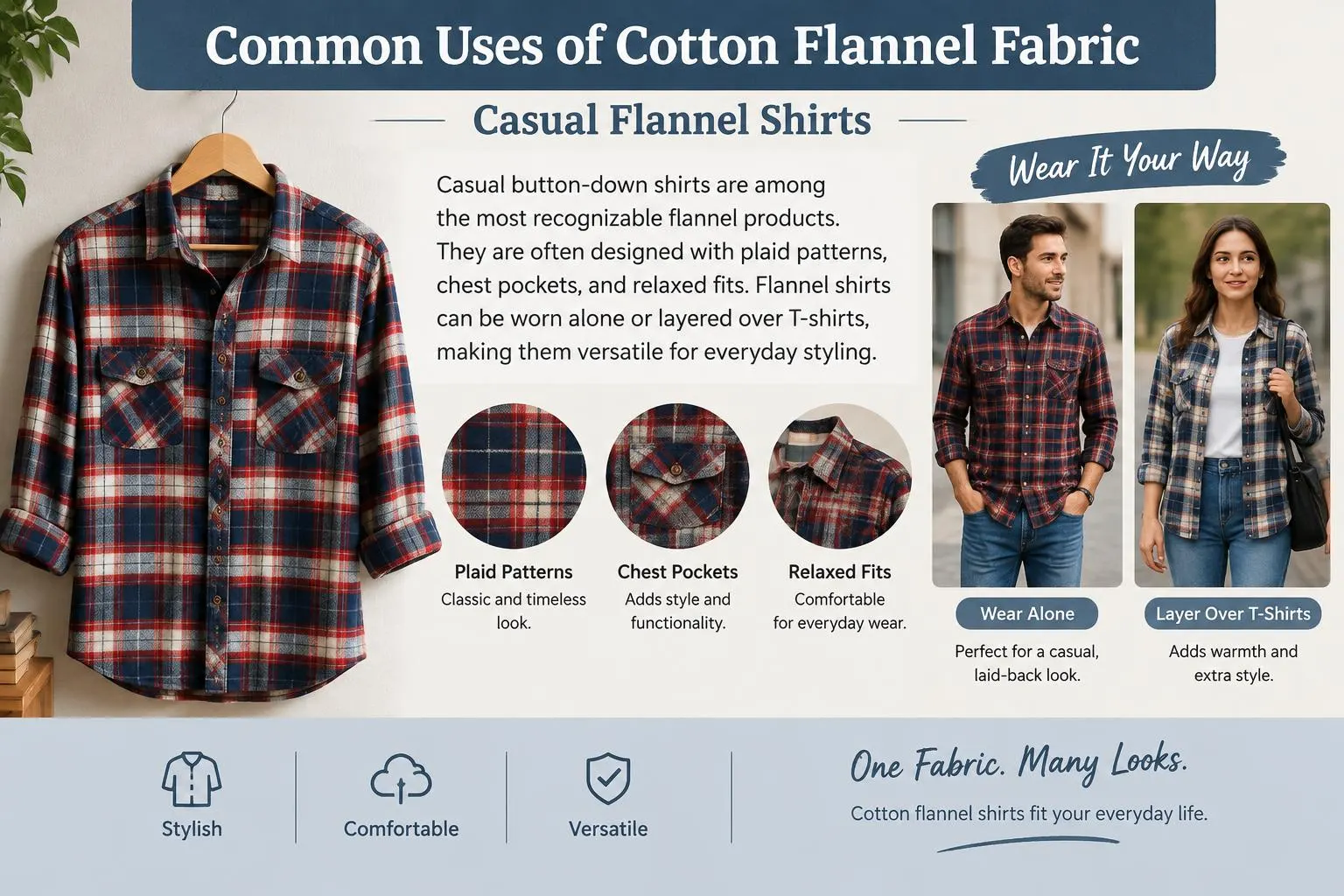
Casual button-down shirts are among the most recognizable flannel products. They are often designed with plaid patterns, chest pockets, and relaxed fits. Flannel shirts can be worn alone or layered over T-shirts, making them versatile for everyday styling.

Pajamas and Sleepwear
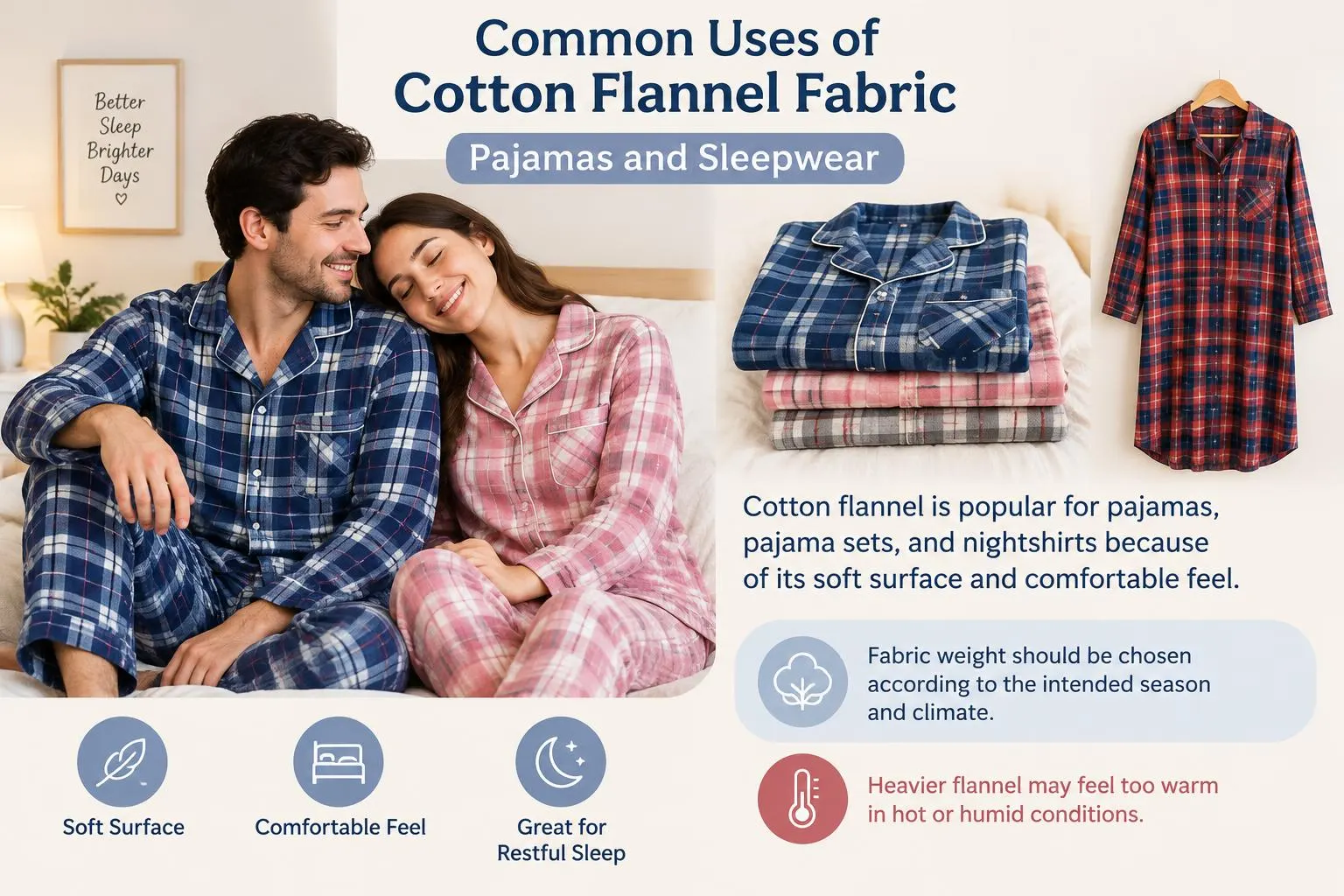
Cotton flannel is popular for pajamas, pajama sets, and nightshirts because of its soft surface and comfortable feel. Fabric weight should be chosen according to the intended season and climate. Heavier flannel may feel too warm in hot or humid conditions.
Overshirts and Shirt Jackets
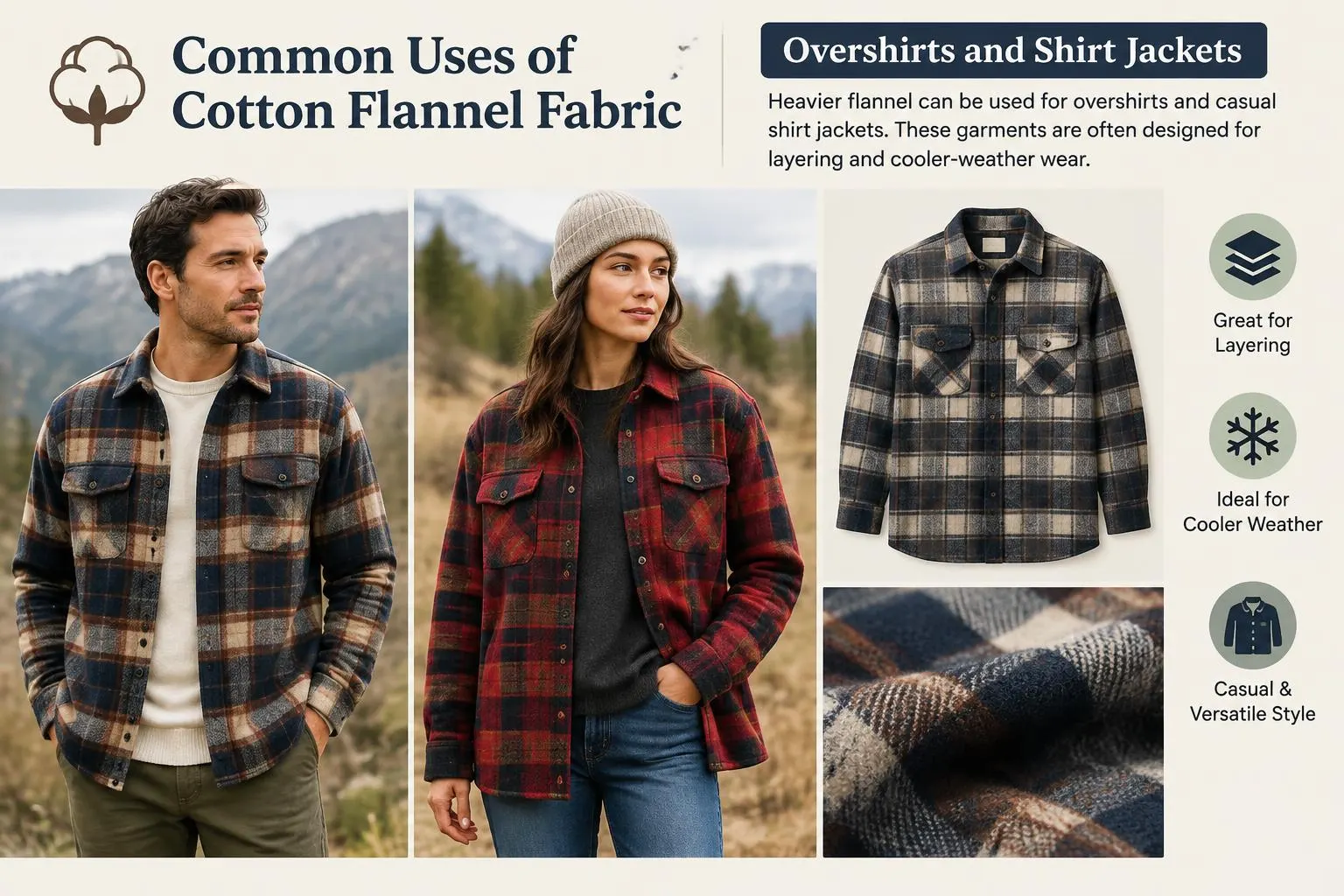
Heavier flannel can be used for overshirts and casual shirt jackets. These garments are often designed for layering and cooler-weather wear.
Children’s Clothing
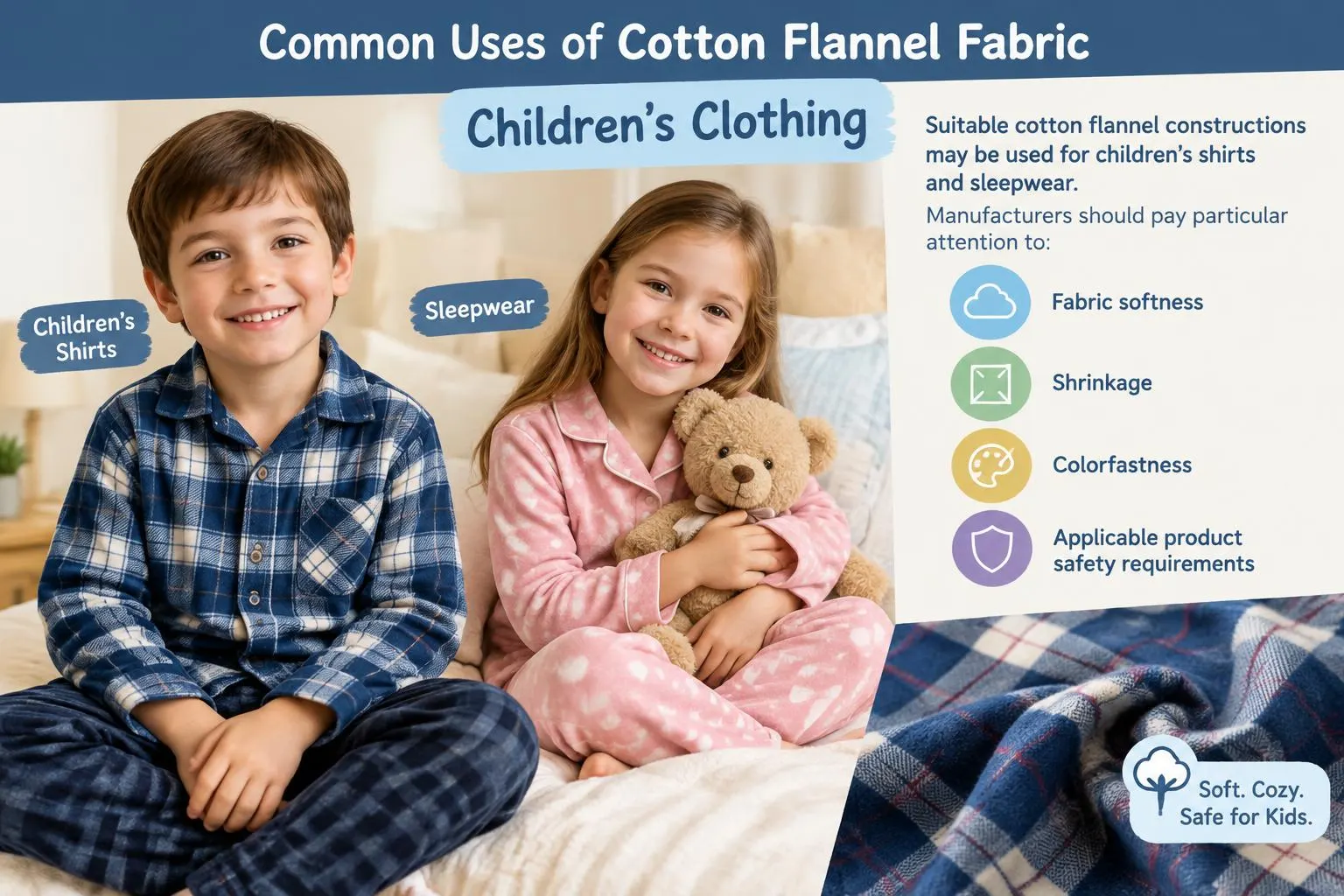
Suitable cotton flannel constructions may be used for children’s shirts and sleepwear. Manufacturers should pay particular attention to fabric softness, shrinkage, colorfastness, and applicable product safety requirements.
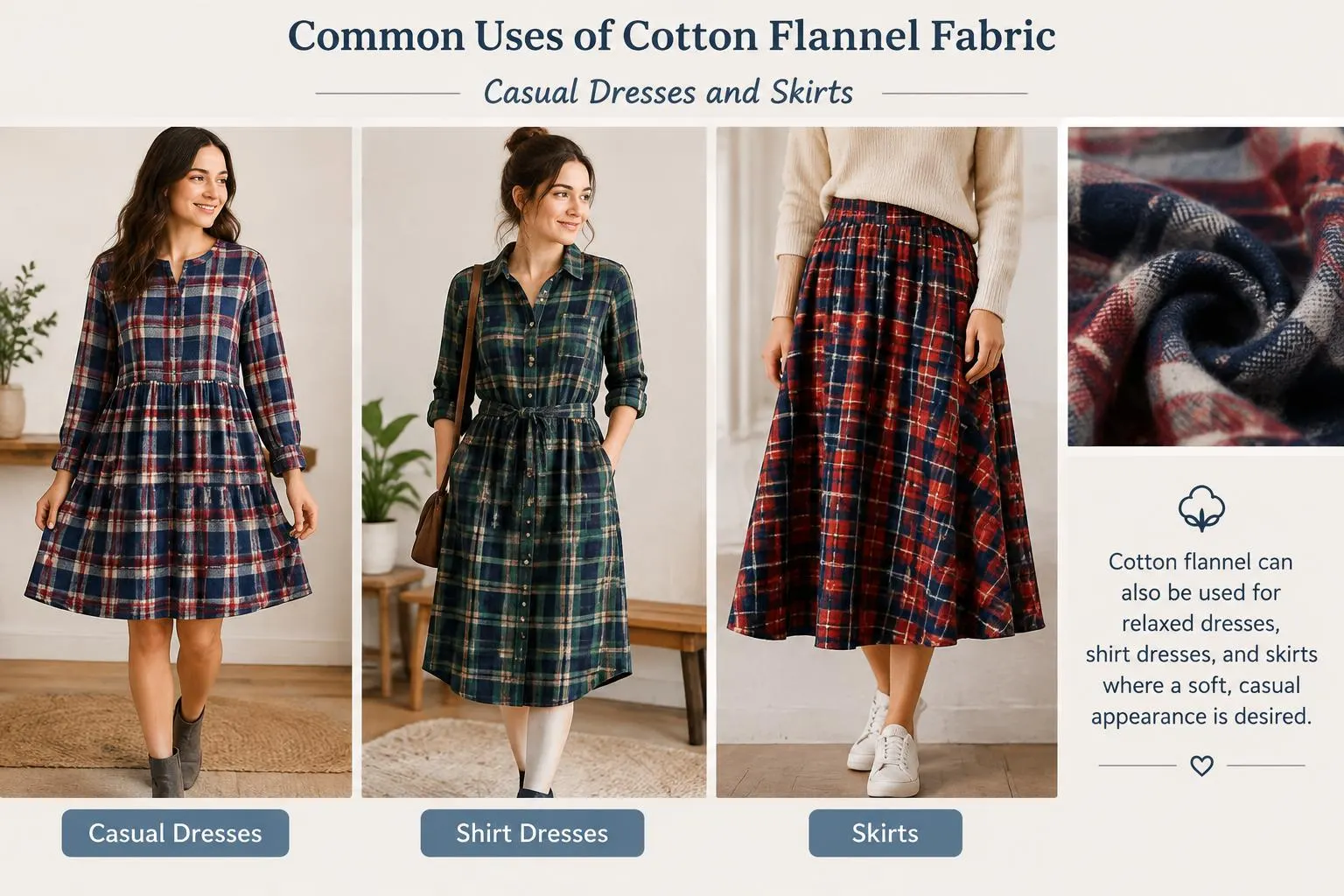
Casual Dresses and Skirts
Cotton flannel can also be used for relaxed dresses, shirt dresses, and skirts where a soft, casual appearance is desired.
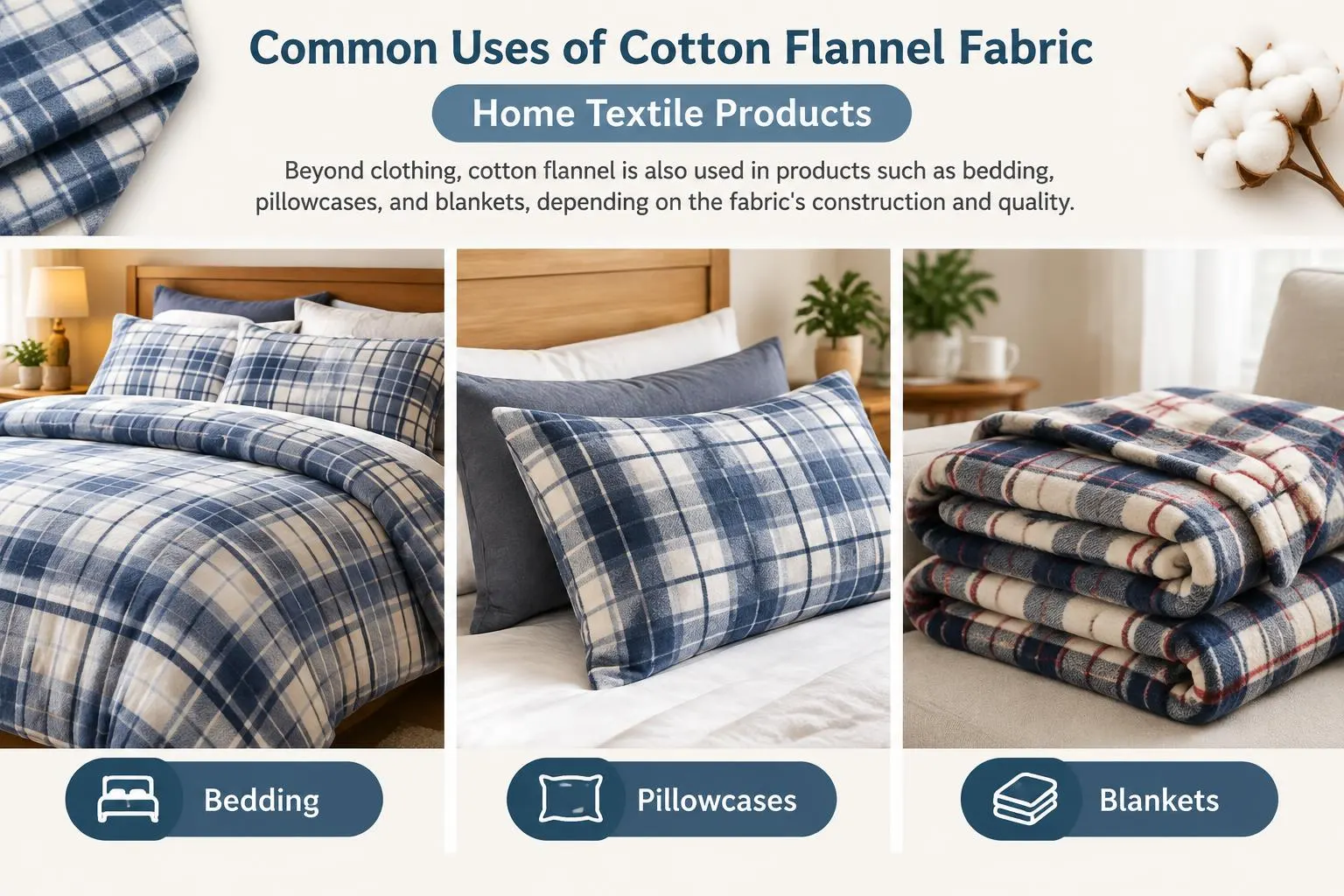
Home Textile Products
Beyond clothing, cotton flannel is also used in products such as bedding, pillowcases, and blankets, depending on the fabric’s construction and quality.
How to Care for Cotton Flannel Fabric
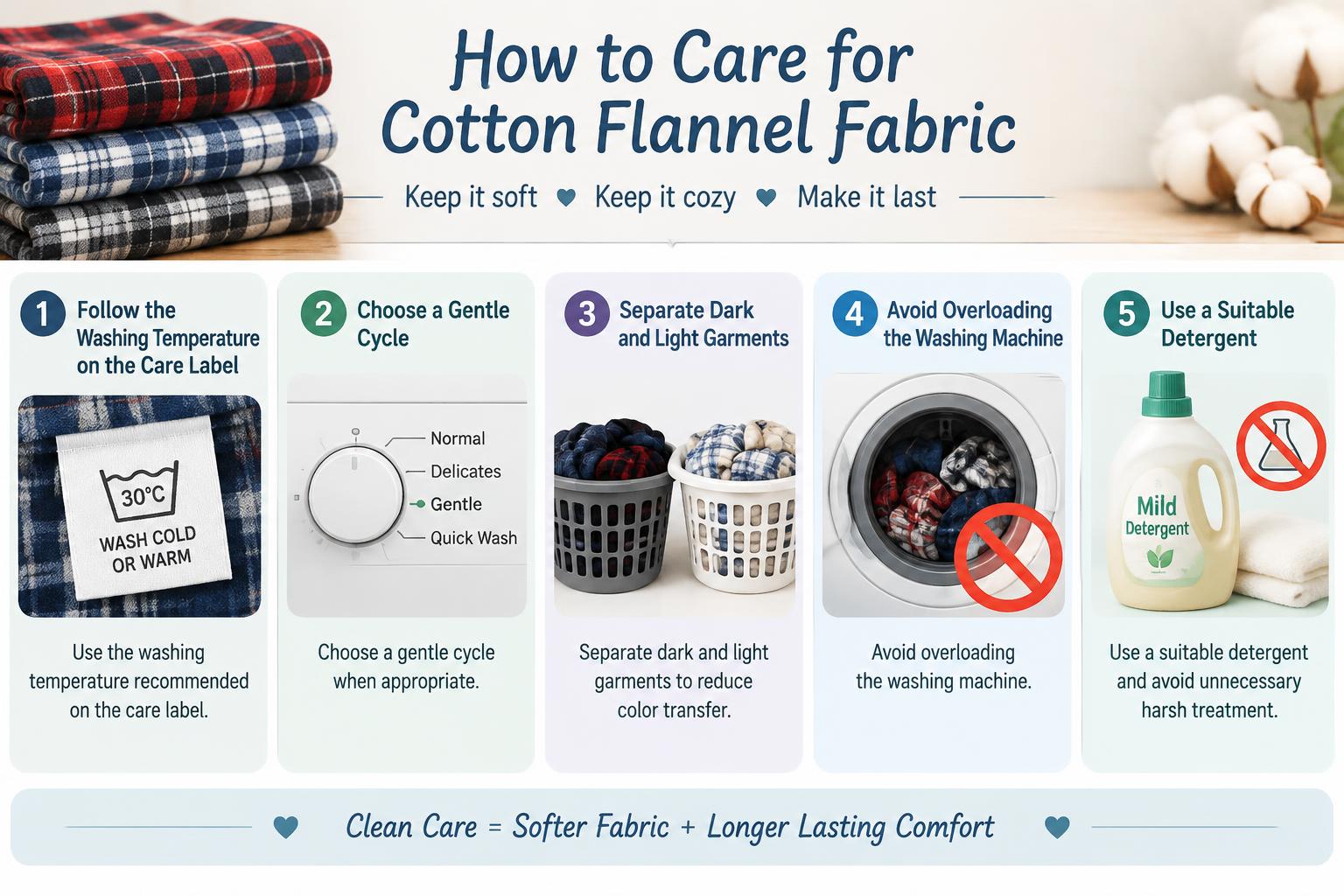
Proper care can help preserve cotton flannel’s softness and appearance. Always follow the garment care label, as washing requirements may vary with fiber composition, dyes, and finishing treatments.
Washing Cotton Flannel
- Use the washing temperature recommended on the care label.
- Choose a gentle cycle when appropriate.
- Separate dark and light garments to reduce color transfer.
- Avoid overloading the washing machine.
- Use a suitable detergent and avoid unnecessary harsh treatment.
Drying Cotton Flannel
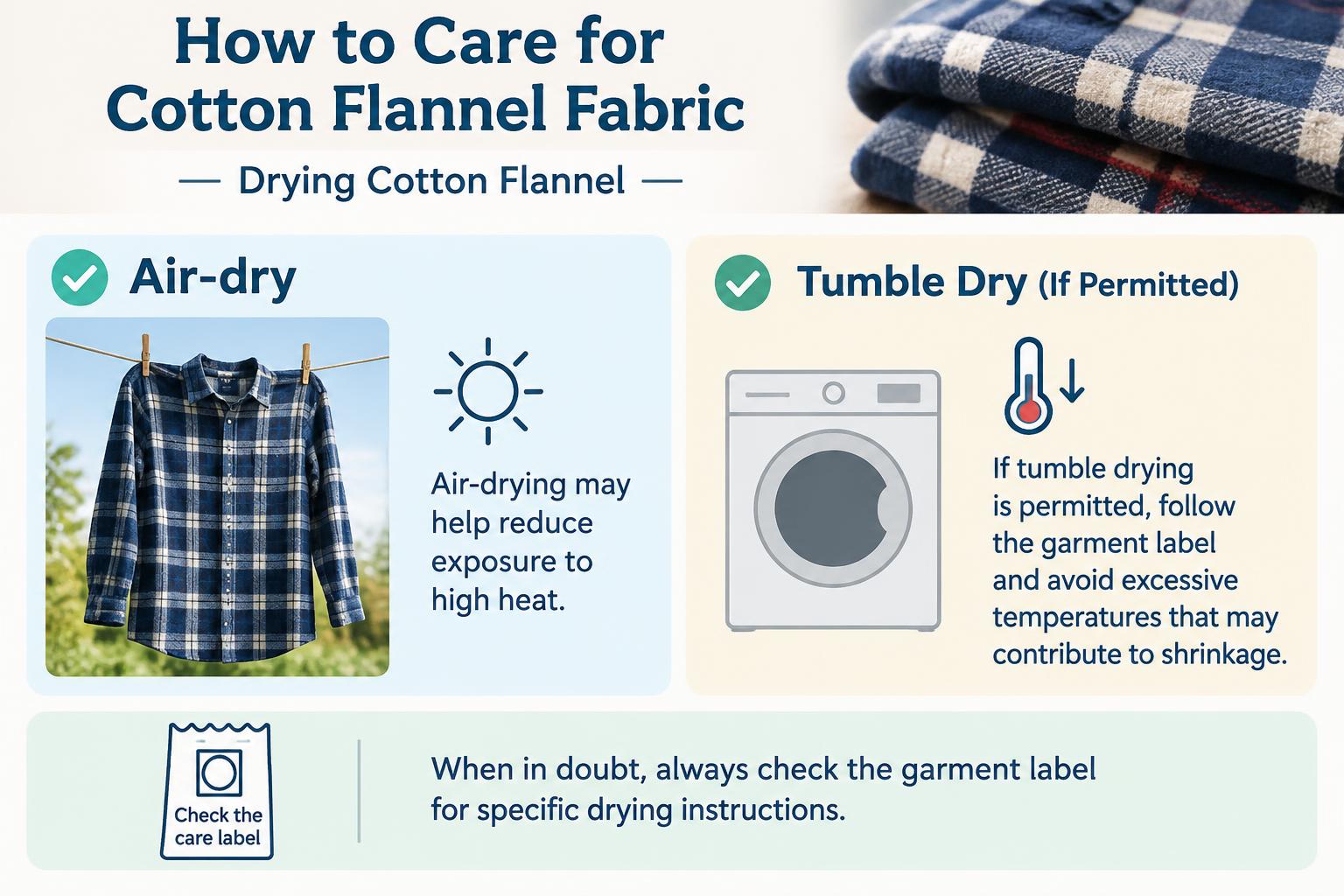
Air-drying may help reduce exposure to high heat. If tumble drying is permitted, follow the garment label and avoid excessive temperatures that may contribute to shrinkage.
Reducing Pilling
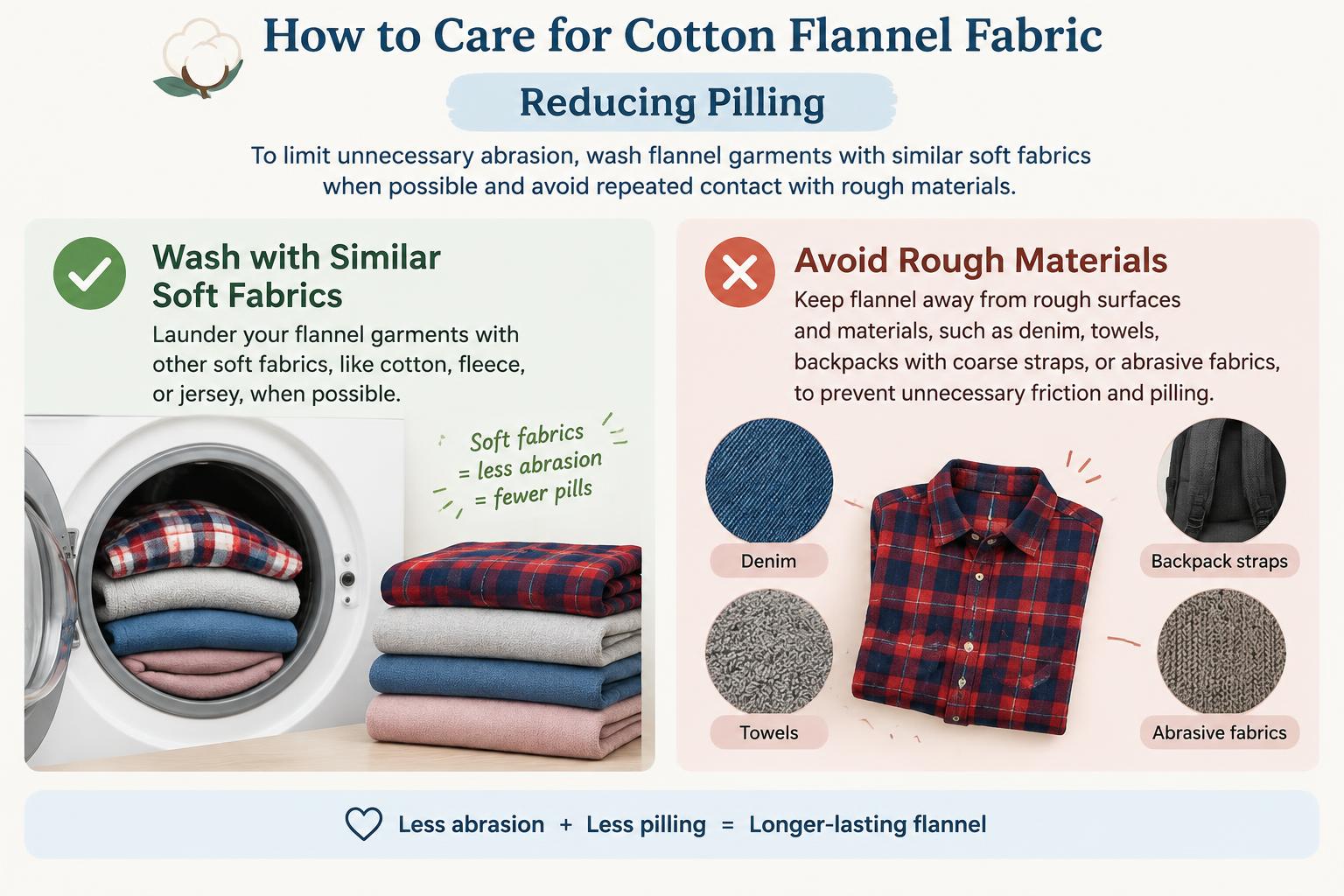
To limit unnecessary abrasion, wash flannel garments with similar soft fabrics when possible and avoid repeated contact with rough materials.
Ironing Cotton Flannel
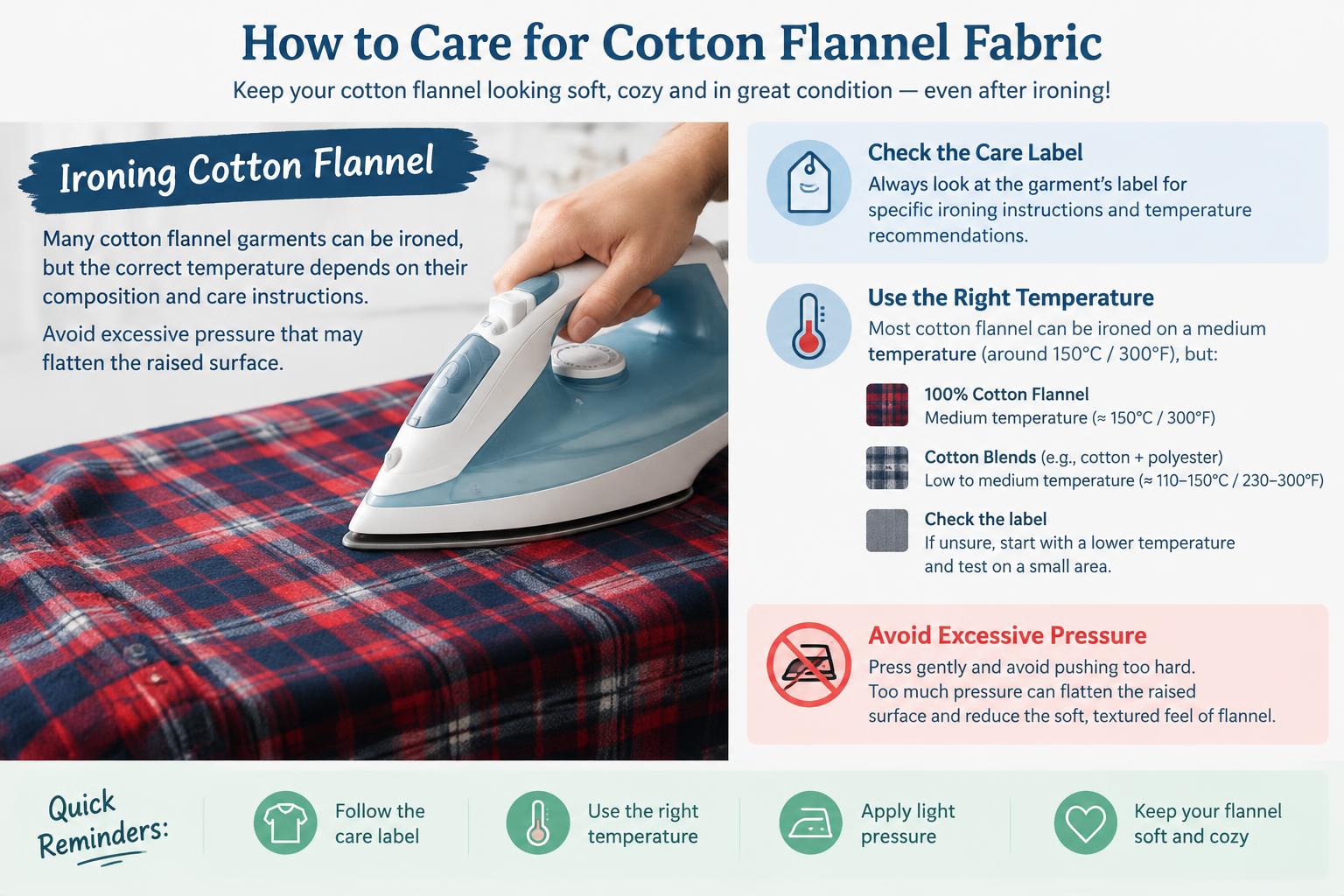
Many cotton flannel garments can be ironed, but the correct temperature depends on their composition and care instructions. Avoid excessive pressure that may flatten the raised surface.
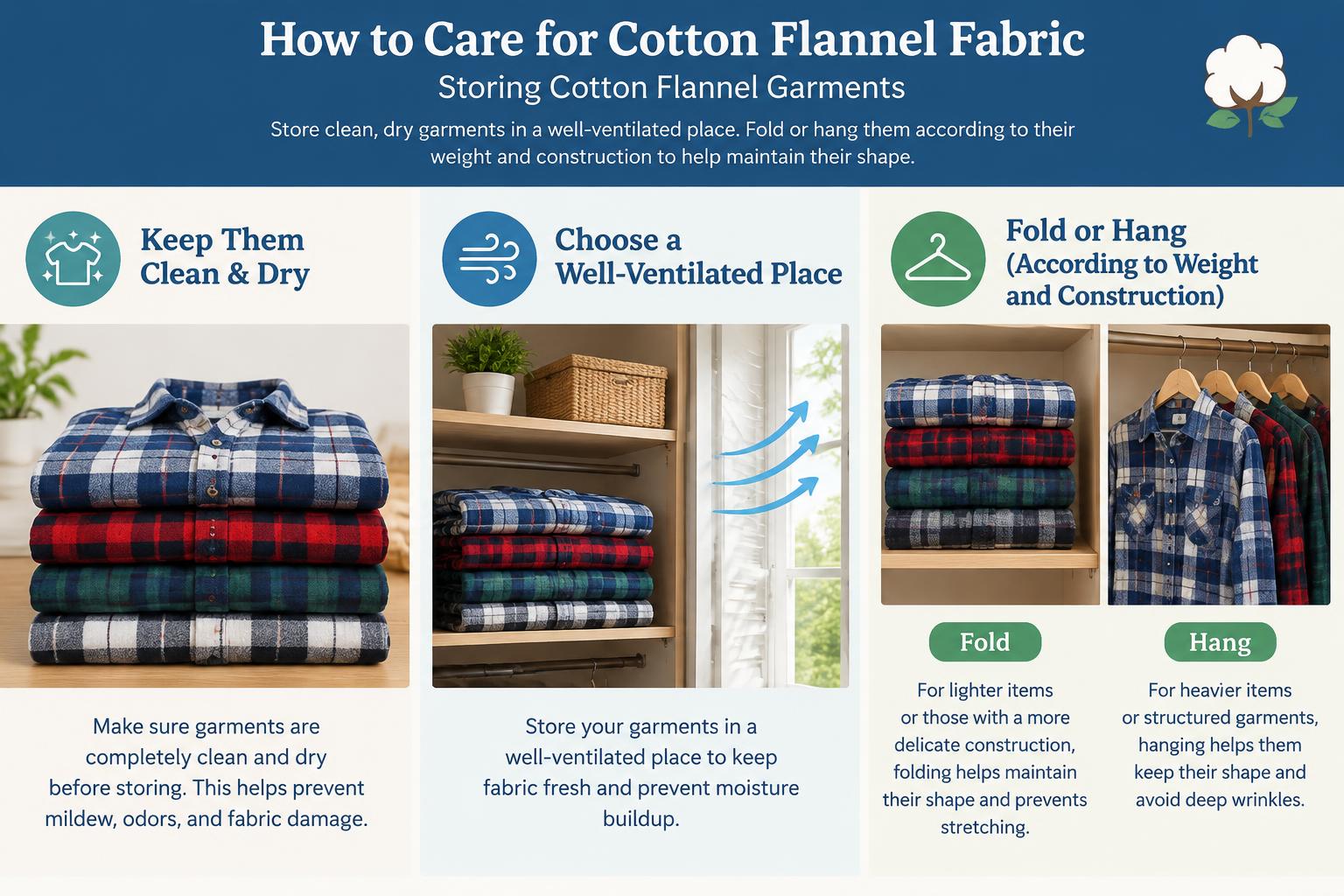
Storing Cotton Flannel Garments
Store clean, dry garments in a well-ventilated place. Fold or hang them according to their weight and construction to help maintain their shape.
Conclusion: Is Cotton Flannel Fabric the Right Choice?
Cotton flannel fabric is a versatile option for clothing that prioritizes softness, comfort, and a relaxed appearance. Its brushed or napped surface makes it particularly popular for casual shirts, pajamas, sleepwear, and cooler-weather garments. However, cotton flannel is not automatically suitable for every clothing application. Fabric weight, brushing quality, pilling resistance, shrinkage, and climate suitability should all be considered during material selection.
For fashion brands and garment manufacturers, choosing the right cotton flannel involves balancing comfort, appearance, durability, and production requirements. Looking for a reliable garment manufacturing partner? Visit Mekong Garment to explore garment manufacturing services and discuss your clothing production needs.
Frequently Asked Questions About Cotton Flannel Fabric
Is Cotton Flannel Fabric Good for Winter?
Yes. Cotton flannel is commonly used for cooler-weather clothing because its soft, raised surface can help provide warmth. However, its insulating performance depends on fabric weight, construction, and garment design.
Is Cotton Flannel Fabric Breathable?
Cotton flannel can provide comfortable airflow, but breathability varies with fabric density, thickness, and finishing. Heavy flannel may feel less comfortable in warm, humid weather.
Is Cotton Flannel Fabric 100% Cotton?
Not always. Some flannel fabrics are made from 100% cotton, while others use blends or different fibers. Always confirm the supplier’s fiber composition.
Does Cotton Flannel Shrink After Washing?
It can. Shrinkage depends on fabric construction, finishing, and washing conditions. Preshrunk fabrics may offer better dimensional stability, but actual test results should be checked.
Does Cotton Flannel Fabric Pill?
Pilling may occur because the raised surface contains fibers that can become entangled through friction. Fabric quality and finishing influence pilling resistance.
Is Cotton Flannel Suitable for Pajamas?
Yes. Soft cotton flannel is widely used for pajamas and sleepwear, particularly for cooler conditions. Fabric weight and applicable sleepwear safety requirements should be considered.
What Is the Difference Between Flannel and Fleece?
Flannel is commonly a woven fabric with a soft, often napped surface. Fleece is frequently a knitted synthetic fabric with a raised surface. Their composition, construction, and performance can differ significantly.
Is Cotton Flannel Suitable for Summer?
Some lightweight cotton flannel garments may be comfortable in mild conditions, but medium-weight and heavyweight flannel can feel too warm in hot, humid climates.
Is Plaid Fabric the Same as Flannel?
No. Plaid is a pattern, while flannel is a fabric type. Plaid designs can appear on flannel, poplin, Oxford, and many other textiles.
What Should Clothing Brands Check Before Buying Cotton Flannel?
Brands should confirm fiber composition, fabric weight, brushing quality, shrinkage, pilling resistance, colorfastness, usable width, and consistency with approved production samples.