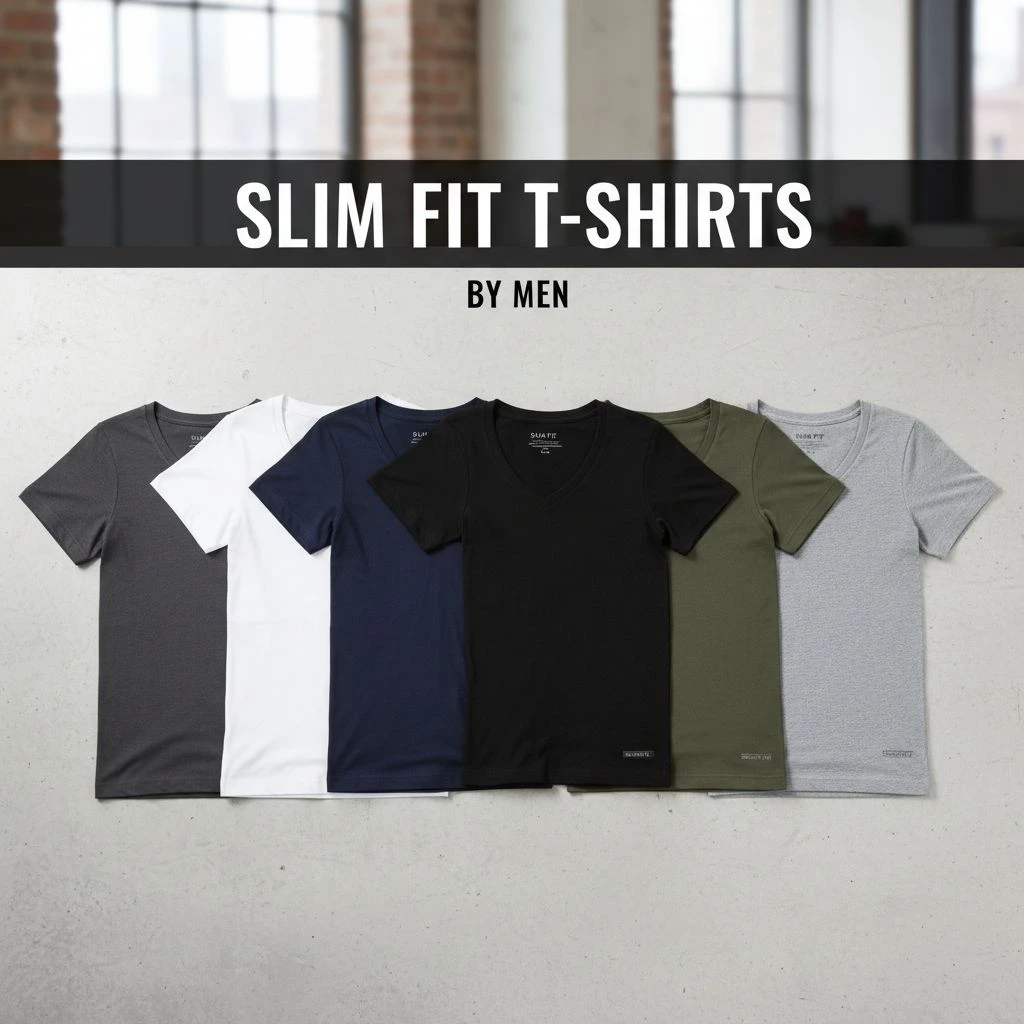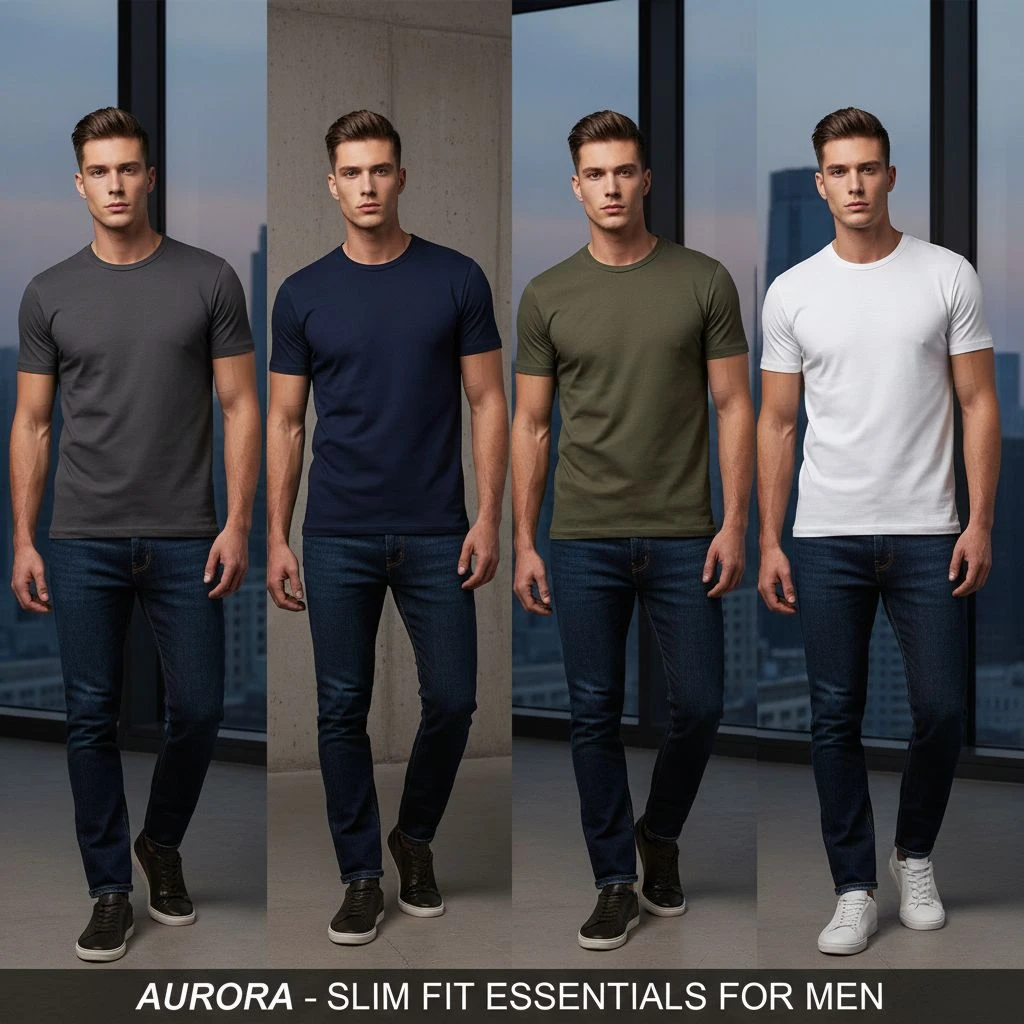
What Is a Slim Fit T-Shirt? Fit Guide, Fabric Tips, and Styling Rules

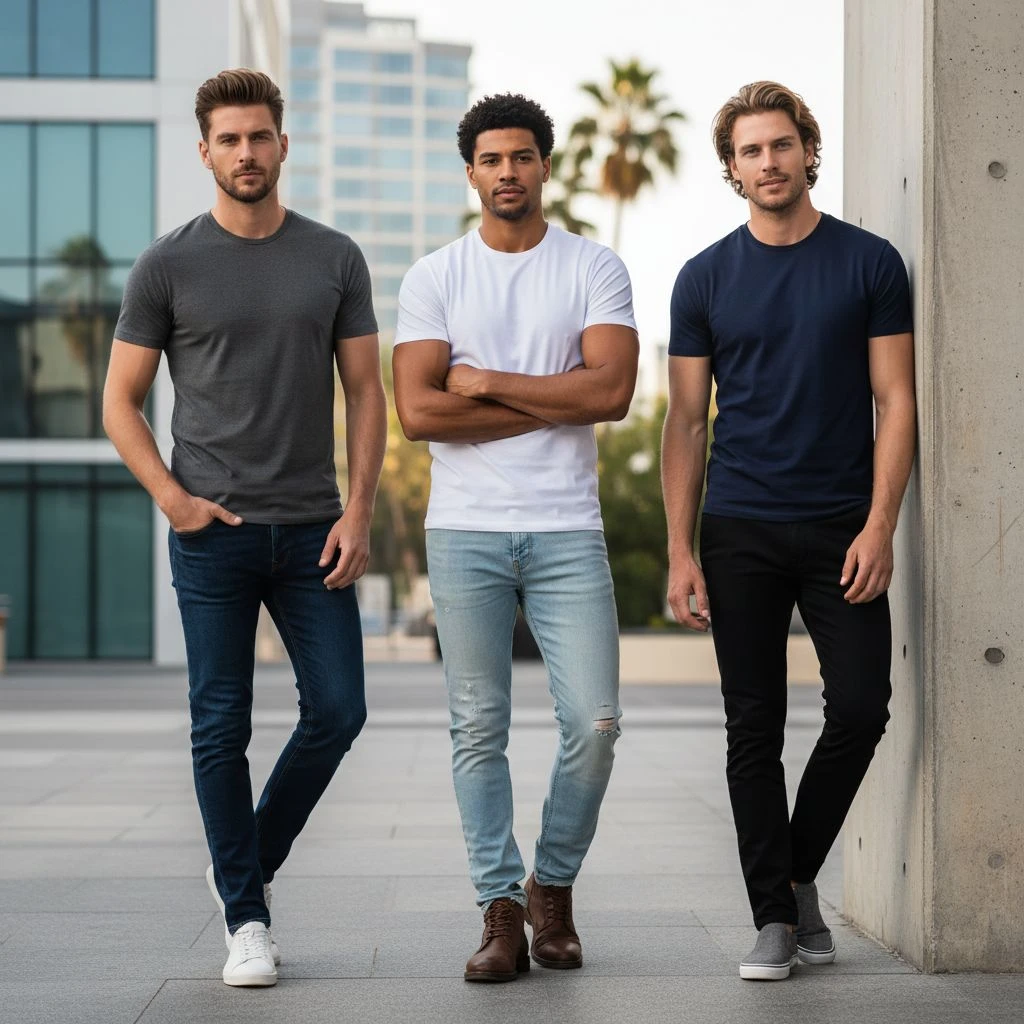
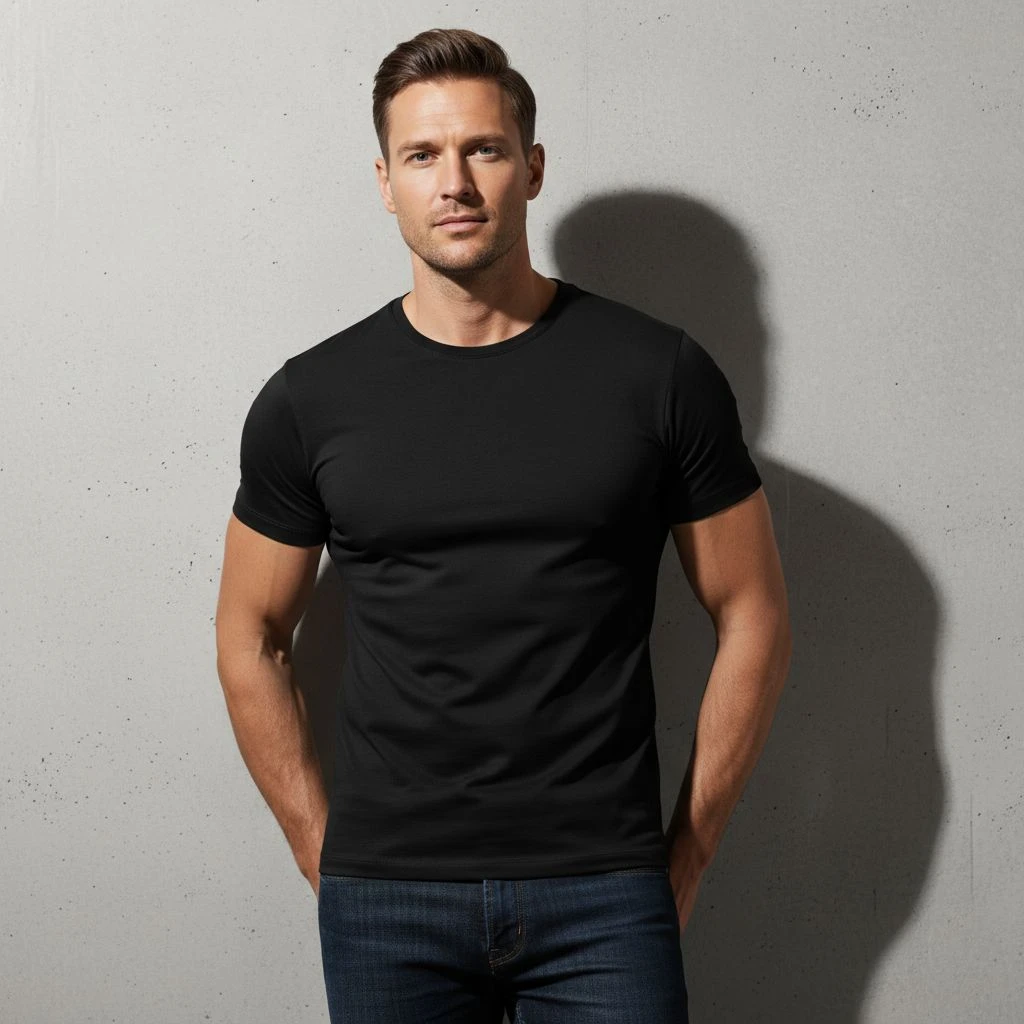
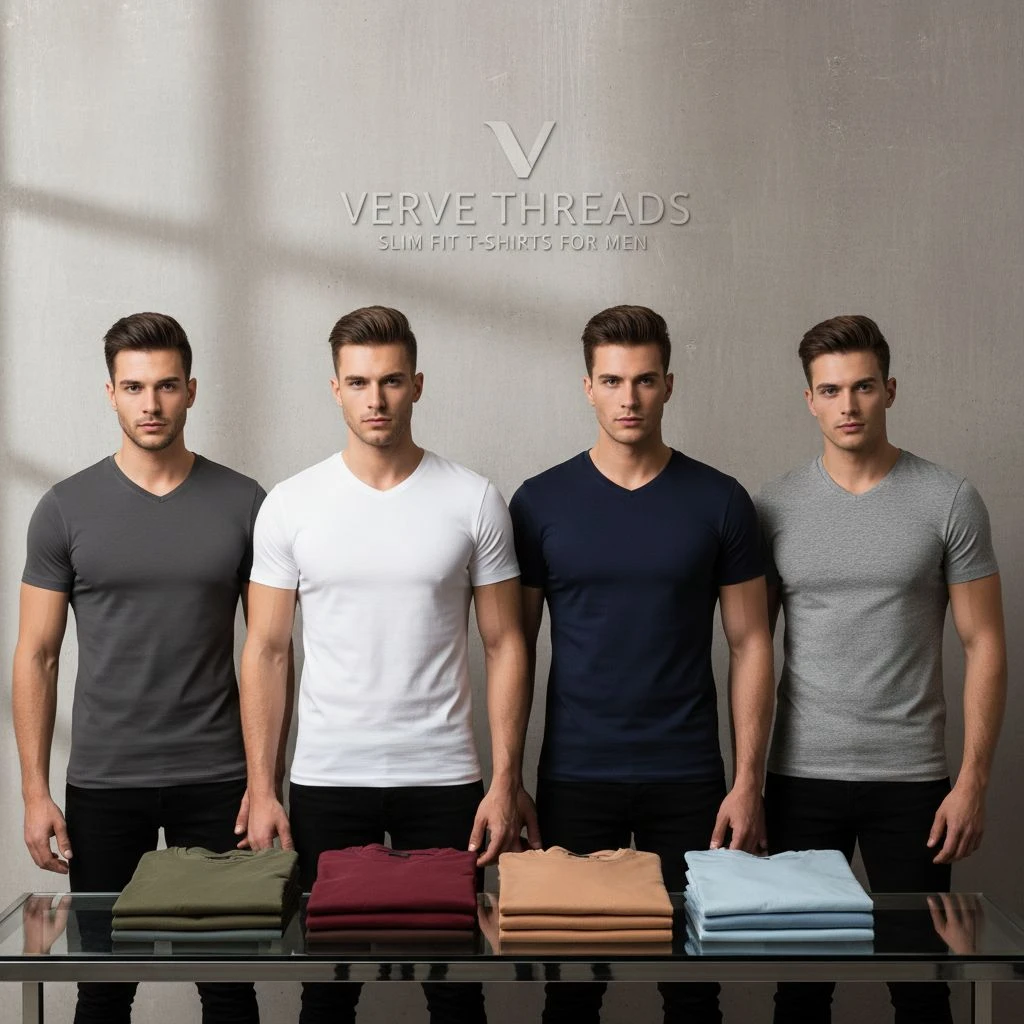
A slim fit T-shirt is a tee cut closer to the body than a regular fit, but not as tight as skinny fit. The goal is a cleaner outline: less extra fabric at the waist and chest, and a sharper look overall. “Slim fit” is not a standard. One brand’s slim can be another brand’s regular or even close to skinny. So don’t trust the label. Trust how it fits on your shoulders, chest, and waist.

What “Slim Fit” t Shirts Actually Means?

“What slim fit” actually means is simple: the T-shirt is cut closer to your body than a regular fit, with less extra fabric in the chest, waist, and sleeves. The goal is a cleaner, sharper shape, not a tight “painted on” look. Just don’t treat the label like a rule brands use “slim” differently, so the real test is how it sits on your shoulders and whether it pulls or feels restrictive.

A slim fit tee usually has:

  • Narrower torso (less room around chest and waist)
  • Slight taper from chest down to waist
  • Higher armholes and trimmer sleeves (often)
  • A silhouette that looks “neat” even without layering

=> Think of it like this: Regular fit = balanced room., Slim fit = balanced room, but “pulled in” a bit.

Why people like slim fit tees

People like slim fit tees because they make an outfit look cleaner with almost zero effort. With less extra fabric, the shirt sits closer to the body, so you get a sharper silhouette and a more “put-together” vibe especially in photos. It also layers nicely under jackets because it doesn’t bunch up. But here’s the catch: if the fit is even slightly too tight, slim fit stops looking sharp and starts looking uncomfortable fast.

  • 1) Cleaner silhouette: Slim fit reduces “flapping” fabric, so your outfit looks more intentional.
  • 2) Looks sharper in photos: Less bulk around the waist and sleeves can make you look more structured.
  • 3) Easy to dress up: A solid slim tee under a jacket can look smart-casual fast
  • 4) Great for layering: Under a fitted jacket or blazer, slim fit prevents bunching.

When slim fit is the Best choice Or Not?

Slim fit can be a great choice when you want a clean, modern silhouette especially for smart casual outfits or layering under a jacket. But it’s not automatically “better” than regular fit. In hot weather, on long workdays, or with low-stretch fabric, slim fit can feel restrictive and highlight pulling lines. This section helps you know when slim fit will make you look sharper and when it will just make you feel uncomfortable or look like you bought the wrong size.

When slim fit is the best choice

Slim fit is usually the best pick when you want:

  • A neater look without a button-up
  • A modern, clean style for smart casual outfits
  • A tee that works under jackets
  • A silhouette that shows shape (but not “tight”)

It’s also great if you prefer a more tailored look but still want T-shirt comfort.

When slim fit is NOT the best choice

If you prioritize comfort all day: Slim fit can feel annoying if you sit a lot, work actively, or move frequently—especially in non stretch fabric.

Notes: Many people buy slim fit to “look thinner.” If it’s too tight, it does the opposite because tension lines scream “wrong size.”

How A Slim Fit T-shirt Should Fit

A slim fit T-shirt should feel close but not tight. It’s meant to follow your shape lightly clean on the shoulders, neat at the chest, and slightly shaped at the waist while still letting you move normally. If you see strong pulling lines, feel trapped in the arms, or the fabric clings hard to your stomach, that’s not “slim fit,” it’s simply the wrong size or the wrong cut.

Shoulders

  • Shoulder seam should sit near your shoulder edge
  • No drooping, no pulling

Chest

  • Close but not tight
  • You should be able to move arms freely without the fabric straining

Waist / Body

  • Slightly shaped at the waist
  • Should not cling hard to the stomach
  • No horizontal stress lines when you stand normally

Sleeves

  • Often more fitted than regular
  • Should not squeeze or leave deep marks
  • You should still raise arms comfortably

Length

  • Long enough to cover waistband
  • Not so long it looks like a longline tee

=> Quick test: hug yourself + reach forward. If it feels tight across back/shoulders, size up or switch to regular fit.

Fabric Matters More with Slim Fit T Shirts

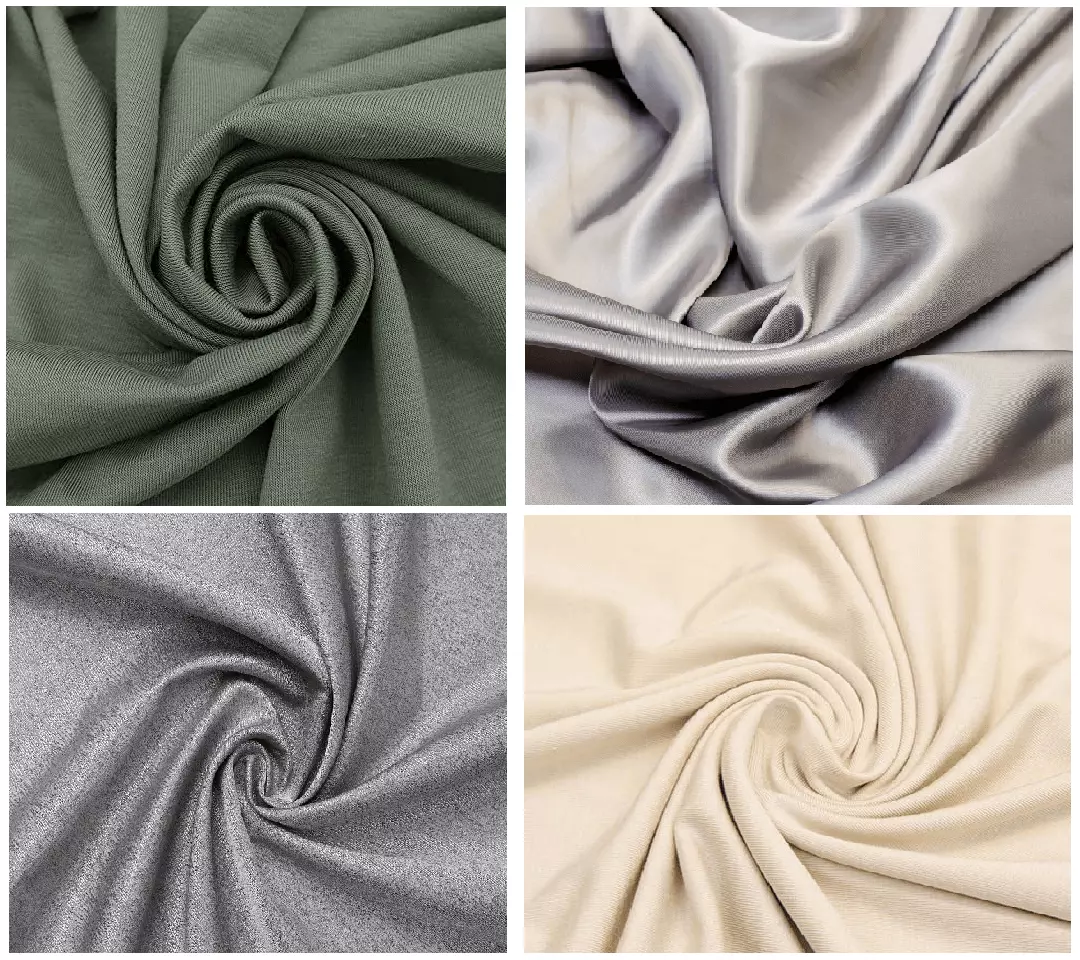
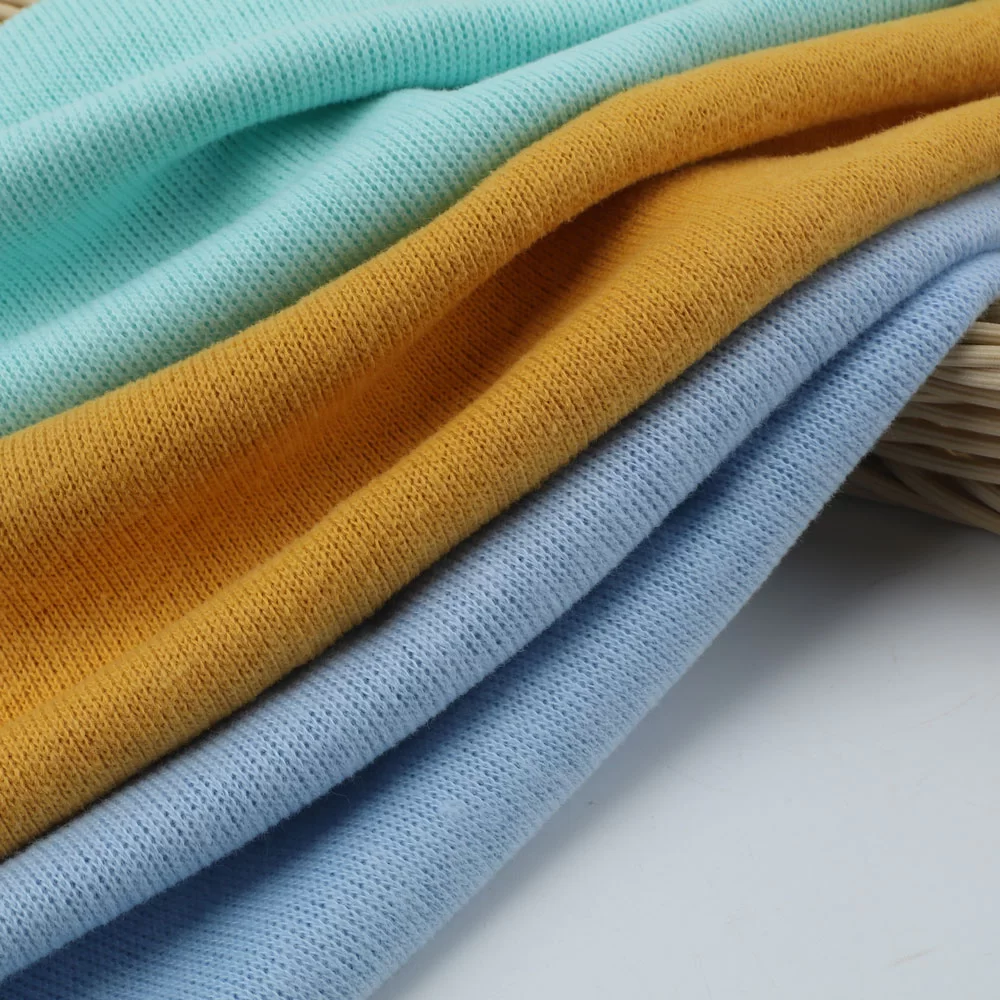
Fabric matters more with slim fit because a closer cut shows everything. If the fabric is too thin, it clings and highlights every wrinkle. If it has poor recovery, it stretches out and loses shape fast. A good slim fit tee needs fabric that drapes cleanly, bounces back after movement, and feels comfortable against the skin otherwise “slim” stops looking sharp and starts looking cheap or uncomfortable.

Slim fit tees look best when the fabric has:

  • Good recovery (springs back after stretch)
  • Enough structure so it doesn’t cling weirdly
  • Optional slight stretch for comfort

Good fabric choices:

  • Combed cotton / ring-spun cotton (smoother, better hand feel)
  • Cotton + a little elastane (helps movement and shape)
  • Cotton-modal blends (soft, drapey, comfortable)

Watch-outs:

  • Too thin = shows every line and can cling
  • Too much stretch = can look like a tight undershirt

=> Pushback: “Premium” isn’t just thicker fabric. Premium is fabric that holds shape and doesn’t warp after washing.

Styling Slim Fit Tees 

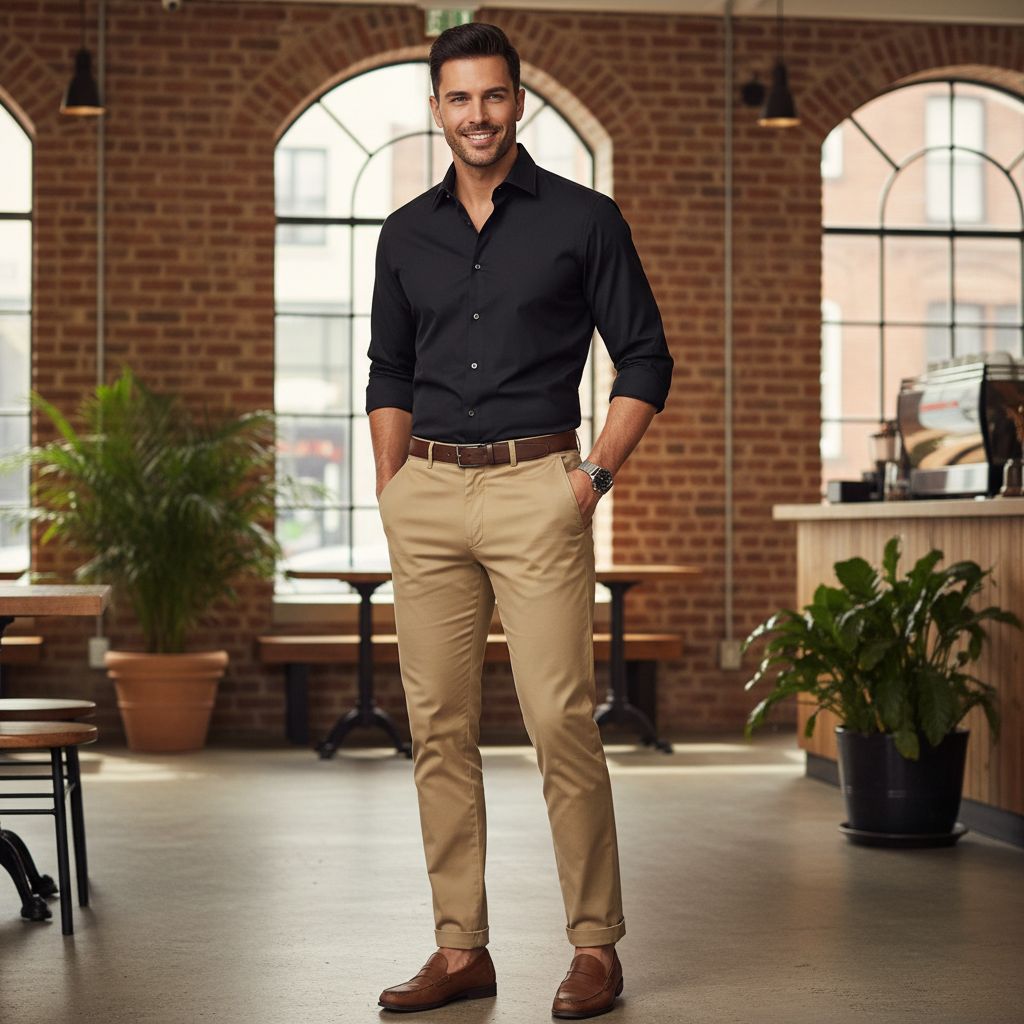
Styling slim fit tees is easy because they create a clean base that makes the whole outfit look more intentional. You can keep it simple with jeans and sneakers or dress it up with chinos and a jacket. The main rule is balance: a slim top looks best with straight or slightly relaxed bottoms, so you don’t end up in the “everything tight” look that can feel forced.

1) Smart casual

  • Slim tee (solid color: black, navy, off-white)
  • Chinos or tailored trousers
  • Clean sneakers or loafers
  • Light jacket / blazer optional

2) Minimal everyday

  • Slim tee
  • Straight jeans
  • Simple sneakers
  • Watch or belt for clean detail

3) Layering win

  • Slim tee under overshirt/denim jacket/bomber
  • Keeps outfit tidy, avoids bulk

=> Notes: If your pants are skinny too, the full outfit can look overly tight. Pair slim tee with straight or slightly relaxed pants for better balance.

Slim Fit vs Regular Fit vs Skinny Fit vs Oversize

Slim fit, regular fit, skinny fit, and oversized are basically four different levels of “room” around your body. Regular fit is the safe middle, slim fit is cleaner and closer, skinny fit is tight and least forgiving, and oversized is intentionally roomy and relaxed. The tricky part is that brands label these inconsistently so the best way to choose is to compare how each fit changes your silhouette, comfort, and movement, not just what the tag says.

Factor Regular Fit Slim Fit Skinny Fit Oversized
Overall vibe Balanced, everyday Clean, sharp Tight, bold Relaxed, trendy
Room (ease) Medium Low Very low Very high
Silhouette Straight / natural Slight taper Close to body Boxy / wide (often dropped)
Comfort (all-day) High Medium–high Medium–low Very high
Breathability Good Medium Low–medium Very good
Movement Easy Usually fine Can feel restrictive Easiest
Best for Daily wear, work, travel Smart casual, clean outfits Statement looks, boots/high tops Streetwear, layering
Layering Great base layer Great under fitted jackets Works under big layers Great over long sleeves/hoodies
If size is slightly wrong Still looks okay Looks tight fast Looks/feels wrong fast Can look sloppy if not intentional
Fabric that works best Most fabrics Better with slight stretch or good cut Usually needs stretch + strong recovery Medium/heavy fabric holds shape best
Common mistake Buying too big, looks plain Too small, pulling lines Stiff fabric, uncomfortable Just sizing up regular, weird proportions
Who should pick it Want safe + easy Want neat + modern Want tight + edgy Want relaxed + fashionable

Final Words / Conclusion

Slim fit T-shirts can be a great upgrade when they’re chosen for the right reason: a cleaner silhouette, easy layering, and a more put-together look. But slim fit is not “better” by default if the shirt pulls, clings, or limits movement, it stops looking sharp and starts looking like the wrong size. The smartest way to win with slim fit is to focus on the real basics: shoulders that sit right, enough room to breathe, a good length, and fabric that holds shape. Get those right, and a slim fit tee becomes a reliable style tool not a daily discomfort.

Related posts