


Why Clothing Manufacturers Charge Sample Fees?

If you’ve ever contacted a clothing manufacturer, chances are you were asked to pay a sample fee. For many brands—especially new ones—this can feel confusing or even frustrating. A common question comes up fast: “If I plan to place a bulk order, why isn’t the sample free?”

=> The short answer is simple: A garment sample is not a mini version of mass production. It is a custom development project with high costs, skilled labor, and real business risk.

In B2B apparel manufacturing, sample fees are a standard and professional practice. They help cover real expenses, protect factory resources, and ensure both sides are serious about working together. Understanding why these fees exist will help you plan better, communicate better, and build stronger factory relationships.

What Is a Sample Fee in Apparel Manufacturing?

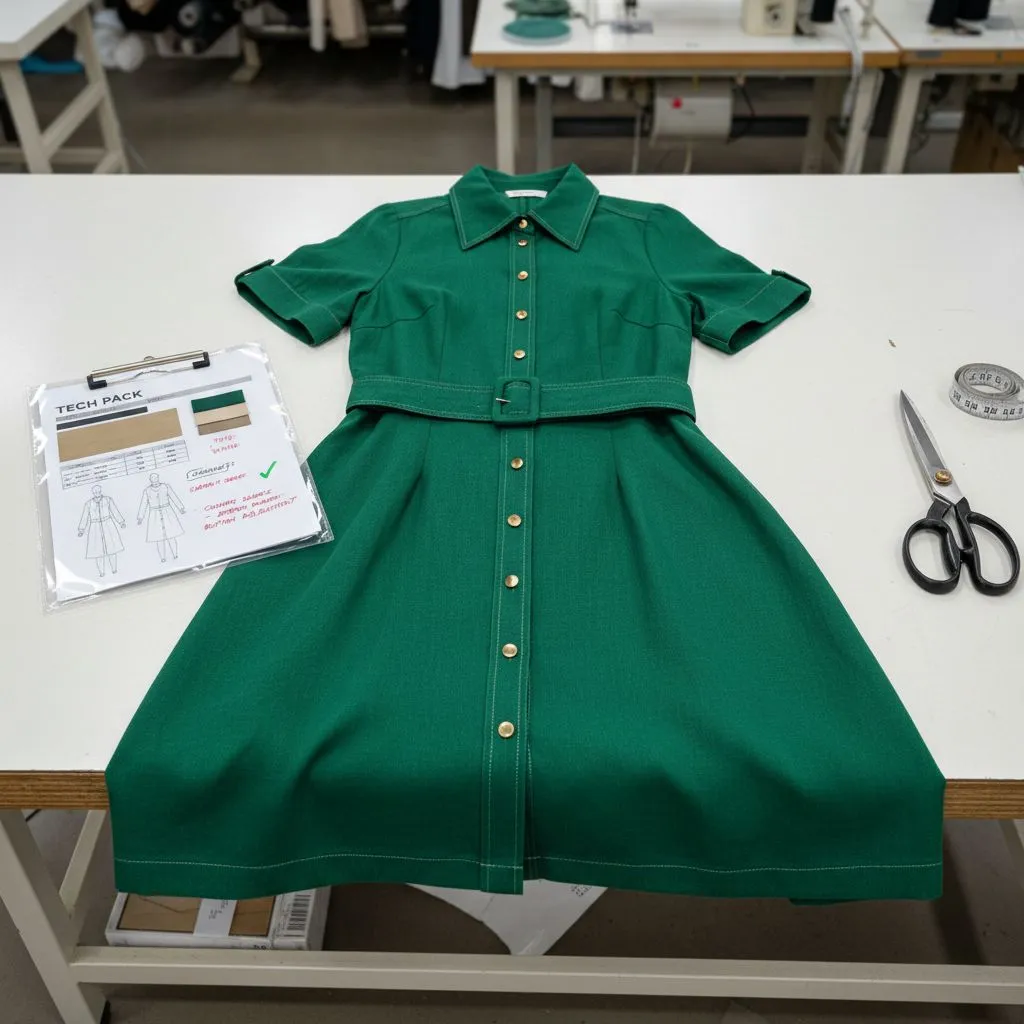
A sample fee is the cost a manufacturer charges to develop a physical prototype of your garment before bulk production. A garment sample may look small, but the work behind it is not. Unlike bulk production, sampling is a custom process built from scratch. It requires skilled people, special materials, and extra time. These real costs are the first reason sample fees exist.

This fee usually covers:

  • Materials (fabric, trims, accessories)
  • Pattern making
  • Skilled sample labor
  • Machine setup
  • Development time
  • Internal coordination

Unlike bulk production, sampling has no efficiency of scale. One garment can cost almost as much in labor as making fifty.

Break Down: The Real Costs Behind a Single Garment Sample

Why Samples Are More Expensive Than You Expect. Many brands assume samples are cheap because they are “just one piece.” In reality, samples are often more expensive per unit than bulk garments. Sampling activates multiple departments at once:

  • Product development
  • Pattern making
  • Fabric sourcing
  • Sample room sewing
  • Quality checking

All of this happens before a single production order is confirmed.

Material Costs: Small Quantity, Big Price

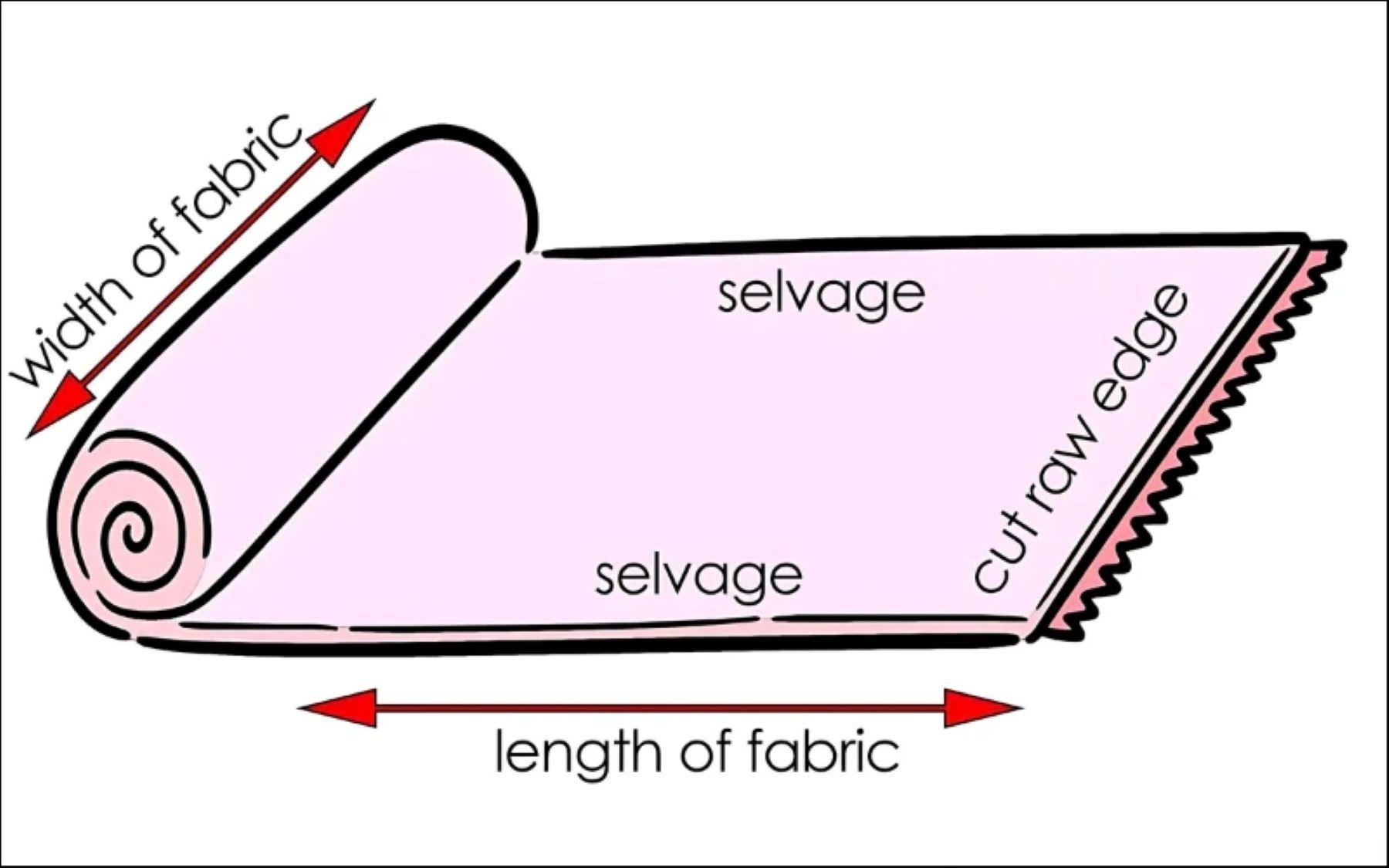
Sample materials are not bought the same way as bulk materials. Fabrics and trims usually come with minimum order requirements that far exceed sample needs. When factories buy small amounts, they often pay much higher prices. This makes material costs for samples surprisingly expensive.

Minimum Order Quantities (MOQs)

Fabric mills and trim suppliers sell in bulk. When a factory needs only a small amount for a sample, they face two options:

  • Pay a sample surcharge (often 2–3× the bulk price), or
  • Buy the full MOQ and absorb unused material

Either way, the cost lands on the sample.

Specialized or Custom Materials

If your design requires:

  • Special coatings
  • Custom dyes
  • Unique buttons or zippers

The sourcing process becomes slower and more expensive, even for one garment.

Development Waste

Sampling includes trial and error:

  • Pattern revisions
  • Test cuts
  • Sewing adjustments

Extra fabric is consumed during development, not just the final sample.

Labor Costs: Skilled Work, Not Assembly Line Sewing

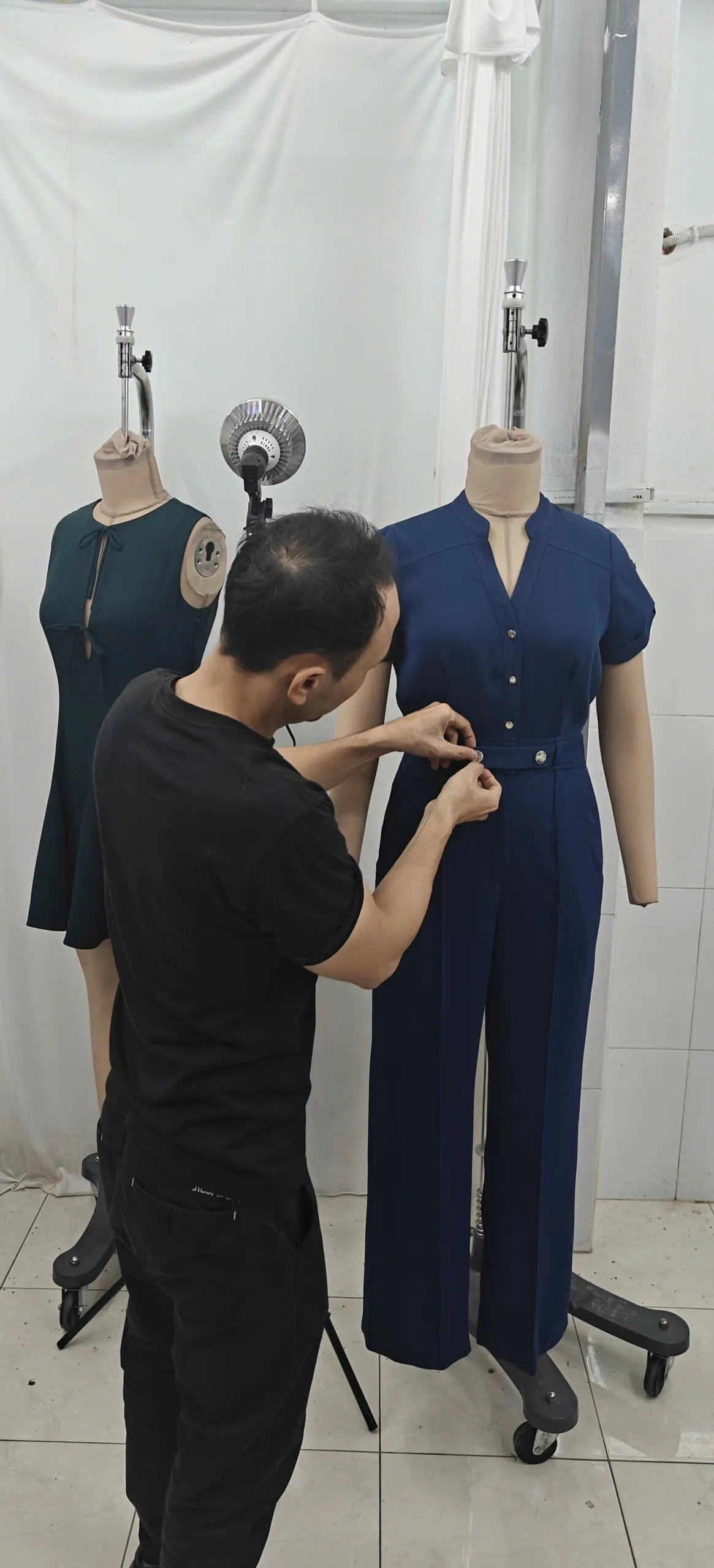
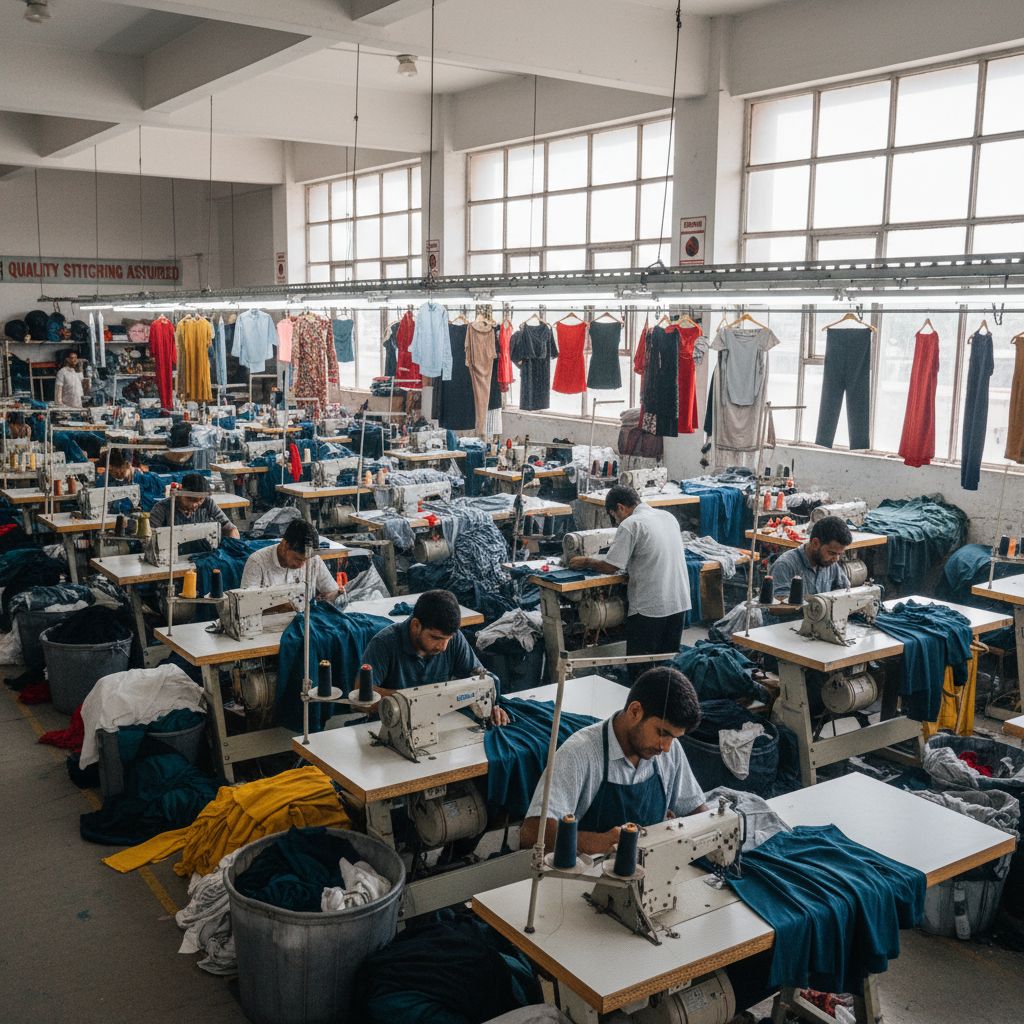
Samples are made by senior technicians, not production line workers. These experts handle pattern making, fitting, and problem-solving by hand. Their time is limited and valuable. Sample fees help cover this high-level labor.

Sample Makers Are Senior Technicians

Sample makers are not line workers. They are highly trained specialists who:

  • Read tech packs
  • Solve construction problems
  • Build garments from scratch

Their time is one of the most valuable resources in a factory.

Machine Setup Takes Time

Setting up industrial machines for:

  • Sewing
  • Embroidery
  • Printing
  • Special stitching

takes nearly the same time for one piece as for hundreds.

Opportunity Cost for the Factory

Every hour spent on unpaid sampling is an hour not spent on:

  • Paying clients
  • Confirmed production orders
  • Long-term partnerships

Without sample fees, this model simply doesn’t work.

Why Sample Fees Matter Beyond Covering Costs

Sample fees are not only about money. They also serve an important business function.

Sample Fees Filter Serious Brands

In today’s digital world, factories receive many inquiries from:

  • People with ideas but no budget
  • Brands comparing prices without commitment
  • Copycats fishing for construction details

A sample fee acts as a qualification step. It shows that the brand is ready to invest, plan, and move forward. When a brand pays a fee, the chances of moving to production increase sharply.

How Paying a Fee Changes the Working Relationship

Once a brand invests in sampling, the tone shifts.

Better Communication

Brands tend to:

  • Provide clearer instructions
  • Send more complete tech packs
  • Give focused feedback

More Realistic Expectations

Paid sampling helps brands understand:

  • Development takes time
  • Changes cost money
  • Precision matters

Shared Responsibility

Both sides now have something at stake. This turns the relationship into a collaboration, not a free trial.

Common Types of Garment Samples and Their Fees

Proto Sample (Prototype)

  • Purpose: Turn design into physical form
  • Focus: Construction, basic shape, feasibility
  • Fee: Usually charged at cost
  • Refundable: No

Fit Sample

  • Purpose: Adjust sizing and silhouette
  • Focus: Measurements and proportions
  • Fee: Often charged, sometimes discounted
  • Refundable: Rarely

Pre-Production Sample (PP Sample)

  • Purpose: Represent final bulk quality
  • Focus: Correct fabric, trims, workmanship
  • Fee: Charged at or near cost
  • Refundable: Often credited against bulk order

When Are Sample Fees Credited or Reduced?

Sample fees become more flexible when trust is established.

Credit Against Bulk Orders

This is the most common practice. The PP sample fee is deducted from the first production invoice once the order is confirmed.

Long-Term Clients

Factories may:

  • Waive fees for repeat styles
  • Reduce fees for reliable brands
  • Offer seasonal development packages

Volume Commitments

Brands developing many styles per season may receive:

  • Lower per-sample fees
  • Faster development priority
  • Dedicated development teams

How Brands Can Reduce Sample Costs and Delays

Clear preparation saves money. Brands that provide detailed tech packs and references need fewer revisions. Fewer revisions mean lower costs and faster timelines. Good preparation turns sample fees into a smart investment.

Provide a Strong Tech Pack

A clear tech pack saves time, money, and revisions. It should include:

  • Flat sketches
  • Construction notes
  • Bill of materials (BOM)
  • Measurements and tolerances
  • Fabric and trim details

Send Reference Samples

Physical references help factories understand:

  • Fit expectations
  • Fabric feel
  • Stitching quality
  • Finishing standards

Conclusion: Sample Fees Build Better Partnerships

Sample fees in B2B clothing manufacturing are not hidden charges or profit tricks. They reflect the real cost of expertise, time, and development. More importantly, they set the tone for a professional relationship:

  • Serious brands get better results
  • Factories protect their resources
  • Both sides stay aligned from day one

When handled with transparency and respect, sample fees don’t block progress they enable it.

Our Contact Information – MEKONG GARMENT FACTORY

  • Vietnam Phone: +84 947 729 829
  • WeChat: +84 947 729 829
  • WhatsApp: +84 947 729 829
  • Email: hanh@kimmy.vn

Related posts