
+6 Hidden Costs in Garment Manufacturing in Vietnam?

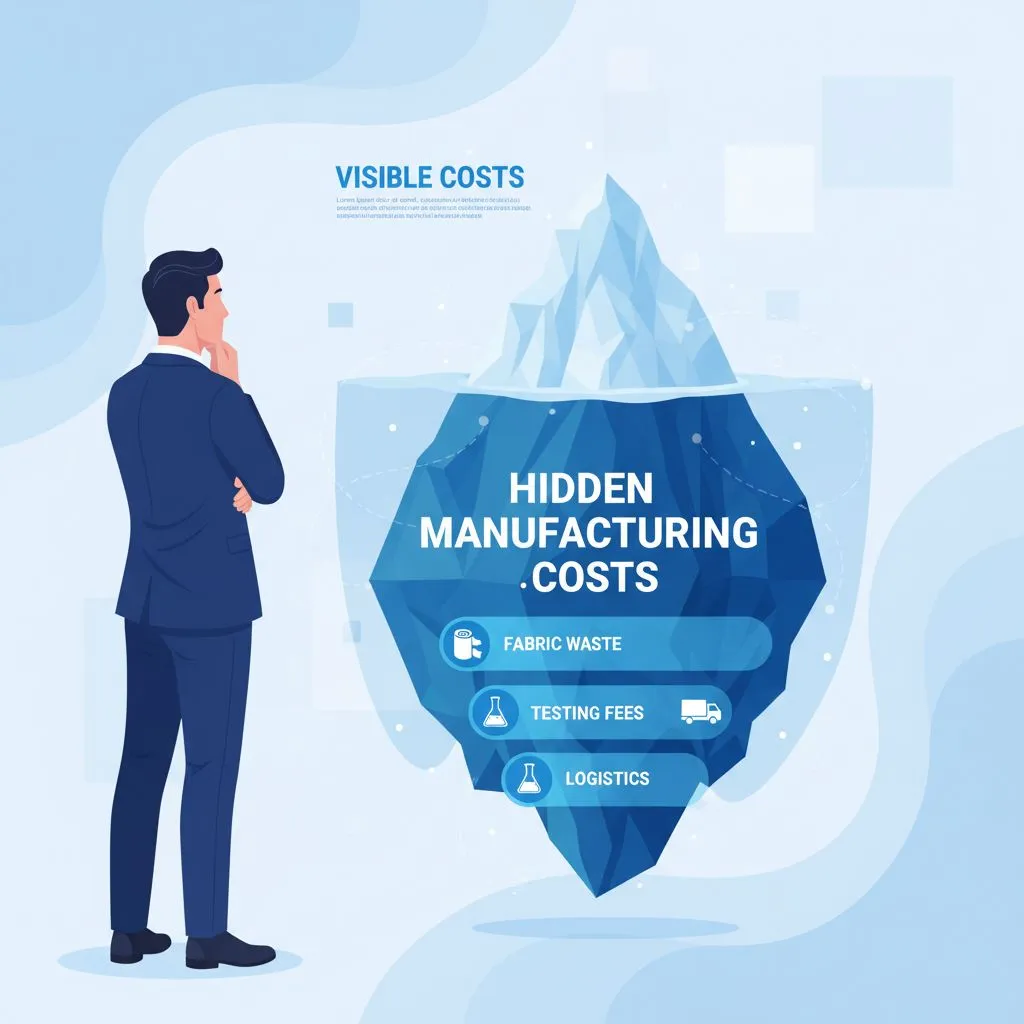
You receive a quote. The unit price looks attractive, and you start to project profit. But soon, reality sets in: that unit price is often only the factory’s making cost. Your true financial burden is the Total Landed Cost, which includes development, waste, laboratory tests, quality inspections, and complex import fees. These “hidden” costs happen for one simple reason: the initial quote did not define the full scope of work. By making the full cost visible today, you protect your margins and avoid the trap of “cheap” pricing that costs more in the long run.
Why “Hidden Costs” Happen?
Most extra charges are not actually hidden; they are unspecified. A factory cannot guess how many fit revisions you will require, what specific chemical tests your market demands, or who bears the risk of customs duties. The cure for budget surprises is not finding a cheaper factory, but turning your quote into a complete technical cost map.
The 6 Biggest Hidden Cost Buckets
1. Pre-Production Development
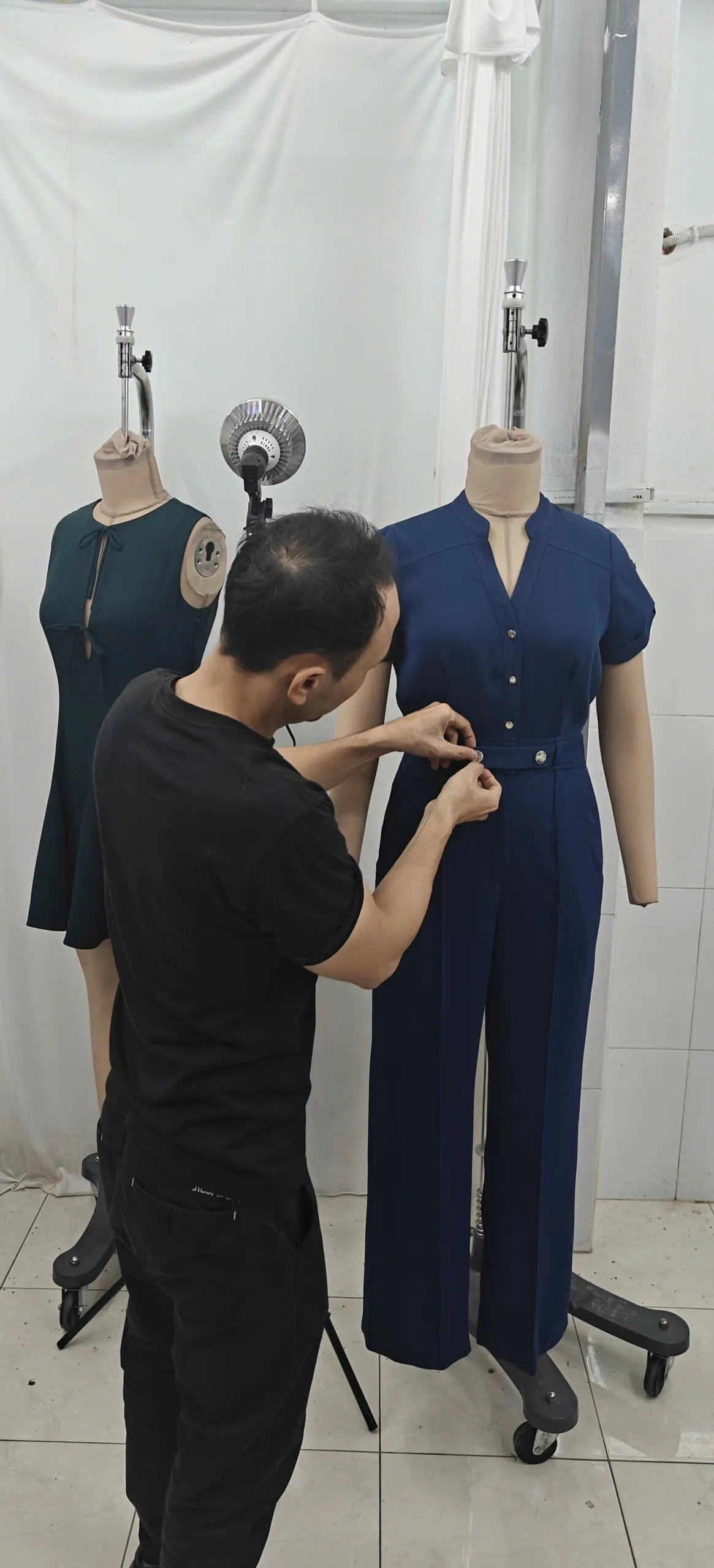
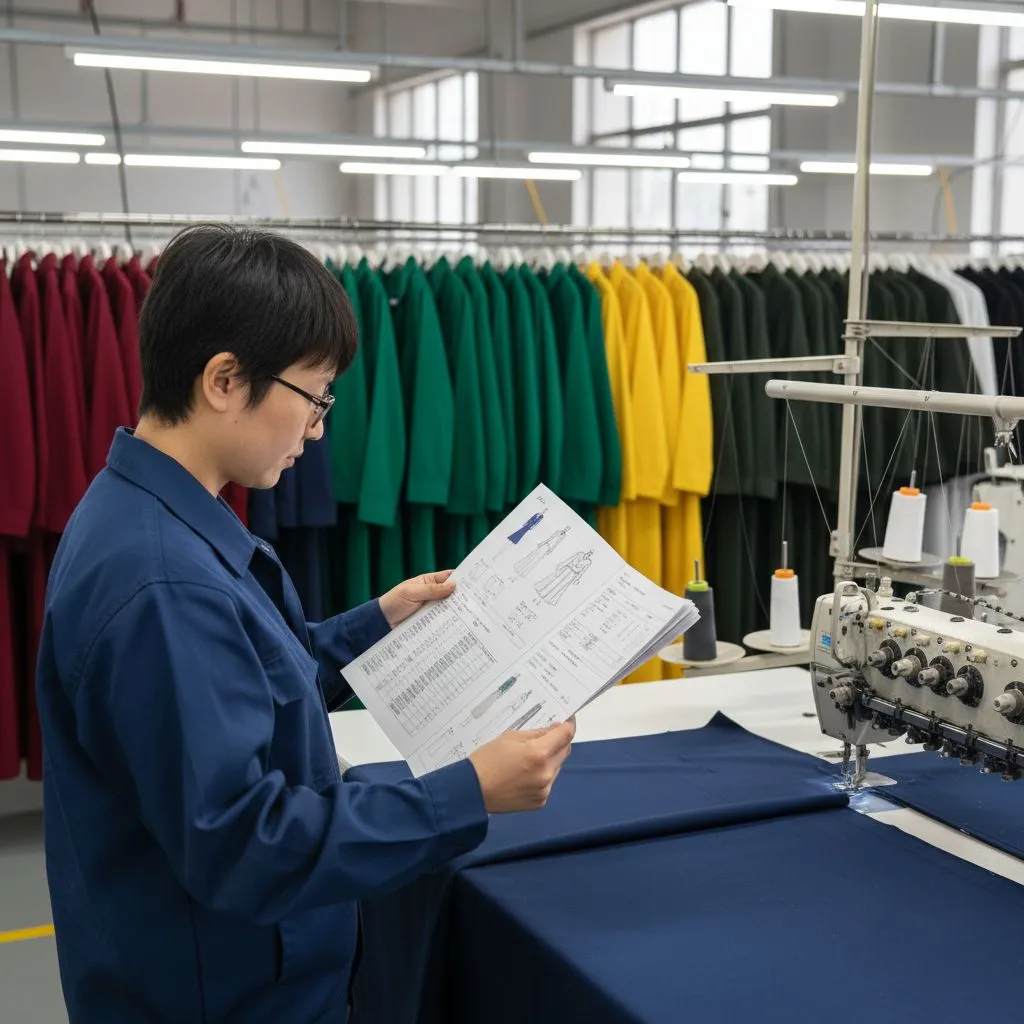
Before a single yard of fabric is cut, resources are spent on pattern engineering, grading, and tech pack cleanup. Many factories offer a “free first sample” but charge for necessary revisions. Without a defined sampling plan, these costs quietly stack up. At Mekong Garment, we recommend locking in the number of included sample rounds and the cost per extra fit revision upfront.

2. Testing and Compliance Fees
Testing is the price of market entry. For example, children’s sleepwear in the U.S. must meet flammability rules (16 CFR 1615/1616). Certifications like OEKO-TEX STANDARD 100 involve license, audit, and lab fees that are rarely included in a basic manufacturing quote. Skipping this budget line risks blocked shipments or expensive re-labeling later.
3. Fabric Waste and Marker Efficiency
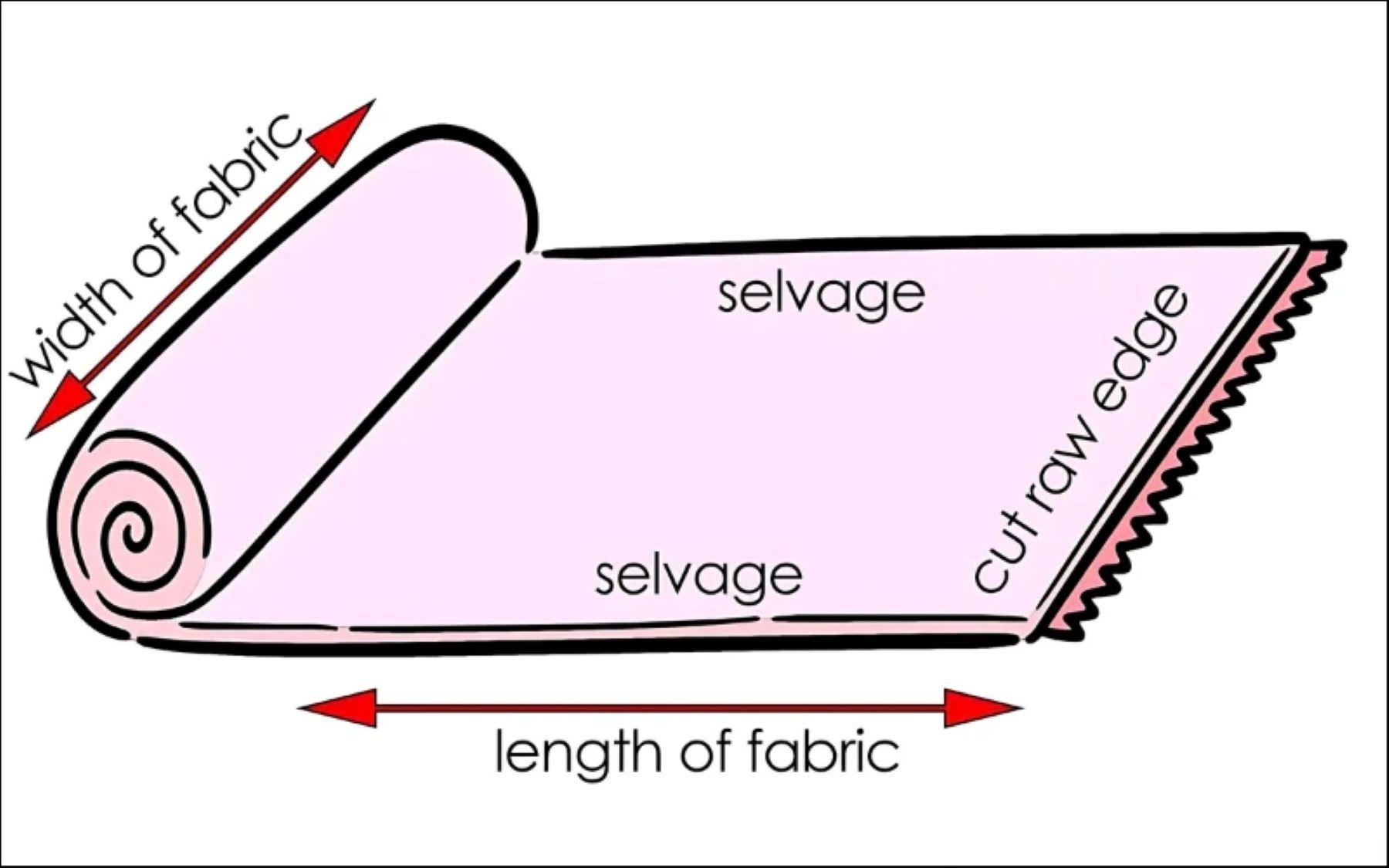
You rarely use 100% of the fabric you buy. Marker efficiency depends on pattern shape and size nesting. Complex designs can raise waste significantly. Professional costing must include two transparent numbers: Fabric Consumption per size and the Assumed Waste % (marker loss).
4. Trim MOQs and Overage Inventory
Trims look cheap until you hit supplier minimums. You may pay for 10,000 custom buttons to produce only 1,000 garments. This extra inventory ties up your cash flow. Always ask for the “MOQ overage cost” during the quoting stage.
5. Quality Control and 3rd Party Inspection
Quality is not free; it costs either money or reputation. Professional pre-shipment inspections are priced by “man-day.” While some brands skip this to save money, the cost of handling defects at the destination is always higher than the inspection fee.
6. Logistics and Import Surcharges
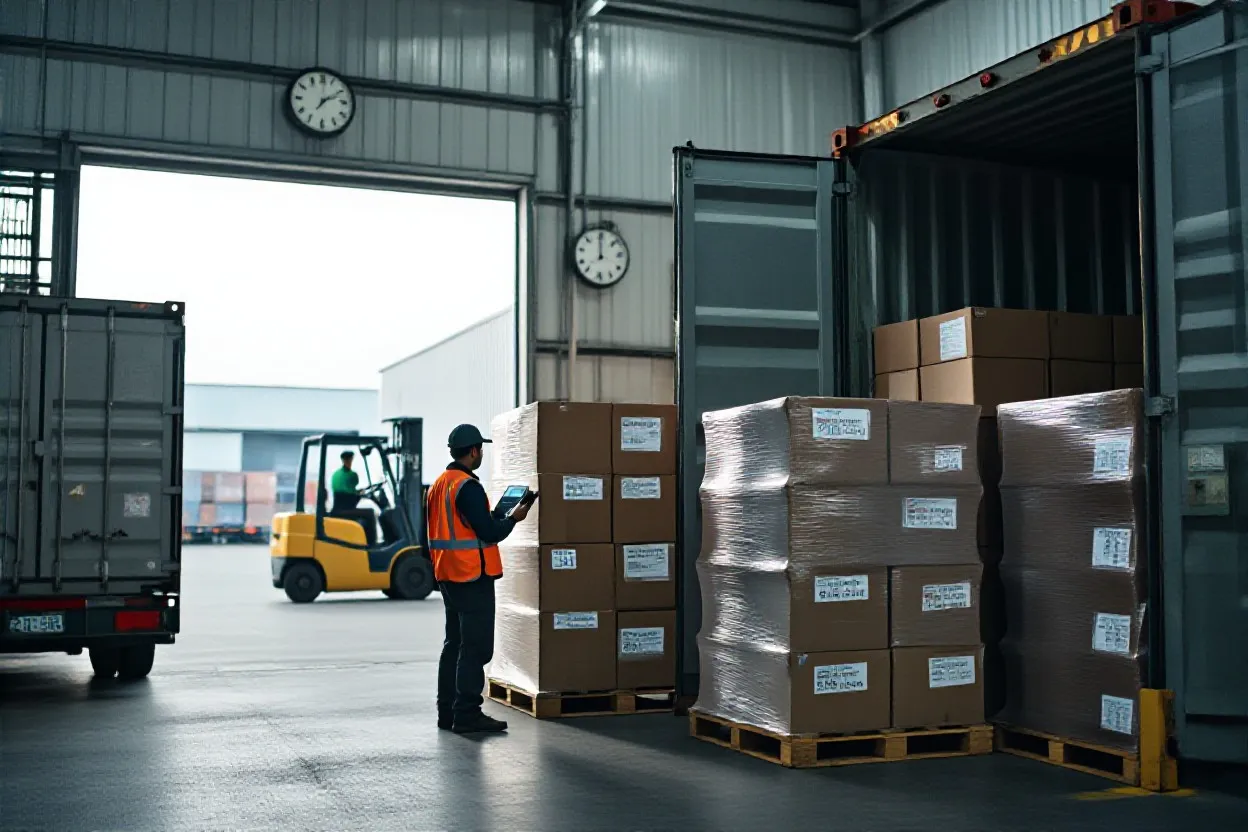
Freight is just the headline. Terminal handling (THC), Bunker Adjustment Factor (BAF), and fuel surcharges hide in the fine print. For U.S. imports, you must also account for the Merchandise Processing Fee (MPF) and Harbor Maintenance Fee (HMF). Model these costs early to avoid a cash flow trap upon arrival.
The “True Landed Cost” Formula
Conclusion: Clear Scope Equals Real Profit
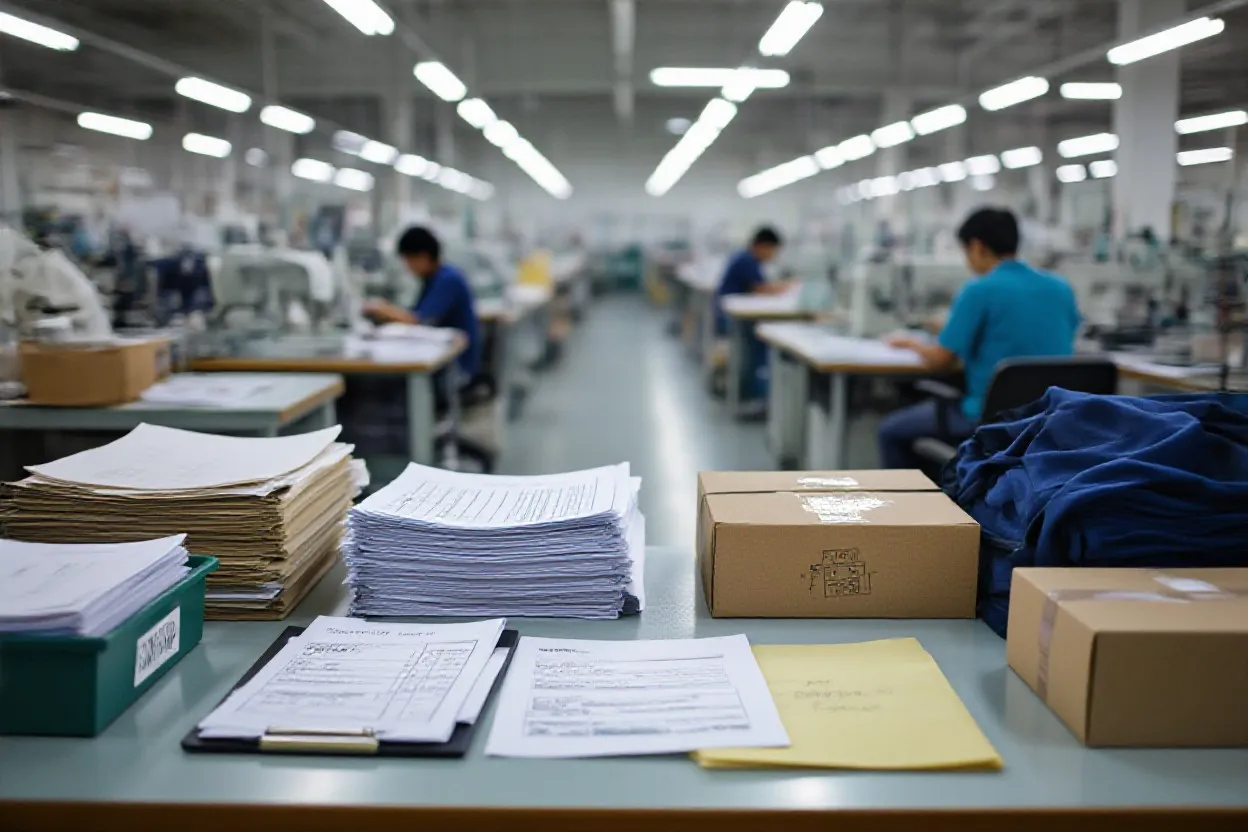
Hidden costs in garment manufacturing are rarely mysteries; they are the result of undefined scopes and lack of technical planning. Once you account for pre-production, compliance, and logistics, your unit price becomes a figure you can actually trust. A factory being the “cheapest” often means they have excluded critical items or are cutting corners that you will pay for later. At Mekong Garment, we prioritize transparency and a detailed cost-mapping approach to ensure your brand scales with predictable margins and zero surprises.
Contact Mekong Garment Factory
- VN Phone/WhatsApp/WeChat: +84 947 729 829
- Email: hanh@kimmy.vn
FAQs: Managing Production Budgets and Hidden Costs
In Short, What do “hidden costs” mean in garment manufacturing in Vietnam?
Hidden costs are expenses outside the factory’s quoted unit price that together form your true landed cost. They include pre-production development (patterns, grading, sampling), lab testing and certification, extra fabric waste, trim MOQs and leftover inventory, third‑party inspections and rework, and logistics surcharges, duties and port fees. These items often arrive after the quote because the quote covered only manufacturing, not the full scope needed to ship compliant, finished product to your market.
Why do hidden costs appear even when the factory quote looks competitive?
Most factories price what you explicitly ask for. If your RFQ does not define sampling rounds, testing requirements, waste assumptions, trim MOQs, QC rules, or the Incoterm, the factory will not include those charges. The result: extra invoices when gaps in scope are filled. The fix is to convert a simple quote into a detailed costing map that assigns responsibility and lists quantities, tests, and processes up front.
What are pre-production development costs and how should I control them?
Pre-production costs cover pattern making, grading, tech‑pack cleanups, and multiple sample rounds. Many factories offer a “free first sample” but charge for revisions, and most styles need several fit changes. To control this: define a sampling schedule and payment terms in writing (number of prototypes, who pays for revisions, lead times), include development line items in the costing sheet, and decide whether patterns/grading are charged as one‑time fees or amortized across the order.
How do trim MOQs create hidden inventory costs, and how can I avoid them?
Trim suppliers (buttons, zippers, labels, hangtags) often have minimum order quantities that exceed your garment order. If a custom zipper MOQ is 10,000 pcs but your order is 1,000 garments, you pay for surplus trim inventory that ties up cash. To avoid this, choose standard trims with lower MOQs, negotiate “MOQ overage cost” or shared inventory arrangements up front, ask the factory to quote trim MOQ implications, or pool trims across styles/orders to spread the cost.