

What Clothes Commonly Use Synthetic Fabrics?

Synthetic fabrics are man made fibers. Most start from chemical processes (often fossil based), then get spun into yarn. Common ones are polyester, nylon (polyamide), acrylic, and elastane (spandex). They are everywhere because brands can tune them for stretch, strength, water resistance, quick drying, and low cost. One big reality check: synthetics are not “always better.” They can trap heat, hold odor, and shed microfibers in washing.

The “Big 4” Synthetic Fibers You’ll See on Labels

Synthetic fabrics are everywhere, but most labels repeat the same few fiber names. These “Big 4” are used because they’re durable, affordable, and easy to design for different jobs. You’ll see them in everyday basics, sportswear, outerwear, and even sweaters. Still, one fiber name doesn’t guarantee comfort or quality. The fabric’s knit, thickness, and finishing can change everything. Here are the four synthetic fibers you’ll see most often, plus what they usually mean in real life.

  • Polyester (PET): Most common in everyday clothing. It is cheap, durable, and easy to care for. Polyester is also the biggest fiber globally by volume.
  • Nylon (Polyamide): Often used when you need toughness, smooth feel, and abrasion resistance (think swimwear and outerwear).
  • Elastane (Spandex/Lycra): Used in small % to add stretch and “snap back.”
  • Acrylic: Used as a wool-like option. Warm, soft, but it can pill and shed.

Blends: The Quiet Reason Synthetics Feel “Normal”

Most clothes are not 100% synthetic or 100% natural. Instead, brands blend fibers to combine comfort, durability, and performance in one fabric. A cotton-poly tee can feel familiar like cotton but keep its shape better and dry faster. Adding a small amount of elastane can turn a stiff fabric into something that moves and fits smoothly. That’s why many synthetic-heavy clothes still feel “normal” on the body. The trick is not just the percentages, the knit, weight, and finishing often decide whether a blend feels great or feels cheap.

Many clothes are not 100% synthetic. They are blends like:

  • 60% cotton / 40% polyester (tees, hoodies)
  • 95% polyester / 5% elastane (stretch tops)
  • 80% nylon / 20% elastane (swimwear)

Blends are popular because brands get the best of both worlds: comfort from natural fibers, performance from synthetics.

Quick Label Guide For Synthetic Fibers

Most people read a label after they’ve already decided to buy, which is backwards. A label is your best clue to how a garment will behave after 10 washes, not just how it looks in the mirror today. But here’s the trap: one fiber name doesn’t guarantee comfort or quality. Polyester can be soft and breathable in one item and sweaty in another. This guide gives you a quick “most likely” interpretation of common synthetic fibers and where they show up. Use it to ask smarter questions, not to make instant judgments.

If the label says… You’re likely holding… Common in…
Polyester Easy-care, durable fabric tees, dresses, jackets
Nylon / Polyamide Smooth, tough fabric swimwear, outerwear
Elastane / Spandex / Lycra Stretch add-on fiber leggings, underwear
Acrylic Wool-like knit sweaters, beanies

Clothes That Most Often Use Synthetic Fabrics

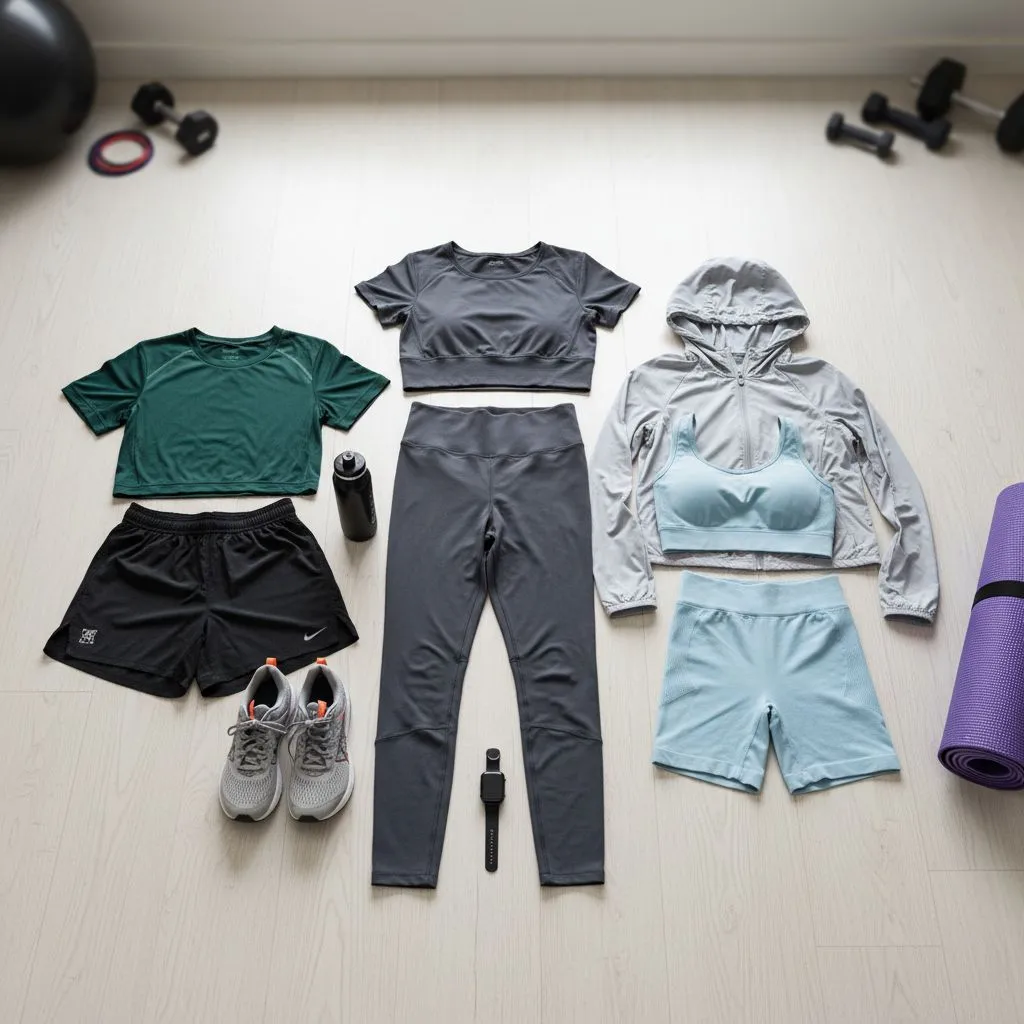
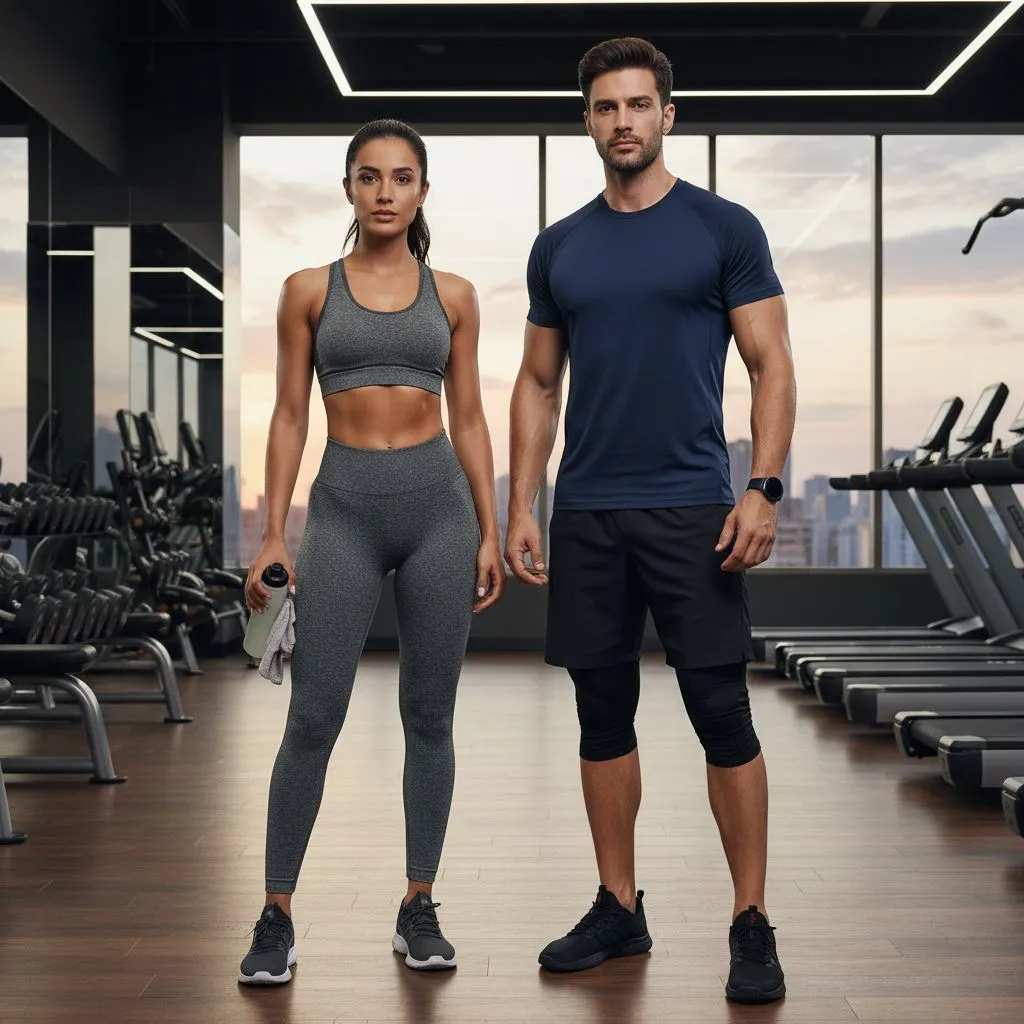
Activewear and gym clothing

Activewear is built for movement, sweat, and repeat washing. That’s why brands often use polyester or nylon with a bit of elastane for stretch. These fabrics dry fast and hold their shape well. But don’t assume “performance” always means comfort. Some synthetics can feel hot or hold odor if the fabric and finish are cheap.

  • Examples: leggings, sports bras, running shirts, training shorts, compression wear
  • Common fibers: polyester + elastane, nylon + elastane
  • Why: stretch, sweat-wicking finishes, quick dry, holds shape.

“Moisture wicking” is not magic. It often means the fabric spreads sweat, but it can also hold odor if you do not wash it well.

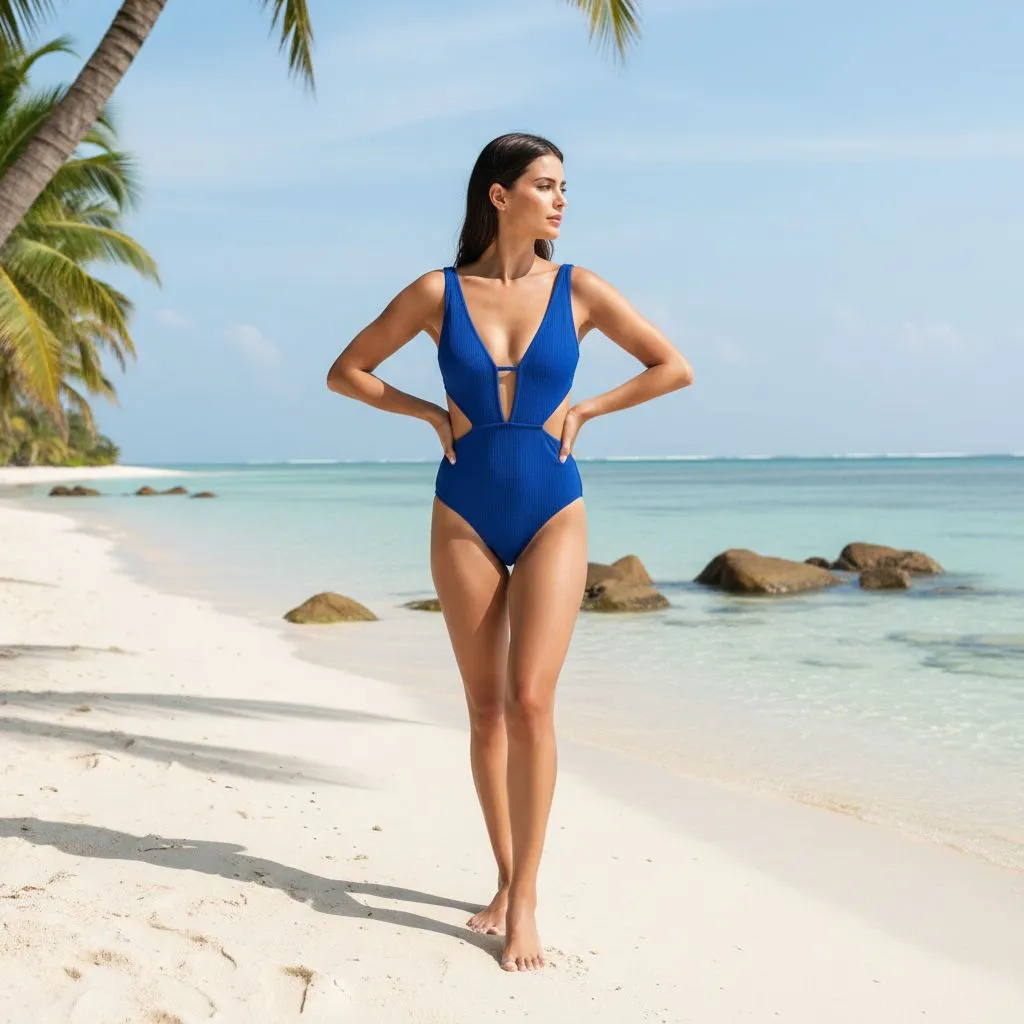
Swimwear

Swimwear almost always uses nylon or polyester mixed with elastane. The goal is a close fit that stretches and then snaps back. Synthetics also help swimsuits dry faster than many natural fibers. Still, chlorine, sun, and heat can wear out elastane quickly. If a suit loses shape fast, it’s usually not your fault, it’s the fiber mix and quality.

  • Examples: bikinis, one-pieces, rash guards, swim trunks lining
  • Common fibers: nylon or polyester + elastane
  • Why: stretch + recovery, better fit, faster drying, better chlorine resistance (varies by fabric and finish).

Reality check: elastane breaks down faster with heat, chlorine, and sun, so cheap swimwear can sag fast.

Jackets, windbreakers, and rainwear

Outerwear often relies on synthetic fabrics because they block wind and resist water. Nylon and polyester are lightweight but strong, so they work well for shells and puffers. Many jackets also use coatings or membranes to improve water resistance. But “waterproof” is a marketing word that can hide weak specs. If a brand won’t share details, be cautious.

  • Examples: puffer jackets, shell jackets, windbreakers, raincoats
  • Common fibers: polyester, nylon; sometimes PU coatings or membranes
  • Why: water resistance, wind blocking, light weight, easy care.

Pushback: “Waterproof” claims vary a lot. A coated fabric can wet out or peel with time. If a brand does not tell you the fabric specs, be skeptical.

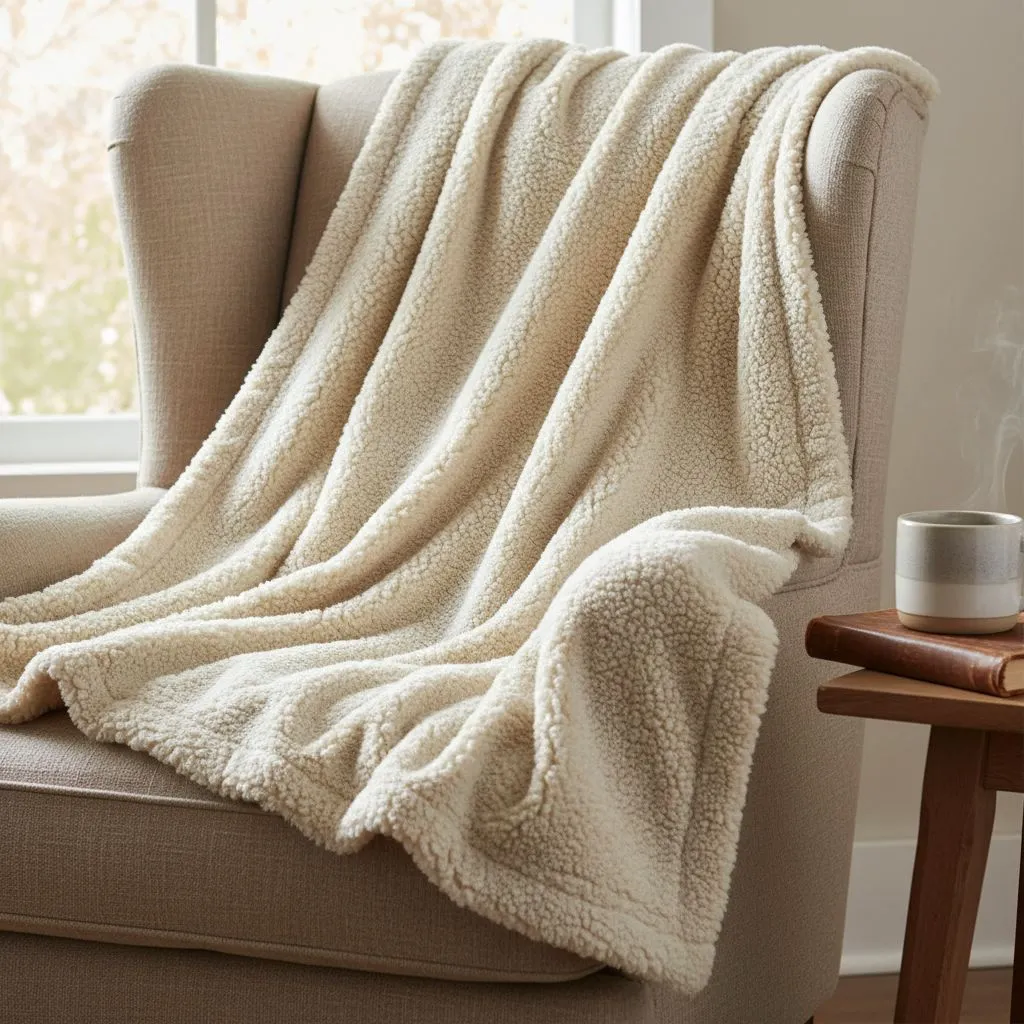
Fleece and cold-weather basics

Fleece is usually polyester, made to trap warmth while staying light. It’s popular because it dries fast and feels soft. Acrylic is also common in winter knits because it can mimic wool at a lower cost. The downside is pilling and shedding over time. If you want longer life, thickness and fabric quality matter more than the label hype.

  • Examples: fleece hoodies, thermal tops, beanies, gloves liners
  • Common fibers: polyester fleece, acrylic knits
  • Why: warmth for weight, fast drying, low cost.

Downside: fleece can shed microfibers during washing

Socks and hosiery

Socks and hosiery need stretch, strength, and a snug fit, so synthetics show up a lot. Nylon and polyester help socks last longer and resist rubbing. Elastane adds shape so they don’t slide down. But more synthetic does not always mean better comfort. If your feet get sweaty, look for better knit structure and breathable blends.

  • Examples: athletic socks, dress socks, tights, stockings
  • Common fibers: polyester or nylon + elastane
  • Why: stretch, durability, better fit, faster drying.

Underwear, bras, shapewear

Many underwear and bras use nylon or polyester with elastane for smooth fit and stretch. Seamless styles depend on synthetics because they can be engineered to hug the body. Shapewear especially needs strong elastic recovery, which natural fibers cannot do well alone. Still, comfort can drop if the fabric traps heat. If irritation happens, the issue may be finishing and dyes, not only the fiber.

  • Examples: seamless underwear, lace blends, shapewear shorts, bralettes
  • Common fibers: nylon/polyester + elastane
  • Why: stretch, smooth feel, body-hugging fit, strong elastic recovery.

Caution: if you get skin irritation, try higher cotton content or softer finishes. Fabric feel matters as much as fiber name.

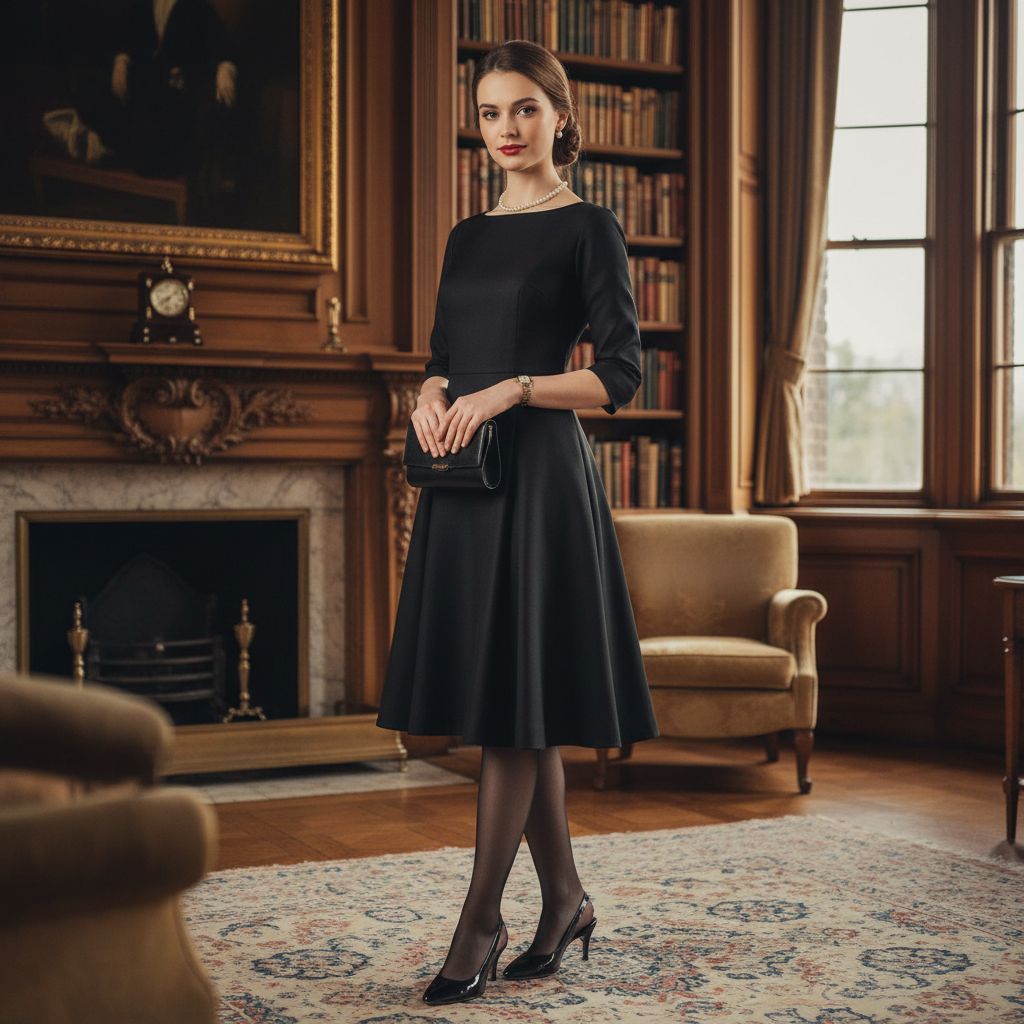
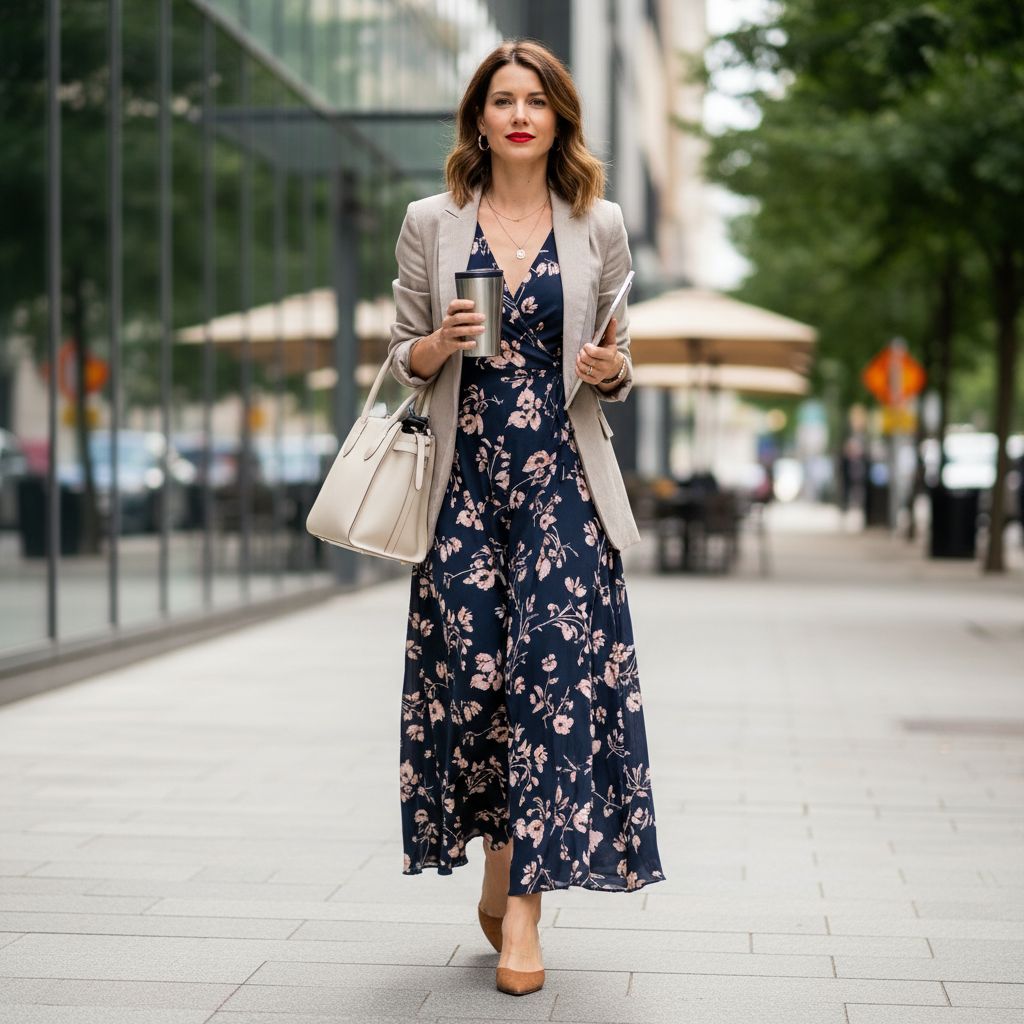
Dresses and office wear (especially “easy care” lines)

Synthetic fabrics are common in workwear because they resist wrinkles and keep shape. Polyester blends can drape nicely and survive frequent washing. Many “easy-care” dresses and blouses are made this way for convenience. But some people think synthetics always look cheap, which is not always true. The weave, weight, and tailoring often matter more than the fiber name.

  • Examples: wrinkle-resistant dresses, work blouses, pleated skirts
  • Common fibers: polyester, sometimes polyester blends
  • Why: drape control, wrinkle resistance, shape retention.

“Wrinkle-free” can mean less breathable. In hot weather, you may feel sticky.

School uniforms and work uniforms

Uniforms need to be tough, easy to wash, and stable in size. That’s why polyester or poly-cotton blends are common. They handle daily wear and repeated cleaning better than many pure natural fabrics. But durability can come with reduced breathability. In hot climates, fabric weight and ventilation design become critical.

  • Examples: uniform polos, trousers, blazers, aprons
  • Common fibers: polyester or poly-cotton blends
  • Why: durability, easy washing, stain resistance, lower cost.

But there is debate about heavy polyester use because it can shed microfibers and is not biodegradable.

Suits and blazers (budget and travel versions)

Budget suits often use polyester to keep costs down and reduce wrinkling. Travel-friendly blazers also use synthetics because they hold shape after packing. Some blends can look sharp and feel fine if the fabric is dense and well-finished. But shiny fabric under bright light is a common giveaway of low-grade polyester. If appearance matters, focus on texture and finish, not just the label.

  • Examples: “travel suits,” budget blazers, crease-resistant pants
  • Common fibers: polyester, sometimes with viscose blends
  • Why: holds shape, resists wrinkling, cheaper than wool.

Tip: if it looks shiny under light, it is often high-poly fabric.

Event wear and costumes

Party dresses and costumes often use synthetic satin, tulle, and sequined fabrics. These materials give shine, structure, and drama at a reasonable price. They are also easier to mass-produce in many colors and effects. But comfort can be a problem, especially with lining and scratchy trims. If you want people to actually enjoy wearing it, lining choice matters as much as the outer fabric.

  • Examples: prom dresses, stage outfits, cosplay
  • Common fibers: polyester satin, tulle (often polyester), sequined synthetics
  • Why: dramatic shine, structure, low cost, easy mass production.

Conclusion / Final Words

Synthetic fabrics show up in so many clothes because they solve real problems: durability, stretch, quick drying, and easy care. Once you recognize the Big 4 (polyester, nylon, elastane, acrylic), you can predict how an item will feel and how it will age. Blends are the quiet reason many garments feel comfortable and “normal,” because they balance softness with performance. Still, don’t judge a piece by fiber names alone, fabric weight, knit, and finishing often matter more than the percentages. The best habit is simple: check the label, then match it to the job the clothing needs to do. When you shop that way, you buy fewer regrets and more pieces that earn their place in your closet.


Related posts