

What Are the Best Fabrics for Breathable Summer Shirts?

Choosing fabric for summer shirts is not just about comfort; it directly affects heat retention, sweat control, durability, and customer satisfaction. In hot or humid weather, the wrong fabric can trap moisture and heat, turning even a stylish shirt into something people avoid wearing. The best fabrics for breathable summer shirts strike a balance between airflow, moisture handling, weight, and skin comfort. This guide explains which fabrics perform best in summer and how to choose the right material for your audience.
Why Fabric Breathability Matters in Summer
Breathability describes how easily air and moisture vapor move through a fabric. In warm weather, the body cools itself through sweat evaporation. If fabric blocks airflow, sweat stays on the skin longer—causing stickiness and overheating. A breathable summer shirt:
- Releases heat faster to regulate body temperature.
- Dries sweat quickly to prevent discomfort.
- Feels lighter and fresher throughout the day.
- Reduces the buildup of odor-causing bacteria.
What Really Affects Fabric Breathability (Not Just Fiber)
Breathability depends on several technical factors working in tandem, rather than just the name of the fiber on the label:
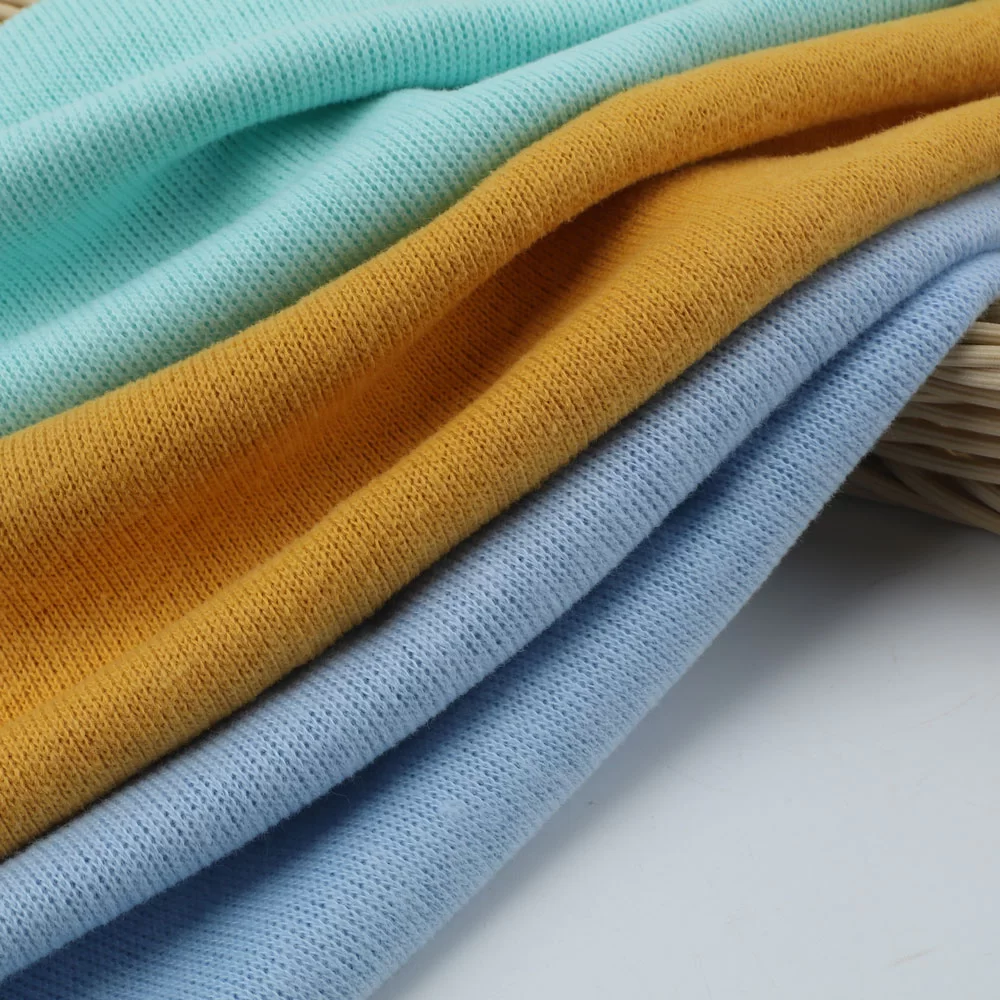
- Fabric Structure: Open weaves and looser knits allow air to move freely. Dense structures restrict airflow even if the fiber is natural.
- Fabric Weight (GSM): Lighter fabrics usually feel cooler, but going too light can affect durability and transparency.
- Yarn Type: Textured or slub yarns create micro-spaces for airflow between the fabric and skin.
- Garment Fit: A slim, tight shirt blocks airflow regardless of quality. Breathability works best with room for air circulation.
Best Fabrics for Breathable Summer Shirts
1. Cotton (Lightweight Constructions Only)
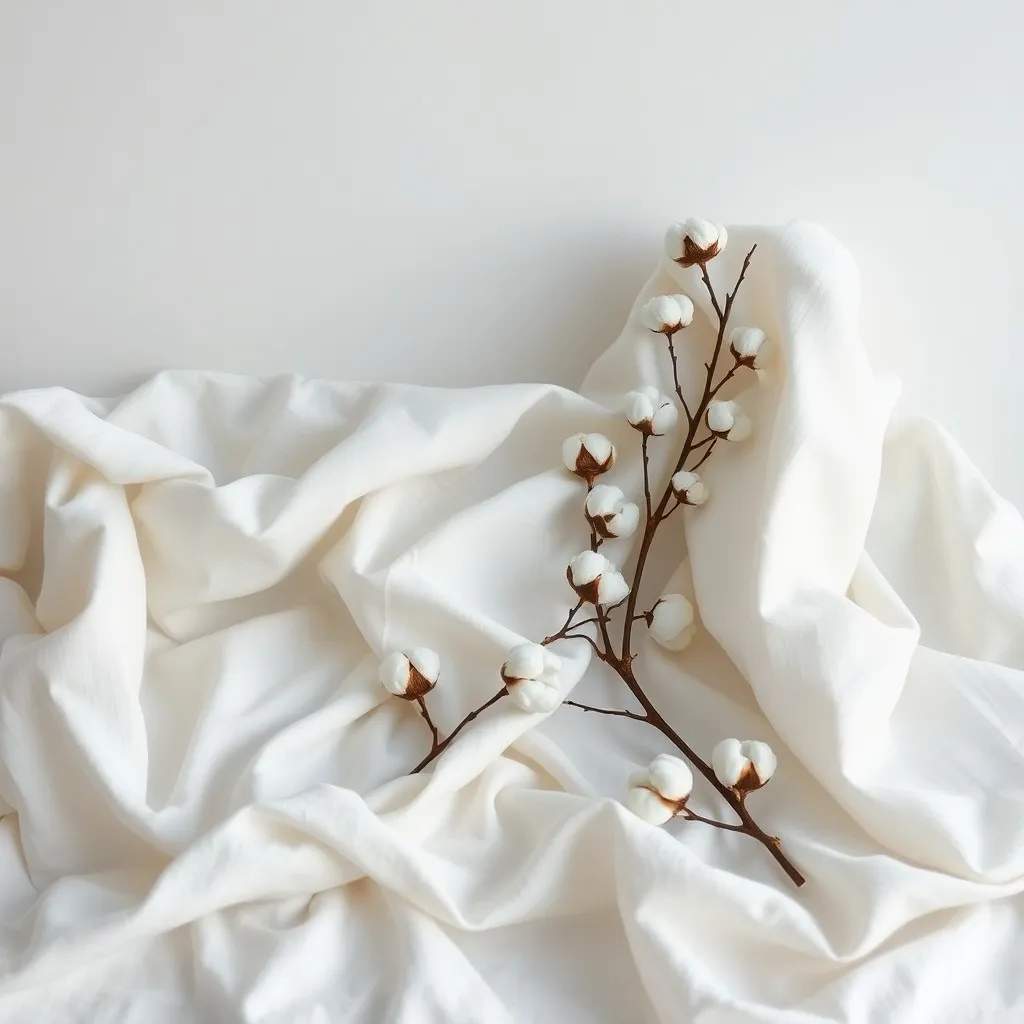
Cotton is a classic choice because it is soft and familiar. However, for summer, the key is choosing lighter weights and airy constructions like poplin or voile. Heavy cotton jersey can trap moisture and dry slowly, which feels hot in humid climates. When sourced correctly, lightweight cotton is reliable and easy to manufacture.

2. Linen (The Airflow Champion)
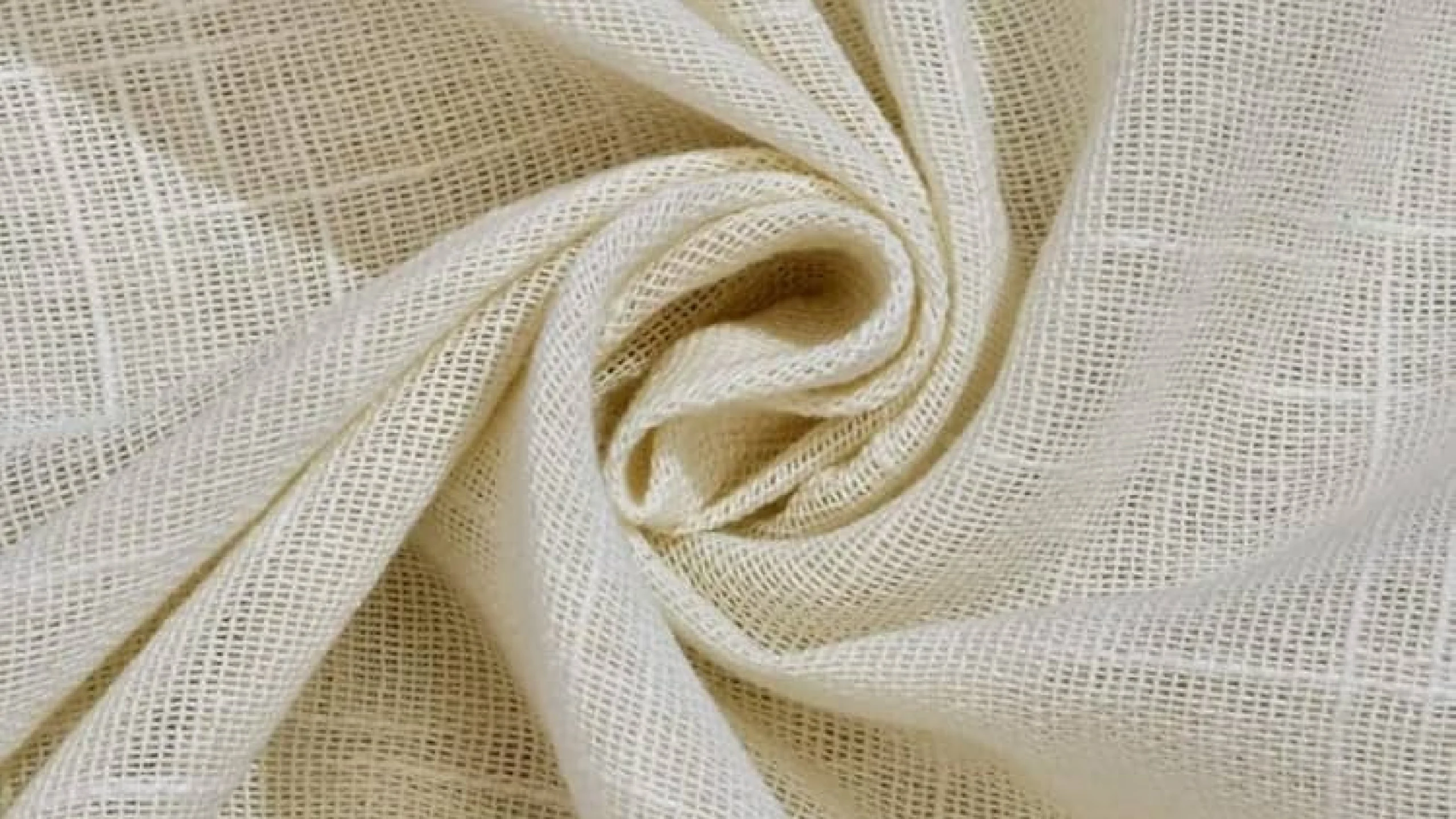
Linen is the gold standard for hot weather due to its naturally airy fiber structure. It dries fast and provides a breezy, relaxed feeling. The primary trade-off is its tendency to wrinkle, which suits a resort or casual aesthetic. For a crisper, office-ready look, a cotton-linen blend is often more practical.
3. Viscose and Rayon (Cool Feel, Great Drape)
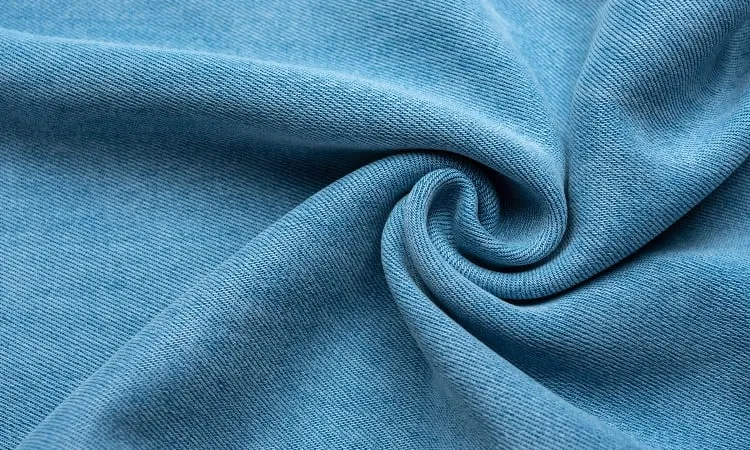
Viscose (rayon) feels smooth, light, and drapes beautifully. It often feels cooler than thicker cotton because it hangs away from the body. It is excellent for printed fashion shirts, though quality varies significantly by mill. Branded options like Eco-viscose offer better sourcing transparency for modern brands.
4. Cotton-Linen Blends (The Practical All-Rounder)
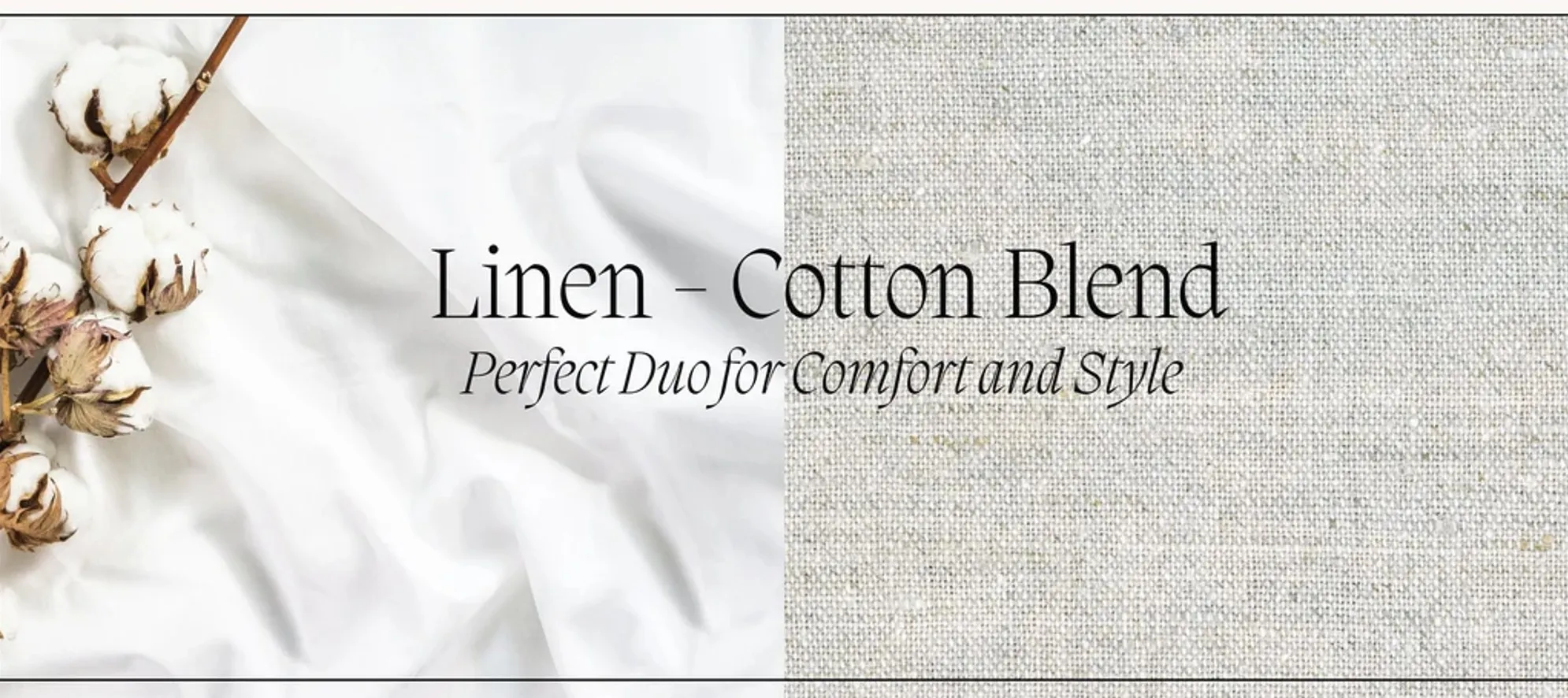
Cotton–linen blends provide the airflow of linen with the structure and easier care of cotton. These fabrics wrinkle less than pure linen, reducing customer complaints while maintaining an airy feel. Common ratios like 70/30 or 55/45 (cotton/linen) effectively balance comfort, cost, and usability for scale production.
Common Myths About Summer Fabrics
- Myth: “Natural fibers always breathe better.” Fact: A very dense cotton weave can be significantly hotter than a well-engineered viscose.
- Myth: “Thinner is always cooler.” Fact: Fabric that is too thin can cling to sweaty skin, reducing airflow and increasing discomfort.
- Myth: “Bamboo is naturally antibacterial.” Fact: Most bamboo textiles are a form of viscose; antibacterial performance depends on the chemical processing, not the plant name.
Conclusion

The best fabrics for breathable summer shirts combine lightweight GSM, an open structure, and efficient moisture handling. Smart brands don’t just chase fiber trends; they choose materials that match the specific climate and customer behavior. Whether it is the airflow of Linen, the softness of Lyocell, or the practicality of Cotton-Linen blends, matching the fabric to the real-world environment is the key to a successful summer collection.
What makes a fabric breathable for summer shirts?
Breathability depends on more than just the fiber name. Airflow is affected by fabric weight, weave or knit structure, and finishing. A lightweight, open-weave cotton can breathe better than a thick linen, even though linen has a stronger “cool” reputation.
Is cotton always a good choice for hot weather?
Not always. Lightweight cotton works well, but heavy or tightly woven cotton traps heat and dries slowly. For summer shirts, cotton poplin, voile, or lightweight jersey performs far better than thick twill or dense knits.
Why is linen considered the best summer fabric?
Linen allows excellent airflow and releases heat quickly, which is why it feels cool in hot climates. However, it wrinkles easily and has a rougher texture than cotton or lyocell, which not everyone likes.
Are cotton-linen blends better than pure linen?
They can be — if the blend ratio is balanced. Cotton-linen blends reduce wrinkles and improve softness while keeping airflow. But if the cotton percentage is too high, breathability drops.
Is viscose or rayon breathable?
Viscose feels cool and smooth against the skin, which makes it popular for summer shirts. However, it can hold moisture longer in humid conditions, so it may feel clammy if you sweat heavily.
How does lyocell or modal compare to cotton?
Lyocell and modal are softer and often manage moisture better than standard cotton. That said, performance depends on fabric weight and weave. A heavy lyocell fabric can still feel warm.