Trims and Accessories Inspection in Apparel: Roles and Responsibilities

Trims and accessories play a vital role in garment manufacturing. Even when the fabric and sewing quality are good, poor-quality buttons, zippers, labels, elastics, hangtags, or packaging materials can still cause a shipment to fail. That is why trims and accessories inspection is an important part of apparel quality control.

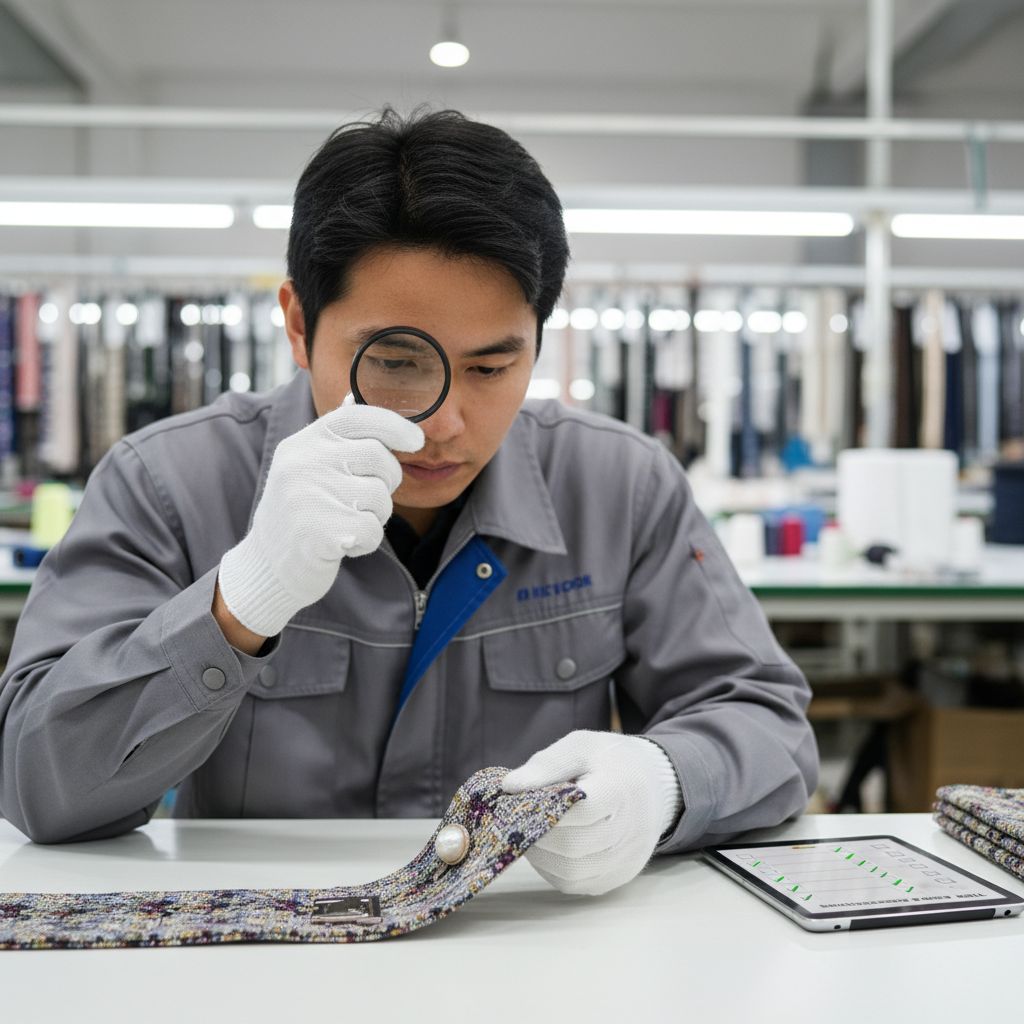
A trims and accessories inspector is responsible for checking whether all incoming items meet buyer requirements before they are released for production or packing use. This job helps factories avoid quality issues, reduce waste, prevent shipment delays, and maintain buyer confidence. In this article, we explain the main roles and responsibilities of a trims and accessories inspector in the apparel sector.
What Are Trims and Accessories in Apparel?
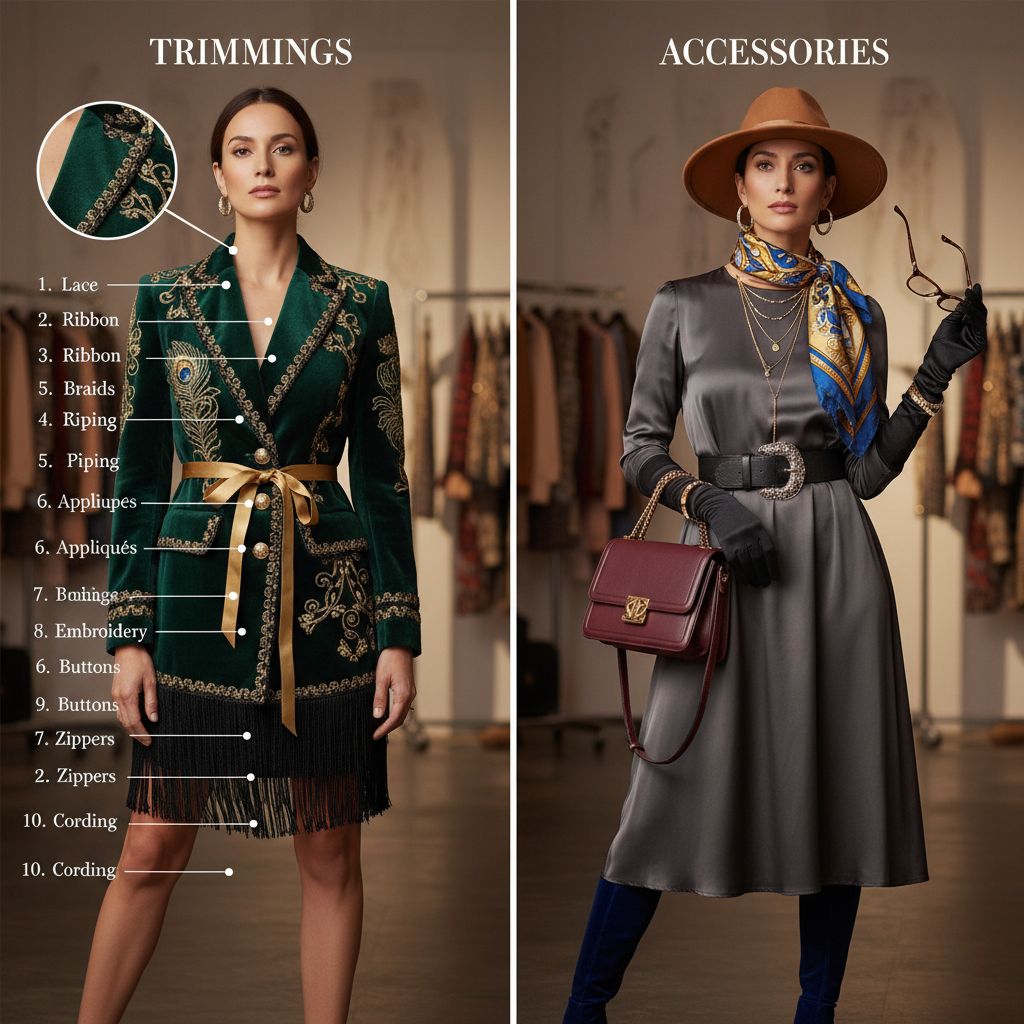
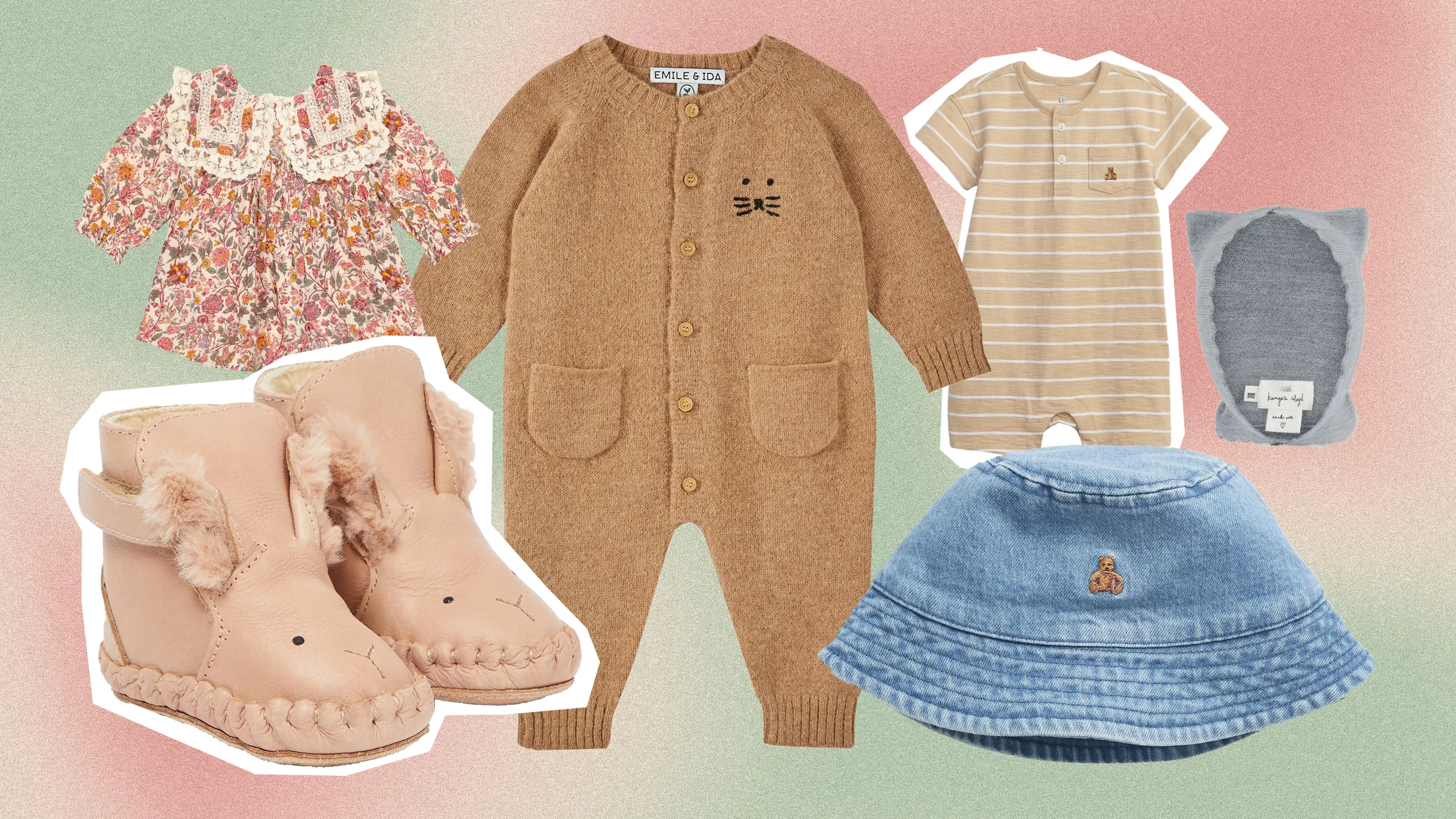
In the apparel industry, trims and accessories refer to all materials other than the main fabric that are used to complete, decorate, identify, or pack a garment.
Common trims include:
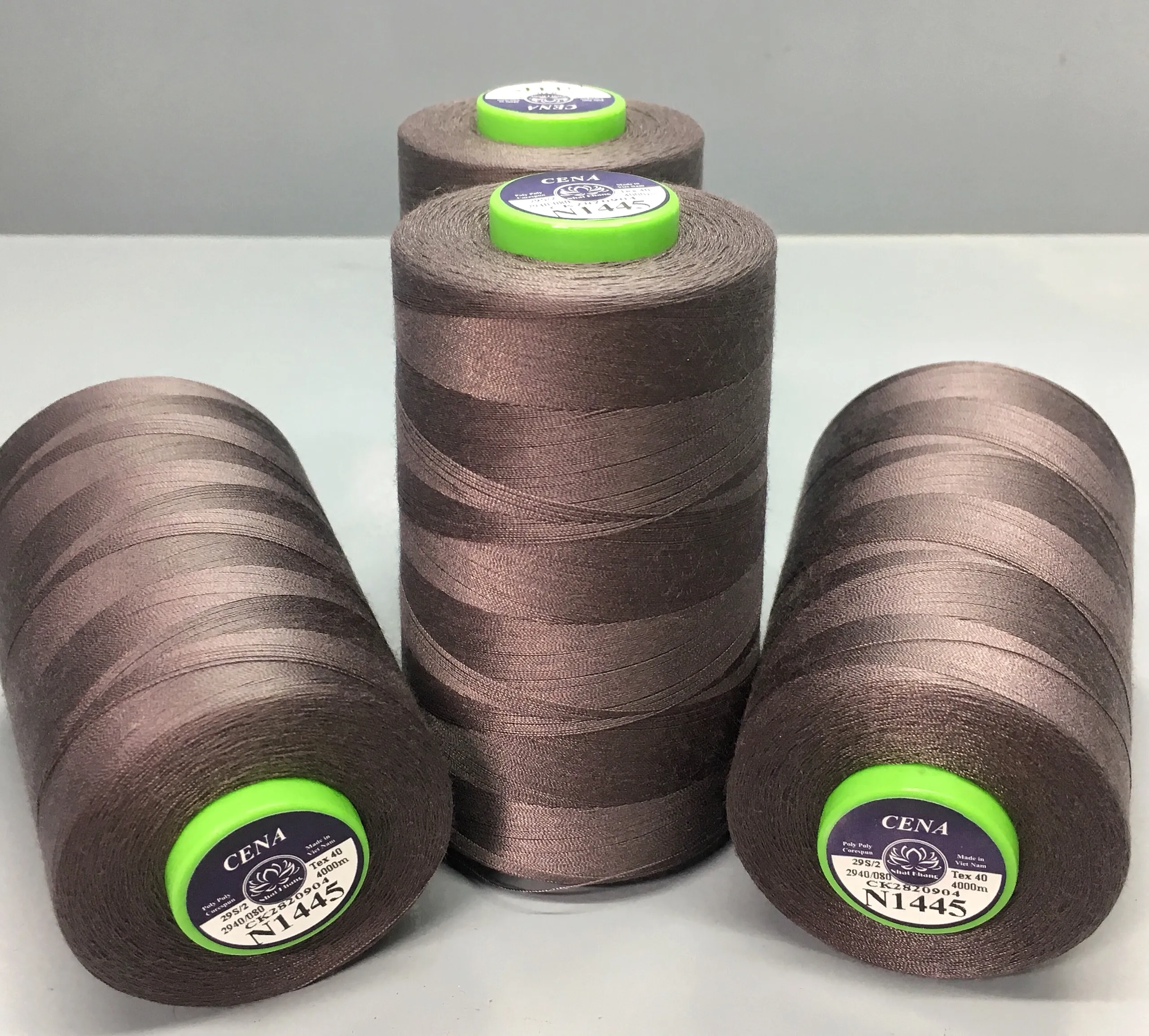
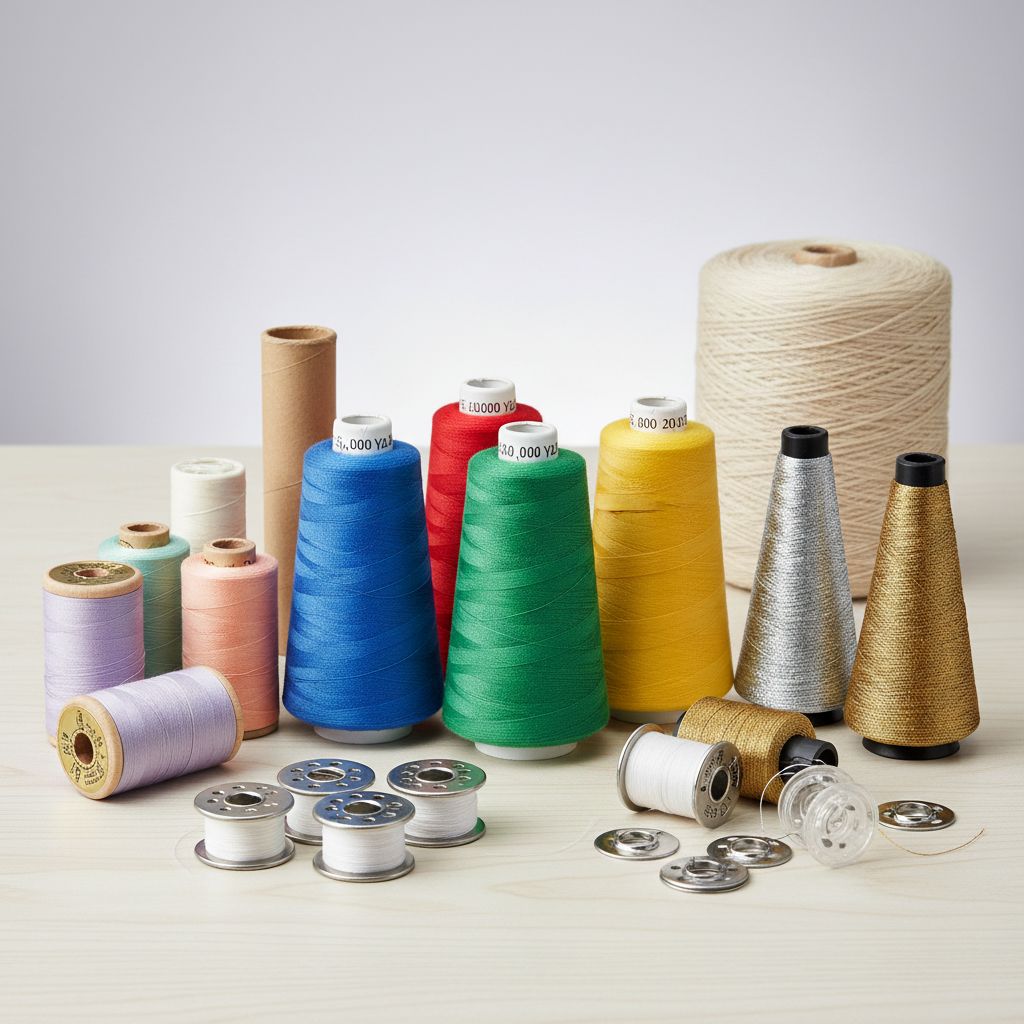
- Sewing thread
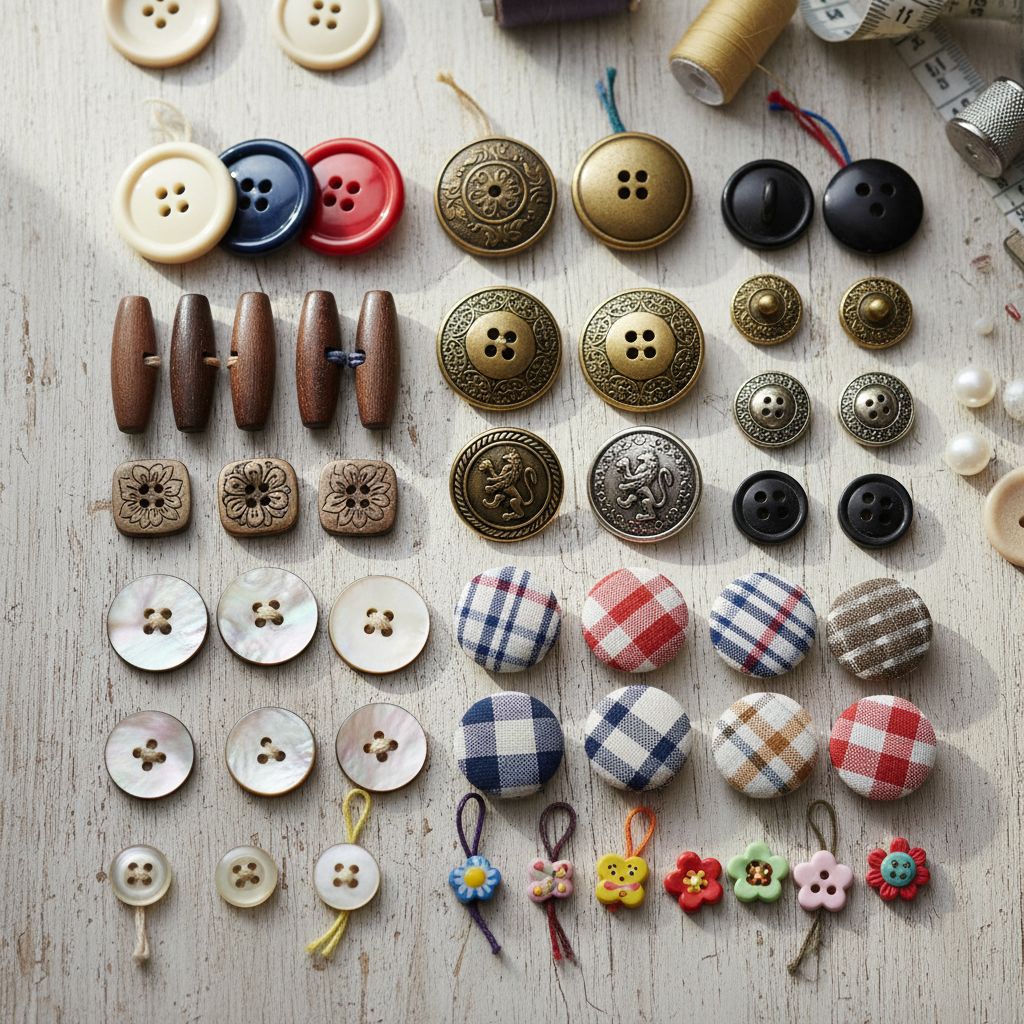
- Buttons
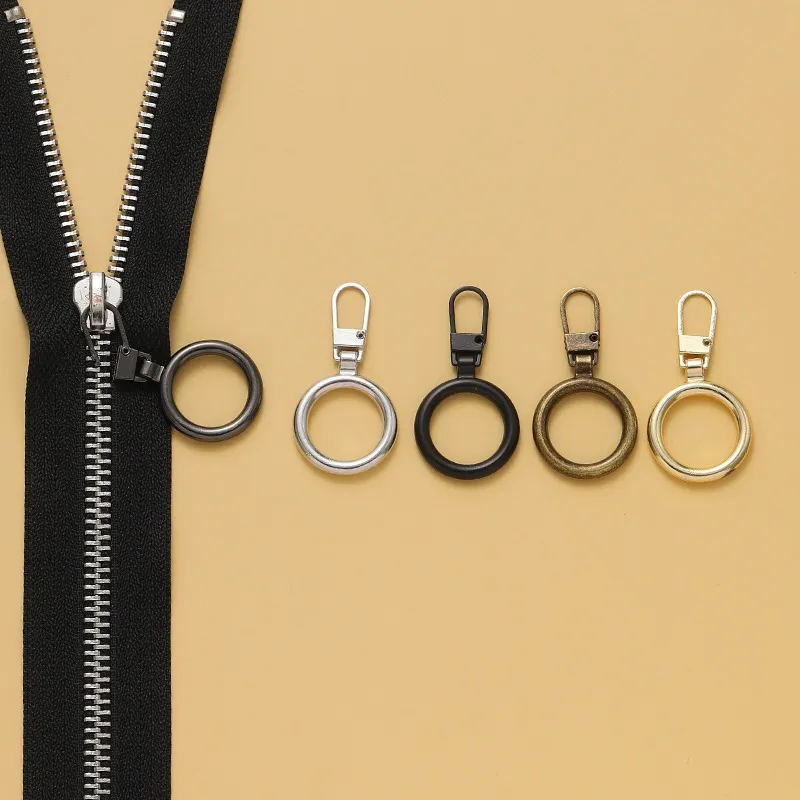
- Zippers
- Interlining
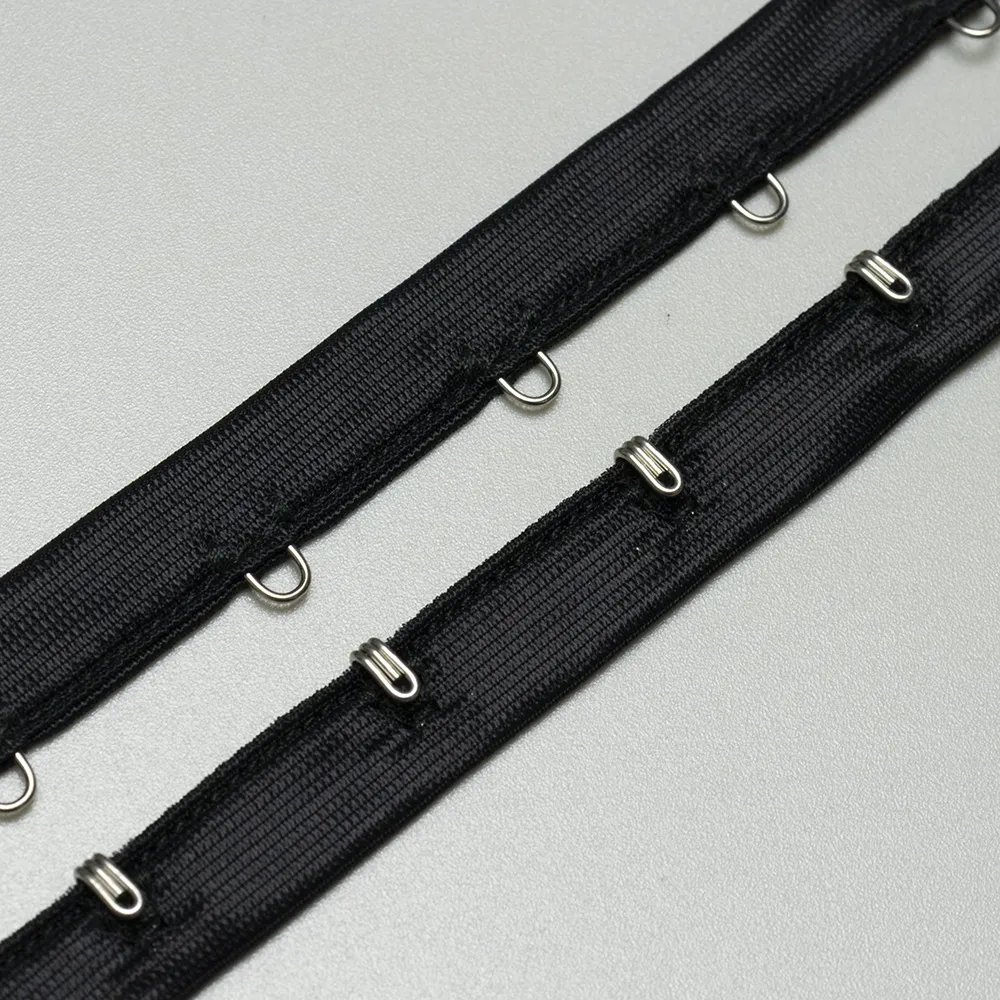
- Elastic
- Lace
- Drawcords
- Velcro
- Labels stitched into the garment
Common accessories include:
- Hangtags
- Price tickets
- Poly bags
- Cartons
- Barcode stickers
- Tissue paper
- Collar supports
- Pins and clips

These items may look small, but they have a direct effect on garment appearance, function, compliance, and presentation.
Why Trims and Accessories Inspection Is Important
Inspection of trims and accessories is necessary because even a small defect can create big problems during production or after shipment. A wrong-size zipper, off-shade label, broken button, incorrect barcode, or poor-quality poly bag can lead to rework, rejection, customer complaints, or even chargebacks.
The inspection process helps ensure that:
- Correct materials are used for the correct style
- The quality matches buyer standards
- The quantity received is accurate
- The color and appearance are approved
- The materials are safe for production use
- Defective items are identified before they reach the sewing line or packing area
In simple terms, trims and accessories inspection protects both product quality and factory performance.

Main Roles of a Trims & Accessories Inspector
A trims and accessories inspector serves as a control point between the supplier and the production floor. Their role is not only to find defects, but also to stop defective materials from entering the manufacturing process.
The main roles include:
- Verifying the quality of incoming trims and accessories
- Confirming quantity against purchase orders or delivery documents
- Checking compliance with buyer approval standards
- Reporting defects and discrepancies quickly
- Coordinating with the store, merchandising, quality, and production teams
- Ensuring approved materials are stored and identified properly
This role is especially important in export garment factories, where buyers often set strict standards for color, branding, labeling, packaging, and traceability.

Skills Required for a Trims & Accessories Inspector
To perform well, a trims and accessories inspector should have a mix of technical knowledge and practical discipline.
Important skills include:
- Knowledge of different trims and accessories
- Understanding of buyer requirements
- Ability to read trim cards and specification sheets
- Basic knowledge of color evaluation
- Attention to detail
- Good documentation skills
- Communication skills
- Ability to identify defects quickly
- Understanding of inspection procedures and acceptance criteria
Experience with garment production and store control is also helpful.
Key Responsibilities of a Trims & Accessories Inspector
1. Checking Incoming Quantity
One of the first responsibilities is to verify the quantity of trims and accessories received from suppliers. The inspector checks whether the delivered quantity matches:
- Purchase order details
- Delivery challan or invoice
- Packing list
- Approved requirement for the order
If there is any shortage, excess, or mismatch, it must be reported immediately. Quantity checking is important because missing trims can stop production, while extra incorrect items can create confusion in the store.
2. Inspecting Material Quality
The inspector must check the physical quality of the trims and accessories before approval. Depending on the item, this may include:
- Button shape, size, color, and finish
- Zipper smoothness, teeth condition, and slider performance
- Elastic width, stretch, and recovery
- Thread count, shade, and strength
- Label printing clarity and attachment quality
- Poly bag thickness, seal quality, and dimensions
The purpose is to ensure that all items are usable and consistent with buyer specifications.
3. Following the Required Inspection Method
Many factories use a standard incoming inspection method for trims and accessories. In some cases, the inspector may check around 10% of the lot. If defects or discrepancies are found during sampling, the inspection level may be increased, and in serious cases the full lot may be checked.
However, the exact inspection method should follow:
- Buyer requirements
- Factory SOP
- Internal quality manual
- Risk level of the item
This is important because not all buyers follow the same rule. Some use fixed sampling, while others require stricter control for branded or sensitive items.
4. Rejecting Critical Defects
If any critical defect is found, the item must be treated with extreme caution. In many factories, critical defects are under zero-tolerance policy. This means the lot may be rejected until corrective action is taken.
Examples of critical issues may include:
- Wrong brand label
- Wrong care label information
- Incorrect barcode data
- Dangerous sharp components
- Color bleeding or contamination risk
- Material that does not match the approved sample
The inspector must isolate such items immediately and prevent them from being issued to production.
5. Checking Buyer-Approved Standards
Trims and accessories should always be checked against approved references. These may include:
- Buyer-approved sample card
- Trim card
- Color swatch
- Approved artwork
- Technical sheet
- Size and specification sheet
- Packaging manual
The inspector must confirm that the received item matches the approved version in terms of:
- Color
- Size
- Material
- Construction
- Print or logo accuracy
- Placement requirement, if applicable
Without approved references, inspection becomes weak and inconsistent.
6. Inspecting Barcode and Printed Information
Hangtags, stickers, labels, and packaging materials often carry important information such as:
- Style number
- Size
- Color
- Country of origin
- Price
- Brand name
- Barcode
- QR code
- Care instructions
The inspector must verify that all printed information is correct, readable, and consistent with buyer instructions. Barcode-related errors are especially risky because they can affect warehouse scanning, retail sales, and shipment acceptance.
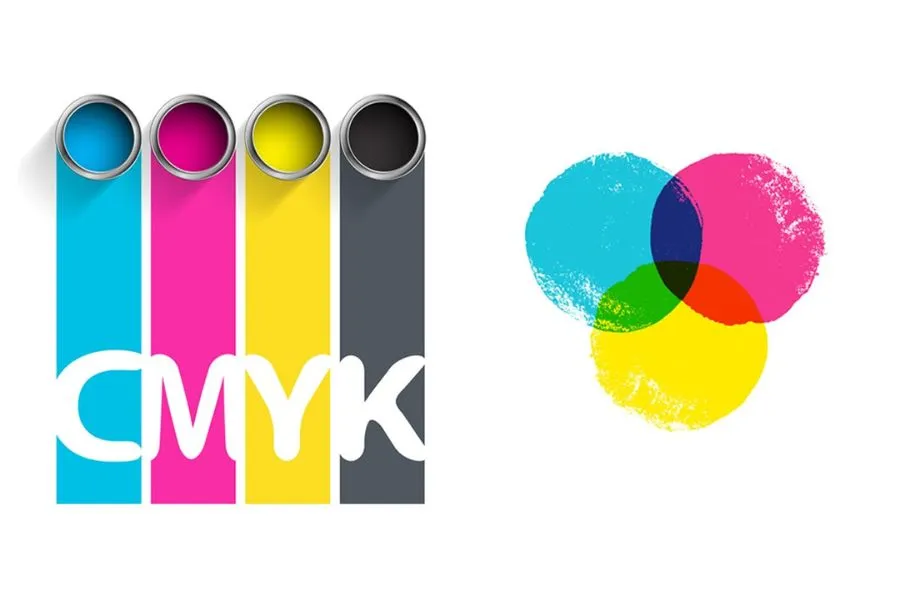
7. Checking Color Under Approved Light Sources
Color evaluation is a major responsibility in trims inspection. The same trim can look different under different lighting conditions. For that reason, many buyers require color checking under approved light sources such as:
- D65
- TL84
- UV
- CWF
- Other specified light conditions
This helps detect shade variation, metamerism, and color mismatch between the trim and the approved standard. If the trim color does not match under the required light source, it should not be approved for use.
8. Segregating Rejected Materials
All rejected trims and accessories must be clearly separated from approved stock. They should be moved to a reject area and marked properly to prevent accidental use.
The inspector should make sure rejected items are:
- Identified clearly
- Recorded in inspection reports
- Blocked from store issue
- Returned, replaced, or disposed of according to factory or buyer procedure
Weak segregation control can lead to serious mistakes on the production floor.
9. Controlling Security of Sensitive Items
Some trims and accessories need tighter control than others. Brand labels, woven labels, heat transfer logos, and branded hangtags are common examples. These materials can be misused if not handled carefully. In many factories, approved branded items are kept in a secure area under controlled access. The trims and accessories inspector may work with the store team to ensure:
- Only authorized persons can handle them
- Records are maintained properly
- Issuance is monitored
- Leftover quantities are tracked
This is both a quality control issue and a brand protection issue.
10. Recording Inspection Results
Every inspection must be documented clearly. This is one of the most important responsibilities of the inspector. A proper inspection record helps trace problems, support supplier claims, and provide evidence during audits.
Typical inspection records may include:
- Item name
- Supplier name
- Order or PO number
- Lot quantity
- Sample size checked
- Defect findings
- Pass or fail result
- Inspector name
- Inspection date
- Remarks and corrective action request
Good records improve traceability and make quality control more reliable.
11. Reporting Problems to the Right Team
If the inspector finds any defect, shortage, mismatch, or compliance issue, the information must be reported quickly to the responsible team. This may include:
- Quality department
- Merchandising team
- Store department
- Procurement team
- Production team
- Supplier
Fast reporting is important because delays in communication can also delay production.
12. Supporting Corrective Action
The job of the inspector does not end after finding defects. A good trims and accessories inspector should also support corrective action by:
- Explaining the problem clearly
- Providing inspection evidence
- Following up on replacement materials
- Rechecking corrected items
- Helping prevent repeated issues
This makes the inspection function more practical and valuable to the factory.
Common Defects Found in Trims and Accessories
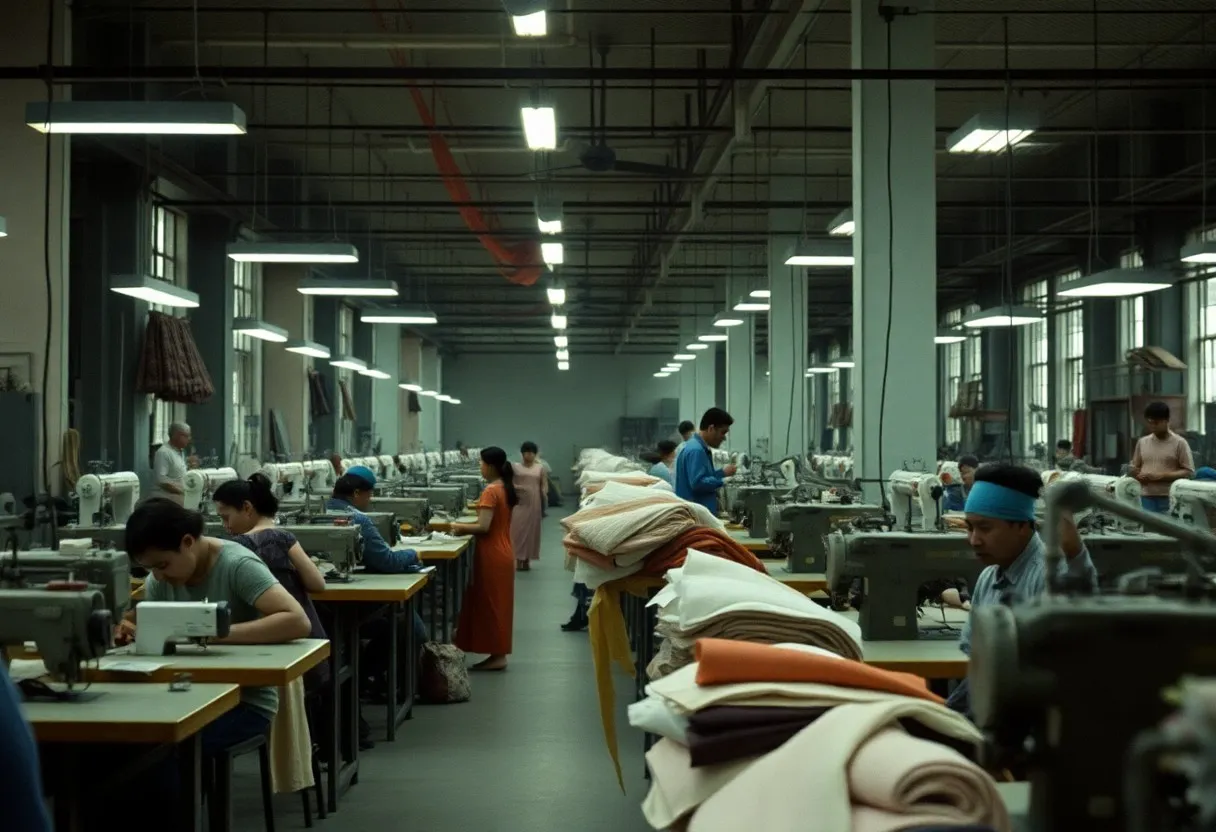
A trims and accessories inspector should be familiar with common defects so they can identify problems early.
- Examples include:
- Broken or rusty zippers
- Button color variation
- Loose button shanks
- Wrong label information
- Printing smudge on hangtags
- Wrong barcode
- Poly bag hole or weak sealing
- Elastic with poor recovery
- Thread shade mismatch
- Incorrect size sticker
- Missing logo detail
- Sharp metal parts
- Dirty or stained trims
The earlier these problems are found, the easier they are to fix.
Conclusion / Final Words
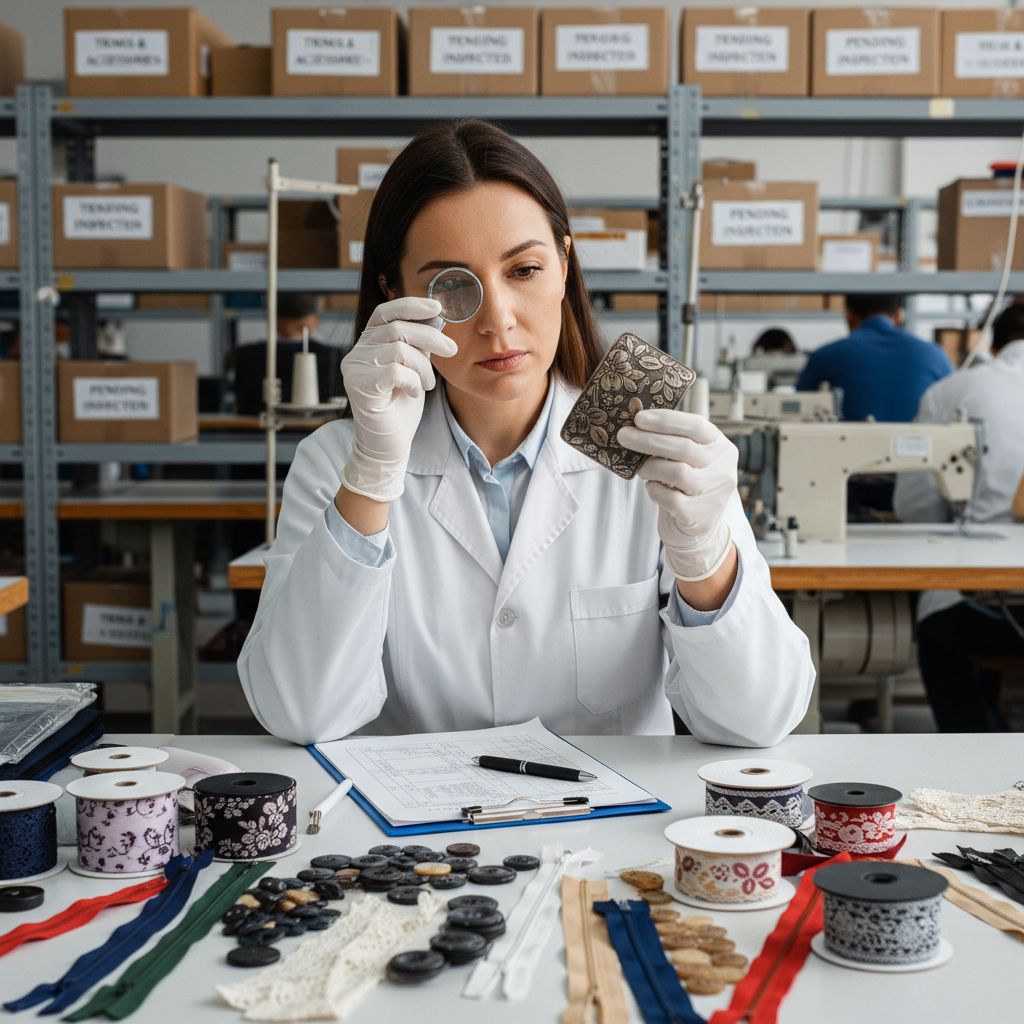
A trims and accessories inspector plays an important role in the apparel sector. Their main responsibility is to make sure that all incoming trims and accessories meet the required standards before they are used in production or packing. By checking quantity, quality, color, barcode details, branding, and storage control, they help protect the overall quality of the garment.
In the apparel industry, product quality depends on more than fabric and stitching alone. Small items like labels, buttons, zippers, tags, and packaging materials can also decide whether an order passes or fails. That is why the work of a trims and accessories inspector is essential in every well-managed garment factory.