

How Does a Prototype Sample Affect My Clothing Production Cost?

You finish your design. Then the factory asks for a prototype sample. It can feel like a delay and an extra bill. In reality, a prototype is a cost-control tool. It helps you spend small money early to avoid big money later. A prototype sample affects your production cost in two ways:

  • It adds an upfront development cost (sample making, pattern work, small-quantity materials).
  • It reduces bulk risk and waste (fixing problems before they multiply across hundreds or thousands of units).

What a Prototype Sample Really Is (and Why It Matters)

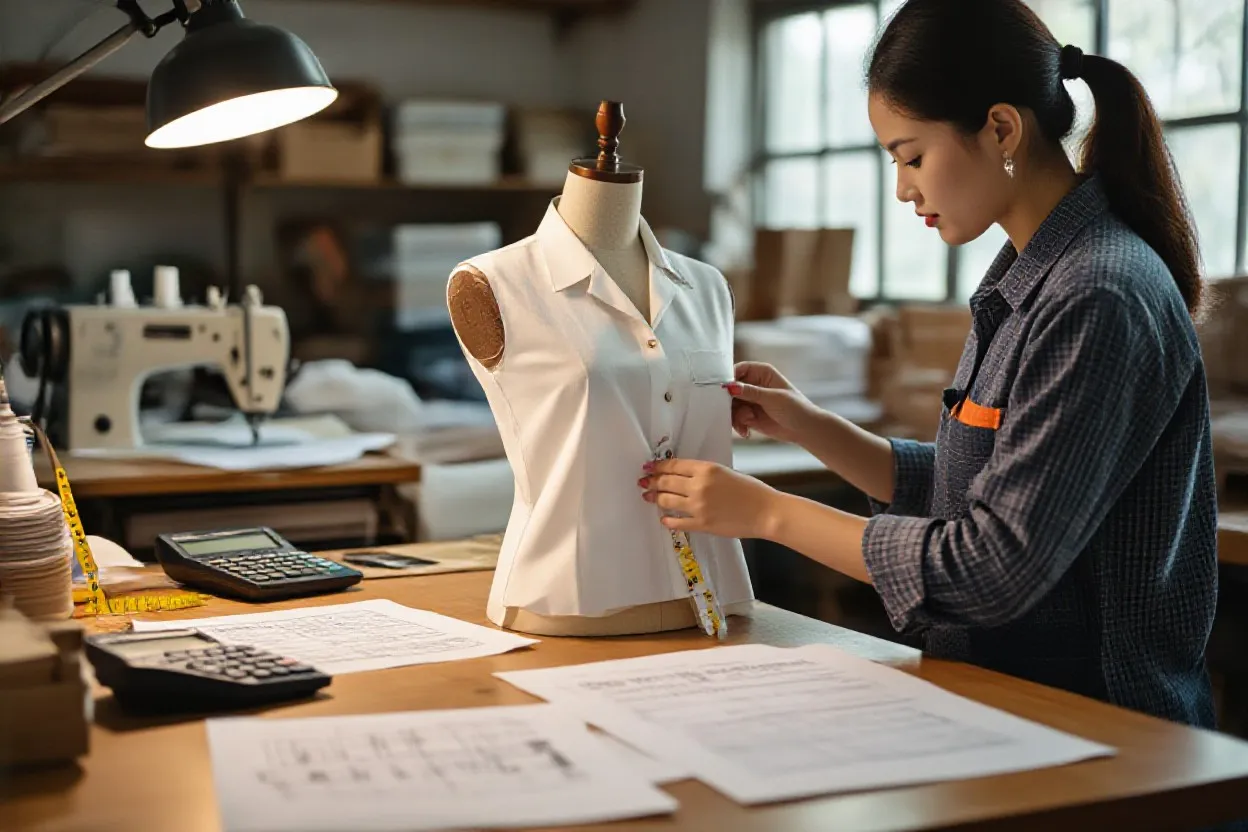
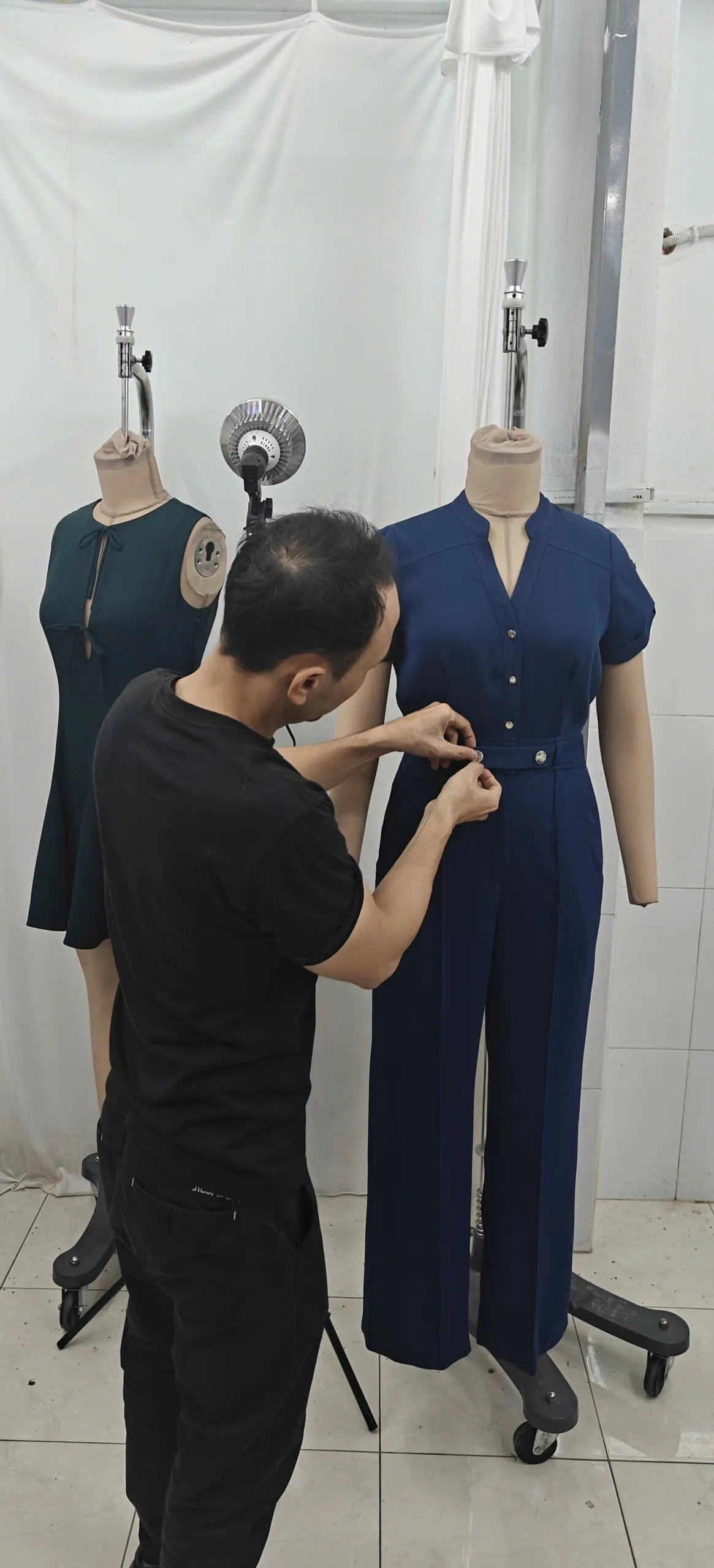
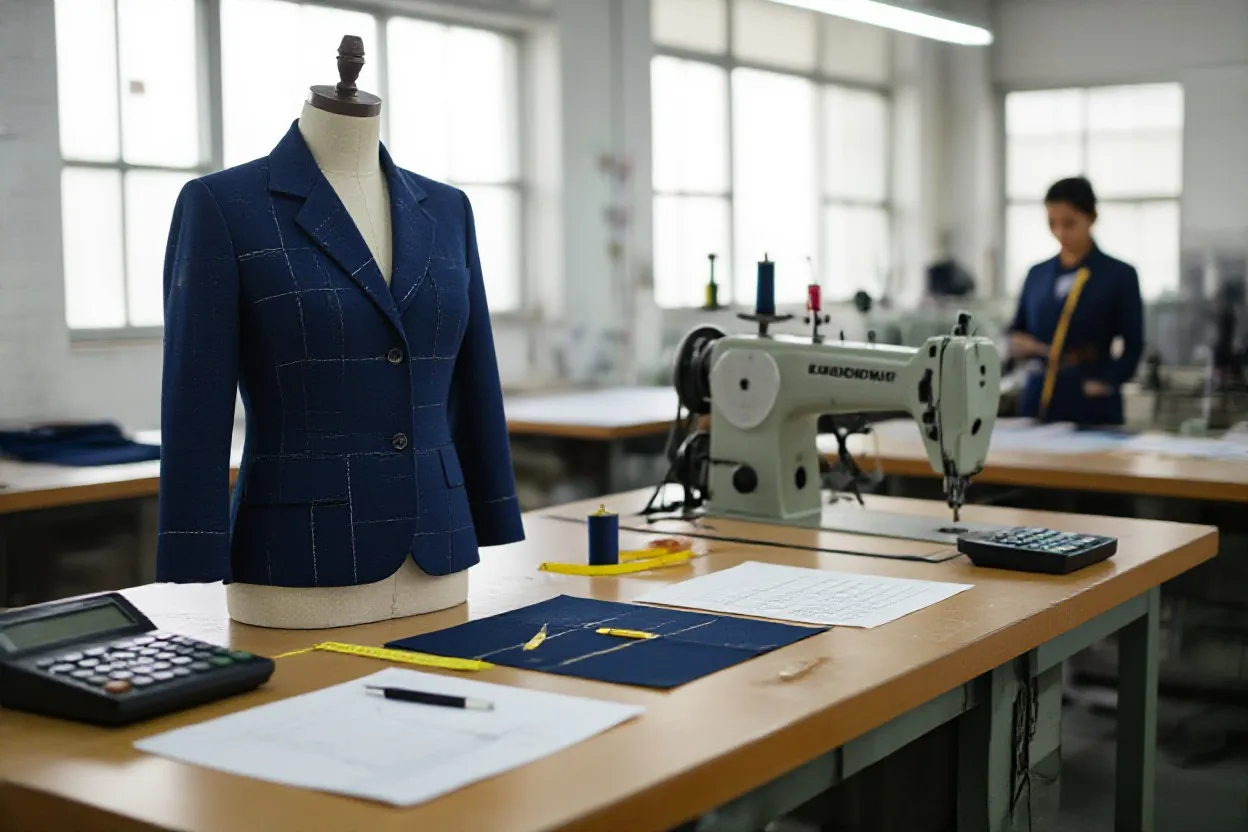
A prototype sample is the first real version of your design. It turns drawings and tech packs into something you can touch and wear. This step checks if the garment can be made the way you imagined. It also shows the factory exactly what “your standard” looks like. That shared reference is what keeps later costs from drifting. A prototype sample (also called a development sample) is the first physical version of your garment. It proves whether the design can be made in real life, not just on paper.

=> Related Article: Tech Pack to Finished Garments: A Complete Production Timeline Guide (8–16 Weeks)

It helps you confirm:

  • Silhouette and overall look
  • Basic construction method
  • Key details (pockets, closures, stitching, panels)
  • Early material behavior (even if fabric is “similar,” not final)

This stage is where you catch big mistakes cheaply.

The Direct Costs of Making a Prototype Sample

Prototype cost is higher than bulk because it is made by skilled sample makers, not a fast production line. The factory may need to create or adjust patterns from zero. Materials also cost more because they buy small quantities. You are paying for time, expertise, and setup. This upfront spend is the price of learning early. A prototype sample costs more per piece than bulk because it is not made on an efficient production line. It is built by skilled technicians, often from scratch.

=> Related Article: What’s the Difference Between a Tech Pack and a Spec Sheet? 

Main cost components

  • Pattern making / pattern modification: Drafting a new pattern or modifying a base pattern takes expert time.
  • Sample sewing labor: One sample can take hours, not minutes.
  • Small-quantity materials: Factories must buy tiny amounts of fabric and trims, often at higher unit prices.
  • Printing, embroidery, special processes (if needed): Even small add-ons can spike sample cost.

Typical price range (example)

  • Simple knit T-shirt: $30 – $95
  • Basic woven shirt: $60 – $215
  • Tailored blazer or lined dress: $150 – $450
  • Technical jacket with multiple components: $250 – $700+

Costs vary by country, factory type, and complexity.

The Hidden Cost of Skipping the Prototype

Skipping the prototype does not remove cost; it delays the cost until bulk. When a mistake shows up in thousands of units, fixing it becomes expensive and slow. You may pay for rework, remakes, or heavy discounts. You can also lose selling time and miss launch windows. The prototype is the cheapest moment to correct course. If a mistake appears after you start production:

  • You may pay rework cost (labor + time + materials).
  • You may lose fabric yield due to recutting.
  • You may miss shipping windows and pay air freight.
  • You may receive unsellable inventory and discount heavily.
  • You may face chargebacks or lost buyers.

Prototype cost is small. Bulk mistakes are large.

=> Related Article: How to Review a Tech Pack With Your Clothing Manufacturer 

What Problems a Prototype Can Catch (That Change Your Bulk Cost)

A prototype exposes issues that look fine on paper but fail in real life. Fit problems appear the moment someone wears the sample. Construction issues show up when seams, fusing, and trims interact. Fabric and lining weaknesses become obvious under stress and movement. Catching these early prevents waste in bulk cutting and sewing.

Fit and sizing flaws

  • Tight armholes, wrong rise, twisted sleeves
  • These issues force pattern corrections before grading
  • If found in bulk: you risk returns, rejects, or full remake

Construction problems

  • Bubbling fusing, puckering seams, weak stress points
  • Fixing construction early prevents line stoppages later

Material incompatibility

  • Lining too weak, fabric too sheer, trim too heavy
  • Early swaps prevent waste on the wrong materials

Each fix changes:

  • Sewing time (labor minutes)
  • Material consumption (fabric yield)
  • Defect rate (reject cost)
  • Rework rate (extra labor)

Those four items decide your true unit cost.

Other Benefits Of Prototype Sample

Prototype Sampling Improves Costing Accuracy

Many brands lock price too early using guesses. A prototype gives the factory real data. Factories often estimate costs before they know the true difficulty of your style. A prototype gives real data on sewing time, operations, and handling. It also reveals real fabric yield and trim usage. With this information, pricing becomes less guesswork. Accurate costing protects your margin and retail pricing plan.

=> Related Article: Garment Details That Are Often Missing From Tech Packs

It improves costing because the factory can measure:

  • Actual sewing time by operation
  • Real trim usage
  • Real fabric yield and cutting waste
  • Real difficulty level and skill needs

That affects:

  • Your final FOB price
  • Your MOQ strategy
  • Your margin planning
  • Your retail price confidence

Without a prototype, cost estimates are often wrong.

Prototype Samples Reduce Production Inefficiency

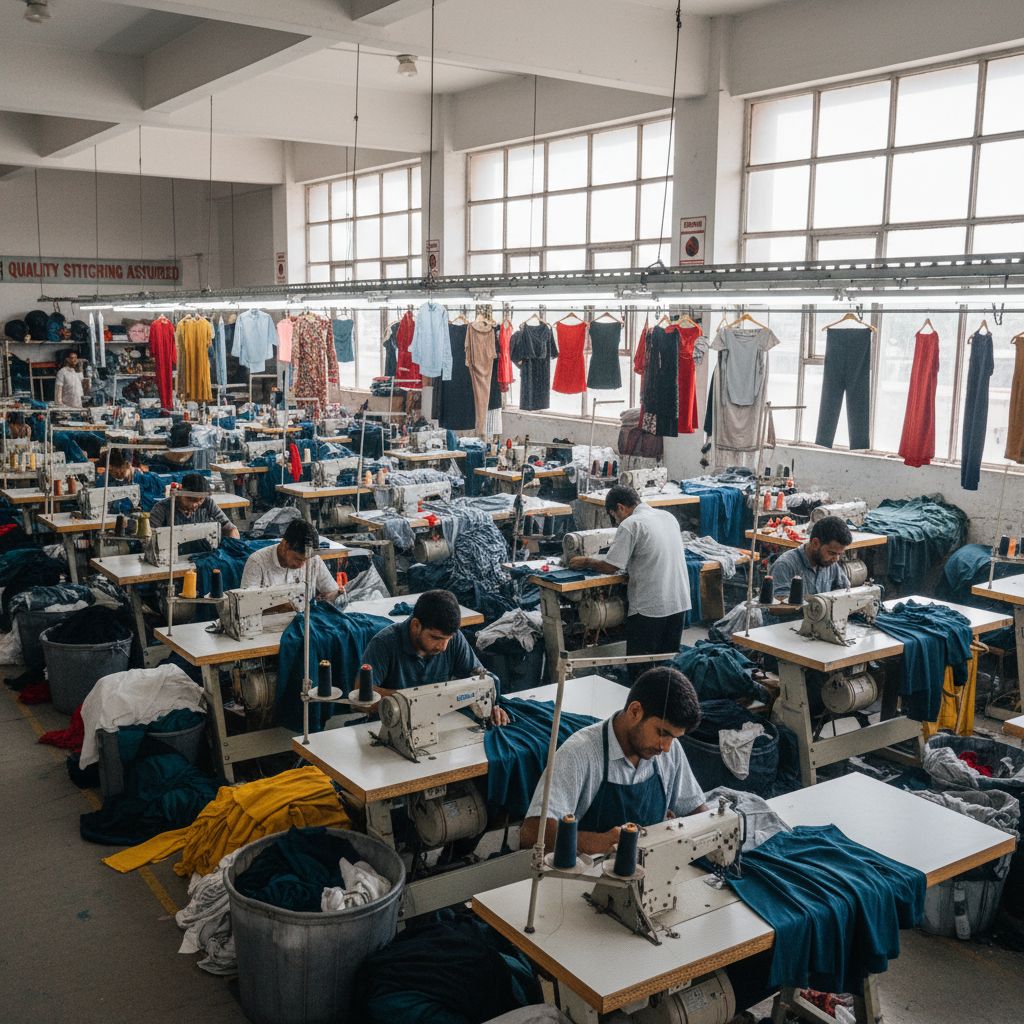
Factories run smoother when they have an approved physical reference. A confirmed prototype helps the factory set a clean production method. It guides the sewing order, machine selection, and quality checkpoints. Workers learn from one approved reference instead of mixed instructions. Fewer stops and fewer corrections mean lower labor waste. Efficiency is a direct driver of your final unit cost.

=> Related Article: How Tech Packs Help Brands and Manufacturers Speak the Same Language

A prototype helps the factory:

  • Set the correct sewing sequence
  • Choose the right machines and attachments
  • Build work instructions for each operation
  • Train workers on key details

When the line runs clean:

  • You get fewer defects
  • You get less rework
  • You get fewer delays
  • You protect your delivery date

Delays are not just timeline pain. Delays become money through expediting, storage, and missed selling seasons.

Prototype Sampling Reduces Defect Rate and Rework Cost

Defects are expensive because you pay to make the garment and then pay again to fix it. A prototype sets clear standards for stitching, seam allowance, reinforcement, and finishing. When standards are clear, variation drops. Lower variation means fewer rejects and fewer repairs. That saves money and protects delivery dates.

=> Related Article: Updating a Tech Pack: A Step-by-Step Guide for New Seasons

Defects are expensive because you pay for the garment twice:

  • Once to make it
  • Again to fix it (or to replace it)

Prototype sampling lowers defects by setting standards early:

  • Stitch type and density
  • Seam allowances
  • Reinforcement points
  • Label placement
  • Tolerance expectations

When you approve the prototype, you also approve the method. That clarity lowers variation.

Prototype Sampling Protects You in Quality Disputes

A prototype becomes the reference point for quality. An approved sample becomes the standard for what you agreed to buy. When bulk arrives, you compare it to the approved reference, not to opinions. This makes quality decisions faster and more objective. It reduces conflict, delays, and payment disputes. That stability protects cash flow and avoids emergency fixes. If a bulk shipment arrives and something is “off,” you compare it to the approved sample:

  • Construction
  • Measurements
  • Stitching
  • Fabric behavior
  • Color direction (early check)

This reduces arguments and protects cash flow. Without a sample reference, disputes become subjective and slow.

How Many Sample Rounds Should You Budget For?

Most styles need multiple rounds because feedback leads to corrections. Most styles are not perfect on the first try. A typical process needs a prototype, then a fit-focused round, then a final PP standard. Each round costs money, but each round removes risk. Planning for a few rounds prevents budget shock later. It also helps you set a realistic launch timeline. A practical planning rule:

  • 1 prototype round (concept + construction)
  • 1 fit sample round (fit + pattern refinement)
  • 1 PP sample (final materials + production standard)

Many brands end up with 2–3 iterations total per style, especially for new patterns. Your cost rises with each extra round. The best cost control is not “skip samples.” It is reduce unnecessary rounds through better inputs.

The Real Budget View: Prototype Cost vs. Total Production Cost

Prototype sampling usually looks small compared to your bulk spend. Example:

  • Bulk order: 2,000 units x $12 = $24,000
  • Sampling spend: $400–$1,200 total
  • Sampling is roughly 1–5% depending on complexity and number of rounds

That small percentage protects the other 95–99% of your money.

=> Related Article: Why Do B2B Clothing Manufacturers Charge Sample Fees? 

Practical Checklist: Use the Prototype to Control Cost

A prototype is only valuable if you use it to lock decisions. Confirm fit intent, construction method, and critical measurements. Confirm fabric behavior, shrink risk, and trim performance. Confirm workmanship standards and tolerance limits. Once these are locked, bulk becomes predictable and cheaper to manage. Use the prototype to lock down cost drivers:

  • Confirm design is manufacturable
  • Confirm construction method and machines
  • Confirm measurement points and fit intent
  • Confirm high-risk areas (stress seams, closures, fusing)
  • Confirm fabric behavior (stretch, drape, shrink)
  • Confirm trim feasibility and lead time risk

Each “confirm” prevents a bulk surprise.

=> Related Article: Sample Development Lead Time in Clothing Manufacturing: What Brands Should Expect

Conclusion / Final Words

A prototype sample increases your cost upfront, but it reduces your total production cost by preventing expensive mistakes at scale. It improves costing accuracy, reduces defects and rework, speeds up factory execution, and protects you during quality disputes. The prototype is not a delay. It is the first cost-control gate in clothing production. The cheapest production is not the one with no sampling. It is the one where problems are found when they are still small.

Our Contact Information – MEKONG GARMENT FACTORY

  • Vietnam Phone: +84 947 729 829
  • WeChat: +84 947 729 829
  • WhatsApp: +84 947 729 829
  • Email: hanh@kimmy.vn


Related posts