
How to Calculate the Total FOB Cost of Custom Clothing Production

Pricing a custom clothing order is not as simple as checking the fabric price and multiplying it by quantity. Many brands especially new ones focus only on the FOB price per unit and assume that number reflects the full cost. In reality, FOB is just the starting point. To truly understand what your collection will cost, you need to calculate the total landed cost the full amount required to receive finished, sellable garments in your warehouse. Missing even one cost category can quickly turn a profitable project into a financial headache. In this guide, we’ll break down every cost involved in custom clothing production, from development to delivery, using a clear structure you can apply to any order.

What Is the Total Cost of Custom Clothing Production?

The total cost of custom clothing production includes every expense from idea to delivery. That means not just manufacturing, but also development, shipping, taxes, and risk planning.

  • A simple way to think about it is: Total Cost = Manufacturing Cost + Development Cost + Logistics & Duties + Buffer

Each part matters. Let’s break them down.

=> Related Article: 4 Main Production Models in the Garment Industry: CMT, OEM/FOB, ODM, and OBM

Understanding the Core Manufacturing Cost (FOB)

FOB, or Free On Board, is the most common price factories quote. It covers the cost of producing your garments and delivering them to the port of origin. While it sounds complete, FOB is actually made up of several smaller costs. FOB usually includes:

  • Fabric and trims
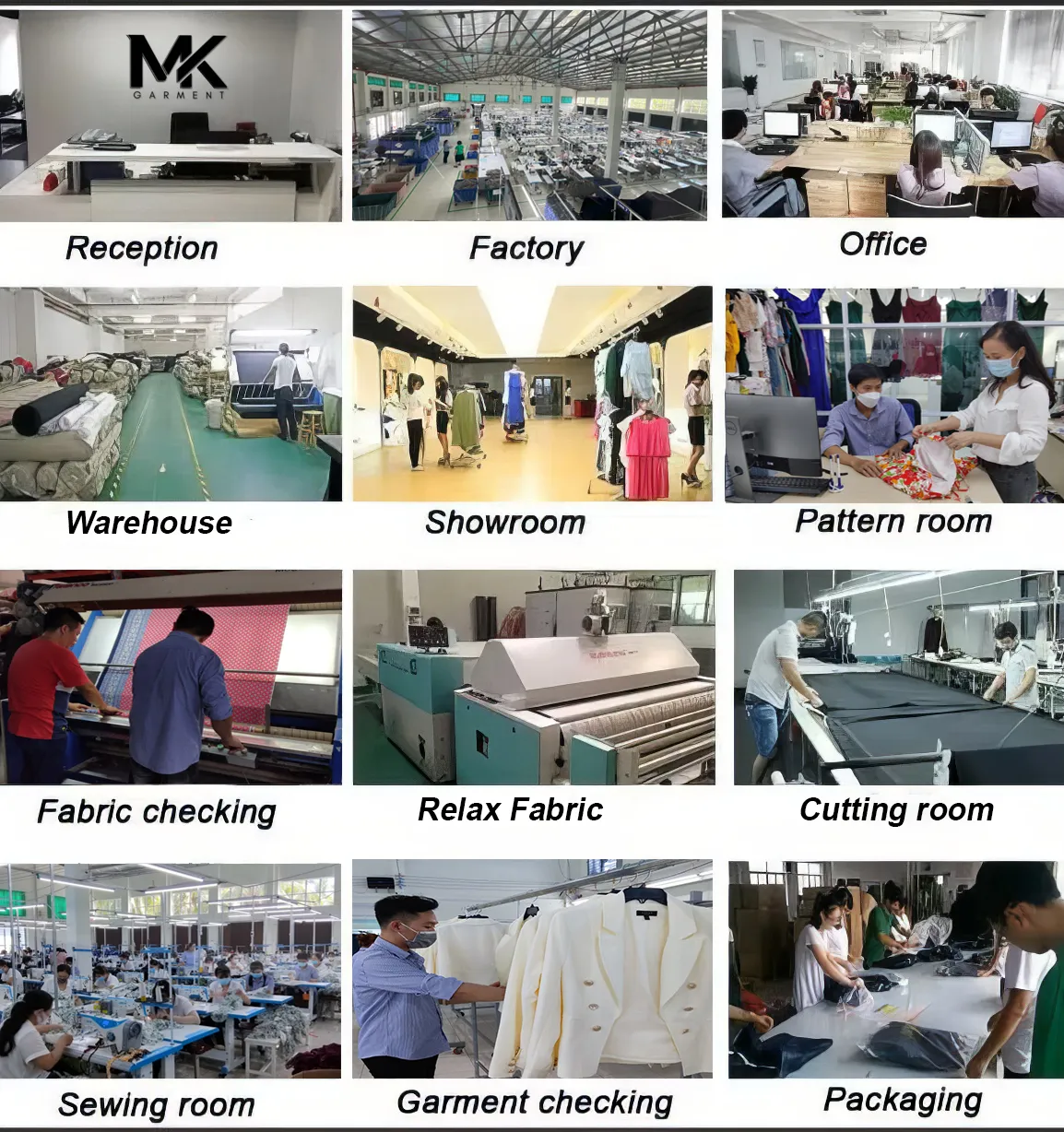
  • Labor for cutting, sewing, and finishing
  • Factory overhead and profit

FOB does not include international shipping, import duties, or delivery to your warehouse.

=> Related Article: OEM/FOB in the Garment Industry: What It Really Means 

Fabric Cost Formula

Fabric and trims are usually the largest cost in garment production. For many styles, they make up more than half of the FOB price (50 – 70 %). Even small changes in fabric quality, weight, or width can affect your total budget. 

Fabric Cost = Fabric Usage × Fabric Price + Wastage

  • Fabric usage depends on pattern design and garment size.
  • Fabric price varies by fiber, quality, and supplier.
  • Wastage (often 3–10%) covers defects and cutting loss.

A simple t-shirt uses far less fabric than a jacket or coat, which is why garment type matters so much.

=> Related Article: How to Calculate the Total FOB Cost of Custom Clothing Production

Trim Costs to Watch For

Trims may look minor, but when multiplied by hundreds or thousands of pieces, their cost grows fast. Understanding this factor helps you control pricing from the very beginning. Trims include:

  • Buttons and zippers
  • Labels and hangtags
  • Interlining and thread

Even small trim costs can add up quickly when you order large quantities.

=> Related Article: How to Turn a Clothing Idea into a Professional Tech Pack

Direct Labor Cost

Labor cost is the price you pay for skilled hands turning fabric into finished garments. The more complex the design, the more time workers need to sew, assemble, and finish each piece. Special stitches, extra panels, or detailed construction all increase labor time. This makes labor a key driver of your final unit cost. Labor cost depends on:

  • Number of sewing steps
  • Skill level required
  • Special stitching or finishing

More complex designs take more time and raise labor cost per unit.

=> Related Article: Fabric Softener: What It Does, Why You Don’t Need It, and What to Use Instead

Factory Overhead and Profit

Factory overhead covers everything beyond fabric and labor that keeps production running smoothly. This includes electricity, rent, machines, management, and quality control staff. A factory’s profit is also part of this cost, allowing them to operate sustainably. A fair overhead usually means better quality and more reliable delivery. Overhead covers:

  • Rent and electricity
  • Machines and maintenance
  • Quality control staff
  • Factory profit

This is why very cheap FOB quotes can be risky they may cut corners on quality or compliance.

=> Related Article: What Can Go Wrong If You Skip Fabric Relaxing?

Common Pre-Production Costs

Pattern making turns your design idea into a technical blueprint for production. Grading then adjusts that pattern into different sizes. These steps are critical for fit consistency across all garments. Although they are one-time costs, they strongly influence product quality and returns.

  • Pattern making and grading
  • Sample development
  • Fabric and trim testing
  • Custom print or embroidery setup

These are usually one-time costs, but skipping them can cause expensive mistakes later.

Fabric Testing and Quality Checks

Testing ensures your garments meet quality and legal standards in your target market. It checks things like shrinkage, color bleeding, and fabric composition. While testing adds cost upfront, it protects your shipment from rejection or customer complaints. Skipping testing often costs much more in the long run. Testing ensures your garments meet quality and legal standards.

Typical Tests Include:

  • Shrinkage
  • Colorfastness
  • Fabric composition
  • Performance tests (if required)

Testing costs are small compared to the risk of rejected shipments or unhappy customers.

Logistics and Shipping Costs

Freight is the cost of moving your goods from the factory to your country. It depends on shipping method, distance, weight, and timing. Air shipping is fast but expensive, while sea freight is cheaper but slower. Freight choice can greatly change your total landed cost. After production, your garments still need to reach you. Shipping costs can add a large amount to your total budget.

Logistics Costs Often Include:

  • International freight
  • Cargo insurance
  • Customs clearance
  • Import duties and taxes
  • Local delivery

Depending on the country and shipping method, logistics can add 15–40% to your total cost.

Need a Contingency Buffer

No production process is perfect, even with good planning. Unexpected costs such as fabric overuse, minor rework, or delays can happen. A contingency buffer protects your budget from these surprises. It turns risk into something manageable, not stressful. No production run is perfect. Small issues always happen.

Recommended Buffer: Most experienced brands add 5–10% to the total cost as a buffer. This helps cover:

  • Extra fabric usage
  • Minor rework
  • Exchange rate changes
  • Small shipping delays

This buffer protects your cash flow and timeline.

Final Thoughts / Conclusion

Calculating the total cost of custom clothing production means looking beyond the factory quote. When you include manufacturing, development, logistics, duties, and a safety buffer, you gain full control over your budget. A clear cost structure helps you price correctly, negotiate confidently, and grow your brand without painful surprises. In apparel production, knowing your real costs is not optional it’s essential.

Our Contact Information – MEKONG GARMENT FACTORY

  • Vietnam Phone: +84 947 729 829
  • WeChat: +84 947 729 829
  • WhatsApp: +84 947 729 829
  • Email: hanh@kimmy.vn

Related posts