Standard Lead Times Frame for Bulk Clothing Orders: What to Expect?
When you move from sampling into bulk production, time becomes one of your biggest risks. A late delivery can miss a season, delay store launches, or create costly air freight charges. That is why understanding realistic bulk order lead times is essential before you confirm quantities. In general, bulk clothing production takes 10 to 16 weeks, with most orders landing in the 12–14 week range for quantities between 1,000 and 5,000 pieces. This timeframe includes fabric sourcing, factory scheduling, cutting and sewing, quality checks, and shipping. The final timeline depends on how complex your product is and how prepared your order is before production begins.
=> Related Article: What Are the Typical Lead Times for Men’s Wear Manufacturing?

What a Typical 12-Week Bulk Timeline Looks Like
A 12-week schedule is considered the industry sweet spot. It allows enough time for quality control without unnecessary delays. A common breakdown looks like this:
| Stage | Time |
|---|---|
| Design finalization & tech pack lock | 1 week |
| Fabric sourcing & trims | 4 weeks |
| Production planning & pre-production | 2 weeks |
| Bulk cutting & sewing | 3 weeks |
| Quality control & shipping | 2 weeks |
Key Factors That Control Bulk Clothing Lead Times
Bulk production timelines are not random. They are built from several connected stages, and each stage adds time depending on your choices. Understanding these factors helps you predict delays before they happen instead of reacting too late. Below are the main elements that shape how long bulk production will take.
=> Related Article: Sample Development Lead Time in Clothing Manufacturing: What Brands Should Expect

Fabric Sourcing and Material Availability
Fabric is the foundation of any garment, and it is often the longest part of the timeline. Even if a factory is ready, production cannot start until fabric and trims arrive. This makes material sourcing the biggest risk factor for bulk orders. Custom fabrics, special colors, or performance finishes require mill scheduling, dyeing, and testing. These steps add weeks compared to using available materials. Brands that plan fabric early usually protect their overall timeline.
=> Related Article: What Are the Typical Lead Times for Women’s Fashion Wholesale?
Typical Fabric Lead Times
Fabric timelines usually follow these ranges:
- Stock fabrics from inventory: 2–3 weeks
- Standard mill production: 3–4 weeks
- Custom colors or finishes: 4–5 weeks
- Fully custom-developed fabrics: 5–6 weeks
Choosing pre-approved fabrics can shorten bulk lead time by 2–3 weeks.

Order Quantity and Factory Capacity
Order size affects production speed, but not in a straight line. Once a factory sets up cutting, sewing lines, and workflow, producing more units becomes more efficient. This is why larger orders do not double production time. However, factory capacity still matters. During peak seasons, factories may already be booked, which can extend timelines even for simple products.
=> Related Article:
- Acceptable Quality Limit (AQL): What It Means and How It Works in the Garment Industry
- Defect Categories in Garment Inspection (Critical / Major / Minor)
Production Time by Quantity
Typical bulk production time looks like this:
- 500–1,000 units: 3–4 weeks
- 1,000–2,500 units: 4–5 weeks
- 2,500–5,000 units: 5–6 weeks
- 5,000+ units: 6–8 weeks
Early booking helps secure better production slots.

Design Complexity and Technical Requirements
Not all garments are created equal. A basic t-shirt and a technical jacket may use the same factory, but they follow very different production paths. The more complex the design, the more time is needed for preparation and execution. Complex designs require extra pattern work, more skilled operators, and stricter quality checks. Each added feature increases both production time and coordination effort.
=> Related Article: Garment Details That Are Often Missing From Tech Packs
Design Elements That Extend Timelines
Common complexity drivers include:
- Multi-panel or layered construction
- Waterproof or reinforced seams
- Heavy embroidery or appliqué
- Multiple trims and components
These features often add 1–3 extra weeks to bulk production.

Production Planning and Pre-Production Setup
Before bulk sewing begins, factories must prepare carefully. This stage ensures that patterns, machines, operators, and materials are all aligned. Skipping or rushing this step often leads to mistakes later. Pre-production planning protects quality and consistency across thousands of pieces. While it adds time upfront, it reduces rework and delays during bulk sewing.
What Happens During Pre-Production
This stage usually includes:
- Pattern grading for all sizes
- Marker making and fabric planning
- Line balancing and operator assignment
- Pre-production sample approval
This phase typically takes 1–2 weeks.

Quality Control and Inspection Standards
Quality control is not just a final check at the end. In bulk production, quality must be monitored throughout the process. Higher quality standards mean more inspection points and more time. Brands that demand premium consistency should expect longer timelines. These extra steps protect the brand but must be planned into the schedule.
Quality Steps That Add Time
Premium quality often includes:
- Fabric and trim testing
- In-line inspections
- Mid-production audits
- Pre-shipment inspections
Quality control usually adds 1–2 weeks, depending on standards.
Shipping Method and Logistics Planning
Shipping is often underestimated, but it plays a major role in final delivery timing. Sea freight is slower but cost-effective, while air freight is faster but expensive. Poor logistics planning can erase weeks of good production work. Destination, customs clearance, and port congestion also affect timelines. These risks increase during peak seasons.
Typical Shipping Timelines
Common logistics timelines include:
- Sea freight: 3–5 weeks
- Air freight: 5–10 days
- Customs clearance and delivery: 3–7 days
Choosing the right method depends on urgency and budget.
Typical Lead Times by Garment Category
Different product categories follow predictable timeline patterns. Knowing these ranges helps brands plan collections more accurately.
Average Timelines by Category:
- Basic knitwear (tees, polos): 10–12 weeks
- Woven shirts and blouses: 11–13 weeks
- Denim and twill: 12–14 weeks
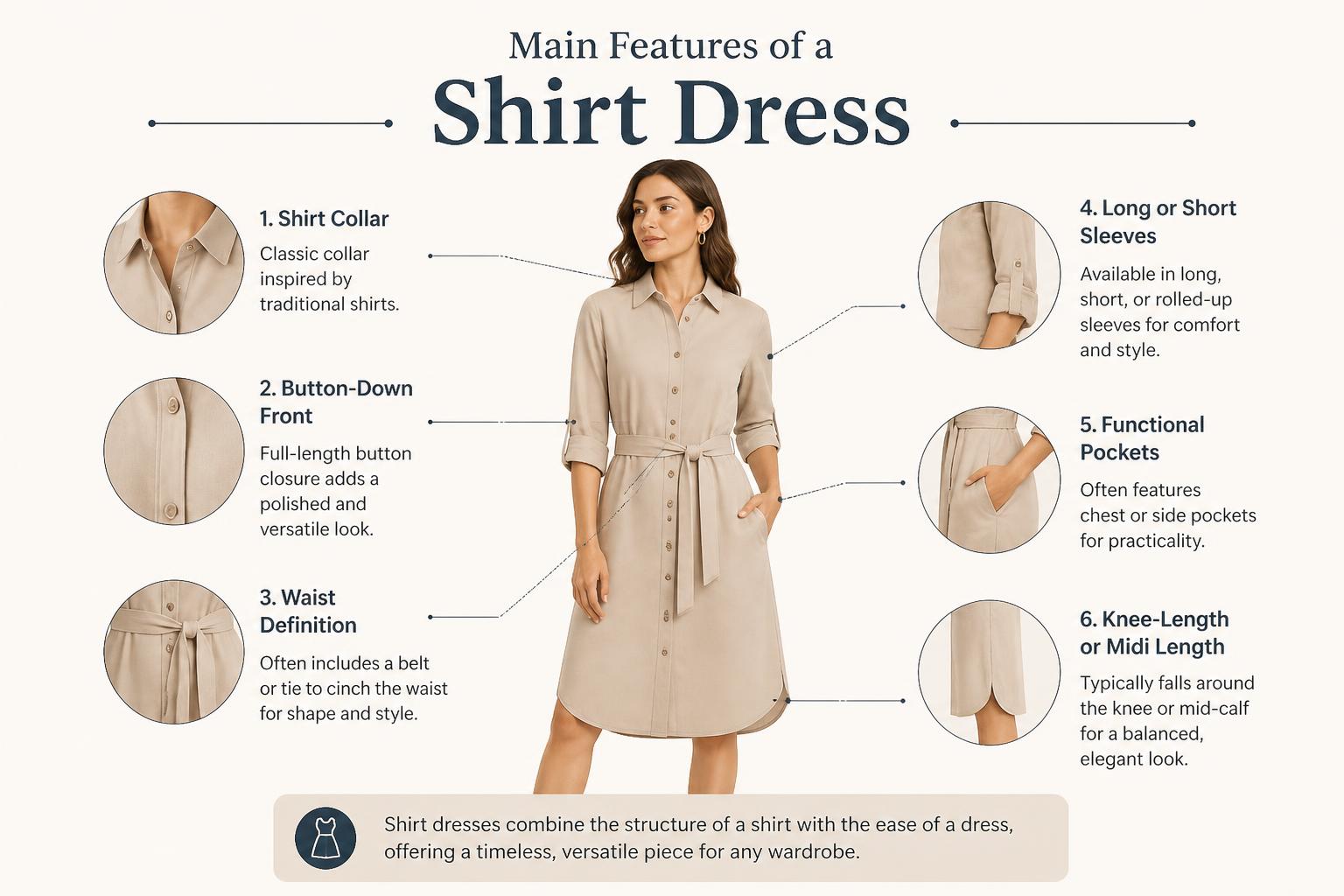
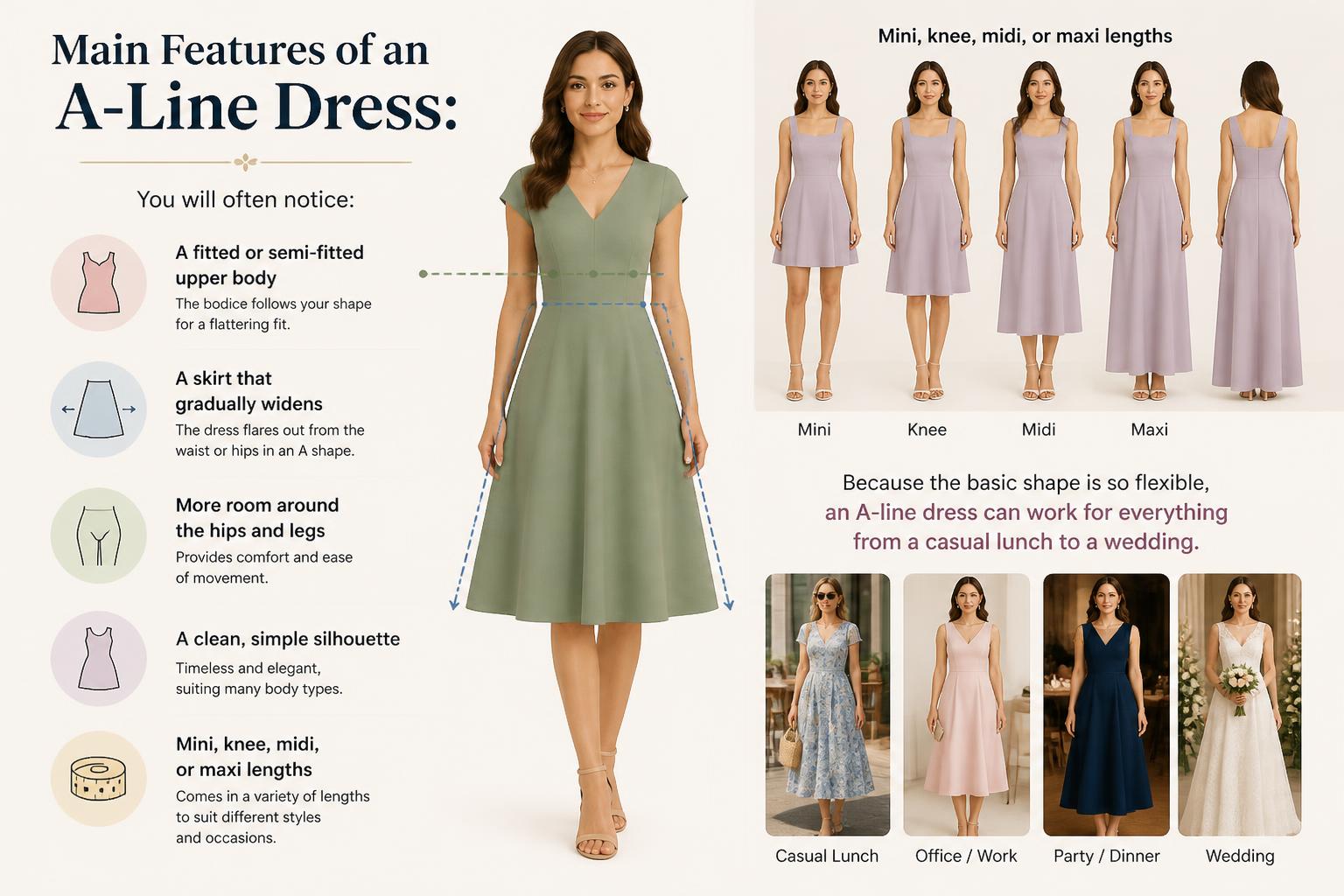
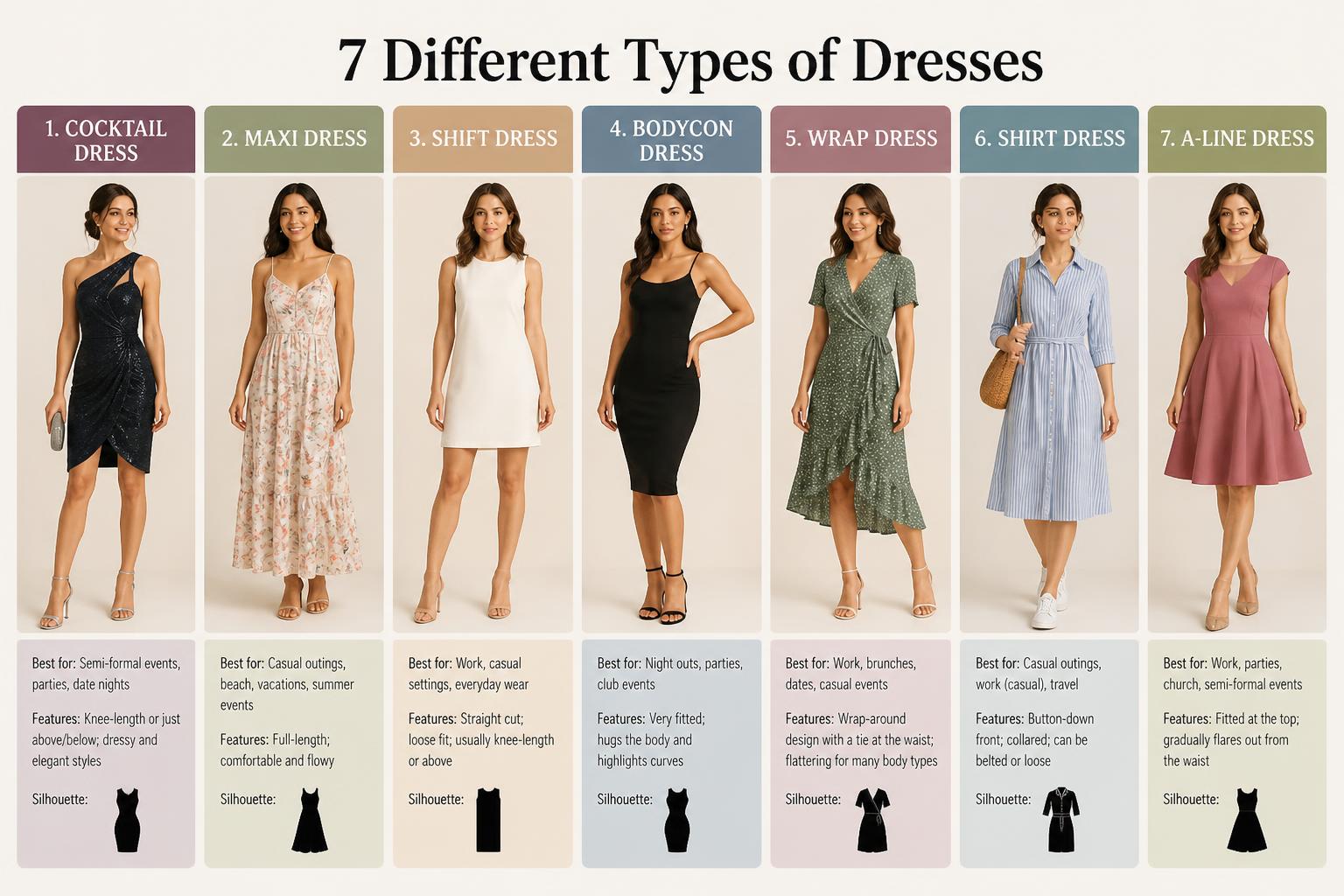
- Dresses and complex styles: 13–15 weeks
- Technical outerwear: 14–16 weeks
Knits are usually faster than wovens due to simpler construction.

How to Plan for Reliable Bulk Delivery
Good timelines come from planning, not luck. Brands that communicate early and prepare clearly give factories the ability to work efficiently. This reduces stress for both sides. Sharing forecasts in advance allows manufacturers to reserve fabric, capacity, and labor. This often shortens lead times by 2–3 weeks.
Smart Buffer Strategies! Instead of one large buffer at the end, use small buffers at key stages:
- Fabric sourcing: 5–7 days
- Production startup: 3–5 days
- Logistics and shipping: 3–5 days
This protects delivery without overextending the schedule.

Final Thoughts / Conclusion
Standard bulk clothing orders take 10–16 weeks, with 12–14 weeks being the most realistic range for most brands. Fabric choice, design complexity, order size, and logistics all shape the final timeline. When brands plan early, lock designs on time, and work closely with their manufacturers, bulk production becomes predictable and manageable. A strong timeline is not rushed it is built.
Our Contact Information – MEKONG GARMENT FACTORY
- Vietnam Phone: +84 947 729 829
- WeChat: +84 947 729 829
- WhatsApp: +84 947 729 829
- Email: hanh@kimmy.vn