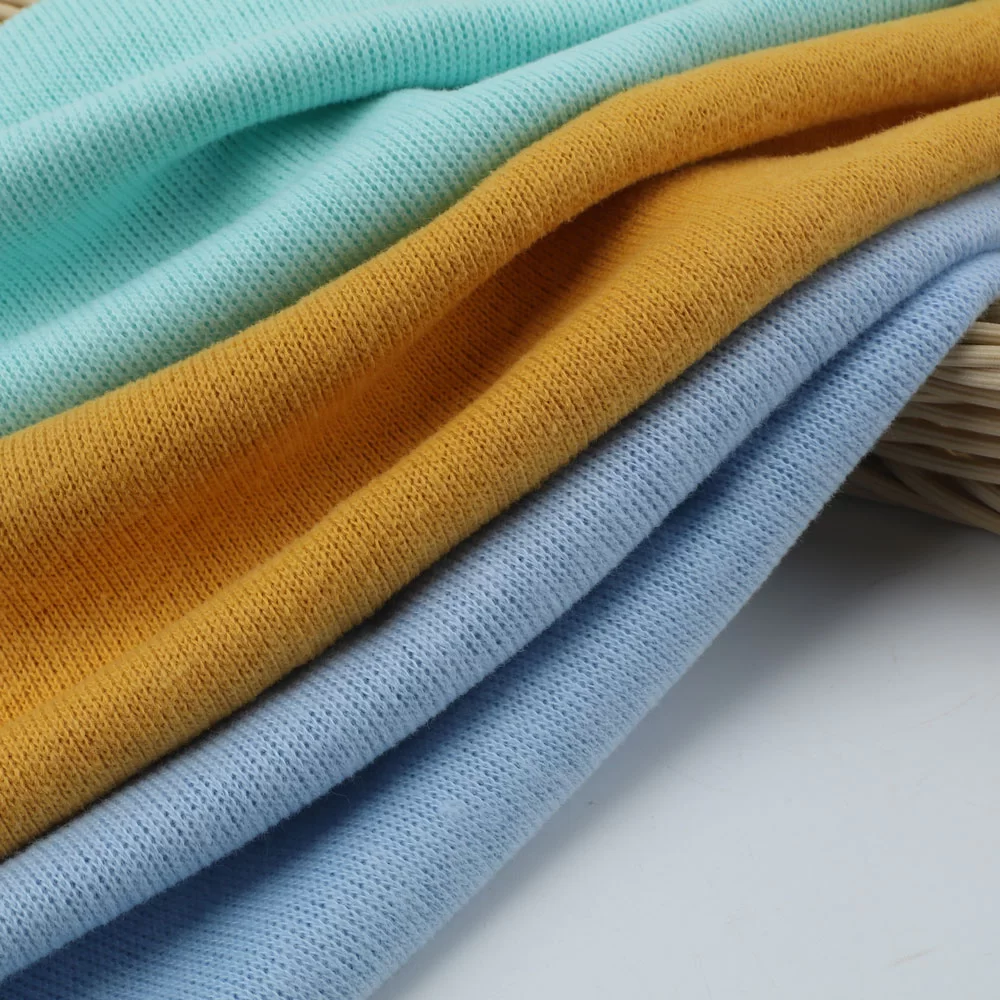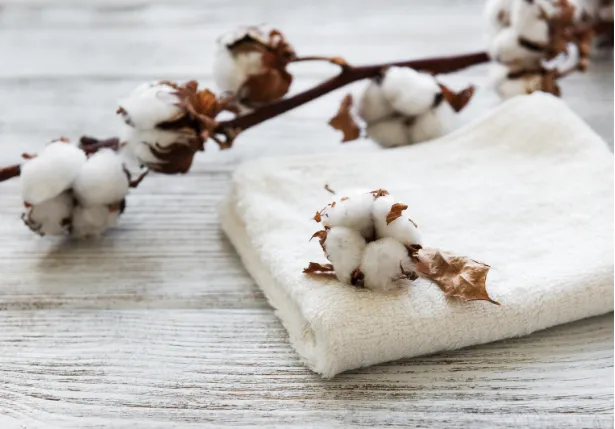
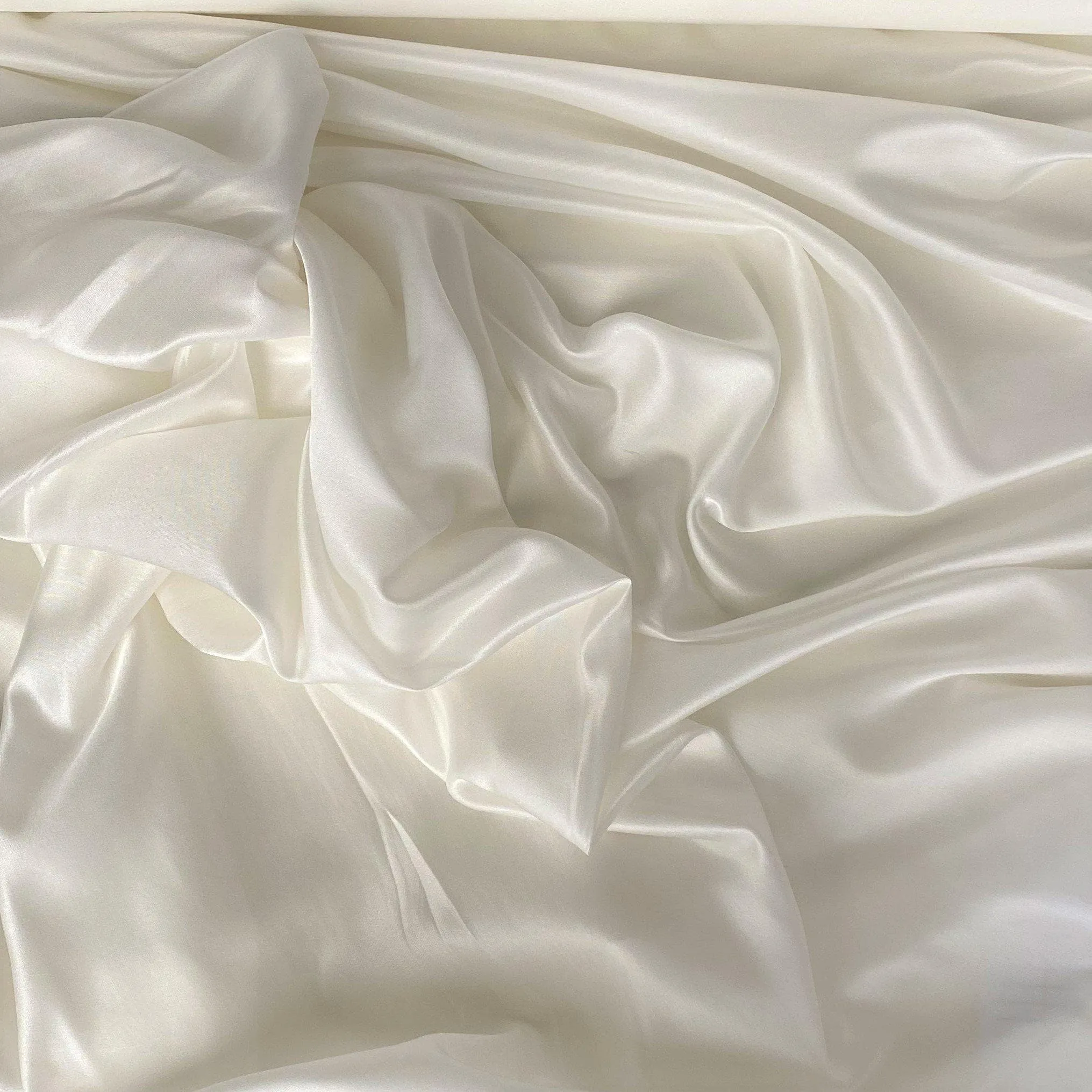

In fashion, people often want fabric that feels soft like cotton but looks refined like silk. Cotton Silk answers that wish with a light hand feel, a subtle sheen, and easy everyday comfort. It breathes well in warm weather yet drapes with quiet elegance. Whether you’re sewing shirts, dresses, or bedding, this blend brings a polished look without losing day-to-day wearability.
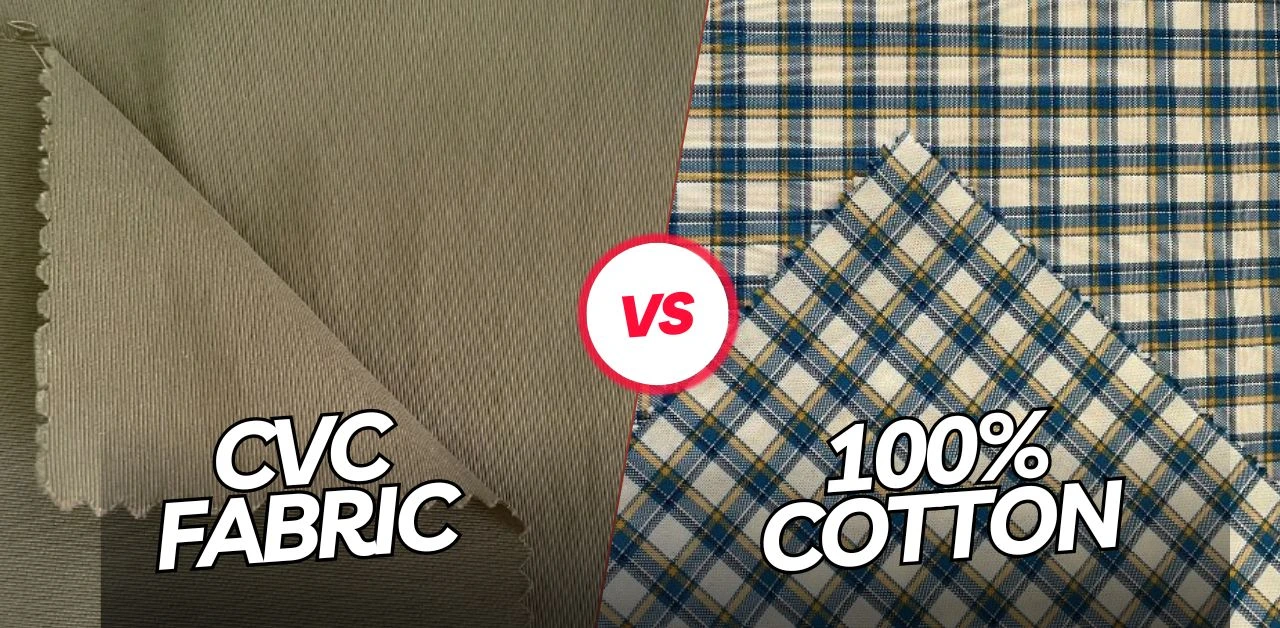
=> Related Article: CVC Cotton vs 100% Cotton vs TC (Poly-Cotton): Balancing Comfort, Durability, and Care
What Is Cotton Silk?
Cotton Silk is a fabric made by blending two well-known natural fibers: about 90% cotton and 10% natural silk. This combination gives the fabric the best of both worlds: the breathability of cotton and the luxurious sheen of silk. The 90/10 ratio is the most popular formula for achieving an ideal balance of comfort and elegance.
=> Related Article: How to Identify Cotton Percentage in Fabric?
=> Related Article: TC Fabric (Poly-Cotton): Durable and Easy to Maintain
Standout Characteristics
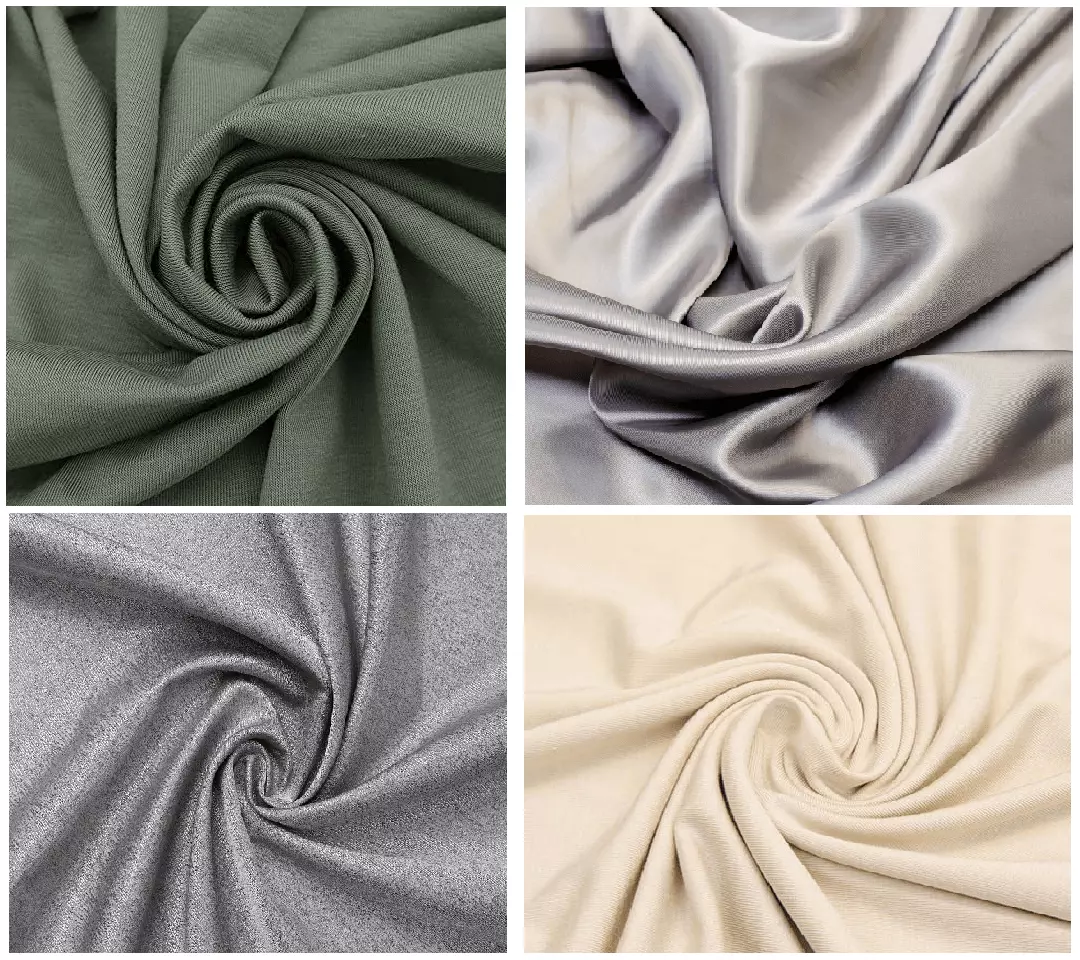
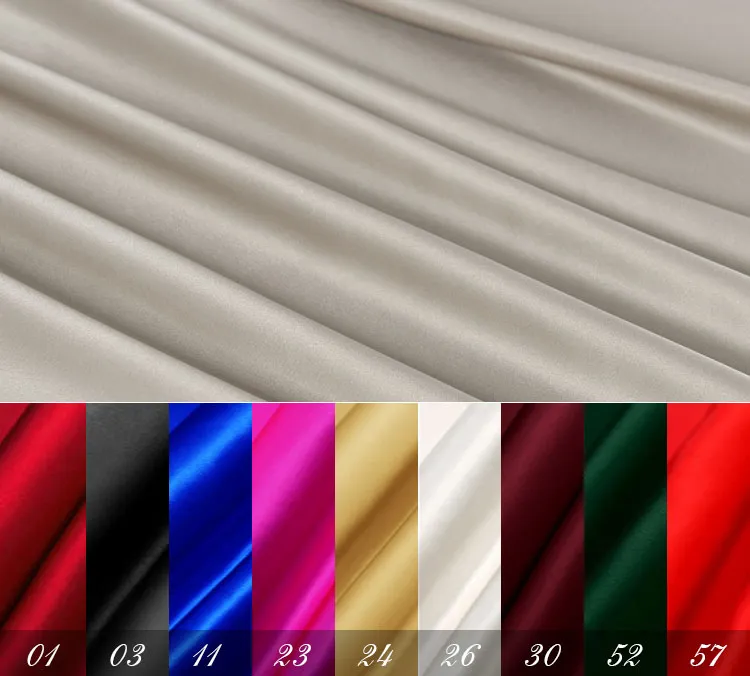
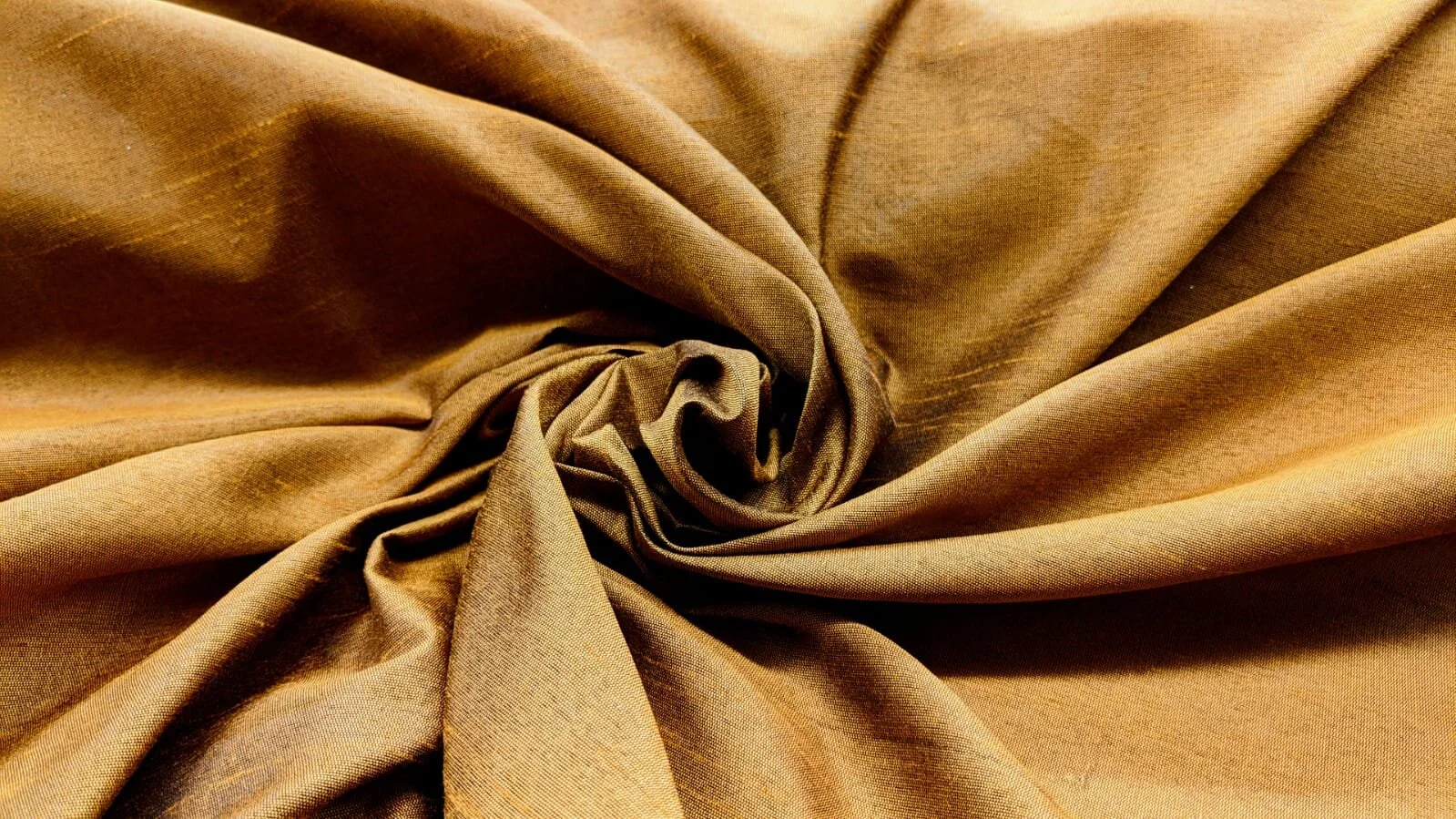
Cotton Silk inherits the finest features of both components. Cotton provides excellent air circulation, making the fabric cool in warm climates. Meanwhile, silk adds a delicate smoothness and a soft glow that enhances visual appeal. It is truly an all-season fabric that delivers both comfort and sophistication.
=> Related Article: Comparison of CVC vs 100% Cotton vs TC
How to Identify Quality Cotton Silk
High-quality Cotton Silk feels smooth but not slippery; it retains the comfortable grip of cotton with the refined gloss of silk. When held up to the light, the fabric should reflect a soft, natural shine rather than a harsh glare. Look for labels indicating high cotton content for optimal breathability.
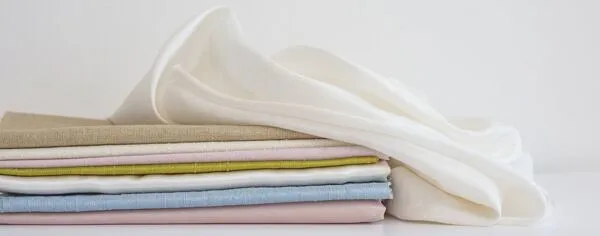
Popular Cotton Silk Blend Ratios
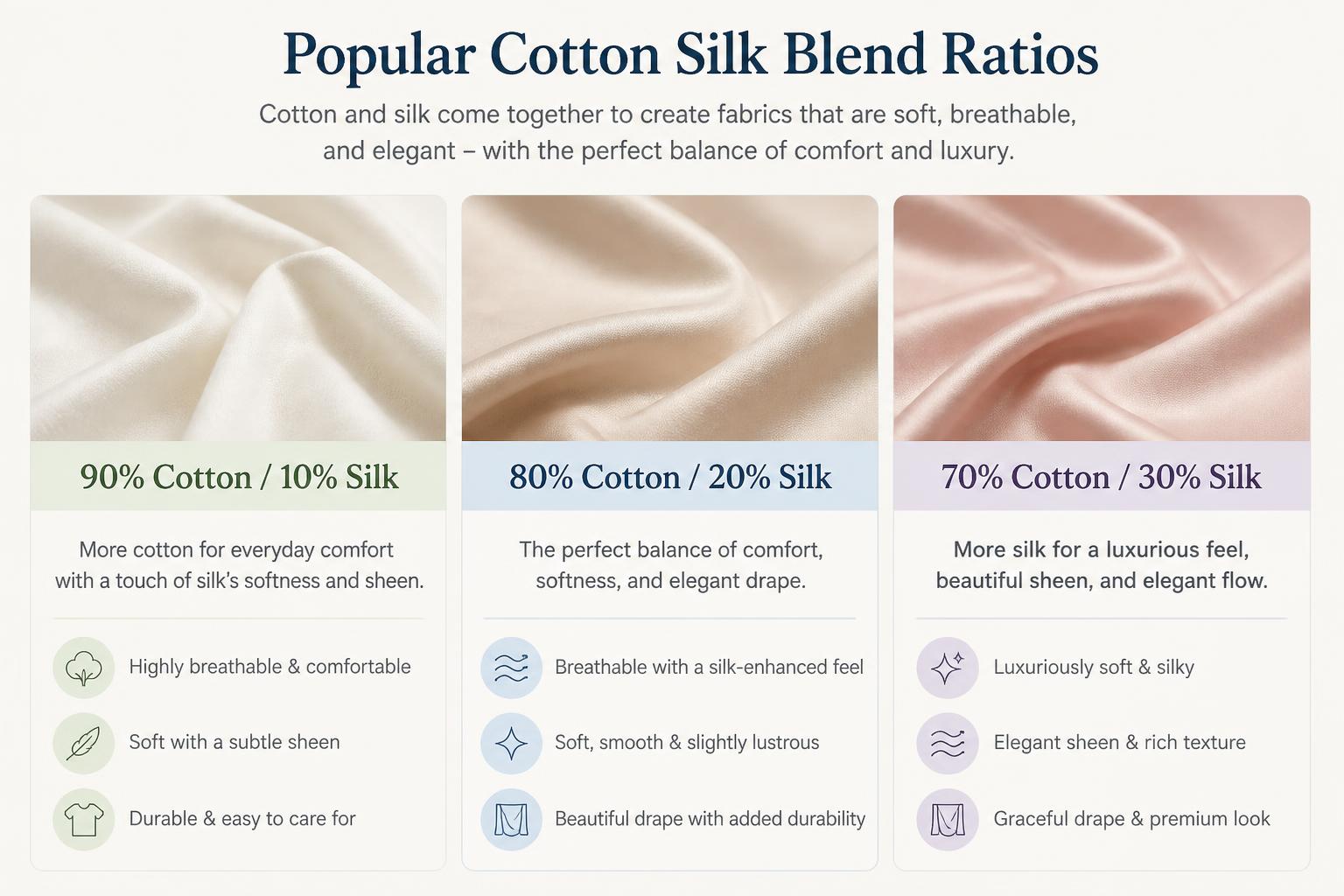
The blend ratio helps shape the final character of the fabric.
=> Related Article: Cotton Nylon Blends (60/40) Fabric: Pros and Cons
90% Cotton / 10% Silk:
This is a cotton-rich blend. It may retain much of cotton’s familiar hand while gaining a small amount of silk character. Good for:
- Shirts
- Casual dresses
- Premium basics
80% Cotton / 20% Silk:
Silk influence may become more noticeable. The fabric may show:
- More softness
- More drape
- More luster
70% Cotton / 30% Silk:
This can create a more premium and silk-influenced appearance. Good for:
- Fashion blouses
- Dresses
- Occasionwear
Higher-Silk Blends:
As silk content increases, buyers should pay greater attention to:
- Cost
- Care
- Durability
- Dyeing
- Handling
There is no universally best ratio.
Why Blend Cotton With Silk?
Cotton and silk have different properties, which is exactly why they can complement each other. Pure cotton is practical and comfortable but may lack the fluid appearance or luster some designers want. Pure silk can feel elegant and luxurious but may require more careful handling and can be significantly more expensive. Blending the two can create a middle ground. A cotton-silk fabric may offer: Comfort + Elegance + Soft Drape + Natural Fiber Appeal This makes it especially interesting for brands developing premium everyday clothing.
=> Related Article: TC Fabric (Poly-Cotton): Durable and Easy to Maintain
Advantages and Disadvantages
Like all premium natural blends, Cotton Silk has its unique profile:
| Advantages | Disadvantages |
|---|---|
| Soft, smooth surface with a natural sheen. | Higher price point than 100% cotton. |
| Breathable and moisture-absorbing. | Requires gentle care to preserve silk fibers. |
| Drapes elegantly for a premium look. | Not as wrinkle-resistant as synthetic blends. |
| Hypoallergenic and safe for sensitive skin. | Can be delicate when wet. |
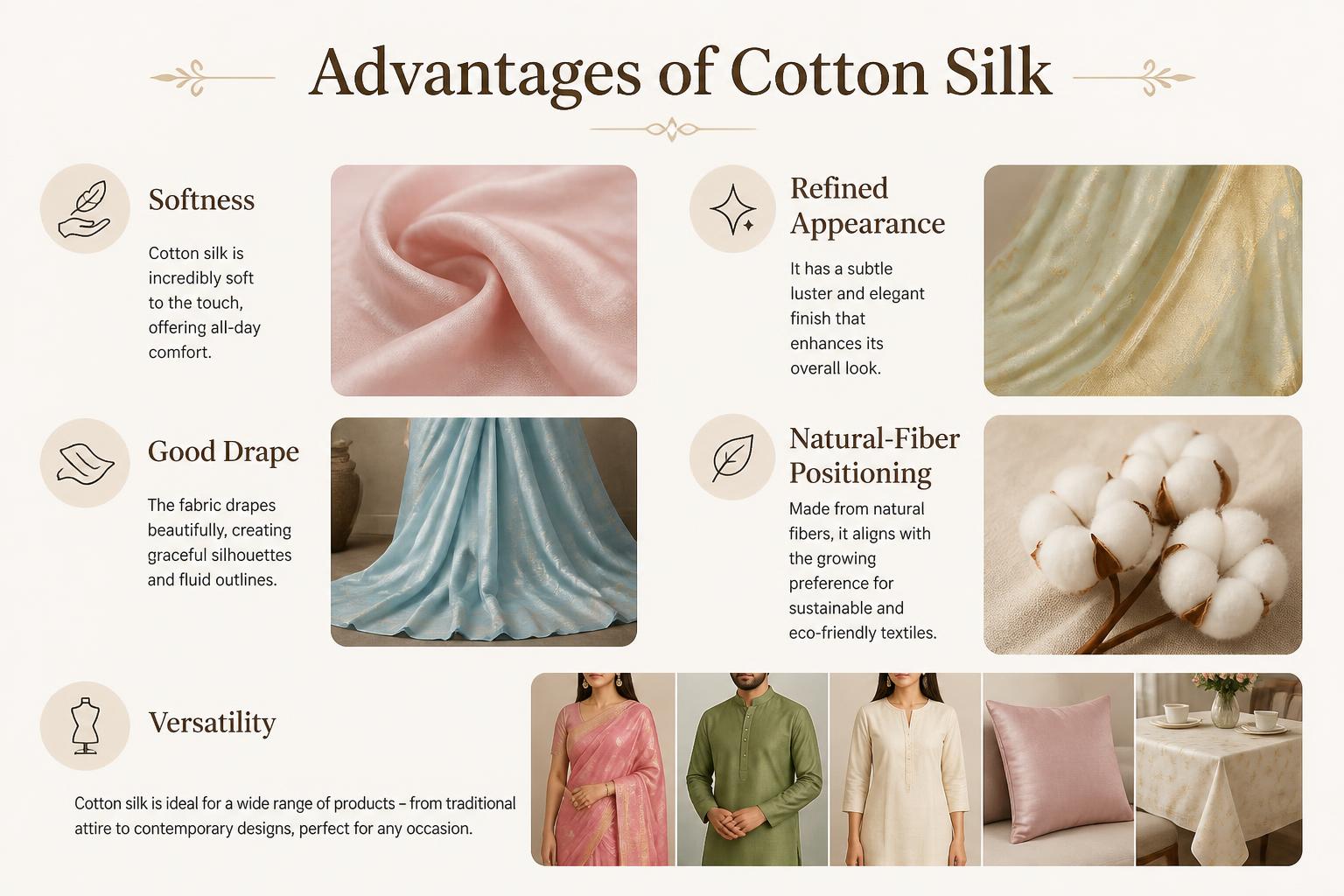
Advantages of Cotton Silk
Cotton silk is popular because it can combine useful characteristics from both fibers.
- Softness: The fabric can feel comfortable against the skin.
- Refined Appearance – Silk can add: Luster, Smoothness, Elegance.
- Good Drape: Some cotton-silk fabrics move beautifully and fall softly around the body.
- Natural-Fiber Positioning: Both cotton and silk are natural fibers. This can appeal to brands developing natural-fiber collections.
- Versatility – Cotton silk can be adapted for: Daywear, Workwear, Resort wear, Occasionwear, Premium casualwear.
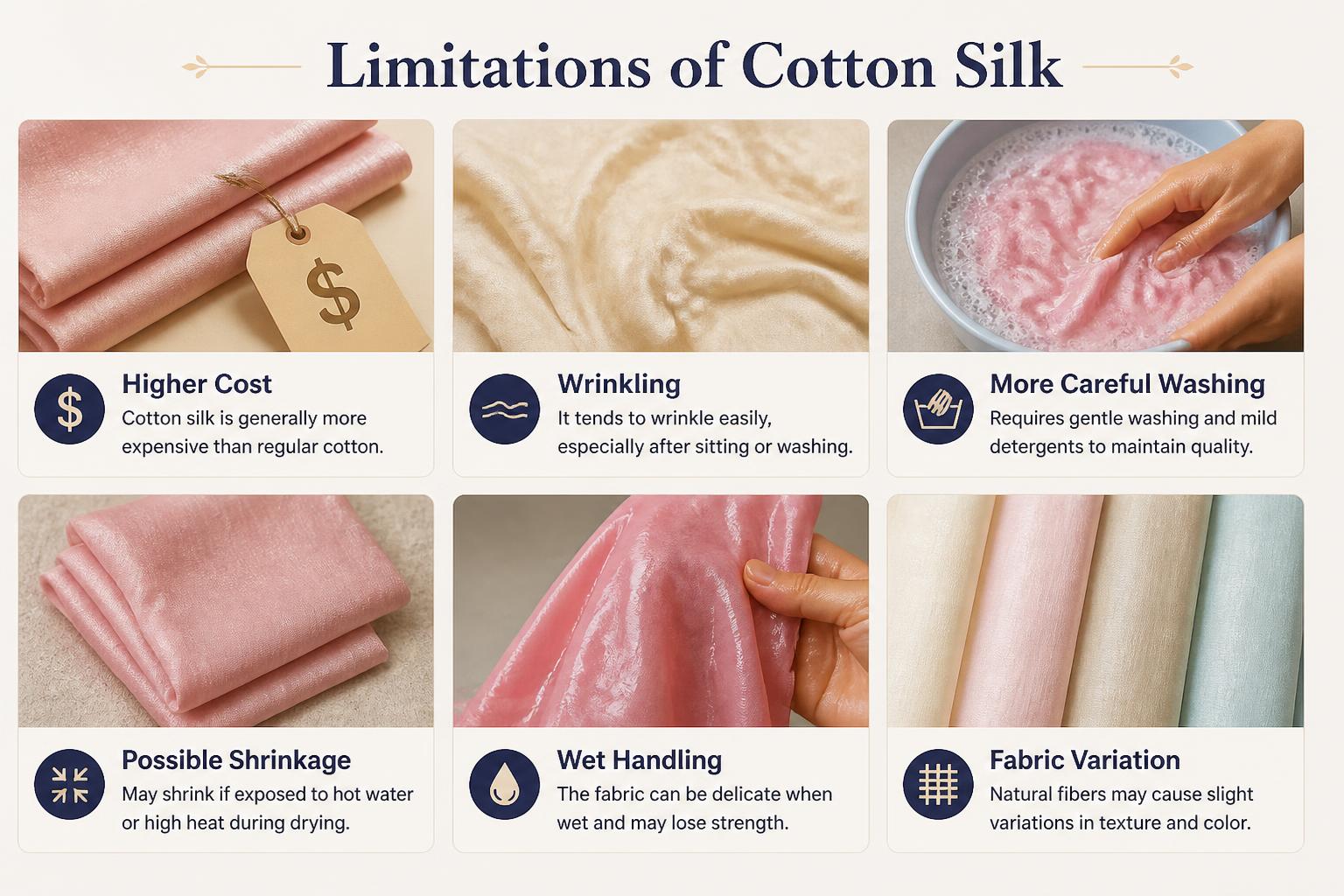
Limitations of Cotton Silk
Cotton silk also has several points buyers should consider.
- Higher Cost: Silk is generally more expensive than ordinary cotton fiber. Even a relatively small silk percentage can increase fabric cost.
- Wrinkling: Cotton-silk blends may wrinkle more easily than polyester-rich fabrics.
- More Careful Washing: Depending on the construction and finish, the fabric may require gentler laundering.
- Possible Shrinkage: Cotton-containing fabrics can shrink. Silk behavior also needs to be considered.
- Wet Handling: Some delicate cotton-silk fabrics may become more vulnerable when wet.
- Fabric Variation – Different suppliers may use very different: Blend ratios, Yarn qualities, Construction, Finishes
Common Applications
Thanks to its delicate balance, Cotton Silk is a favorite choice for:
- Premium Fashion: Elegant blouses, summer dresses, and scarves.
- Men & Women wear: High-end shirts with a refined finish.
- Home Textiles: Luxury bedding and pillowcases.
- …
=> Related Article: Which Cotton Fabrics Best Suited for Heavy‑Duty Items and Workwear
Cotton Silk for Men’s Clothing
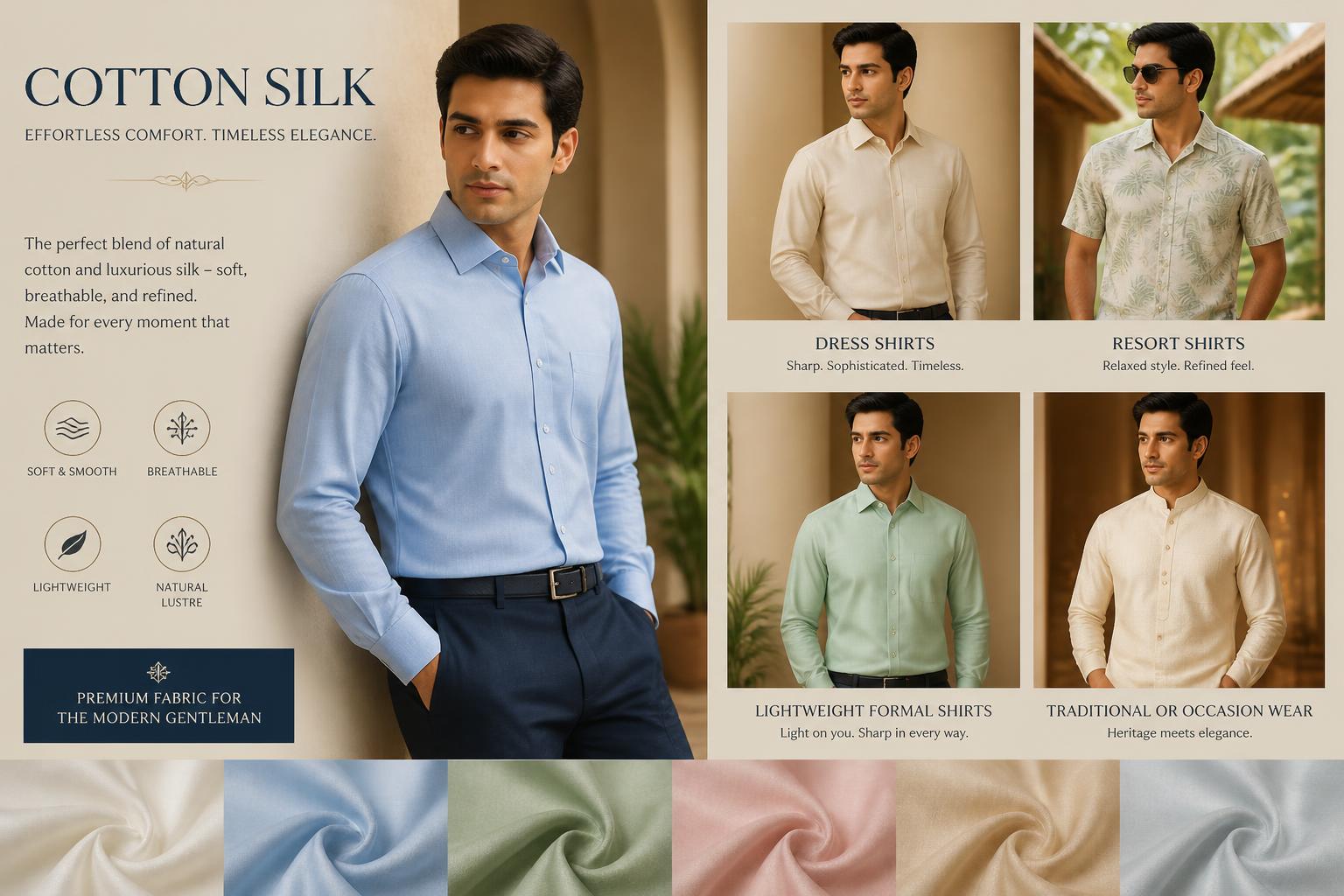
Cotton silk is not limited to women’s fashion. It can also work for men’s garments that require a more refined surface.
Examples include:
- Dress shirts
- Resort shirts
- Lightweight formal shirts
- Premium casual shirts
- Traditional or occasion clothing
The amount of sheen should match the intended look. For understated menswear, a cotton-rich blend with subtle luster may be preferable.
Cotton Silk for Women’s Fashion
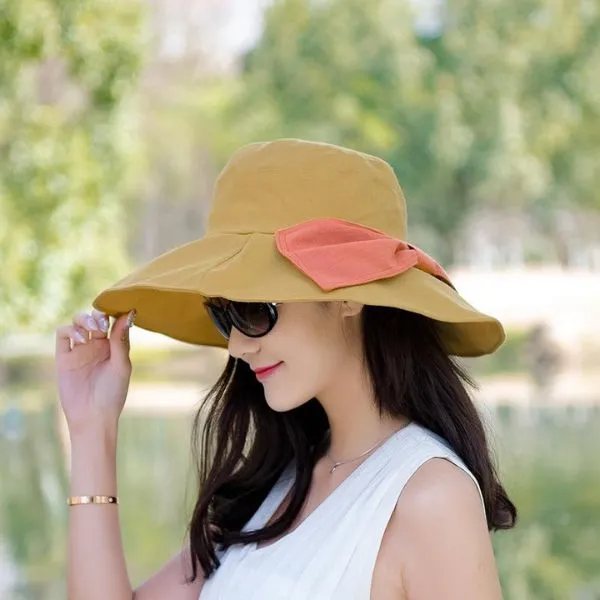
Cotton silk offers particularly broad possibilities in women’s fashion.
It can be used for:
- Blouses
- Dresses
- Skirts
- Tunics
- Shirts
- Occasion tops
- Lightweight jackets
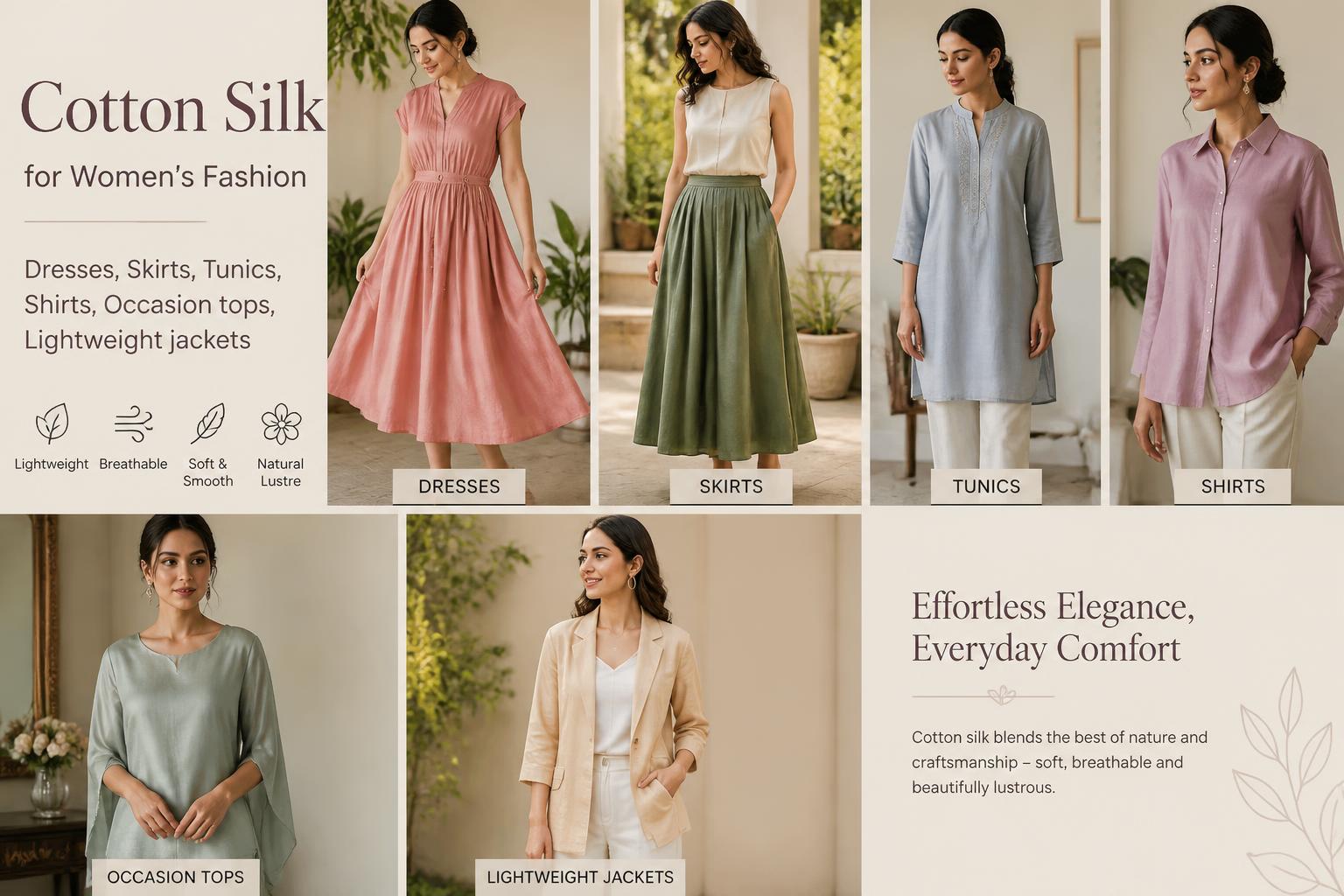
The fabric can move between casual and formal styling simply by changing:
- Construction
- Color
- Silhouette
- Trim
- Finish
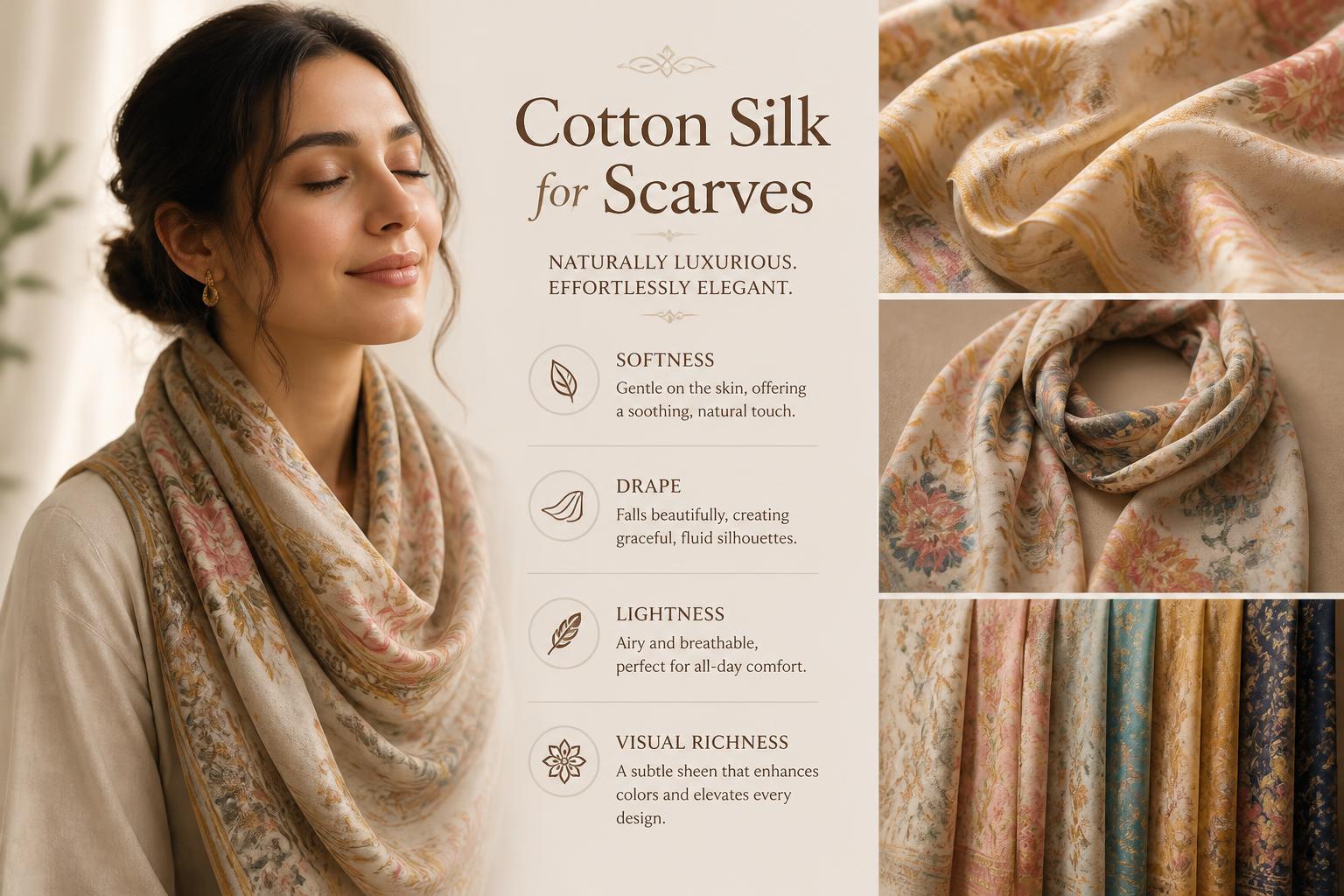
Cotton Silk for Scarves
Cotton silk can create scarves that feel lighter and smoother than standard cotton. The blend can offer a balance between:
- Softness
- Drape
- Lightness
- Visual richness
A cotton-rich scarf may feel more matte and casual. A silk-richer scarf may feel smoother and more luxurious.
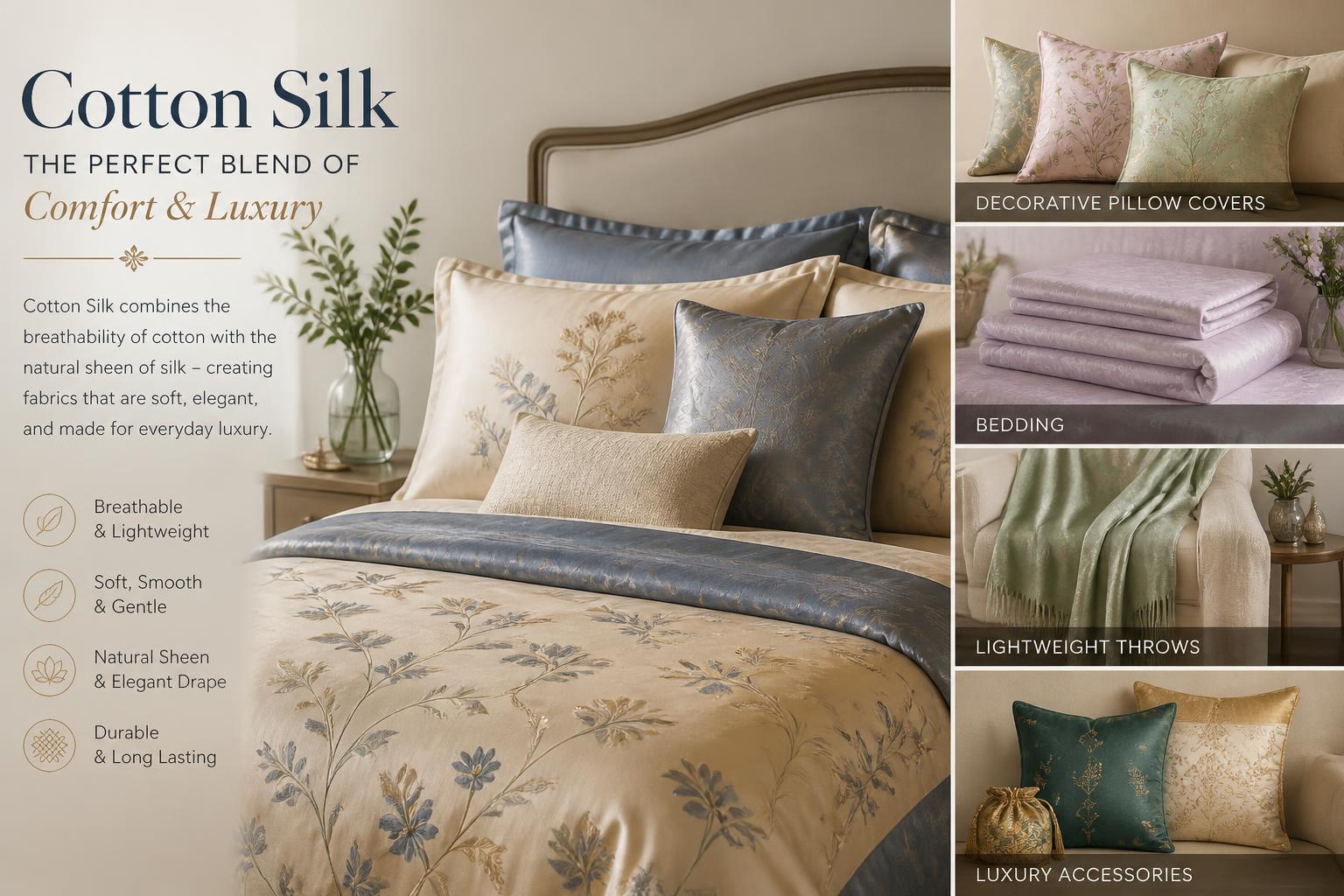
Cotton Silk for Home Textiles
Some cotton-silk fabrics are also used for premium home-textile applications.
Possible products include:
- Decorative pillow covers
- Bedding
- Lightweight throws
- Luxury accessories
However, home-textile performance requirements may be different from apparel.
Conclusion / Final Words
Cotton Silk is more than a fabric—it’s a perfect harmony of nature and craftsmanship. It delivers the comfort, elegance, and versatility required for modern living. For brands seeking a material that’s both refined and wearable, Cotton Silk is the ideal choice. We are ready to help you incorporate this beautiful blend into your next collection.
=> Related Article: Cotton Tee Fabrics: Types, GSM, From Basic to Premium T Shirts For Brands (
FAQs About Cotton Silk
In Short, What is cotton-silk fabric?
Cotton-silk is a blend of natural fibers, usually about 90% cotton and 10% silk. It mixes cotton’s comfort with silk’s soft shine. The result is a fabric that feels gentle, breathes well, and looks a little luxurious without being too fancy.
Why is cotton-silk so comfortable to wear?
This fabric is light, breathable, and absorbs moisture well because of its high cotton content. It keeps your skin cool on warm days, while the silk adds softness and a smooth, cozy touch. Together, they create a fabric that feels good all day long.
Does cotton-silk feel like real silk?
Cotton-silk has a soft, natural shine similar to silk but not as slippery or glossy. It keeps the smoothness of silk but still feels grounded and easy to wear, thanks to the cotton. Think of it as “silk made more comfortable.”
What clothes are usually made from cotton-silk?
You’ll often find cotton-silk in elegant shirts, blouses, summer dresses, scarves, and even bedding. It works well for anything that needs both comfort and a refined, polished look.
Is cotton-silk good for hot weather?
Yes! Cotton-silk is great for warm climates. It lets air flow through the fabric, absorbs sweat, and dries quickly, helping your body stay cool and fresh. The silk adds a smooth feel without trapping heat.
Does cotton-silk wrinkle easily?
It wrinkles less than pure silk but more than synthetic blends. Because it’s mostly cotton, light wrinkles are normal. However, the silk helps the fabric drape nicely, so wrinkles often soften when you wear it.