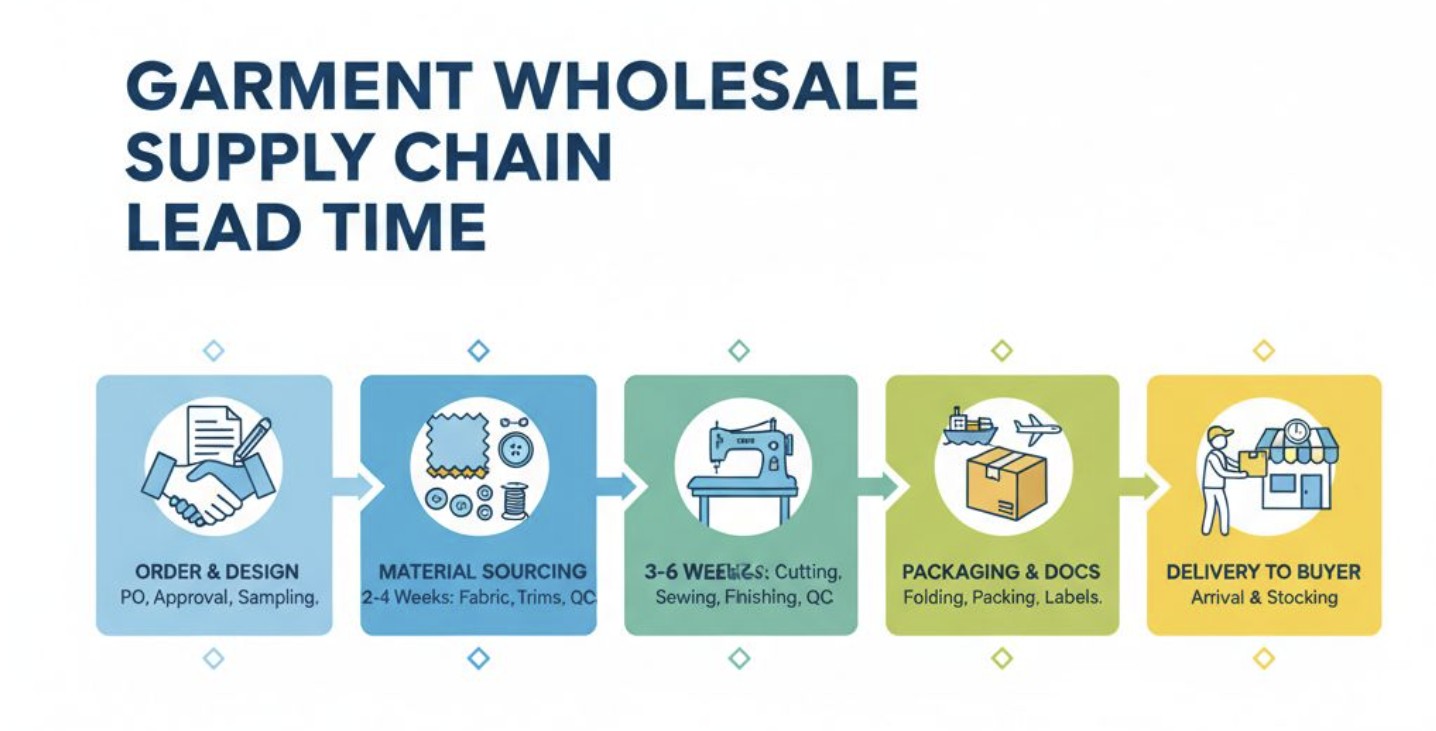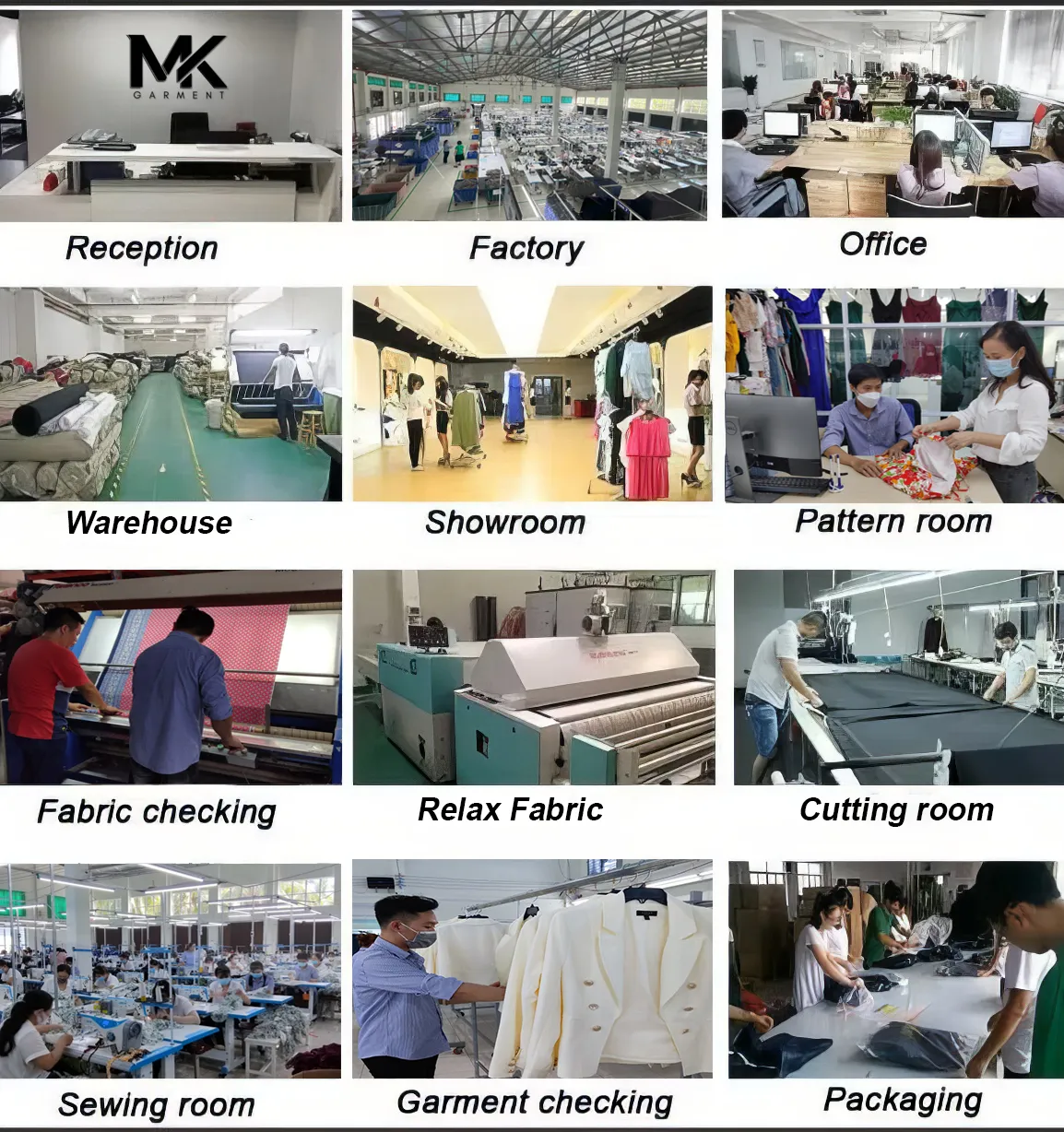

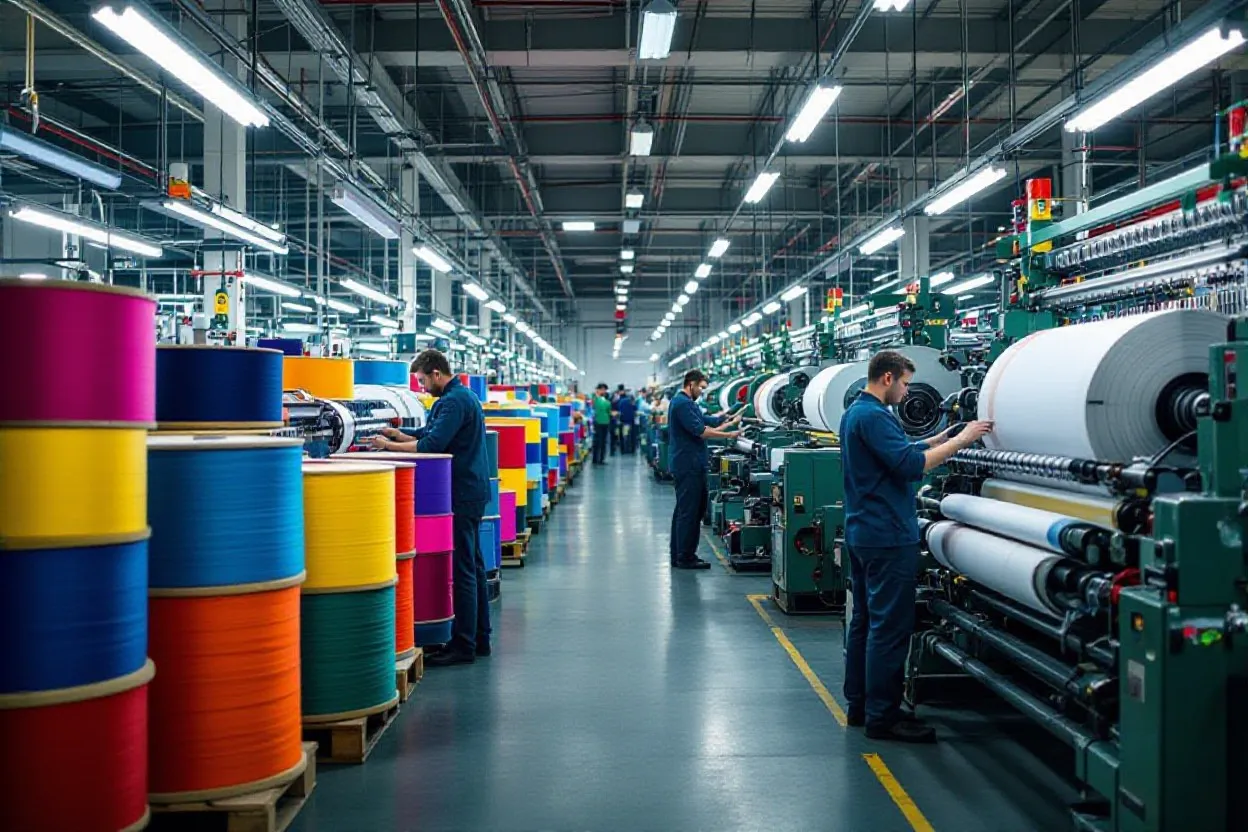
When brands source apparel, they often discover a frustrating reality: fabric suppliers require far higher minimum order quantities (MOQs) than garment factories. This is not arbitrary pricing pressure. It reflects a fundamental difference in how textiles are manufactured versus how garments are assembled. Understanding this distinction is essential for realistic costing, accurate production planning, and avoiding supply-chain deadlocks.
Fabric Manufacturing Carries Heavy Fixed Setup Costs
Fabric production begins long before any usable material exists. Mills must prepare yarn systems, configure knitting or weaving machines, and stabilize mechanical settings such as tension, density, and structure. Once this mechanical setup is complete, the fabric still must pass through dyeing and finishing stages, each of which introduces additional fixed costs.
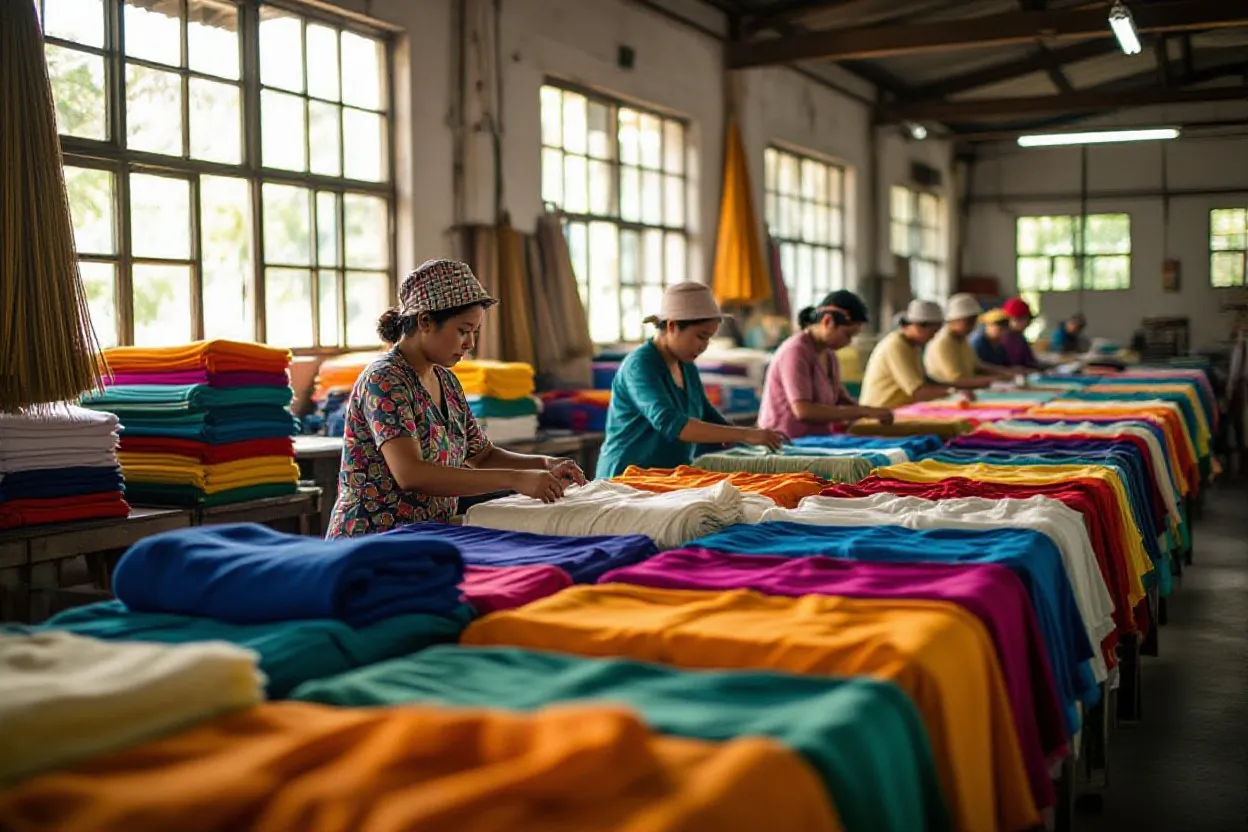
Dyeing alone requires lab dips, color approval, chemical formulation, machine cleaning, and batch calibration. Finishing processes such as compacting, brushing, coating, or moisture-management treatment require separate machine setups and quality checks. These steps consume water, energy, chemicals, and skilled labor regardless of order size. If a mill were to run these processes for very small quantities, the cost per meter would be unsustainably high. Fabric MOQs exist to ensure these fixed costs can be distributed across enough volume to remain economically viable. Before any usable fabric is produced, mills must complete several non-negotiable setup steps:
- Yarn preparation and machine configuration (knitting or weaving)
- Mechanical calibration (tension, density, structure)
- Dye lab dips and color recipe development
- Chemical preparation and machine cleaning
- Finishing setup (compacting, brushing, coating, special treatments)
These costs exist regardless of order size. Mills therefore require a minimum volume that allows them to distribute setup costs across enough fabric to remain profitable.
Dye Lot and Finishing Constraints Limit Flexibility
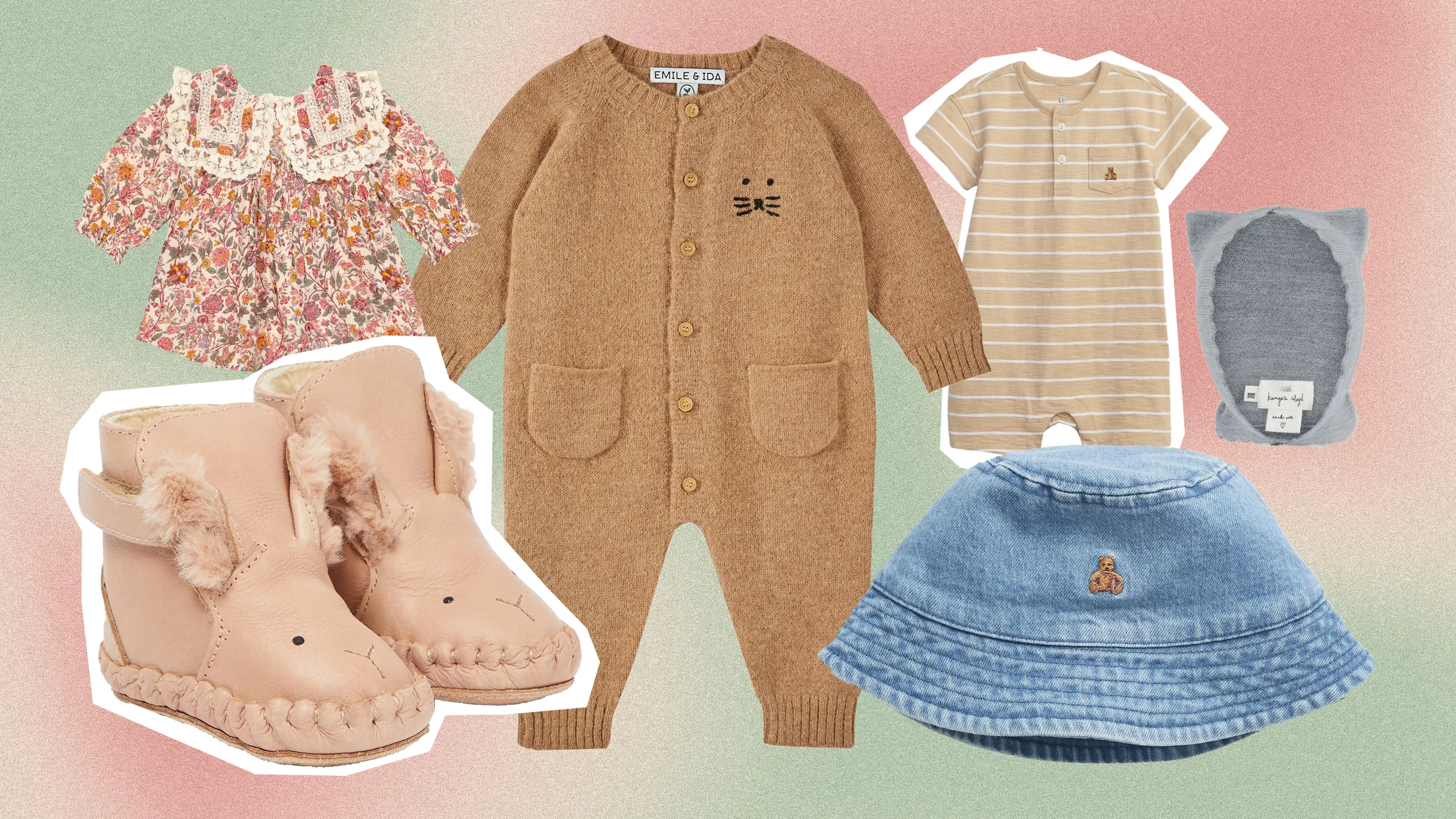
Unlike garment sewing, fabric production cannot easily be broken into micro-runs. Dyeing and finishing equipment operates in batch systems, meaning fabric must be processed in defined lots to maintain color consistency, chemical balance, and performance stability. Running partial dye lots creates waste, shade variation, and technical risk. Once a dye lot begins, mills must commit to a minimum batch size. Reducing that size increases the risk of off-shade fabric, uneven finishing, or failed testing. For this reason, fabric MOQs are structurally tied to machine capacity and process stability, making them far less flexible than garment MOQs. Fabric production relies heavily on batch processing, especially during dyeing and finishing. This creates natural limits on flexibility.

Key constraints include:
- Minimum dye lot sizes required for color consistency
- Risk of shade variation when batches are too small
- Chemical imbalance and process instability in partial runs
- Increased waste from underfilled dyeing and finishing machines
Because mills cannot easily split or pause dye lots, fabric MOQs are structurally higher and far less negotiable.
Raw Material and Yarn Procurement Also Drive Fabric MOQs
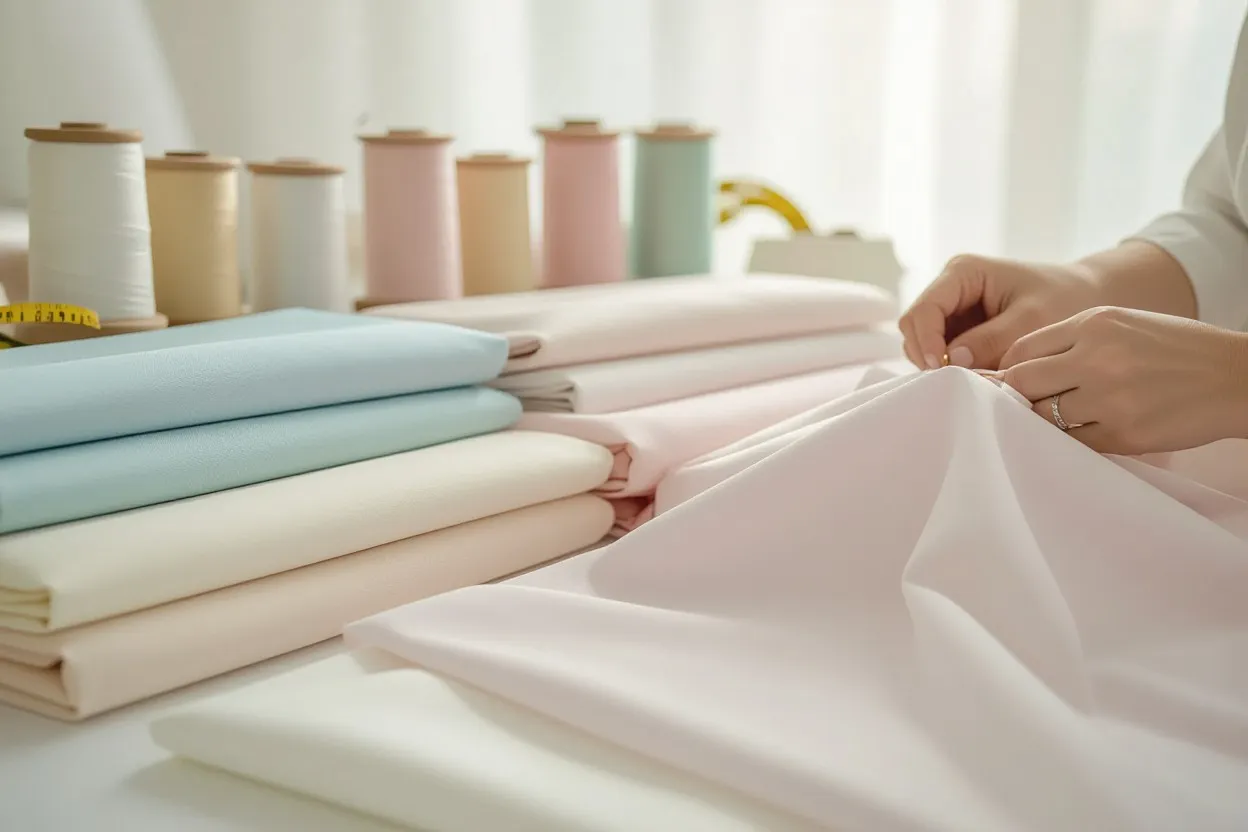
Many fabrics require custom yarns, fiber blends, or traceable raw materials. Spinning mills and yarn suppliers also set minimums, which are passed downstream to fabric producers. If a fabric uses specialized yarn counts, recycled fibers, or certified materials, the mill must first meet yarn-level MOQs before fabric production even begins. This upstream dependency means fabric MOQs are not only about fabric machines they reflect the entire textile value chain. Garment factories, by contrast, typically purchase ready fabric and do not carry this upstream burden. Fabric MOQs often reflect minimums imposed before fabric production even begins.
Common upstream drivers:
- Yarn spinning MOQs for custom counts or blends
- Recycled or certified fiber traceability requirements
- Specialty yarn availability and supplier batch sizes
These upstream constraints are absorbed by the fabric mill and passed downstream to buyers, increasing the final fabric MOQ.
Garment Production Is Labor-Driven, Not Chemistry-Driven
Garment factories operate on a fundamentally different cost model. Their primary concern is labor efficiency: cutting tables, sewing lines, operator balance, and quality control flow. While factories do incur setup costs for markers, machines, and trims, these costs are incremental rather than chemical or batch-locked. Factories can often adjust by running smaller orders during production gaps, assigning fewer operators, or charging surcharges to compensate for inefficiency. This makes garment MOQs more flexible and negotiable, especially for simple styles. Fabric mills do not have this flexibility because their processes are chemically and mechanically constrained. Garment factories operate under a different cost structure, centered on labor efficiency rather than chemical processes.
Garment setup typically involves:
- Marker making and cutting table setup
- Sewing line balancing
- Machine and thread changes
- Quality control and packing preparation
While these steps take time, they can often be scaled down or compensated for with surcharges, overtime, or flexible scheduling. This is why garment MOQs are usually lower and more negotiable than fabric MOQs.
Fabric Quality and Consistency Depend on Scale
Fabric quality improves with scale. Larger production runs allow mills to stabilize machine settings, refine dye curves, and maintain consistent finishing conditions. Small runs increase variability, which can lead to shade inconsistency, uneven hand feel, or failed shrinkage and performance tests. To protect both their reputation and their clients’ downstream production, mills enforce higher MOQs. This ensures that fabric delivered to garment factories is stable, repeatable, and suitable for mass production. Garment factories can manage minor variability through sewing adjustments, but fabric defects cannot be corrected once material is produced.
Larger fabric runs allow mills to:
- Stabilize machine settings
- Maintain consistent dye curves
- Control shrinkage and hand feel
- Reduce variability across rolls
Small runs increase the risk of shade inconsistency, uneven finishing, and failed performance testing. Higher MOQs protect both the mill and the buyer from quality issues that can disrupt garment production later.
Fabric MOQs Reflect Risk Management, Not Just Cost
Fabric MOQs are also a form of risk control. Mills assume financial and technical risk when running custom fabrics: rejected dye lots, failed testing, or client-driven changes can render fabric unsellable. Larger MOQs reduce the relative impact of these risks and justify the mill’s commitment of resources. Garment factories face risk as well, but their risk is more operational than irreversible. If a garment order is small or delayed, labor can be reallocated. Fabric, once dyed and finished, cannot be easily repurposed. Fabric production carries irreversible risk. Once fabric is dyed and finished, it cannot easily be repurposed.

Fabric MOQ helps mills manage:
- Risk of rejected dye lots
- Client-driven changes after production starts
- Unsold custom materials with limited resale value
Garment factories face operational risk, but they can reallocate labor. Fabric mills cannot undo a finished dye lot.
What This Means for Brands and Buyers
The reason fabric MOQs are usually higher than garment MOQs is not inefficiency it is structural reality. Fabric production is capital-intensive, batch-based, and upstream-dependent. Garment production is labor-intensive, modular, and more adaptable. For brands, this means fabric MOQ often becomes the true minimum production volume, regardless of how flexible a factory appears. Successful sourcing strategies account for this early by simplifying fabrics, reducing colorways, using stock programs, or designing collections that share core materials across styles.
Because of these structural differences:
- Fabric MOQ often sets the true minimum production volume
- Garment MOQ determines operational efficiency, not material availability
- Fabric MOQ is typically less flexible than garment MOQ
Effective strategies include:
- Using one fabric across multiple styles
- Reducing colorways per fabric
- Selecting stock or mill-program fabrics
- Planning multi-season or multi-drop use of the same material
Conclusion / Final Words
Fabric MOQs are higher than garment MOQs because textile manufacturing involves fixed chemical, mechanical, and material commitments that cannot be scaled down without significant cost and risk. Garment factories, driven by labor rather than chemistry, can operate more flexibly at lower volumes. Understanding this difference allows brands to plan realistically, cost accurately, and build collections that align with how the supply chain actually functions—not how they wish it would.