


What Is the Biggest Misconception About Tech Packs?

Brands often ask for a “perfect tech pack,” like it’s a one-and-done file. They want to send it to a factory, get a quote, and move on. On paper, that sounds clean and simple.

In real production, it rarely works that way. As soon as sampling starts, decisions change. Fabric gets swapped. Fit gets refined. Trims get upgraded. Construction gets improved. If the tech pack stays frozen while the product evolves, the team is no longer working from the same truth. That is the biggest misconception about tech packs: A tech pack is not a static document. It’s a living blueprint. When you treat it like a “set-and-forget” formality, you invite delays, extra costs, and bulk production surprises. When you treat it like a living system, you protect quality, timelines, and profit.

The Biggest Myth: “A Tech Pack Is Only for Quoting and Production”

Many brands believe the tech pack has one job: help the factory price the style and produce it later. So they polish the file, send it out, and stop touching it.

That’s when problems begin. Sampling is where garments become real. And once a garment is real, it triggers change. Even great designs usually need adjustment after the first prototype. Here’s what happens if you don’t update the tech pack during that phase:

  • The factory teams keep working from the original file
  • Pattern makers build from old measurements
  • Trims get ordered from the wrong list
  • QC checks against outdated specs

Then bulk production arrives, and it doesn’t match the approved sample. Not because the factory wanted to mess up. Because the “official instructions” were never updated.

What a Tech Pack Really Is: A Living Blueprint

A better way to think about a tech pack is this: It’s the single source of truth for your product. It should move forward with the product, step by step, version by version. Every approved decision should appear inside the tech pack, not only in emails or chat messages.

What should trigger an update?

Any time you say “Yes, let’s do that,” update the file. For example:

  • Fabric change approved → update the BOM + material specs
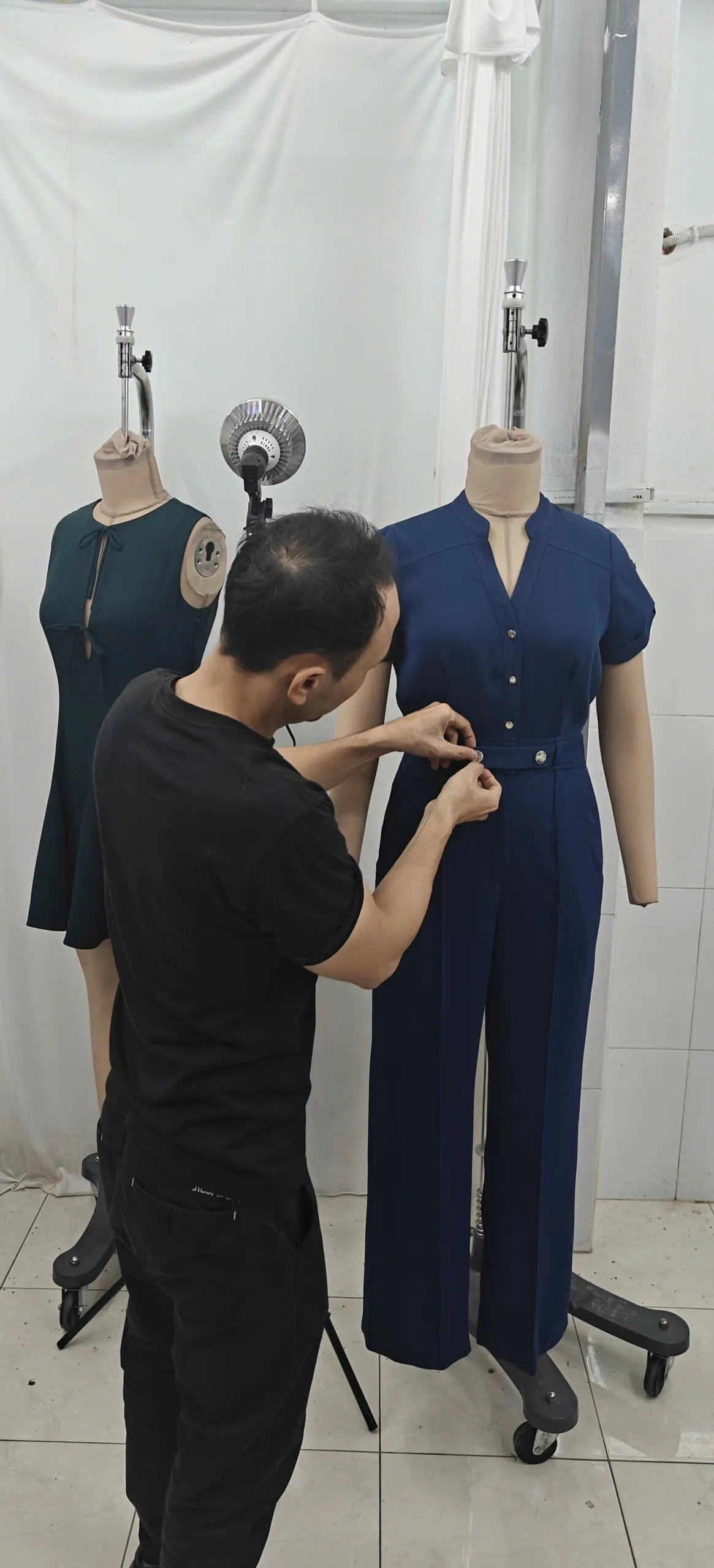
  • Fit approved after sample → update measurements + tolerances
  • New zipper chosen → update trim codes + supplier details + photos
  • Stitch method changed → update construction notes

This keeps everyone aligned, even if teams change, timelines stretch, or production moves to a new factory.

What Happens If You Don’t Update It After Sampling?

When the tech pack stays outdated, communication breaks. Most sampling feedback gets scattered across:

  • emails
  • messaging apps
  • photos with comments
  • calls and quick approvals

That info is easy to lose. And the people building your bulk order may never see it. So what’s the result? Bulk goods that don’t match the approved sample. And then you face painful choices:

  • rework
  • discounts
  • delayed shipments
  • unhappy customers

A living tech pack prevents that by turning informal feedback into formal instructions.

How a Living Tech Pack Saves Time and Money

At first, updating a tech pack feels like extra admin work. But it’s cheaper than fixing a mistake across thousands of units. A living tech pack helps you turn vague feedback into measurable instructions.

Example: vague vs clear

  • Vague: “Make the collar higher.”
  • Clear: “Collar height updated to 3.8 cm (±0.3 cm).”

That one change turns guesswork into precision. It also gives QC a clear pass/fail standard. When you do this consistently, you reduce:

  • repeat sampling
  • production confusion
  • inspection disputes
  • costly defects in bulk

Another Common Misbelief: “A Sketch and Size Chart Is Enough”

Many new brands think a tech pack is just:

  1. a drawing
  2. a measurement table

That’s not enough for most styles. A sketch shows the “what.” A tech pack explains the “how.” If you don’t specify construction, the factory must guess details like:

  • seam allowances
  • stitch type
  • seam finish
  • reinforcement points
  • interlining placement

Even skilled factories can’t read your mind. They can only follow the instructions you give them.

A simple way to understand it

Building a garment is like building a house. A photo shows the look. Room sizes show scale. But you still need the blueprint for structure.

What a Complete Tech Pack Usually Includes

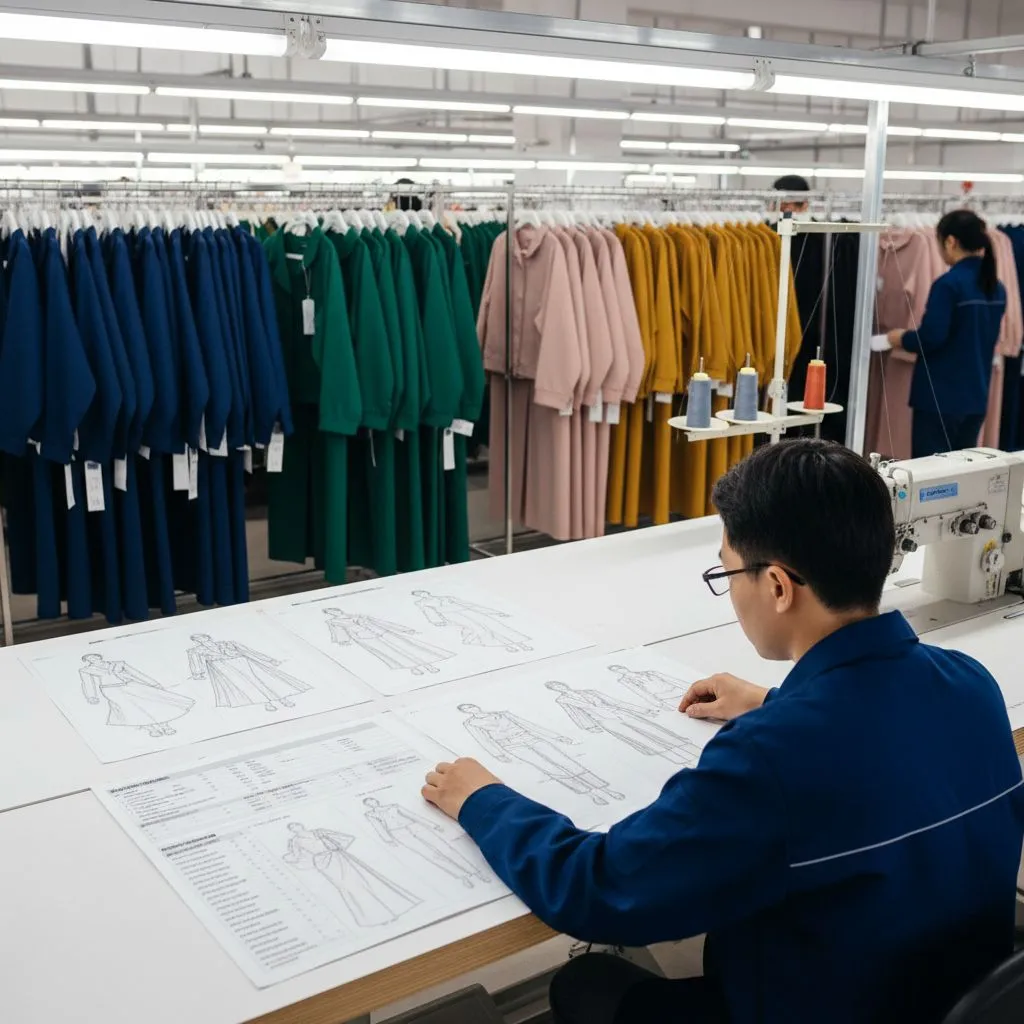
A strong tech pack is like an instruction manual for production. It often includes:

  • 1) Technical flats: Clear front/back drawings with callouts for key details.
  • 2) Bill of Materials (BOM): Every component listed clearly: fabric, trims, labels, thread, packaging.
  • 3) Construction details: Stitch type, seam finish, assembly notes, reinforcement placements.
  • 4) Measurement spec sheet: Points of measure (POM), size range, grading, and tolerances.
  • 5) Artwork and placement: Print size, placement, color references, embroidery notes, etc.

The goal is simple: no guessing.

Why Construction Details Are Non-Negotiable

Construction choices define:

  • comfort
  • durability
  • final appearance
  • cost

One stitch type can feel smooth and flexible. Another can feel rough on the skin. One seam finish can survive heavy wear. Another may fail earlier. Those are brand-level decisions. If you don’t specify them, you’re letting your product quality be decided by assumption.

Why a Detailed BOM Prevents Delays

A vague BOM slows everything down. If you write “metal zipper,” the factory still needs:

  • zipper length
  • tape color
  • teeth finish
  • puller style
  • quality level / brand requirement
  • matching rules with other trims

Without details, the factory either pauses to ask or makes a guess. Both options cost time. One also risks the wrong result. A detailed BOM helps materials get sourced correctly the first time.

“Tech Packs Kill Creativity” -> Not True

Some designers fear that tech packs lock the design too early. In real life, tech packs protect creativity by making it repeatable. A brilliant idea can still fail if the factory interprets it differently than you imagined. A tech pack captures the exact intention behind the design:

  • silhouette
  • proportion
  • material behavior
  • construction choices

That makes it easier to reproduce your creative vision, not harder.

How a Tech Pack Supports Creative Changes

A living tech pack makes changes easier to manage. When you want to explore a new option like a different sleeve shape you can create a new version with:

  • revised flats
  • updated measurements
  • construction changes
  • clear notes on what changed

Now the factory can:

  • price it accurately
  • sample it correctly
  • compare options cleanly

That turns “what if” into a real, testable plan.

Flexibility Doesn’t Mean Fewer Specs

Flexibility is not the absence of rules. In manufacturing, flexibility comes from a clean change process:

  1. decide
  2. update the tech pack
  3. share the latest version
  4. confirm everyone is working from it

The freedom is in controlled updates, not unclear instructions.

Conclusion / Final Words

Large fashion brands don’t use tech packs “just because.” They use them because global production without clear technical standards becomes unstable and expensive. Tech packs keep teams aligned, factories consistent, and quality measurable. In short: they are one of the main tools that make scale, speed, and consistency possible in modern fashion manufacturing

Contact Information – Mekong Garment Factory:

  • Vietnam Phone: +84 947 729 829
  • WeChat: +84 947 729 829
  • WhatsApp: +84 947 729 829
  • Email: hanh@kimmy.vn

Related posts