
Choosing the right T-shirt is one of the most important steps in achieving a clean, durable screen print. A skilled printer can use excellent ink, proper mesh, accurate registration, and correct curing temperatures, but the final result can still disappoint if the garment surface is too rough, unstable, heavily finished, or incompatible with the ink system. This is why professional screen printing starts before the shirt reaches the printing machine. The printer and garment buyer should consider:
- Fiber composition
- Yarn type
- Yarn fineness
- Fabric construction
- GSM or fabric weight
- Surface smoothness
- Color
- Shrinkage
- Finishing treatments
- Ink type
- Curing temperature
- Final end use
For many applications, a smooth combed ring-spun cotton T-shirt is an excellent starting point. But it is not automatically the best choice for every print. Polyester blends, CVC fabrics, heavyweight cotton, and performance fabrics can also produce excellent results when the ink, curing system, and garment construction are matched correctly. This guide explains how to choose the best T-shirts for silk screen printing and what garment factories, clothing brands, merchandisers, and printers should check before bulk production.
=> Related Article: T Shirts Manufacturing Vietnam | Mekong Garment Factory
What “Best for Screen Printing” Actually Means
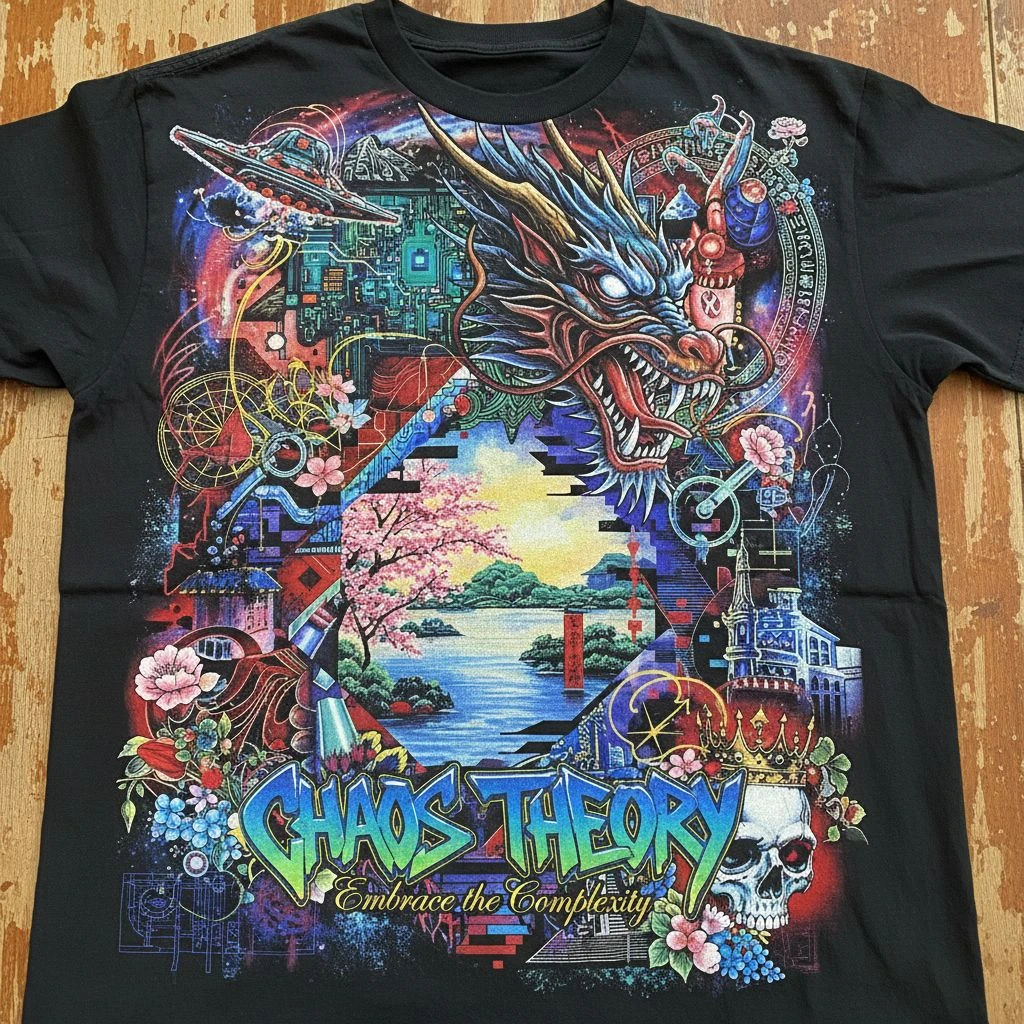
Silk screen printing, more commonly called screen printing, is a printing process in which ink is pushed through a mesh screen onto the garment. A stencil blocks the areas where ink should not pass. Each color in the artwork commonly uses a separate screen. A simplified process looks like: Artwork → Screen Preparation → Registration → Ink Application → Printing → Curing → Inspection. Screen printing is widely used for:
- T-shirts
- Hoodies
- Sweatshirts
- Sportswear
- Promotional garments
- Workwear
- Uniforms
- Streetwear
- Brand merchandise
It is especially popular for producing bold colors, large graphics, and repeat production quantities. The “best” blank depends on your ink type (plastisol vs. water-based), design detail, and budget. While 100% cotton is a classic favorite, modern blends offer better shape control and comfort if handled with the right curing settings.
Fabric Composition: The First Decision
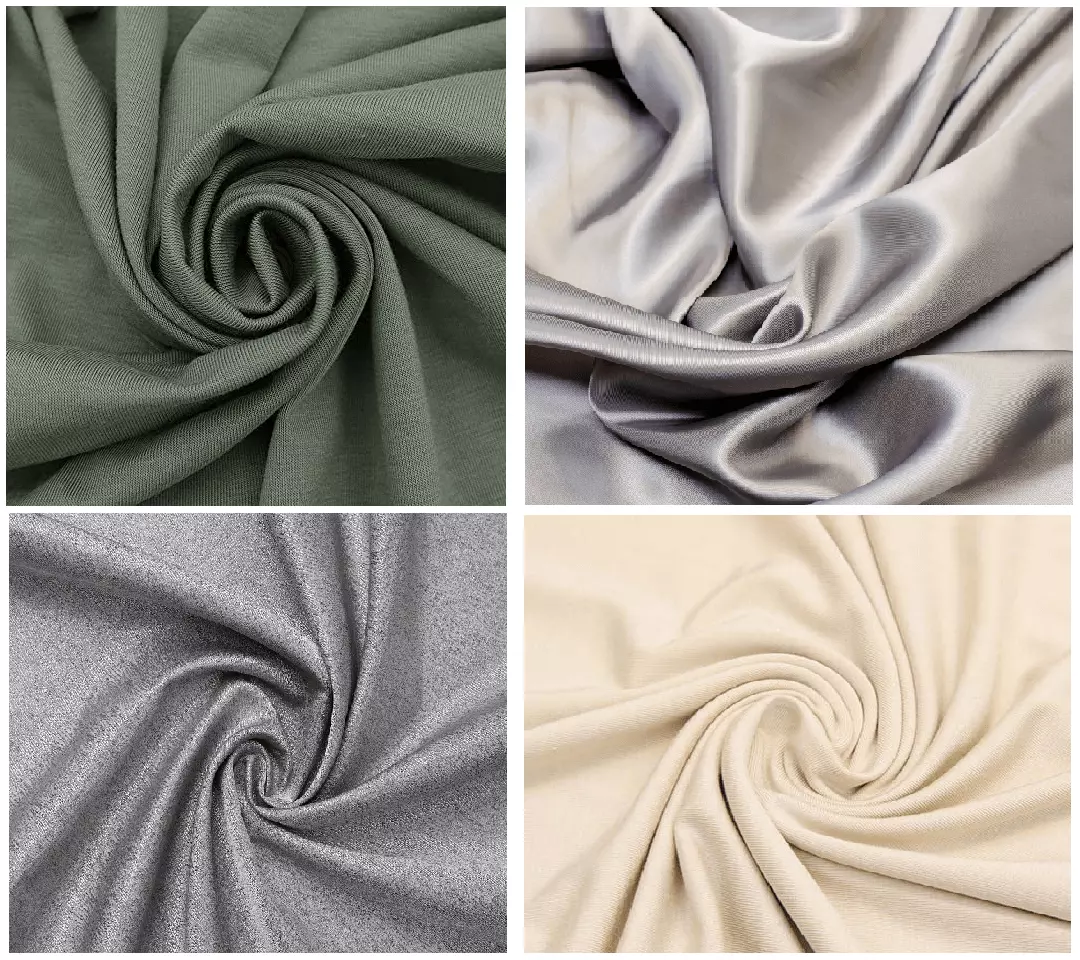
1) Fabric Composition: Choosing Your Mix
100% Cotton (Combed Ring-Spun)
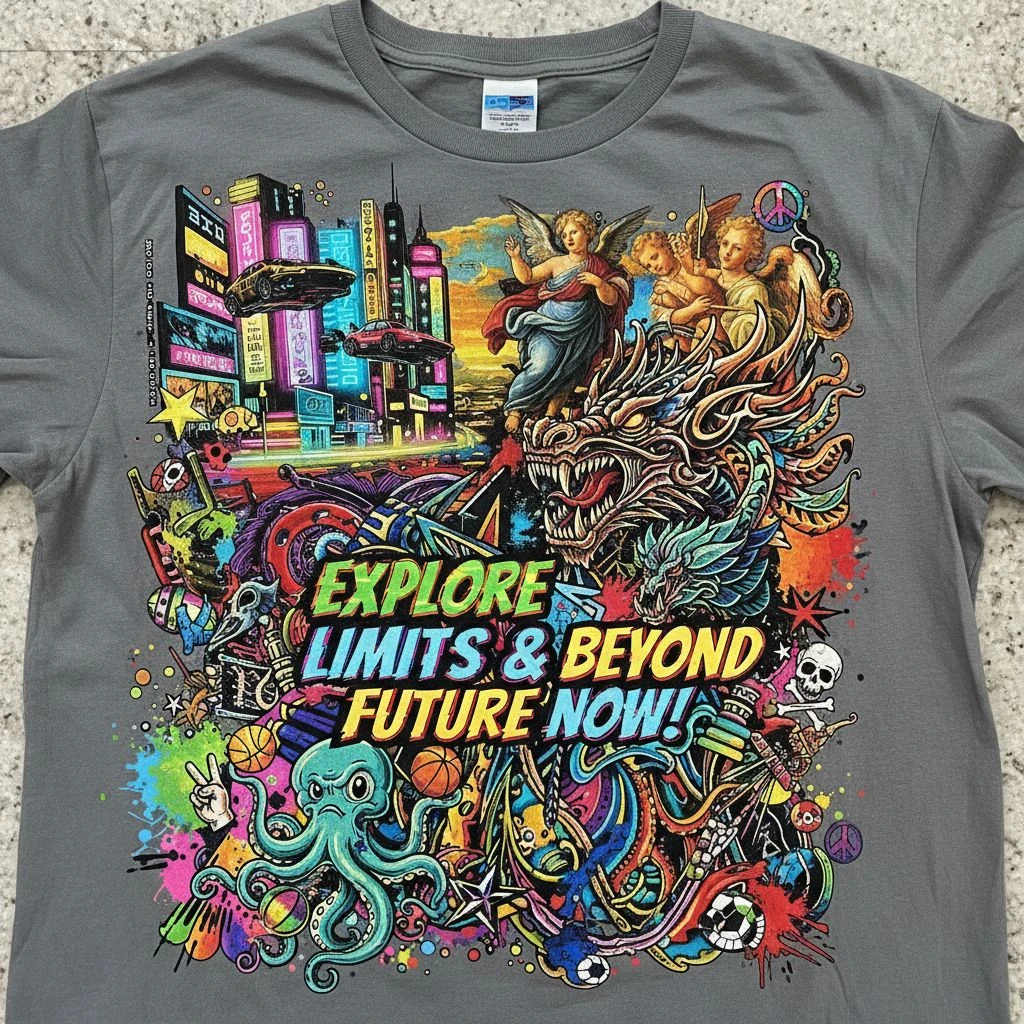
This is the gold standard for screen printing. It absorbs ink exceptionally well, providing sharp details and strong color payoff. It is comfortable and breathable, making it ideal for retail merch. Pro Tip: Always look for “combed ring-spun cotton.” It is significantly smoother than basic open-end cotton, acting as a flatter canvas for your ink.

It generally provides a good surface for many common ink systems and is especially popular for:
- Retail T-shirts
- Brand merchandise
- Fashion graphics
- Promotional shirts
- Streetwear
However, not all cotton T-shirts print equally well. The yarn, knitting quality, fabric finish, and surface hairiness can make a significant difference.
Cotton/Poly Blends (CVC, 50/50)
Blends shrink less and hold their shape better. However, Polyester can cause dye migration under heat curing. If you are printing white ink on a dark poly-blend, you must use low-bleed inks or a barrier underbase to prevent color shifting.
These shirts can be useful for:
- Uniforms
- Promotional T-shirts
- Workwear
- General merchandise
Advantages may include good durability and dimensional stability.


However, the higher polyester content compared with many CVC fabrics means the printer should pay closer attention to:
- Dye migration
- Heat
- Ink selection
- Underbase requirements

Tri-Blend T-Shirts
Tri-blends commonly combine fibers such as:
- Cotton
- Polyester
- Rayon
They are popular because of their:
- Soft hand
- Lightweight feel
- Fashion appearance
- Drapability

However, tri-blend fabrics can produce a softer, more vintage-looking print rather than an extremely solid graphic. Results also vary significantly depending on the actual blend and knit. For highly precise or opaque graphics, testing is recommended.
100% Polyester T-Shirts
Polyester is widely used for:
- Performance T-shirts
- Sportswear
- Running shirts
- Team uniforms

Screen printing polyester is possible, but it requires more process control.

Potential challenges include:
- Dye migration
- Heat sensitivity
- Fabric distortion
- Ink adhesion differences
- Stretch in performance fabrics
Specialized inks and lower-temperature curing systems may be required.

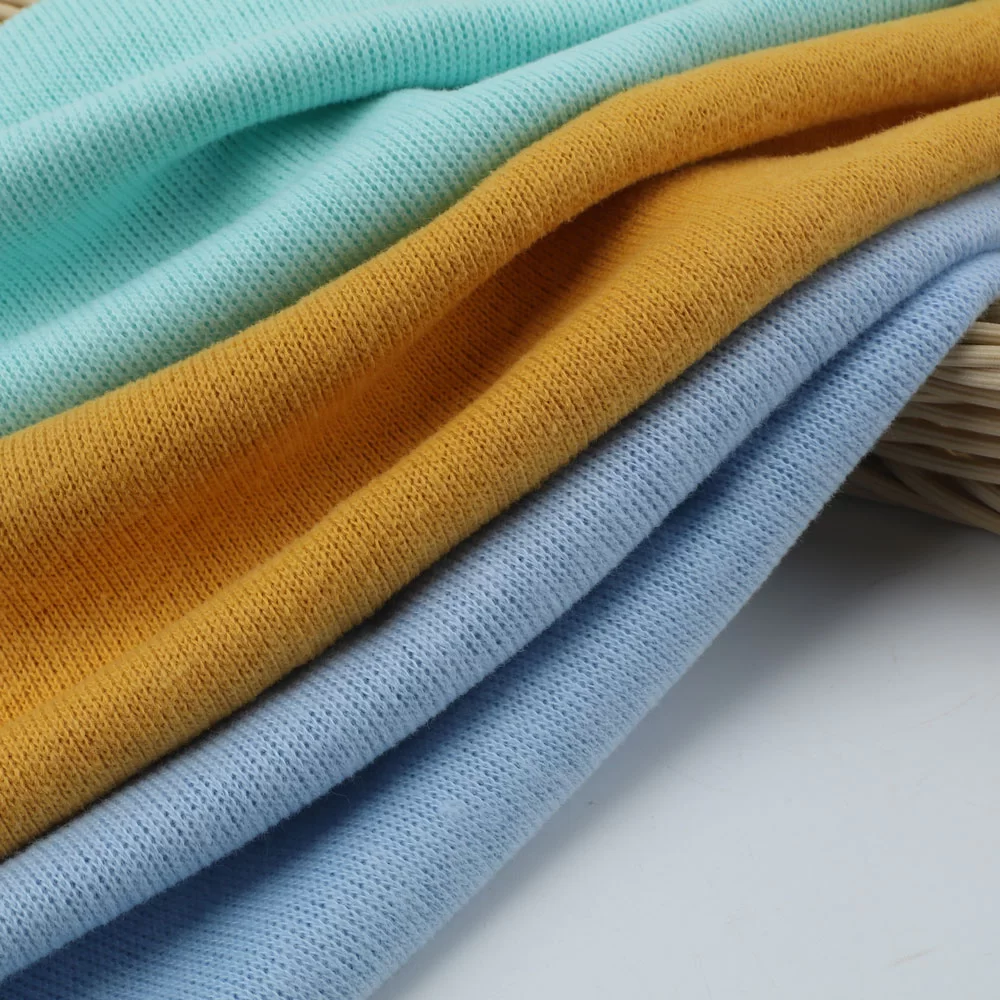
2) Yarn and “Singles”: The Secret to Detail
Yarn fineness, measured in “singles,” dictates fabric smoothness. Higher singles mean finer yarn and a smoother surface for sharper prints.
| Yarn (Singles) | Feel | Print Detail | Best Use |
|---|---|---|---|
| 18–20s | Rougher | Low-Medium | Budget Promos |
| 30s | Smooth | High | Premium Prints |
| 32–40s | Very Smooth | Very High | Detailed Art |
3) Fabric Weight and Smoothness
Weight affects how the garment drapes and how ink sits. Midweight (5.0–5.6 oz) is the most common for merch, while heavyweight (6.0 oz+) provides a premium streetwear stability. Always avoid heavily textured or slub fabrics if your design has micro-details, as uneven surfaces will cause the ink to land inconsistently.

4) Pre-Shrunk and Finishing Treatments
For consistent production, choose pre-shrunk fabrics. Be careful with heavy silicone softeners; while they make the shirt feel amazing, they can sometimes reduce ink adhesion. Always wash-test one sample before committing to a bulk run.
Conclusion / Final Words
The best T-shirts for silk screen printing are those that match your design complexity and ink system. Prioritize smooth fabric, understand the risks of poly-blends, and always match your ink type to the fiber content for pro-level results.