
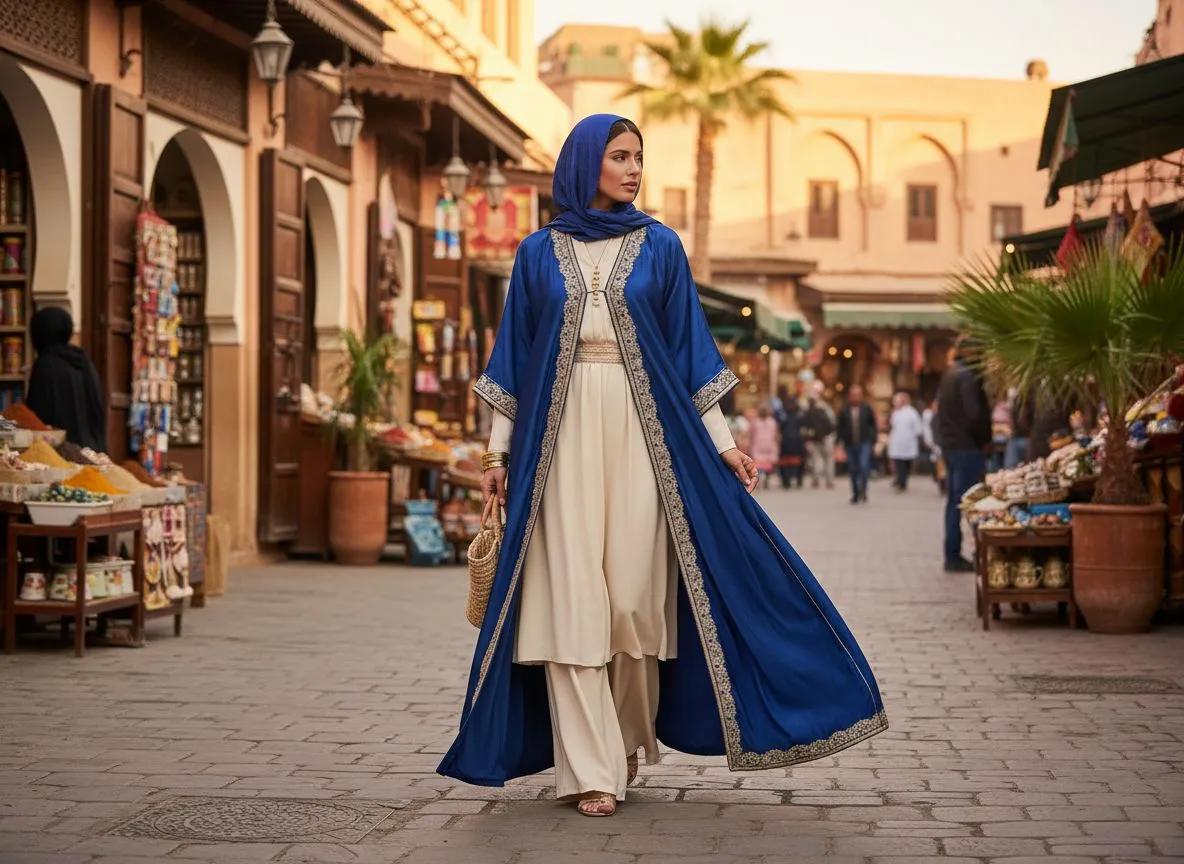
Abayas have long been a symbol of modesty, elegance, and cultural identity. Over time, they have evolved from simple traditional garments into fashion-forward pieces worn by women across the world. Today’s abayas balance comfort, beauty, and personal expression, making them suitable for everyday wear as well as special occasions. But here’s the uncomfortable truth: an abaya is only as good as its fabric and cut. A beautiful design can fail if the fabric is wrong for the climate, lifestyle, or purpose. This article explores the most popular abaya fabrics and styles with clarity, honesty, and real-life use in mind.
The Enduring Appeal of Abayas
The appeal of the abaya lies in its simplicity. Its loose silhouette offers comfort and modesty, while its design leaves room for creativity through fabric, texture, and detail. Abayas adapt easily to different cultures and fashion trends, which is why they are now worn far beyond their traditional regions. However, not all abayas are practical for all situations. Climate, daily activity, and personal comfort matter more than trends something many buyers only realize after wearing the wrong fabric.
Why Fabric Choice Matters More Than Design
Fabric determines:
- How comfortable the abaya feels in heat or humidity
- How it drapes on the body
- How much maintenance it requires
- How long it lasts
Choosing the wrong fabric often leads to discomfort, excessive ironing, or garments that stay unused in the wardrobe. Below are the most commonly used abaya fabrics along with their strengths and limitations.
Popular Fabrics Used in Abayas
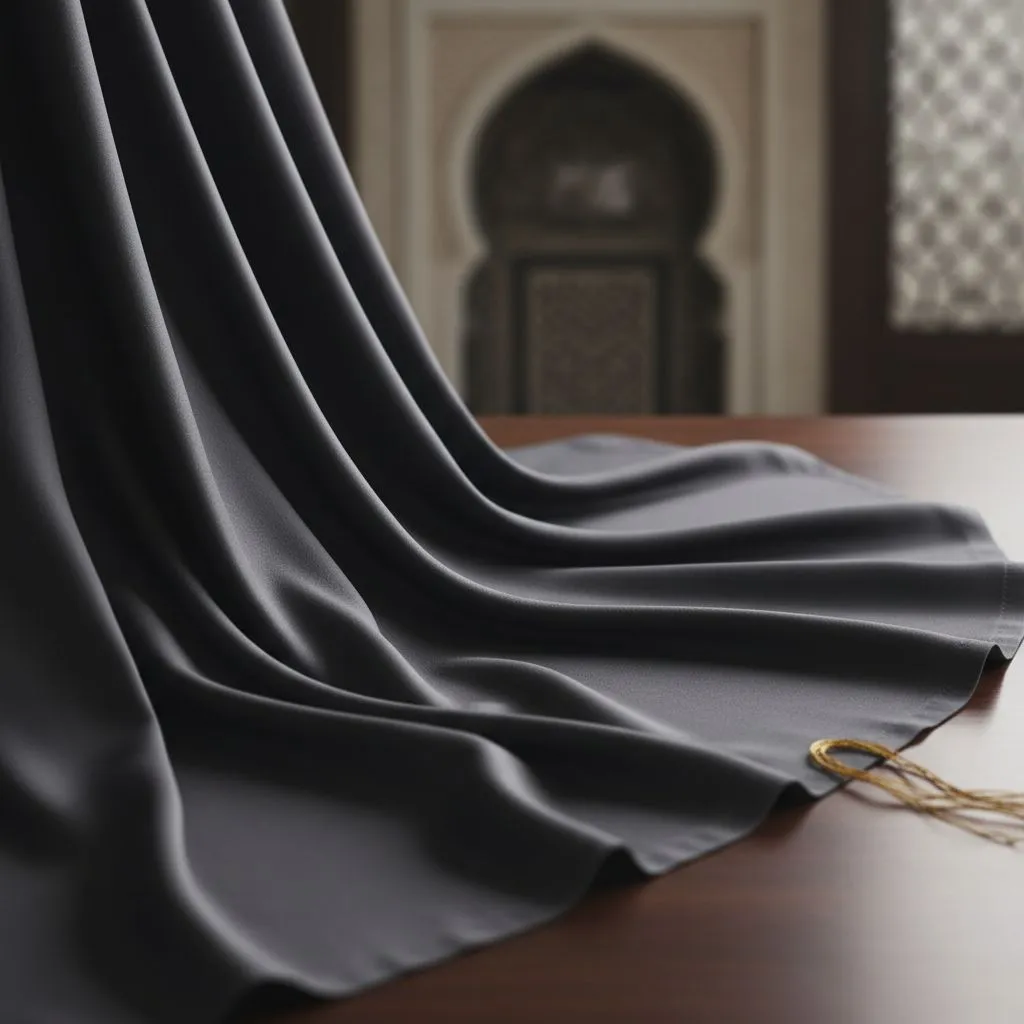
1. Nida (Nidha)
Nida is one of the most popular abaya fabrics today. It is lightweight, smooth, and flows naturally around the body.
- Best for: Daily wear, hot climates, minimal ironing
- Why people love it: Breathable, elegant drape, wide color range
- Limitations: Can look too plain for heavily embellished designs
Nidaworks best for women who value comfort and clean silhouettes over dramatic texture.

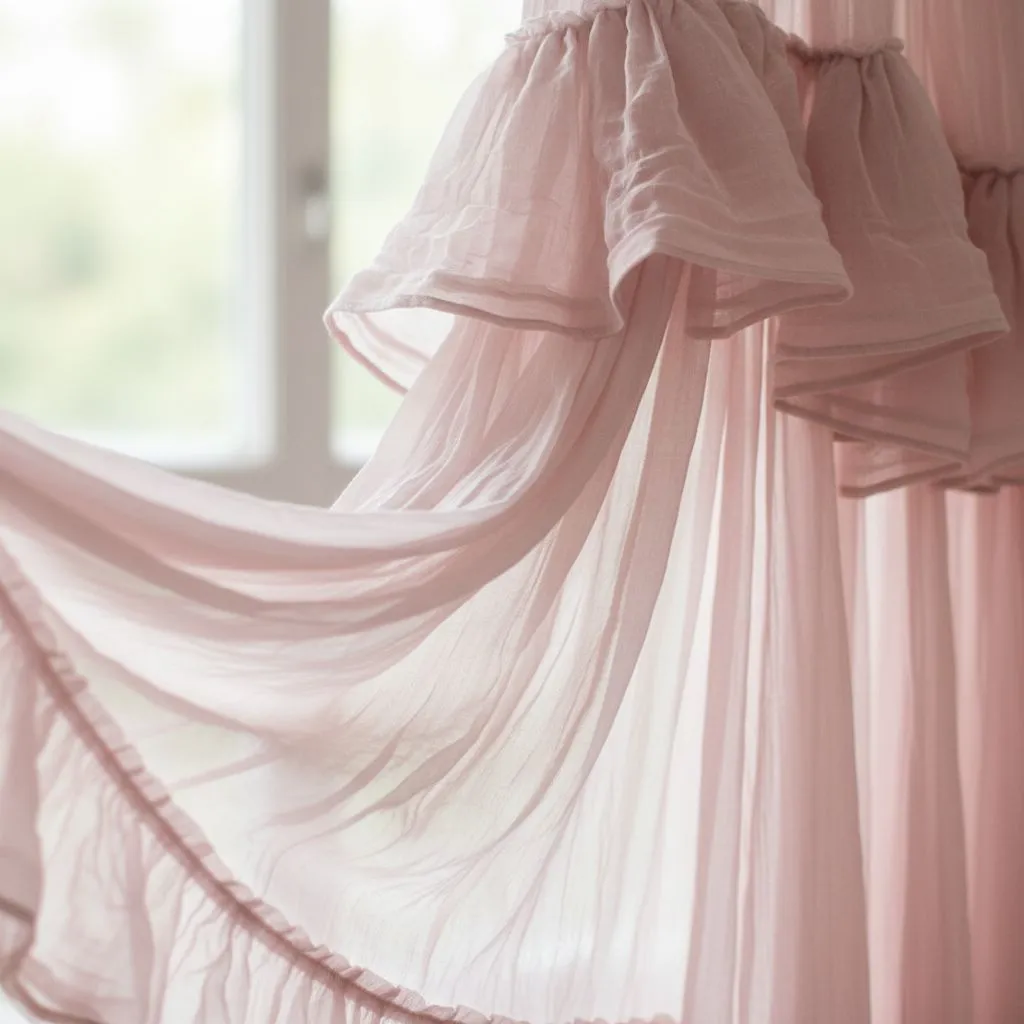
2. Chiffon
Chiffon is sheer, airy, and visually soft. It is often layered or used for outer abayas.
- Best for: Events, formal occasions, layered looks
- Why people love it: Feminine, light, graceful movement
- Limitations: Requires lining, snags easily, not ideal for daily wear
Chiffon looks beautiful but practicality is often sacrificed for aesthetics.
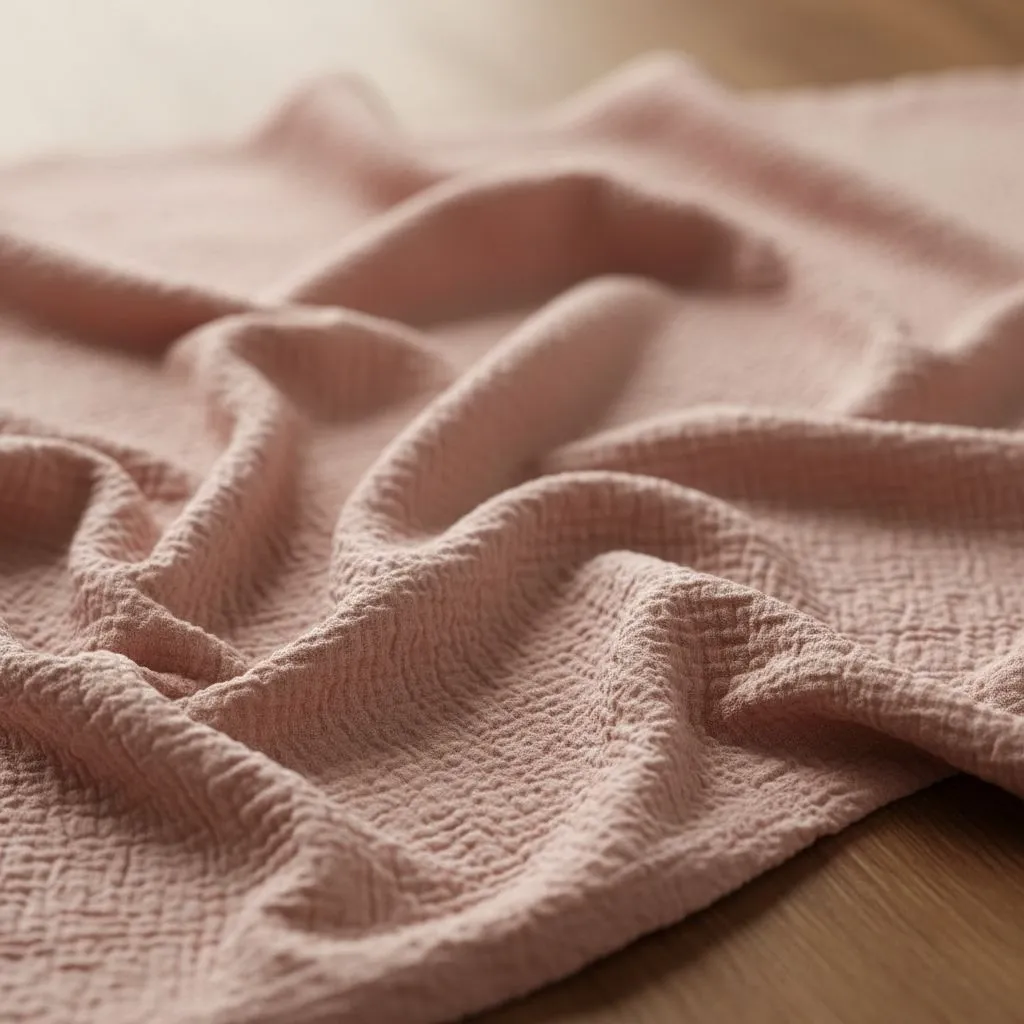
3. Crepe
Crepe has a slightly textured surface and excellent drape, making it one of the most versatile fabrics.
- Best for: Office wear, daily use, travel
- Why people love it: Wrinkle-resistant, modest, structured flow
- Limitations: Heavier than nida in very hot weather
If you want one abaya that works in most situations, crepe is often the safest choice.
4. Linen

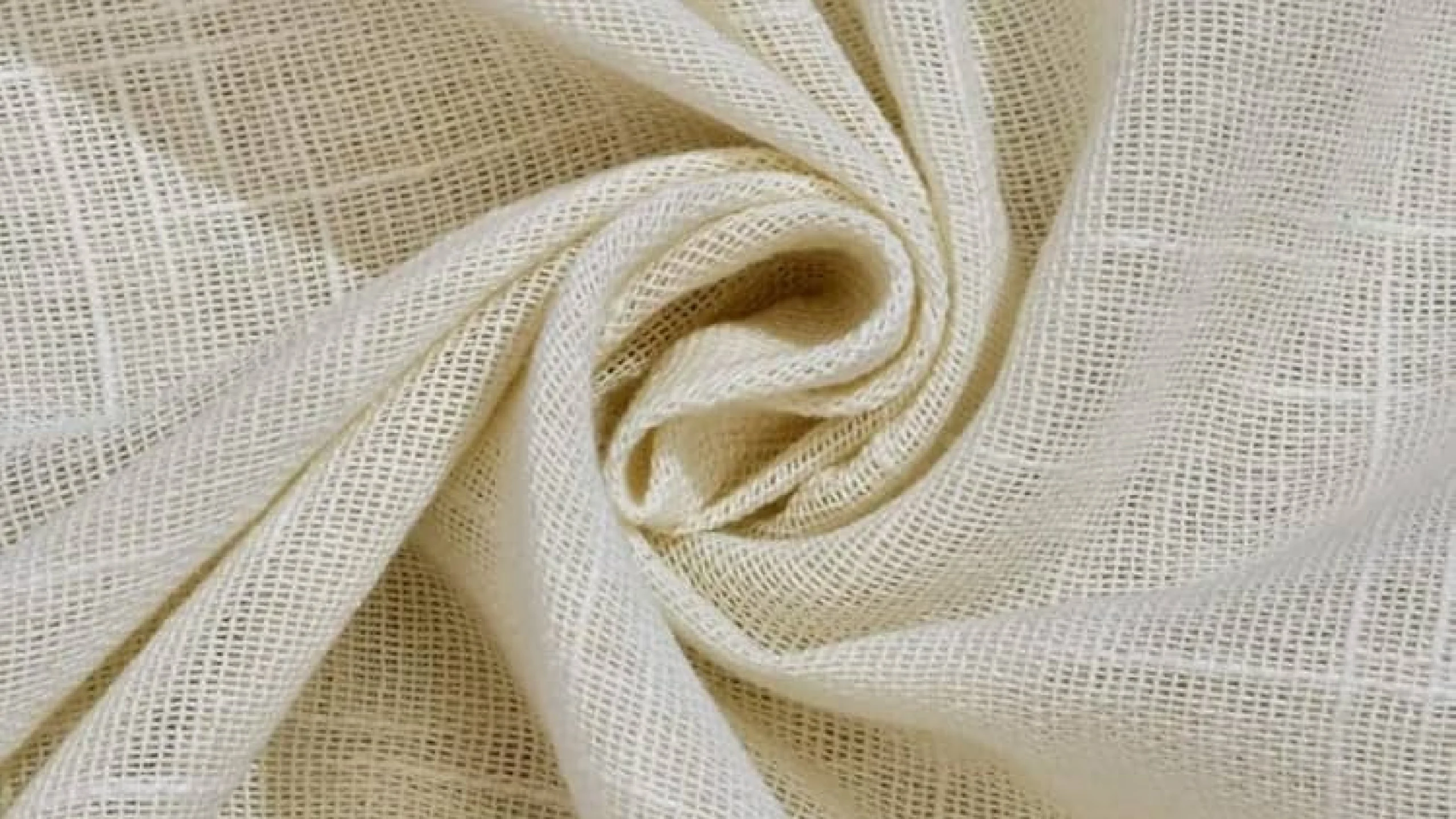
Linen abayas offer a natural, breathable feel and a relaxed appearance.
- Best for: Summer, casual wear, natural aesthetics
- Why people love it: Cooling, eco-friendly, understated elegance
- Limitations: Wrinkles easily, looks informal
Linen is comfortable but only if you accept wrinkles as part of its character.
5. Silk
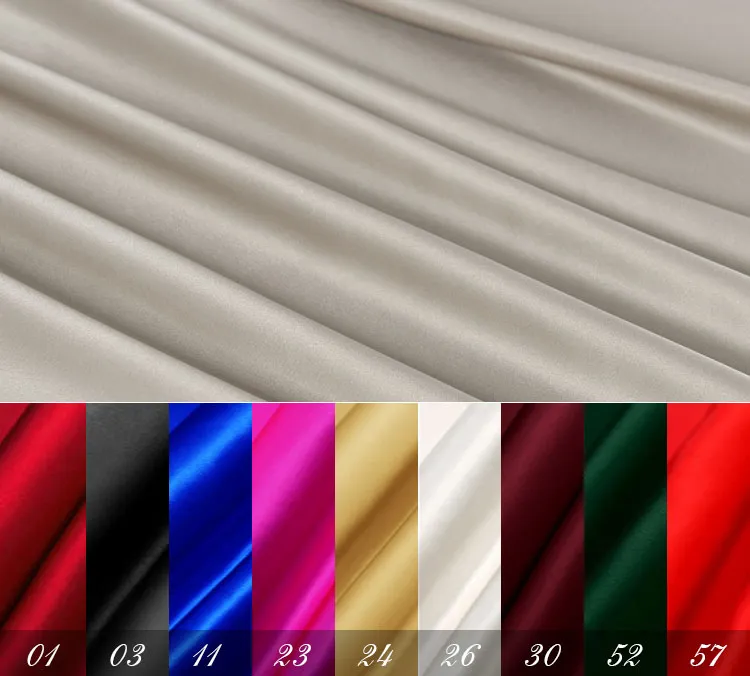
Silk is luxurious, smooth, and visually rich.
- Best for: Special occasions, formal gatherings
- Why people love it: Shine, softness, premium feel
- Limitations: Expensive, delicate, high maintenance
Silk abayas are not practical for daily wear, despite their beauty.
Popular Abaya Styles and Their Appeal
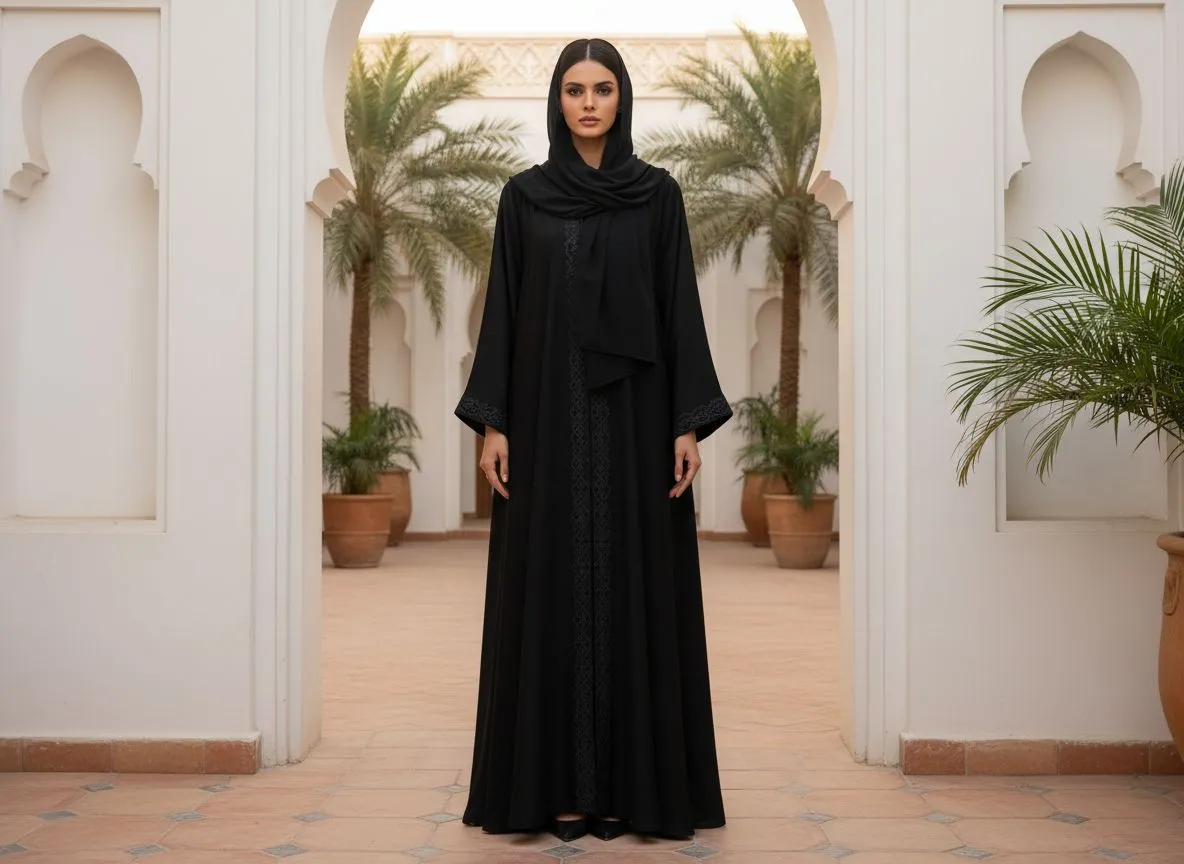
1. Classic Black Abaya
The classic black abaya is timeless because it fits almost every moment. It looks elegant without needing extra effort, and it pairs easily with any hijab or accessories. That’s why it remains a staple in many wardrobes.
- Why it works: Slimming, versatile, always appropriate
- Best for: Everyday wear, formal and casual settings
Its strength lies in adaptability but poor fabric choice can still ruin comfort.
2. Open-Front Abaya
Open-front abayas feel modern because they are made for layering. You can wear them over an inner dress, jeans, or a matching set, which makes styling more flexible. This style is popular for women who like a clean, structured look.
- Why it works: Layering flexibility, modern look
- Best for: Styling variety, fashion-conscious wearers
However, it is less practical for fast-paced daily routines.
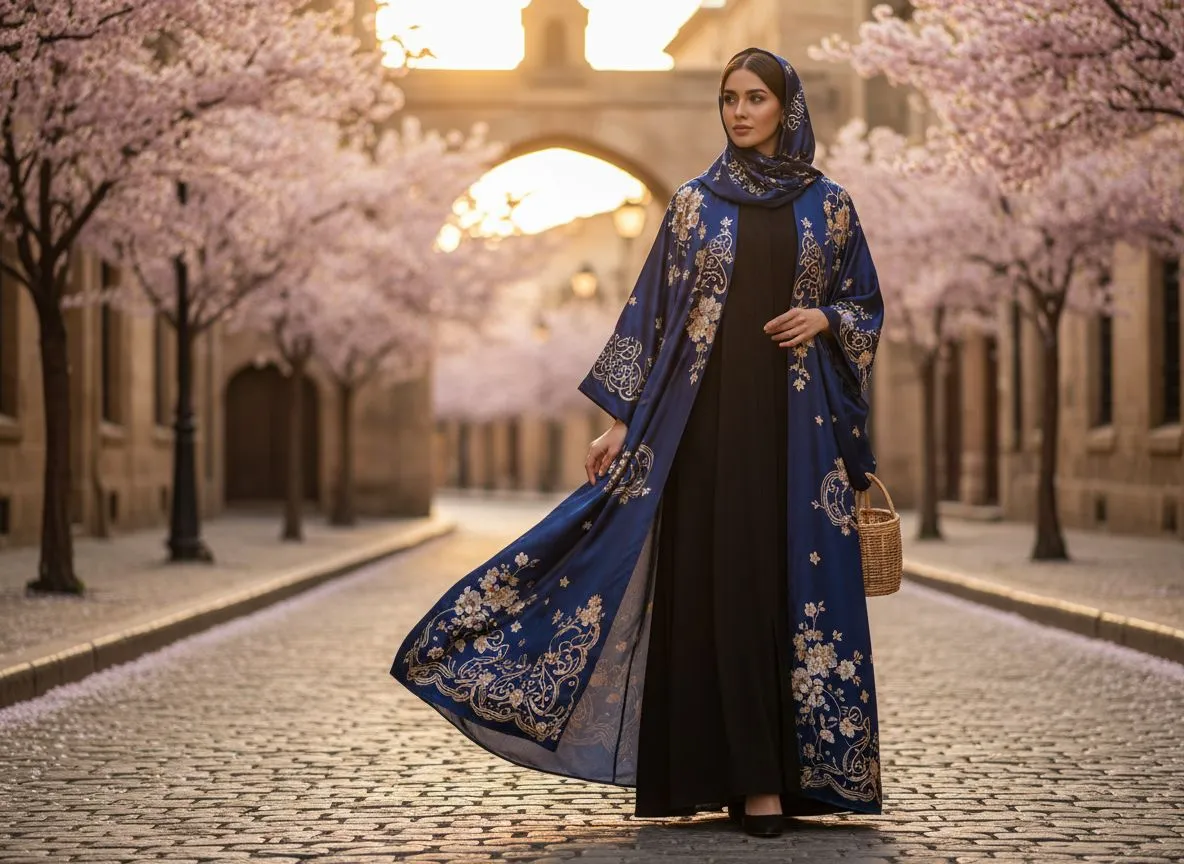
3. Kimono Abaya
Kimono abayas stand out with their wide sleeves and flowy shape. They feel relaxed but still stylish, giving an effortless fashion vibe. Many people love this style because it looks bold without needing heavy decoration.
- Why it works: Statement look, relaxed elegance
- Best for: Fashion-forward outfits, special styling
For petite wearers, this style may overwhelm the frame if not tailored well.
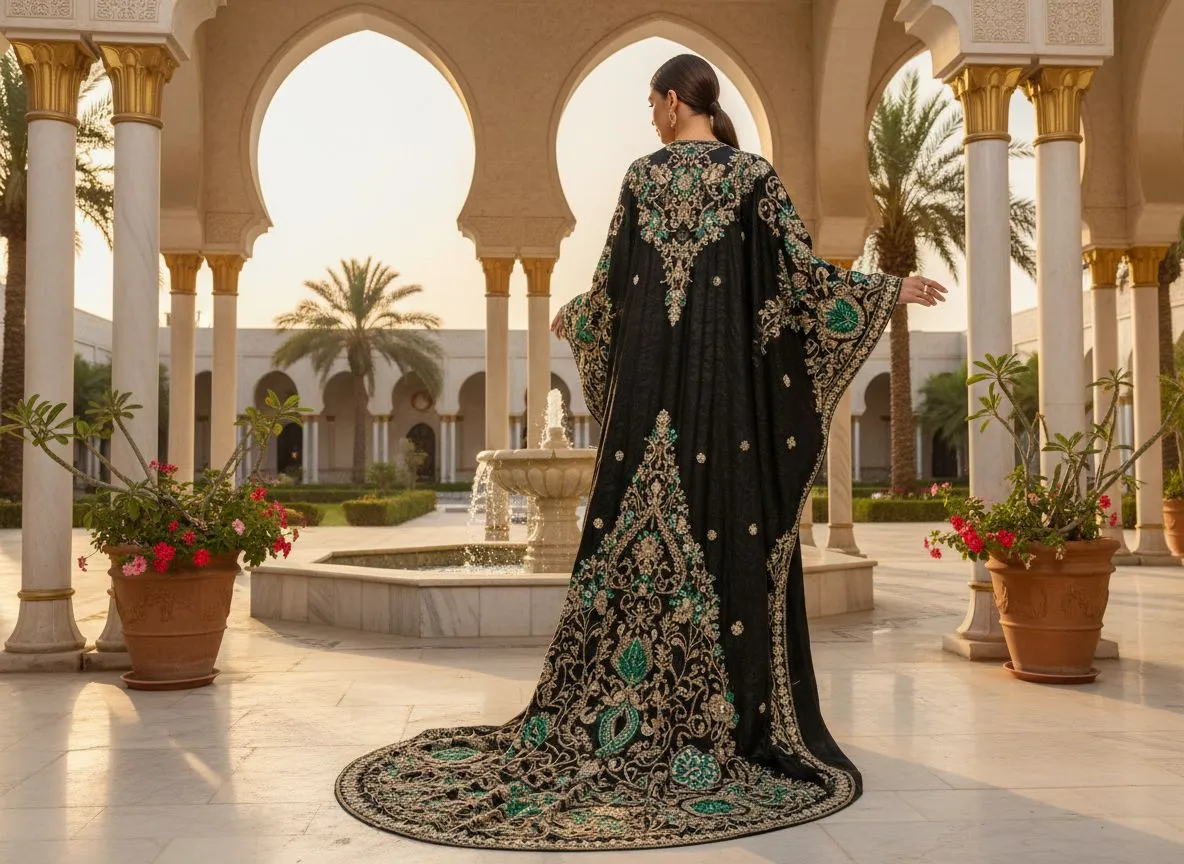
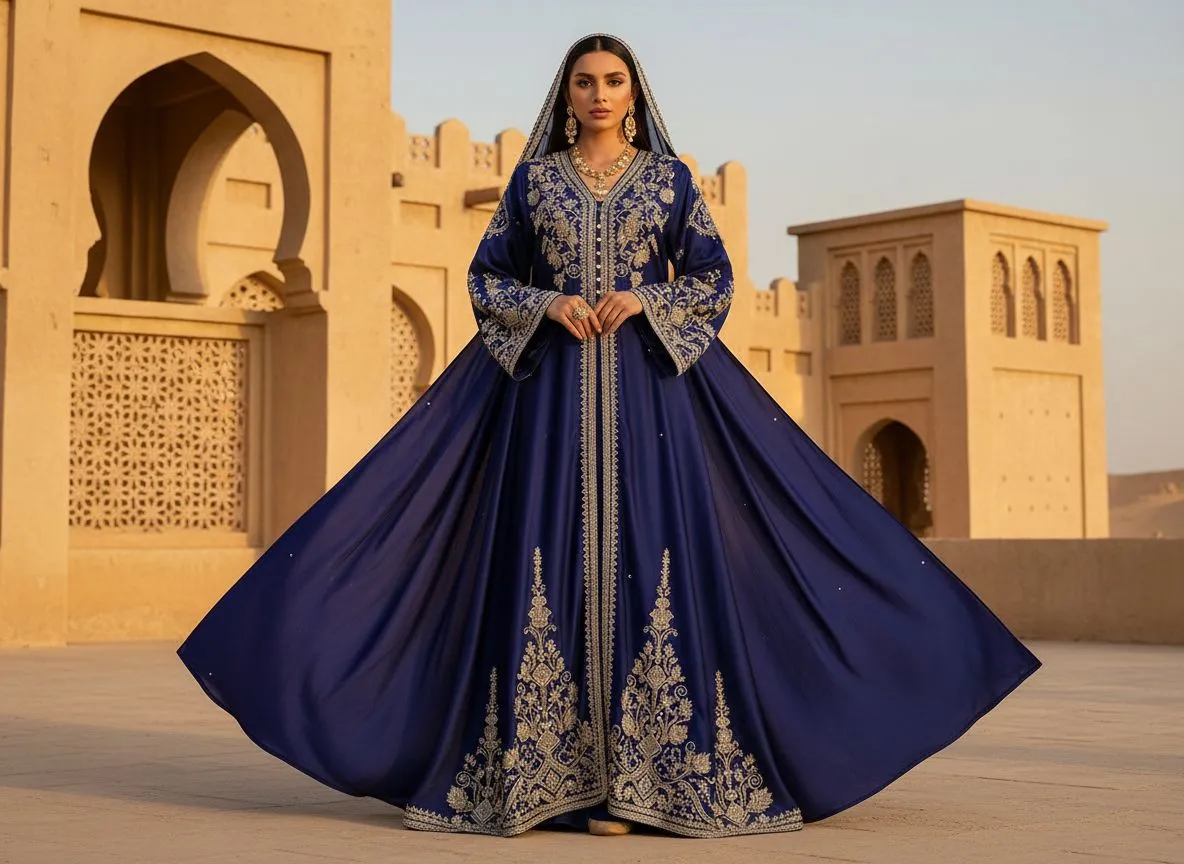
4. Embroidered Abaya

Embroidered abayas are all about detail and craftsmanship. The embroidery adds personality, whether it is subtle or dramatic. This style is often chosen for events, because it turns a simple silhouette into something special.
- Why it works: Visual impact, craftsmanship
- Best for: Celebrations, formal events
Heavy embroidery increases weight and cost comfort can suffer if overdone.
The Growing Global Popularity of Abayas
Social media and global fashion exposure have transformed the abaya into a worldwide fashion item. Influencers, designers, and modern styling have reshaped how abayas are perceived no longer limited to cultural use, but embraced as elegant outerwear. Still, trends change quickly. Fabric quality and comfort do not.

Average Cost of an Abaya
Abaya pricing can change a lot depending on fabric, tailoring, and decoration. A simple everyday abaya may cost far less than an embroidered one made for special occasions. Understanding what affects the price helps you spend wisely and avoid paying more for looks than for quality.
A custom-stitched abaya typically costs $100 to $500, excluding fabric. Cost depends on:
- Fabric type and quality
- Embroidery or embellishment level
- Tailoring complexity
Lower prices often mean compromises in fabric durability or finishing. Higher prices usually reflect craftsmanship—not just branding.
Final Thoughts / Conclusion
The allure of the abaya lies not in trends, but in thoughtful choices. A well-made abaya should feel effortless to wear, suit the climate, and match the wearer’s lifestyle. Instead of asking “Is this fashionable?”, a better question is: “Will I enjoy wearing this for years?” When fabric, style, and purpose align, an abaya becomes more than clothing it becomes confidence, comfort, and quiet elegance.