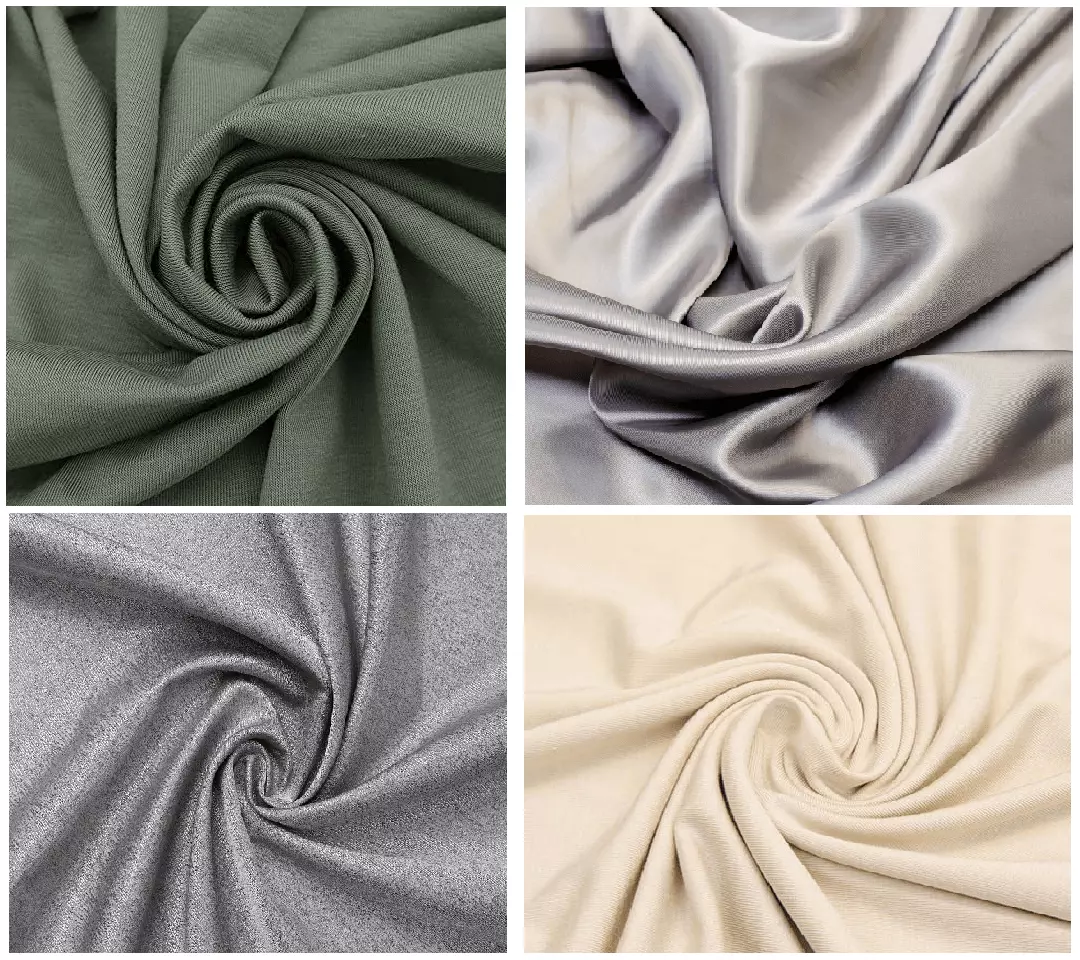
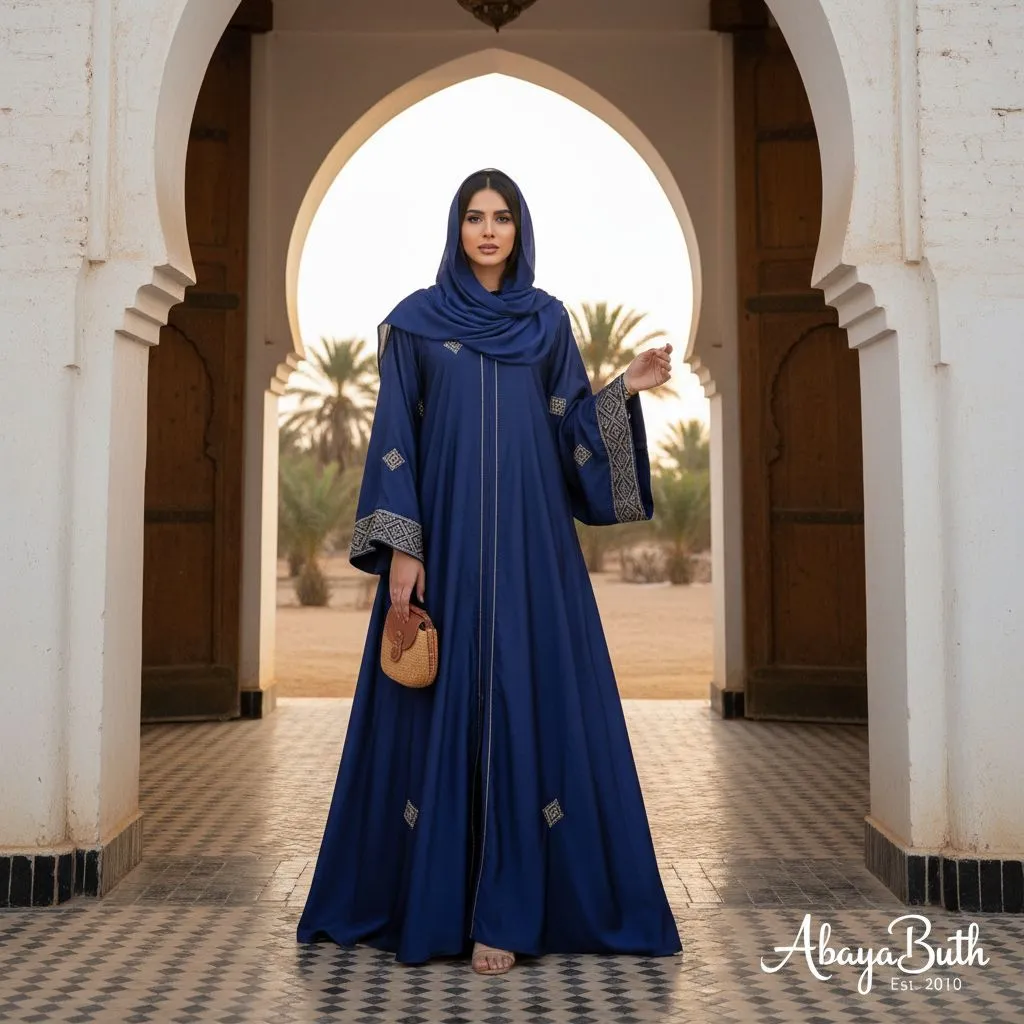

Abayas are no longer just about modesty; they sit at the intersection of fashion, comfort, and personal identity. However, even the most stunning design will fail if the fabric choice is incorrect. Fabric determines how an abaya looks, flows, and survives daily wear. Understanding the technical properties of these textiles is essential to avoid common sourcing mistakes. Below is a professional guide to 12 essential abaya fabrics, highlighting their strengths and technical limitations.
What Makes a Good Fabric for an Abaya?
Before comparing individual fabrics, it helps to understand what an abaya normally requires. A suitable fabric may need to provide a balance of:
- Modest coverage
- Comfortable drape
- Appropriate opacity
- Controlled movement
- Breathability
- Low or manageable wrinkling
- Good color appearance
- Sewing stability
- Easy maintenance
The exact priority depends on the product. For example: Summer Abaya isn’t Formal Evening Abaya A lightweight everyday abaya may prioritize airflow and comfort, while a formal abaya may prioritize fluid drape, rich color, and an elegant surface.
Fabric Choices for Chic and Elegant Abayas
| Fabric | Main Character | Best Use | Main Limitation |
|---|---|---|---|
| Nidha | Smooth and fluid | Formal / everyday luxury | Quality variation, static |
| Crepe | Textured and stable | Daily / office | Heavy versions may feel warm |
| Chiffon | Sheer and flowing | Layers / formal | Requires lining |
| Linen | Natural and breathable | Summer / casual | Wrinkles easily |
| Satin | Smooth and lustrous | Evening / luxury | Snags and shows sewing defects |
| Cotton | Comfortable and natural | Casual / home / summer | Wrinkling and shrinkage |
| Jersey | Stretchy and soft | Travel / relaxed | Can cling |
| Viscose | Fluid and soft | Summer / draped | Shrinkage risk |
| Lyocell | Smooth and soft | Premium casual | Cost and care |
| Polyester Blend | Practical and stable | Mass-market / everyday | Heat, static, pilling can vary |
| Silk | Luxury and refined | Premium / occasion | Expensive and delicate |
| Georgette | Lightweight and flowing | Formal / layered | May require lining |
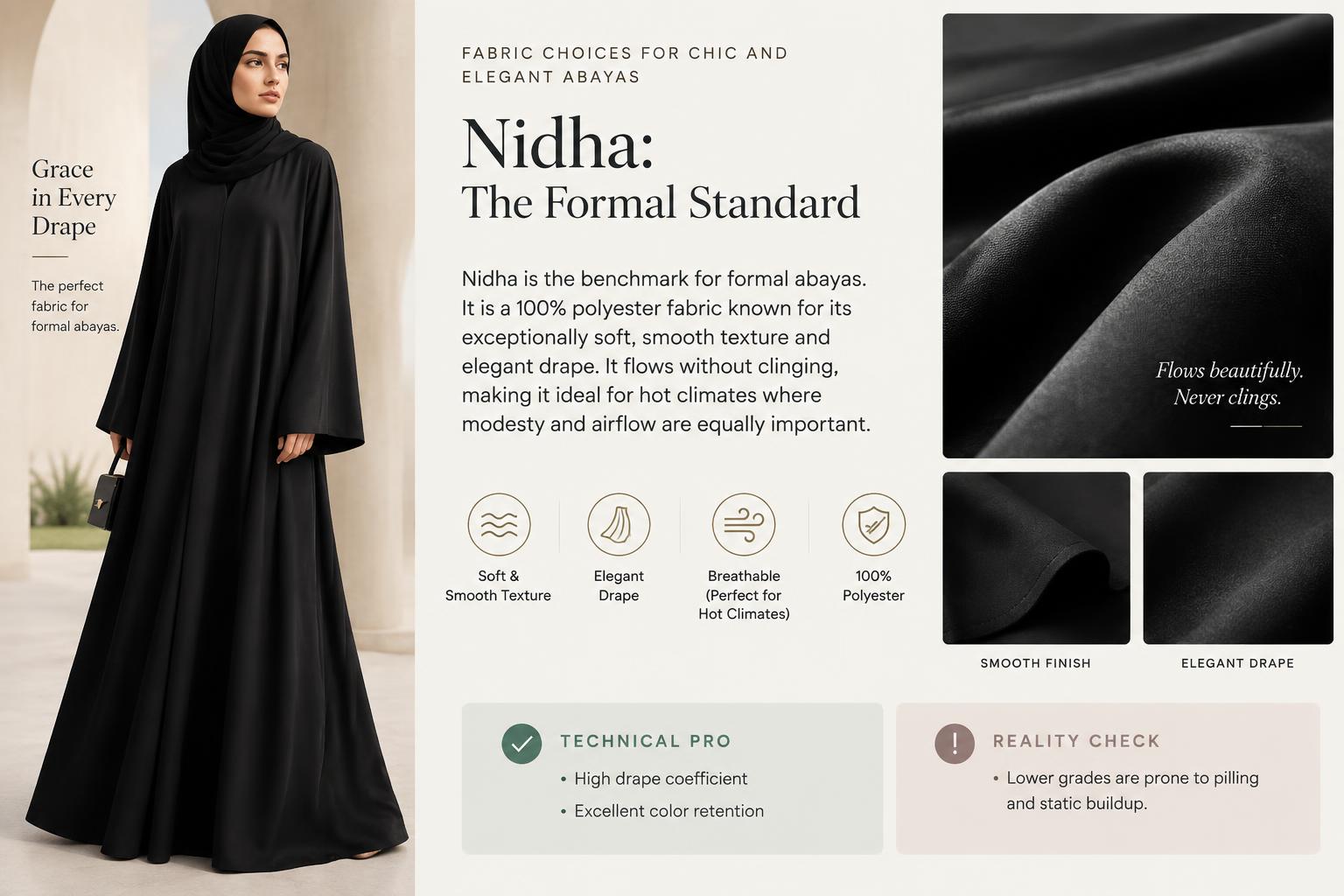
1. Nidha: The Formal Standard
Nidha is the benchmark for formal abayas. It is a 100% polyester fabric known for its exceptionally soft, smooth texture and elegant drape. It flows without clinging, making it ideal for hot climates where modesty and airflow are equally important.
- Technical Pro: High drape coefficient, excellent color retention.
- Reality Check: Lower grades are prone to pilling and static buildup.
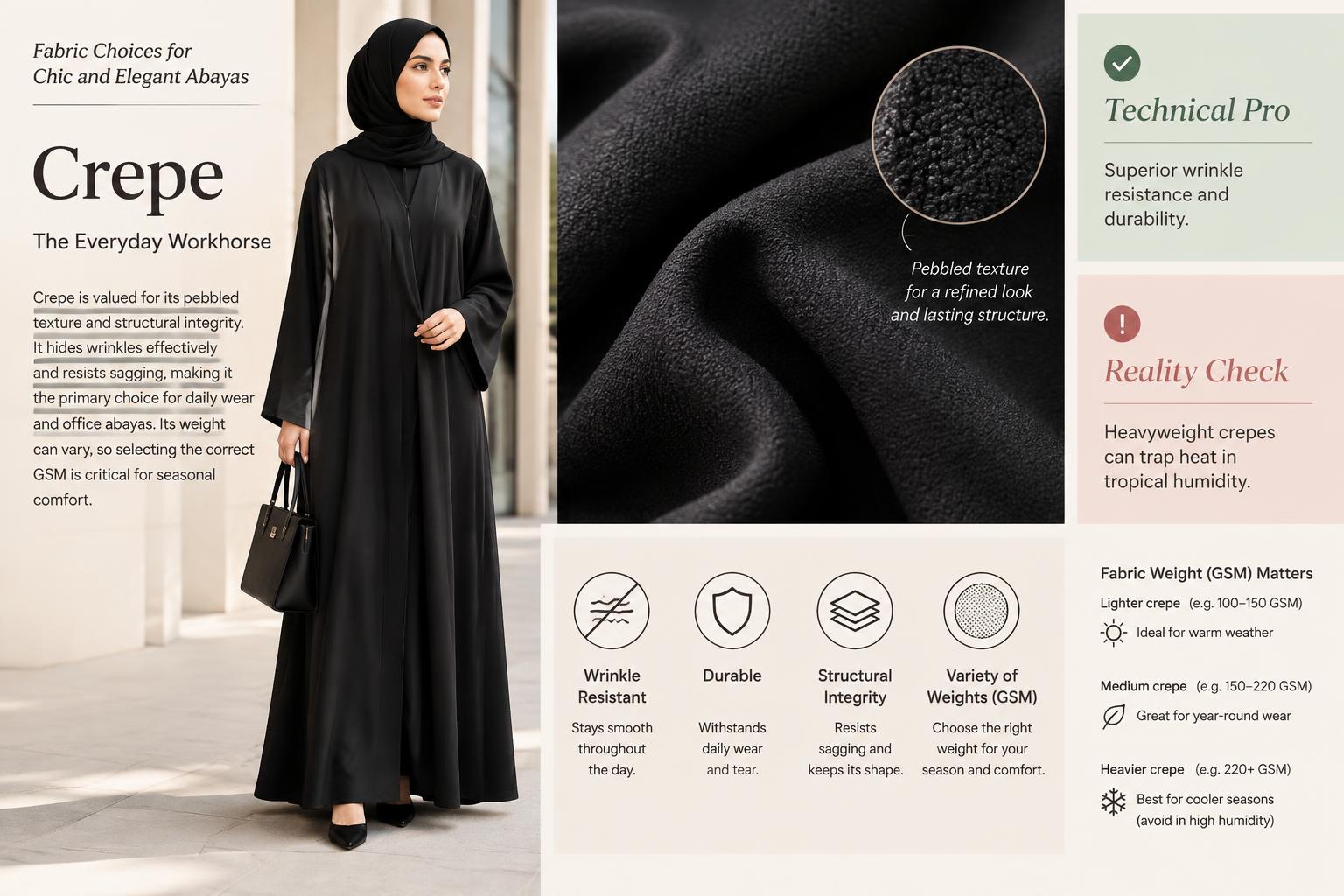
2. Crepe: The Everyday Workhorse
Crepe is valued for its pebbled texture and structural integrity. It hides wrinkles effectively and resists sagging, making it the primary choice for daily wear and office abayas. Its weight can vary, so selecting the correct GSM is critical for seasonal comfort.
- Technical Pro: Superior wrinkle resistance and durability.
- Reality Check: Heavyweight crepes can trap heat in tropical humidity.
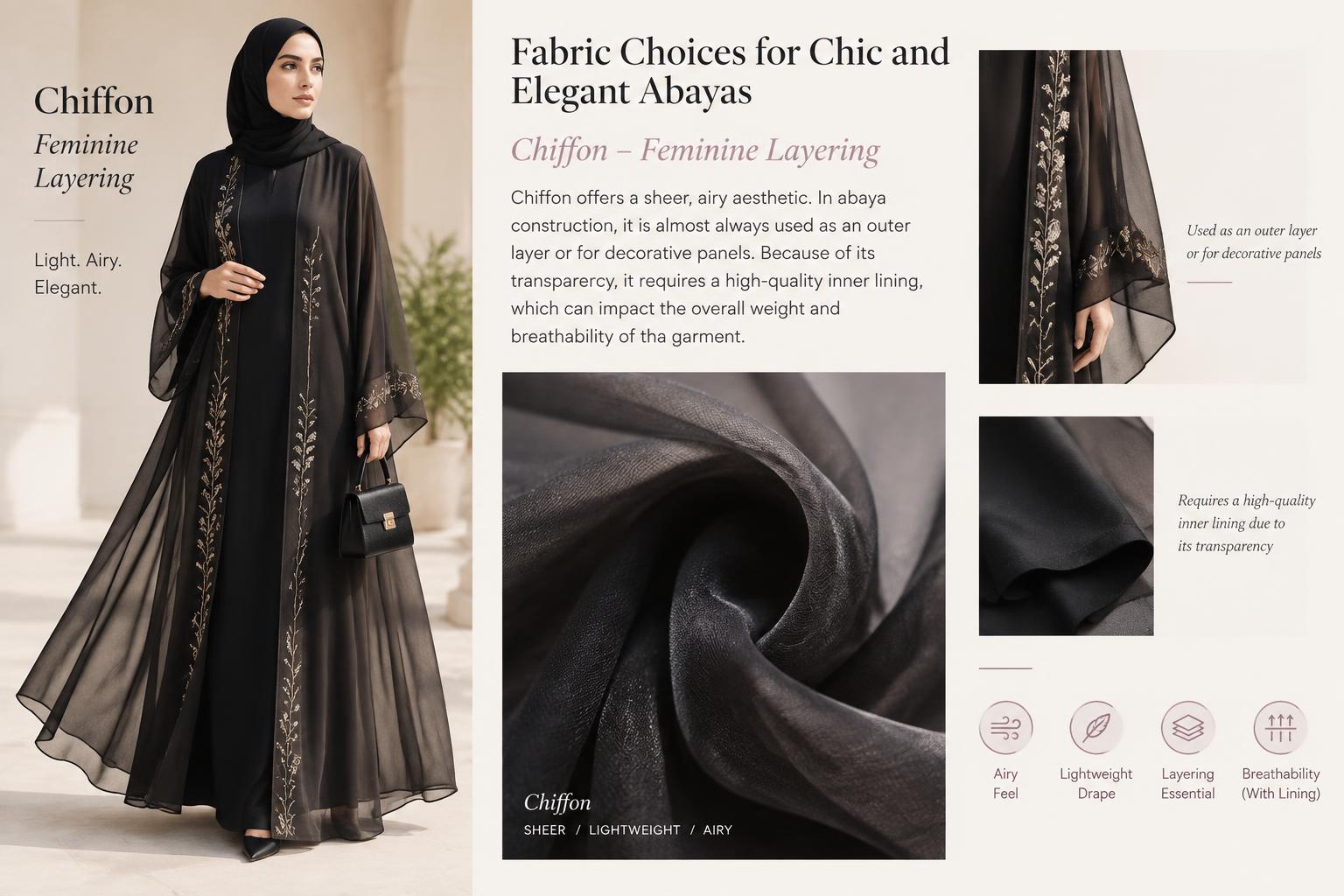
3. Chiffon: Feminine Layering
Chiffon offers a sheer, airy aesthetic. In abaya construction, it is almost always used as an outer layer or for decorative panels. Because of its transparency, it requires a high-quality inner lining, which can impact the overall weight and breathability of the garment.
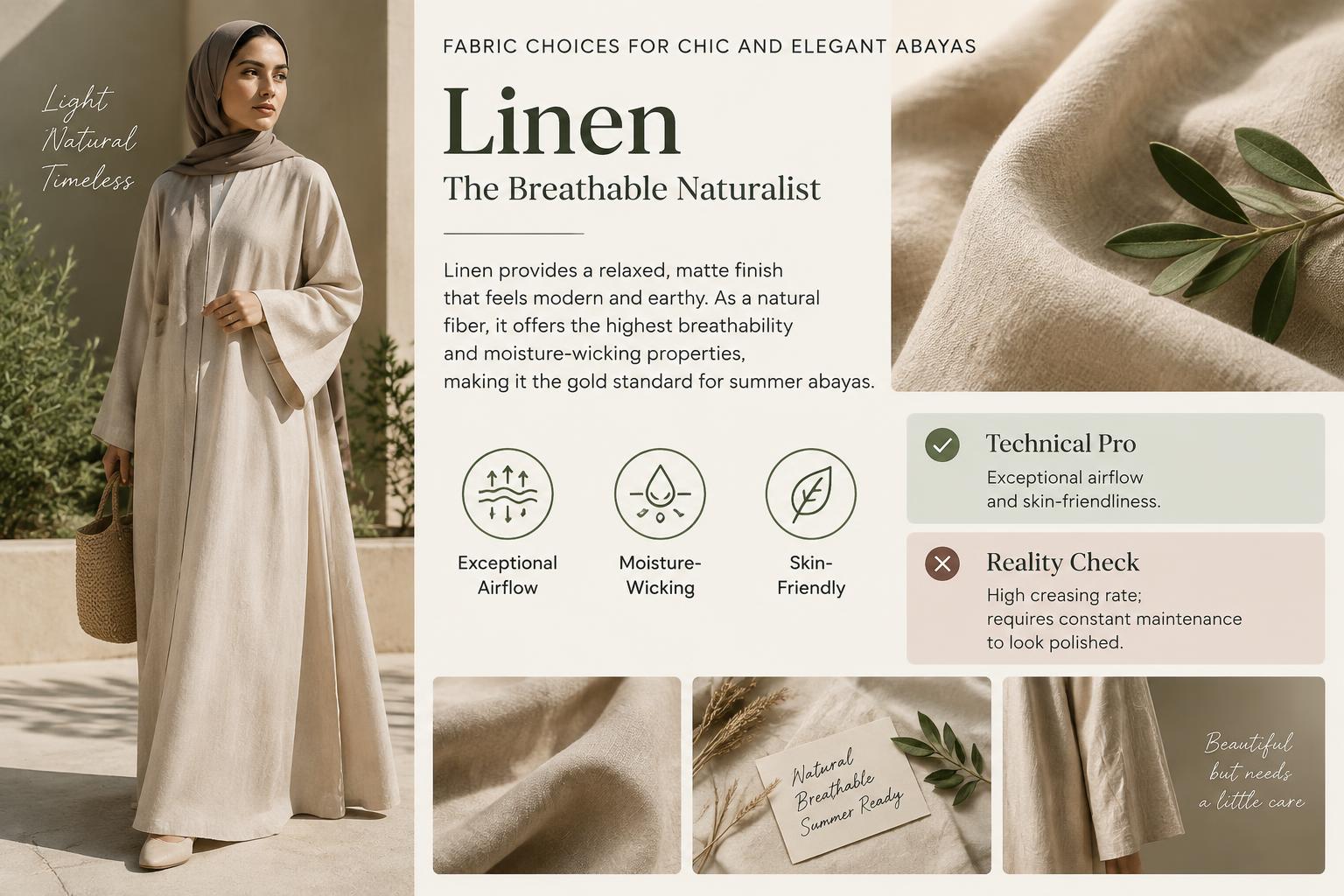
4. Linen: The Breathable Naturalist
Linen provides a relaxed, matte finish that feels modern and earthy. As a natural fiber, it offers the highest breathability and moisture-wicking properties, making it the gold standard for summer abayas.
- Technical Pro: Exceptional airflow and skin-friendliness.
- Reality Check: High creasing rate; requires constant maintenance to look polished.
5. Satin: Luxury and Shine
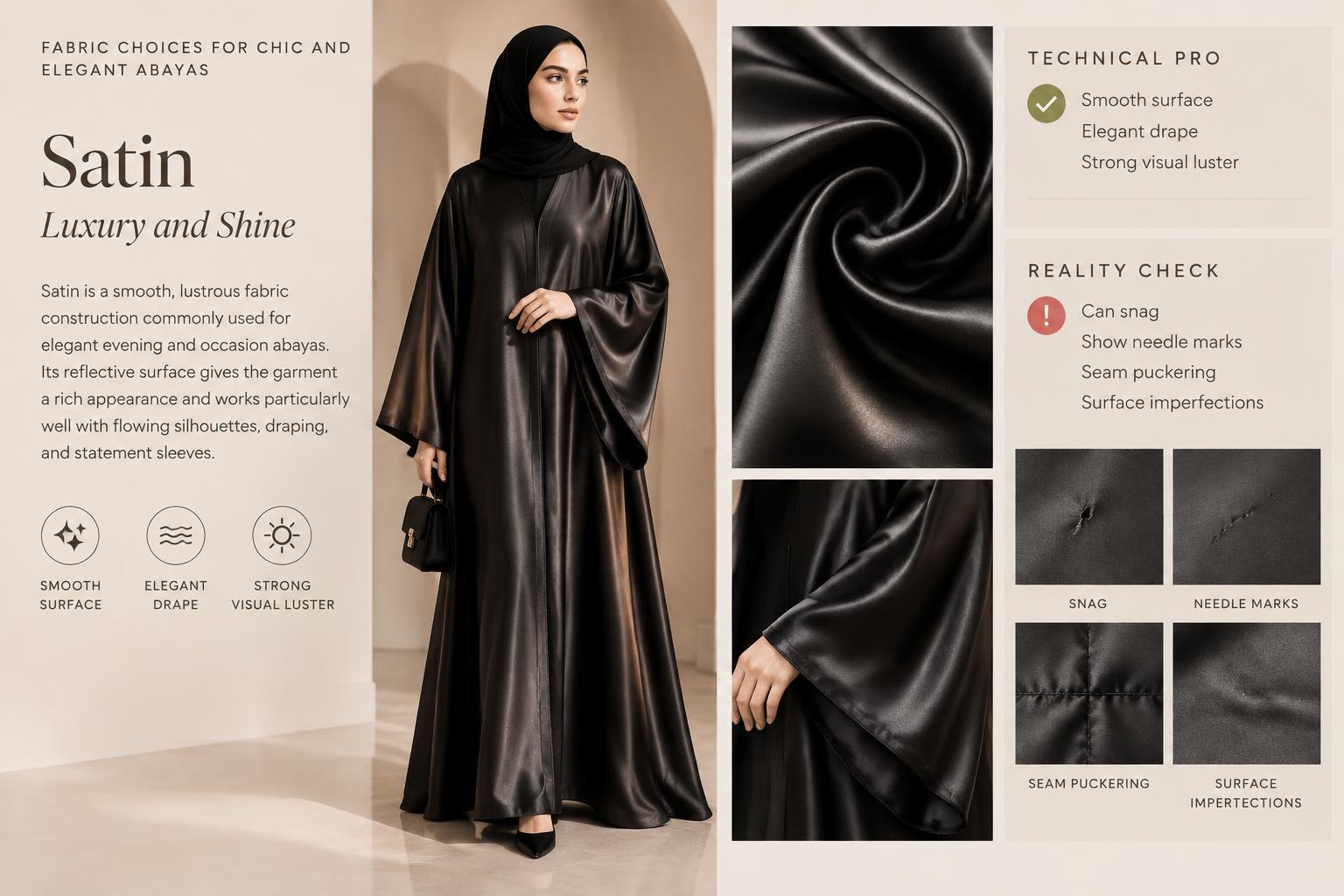
Satin is a smooth, lustrous fabric construction commonly used for elegant evening and occasion abayas. Its reflective surface gives the garment a rich appearance and works particularly well with flowing silhouettes, draping, and statement sleeves.
- Technical Pro: Smooth surface, elegant drape, strong visual luster.
- Reality Check: Can snag, show needle marks, seam puckering, and surface imperfections.
6. Cotton: Everyday Comfort
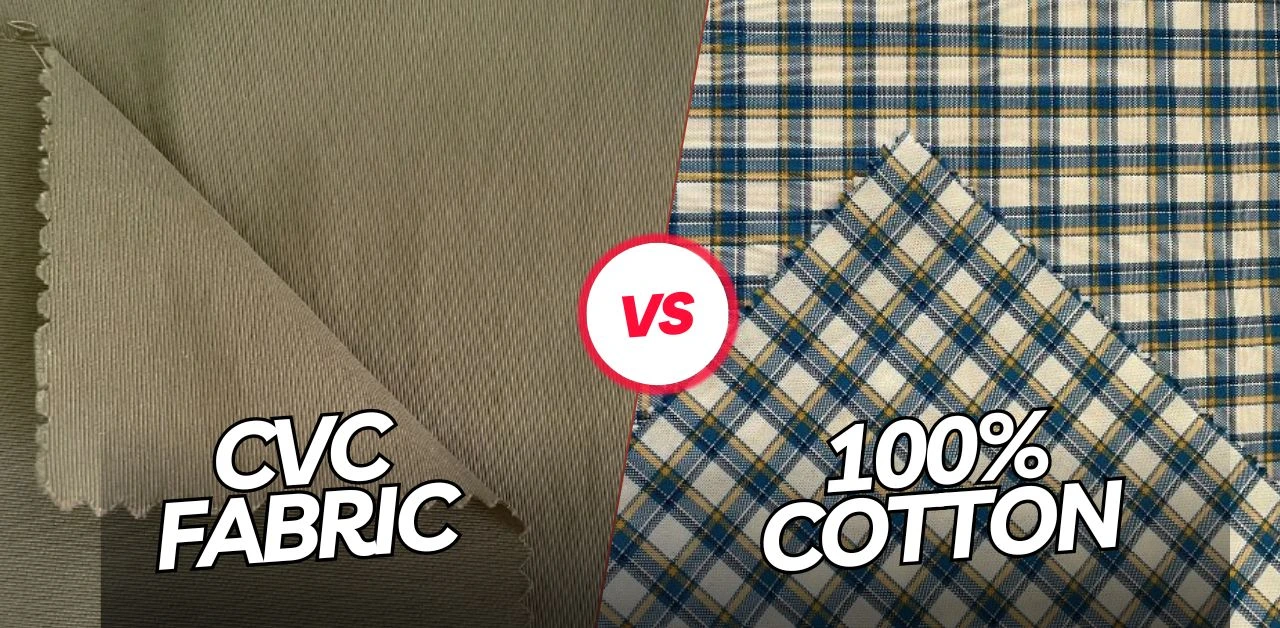
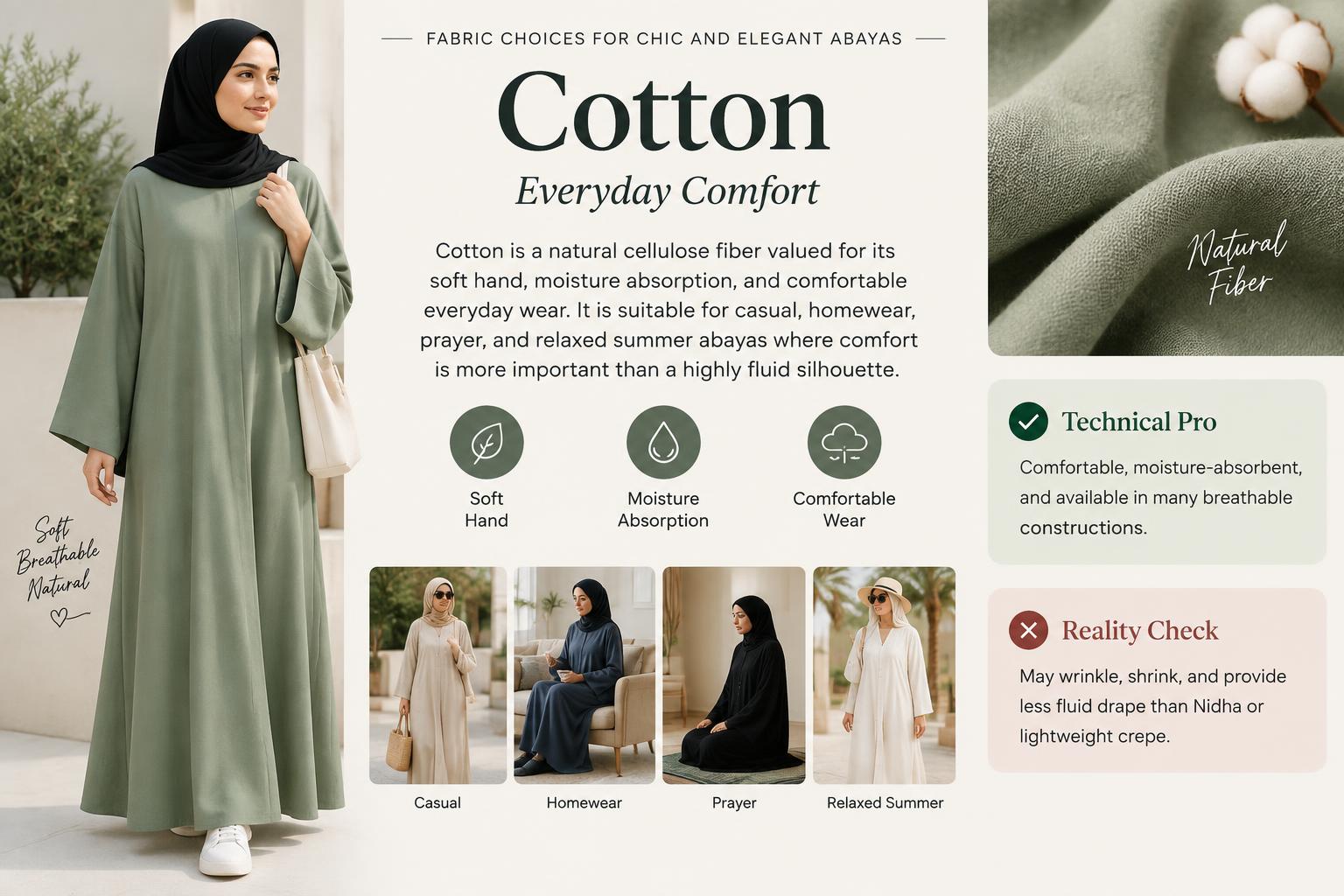
Cotton is a natural cellulose fiber valued for its soft hand, moisture absorption, and comfortable everyday wear. It is suitable for casual, homewear, prayer, and relaxed summer abayas where comfort is more important than a highly fluid silhouette.
- Technical Pro: Comfortable, moisture-absorbent, and available in many breathable constructions.
- Reality Check: May wrinkle, shrink, and provide less fluid drape than Nidha or lightweight crepe.
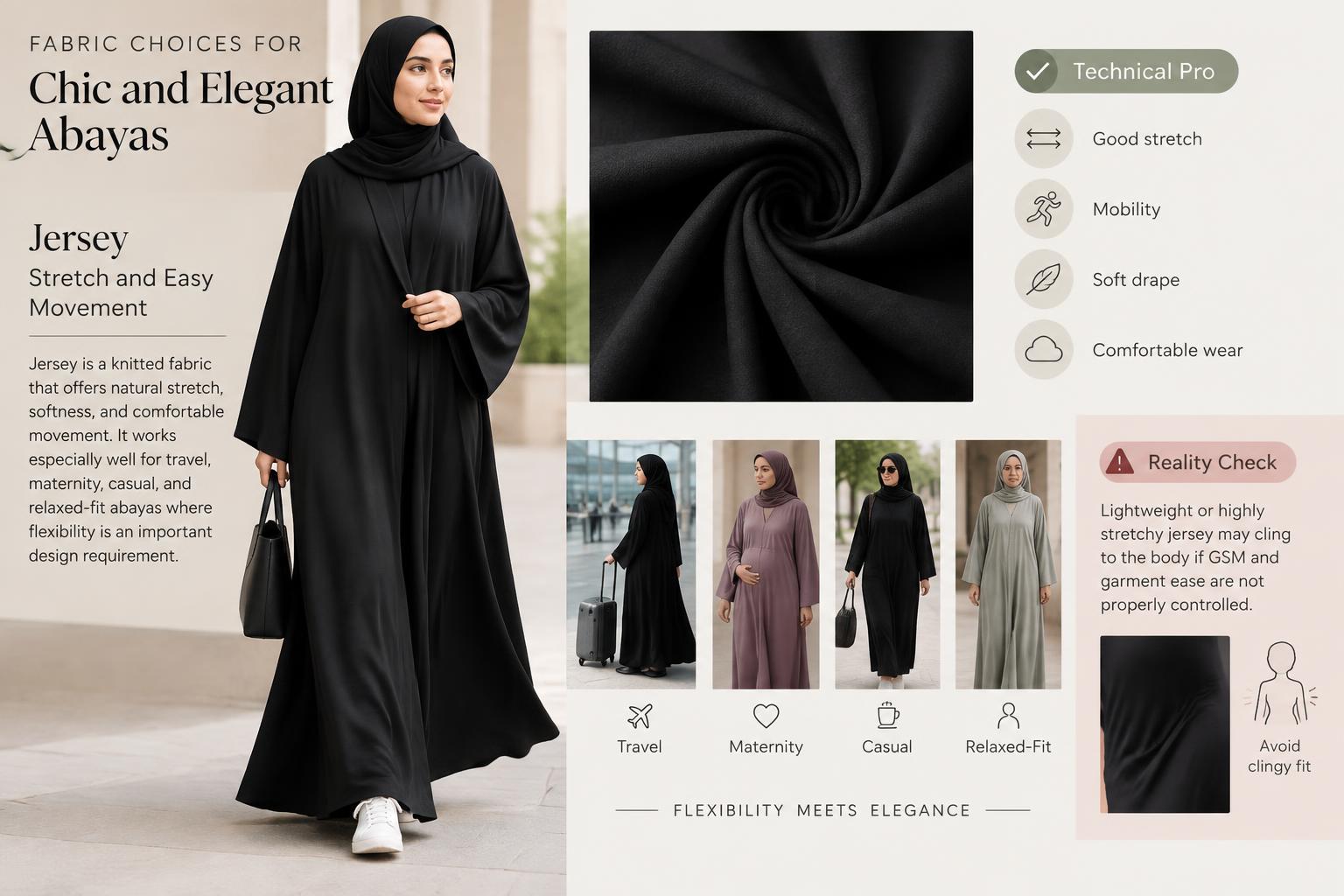
7. Jersey: Stretch and Easy Movement
Jersey is a knitted fabric that offers natural stretch, softness, and comfortable movement. It works especially well for travel, maternity, casual, and relaxed-fit abayas where flexibility is an important design requirement.
- Technical Pro: Good stretch, mobility, soft drape, and comfortable wear.
- Reality Check: Lightweight or highly stretchy jersey may cling to the body if GSM and garment ease are not properly controlled.
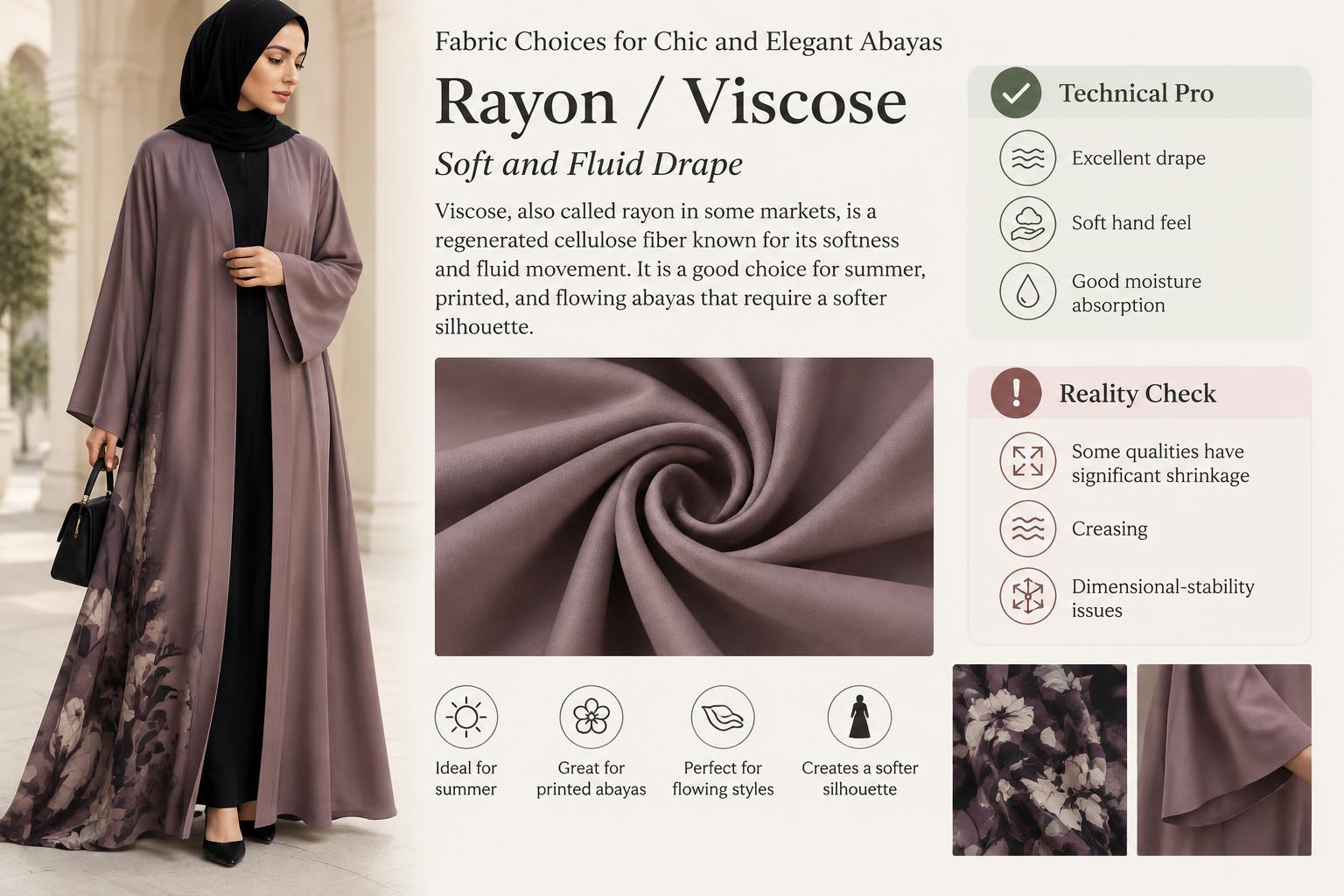
8. Rayon / Viscose: Soft and Fluid Drape
Viscose, also called rayon in some markets, is a regenerated cellulose fiber known for its softness and fluid movement. It is a good choice for summer, printed, and flowing abayas that require a softer silhouette.
- Technical Pro: Excellent drape, soft hand feel, and good moisture absorption.
- Reality Check: Some qualities have significant shrinkage, creasing, and dimensional-stability issues.
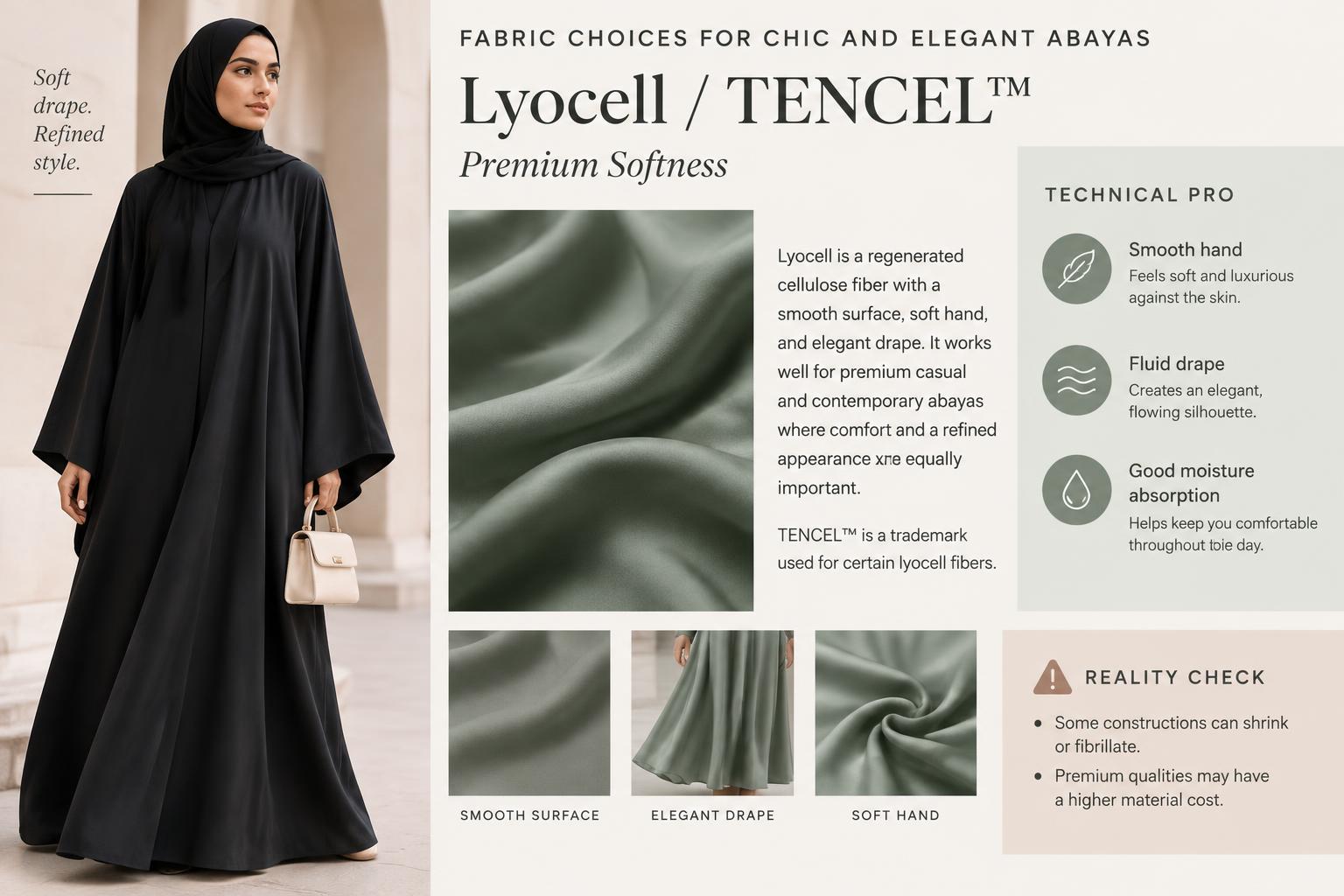
9. Lyocell / TENCEL™: Premium Softness
Lyocell is a regenerated cellulose fiber with a smooth surface, soft hand, and elegant drape. It works well for premium casual and contemporary abayas where comfort and a refined appearance are equally important. TENCEL™ is a trademark used for certain lyocell fibers.
- Technical Pro: Smooth hand, fluid drape, and good moisture absorption.
- Reality Check: Some constructions can shrink or fibrillate, and premium qualities may have a higher material cost.
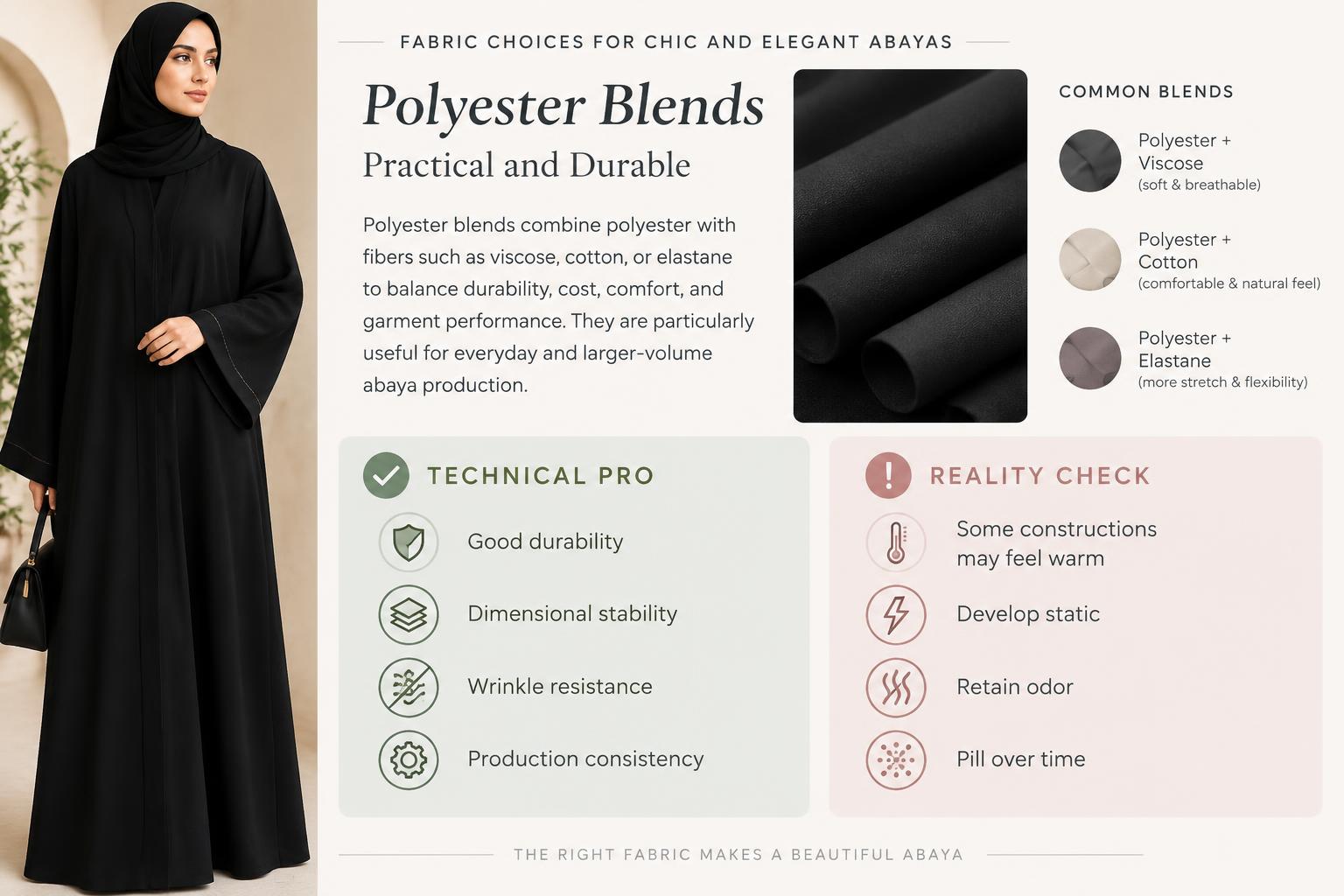
10. Polyester Blends: Practical and Durable
Polyester blends combine polyester with fibers such as viscose, cotton, or elastane to balance durability, cost, comfort, and garment performance. They are particularly useful for everyday and larger-volume abaya production.
- Technical Pro: Good durability, dimensional stability, wrinkle resistance, and production consistency.
- Reality Check: Some constructions may feel warm, develop static, retain odor, or pill over time.
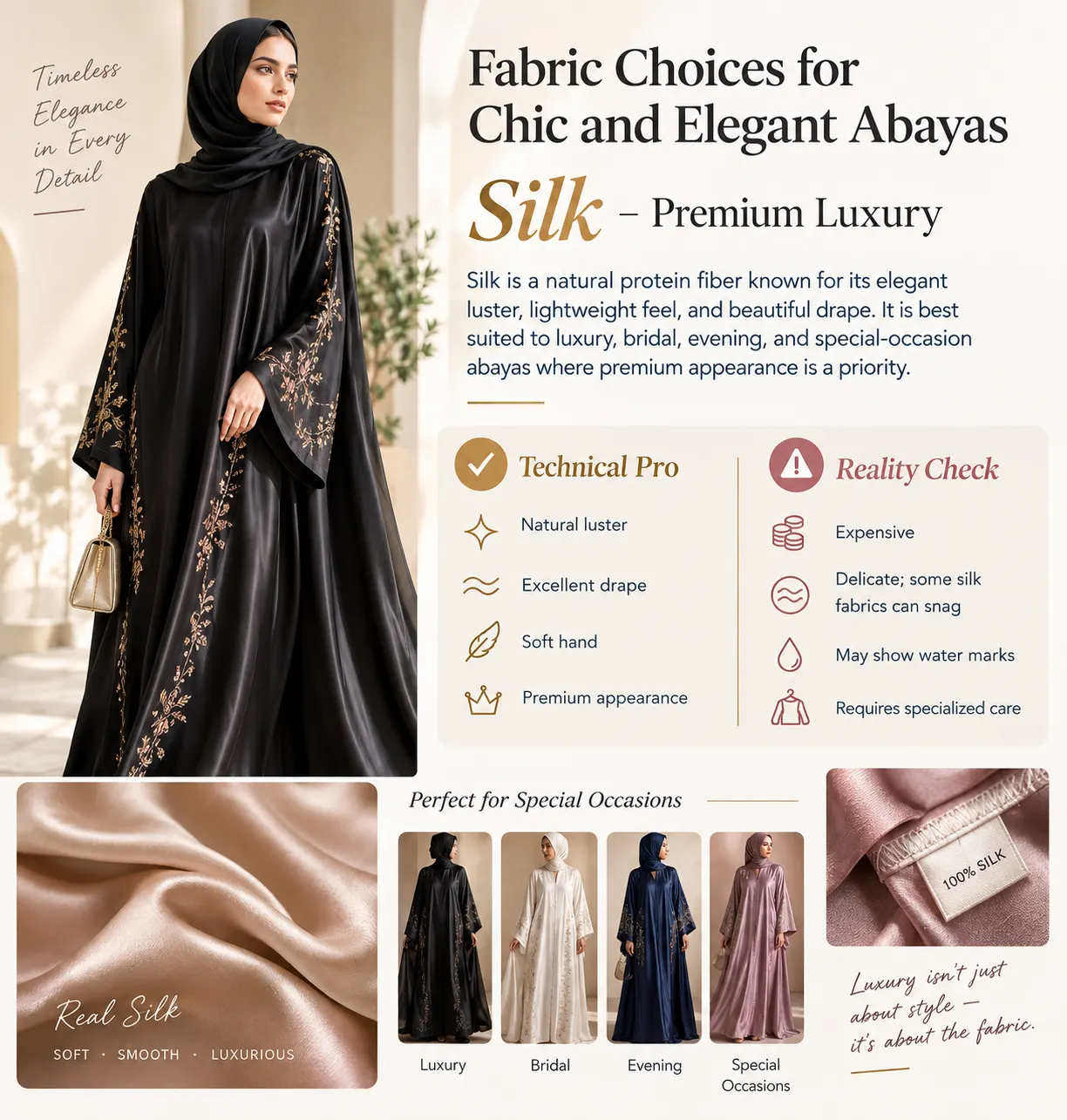
11. Silk: Premium Luxury
Silk is a natural protein fiber known for its elegant luster, lightweight feel, and beautiful drape. It is best suited to luxury, bridal, evening, and special-occasion abayas where premium appearance is a priority.
- Technical Pro: Natural luster, excellent drape, soft hand, and premium appearance.
- Reality Check: Expensive and delicate; some silk fabrics can snag, show water marks, or require specialized care.
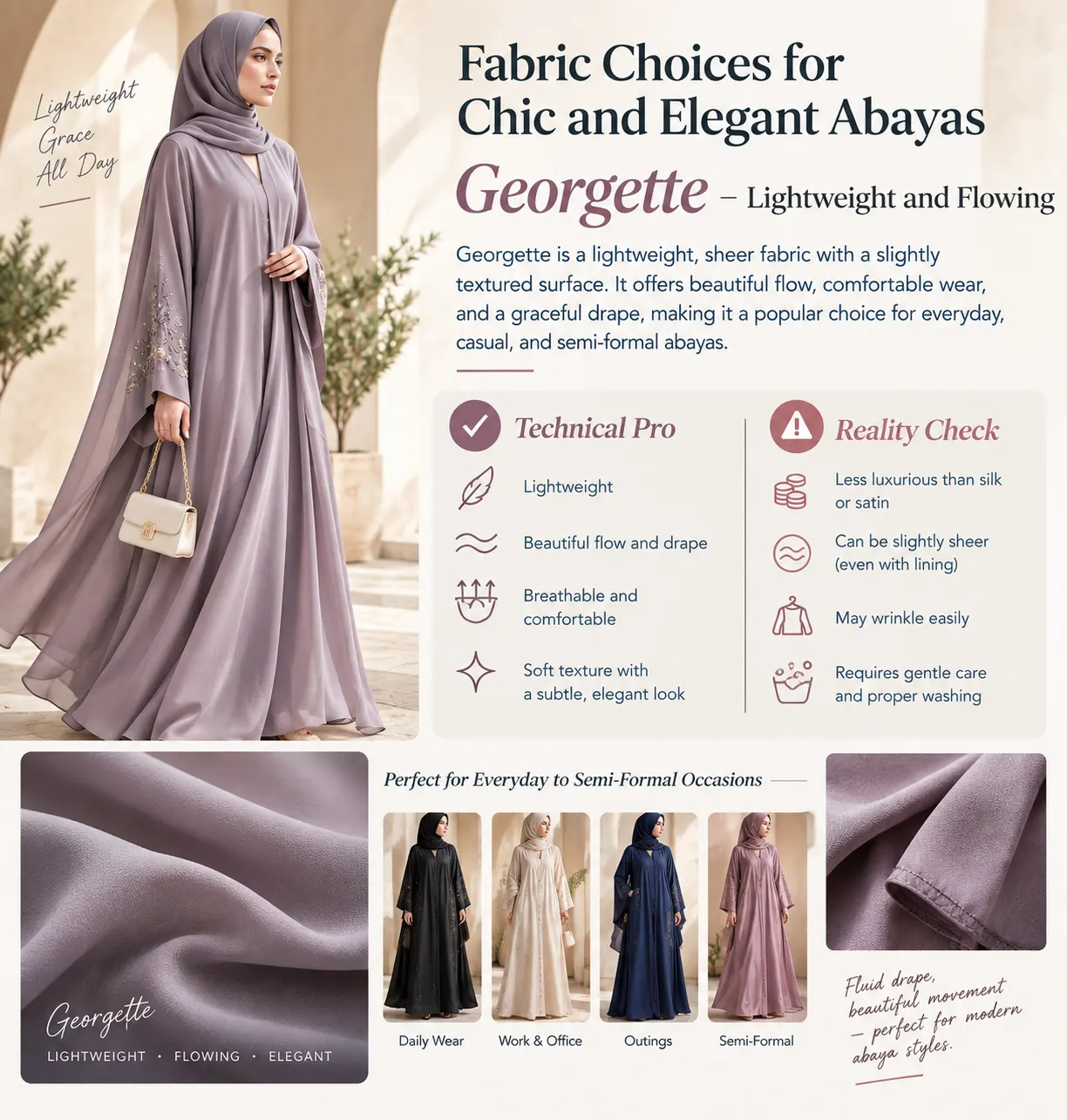
12. Georgette: Lightweight and Flowing
Georgette is a lightweight fabric with a slightly grainy surface and graceful movement. It creates a softer, more matte appearance than satin and works particularly well for layered, formal, open, and decorative abayas.
- Technical Pro: Fluid movement, lightweight feel, and elegant matte texture.
- Reality Check: Lightweight qualities may be semi-transparent, shift during cutting, and develop seam puckering without careful sewing control.
Advanced Synthetic & Hybrid Options
- Jersey: A knit fabric offering 2-way or 4-way stretch. Great for travel but requires careful grading to ensure it doesn’t cling to the body.
- Rayon/Viscose: A semi-synthetic that mimics silk’s drape at a lower cost. Note: High shrinkage risk if not pre-shrunk.
- Tencel (Lyocell): The eco-friendly choice. It offers a premium “buttery” feel and superior moisture management.
- Polyester Blends: The most cost-effective and durable option for mass-market production.
Conclusion / Final Words
The success of an abaya brand lies in matching the fabric to the specific use case. Linen and Cotton win for comfort; Nidha and Silk win for luxury; Crepe and Polyester Blends win for durability. For designers, understanding GSM (fabric weight) and fiber behavior is just as important as the silhouette itself. At Mekong Garment, we recommend testing your selected fabrics for shrinkage and colorfastness before committing to bulk production.