

Sample Development Lead Time in Clothing Manufacturing: What Brands Should Expect

For many fashion brands, sample development is the most stressful stage of the production journey. This is where ideas turn into real garments, and where timelines can either stay on track or start slipping. Knowing how long sampling really takes helps brands plan launches, marketing, and bulk production with confidence. In most cases, clothing sample development takes 2 to 6 weeks. Simple styles move fast, while complex designs need more time. The exact timeline depends on design details, fabric access, and how many revisions are required. Understanding these factors early can save weeks later.
Key Stages & Typical Timelines:
- Tech Pack & Design: 1-3 weeks (Concept, Tech Pack Creation).
- Material Sourcing: 1-3 weeks (Fabric, Trims).
- Pattern Making: Overlaps with tech pack, forms basis for sample.
- First Sample (Proto Sample): 2-4 weeks (Pattern, Cut, Sew, Initial Fit).
- Fit & Revisions (Toiles/Fit Samples): 1-2 weeks (Multiple rounds for adjustments).
- Pre-Production Sample (PPS): 1-2 weeks (Final sample before bulk).
What Influences Clothing Sample Development Time?
Sample development is not a fixed process. Each style has its own challenges. Some garments move smoothly from sketch to sample, while others require multiple steps and adjustments. A basic t-shirt may be ready in days, but a technical jacket can take a month. The difference comes down to a few key factors.

How Design Complexity Affects Sample Timing
Design complexity is one of the biggest drivers of sample lead time. Simple garments with standard construction are faster to develop. Complex styles take longer because they require more pattern work, testing, and precision. Garments with multiple panels, linings, special seams, or functional features demand extra attention. Each added detail increases development time.
Typical impact:
- Simple woven or knit tops: 7 – 12 days
- Tailored or multi-panel garments: 15 – 20 days
- Technical outerwear or performance wear: 18 – 30 days
The Role of Fabric Availability in Sampling Speed
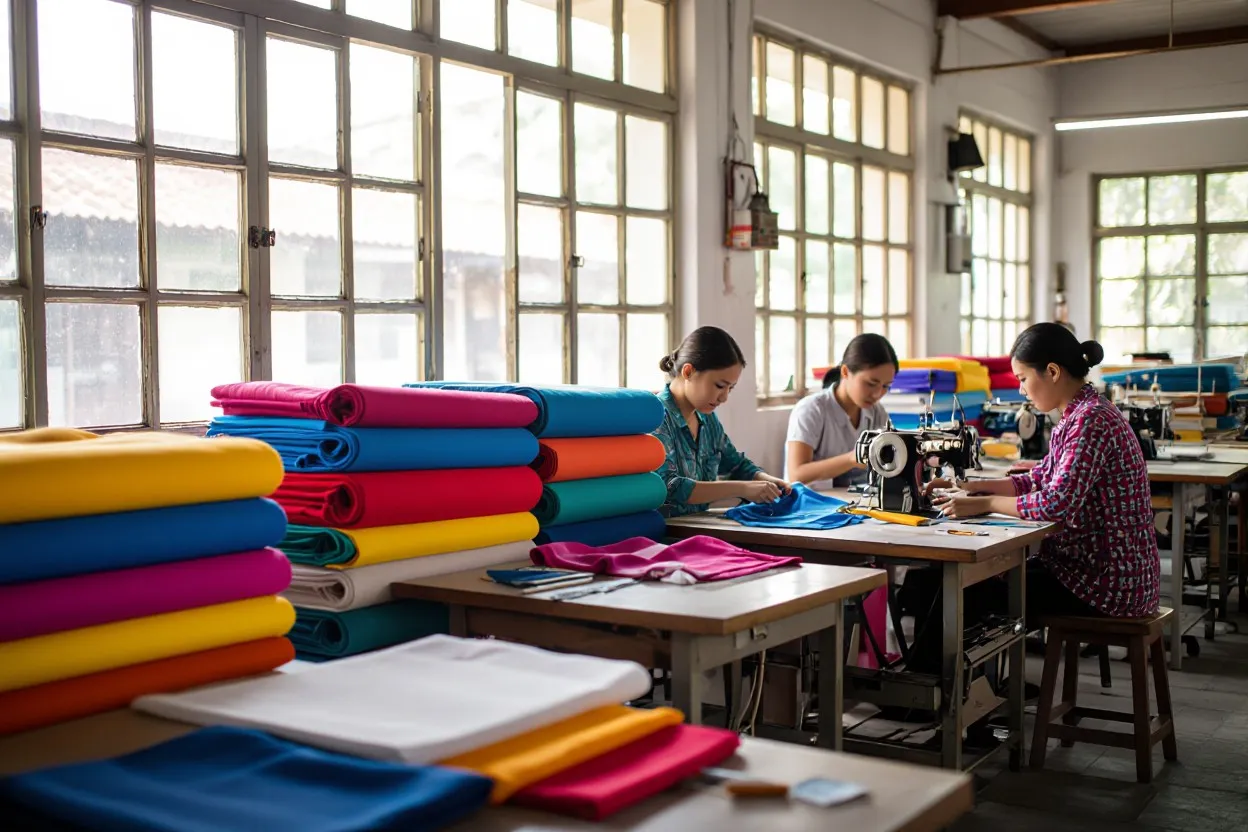
Fabric sourcing often decides when sample development can actually begin. Even the best pattern team cannot start without the right materials. Using in-stock fabrics allows sampling to start almost immediately. Custom fabrics or special finishes add waiting time for sourcing, lab dips, or approvals.
Fabric-related delays often come from:
- Custom colors or prints
- Performance or treated fabrics
- Minimum order requirements from mills
Choosing similar, readily available fabrics for early samples can reduce timelines by weeks.

How Brands Can Speed Up Sample Development
Fast sampling is rarely about rushing. It comes from preparation, clarity, and smart decisions early in the process. Brands that plan well usually get better samples in fewer rounds.
Preparation That Accelerates Sampling
A clear and complete tech pack makes a major difference. When sample teams receive exact measurements, construction notes, fabric details, and reference images, they can work without stopping to ask questions. Incomplete information leads to delays, mistakes, and extra revisions.
Strong preparation includes:
- Accurate measurement charts
- Clear construction diagrams
- Fabric and trim specifications
- Reference photos or inspiration images
Good preparation often reduces sample revisions by 30 – 40%.
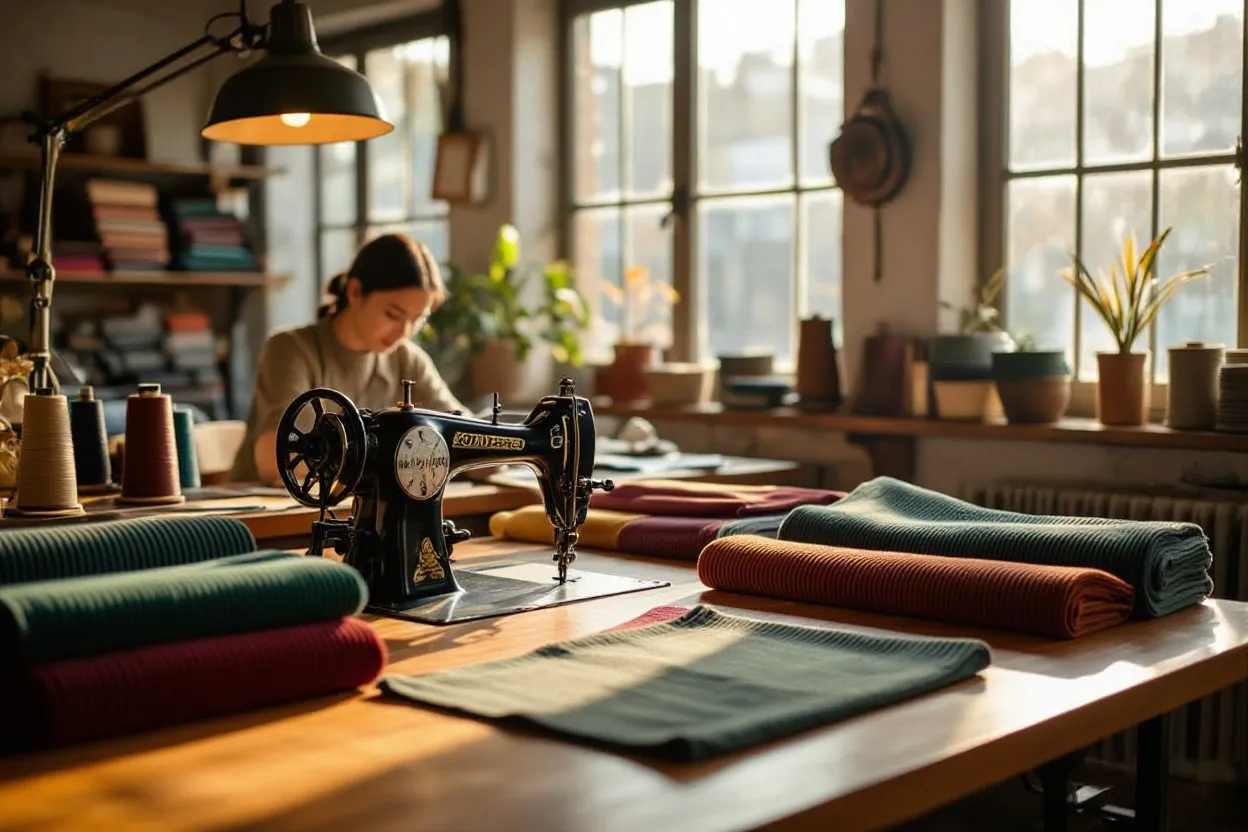
Using Digital Sampling to Save Time
Digital sampling helps brands review designs before physical samples are made. While physical samples are still required, 3D previews allow early feedback on shape, fit balance, and design details. This approach reduces unnecessary rework and speeds up approvals.
Key benefits of digital sampling:
- Faster design feedback
- Fewer physical sample rounds
- Earlier problem detection
In many cases, digital tools shorten the development cycle by several days.
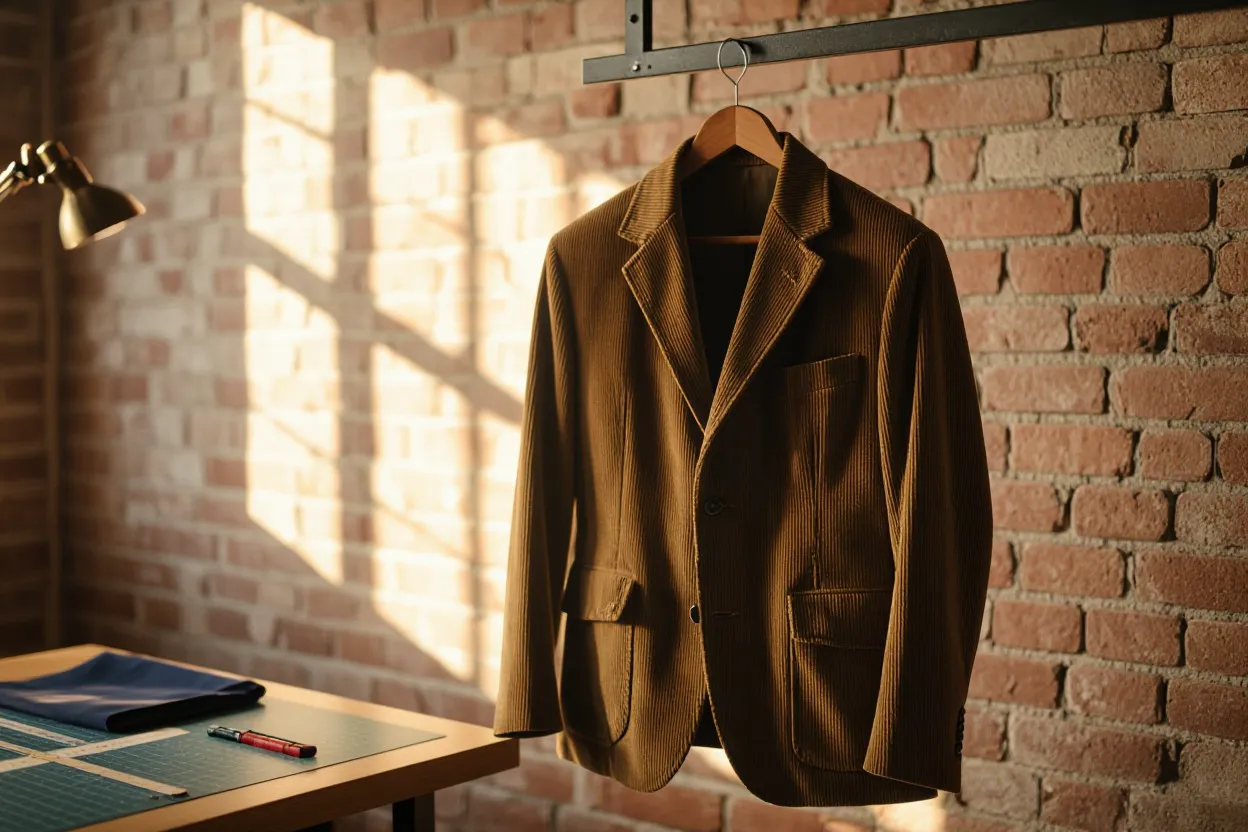
Understanding Sample Revision Timelines
Revisions are normal in sample development. Most styles need 2 – 3 rounds before final approval. Planning for this avoids frustration and rushed decisions. Each revision round adds time, depending on the changes requested.
How Long Fit Revisions Usually Take
Fit revisions are among the most common changes. Minor size adjustments are quick, while structural changes take longer.

Typical fit revision timing:
- Small fit tweaks: 5 – 7 business days
- Major pattern changes: 7 – 10 business days
Clear feedback and consolidated comments help keep this stage efficient.
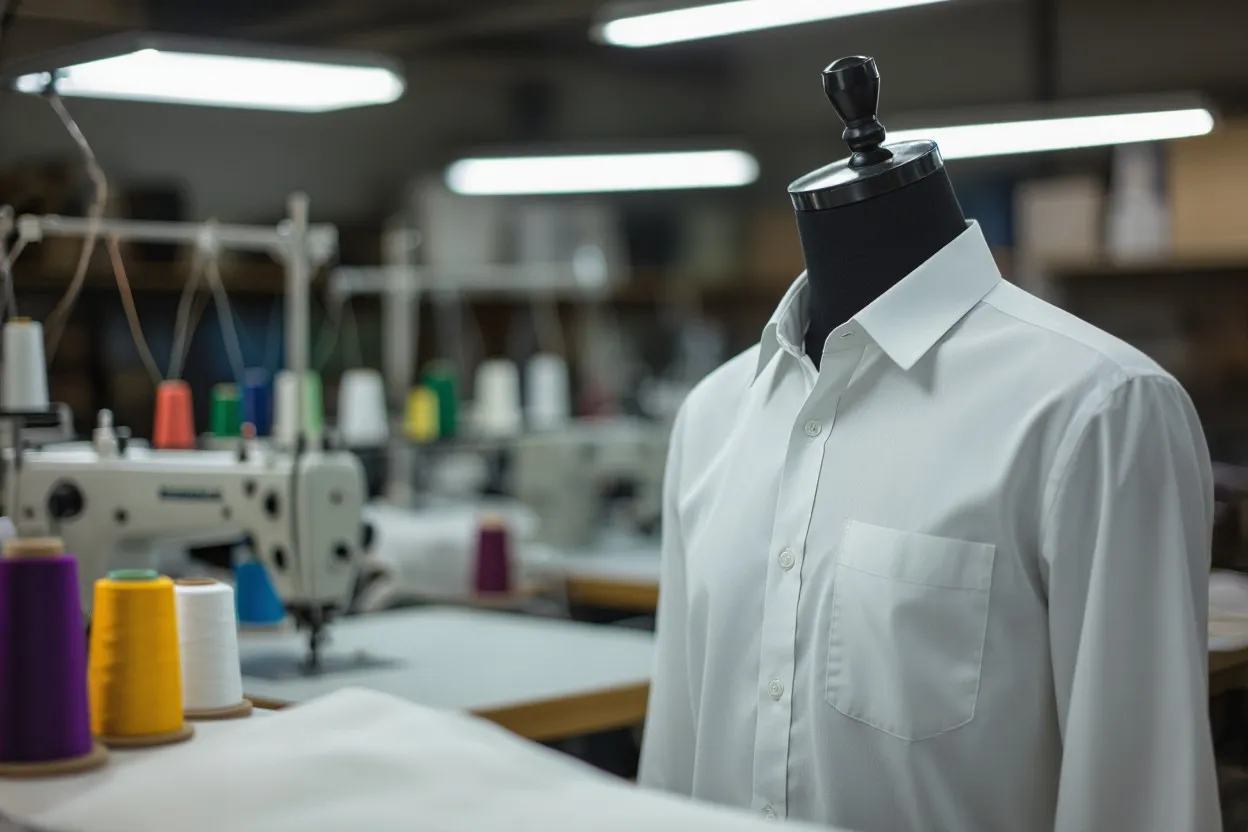
Timeline for Design Detail Revisions
Changes to trims, embroidery, prints, or stitching details usually take less time than fit corrections. However, sourcing new components can still slow things down.
Design detail revisions often take:
- Trim or stitching updates: 3 – 5 days
- Embroidery or print changes: 4 – 7 days
Using existing trim libraries instead of custom parts can significantly speed this up.

Sample Development Time by Garment Type
Not all garments follow the same timeline. Category matters when planning a collection calendar. Understanding these differences helps brands avoid unrealistic deadlines.
Basic vs. Technical Garment Timelines
Basic styles move quickly because processes are familiar and standardized. Technical garments require testing, layering, and performance checks.
Average timelines:
- Basic knits and woven tops: 7 – 14 days
- Dresses with details: 14 – 20 days
- Technical jackets or activewear: 20 – 30 days
Planning collections with a mix of simple and complex styles helps balance development time.

Impact of Special Techniques on Sampling Time
Special processes add beauty—but also time. Embroidery, advanced printing, and fabric treatments often require separate development steps.
Extra time from special techniques:
- Embroidery development: +3 – 5 days
- Complex printing: +5 – 7 days
- Fabric treatments or washes: +5 – 10 days
Developing these elements in parallel with pattern work can reduce total lead time.
Final Thoughts: Planning Sample Lead Time the Smart Way
Sample development is the foundation of successful clothing production. While most samples are completed within 2 – 3 weeks, complex designs may require 4 – 6 weeks or more. Brands that prepare strong tech packs, choose materials wisely, and communicate clearly move faster and with fewer surprises. Smart planning during sampling leads to smoother bulk production, lower costs, and better final products. If you respect the process, the timeline will work in your favor.
Our Contact Information – MEKONG GARMENT FACTORY
- Vietnam Phone: +84 947 729 829
- WeChat: +84 947 729 829
- WhatsApp: +84 947 729 829
- Email: hanh@kimmy.vn