

How to Start a Garments Business and Sell More Clothes

Many new founders underestimate how fast you can scale with a clear plan. To grow, you must pick a tight niche, choose the right fabrics, and rigorously test designs with pre-production samples before placing bulk orders—skipping this is dangerous. By following a structured approach, you can build a brand that customers trust and return to season after season.
=> Related Article: Choosing the Best Manufacturer for Small Runs
1. Choose Your Niche & Brand Style
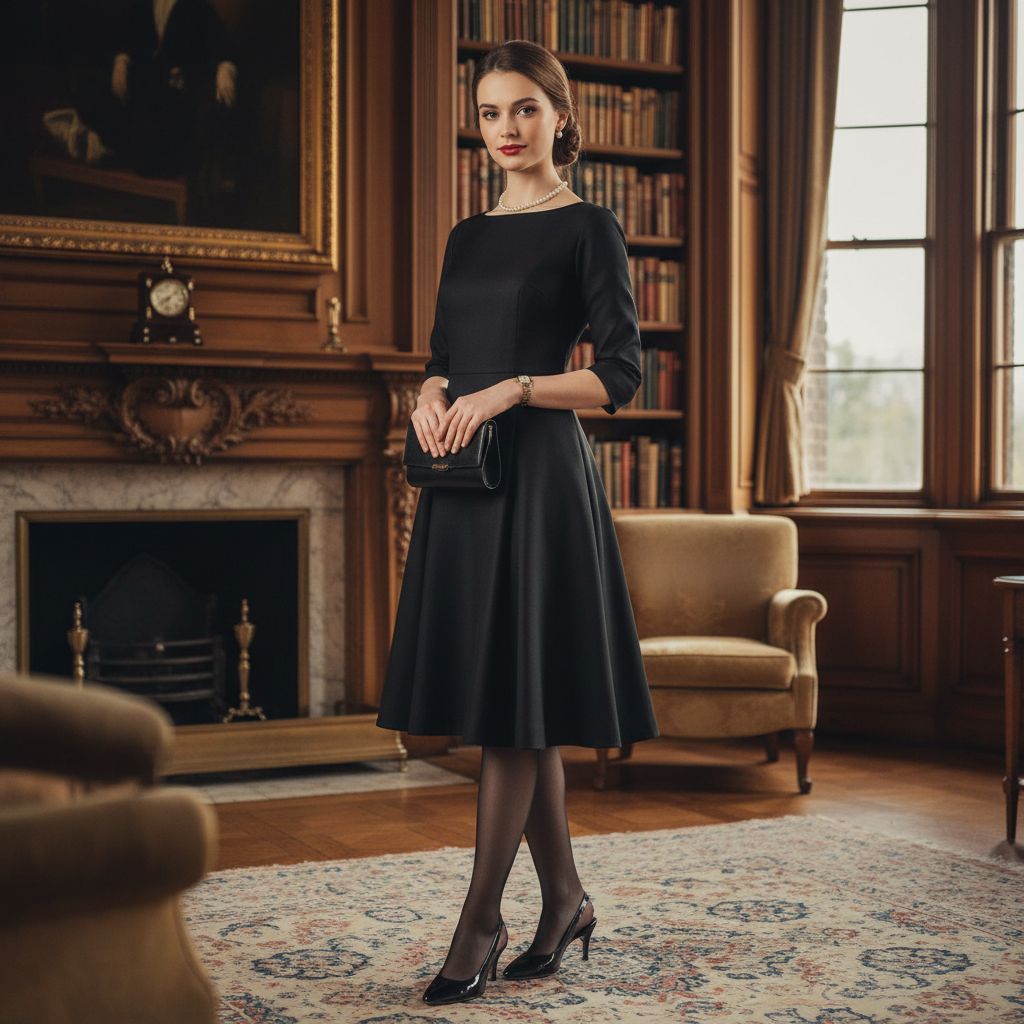
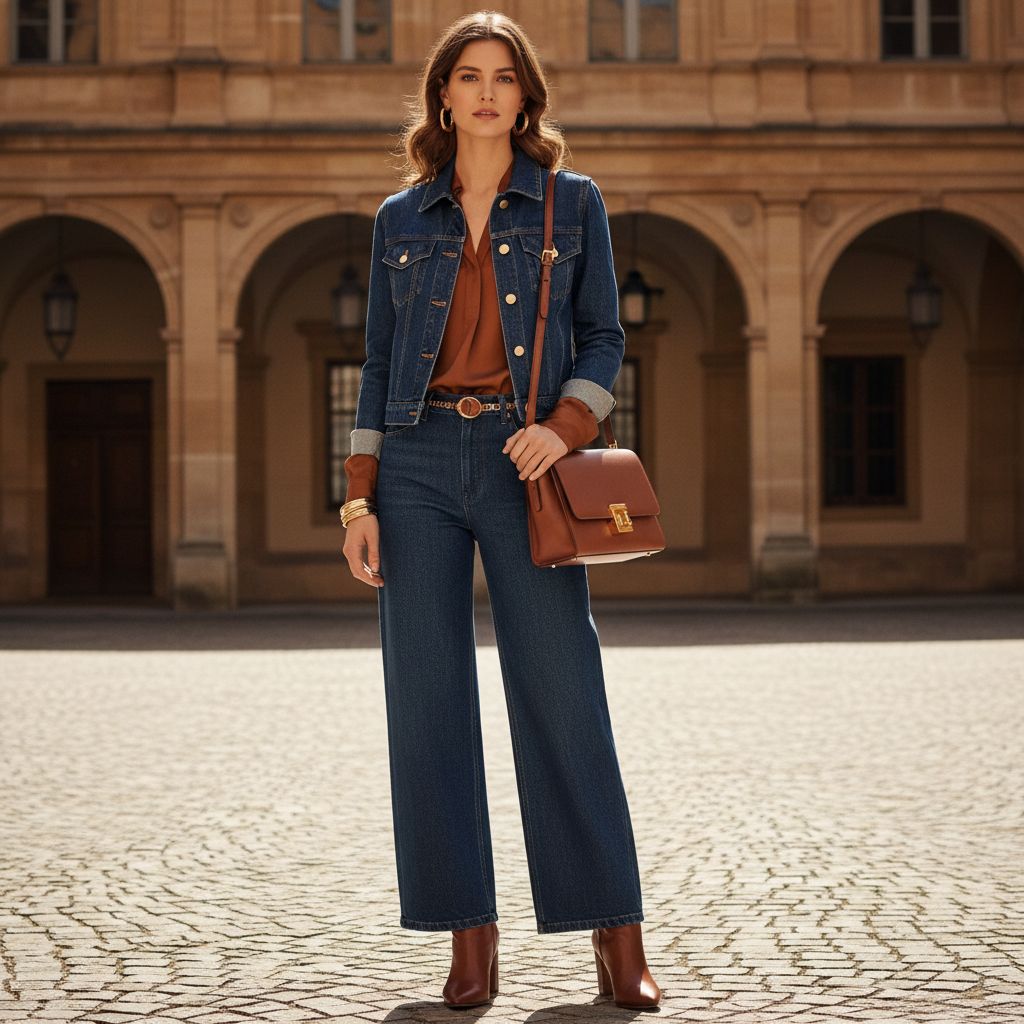
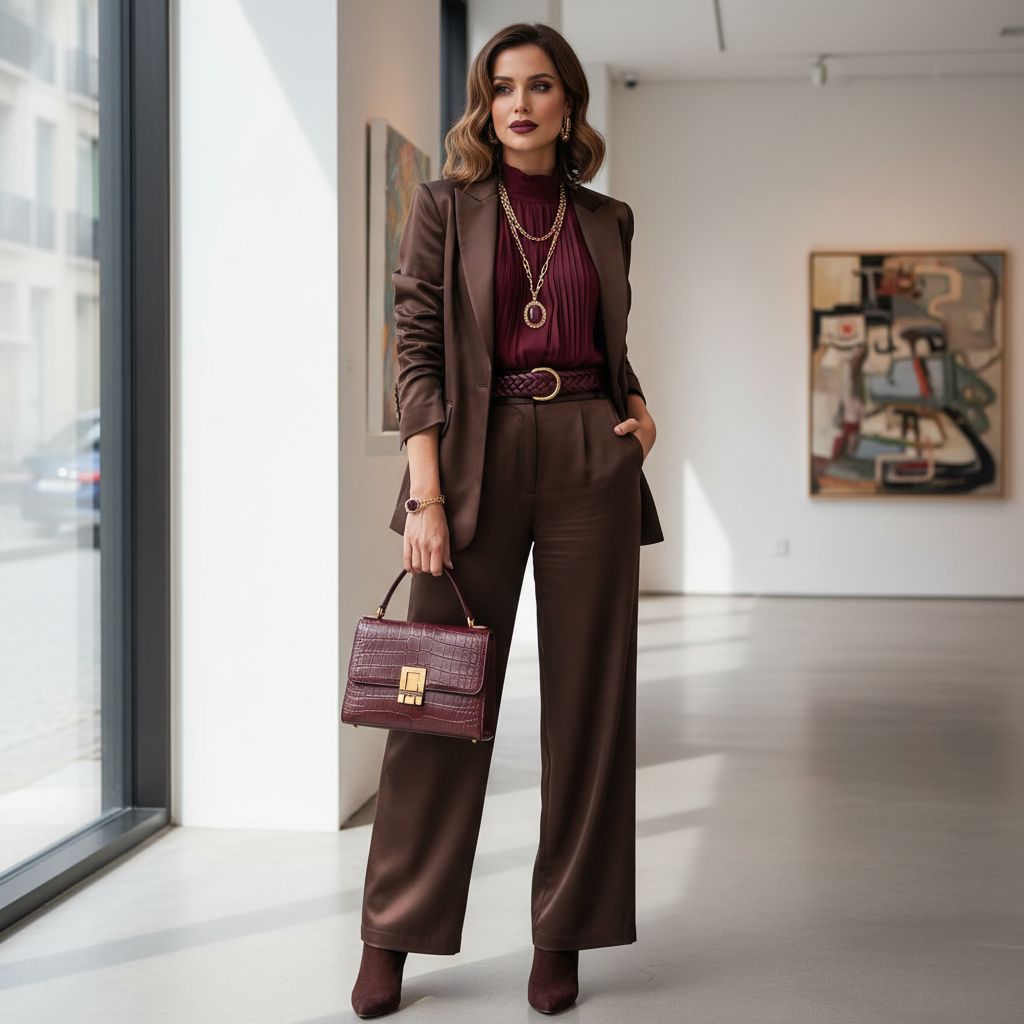
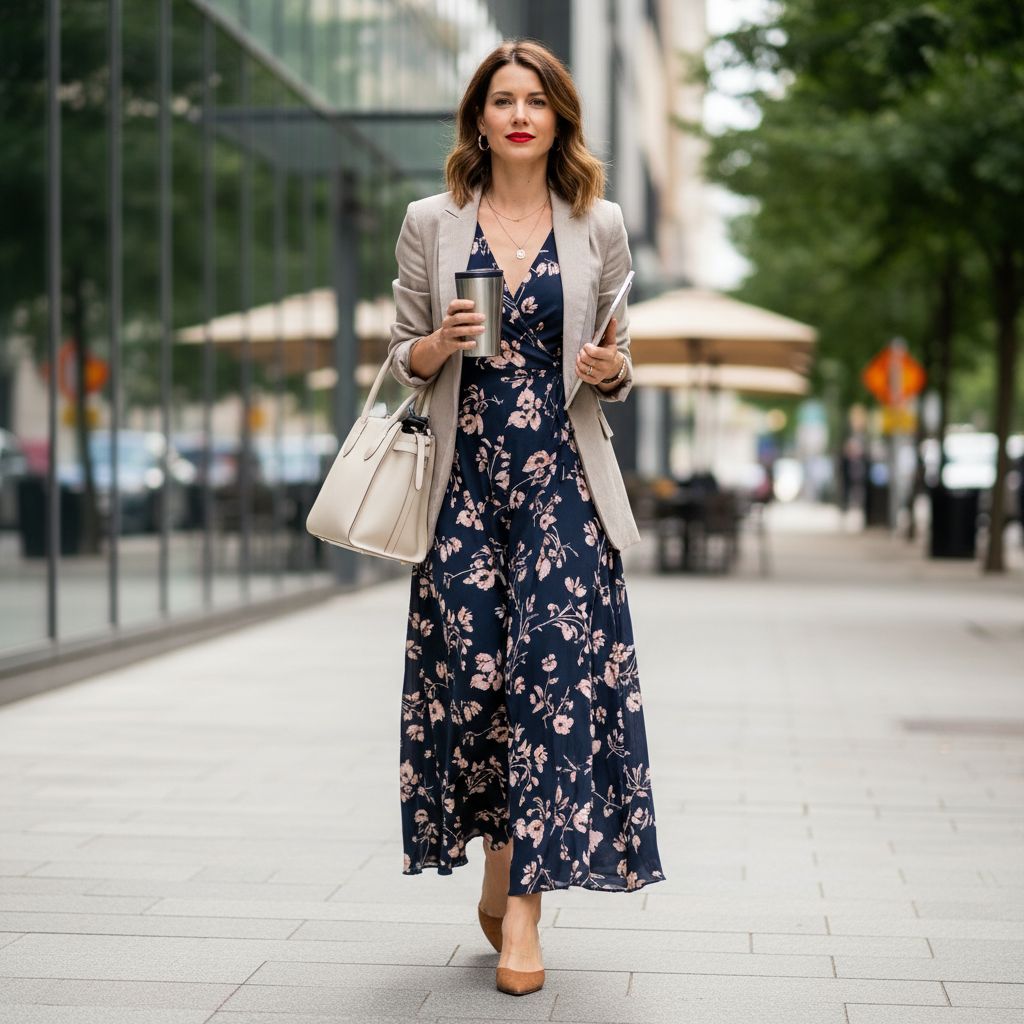
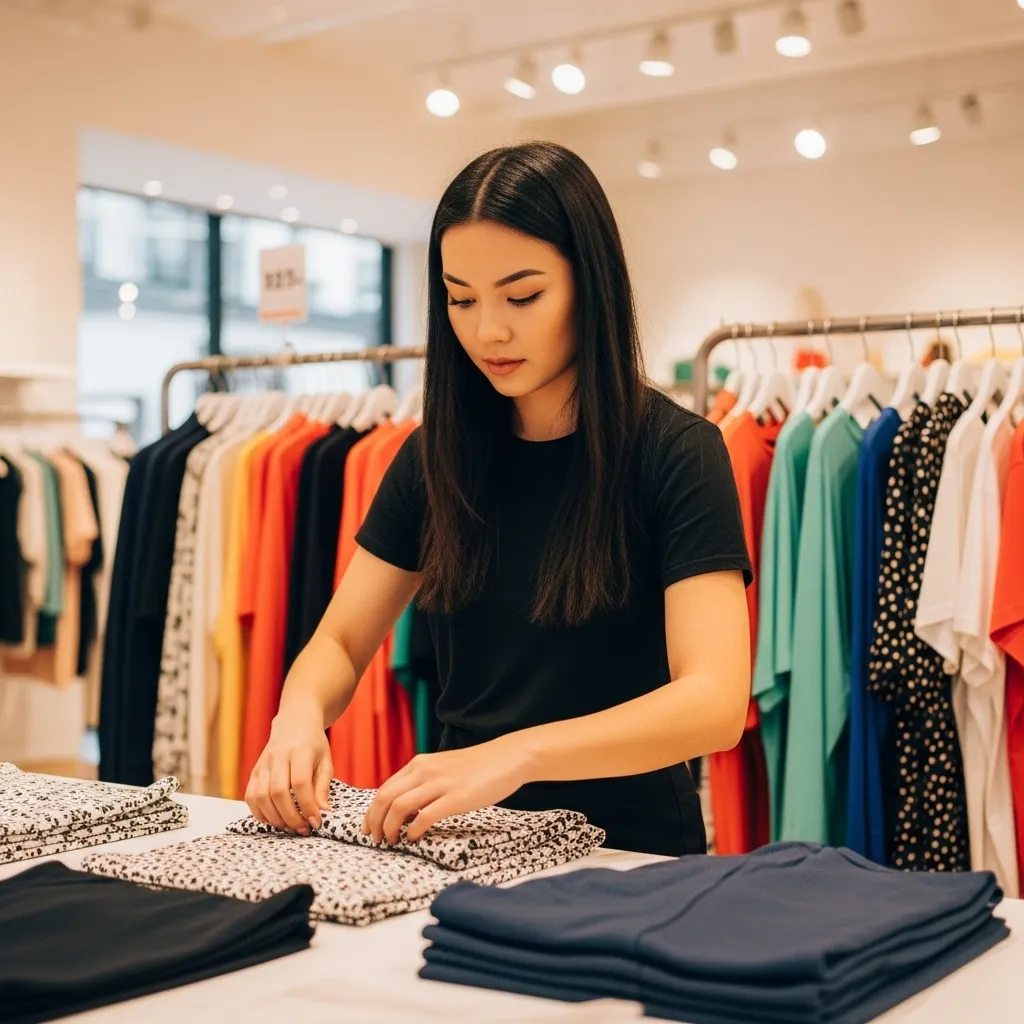
Before anything else, decide exactly who you want to serve. A small, clear niche helps you stand out in a crowded market. For example, instead of “women’s wear,” aim for “urban professional women (25-34)” and launch with 3-5 signature SKUs to test demand. This focus makes your logo, tone, and storytelling much more effective.
- Office wear for young adults
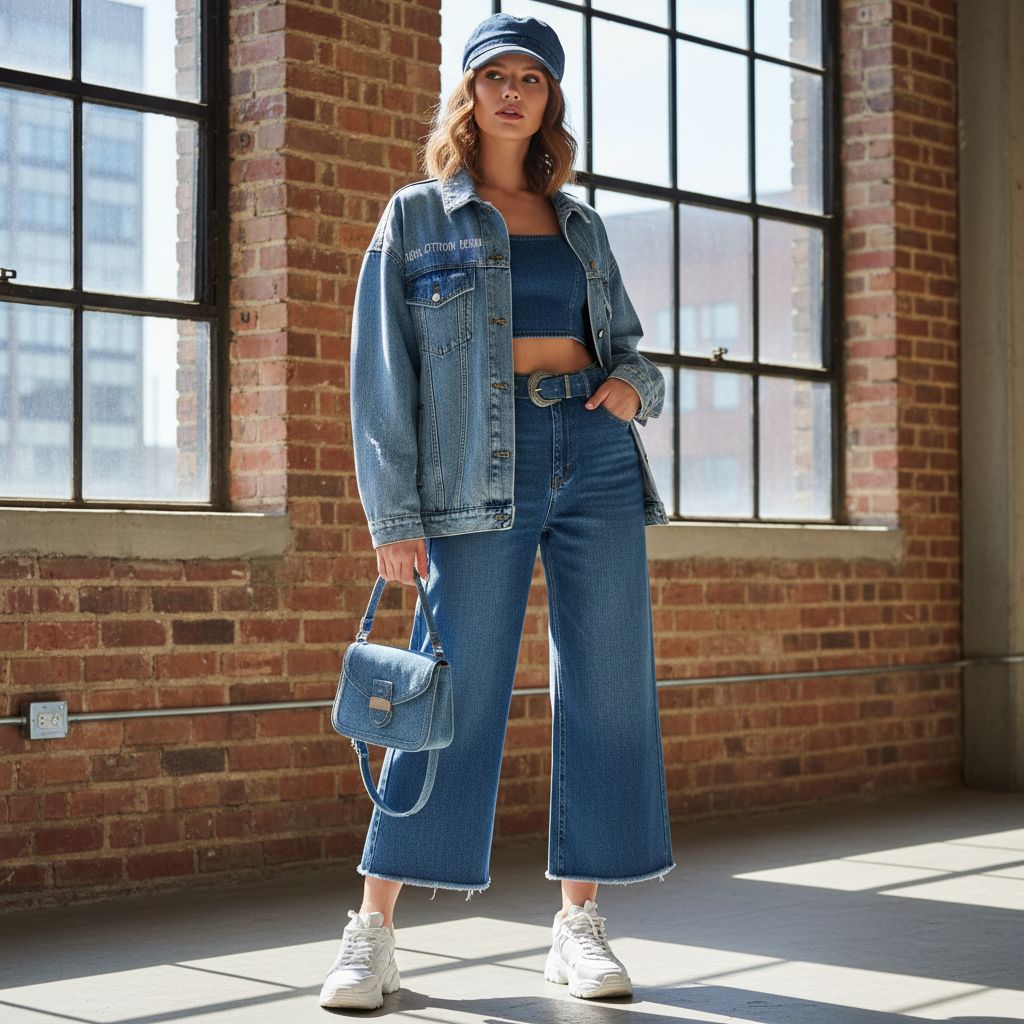
- Streetwear for teens
- Activewear for gym lovers
- Premium women’s dresses
2. Pick the Right Fabrics & Product Types
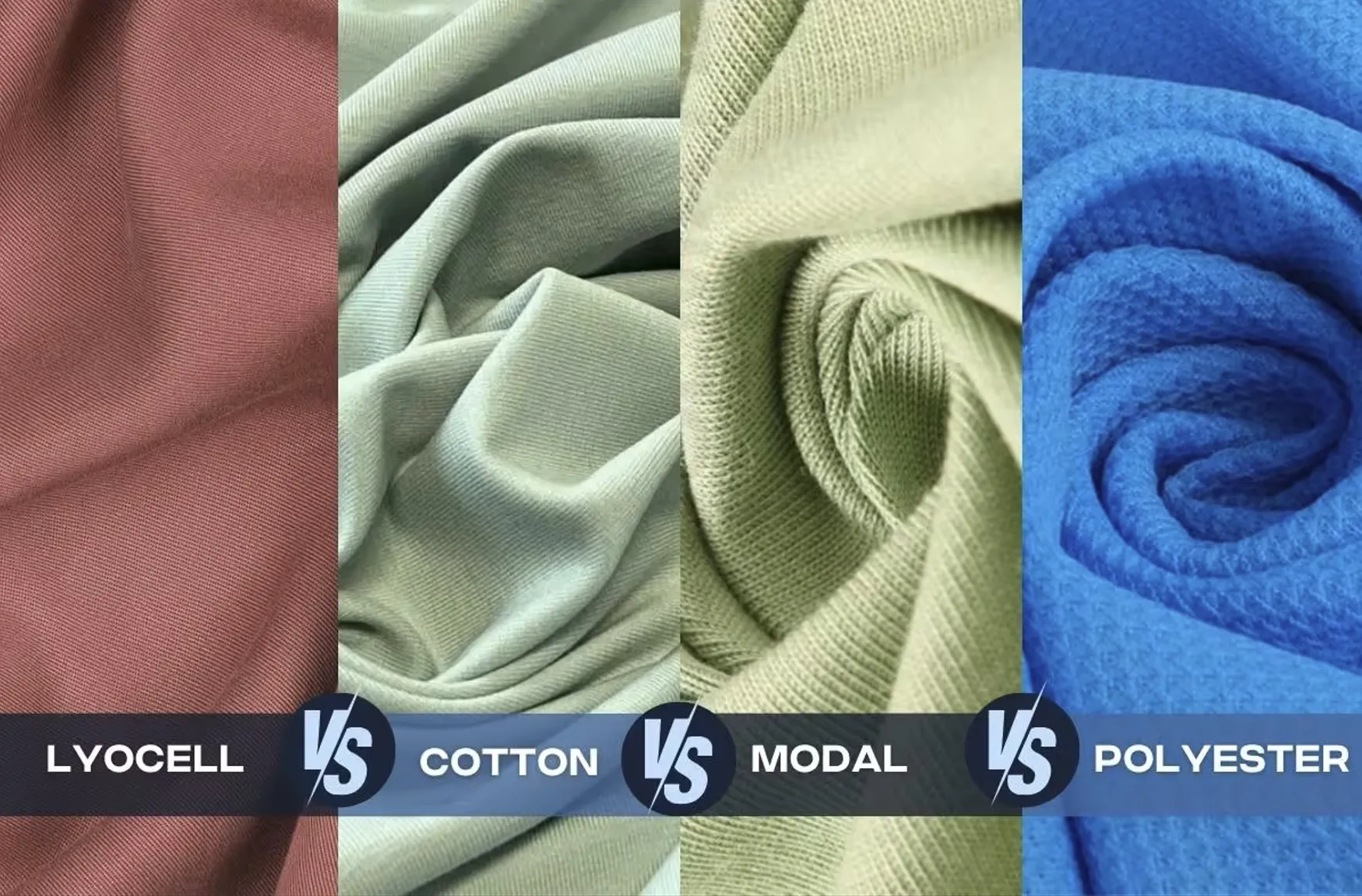
Good garments always start with good materials. When choosing fabrics, prioritize hand-feel, durability, and care. Test 100% cotton vs. poly-cotton blends and always check for pilling and shrinkage on swatches before mass production.
| Fabric Type | Ideal Use & Specs |
|---|---|
| 100% Cotton | Tees (150-180 GSM); soft feel, watch for shrinkage. |
| Cotton Blend (70/30) | Everyday tops; high durability, lower cost, less pilling. |
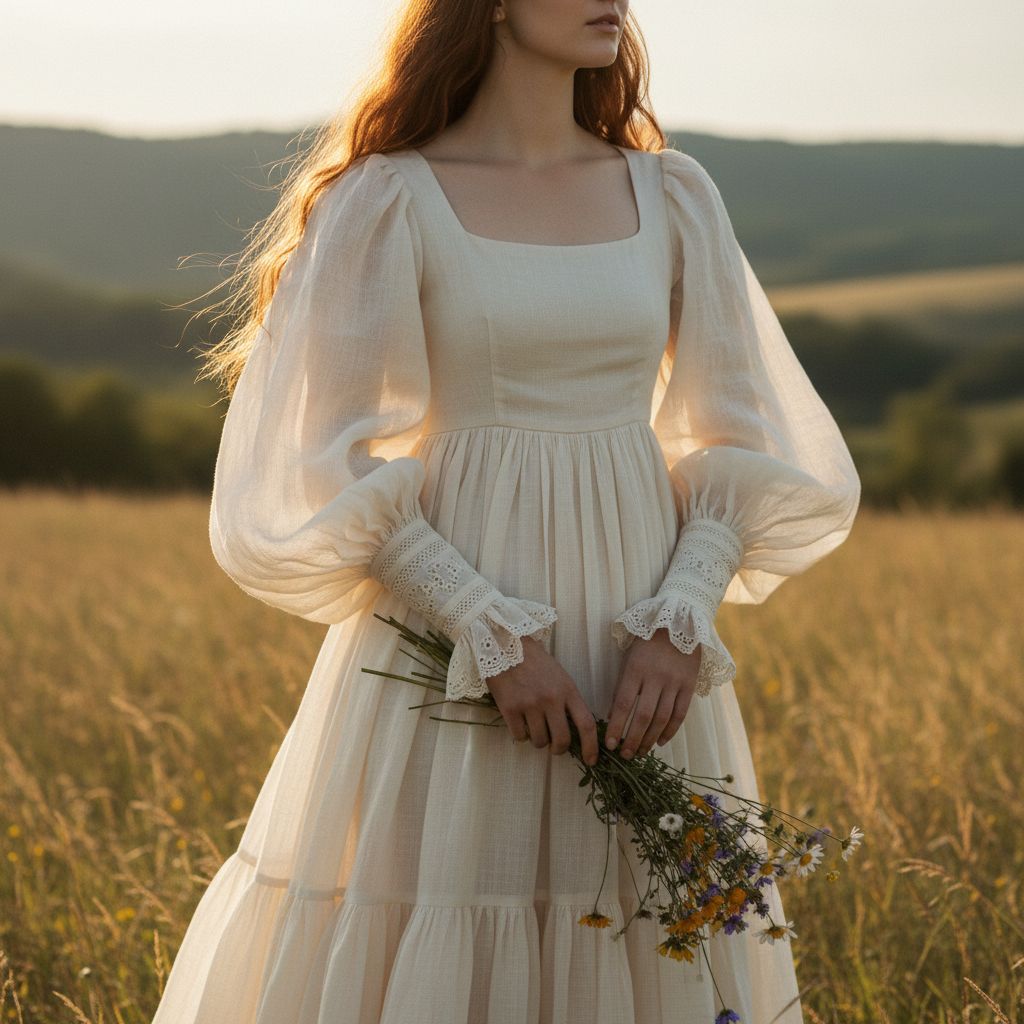
| Linen | Summer dresses (90-150 GSM); breathable, natural look. |
| Polyester/Microfiber | Activewear (120-200 GSM); quick-dry, low maintenance. |
3. Decide Your Production Model
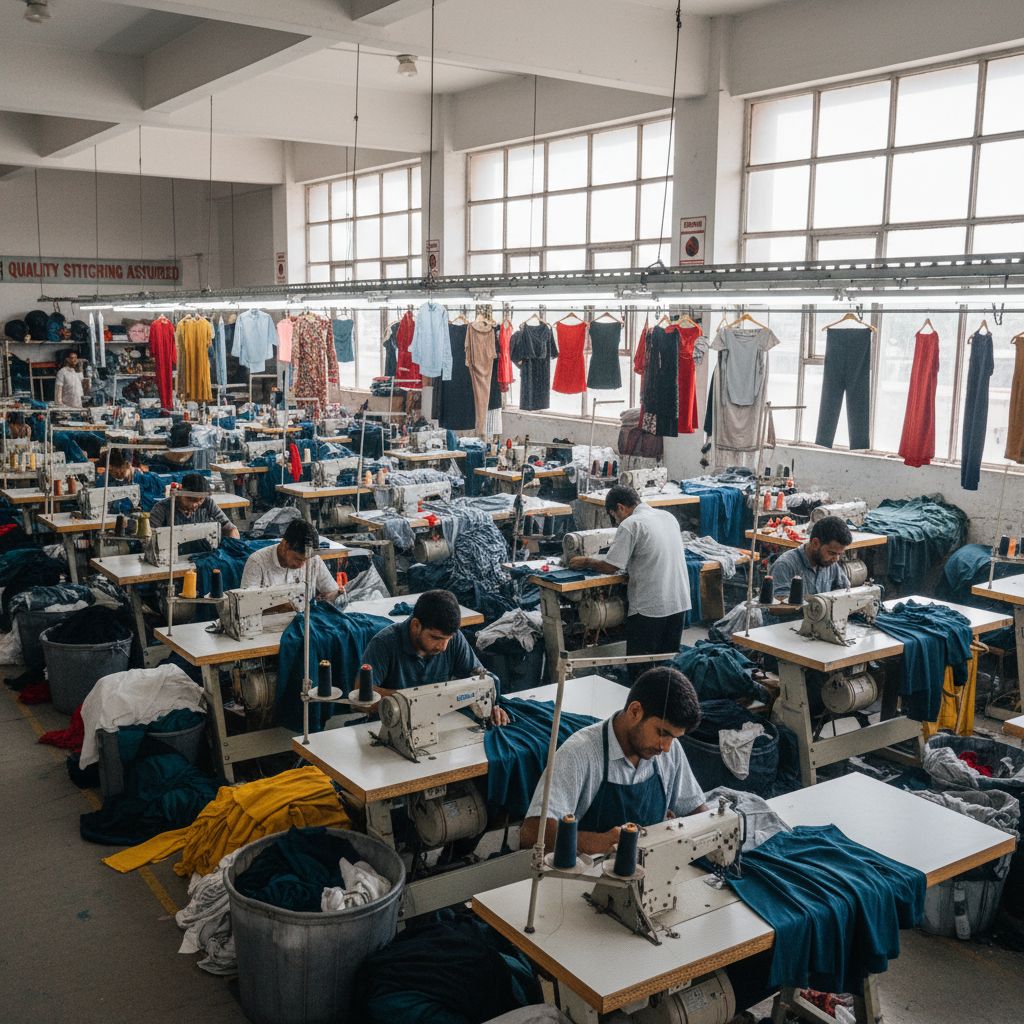
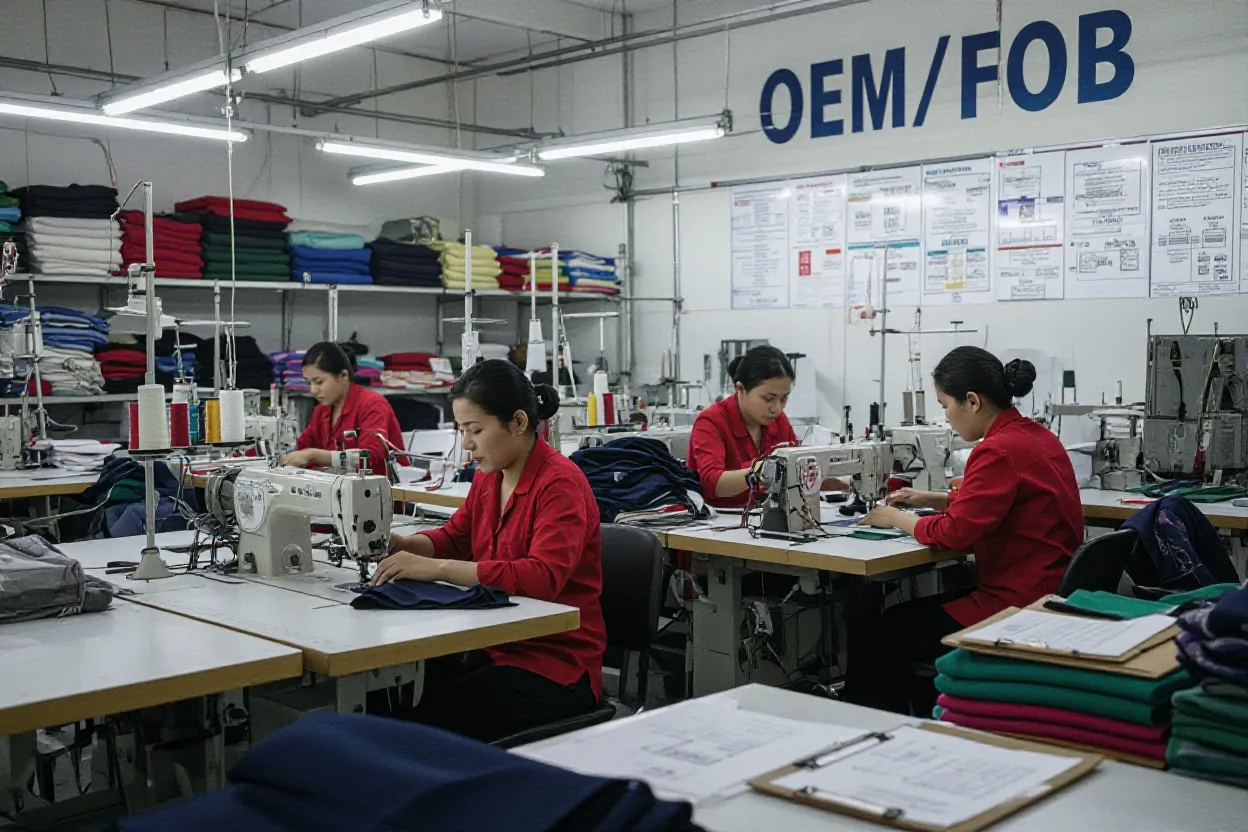
In Vietnam, your production model will determine your speed-to-market and control levels. If you have a complete tech pack, CMT is cost-effective. If you need speed, a Full-package (FOB) model can cut your timeline by 30-50%.
- CMT (Cut-Make-Trim): You supply the fabric; the factory only sews.
- OEM / FOB (Full Package): The factory handles everything from sourcing to final packing.
- ODM: The factory provides ready-made designs you can brand.

4. Build Your Marketing & Sales Channels
Start with 1-2 channels (e.g., a Shopify store plus Instagram/TikTok) and test with 50-200 units per SKU. Use honest storytelling—show behind-the-scenes videos of your design process and share real customer reviews to build trust.
- Show behind-the-scenes design steps.
- Utilize short-form videos (Reels/TikTok) to show fit and style.
- Target domestic fulfillment within 48-72 hours.

5. Enforce Strict Quality Control
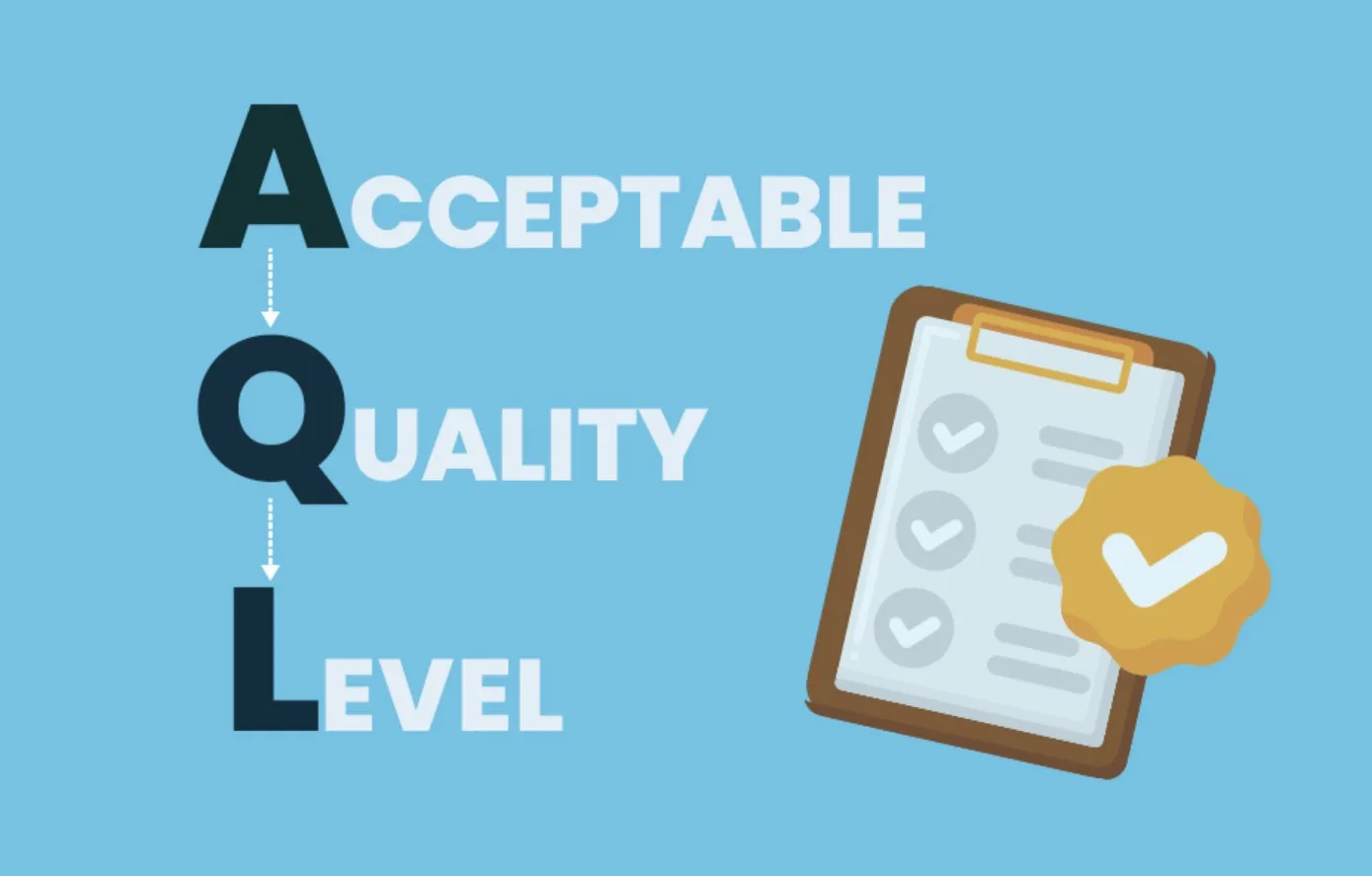
Consistency is what makes customers return. Use standardized AQL inspections (2.5 for major, 4.0 for minor) to verify quality before goods leave the factory. Check stitching tension, print durability, and color shade accuracy against your original samples.
Conclusion
Starting a garments business is an exciting journey that rewards consistency and clear planning. By starting with a tight niche, selecting high-quality fabrics, and partnering with the right factory, you can scale your brand month after month. At Mekong Garment, we specialize in helping brands transition from first samples to full bulk production with a focus on reliability and quality.
FAQs About Starting a Garments Brand
How do I choose the right niche and brand style for a garments business?
Start by defining a narrow customer niche and brand identity – who you serve, their age, lifestyle, and price expectations. Research competitors and gaps in product, fit, or fabric so your designs solve a specific problem (e.g., travel-friendly separates, plus-size casualwear, eco-loungewear). Create a mood board for color palette, logo, and tone of voice, and test concepts with a small audience or social poll to validate demand before committing to full production.
What steps should I take to select fabrics and product types that sell?

Order fabric swatches first and evaluate hand-feel, drape, opacity, and wash performance. Match fabric properties to the product use (stretch for activewear, breathable cotton for everyday tees, wrinkle-resistant blends for travel shirts). Consider cost per meter, yield, minimum order quantities (MOQs), and supplier lead times; ask for fiber content certificates and wash test results. Finally, create a wear-and-wash sample to confirm performance before bulk ordering.
Which production model is best for a new clothing brand – CMT, ODM, or full-package?
Choose based on control, budget, and experience: CMT (Cut, Make, Trim) gives you full design control but requires sourcing patterns, fabrics, and trims; ODM provides ready designs you can adapt faster with lower development overhead; full-package (OEM) covers design, sourcing, production, and often quality checks, speeding time to market. For first-time founders who want speed and less sourcing work, ODM or full-package can reduce risk; if IP and unique fit matter, opt for CMT and work closely with a reliable factory.
What pricing strategy helps sell more while keeping margins healthy?
Start by calculating landed cost per unit (materials, labor, trims, packaging, shipping, duties, and a share of fixed costs), then set a wholesale and retail margin target (common retail keystone is 2x wholesale). Use tiered pricing for bundles, pre-orders, and limited drops to drive urgency; test promotions and monitor their effect on lifetime value rather than only conversion. Track sell-through rates and be ready to adjust prices or reorder quantities based on real sales data.
Which sales channels should I prioritize to grow quickly without overextending my team?
Begin with one or two channels where your target customers already shop – for many brands this means a direct-to-consumer website plus one social-commerce platform or a curated marketplace. Use the website to capture customer data and higher margins; use marketplaces and social channels to reach new audiences and test product-market fit. Keep inventory management simple, integrate orders and fulfillment tools early, and expand channels only after consistent demand and repeat purchase metrics are established.
How can Mekong Garment Vietnam support a startup brand as it scales and ensures consistent quality?
Mekong Garment Vietnam can assist with fabric sourcing, sample development, and flexible production models (CMT, ODM, OEM / FOB full-package) tailored to startup budgets and MOQs. They can run pre-production checks, implement simple QC steps during runs, and advise on packaging and logistics to reduce returns and improve unboxing experience. As you scale, they can help optimize lead times, negotiate better material costs, and maintain consistent construction standards so growth stays manageable and profitable.