

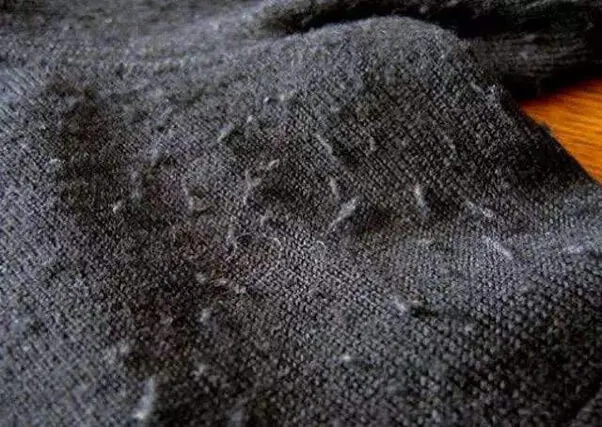
Pilling transforms the texture of your beloved clothes, turning smooth surfaces into rough, fuzzy messes. However, you can easily restore the look of your garments by utilizing effective tools like a fabric shaver or a sweater stone. While accessible household items like disposable razors work on synthetic fibers, you must proceed with extreme caution to prevent accidental holes in delicate materials. By mastering these maintenance techniques, you will extend the life of your wardrobe and keep fabrics looking brand new.
=> Read More: Does Polyamide Pill on Clothes And How To Prevent It?
Overview About Pilling Fabric?
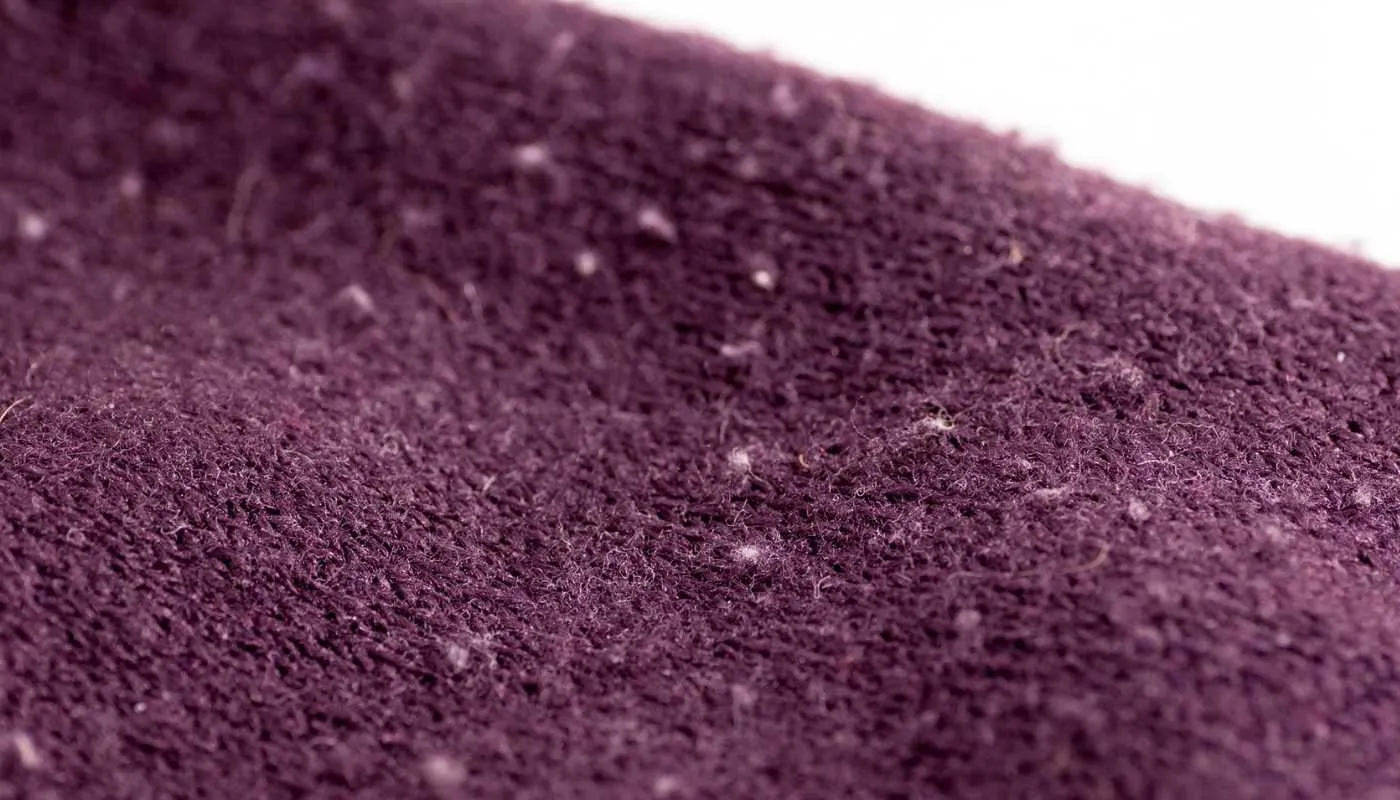
You have likely noticed those small, fuzzy balls that form on the surface of your clothes after a few wears. These bobbles, technically known as pills, are groups of broken or loose fibers that have tangled together. They remain attached to the garment’s surface, creating a worn and rough appearance. While pilling doesn’t necessarily mean the fabric is defective, it certainly affects the aesthetic and texture of your favorite items.
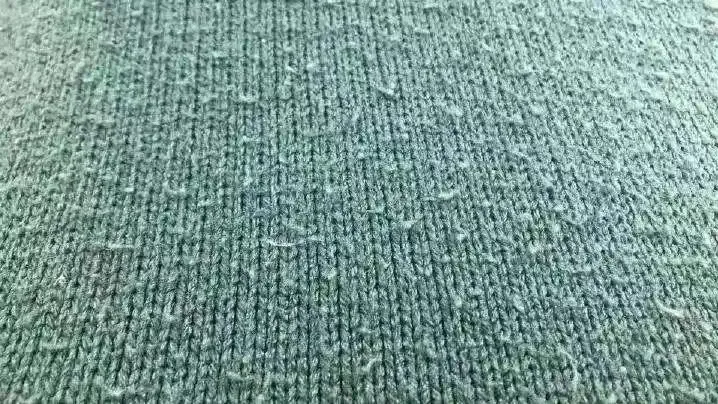
Causes of Fabric Pilling
Several factors contribute to this annoying phenomenon, but it primarily boils down to friction and abrasion during wear or washing. When you rub against surfaces-like sitting on a rough sofa or carrying a backpack-fibers loosen and ball up. Additionally, the laundry process agitates fabrics, causing loose threads to migrate to the surface. Short fibers are particularly susceptible to this migration, leading to faster formation of fuzz balls on your clothing.
=> Read More: Does Cotton Fabric Tend to Pill or Not?

Types of Fabrics Prone to Pilling
Not all materials behave the same way, and knowing which ones are susceptible helps you care for them better. Generally, natural fabrics shed their loose fibers easily, while synthetics tend to hold onto them. You will find that knitted fabrics pill more frequently than woven ones because their structure is looser. Understanding these distinctions allows you to predict how a garment might age and adjust your laundry habits accordingly to preserve its texture.
| Fabric Type | Pilling Risk & Characteristics |
| Synthetics (Polyester, Acrylic) | High risk; strong fibers anchor pills to the surface. |
| Mixed Blends (Poly-Cotton) | Very High risk; strong fibers trap weak, broken fibers. |
| Knitted Wool | Moderate to High; loose yarn twist allows fiber migration. |
| Silk and Linen | Low risk; long, continuous fibers resist tangling. |

Tools and Supplies for Pilling Removal
Lint Rollers and Tape
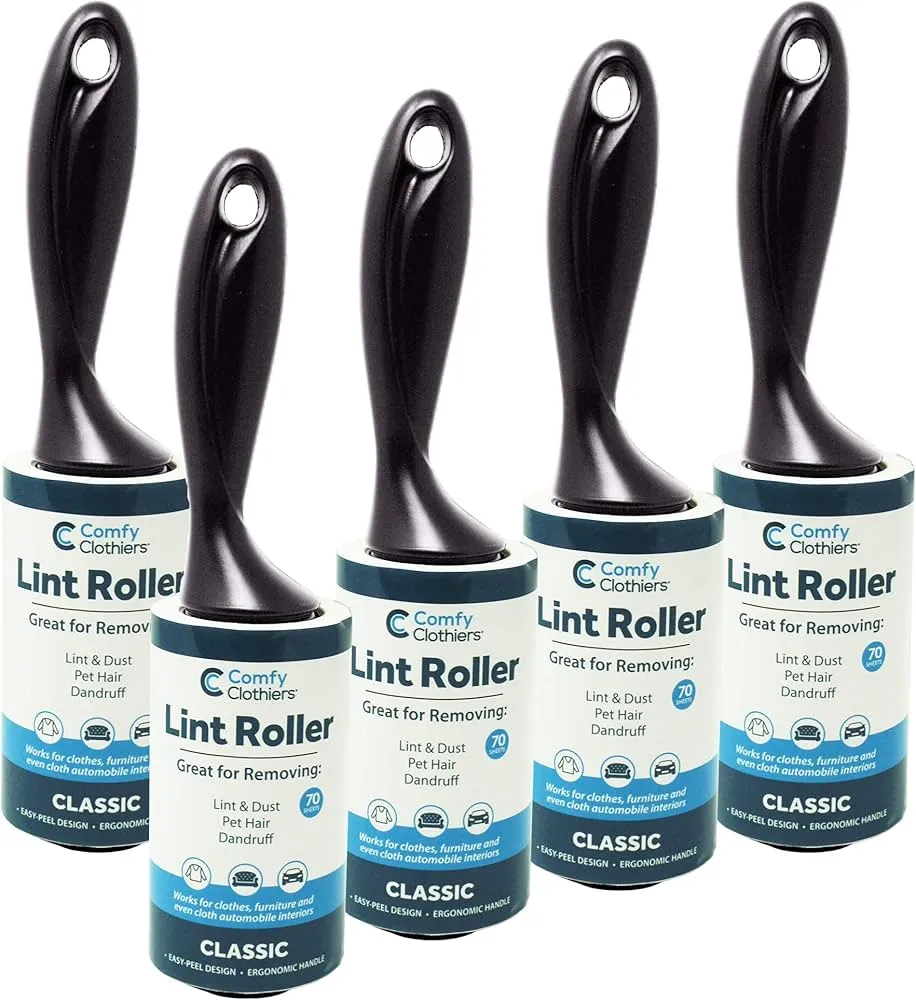
You can easily locate these affordable tools in most department or craft stores. Designed primarily to lift loose lint and pet hair, lint rollers and strong tape also work wonders on the loose, tangled fibers that create pilling. Simply roll the adhesive side over your garment surface to pick up visible fuzz, a technique that works exceptionally well on knitted materials and longer-fiber fabrics like silk or linen. Doing this before every wash helps prevent further tangling with loose threads during the laundry cycle.
Sweater Stones
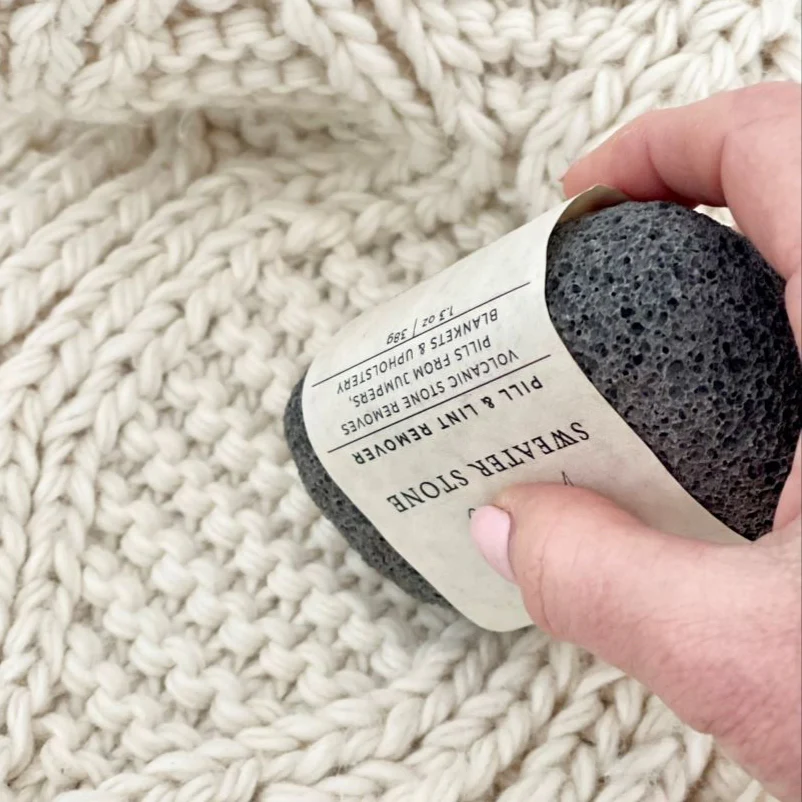
Pick up a sweater stone to effectively restore the texture of your favorite items. This cost-effective tool is particularly skilled at removing pills from natural fibers like wool and cotton as well as synthetics. By moving the stone gently across the fabric surface, you can watch it lift away unsightly pills immediately. Beyond just clothing, this versatile tool applies easily to blankets, upholstery, and even flannel items. With an eco-friendly design and simple manual operation, a sweater stone offers a practical solution for keeping your garments looking their best without requiring batteries or electricity.
Fabric Shavers
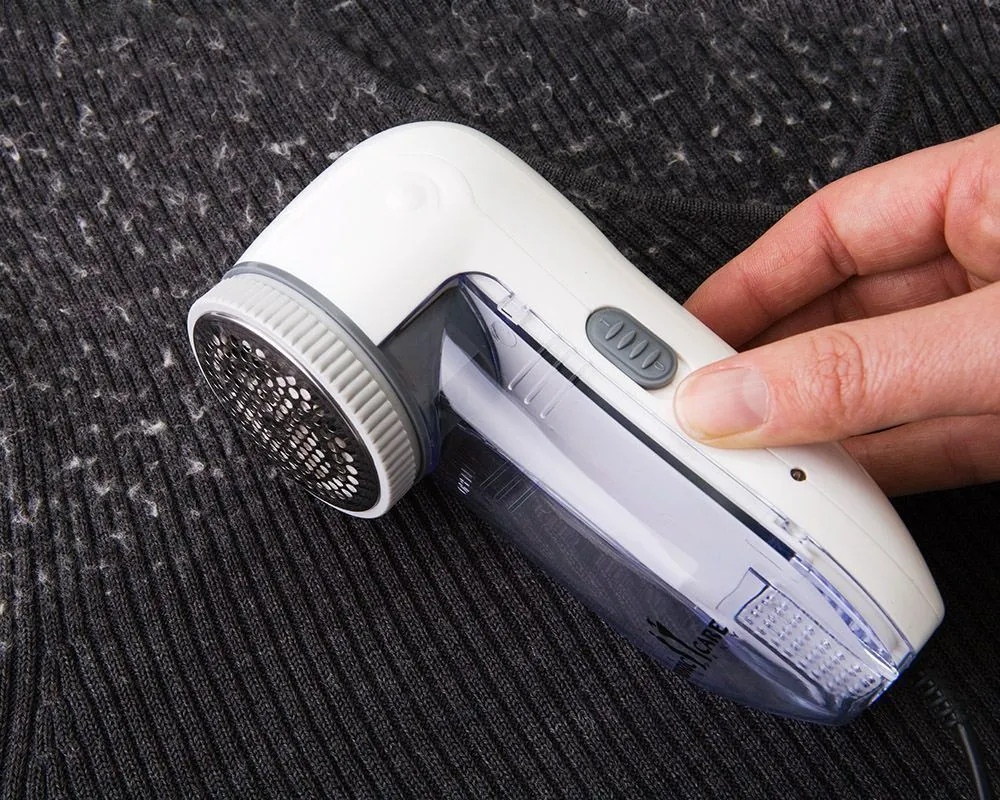
Electric fabric shavers serve as an excellent investment for keeping your clothes looking brand new. These handy gadgets work by precisely slicing off the tangled fibers that form pills, making them incredibly helpful when dealing with knit fabrics susceptible to fuzzing. Regular application of a fabric shaver not only restores the aesthetic appearance of your garments but also plays a preventive role in combating future pill formation. It is an easy-to-use device designed to maintain the freshness and longevity of various fabrics in your wardrobe, handling large surface areas much faster than manual tools.
Disposable Razors
Pull a standard disposable razor from your bathroom cabinet to combat fabric pilling on a budget. This method is surprisingly effective for removing those pesky pills, especially on synthetic fibers like polyester blends. Hold the razor lightly against the fabric and gently shave in one direction to cut off visible fuzz while leaving the garment intact.
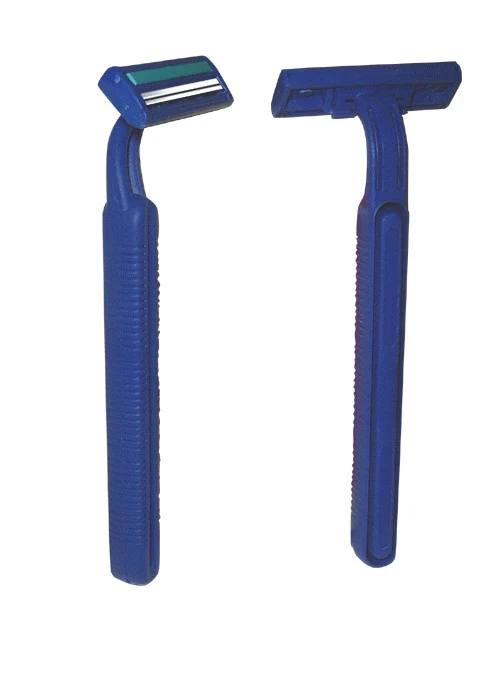
Exercise caution when using this technique, as the sharp blades can damage delicate fabrics if not handled with care. To avoid snagging threads or creating holes in your clothes, ensure that you glide the razor over flat surfaces only, stretching the fabric slightly tight. This cost-effective hack extends the life of your favorite garments without the need for specialized equipment.
Pill Razors
A specialized pill razor works by safely trimming the fuzz from your fabric surface. This tool significantly enhances the appearance of clothes suffering from bobbles without the risk associated with standard shaving razors. Using one is convenient; simply glide it gently over the affected area to collect tangled fibers.
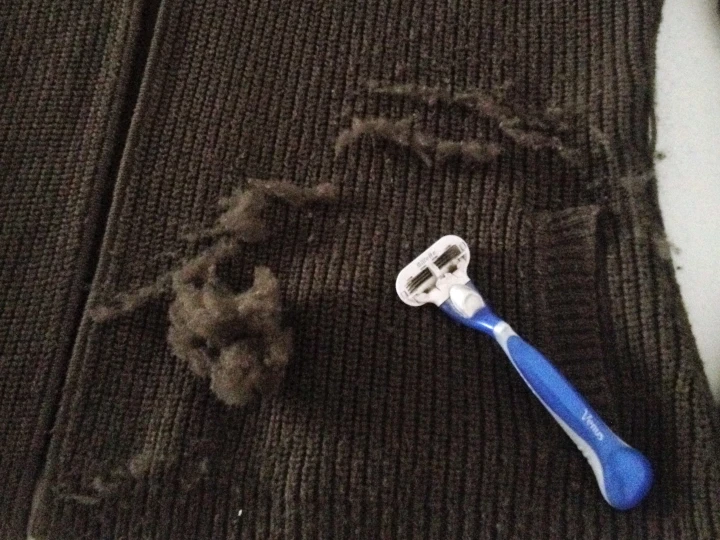
Unlike standard razors, these are designed specifically for textiles, ensuring you remove the pill without cutting the base thread. For maintaining quality and extending the lifespan of various materials in regular use, this efficient, purpose-built solution is highly recommended for your laundry kit.
Sweater Combs
Sweater combs serve as a practical, manual solution for pilling, specifically suited for delicate fabrics that require gentle handling. Start by laying the garment on a flat surface, then gently glide the comb over the affected area to remove pills without causing damage. The fine teeth pull off the fuzzballs, tidying up your favorite sweaters with ease.
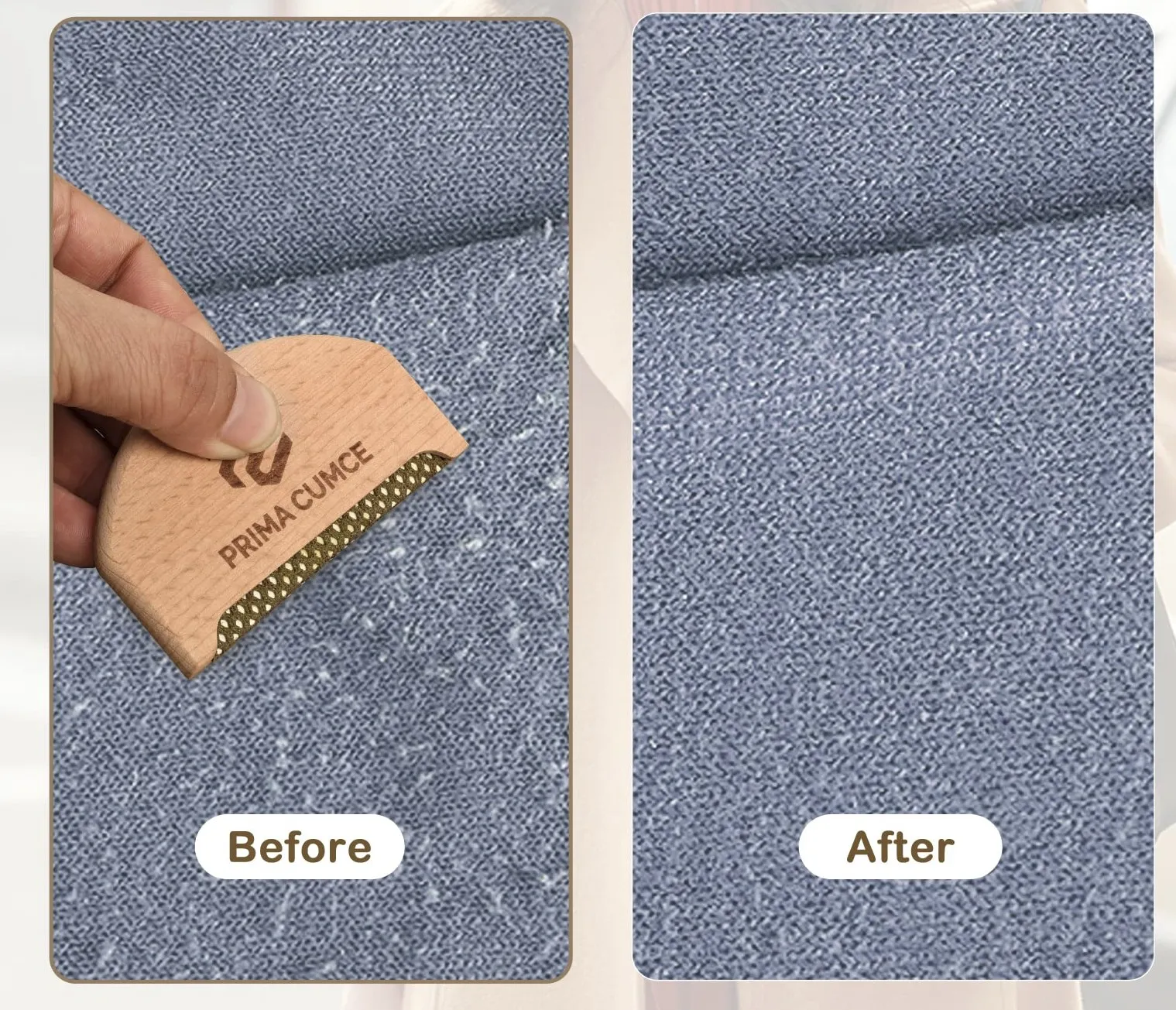
This method protects your important garments from wearing out prematurely, as it offers more control than electric shavers. By physically dragging the pills away rather than cutting them, it ensures your knits remain in prime condition for much longer, preventing the thinning that can occur with abrasive methods.
Nail Scissors
Using nail scissors to remove fabric pilling requires extreme caution and patience. Although they are a common household tool, their sharp points and small size can potentially damage your clothes if your hand slips. Because they are not specifically designed to address pilling, they are best used for removing a few isolated bobbles rather than treating a whole garment.
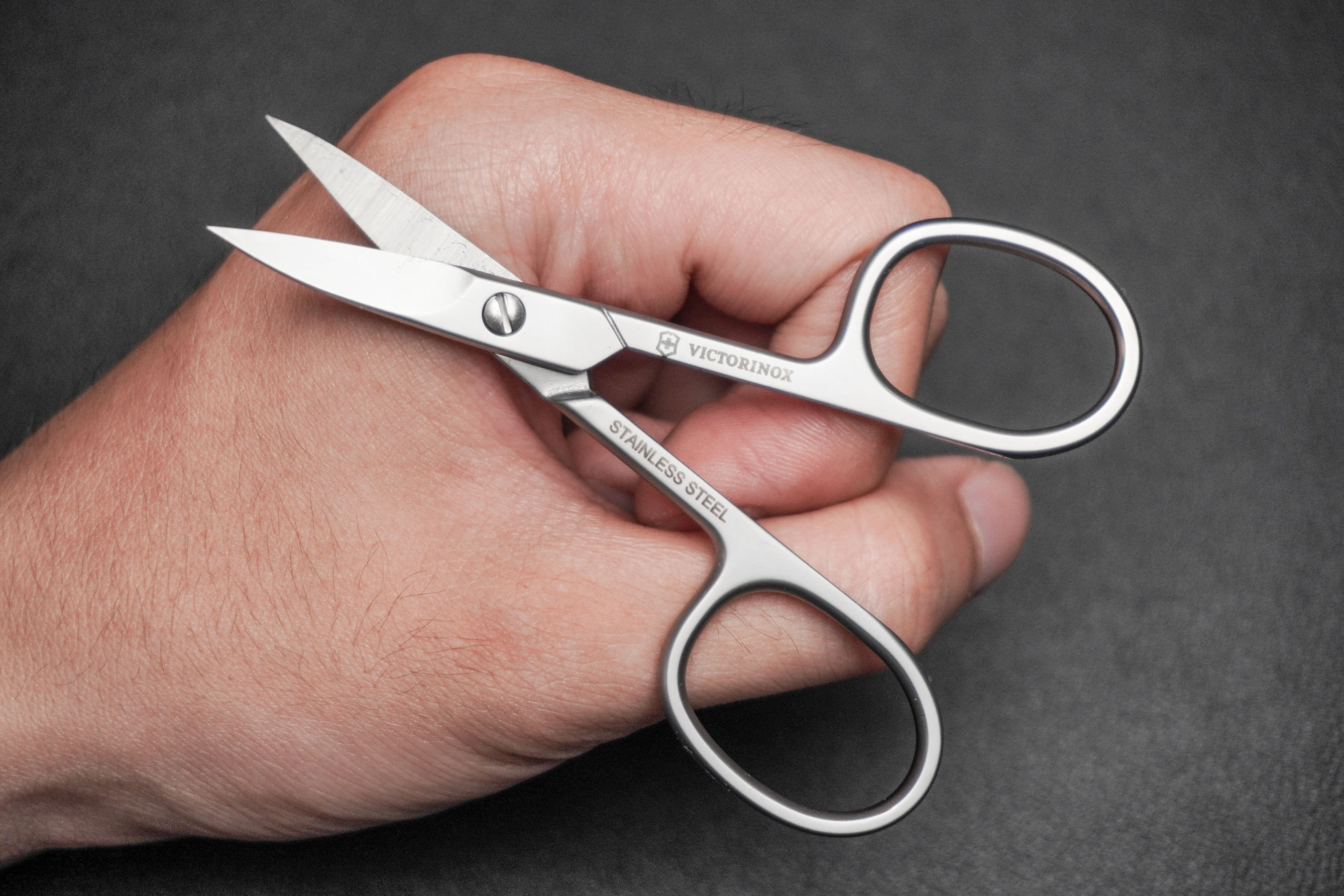
An accidental snip could cause irreparable harm by cutting or tearing the structural fabric. Therefore, this should be considered just an alternative method for emergencies when other tools are unavailable. Always lift the pill away from the fabric surface before snipping to minimize risk.
Velcro Hair Rollers
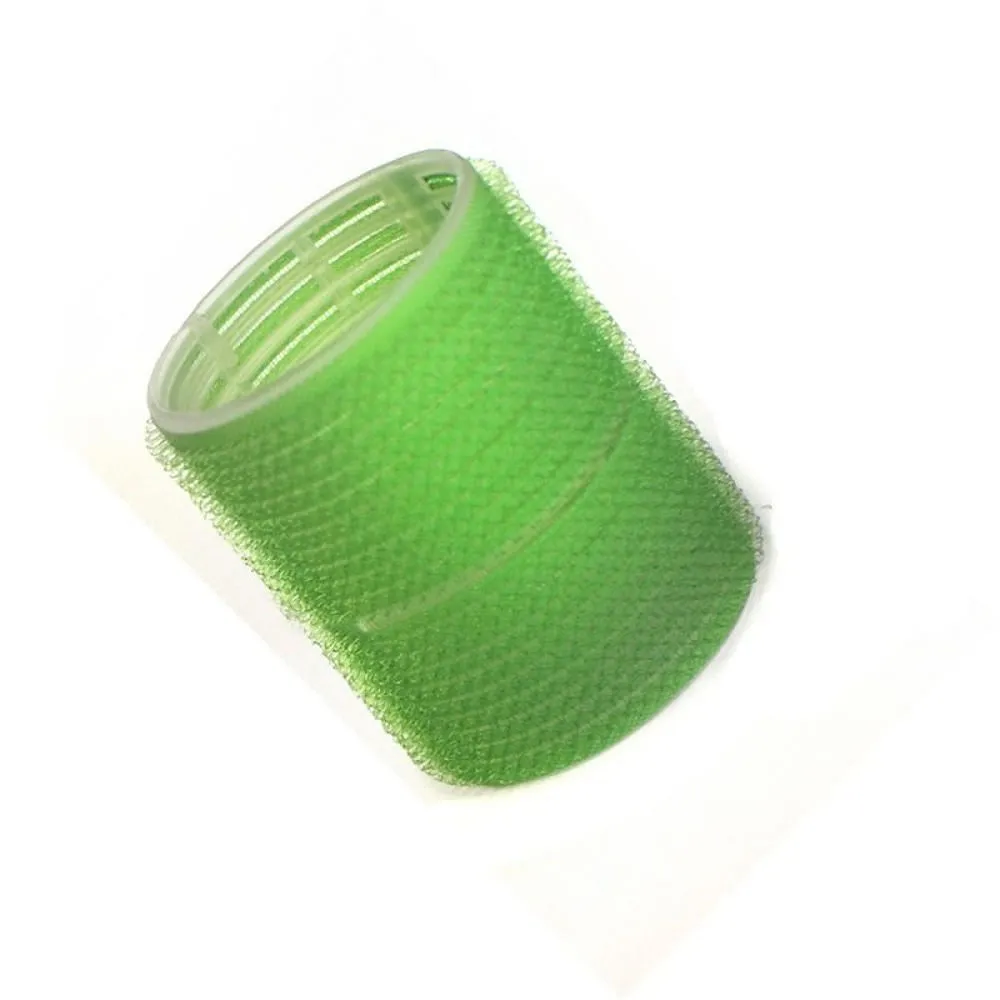
Harness the adhesive power of Velcro hair rollers to combat pilling on your sturdier fabrics. This household item doubles as an effective tool, allowing its hook-and-loop structure to seize hold of and extract pills with minimal effort. Simply run the roller over the affected fabric surface to lift the debris. The technique is incredibly simple: hold your piece flat, stretch out any wrinkles, and gently roll the Velcro across it. Make sure you are rolling in one direction only for the best result. As an added benefit, this method reduces potential damage caused by more aggressive sharp tools like razors or scissors.
Step-by-Step Guide to Removing Pilling
Restoring your garments requires a systematic approach to ensure you remove the fuzz without damaging the underlying weave. By matching the correct tool to your specific fabric type, you can safely extend the lifespan of your wardrobe.
| Fabric Type & Condition | Recommended Removal Tool |
| Delicate Knits, Silk, and Fine Cashmere | Sweater Comb or Lint Roller |
| Sturdy Synthetics (Polyester) and Blends | Disposable Razor or Pill Razor |
| Heavy Woolens, Fleece, and Upholstery | Sweater Stone or Fabric Shaver |
| Loose Surface Debris and Pet Hair | Velcro Hair Rollers or Tape |
Preparation of Garments
Before applying any abrasive tool, ensure your garment is completely clean and dry. Dirt can dull blades and make tools like sweater stones less effective. Lay the item on a flat, well-lit surface, such as an ironing board or a dining table. Good lighting helps you identify even the smallest pills, preventing you from missing spots or accidentally snagging the fabric. Smooth out all wrinkles to create even tension across the material, which is safer for shaving or combing techniques.
Choosing the Right Tool
Selecting the appropriate device depends entirely on the fiber content and weave of your clothing. For delicate knits or cashmere, a sweater comb or a gentle lint roller is your safest bet to avoid snagging. Sturdier synthetic blends, like polyester, often respond well to a disposable razor or a battery-operated fabric shaver. Always check the garment’s care label first. Using a harsh abrasive like a sweater stone on fine silk could cause irreversible damage, so match the tool’s intensity to the fabric’s durability.
Consider the density of the pilling when making your choice. For light surface fuzz or pet hair mixed with pills, adhesive options like lint rollers or Velcro hair rollers are excellent preliminary steps that require no cutting. However, for heavy, stubborn bobbles on wool coats or blankets, a sweater stone provides the necessary friction to lift fibers away. If you only have household items on hand, nail scissors can work for isolated pills, but they lack the efficiency of a dedicated pill razor for larger surface areas.
Techniques for Effective Removal
Technique is just as important as the tool itself. Whether using a razor, stone, or comb, always work in one direction, moving with the grain of the fabric rather than against it. Apply light, consistent pressure; pressing too hard can cut the actual fibers or thin the material. If you are using a powered fabric shaver, use a gentle circular motion to catch pills from different angles without digging into the knit. Keep the fabric taut with your free hand to prevent bunching.
Start by testing your chosen method on a hidden area, such as the inside seam or underarm, to ensure it doesn’t leave marks or pulls. When using a disposable razor, hold it at a slight angle to skim the surface rather than scraping it flat. For sweater stones, short and quick strokes are often more effective than long drags. If you notice the fabric thinning or becoming fuzzy in a new way, stop immediately and switch to a gentler method like a sweater comb to preserve the structural integrity of the weave.
Post-Removal Care
Once you have removed the pills, your garment will likely be covered in loose fuzz and trimmed fibers. Run a lint roller or a piece of adhesive tape over the entire area to pick up this debris. This final polish restores the smooth, crisp look of the fabric. To maintain this condition, turn clothes inside out before washing and use a gentle cycle. This reduces friction against other clothes, which is the primary cause of future pilling.
After de-pilling, proper storage is key to prolonging the results. Fold heavy sweaters rather than hanging them to prevent stretching and friction in the closet. Regular maintenance is better than waiting for severe pilling; give your favorite items a quick check-up after every few wears. By addressing small pills early with a fabric shaver or comb, you prevent them from becoming larger tangles that are harder to remove and more likely to damage the thread when pulled.
Summing up / Final Words
With these considerations, you are now equipped to restore the appearance of your favorite garments effectively. Whether you opt for a specialized fabric shaver or a simple household item like a lint roller, addressing pilling extends the lifespan of your wardrobe significantly. Select the method best suited for your specific fabric type to ensure safety and optimal results. By integrating these techniques into your laundry routine, you can keep your clothing looking fresh and professional for years to come.
FAQs About How to Remove Pilling from Fabric
What is the best electric tool for maintaining knit fabrics and preventing future pilling?
Utilizing a fabric shaver is a highly effective method for keeping knitwear looking brand new. This handy gadget works by slicing off the tangled fibers that form pills. Regular use of a fabric shaver not only restores the aesthetic appearance of your garments but also plays a preventive role in combating pill formation, ensuring the longevity of various fabrics in your wardrobe.
Can I use a common bathroom item to remove pills if I don’t have specialized equipment?
Yes, you can pull out a disposable razor to combat fabric pilling, which is especially effective on synthetic fibers like polyester. Hold the razor lightly over the fabric and gently shave in one direction to cut off visible pills while leaving the clothing intact. However, ensure you glide over flat surfaces only and handle the razor with care to avoid snagging or creating holes in delicate materials.
How does a sweater stone work, and which fabrics is it suitable for?
Taking up a sweater stone is a simple, cost-effective way to restore the look of your favorite clothes. You just move the stone gently over the fabric surface, and it lifts away unsightly pills. This tool is particularly adept at handling wool, cotton, polyester, and synthetic materials, and it is versatile enough to be used on blankets, upholstery, fleece, and flannel items.
Is there a specific tool recommended for delicate fabrics that require gentle handling?
Sweater combs serve as a practical solution for delicate fabrics or clothes that need extra care. To use one, start by laying the garment flat and then gently glide the comb over the affected area. The fine teeth of the comb pull off the fuzzballs and tidy up sweaters with ease, protecting your important garments from wearing out prematurely.
How can I use adhesive products to help with pilling problems?
You can use a lint roller or tape, which are designed to lift loose lint and debris, to address pilling on longer-fiber fabrics like silk and linen. Simply roll the adhesive side over the garment surface to remove visible pills. It is beneficial to perform this step before each wash to avoid further tangling with loose threads during laundering.
Are there any unconventional household items that can remove pills without using blades?
Harnessing the adhesive power of Velcro hair rollers is a great household hack. The hook-and-loop structure of the roller seizes hold of and extracts pills with minimal effort. To use this method, hold your piece flat, stretch out any wrinkles, and gently roll the Velcro across it in one direction. This technique reduces potential damage caused by more aggressive tools like razors.
Is it safe to use nail scissors to remove individual pills?
Using nail scissors is an alternative method, but it requires extreme caution. Because they are not specifically designed to address pilling, their sharp edges can potentially damage your clothes if not used carefully. An accidental snip could cause irreparable harm by cutting or tearing the fabric, so this method often leads to less than satisfactory results compared to dedicated tools.