

Are Synthetic Fabrics Better Than Natural Fabrics?

People often ask if there is a single “winner” in the debate between synthetic and natural fabrics. However, fabrics are technical tools, and a tool is only better when it matches the specific job. A high-performance rain jacket and a breathable summer shirt require vastly different material properties. Furthermore, labels like “synthetic” and “natural” hide immense variety—high-tech polyester performs nothing like budget versions, just as premium long-staple cotton differs from basic carded cotton. The real answer lies in understanding the trade-offs of each.
Comparison Table: Synthetic vs. Natural Fabrics
| Factor | Synthetic (Polyester/Nylon) | Natural (Cotton/Linen/Wool) | The Technical Winner |
|---|---|---|---|
| Durability | High abrasion & tear resistance | Varies; can wear in friction zones | Synthetic |
| Wrinkle Control | Excellent shape retention | Wrinkles easily (esp. Linen/Cotton) | Synthetic |
| Drying Speed | Rapid evaporation | Dries slower (absorbs moisture) | Synthetic |
| Breathability | Can trap heat (depends on knit) | Superior natural airflow | Natural |
| Skin Sensitivity | Can feel “plastic” if low grade | Hypoallergenic & soft hand-feel | Natural |
| Stretch Recovery | Excellent (with Spandex) | Limited; prone to “bagging out” | Synthetic |
1. Performance and Longevity
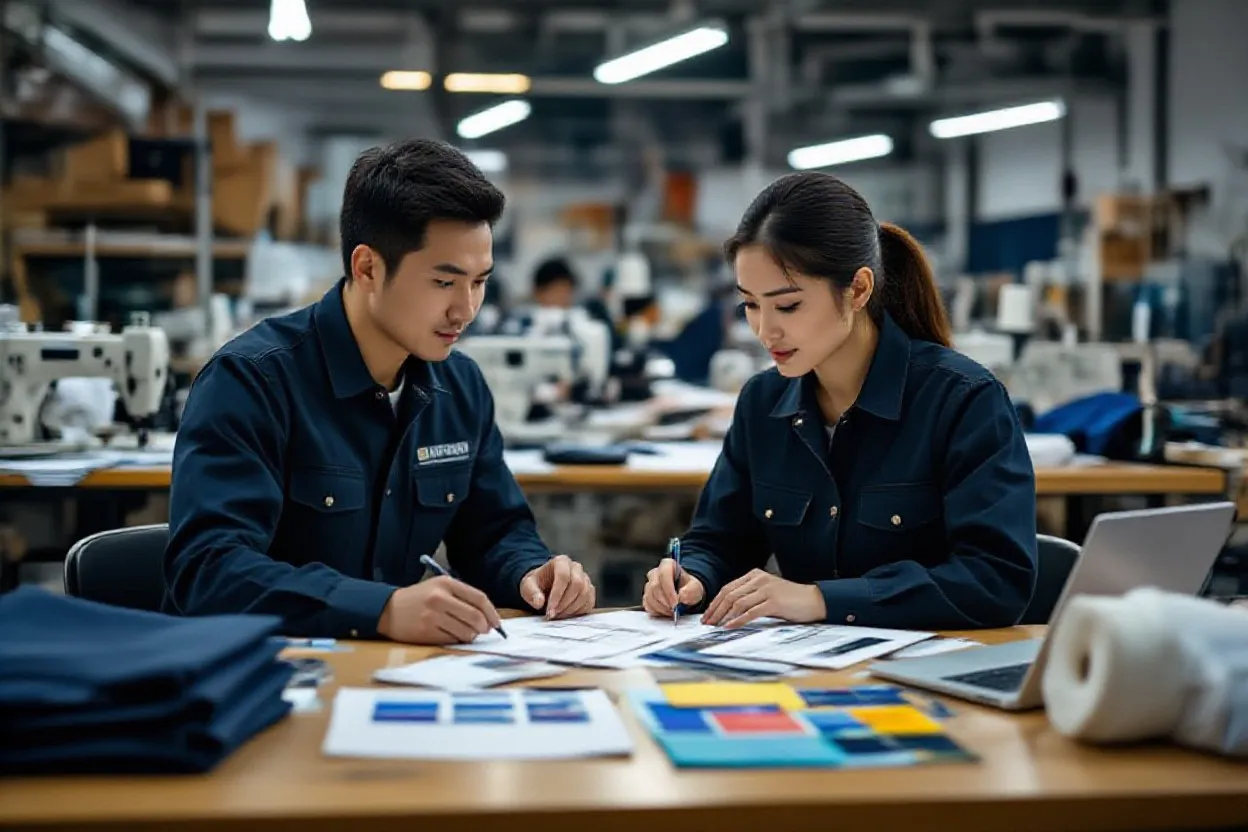
Durability is a primary driver for choosing synthetics. Fibers like nylon and polyester handle the mechanical stress of rubbing, stretching, and industrial washing better than most natural counterparts. This is why they are the standard for activewear and uniforms. However, natural fibers provide a psychological and physical “softness” that synthetics struggle to replicate without heavy chemical processing. At Mekong Garment, we evaluate the Cost-per-Wear: a synthetic garment might last longer, but a natural one may be worn more often due to comfort.
2. Comfort in Climate
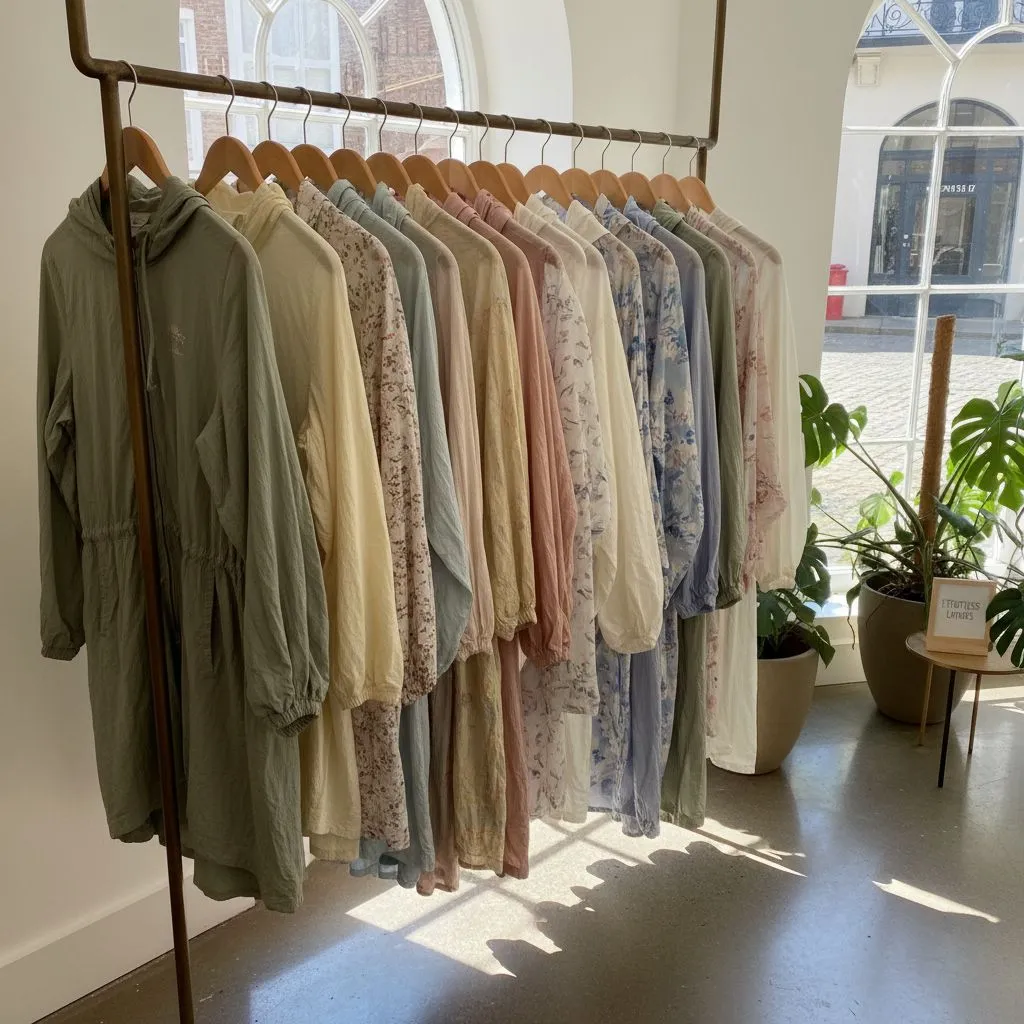
Natural fabrics like cotton and linen remain the undisputed kings of hot-weather comfort. They release heat quickly and do not cling to the skin when humid. In contrast, basic synthetics can act as a vapor barrier, trapping moisture and creating a sticky feeling. To solve this, manufacturers use wicking finishes or specialized knit structures, but for pure, organic airflow, natural fibers are still the gold standard for tropical climates.

3. The Environmental Reality
The sustainability debate is complex. Natural fibers are biodegradable but often require immense water and pesticide usage (especially conventional cotton). Synthetics are fossil-fuel based and contribute to microfiber shedding, yet their durability can lead to a longer product lifecycle. The most sustainable choice is often high-quality construction that keeps the garment out of the landfill, regardless of its fiber origin.
The Real Winner: Performance Blends
In modern manufacturing, we rarely choose one over the other. Blends are the true industry winners. By mixing cotton for comfort with polyester for shape and spandex for stretch, we create garments that look sharper for longer. A cotton-poly blend shirt maintains its professional appearance through a long workday better than 100% cotton ever could. Blending is where quality meets practicality.
Conclusion
Are synthetic fabrics better than natural ones? Only if your priority is durability, speed-drying, and wrinkle resistance. If your priority is skin health, breathability, and natural aesthetics, natural fibers win. At Mekong Garment, we help our partners navigate these choices by focusing on End-Use Application. Don’t choose based on a moral label; choose based on how your customer lives, moves, and cares for their clothing.
FAQs: Synthetic vs. Natural Apparel Sourcing
Are synthetic fabrics better than natural fabrics?
There is no one-size-fits-all winner. Synthetics often excel at strength, wrinkle resistance, fast drying, and engineered performance, while natural fibers usually offer superior breathability, a softer hand, and better hot-weather comfort. The best choice depends on the garment’s purpose, fabric construction, and quality rather than the label alone.
How do synthetic and natural fabrics compare for durability and strength?
Many synthetics (polyester, nylon) resist tearing, abrasion, and repeated washing better than low-grade natural fibers, which is why they’re common in sportswear, workwear, and backpacks. High-quality natural fibers and well-made fabrics can still be very durable; strength often trades off with other properties such as heat retention or hand feel.
Which fabrics are better for hot or humid weather?
Natural fibers like cotton and linen generally breathe and release heat more effectively, reducing that sticky feeling in humidity-linen is especially effective at cooling and not clinging. Basic synthetics can trap heat and moisture, but many modern performance synthetics are engineered to be breathable, so fabric construction matters as much as fiber type.
What should I expect for wrinkle resistance and shape retention?
Synthetics typically bounce back and hold shape after sitting, packing, or washing, which is why they’re favored in travel and office wear. Linen and some cotton weaves wrinkle easily as an intrinsic property of the fiber and weave; blends are often used to combine natural appearance with better shape retention.
How do wash care, drying speed, and odor compare between the two?
Synthetic fabrics usually wash easily, dry quickly, and resist shrinking, suiting busy routines and travel. Some synthetics can trap or hold odor more than natural fibers. Natural fabrics can require gentler care-cotton may shrink, linen can distort if mishandled, and wool often needs special treatment-but they often feel fresher against skin.
Are synthetics the best choice for sports, rain gear, and stretch garments?

For performance features-stretch, water resistance, lightness, and engineered moisture management-synthetics are typically superior: spandex provides stretch, while nylon and polyester can be made water‑resistant or quick‑drying. Natural fibers can work for low-intensity activities but usually absorb moisture and dry slower, so they’re less suited to high‑performance needs.
Which is more sustainable: synthetic or natural fabrics?
Sustainability depends on the full lifecycle. Natural fibers are not automatically greener-conventional cotton can use large amounts of water and chemicals-while synthetics come from fossil fuels and shed microfibers during washing. Durability and how long you wear an item matter a lot: a long‑lasting garment of either type can have a lower footprint than a short‑lived alternative. Buying fewer, higher‑quality pieces and choosing based on production and lifecycle data is the best approach.