



Are Digital Tech Packs Shaping the Future of Apparel Manufacturing?

The fashion industry no longer moves at a slow, predictable pace. Trends change quickly, customers expect faster delivery, and brands must react in real time. In the past, product development depended heavily on paper sketches, shipping samples back and forth, and long email chains. That system created delays, confusion, and expensive mistakes. Today, digital tech packs are changing how brands and factories work together, bringing clarity and speed into a process that used to feel chaotic.

From a manufacturing point of view, this shift is impossible to ignore. Brands that adopt digital tech packs launch products faster, face fewer errors, and build stronger relationships with their suppliers. This is not just a modern upgrade it is becoming the standard way fashion is produced globally.

What Is a Digital Tech Pack in Garment Production?

Many production problems begin with missing or unclear instructions. When a factory receives incomplete information, even skilled workers can produce the wrong result. A digital tech pack exists to remove that uncertainty. It gives everyone involved the same, complete understanding of how a garment should be made. Instead of relying on memory or interpretation, the factory follows documented instructions.

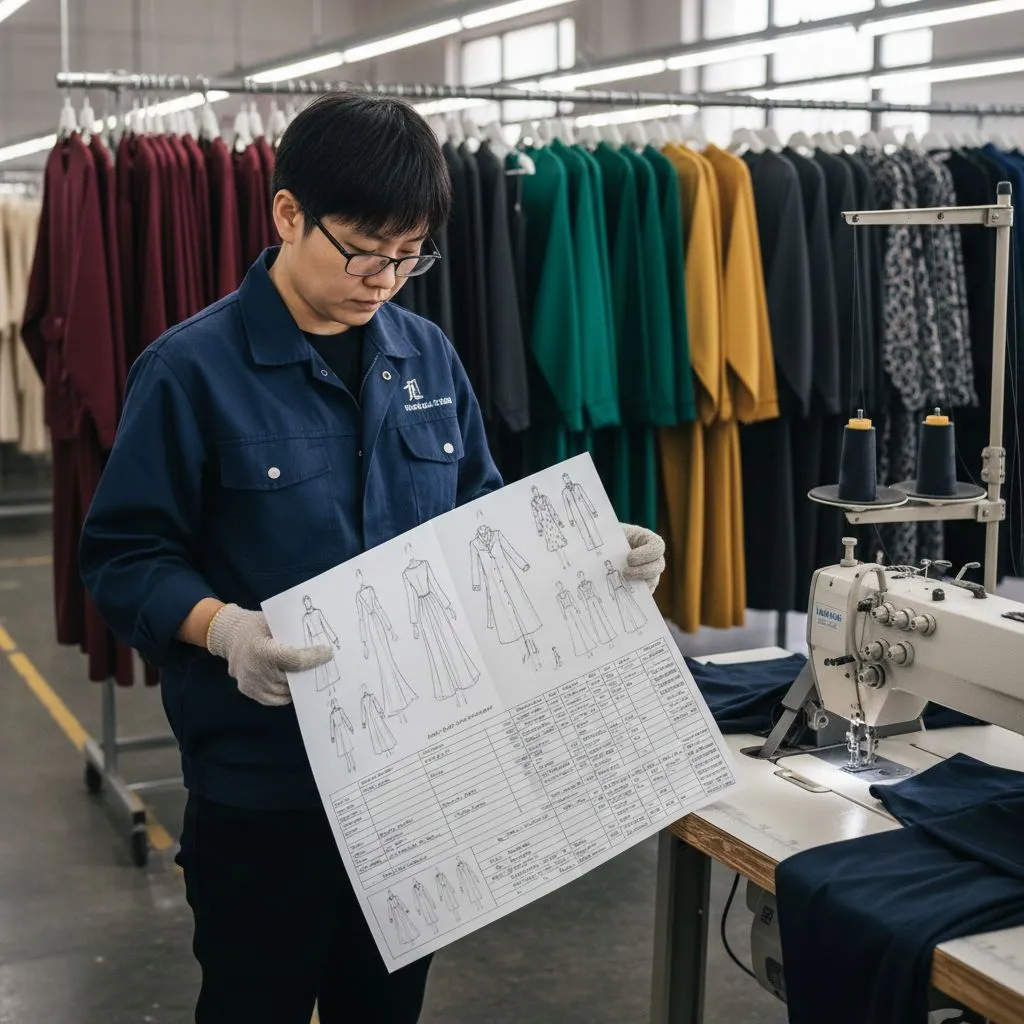
A digital tech pack is a detailed digital document that explains every technical aspect of a garment. It includes design visuals, measurements, materials, and construction rules in one organized place. Because it is digital, it can be shared, updated, and accessed instantly. This makes it the foundation of modern apparel development. A digital tech pack typically includes:

  • Technical drawings (front, back, side views)
  • Measurement charts with tolerances
  • Bill of Materials (BOM)
  • Fabric and trim specifications
  • Construction and stitching instructions
  • Labeling and packaging notes

How Is a Digital Tech Pack Different from Traditional Methods?

Traditional garment development relied heavily on physical documents and manual communication. Designers mailed sketches and fabric swatches, while factories waited days or weeks for updates. Each revision increased the risk of using outdated information. Small misunderstandings often grew into serious production errors.

Digital tech packs replace this outdated system with a live, shared document. Everyone works from the same file at the same time. When a brand updates a detail, the factory sees it immediately. This real-time connection eliminates confusion and keeps the entire team aligned throughout development. Key differences include:

  • Paper files vs. cloud-based documents
  • Delayed updates vs. real-time changes
  • Multiple versions vs. single source of truth
  • Manual tracking vs. clear revision history
  • Verbal explanations vs. visual documentation

What Should a Complete Tech Pack Include?

A weak tech pack creates guesswork, while a strong one creates consistency. Every missing detail increases the chance of errors during sampling or bulk production. That is why a reliable tech pack must be thorough and easy to understand. It should guide the factory step by step, without assumptions. A complete tech pack includes technical drawings, a detailed bill of materials, size measurement charts, and construction instructions. It clearly defines fabrics, trims, stitches, and finishing methods. When all these elements are present, the factory can reproduce the garment accurately and repeatedly.

Essential components of a reliable tech pack:

  • Flat CAD drawings with annotations
  • Complete BOM (fabric, trims, threads, accessories)
  • Size grading tables (XS–XL or custom range)
  • Stitch type and seam allowance details
  • Construction steps by operation
  • Color codes and artwork placement
  • Care label and compliance notes

How Do Digital Tech Packs Improve Quality Control?

Quality is often the biggest concern when working with overseas manufacturers. Without clear standards, quality checks become subjective and inconsistent. Different inspectors may judge the same garment differently. Digital tech packs solve this by defining what “acceptable quality” actually means. Digital tech packs improve quality control by turning expectations into measurable data. Inspectors can compare materials, measurements, and construction directly against the tech pack. This allows quality checks to happen consistently at every stage, from fabric arrival to final inspection.

Quality control improvements include:

  • Clear measurement standards for inspection
  • Defined fabric performance requirements
  • Consistent stitching and seam rules
  • Repeatable inspection criteria
  • Reduced disagreement between brand and factory

Can Digital Tech Packs Reduce Supplier Mistakes?

Most supplier mistakes do not come from poor workmanship. They come from unclear instructions or assumptions. When details are missing, factories fill in the gaps based on experience, which may not match the brand’s vision. Digital tech packs remove this risk by documenting every requirement clearly. With a digital tech pack, suppliers no longer guess fabric types, stitch density, or logo placement. Everything is written and visualized. This dramatically reduces sample revisions and prevents costly production errors before they happen.

Common errors tech packs help prevent:

  • Wrong fabric or fabric weight
  • Incorrect stitch type or density
  • Misplaced logos or prints
  • Wrong trims or substitutions
  • Size measurement inconsistencies

How Do Tech Packs Support Fabric and Trim Inspection?

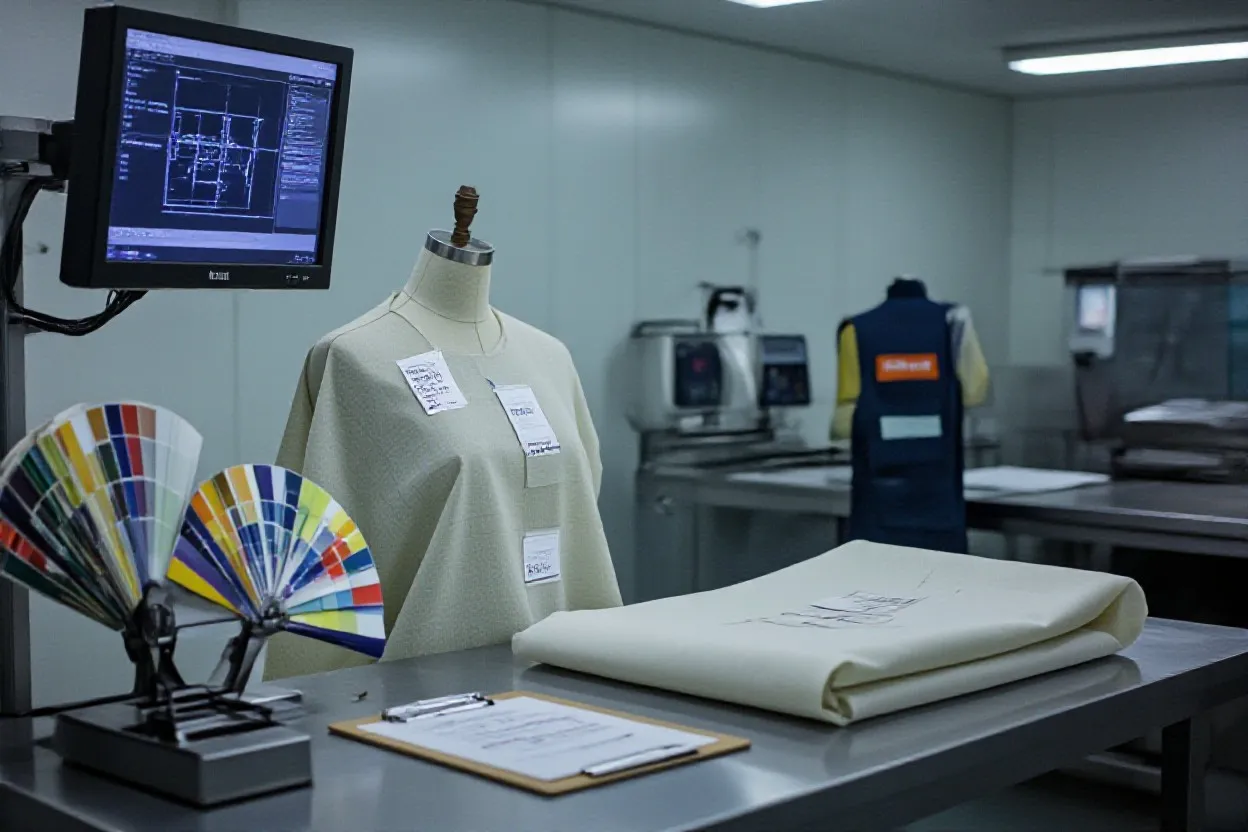
Problems often begin before sewing starts. If the wrong fabric or trim enters production, the entire batch may be compromised. That is why early-stage inspection is critical. Digital tech packs guide this process by setting precise material standards.

The tech pack specifies fabric composition, weight, finish, and performance requirements. When materials arrive, QC teams test them against these specifications. Trims such as zippers, buttons, and labels are also verified. This ensures only approved materials move forward into production. Tech packs support inspection by specifying:

  • Fabric composition (fiber content)
  • Fabric weight (GSM)
  • Fabric finish and treatment
  • Approved color standards
  • Exact trim brand and model
  • Testing requirements (colorfastness, shrinkage)

Do Digital Tech Packs Shorten Production Lead Time?

In fashion, time lost is money lost. Each delay pushes back delivery and risks missing the selling season. Many delays come from repeated clarification requests and sample revisions. Digital tech packs help eliminate these bottlenecks early. By clearly defining requirements from the start, digital tech packs reduce unnecessary communication loops. Sampling becomes faster, approvals happen sooner, and production can begin with confidence. This directly shortens overall lead time.

Lead-time reductions come from:

  • Faster sample approval
  • Fewer revision rounds
  • Reduced email back-and-forth
  • Parallel workflow across departments
  • Earlier production readiness

How Do Tech Packs Improve the Sampling Process?

Sampling is one of the most time-consuming stages in apparel development. Without clear documentation, first samples are often inaccurate. This leads to multiple revisions and wasted weeks. Digital tech packs change this dynamic. When factories receive a detailed tech pack, the first sample is much closer to the final product. Patterns, materials, and construction methods are already defined. As a result, approval rates increase and development timelines shrink.

Sampling benefits include:

  • Higher first-sample approval rate
  • Clear pattern construction guidance
  • Accurate material usage
  • Fewer re-cuts and re-sews
  • Shorter development cycles

Conclusion / Final Words

Digital tech packs are no longer optional tools in apparel manufacturing. They are essential systems that bring order, speed, and reliability to a complex process. By replacing guesswork with clarity, they protect quality and reduce costly delays. For brands working with overseas factories, digital tech packs transform production into a controlled and predictable operation. Adopting them is one of the most effective ways to strengthen your supply chain and prepare your brand for long-term growth.

Contact Information – Mekong Garment Factory:

  • Vietnam Phone: +84 947 729 829
  • WeChat: +84 947 729 829
  • WhatsApp: +84 947 729 829
  • Email: hanh@kimmy.vn

Related posts