What Are the Top 5 Hangers for Garment Shipping?

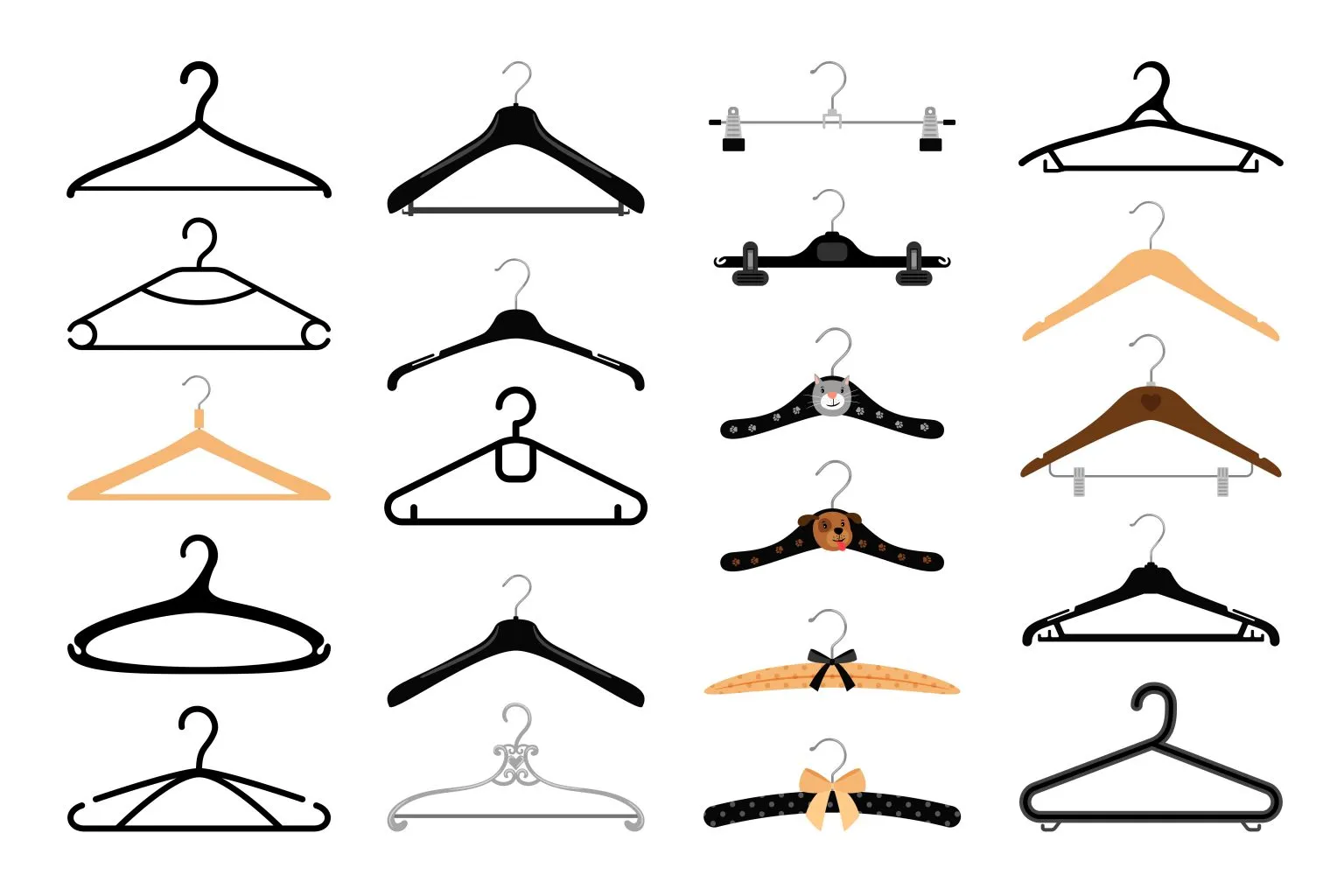
In international garment shipping, a hanger is far more than a minor accessory; it is a critical tool that preserves garment shape, prevents wrinkles, and dictates shipping space efficiency. The wrong selection can lead to permanent shoulder marks or excessive creasing, while the right one ensures a premium first impression at retail. Professional logistics balance four key factors: durability, garment protection, space efficiency, and cost control. Here are the top five hanger types used in global apparel logistics and why each one works.
=> Related Article: Tech Pack to Finished Garments: Complete Timeline Guide
1. Plastic Hangers (The Global Standard)
Plastic hangers are the most widely used option for high-volume exports. They are lightweight, moisture-resistant (essential for long sea freight), and highly affordable. Their uniform shape allows for stable stacking and efficient carton packing, making them the default choice for mass-market fashion.
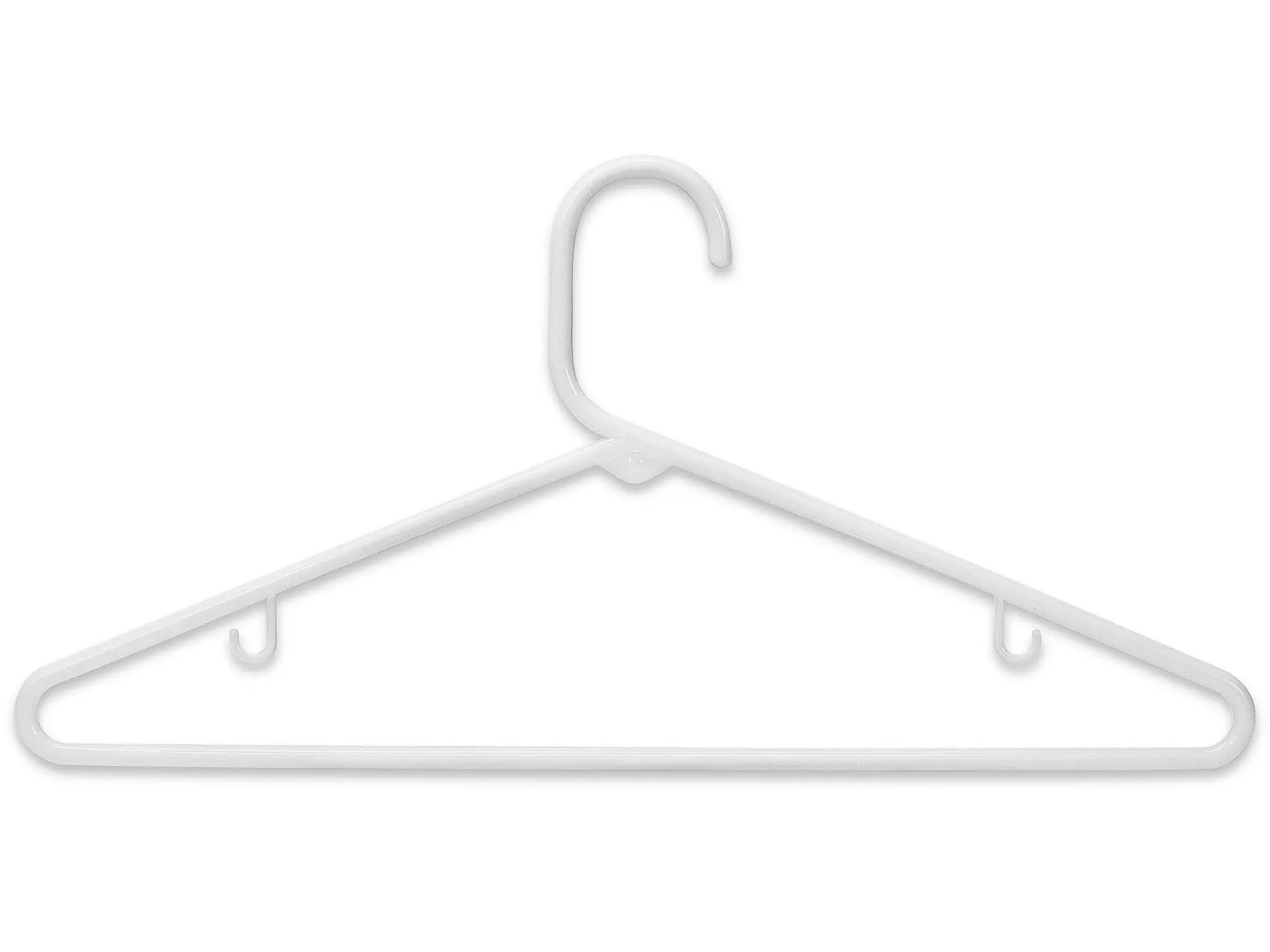
- Best Use Cases: T-shirts, Polo shirts, casual knitwear, and fast-fashion bulk orders.
- Advantages: Lowest unit cost, resistant to humidity, and easy to source globally.
- Limitations: Standard plastic is not biodegradable; lower perceived value for luxury brands.
2. Metal/Wire Hangers (Space Maximizers)
Metal wire hangers are the ultimate space-savers. Their ultra-slim profile allows for maximum carton density, significantly reducing the shipping cost per unit. This makes them ideal for price-sensitive programs where every centimeter of container space impacts the bottom line.
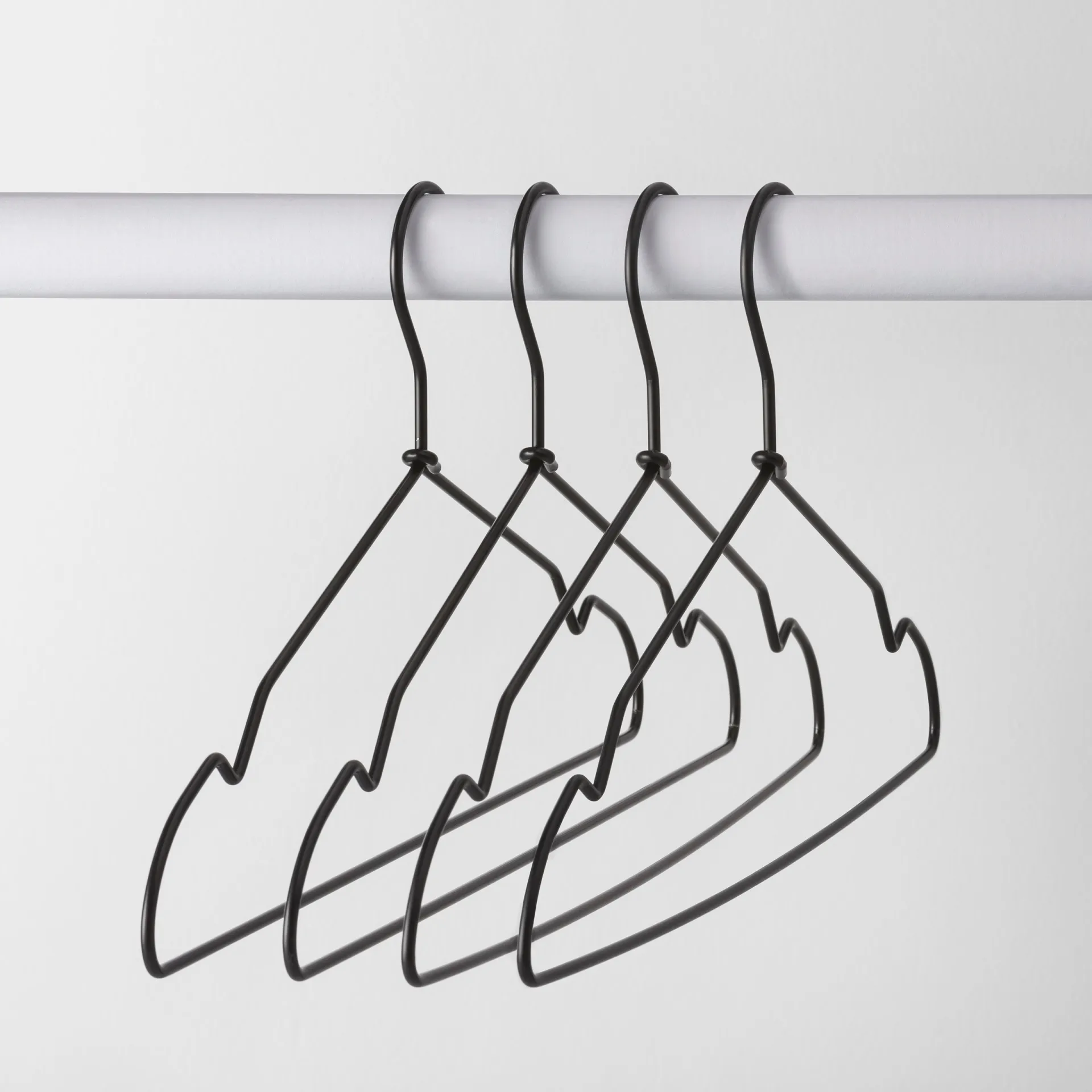
- Best Use Cases: Lightweight woven tops, dry-clean-only garments, and high-density bulk shipments.
- Advantages: Minimal space usage and extremely low cost.
- Limitations: Can bend under heavy weight; provides minimal support for garment structure.
3. Wooden Hangers (Premium Structure)
For premium and luxury apparel, wooden hangers are non-negotiable. They provide superior support, preventing sagging or deformation of structured garments like blazers and tailored jackets during transit. Their wide-shoulder design ensures products arrive retail-ready with a high-end presentation.


- Best Use Cases: Suits, blazers, coats, and luxury fashion collections.
- Advantages: Excellent shape support, high perceived quality, and extreme durability.
- Limitations: Heavier weight increases freight costs; higher unit price.
4. Padded Hangers (Delicate Protection)
Padded hangers are engineered for fragile fabrics that are easily creased or damaged. The soft cushioning distributes weight evenly and eliminates pressure points, maintaining the natural drape of the garment throughout the journey.
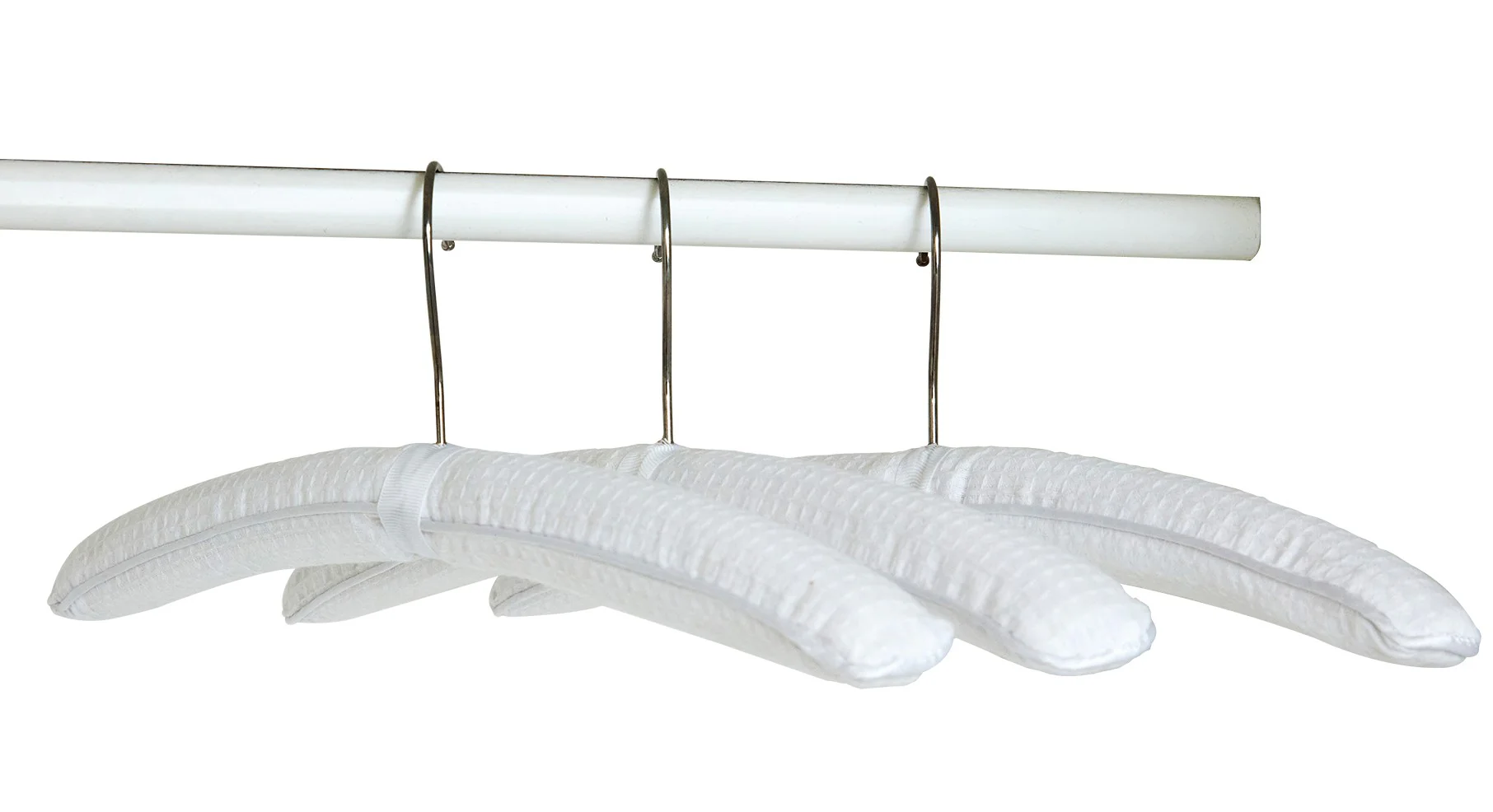
- Best Use Cases: Silk dresses, lingerie, evening wear, and delicate fashion pieces.
- Advantages: Prevents hanger marks and stretching; maintains delicate garment integrity.
- Limitations: Bulky dimensions significantly reduce carton packing density.
5. Clip Hangers (Vertical Precision for Bottoms)
Clip hangers are designed specifically for trousers, skirts, and shorts. By hanging garments vertically, they eliminate fold creases and save critical preparation time at the retail destination. The adjustable clips provide flexibility for various waist widths across a size run.
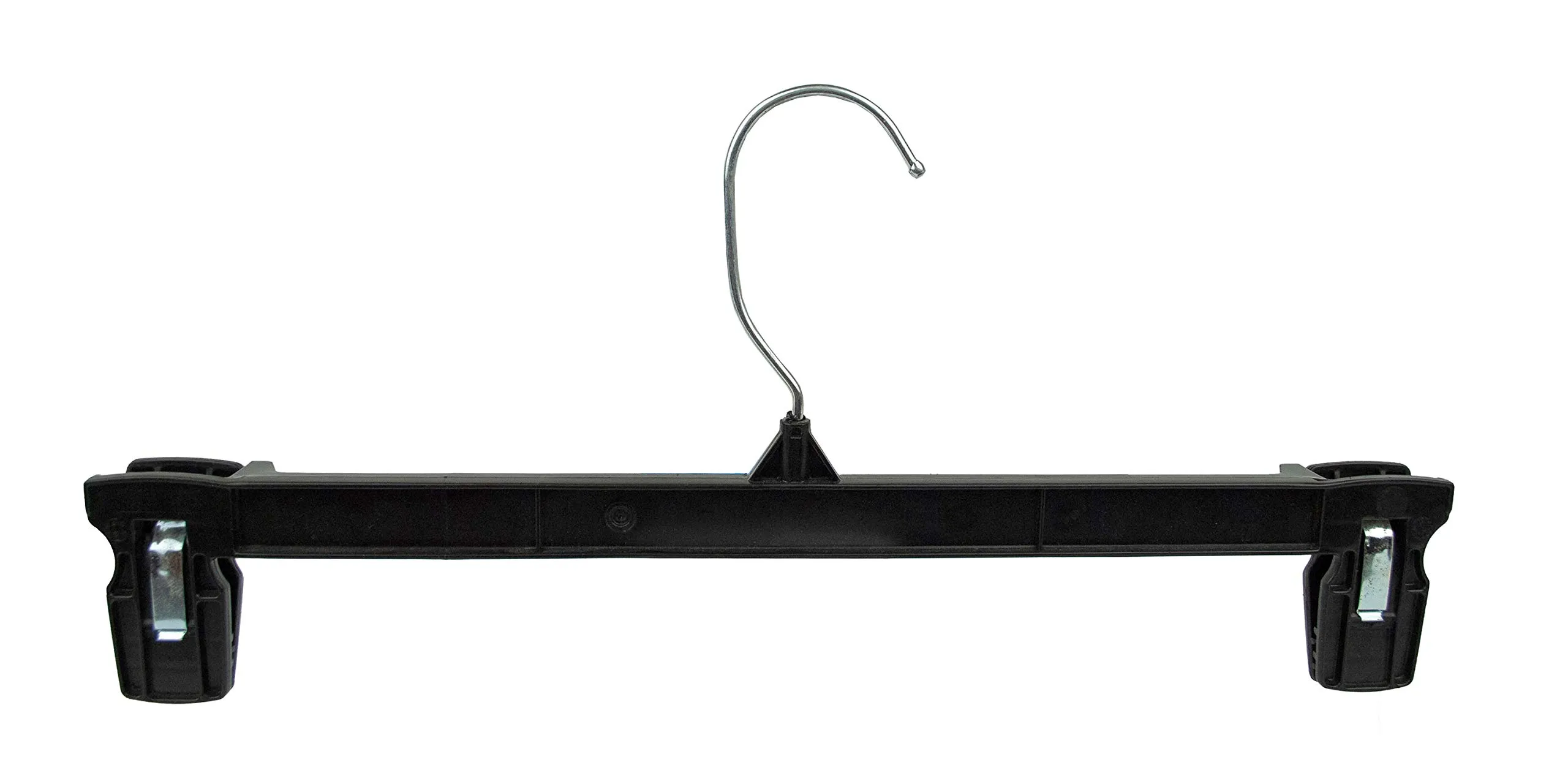
- Best Use Cases: Trousers, skirts, and shorts.
- Advantages: Prevents fold creases and improves retail readiness.
- Limitations: Clips must be well-padded to avoid leaving impressions on sensitive fabrics.
Conclusion
Selecting the correct hanger is a tactical decision that directly impacts garment condition and shipping costs. While plastic and metal hangers support cost-efficient bulk shipping, wooden and padded options are essential for protecting luxury investments. At Mekong Garment, we consult with our partners to choose the best logistics solutions—ensuring your collection arrives retail-ready and exactly as designed.
Contact Information – Mekong Garment Factory
- VN Phone/WhatsApp/WeChat: +84 947 729 829
- Email: hanh@kimmy.vn