How to Find a Garment Manufacturers in Vietnam

0

Vietnam has grown into one of the world’s most reliable destinations for textile and garment production. With competitive pricing, skilled workers, modern factories, and strong connections to global markets, the country offers clear advantages for brands and businesses looking to manufacture fabric, clothing, or finished apparel. This guide explains how to find the right Vietnamese textile manufacturer – from research to long-term partnership.

Why Choose Vietnam for Textile Manufacturing?

Before we get into the “how-to,” it helps to understand why Vietnam is a top choice:

  • Export powerhouse: Vietnam exported around $44 billion worth of textiles and garments.
  • Global market access: The U.S., Japan, the EU, and South Korea are major buyers of Vietnamese textiles.
  • Skilled workforce: Factories in cities like Ho Chi Minh, Hanoi, and Hai Phong have years of experience producing varied apparel categories.

Vietnam’s textile ecosystem includes fabric mills, dye houses, knitters, knitwear makers, and full-service garment factories making it a versatile place to source from.

10 Steps About How to Find a Textile Manufacturer in Vietnam

Step 1: Define What You Need

Before searching for a textile manufacturer in Vietnam, you must clearly understand your own needs. Many sourcing problems happen simply because buyers are not specific enough at the start. Knowing exactly what you want helps factories give accurate quotes and realistic timelines. It also saves time for both sides and avoids costly misunderstandings later. A clear plan is the foundation of a successful manufacturing partnership. => Before you begin looking for partners, be clear on your own requirements:

  • Product type: Knitwear, woven garments, activewear, uniforms, or technical textiles?
  • Material preferences: Cotton, jersey, denim, performance fabrics?
  • Order volume: Your estimated annual or per-style quantity.
  • Quality level: Basic, mid-range, or premium standards.
  • Budget & timeline.

The better you define your needs, the easier it is to shortlist factories that fit your exact project.

Step 2: Use Online Directories & Platforms

Online sourcing platforms are often the first place buyers look when searching for textile manufacturers in Vietnam. These platforms allow you to quickly compare suppliers, view product photos, and check basic company information. They are useful for building an initial shortlist and understanding market price ranges. However, online listings should be treated as a starting point, not final proof of quality. Smart buyers always verify information beyond what they see online. => One of the quickest ways to find manufacturers is through online supplier directories and sourcing platforms:

  • Vietnam manufacturer indexes: Broad listings of textile and garment makers. 
  • Alibaba, Global Sources: Large databases with company profiles, product photos, and minimum order details. 
  • Industry-specific guides: Lists of Vietnam clothing and textile manufacturers help you explore options. 

These platforms let you filter by product type, capacity, location, and certifications.

Step 3: Tap Government & Industry Associations

Industry associations play an important role in Vietnam’s textile and garment sector. They often connect buyers with verified manufacturers that meet industry standards. Working with associations can reduce the risk of dealing with unreliable or inexperienced suppliers. These organizations also provide market insights, export data, and policy updates. For new buyers, this step adds credibility and confidence to the sourcing process. => Vietnam has strong trade bodies that can help you connect with vetted manufacturers:

  • Vietnam Textile and Apparel Association (VITAS): Offers factory listings and industry info.
  • Vietnam Trade Promotion Agency (VIETRADE): Shares exporter details across sectors, including textiles.

Trade associations often host events, publish exporter directories, and provide export data that can guide your search.

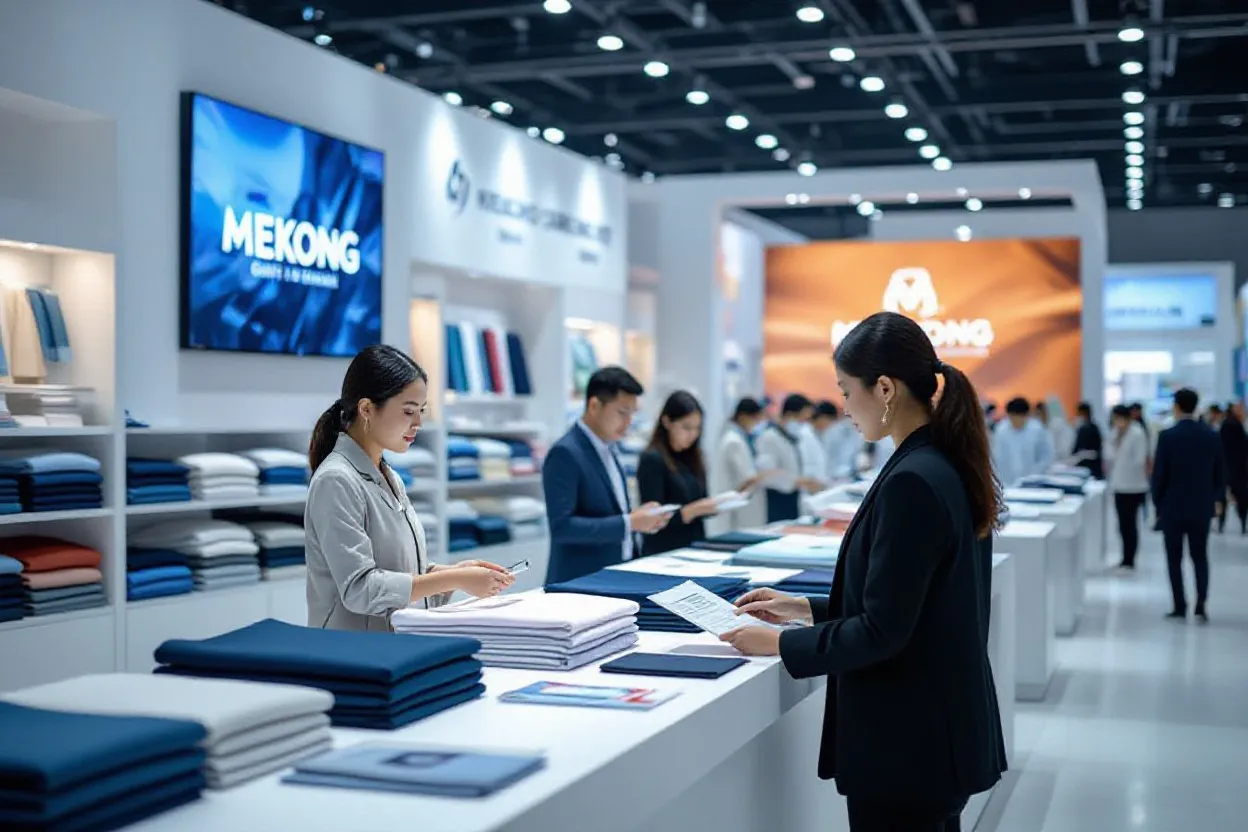
Step 4: Attend Trade Shows & Exhibitions

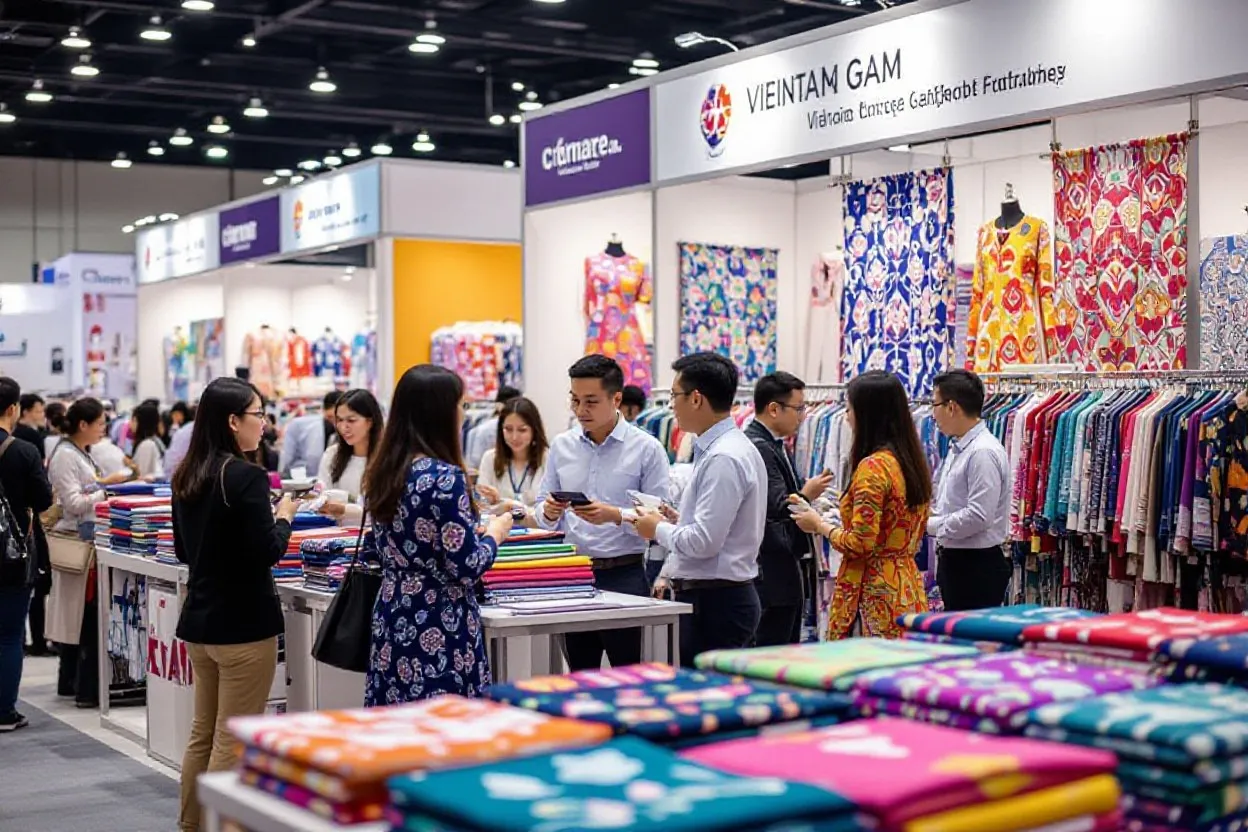
Trade shows are one of the most effective ways to find textile manufacturers in Vietnam. They allow you to meet suppliers face-to-face and see real fabric samples and finished products. This direct interaction helps you judge quality, professionalism, and communication skills quickly. Trade fairs also make it easy to compare many factories in a short time. For serious buyers, exhibitions are a valuable investment. =>Vietnam hosts major textile and garment trade shows where you can:

  • See fabric and sample quality up close
  • Talk directly with production managers
  • Compare multiple manufacturers in one place

Look for events like SaigonTex, Hanoi Fabric Expo, or the Vietnam Textile & Garment Industry Exhibition.

Step 5: Work with a Local Sourcing Partner

A local sourcing partner can simplify the entire manufacturer-search process. These experts understand local factories, production strengths, and common risks. They help bridge language, cultural, and business gaps between buyers and manufacturers. For overseas brands, sourcing partners save time and prevent costly mistakes. This option is especially useful for first-time buyers in Vietnam.  => If research feels overwhelming, a local sourcing agent or consultant can help. These specialists:

  • Have extensive factory databases
  • Pre-qualify manufacturers based on your needs
  • Arrange factory visits and sample coordination
  • Manage communication across language and cultural gaps

Agents save time and reduce risk, especially for international brands new to Vietnam.

Step 6: Shortlist and Vet Factories

Not all textile manufacturers are suitable for every brand or product. After gathering options, it is critical to narrow your list and evaluate factories carefully. This step focuses on quality systems, production capacity, certifications, and past experience. Proper vetting helps avoid delays, defects, and compliance issues. Choosing the right factory is more important than choosing the cheapest one. => Once you have a list of potential partners, evaluate them carefully:

  • Check certifications: ISO, WRAP, ethical compliance, environmental standards.
  • Review capacity: Can they scale with your growth?
  • Ask for samples: Quality and consistency matter.
  • Verify references: Past clients and export history.
  • Check communication: English fluency and responsiveness is key abroad.

A thorough vetting process ensures you don’t just find any supplier, but the right one.

Step 7: Request Quotes & Sample Orders

Requesting quotes and samples is where sourcing becomes practical and measurable. Quotes show how well a factory understands your product and cost expectations. Samples allow you to assess fabric quality, workmanship, and consistency. This step often reveals differences between suppliers that are not visible on paper. Strong samples usually indicate strong production capability. => Contact the shortlisted factories with your tech pack or product specs and ask for:

Comparing quotes helps you balance cost and quality across multiple options.

Step 8: Factory Visits and Audits

Seeing a factory in person provides insights that photos and emails cannot. A factory visit helps you evaluate working conditions, machinery, and quality control processes. When travel is not possible, third-party audits offer a reliable alternative. Audits confirm whether a factory meets social, ethical, and technical standards. This step reduces risk before placing large orders. => If possible, visiting factories in person is one of the most reliable ways to confirm:

  • Production capabilities
  • Quality control systems
  • Compliance and working conditions

When distance or budget is a limitation, you can also arrange third-party audits for verification.

Step 9: Negotiate and Seal the Contract

Negotiation is more than just price discussion. It includes delivery schedules, payment terms, quality standards, and responsibility for defects. Clear agreements protect both the buyer and the manufacturer. Well-defined terms help prevent disputes during production. A transparent contract builds trust and sets expectations from the start. => Once you’ve picked a factory that matches your standards:

  • Agree on pricing, MOQs, timelines, payment terms
  • Clarify quality checkpoints and defect policies
  • Confirm shipping and logistics expectations

Clear contracts protect both sides and set expectations before production begins.

Step 10: Manage Production and Build the Partnership

Finding a textile manufacturer is only the beginning of the relationship. Ongoing communication and production management are key to long-term success. Regular updates and inspections help maintain quality and timelines. Strong partnerships often lead to better pricing, priority production, and smoother future orders. In Vietnam, long-term relationships are highly valued and rewarded. => Good supplier relationships go beyond the first order. Stay engaged by:

  • Tracking production progress
  • Conducting regular quality inspections
  • Being responsive and collaborative

A strong long-term partnership can reduce lead times, improve cost efficiency, and open doors to better pricing and priority production.

Final Tips for Success

  • Start early, sourcing takes time.
  • Don’t compromise on sample quality.
  • Ask about ethical and sustainable practices.
  • Be transparent and clear in all communication.

Vietnam’s textile and garment industry offers tremendous manufacturing power for brands of all sizes. With a structured approach and careful evaluation, you can find the right partner to bring your ideas to life.

FAQs About How to Find a Garment Manufacturers in Vietnam

In Short, What is the best way to start looking for a garment manufacturer in Vietnam?
Start by defining exactly what you need — product type, fabrics, order size, quality expectations, and timeline. Then use online directories and sourcing platforms to build a shortlist of potential partners.

Should I attend trade shows to find manufacturers?

Yes. Visiting trade shows like SaigonTex or the Vietnam Textile & Garment Industry Exhibition lets you meet suppliers face to face, compare quality of samples, and ask detailed questions directly

Do I need a local sourcing agent?

A local agent can help you navigate language barriers, verify factories, coordinate visits, and schedule sample production — which can save time and reduce mistakes

How do I check if a factory is reliable?

Ask for references from past clients, check online reviews, look for certifications (like ISO or WRAP), and if possible, request a factory tour or third-party audit before placing a big order.
Related posts