DDP in the Garment Industry: A Simple Guide for Buyers and Sellers

In the garment industry, shipping terms can sometimes feel confusing. Among them, DDP – Delivered Duty Paid – is one of the most important. This term defines who takes care of each stage during the shipment of finished garments, fabrics, or trims. Many buyers prefer DDP because it offers a simple, stress-free experience, while sellers take on the full range of responsibilities to ensure delivery.
What Is DDP (Delivered Duty Paid)?
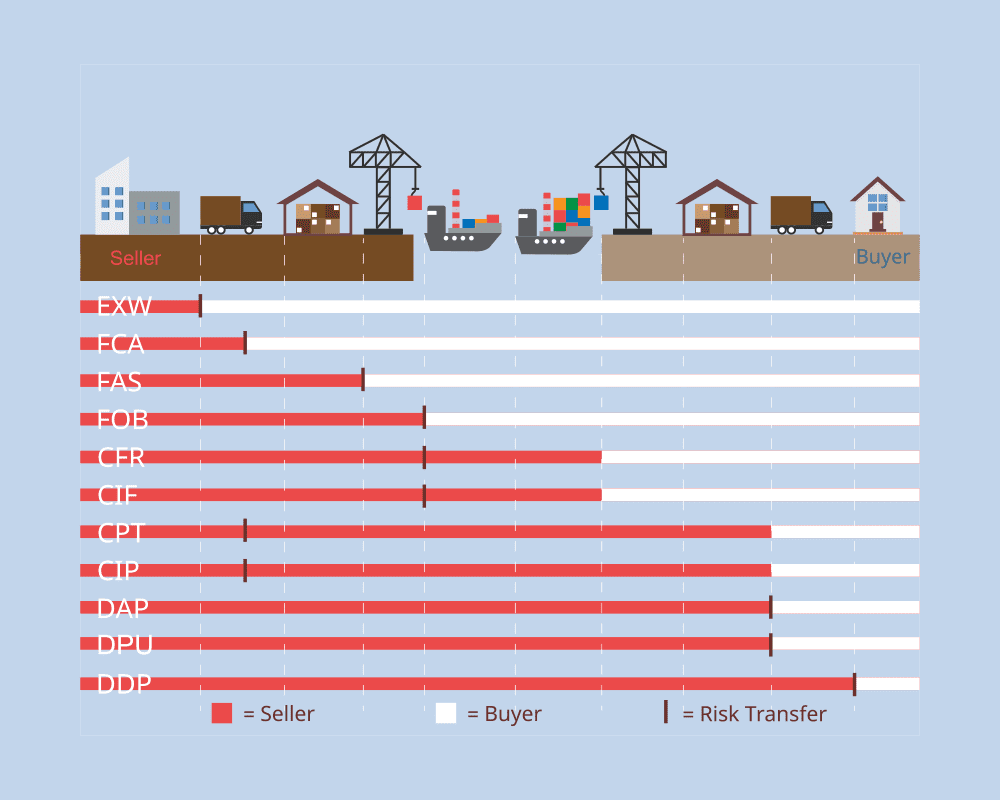
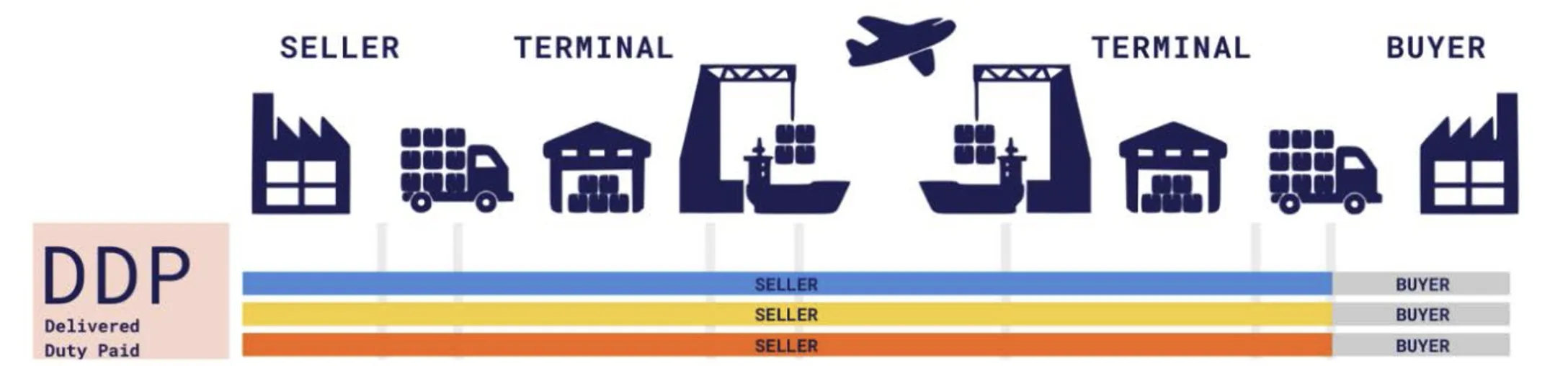
DDP stands for Delivered Duty Paid, an Incoterm where the seller takes full responsibility for bringing the goods all the way to the buyer’s final address. The seller handles everything from export procedures in the origin country to import steps and taxes in the destination country. In simple words: the seller does all the work, and the buyer just waits for the goods to arrive.
=> Related Article: OEM/FOB in the Garment Industry: What It Really Means
How DDP Works: Step-by-Step
Under DDP, the seller manages every single step of the logistics chain:
- Production: Manufacturing the garments (T-shirts, uniforms, jeans, etc.).
- Packaging & Prep: Packing goods safely and preparing all shipping documents.
- Export Clearance: Handling all paperwork and declarations in the origin country.
- International Shipping: Booking and paying for air or sea freight.
- Customs Clearance: Managing import documentation at the destination port.
- Duties & Taxes: The seller pays all import duties, VAT/GST, and related fees.
- Final Delivery: Transporting the goods directly to the buyer’s warehouse or office door.

Responsibilities Under DDP
The Seller’s Role (Maximum Workload)
- Handle all export/import procedures.
- Pay for freight and insurance.
- Cover all taxes and duties in the buyer’s country.
- Absorb risks and extra costs until final delivery is signed.

The Buyer’s Role (Minimum Workload)
- Pay for the goods as per the contract.
- Receive the shipment at the designated door.
- Result: No customs hassle, no unexpected fees, and zero paperwork.
DDP vs. FOB vs. CIF: Comparison Table
This table provides a side-by-side view of the three most common terms used in garment manufacturing.
| Factor | DDP | FOB | CIF |
|---|---|---|---|
| Handling Work | Seller handles door-to-door | Buyer handles after loading | Shared; Buyer handles import |
| Import Duties | Seller Pays | Buyer Pays | Buyer Pays |
| Risk Transfer | At Buyer’s door | At Origin port | At Origin port |
| Best For | E-commerce & Startups | Experienced Retailers | Mid-sized Brands |
Conclusion
DDP is one of the most convenient shipping terms for garment buyers, offering full peace of mind from the factory gate to the doorstep. While it requires the seller to have strong logistics knowledge and accurate cost calculations, it significantly lowers the barrier for international brands to source from Vietnam. At Mekong Garment, we provide DDP services to ensure your production journey is smooth, predictable, and successful.
FAQs About DDP in the Garment Industry
In Short, What does DDP mean in simple terms?
DDP stands for Delivered Duty Paid. It means the seller takes full responsibility for the shipment from start to finish. The seller packs the garments, arranges transportation, clears customs, pays all import taxes and duties, and delivers the goods directly to the buyer’s address. The buyer does not need to deal with shipping, customs, or paperwork. They simply wait for the goods to arrive and receive them.
In Short, Why do many buyers prefer DDP?
Many buyers choose DDP because it removes stress and uncertainty. They do not need to understand customs rules, import taxes, or shipping documents in their country. There are no surprise fees at delivery, because everything is already included in the price. For brands, retailers, or first-time importers, DDP makes buying garments much easier and more predictable.
What costs does the seller pay under DDP?
The seller pays for export fees, freight, insurance (if used), customs clearance, import duties, VAT/GST, and final delivery. Every cost from start to finish is the seller’s responsibility.
Does DDP include customs clearance at the destination?

Yes. This is a key point of DDP. The seller must handle customs clearance in the buyer’s country, including submitting documents and paying all required import duties and taxes. The buyer does not need to contact customs or hire a customs broker. This is why DDP is often described as a “door-to-door, worry-free” shipping term.