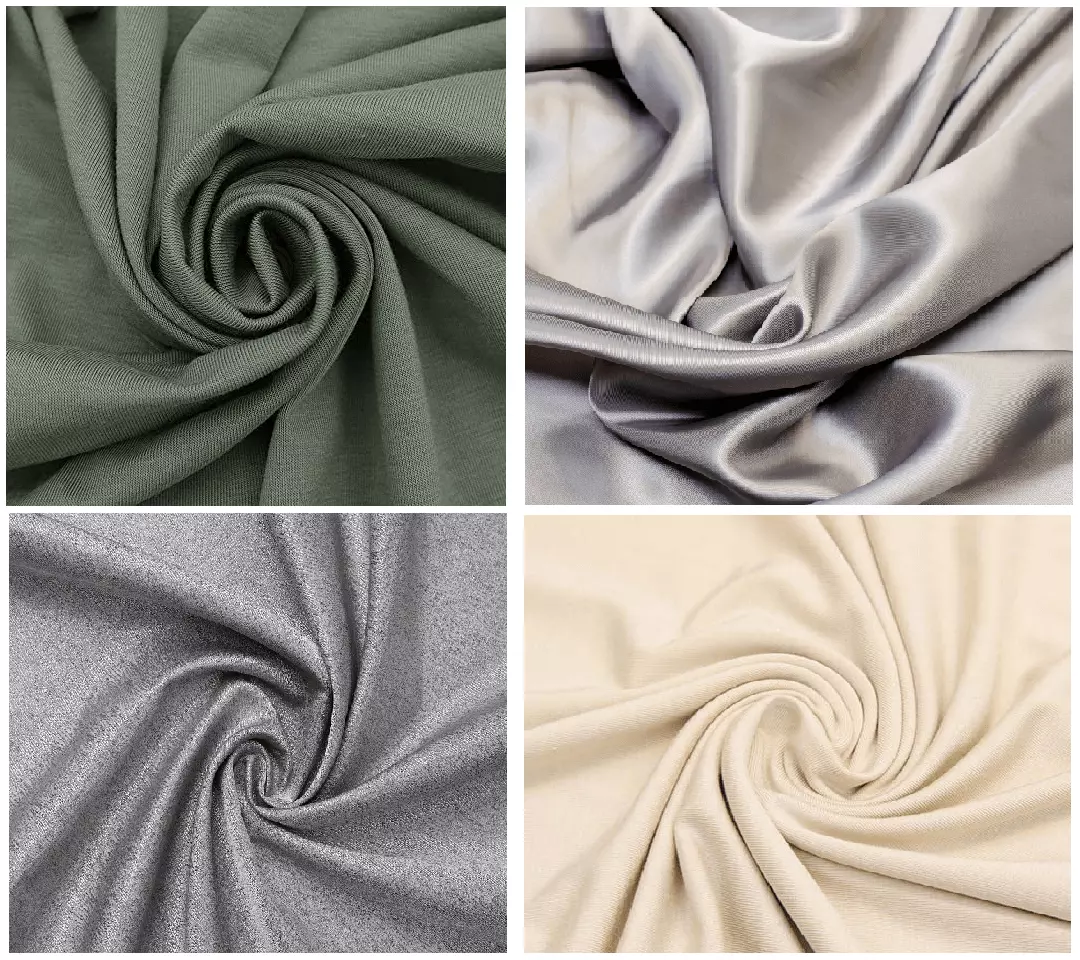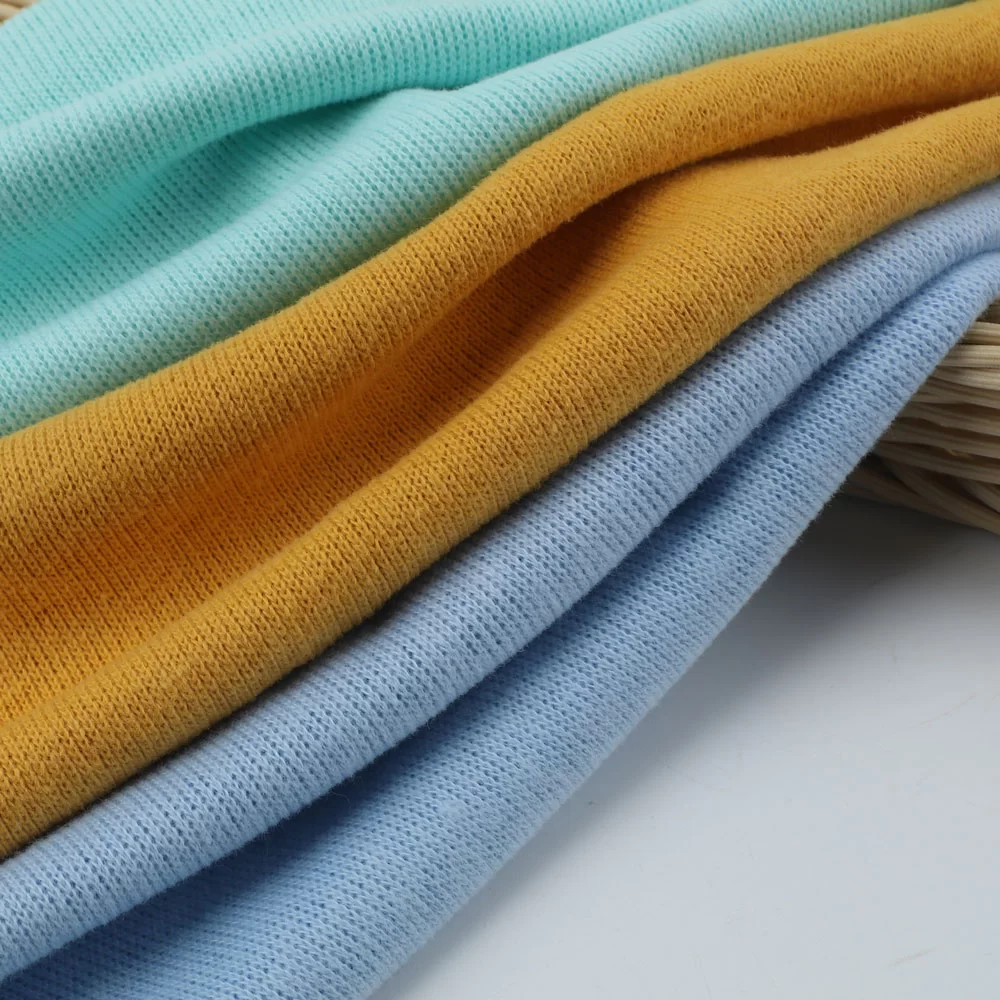

Gauze fabric is loved for its light feel, airy texture, and relaxed look. It appears in summer dresses, loose blouses, beach cover-ups, baby textiles, and soft home products. For clothing brands, cotton gauze can offer a natural, easygoing style that suits warm-weather collections, including those designed for tropical climates such as Vietnam.
=> Read More: The 20 Different Types of Cotton Fabric: Most Popular and How They’re Used
Yet not all gauze fabrics are the same. A sheer single-layer gauze behaves very differently from softly crinkled double gauze. Fiber content, fabric construction, finished weight, and washing can all change the way a garment looks and fits. This guide explains what gauze is, how it compares with similar fabrics, and what garment buyers should check before placing a production order.
What Is Gauze Fabric?
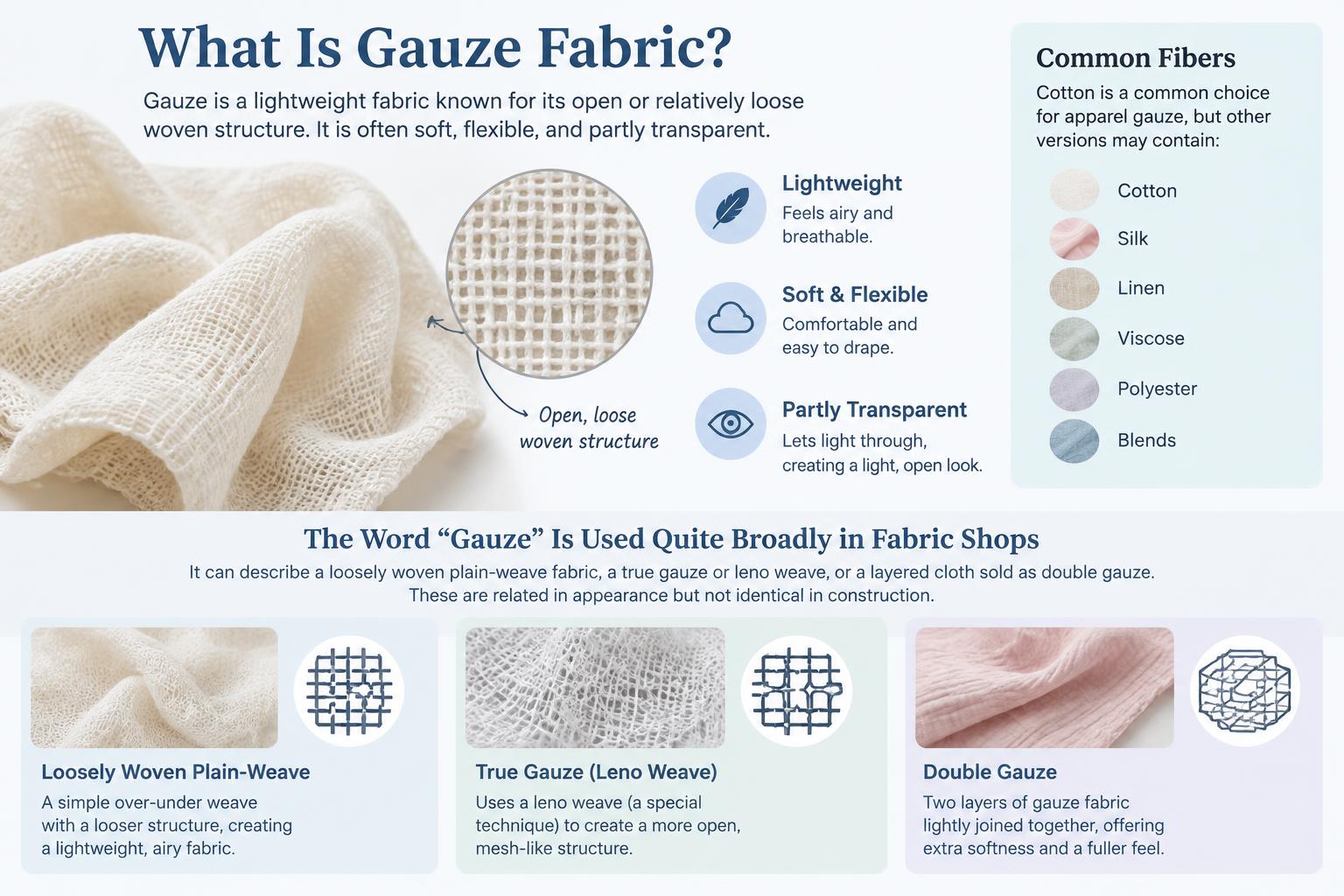
Gauze is a lightweight fabric known for its open or relatively loose woven structure. It is often soft, flexible, and partly transparent. Cotton is a common choice for apparel gauze, but other versions may contain silk, linen, viscose, polyester, or blended yarns. In everyday fabric shops, the word gauze is used quite broadly. It can describe a loosely woven plain-weave fabric, a true gauze or leno weave, or a layered cloth sold as double gauze. These are related in appearance but not identical in construction.
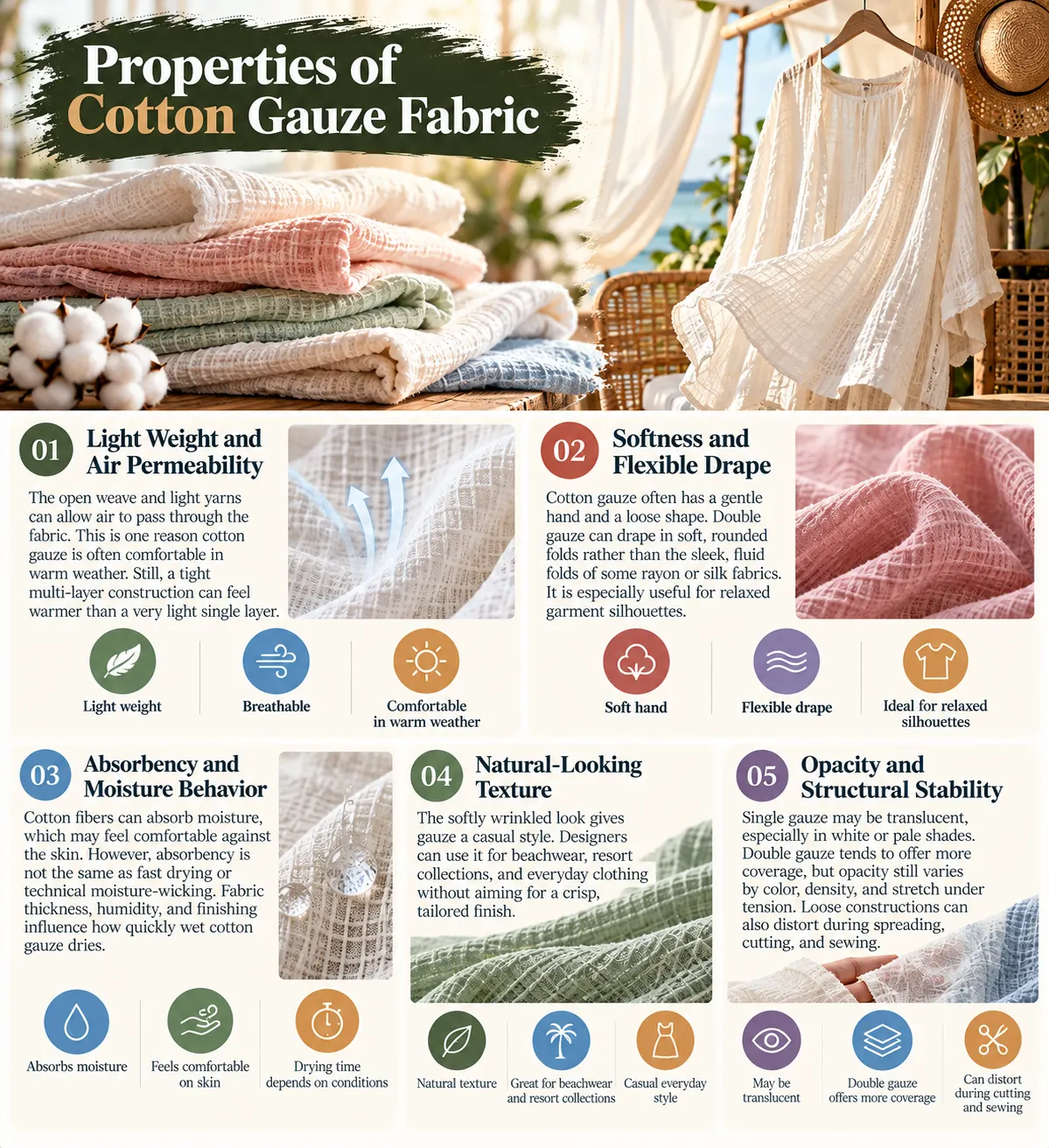
Properties of Cotton Gauze Fabric:
- Light Weight and Air Permeability: The open weave and light yarns can allow air to pass through the fabric. This is one reason cotton gauze is often comfortable in warm weather. Still, a tight multi-layer construction can feel warmer than a very light single layer.
- Softness and Flexible Drape: Cotton gauze often has a gentle hand and a loose shape. Double gauze can drape in soft, rounded folds rather than the sleek, fluid folds of some rayon or silk fabrics. It is especially useful for relaxed garment silhouettes.
- Absorbency and Moisture Behavior: Cotton fibers can absorb moisture, which may feel comfortable against the skin. However, absorbency is not the same as fast drying or technical moisture-wicking. Fabric thickness, humidity, and finishing influence how quickly wet cotton gauze dries.
- Natural-Looking Texture: The softly wrinkled look gives gauze a casual style. Designers can use it for beachwear, resort collections, and everyday clothing without aiming for a crisp, tailored finish.
- Opacity and Structural Stability: Single gauze may be translucent, especially in white or pale shades. Double gauze tends to offer more coverage, but opacity still varies by color, density, and stretch under tension. Loose constructions can also distort during spreading, cutting, and sewing.
=> Related Article: Cotton Gauze Fabric: Features, Advantages, and Applications
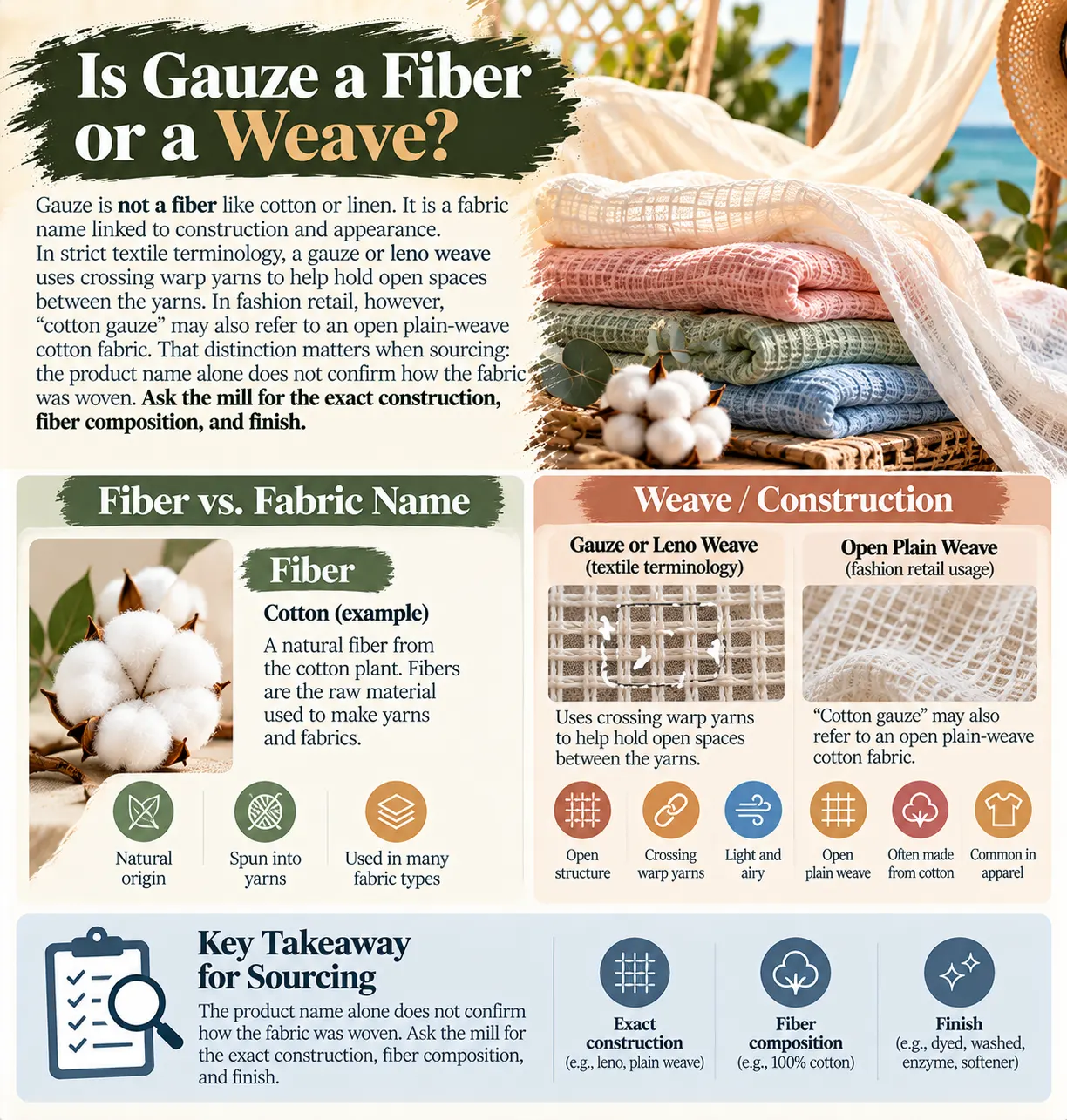
Is Gauze a Fiber or a Weave?
Gauze is not a fiber like cotton or linen. It is a fabric name linked to construction and appearance. In strict textile terminology, a gauze or leno weave uses crossing warp yarns to help hold open spaces between the yarns. In fashion retail, however, “cotton gauze” may also refer to an open plain-weave cotton fabric. That distinction matters when sourcing: the product name alone does not confirm how the fabric was woven. Ask the mill for the exact construction, fiber composition, and finish.
=> Related Article: Corduroy Fabric: The Timeless Textured Classic of Comfort and Style
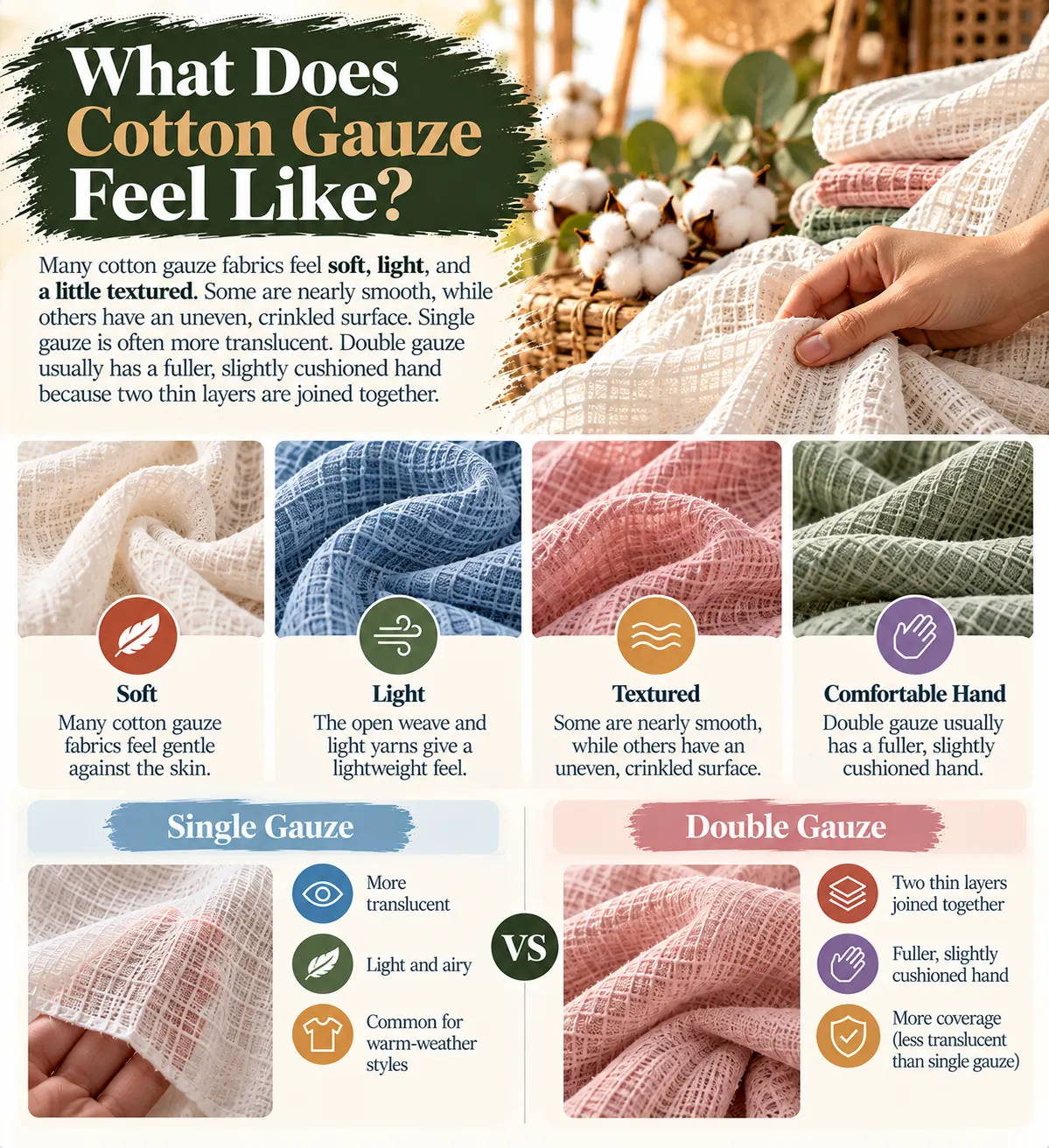
What Does Cotton Gauze Feel Like?
Many cotton gauze fabrics feel soft, light, and a little textured. Some are nearly smooth, while others have an uneven, crinkled surface. Single gauze is often more translucent. Double gauze usually has a fuller, slightly cushioned hand because two thin layers are joined together.
=> Related Article: Cambric Cotton Fabric: The Fine, Smooth Fabric for Everyday Elegance
How Is Gauze Fabric Made?
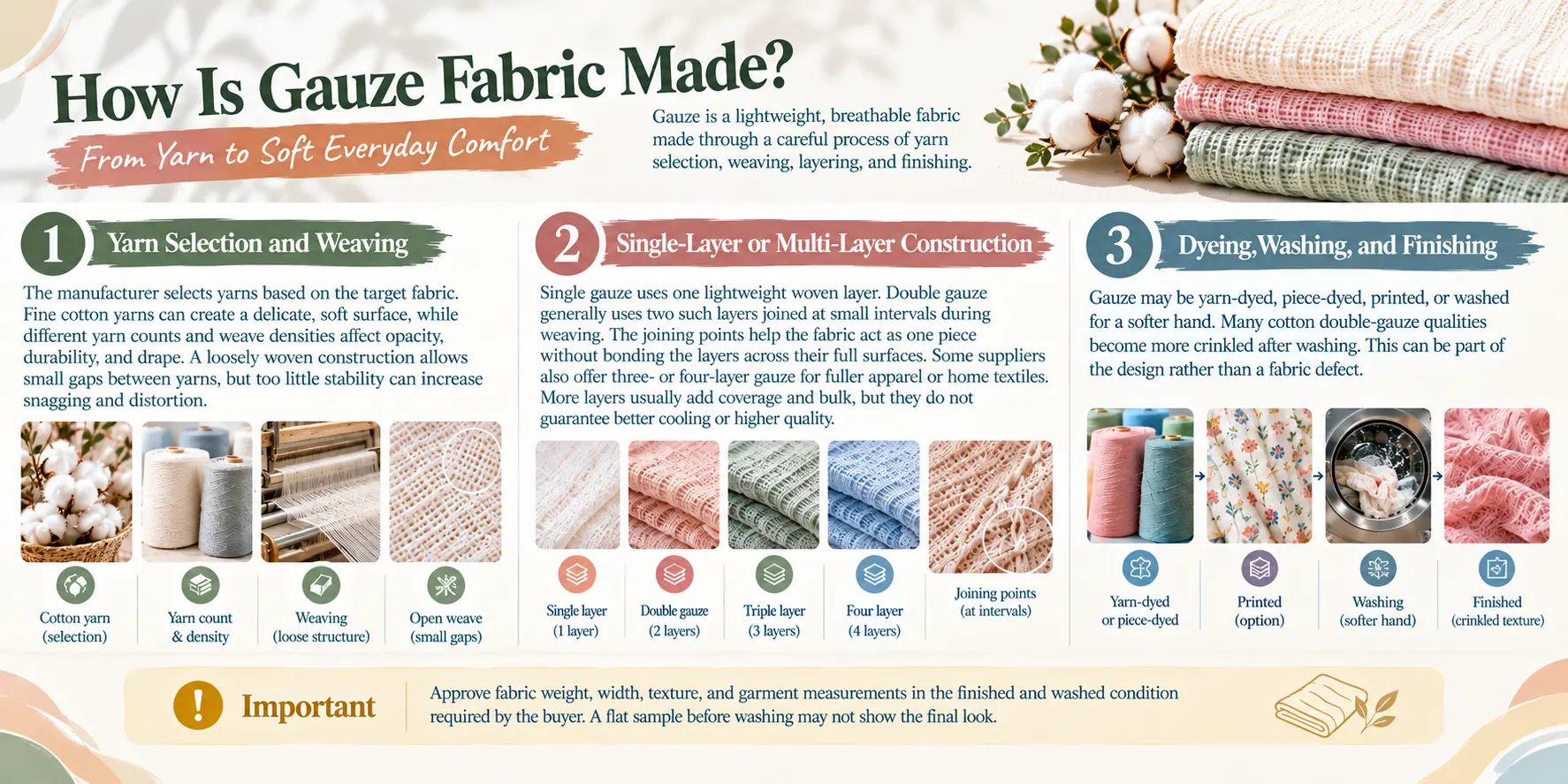
1. Yarn Selection and Weaving
The manufacturer selects yarns based on the target fabric. Fine cotton yarns can create a delicate, soft surface, while different yarn counts and weave densities affect opacity, durability, and drape. A loosely woven construction allows small gaps between yarns, but too little stability can increase snagging and distortion.
2. Single-Layer or Multi-Layer Construction
Single gauze uses one lightweight woven layer. Double gauze generally uses two such layers joined at small intervals during weaving. The joining points help the fabric act as one piece without bonding the layers across their full surfaces. Some suppliers also offer three- or four-layer gauze for fuller apparel or home textiles. More layers usually add coverage and bulk, but they do not guarantee better cooling or higher quality.
3. Dyeing, Washing, and Finishing
Gauze may be yarn-dyed, piece-dyed, printed, or washed for a softer hand. Many cotton double-gauze qualities become more crinkled after washing. This can be part of the design rather than a fabric defect. Important: Approve fabric weight, width, texture, and garment measurements in the finished and washed condition required by the buyer. A flat sample before washing may not show the final look.
=> Related Article: Top Polo Shirt Fabric Types: Cotton, Piqué, Polyester,… and Blends
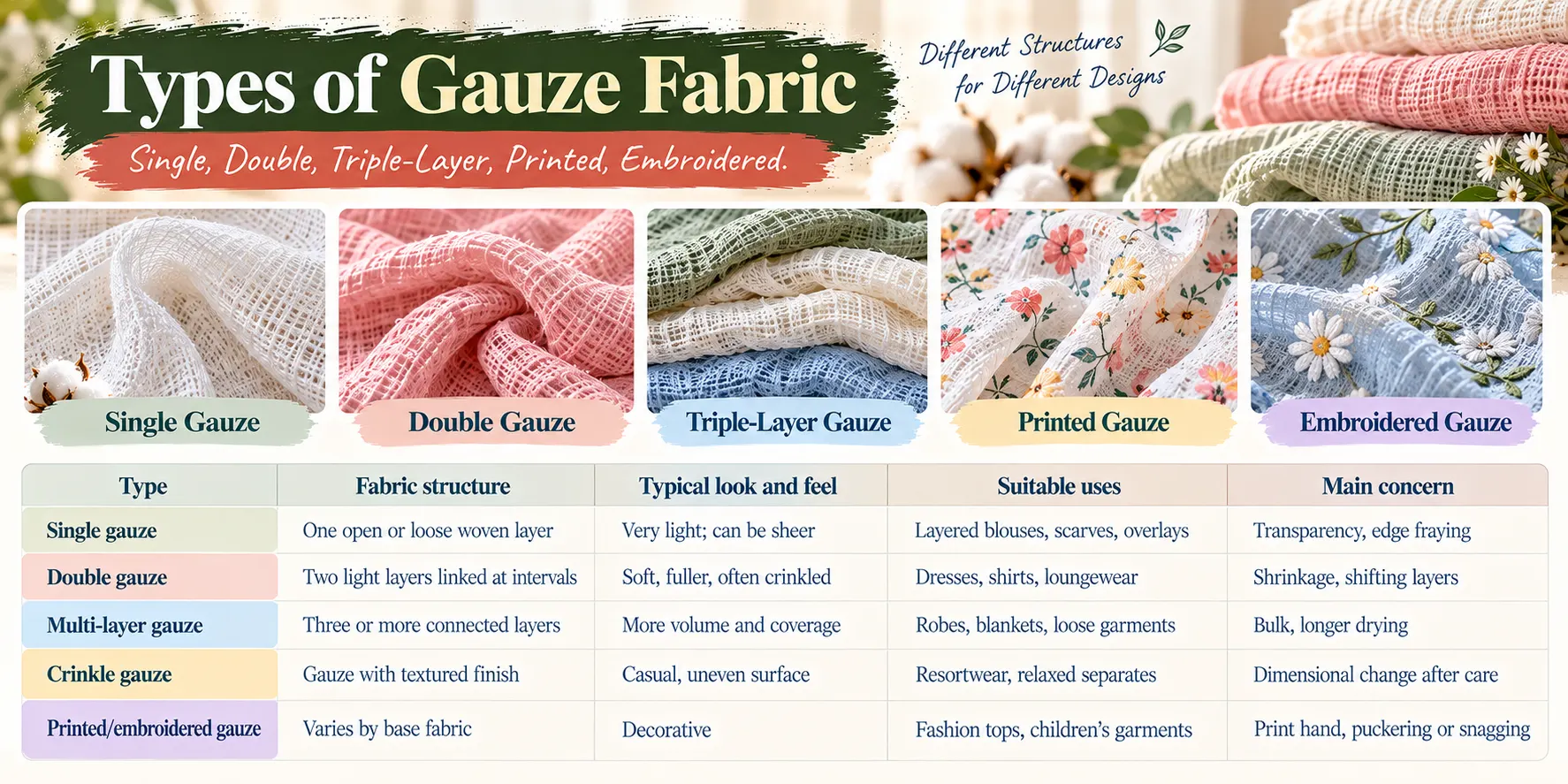
Types of Gauze Fabric: Single, Double, Triple-Layer, Printed, Embroidered.
| Type | Fabric structure | Typical look and feel | Suitable uses | Main concern |
|---|---|---|---|---|
| Single gauze | One open or loose woven layer | Very light; can be sheer | Layered blouses, scarves, overlays | Transparency, edge fraying |
| Double gauze | Two light layers linked at intervals | Soft, fuller, often crinkled | Dresses, shirts, loungewear | Shrinkage, shifting layers |
| Multi-layer gauze | Three or more connected layers | More volume and coverage | Robes, blankets, loose garments | Bulk, longer drying |
| Crinkle gauze | Gauze with textured finish | Casual, uneven surface | Resortwear, relaxed separates | Dimensional change after care |
| Printed/embroidered gauze | Varies by base fabric | Decorative | Fashion tops, children’s garments | Print hand, puckering or snagging |
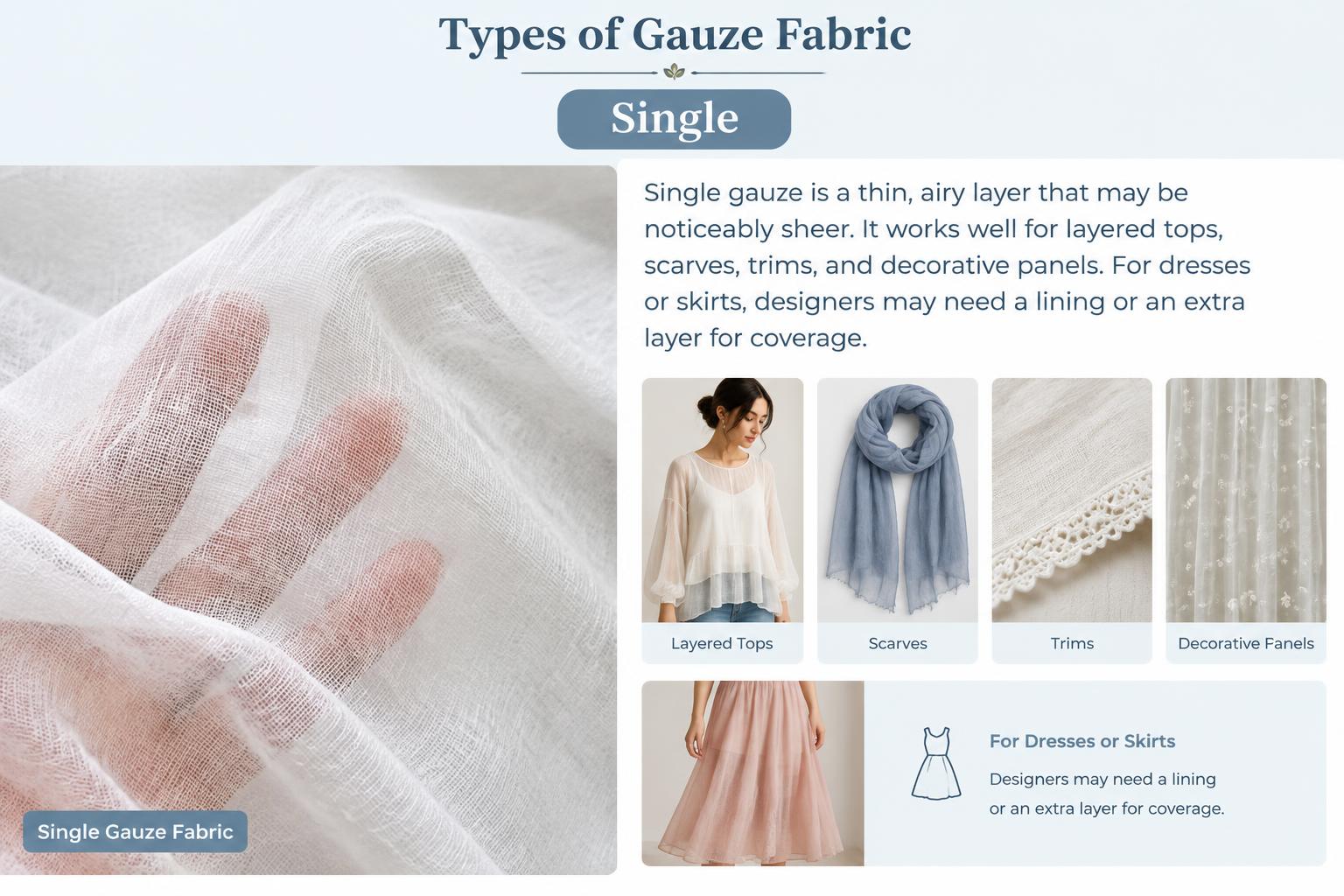
Single Gauze Fabric
Single gauze is a thin, airy layer that may be noticeably sheer. It works well for layered tops, scarves, trims, and decorative panels. For dresses or skirts, designers may need a lining or an extra layer for coverage.
=> Related Article: Cotton CVC: Cotton and Polyester A Perfect Combination
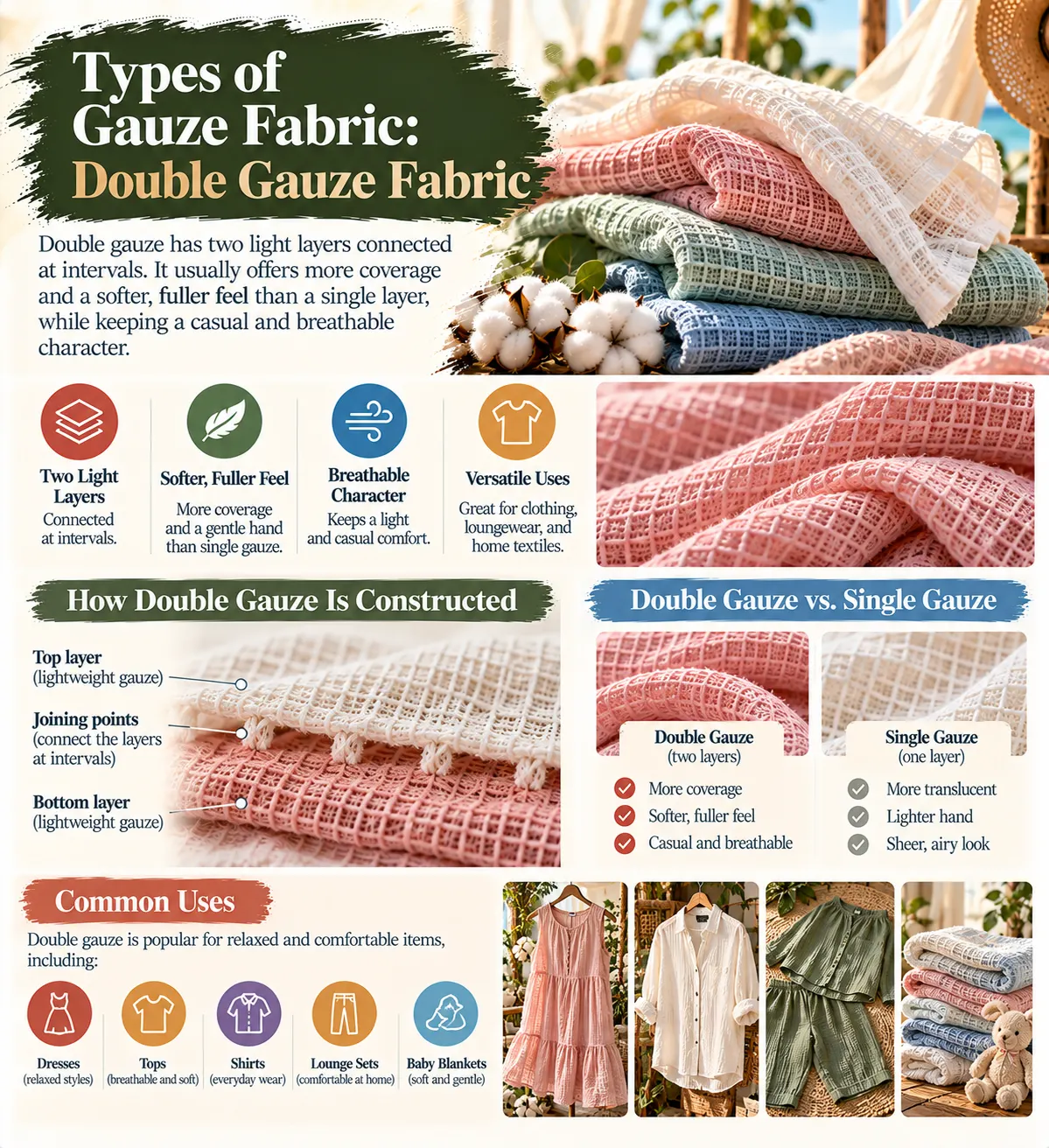
Double Gauze Fabric
Double gauze has two light layers connected at intervals. It usually offers more coverage and a softer, fuller feel than a single layer, while keeping a casual and breathable character. Common uses include relaxed dresses, tops, shirts, lounge sets, and baby blankets.
=> Related Article: Cotton CVC: Cotton and Polyester A Perfect Combination
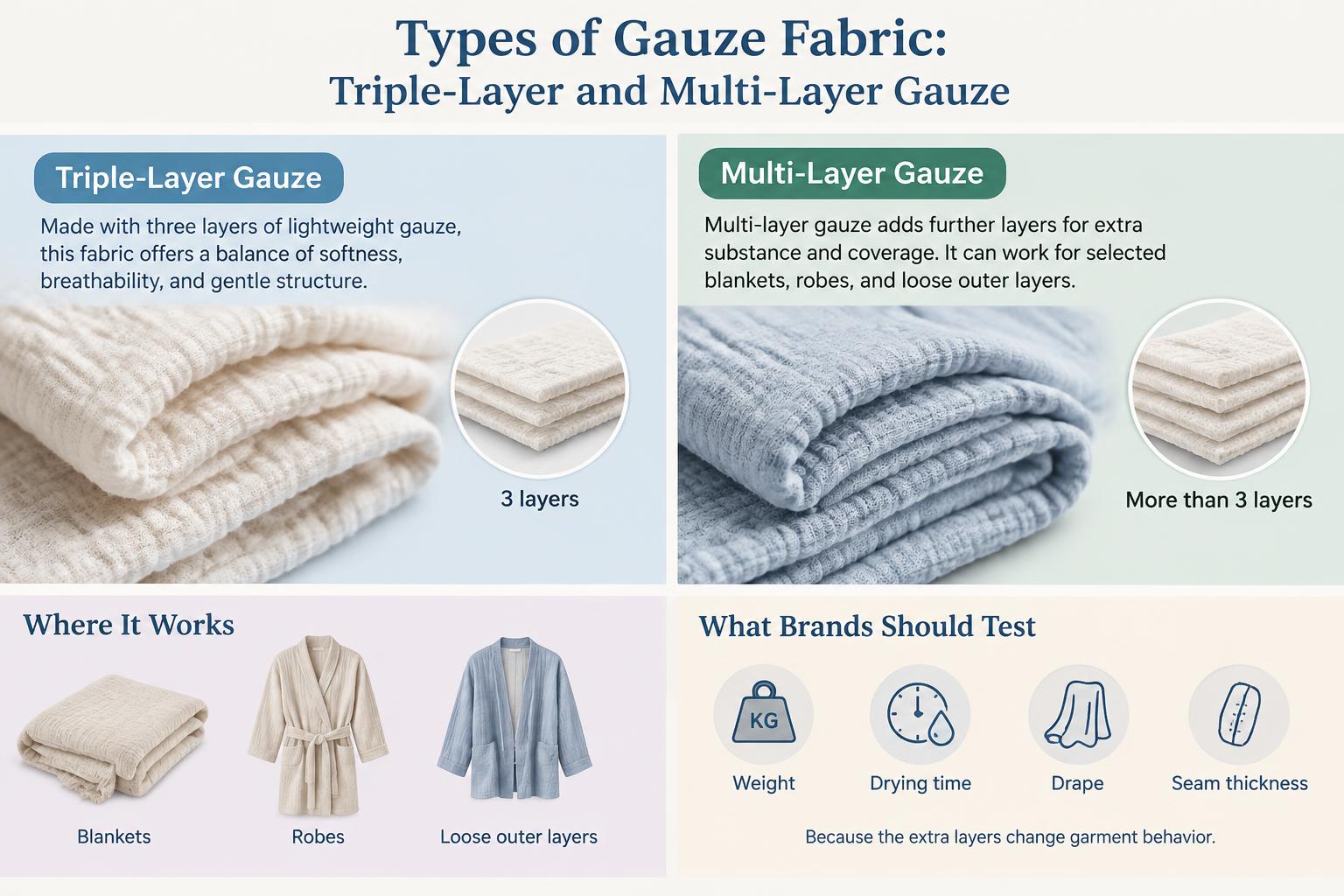
Triple-Layer and Multi-Layer Gauze
Multi-layer gauze adds further layers for extra substance and coverage. It can work for selected blankets, robes, and loose outer layers. Brands should test weight, drying time, drape, and seam thickness because the extra layers change garment behavior.
=> Related Article: What Are Cotton Linen Blends? Benefits, Uses, and Comparison
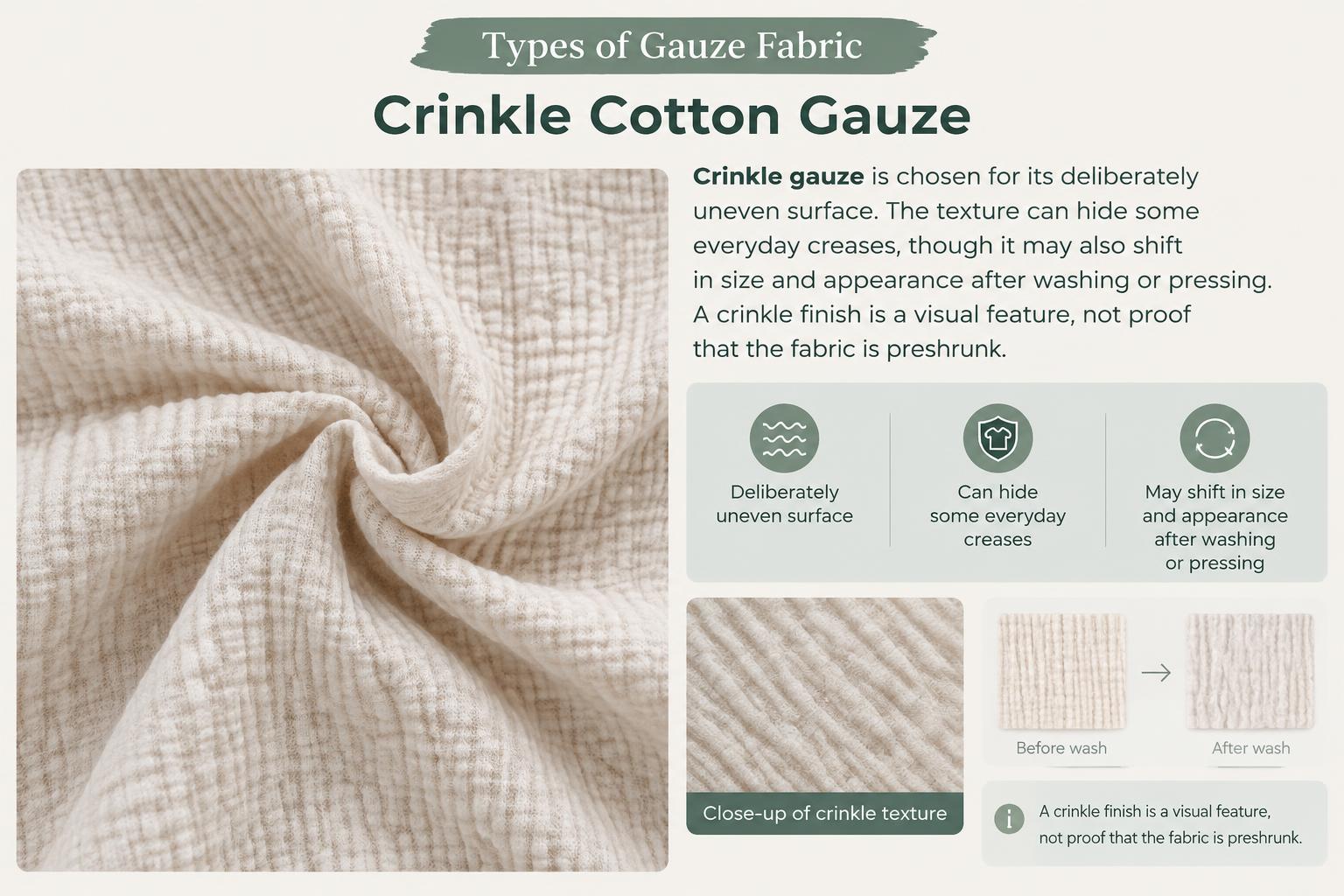
Crinkle Cotton Gauze
Crinkle gauze is chosen for its deliberately uneven surface. The texture can hide some everyday creases, though it may also shift in size and appearance after washing or pressing. A crinkle finish is a visual feature, not proof that the fabric is preshrunk.
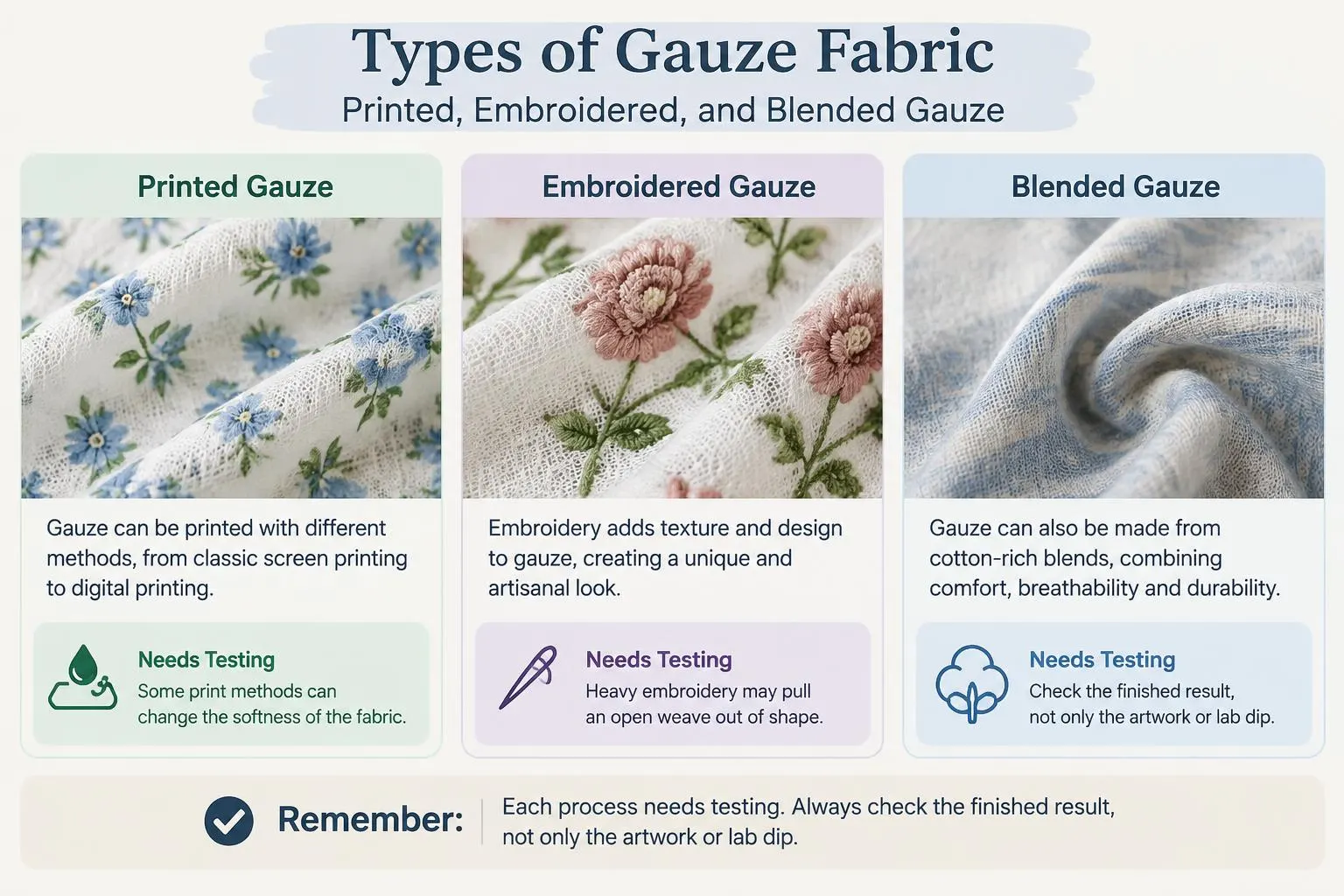
Printed, Embroidered, and Blended Gauze
Gauze can be printed, embroidered, or made from cotton-rich blends. Each process needs testing. Heavy embroidery may pull an open weave out of shape, while some print methods can change softness. Check the finished result, not only the artwork or lab dip.
=> Related Article: What Are Cotton Linen Blends? Benefits, Uses, and Comparison
Advantages and Disadvantages of Gauze Fabric
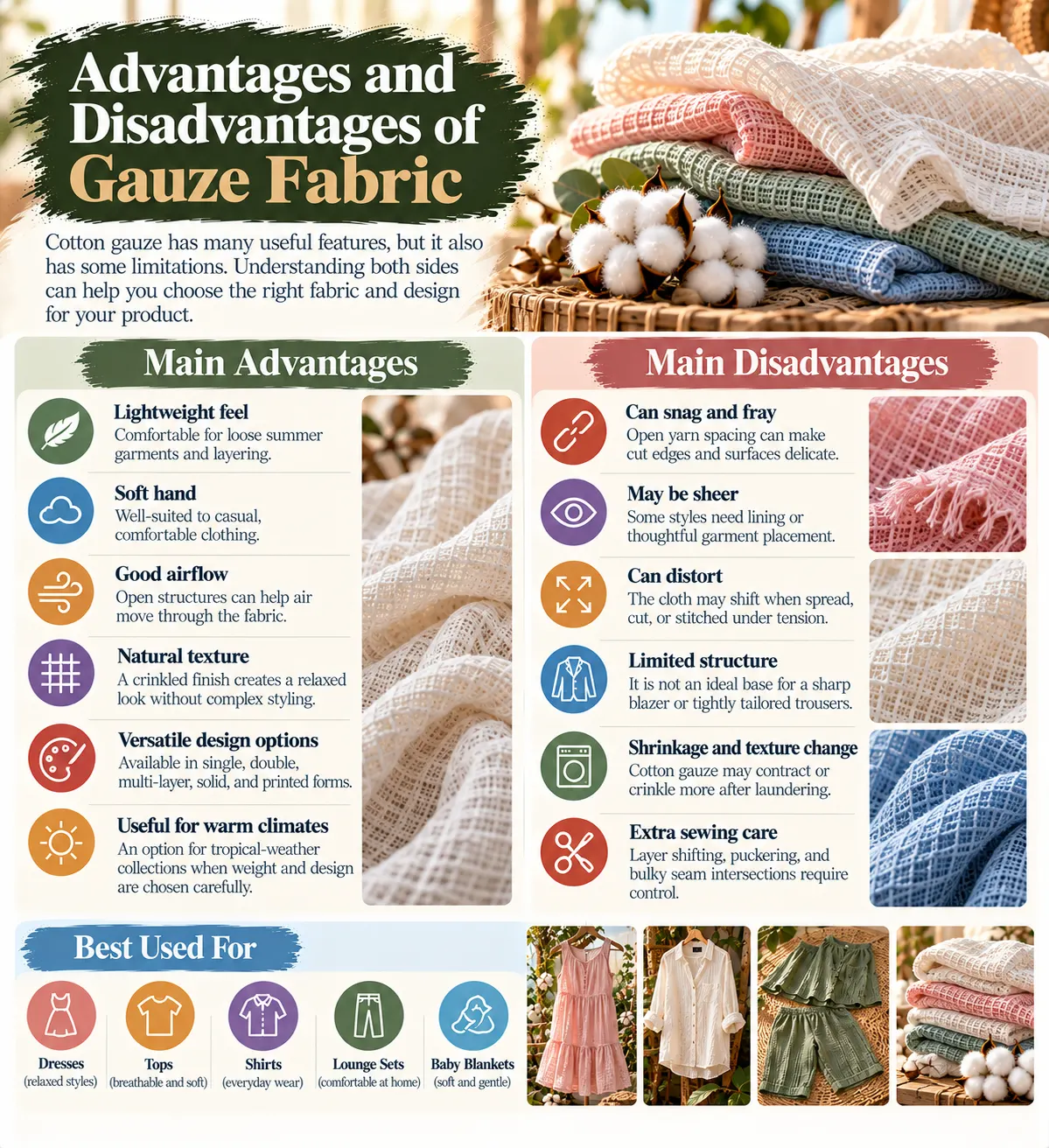
Main Advantages
- Lightweight feel: Comfortable for loose summer garments and layering.
- Soft hand: Well-suited to casual, comfortable clothing.
- Good airflow: Open structures can help air move through the fabric.
- Natural texture: A crinkled finish creates a relaxed look without complex styling.
- Versatile design options: Available in single, double, multi-layer, solid, and printed forms.
- Useful for warm climates: An option for tropical-weather collections when weight and design are chosen carefully.
Main Disadvantages
- Can snag and fray: Open yarn spacing can make cut edges and surfaces delicate.
- May be sheer: Some styles need lining or thoughtful garment placement.
- Can distort: The cloth may shift when spread, cut, or stitched under tension.
- Limited structure: It is not an ideal base for a sharp blazer or tightly tailored trousers.
- Shrinkage and texture change: Cotton gauze may contract or crinkle more after laundering.
- Extra sewing care: Layer shifting, puckering, and bulky seam intersections require control.
What Is Gauze Fabric Used For?
Summer Dresses and Resortwear
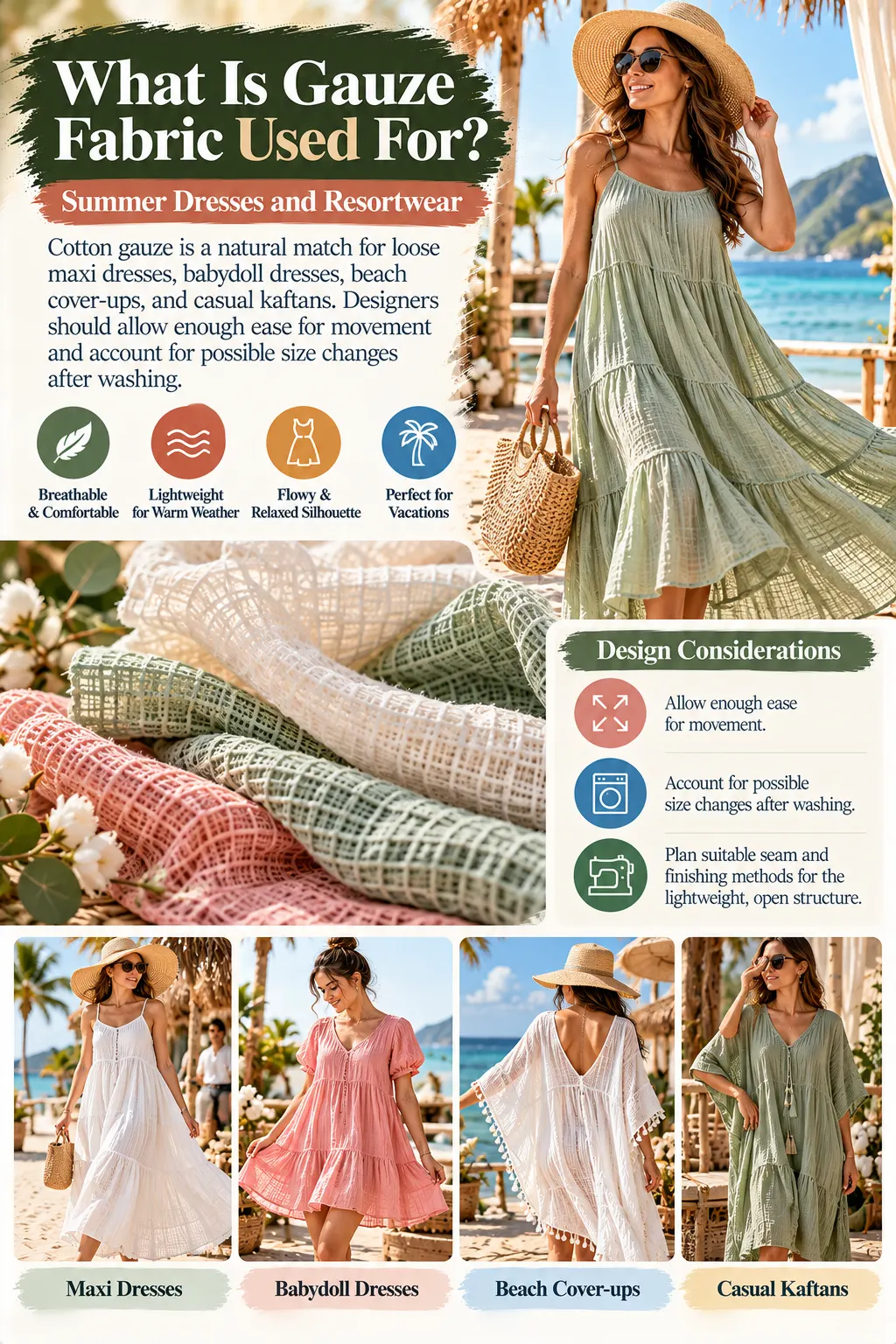
Cotton gauze is a natural match for loose maxi dresses, babydoll dresses, beach cover-ups, and casual kaftans. Designers should allow enough ease for movement and account for possible size changes after washing.
=> Related Article: 100% Cotton Fabric: Benefits, Drawbacks, and Common Uses (Pure Cotton Yarn, Naturally Soft)
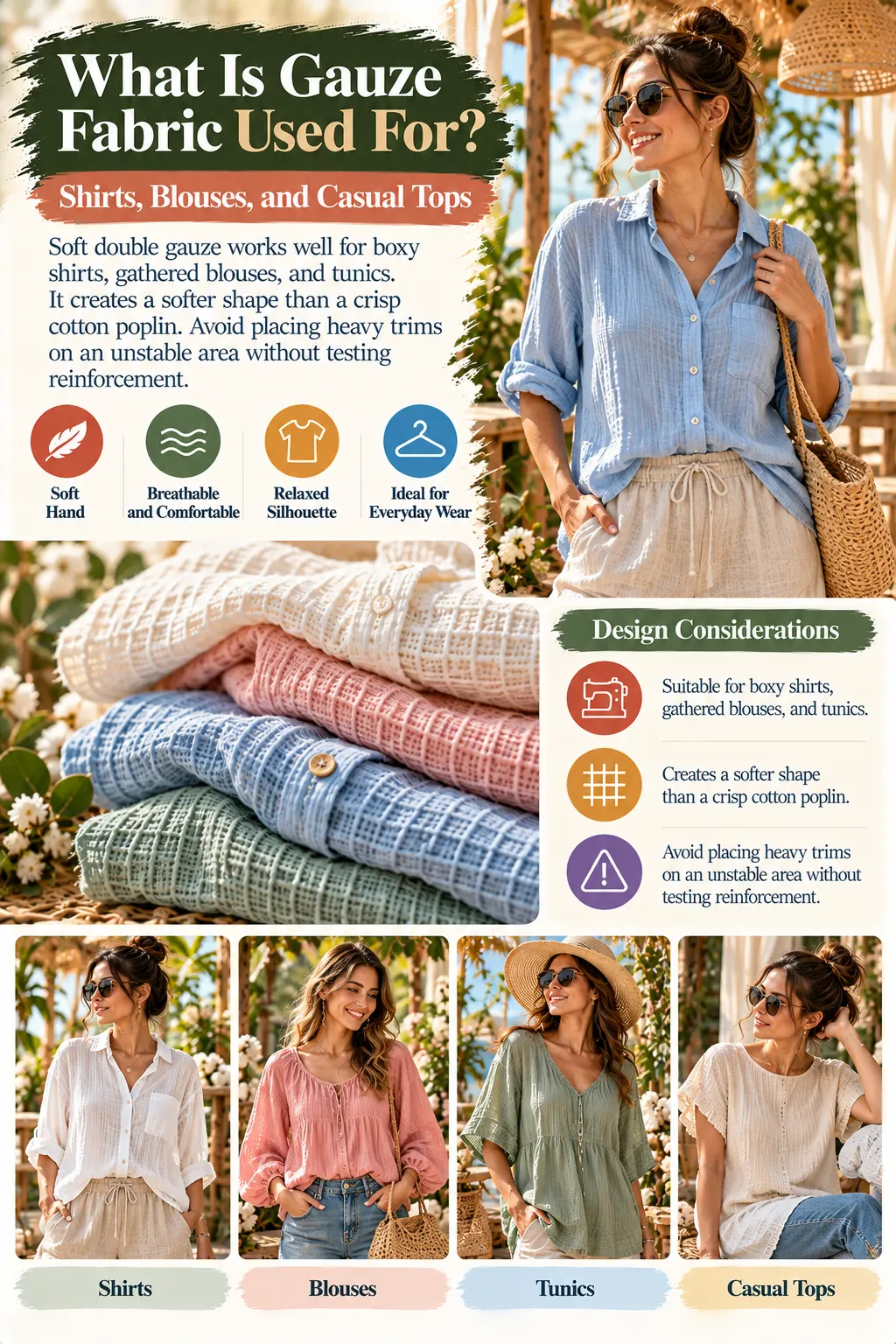
Shirts, Blouses, and Casual Tops
Soft double gauze works well for boxy shirts, gathered blouses, and tunics. It creates a softer shape than a crisp cotton poplin. Avoid placing heavy trims on an unstable area without testing reinforcement.
=> Related Article: CVC Cotton vs 100% Cotton vs TC (Poly-Cotton): Balancing Comfort, Durability, and Care
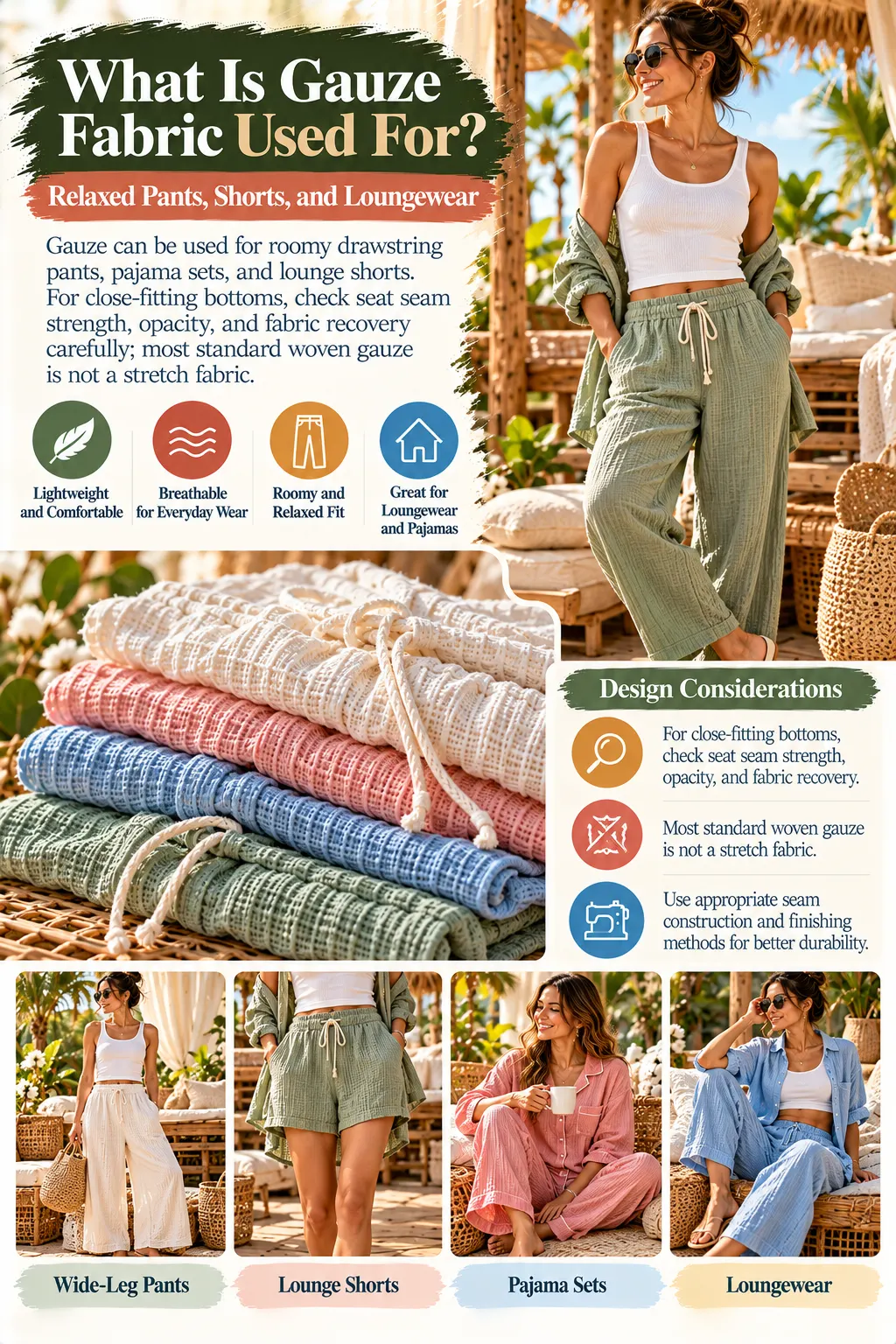
Relaxed Pants, Shorts, and Loungewear
Gauze can be used for roomy drawstring pants, pajama sets, and lounge shorts. For close-fitting bottoms, check seat seam strength, opacity, and fabric recovery carefully; most standard woven gauze is not a stretch fabric.
=> Related Article: Cotton Compact: Upgraded Cotton for a Smoother, Stronger, and More Refined Feel
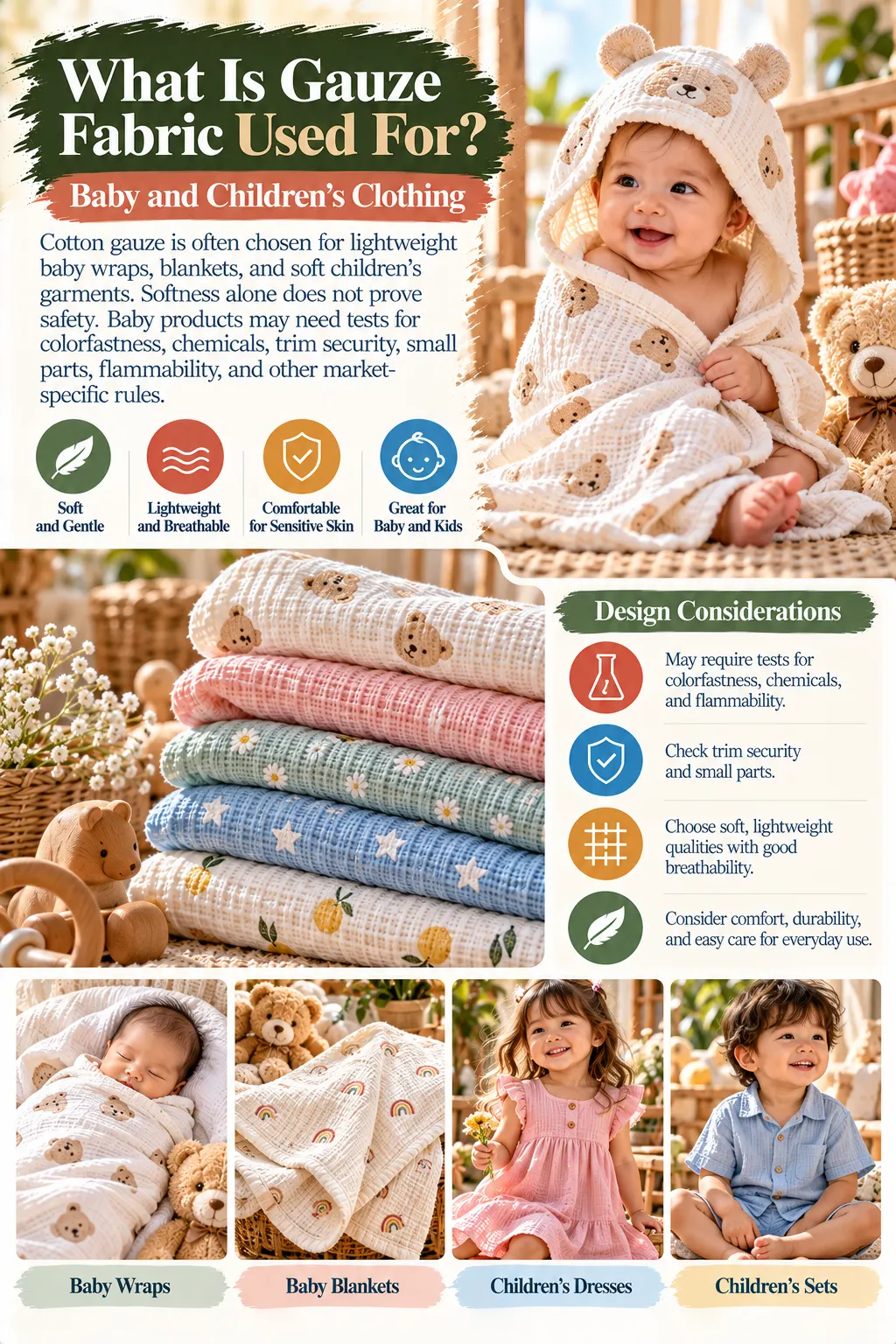
Baby and Children’s Clothing
Cotton gauze is often chosen for lightweight baby wraps, blankets, and soft children’s garments. Softness alone does not prove safety. Baby products may need tests for colorfastness, chemicals, trim security, small parts, flammability, and other market-specific rules.
=> Related Article: Cotton Nylon Blends (CVC 60/40) Fabric: Pros and Cons

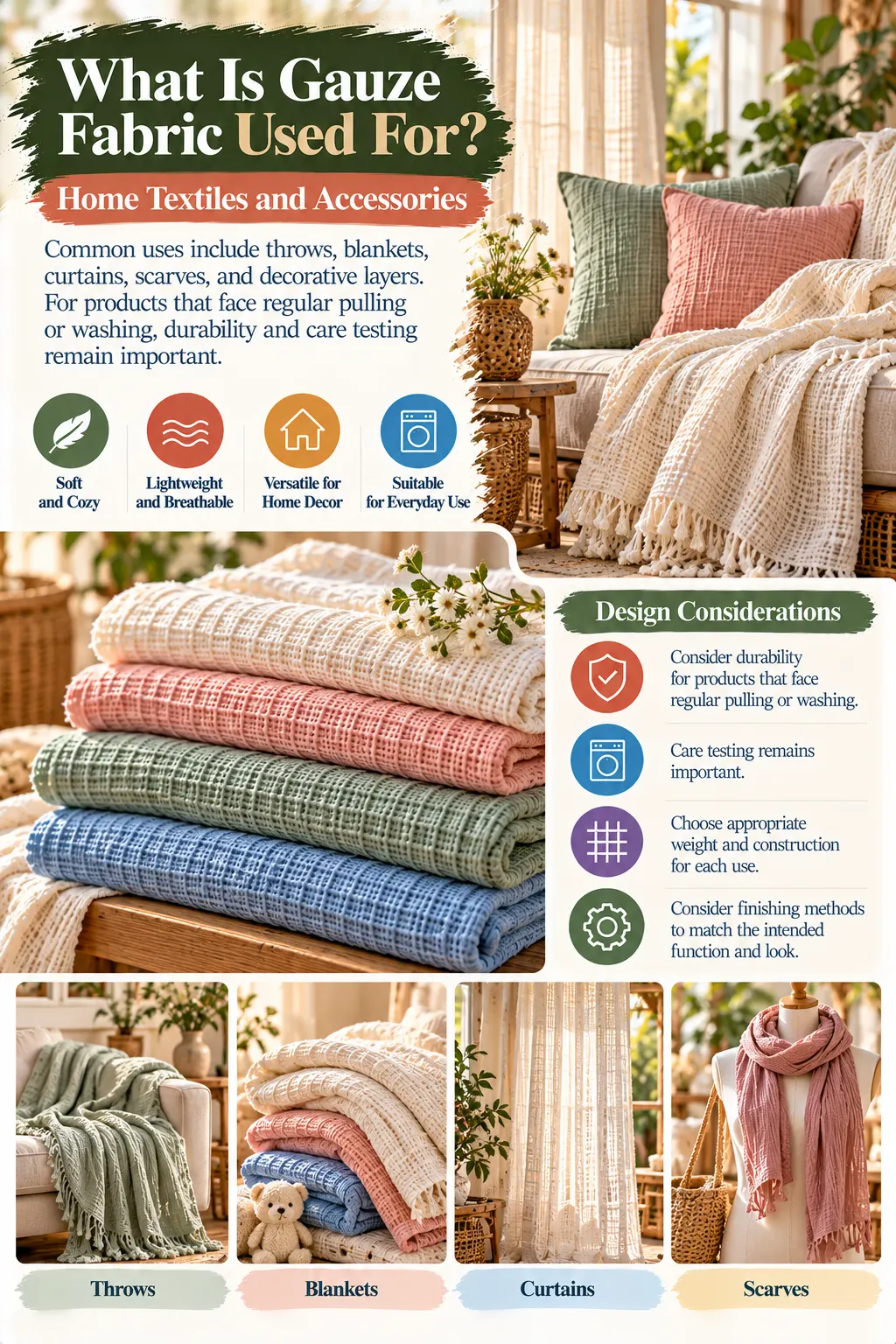
Home Textiles and Accessories
Common uses include throws, blankets, curtains, scarves, and decorative layers. For products that face regular pulling or washing, durability and care testing remain important.
Conclusion: Choosing the Right Gauze Fabric for Clothing
Gauze fabric brings a soft texture and relaxed style to warm-weather wardrobes. Single gauze works well where lightness and layering matter. Double gauze adds body and coverage for comfortable everyday garments. In either case, the best result comes from matching construction, weight, finish, pattern, and quality testing to the product.