Top 8 Garments Production Problems That May Affect Your Factory Output.

In garment manufacturing, production speed is closely tied to delivery performance, labor efficiency, and overall factory profitability. When production runs smoothly, orders can be completed on time and shipped as planned. But when problems appear in pattern making, cutting, sewing, or quality control, the entire line can slow down. A drop in garment production does not usually come from one big issue alone. In most factories, lower output is caused by a combination of technical mistakes, poor planning, machine problems, and operator-related challenges. This article explains the key factors that decrease garments production and how they affect factory performance.
About Factory Output Mean in Garment Manufacturing?
Factory output is the number of acceptable garments produced during a defined period. It may be measured as: Pieces per hour, Pieces per line per day, Pieces per operator, Pieces per shift, Total factory output per day or month. However, producing more pieces is useful only when those garments meet the required quality standard. If a line produces 1,000 pieces but 200 require repair, the true production performance is not as strong as the gross output suggests. This is why garment factories should monitor both: Production Quantity + First-Pass Quality rather than quantity alone.
Why Garments Production Decreases
Factory output decreases whenever the production flow is interrupted. Delays in one department often create bottlenecks in the next, causing operators to wait for materials, repair defective garments, or stop production entirely. Several factors contribute to lower production efficiency, including inaccurate patterns, poor fabric preparation, machine downtime, line imbalance, and quality failures. While each problem may seem minor on its own, their combined impact can significantly reduce daily production capacity and increase manufacturing costs.

How to Reduce the Factors That Decrease Production
Factories can reduce production loss by improving technical and management control. Practical actions include:
- Checking patterns carefully before bulk cutting.
- Ensuring proper fabric spreading tension.
- Maintaining machines regularly to prevent breakdown.
- Balancing lines correctly to match operator skills.
- Monitoring quality in real time through online QC.
Strong production control depends on prevention, not only correction.

8 Common Garments Production Problems
| Problem | Typical Impact | Main Control |
|---|---|---|
| 1. Pattern & Grading Errors | Wrong panels, fit problems, recutting | Pattern and size-set approval |
| 2. Poor Fabric Preparation | Dimensional changes and distorted panels | Relaxation and fabric testing |
| 3. Spreading & Cutting Problems | Incorrect components and sewing difficulty | Spreading and cutting control |
| 4. Material / Trim Shortages | Waiting time and WIP buildup | Production-readiness check |
| 5. Line Imbalance | Bottlenecks and idle operators | Line balancing and hourly monitoring |
| 6. Machine Downtime | Lost operating time | Preventive maintenance |
| 7. Operator Challenges | Low efficiency and unstable output | Training and skill management |
| 8. Quality & Production Control | Rework, rejection and delivery delays | In-line prevention and planning |
1. Pattern Making Errors
Pattern making is the first technical step in garment production, and any mistake at this stage can affect every process that follows. Incorrect pattern dimensions, missing pattern pieces, or grading inaccuracies often lead to garments that do not fit properly. These errors increase material waste, require additional corrections, and slow production throughout the sewing line.
Common Pattern Problems:
- Incorrect pattern measurements
- Missing pattern components
- Poor grading between sizes
- Marker planning mistakes
- Inefficient fabric utilization
How Pattern Errors Reduce Output:
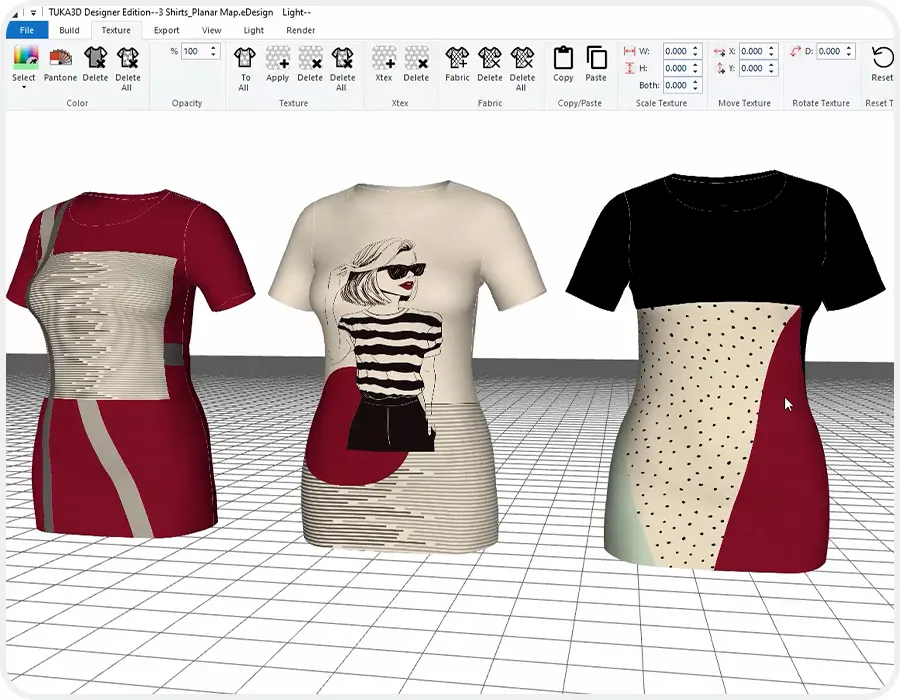
Pattern problems can create: Pattern Error → Wrong Cut Panel → Sewing Difficulty → Measurement Failure → Rework / Recutting → Lower Output. A mistake discovered before bulk cutting may cost only a small amount of development time. The same mistake discovered after 10,000 panels have been cut can become a major production problem.
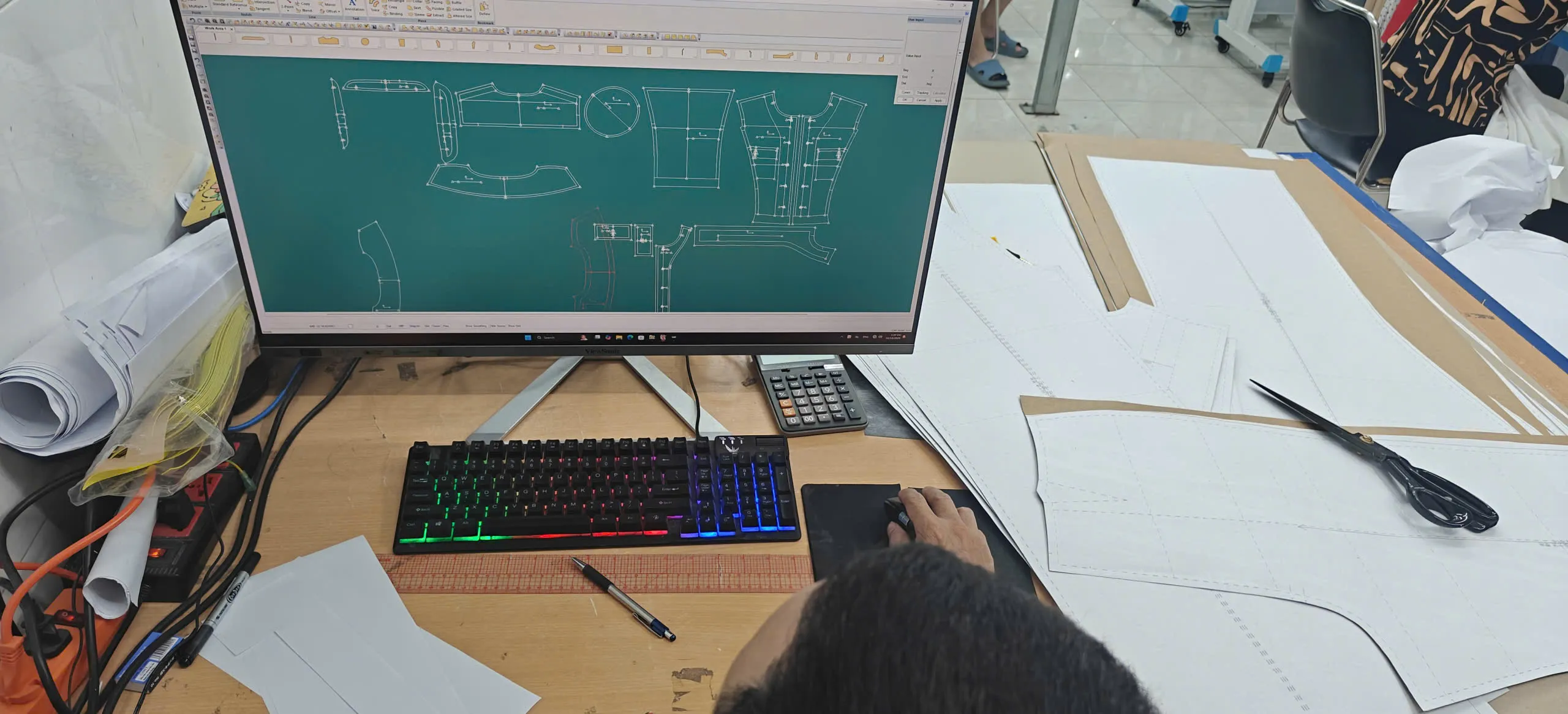
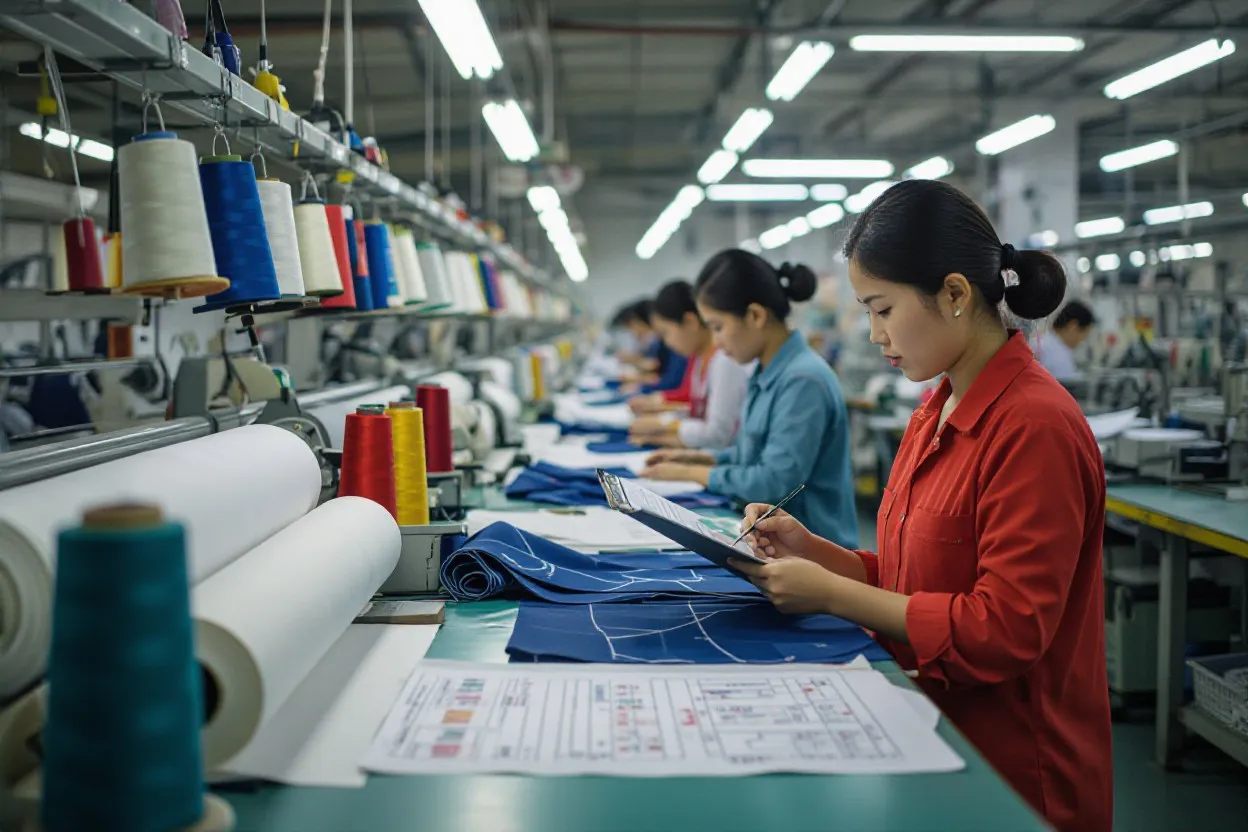
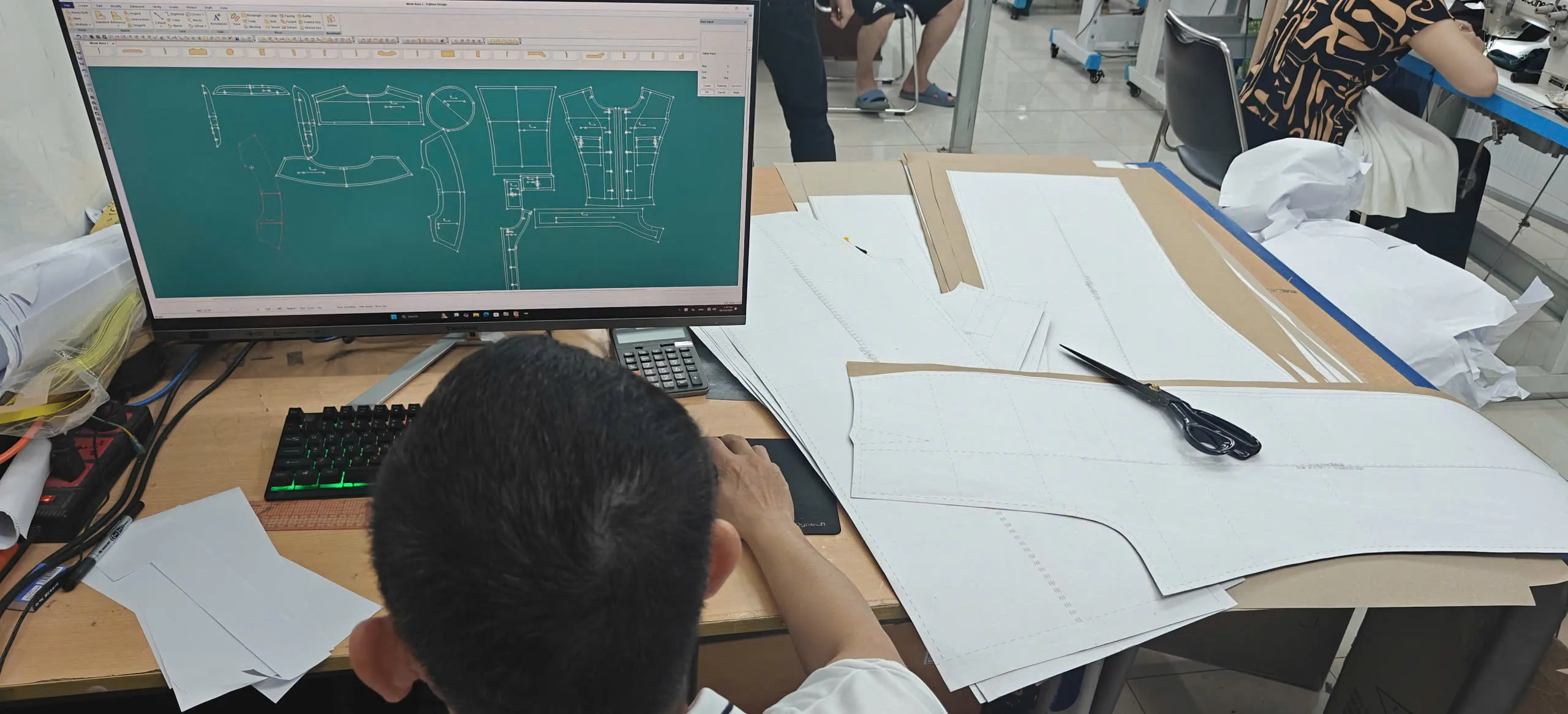
Pattern accuracy is a primary requirement. Missing pattern pieces or mismatched sizes in the marker waste time and fabric – Pattern checking and marker preparation in garment factory
The factory may eventually need to:
- Stop production
- Correct the pattern
- Revise the marker
- Recut components
- Recheck measurements
- Repair finished garments
This consumes both material and production time.
How to Reduce Pattern Problems. Before bulk cutting:
- Check patterns against the approved specification
- Compare with the approved sample
- Confirm pattern version
- Check grading
- Verify notches and drill marks
- Confirm seam allowances
- Conduct size-set review where required
- Ensure marker files use the correct approved pattern
The goal is simple: Do not allow a pattern problem to become a cutting-room problem.

2. Fabric Relaxation Problems
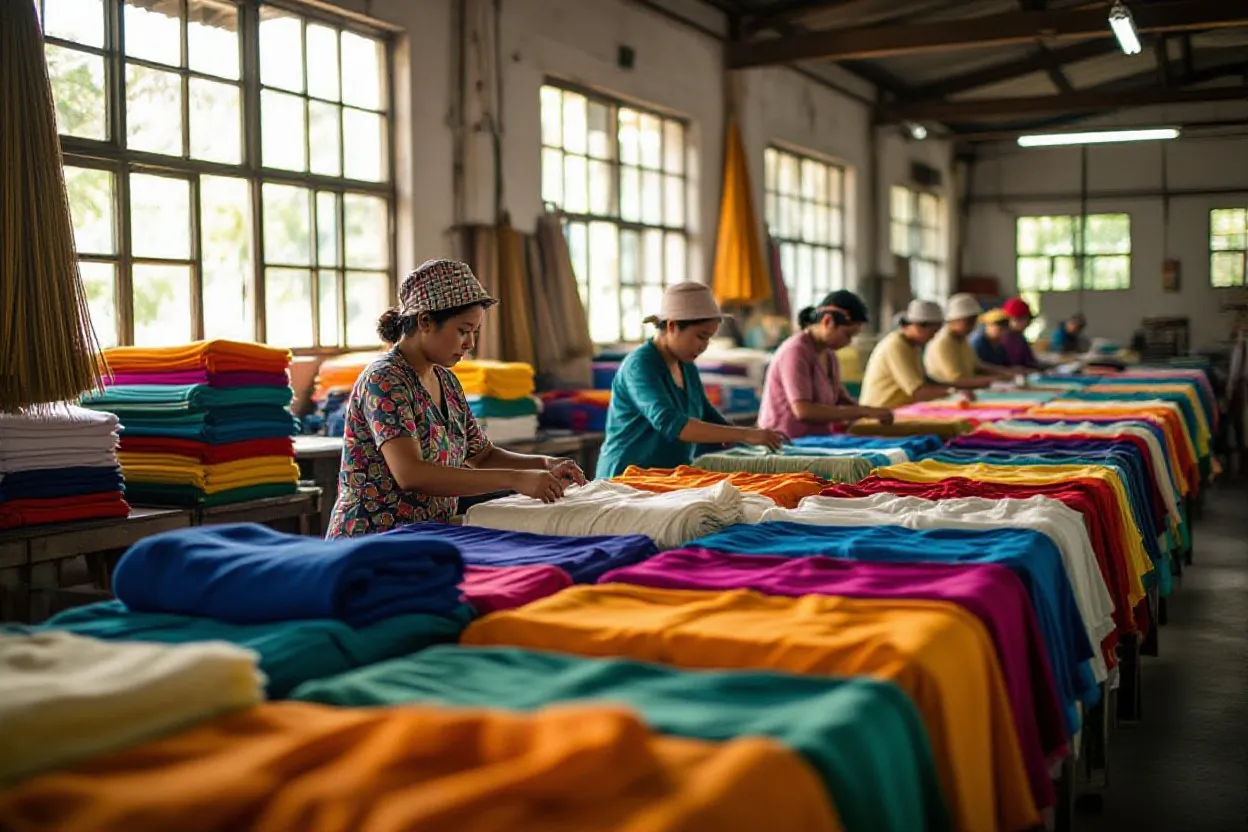
Some fabrics require time to relax before cutting. This is especially important for knitted fabrics, stretch materials, and fabrics stored under tension. When fabric is cut immediately after being unrolled, it may contract later and change the dimensions of the garment panels. The resulting pieces may become shorter, narrower, or distorted. This can create measurement problems during sewing and increase the rejection rate during final inspection. Factories should establish suitable relaxation times based on fabric type, supplier recommendations, and testing results.
Fabric may arrive at the factory under tension caused by:
- Knitting
- Finishing
- Rolling
- Packing
- Transportation
- Storage
Some fabrics can change dimensions after being unrolled.

This is especially important for:
- Knitted fabrics
- Rib fabrics
- Stretch fabrics
- Elastane blends
- Certain synthetic constructions
If fabric is cut before it stabilizes, cut panels may later change dimensions.

Possible problems include:
- Panels becoming shorter
- Panels becoming narrower
- Twisting
- Shape distortion
- Measurement variation
The sewing department then receives components that may no longer match the approved pattern.


Operators may spend more time trying to align:
- Sleeves
- Side seams
- Necklines
- Waistbands
- Leg panels
This reduces sewing speed and can increase rejection.

Relaxation Time Is Not Universal
Factories should avoid using one fixed relaxation rule for every fabric.
The correct preparation may depend on:
- Fiber content
- Knit or woven construction
- Elastane content
- Fabric finishing
- Roll tension
- Supplier recommendation
- Internal shrinkage and relaxation testing
The factory should establish a controlled procedure based on the actual material.

3. Fabric Spreading Problems
Proper fabric spreading is essential before cutting begins. Uneven spreading or excessive fabric tension can distort the fabric after relaxation, resulting in panels that no longer match the intended measurements. These inconsistencies create sewing difficulties and may increase the number of rejected garments during quality inspection.
Common Fabric Spreading Issues:
- Fabric tension that is too tight or too loose
- Uneven fabric layers
- Misaligned fabric edges
- Fabric shifting during spreading
- Incorrect ply height
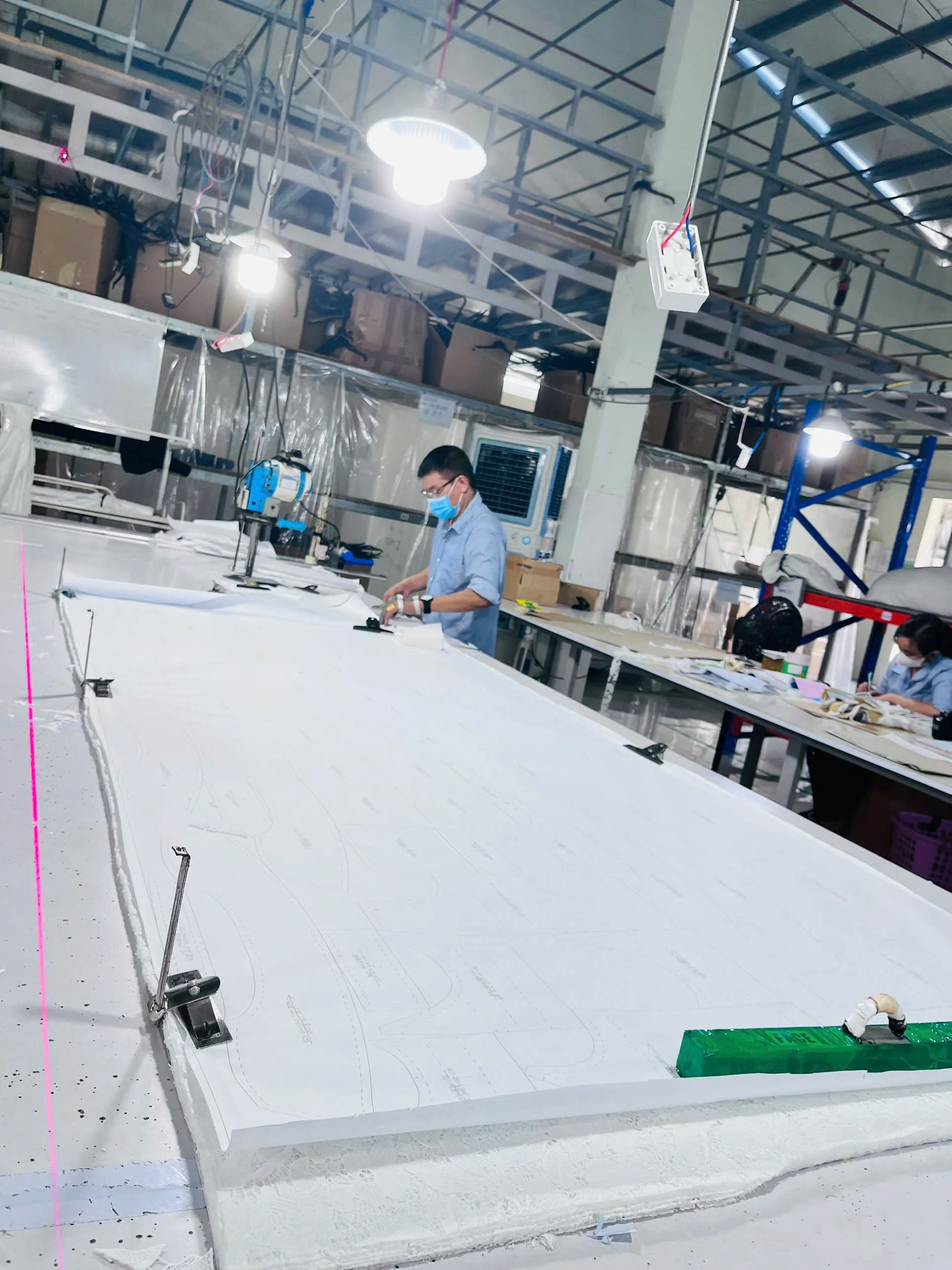
Fabric spreading prepares the material for cutting. If the layers are not spread correctly, even an accurate marker and cutting process may produce defective panels – Precision fabric cutting for garment production
Why Spreading Tension Matters:
If fabric is stretched during spreading, it can contract after cutting. The marker may have been correct, and the cutting knife may have followed it perfectly, but the panels can still become undersized. Therefore: Accurate marker + Poor spreading = Incorrect panels

4. Fabric Cutting Defects
Accurate cutting ensures every garment component matches the production specifications. Poor cutting quality can make sewing difficult and increase rework throughout the factory. Cutting defects commonly occur when cutting knives become worn, markers are followed inaccurately, or operators fail to maintain consistent cutting techniques.
Typical Cutting Problems:
- Off-size garment panels
- Uneven cutting edges
- Fabric fraying
- Misaligned pattern pieces
- Inaccurate notches and drill marks
These problems often result in poor garment assembly and increased production delays.
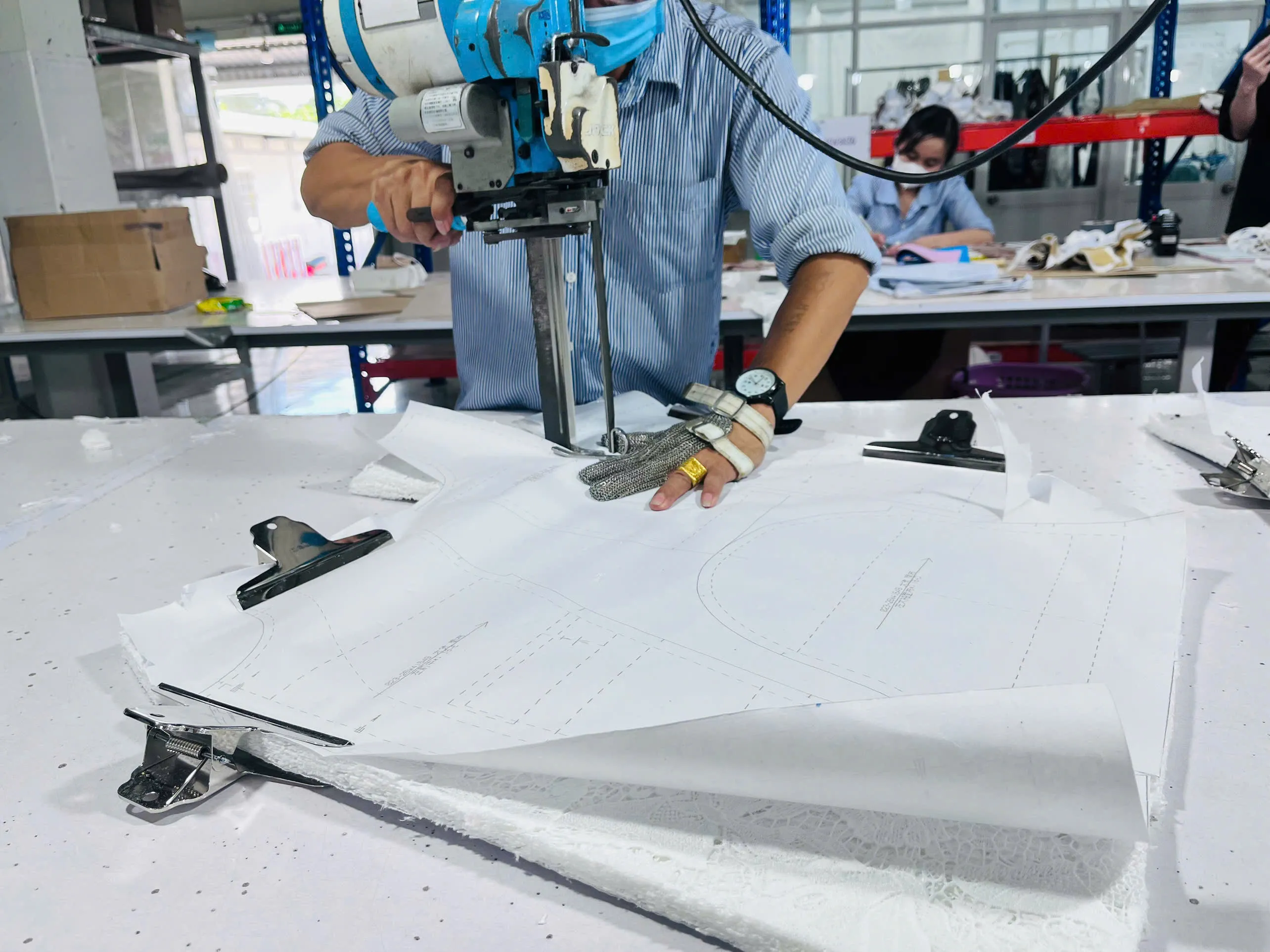
Accurate cutting is essential because sewing operators can only assemble the components they receive. If cut panels are incorrect, the sewing line will struggle to maintain both speed and quality.
How to Improve Cutting Performance. Factories should control:
- Fabric relaxation
- Marker approval
- Spreading tension
- Ply height
- Cutting machine condition
- Knife sharpness
- Bundle numbering
- Shade segregation
- Cut-panel inspection
Cutting accuracy protects sewing efficiency.
5. Sewing Line Inefficiency
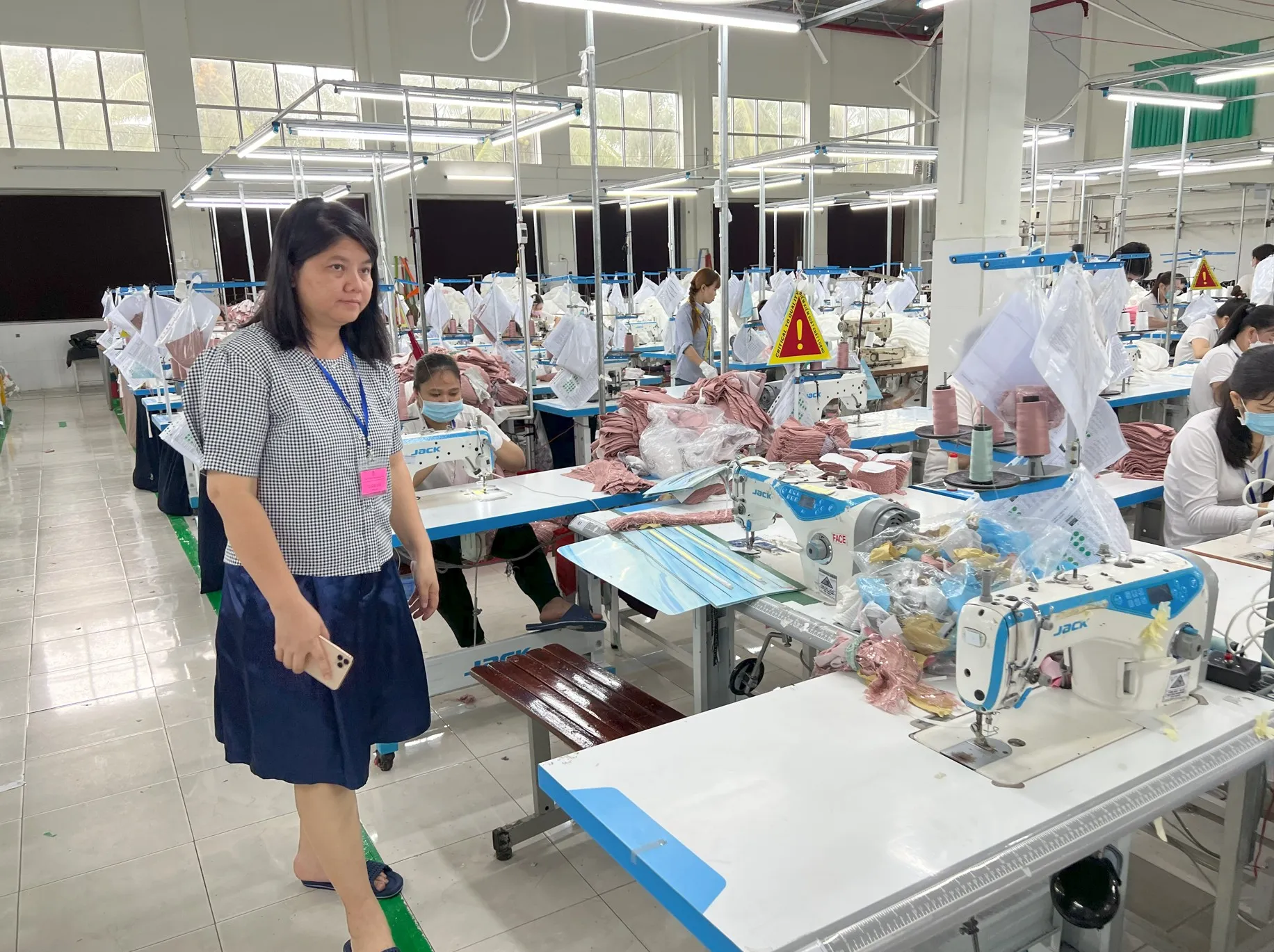
The sewing department is where most garment production takes place, making it one of the most important areas for maintaining factory output. When sewing lines are not properly balanced or machines experience frequent breakdowns, operators spend valuable time waiting instead of producing garments. Common Sewing Problems:
- Machine breakdowns
- Poor line balancing
- Inefficient workstation layout
- Operator waiting time
- Bottlenecks between operations
Improving sewing line efficiency can significantly increase daily production without requiring additional labor.

6. Machine Downtime
Industrial sewing machines require regular maintenance to perform consistently. Poor maintenance often leads to unexpected equipment failures that interrupt production schedules. Even short periods of downtime can accumulate into substantial production losses over the course of a working day. Preventive maintenance helps reduce unexpected repairs, improve machine reliability, and extend equipment lifespan.
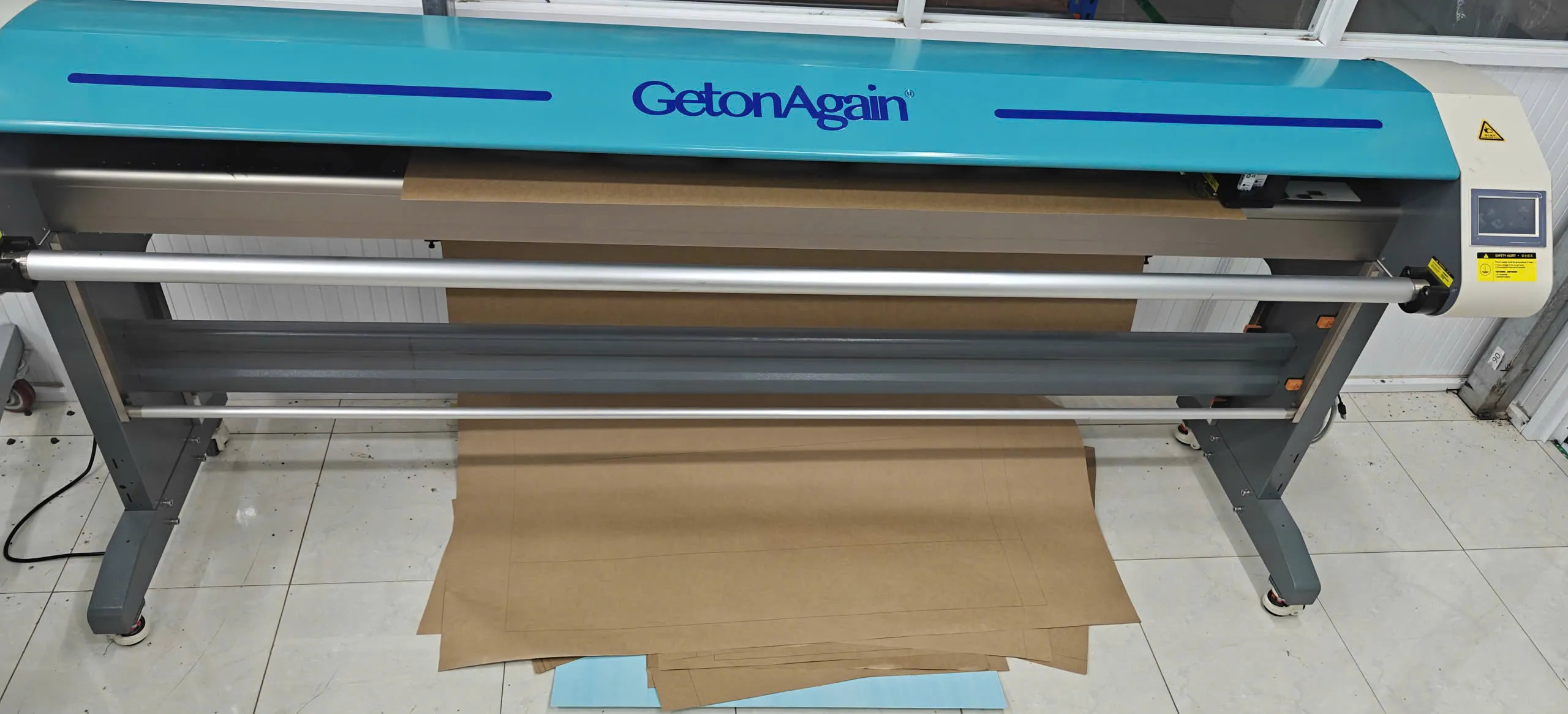
Machine downtime directly reduces output. A broken sewing machine may stop one operator, but if the machine is responsible for a critical operation, it can slow down the entire line.
7. Operator Performance Challenges
Garment manufacturing depends heavily on skilled operators. Differences in skill level, productivity, and attendance directly influence production efficiency. When experienced operators are absent or replaced, production speed often decreases while work-in-progress (WIP) increases. Workforce Challenges:
- Operator absenteeism
- Inconsistent sewing skills
- Insufficient training
- Low productivity
- High employee turnover
Continuous training and performance monitoring help maintain stable production output.

8. Quality Control Failures
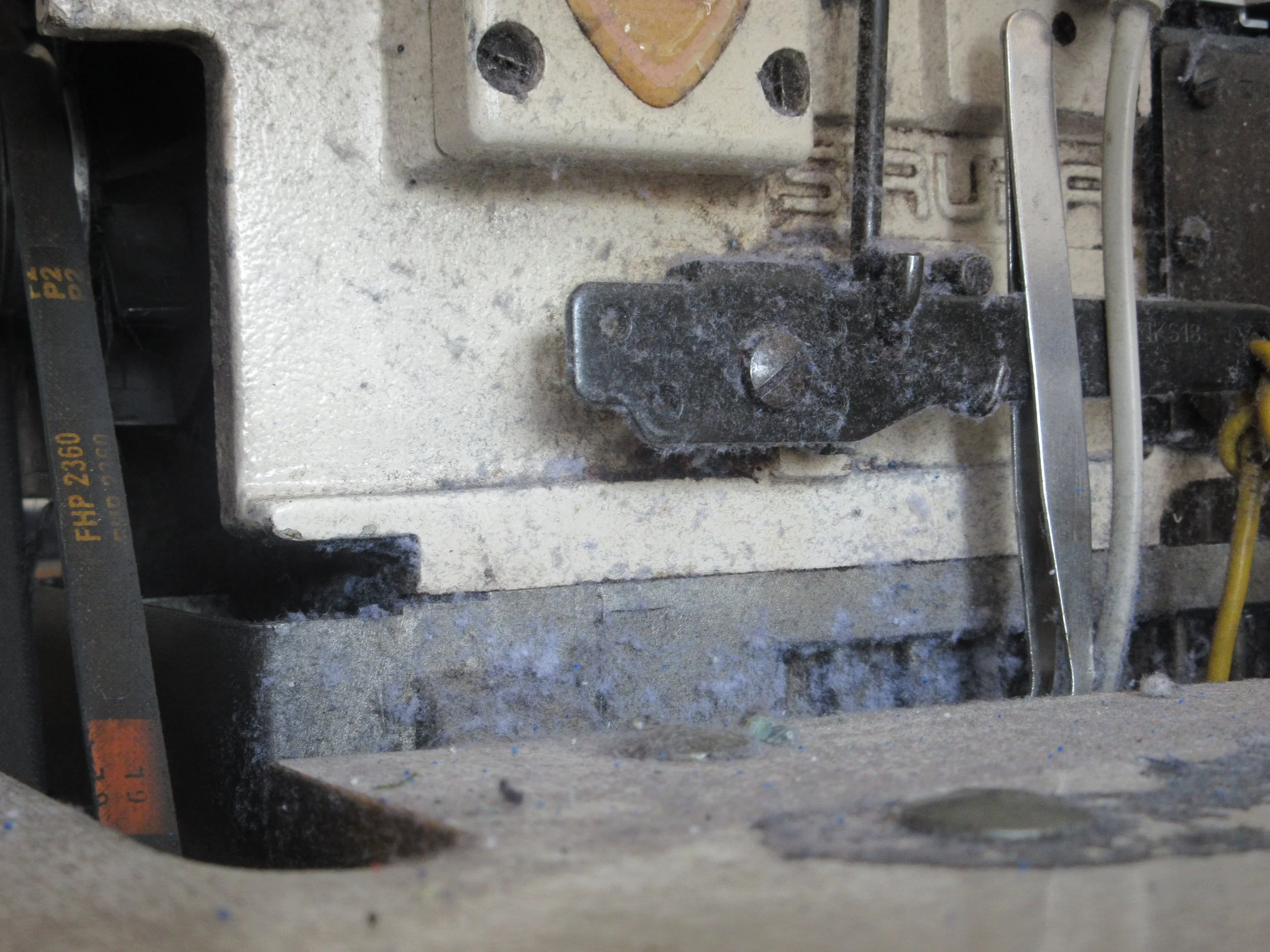
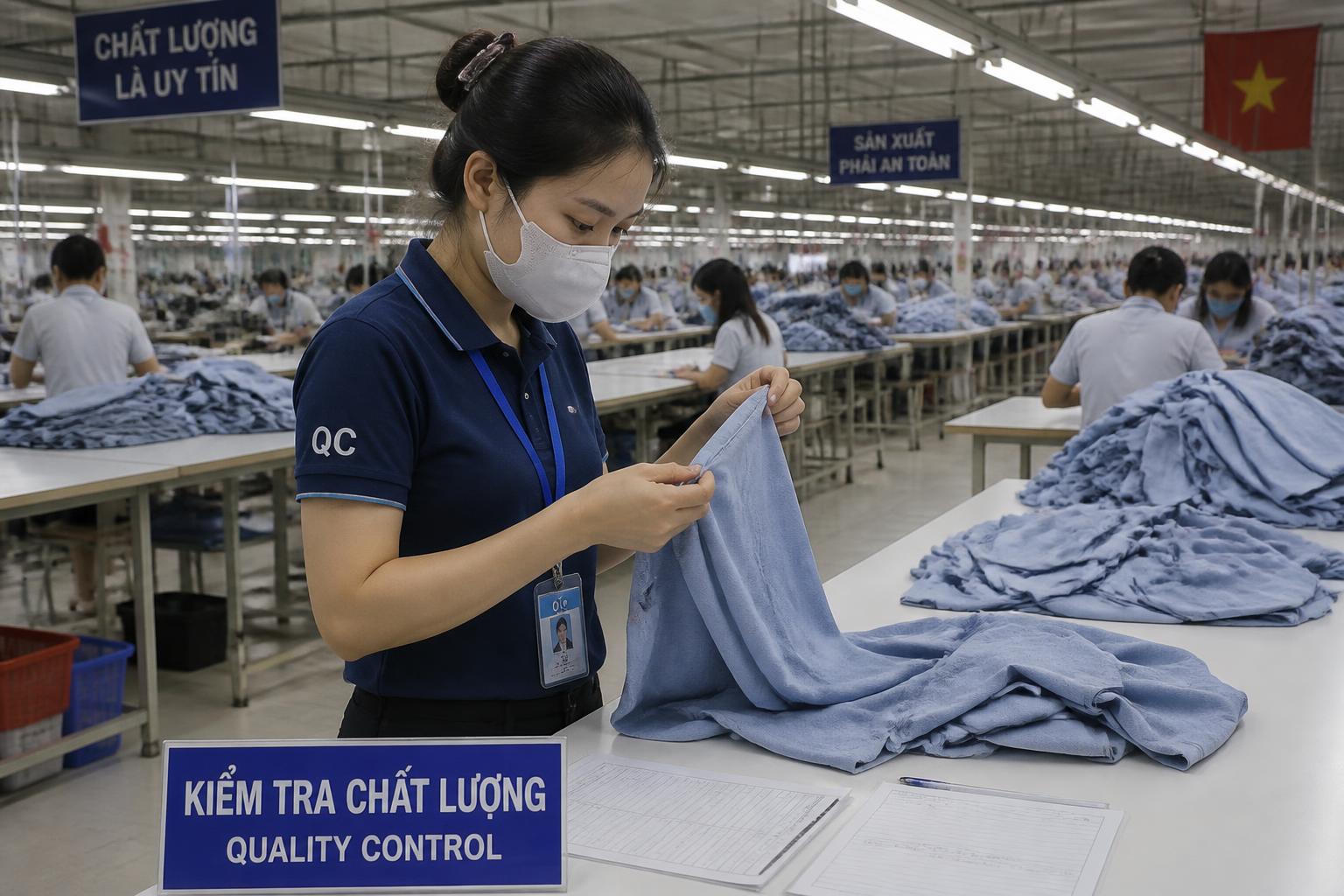
Quality problems are among the most expensive issues in garment manufacturing. Every defective garment requires additional inspection, repair, or replacement, consuming valuable labor and production time. Factories that monitor quality throughout production can detect problems earlier and reduce costly rework. Common Quality Issues:
- Sewing defects
- Incorrect measurements
- Skipped stitches
- Fabric damage
- Assembly errors
Online quality control is far more effective than identifying defects only at the end of production.

9. Poor Production Planning
Production planning coordinates materials, labor, machinery, and schedules. Weak planning often results in idle operators, material shortages, and inefficient workflow. Effective planning ensures each department receives the resources needed to maintain continuous production.
Poor planning may include:
- Delayed material preparation
- Incorrect production scheduling
- Uneven workload distribution
- Poor communication between departments
- Insufficient production monitoring
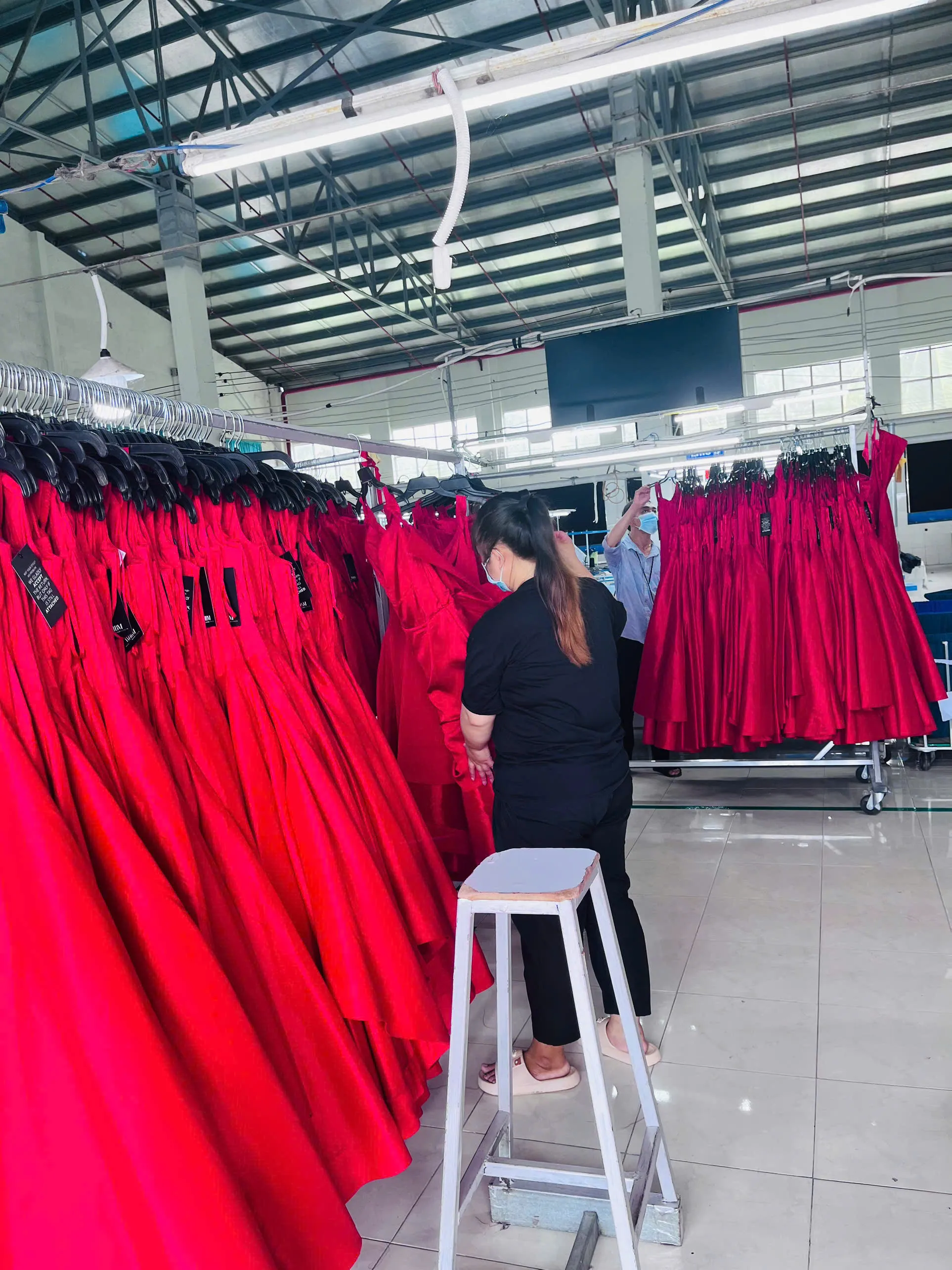
Production planning coordinates orders, materials, labor, machinery, and delivery schedules. When planning is inaccurate, departments may receive the wrong workload or start production before they are fully prepared.
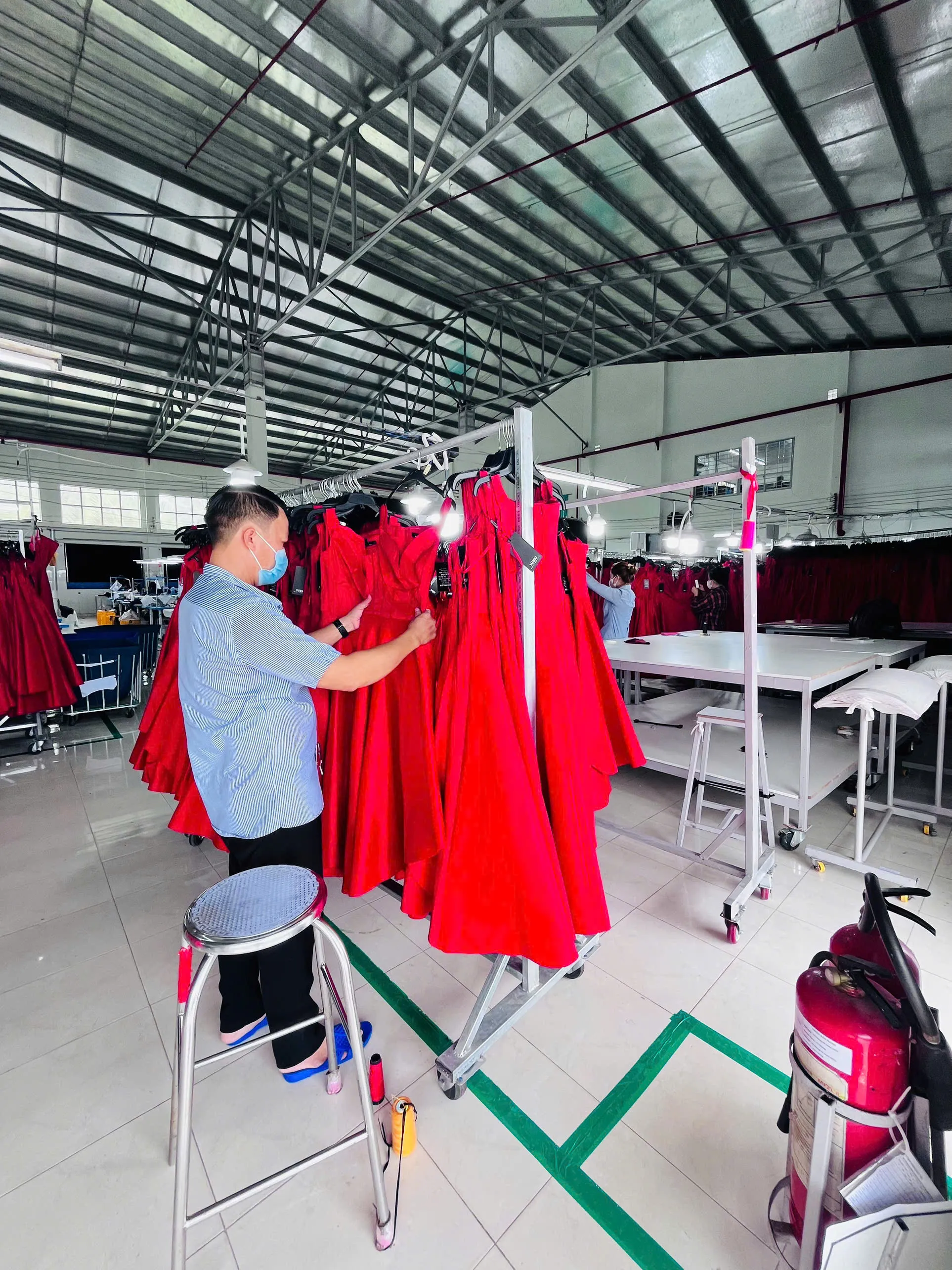
Production Loss Checklist (for Factory Managers)
When factory output drops, managers should check each production area systematically instead of guessing. The table below can help identify where the production loss may be coming from.
| Area | What to Check | Possible Production Impact |
|---|---|---|
| Pattern / Technical | Is the approved pattern being used? Are specifications clear? Are grading, seam allowance, notch, or measurement details correct? |
Wrong panels, fit problems, recutting, sewing difficulty, and rework. |
| Fabric Preparation | Was the fabric properly relaxed? Is shrinkage controlled? Are GSM, width, shade, bowing, and skewing within requirements? |
Panel distortion, measurement variation, sewing problems, and increased rejection. |
| Spreading / Cutting | Is spreading tension correct? Are plies aligned properly? Are cut panels accurate? Are bundles complete and correctly numbered? |
Off-size panels, mixed sizes, missing components, recutting, and operator waiting time. |
| Materials / Trims | Are all fabrics and trims available? Are zippers, buttons, labels, elastic, thread, and packaging ready? |
Production stoppage, WIP buildup, incomplete garments, and delivery delays. |
| Sewing Line | Where is WIP accumulating? Which operation is the bottleneck? Are any operators waiting? Is the line properly balanced? |
Low hourly output, idle operators, bottlenecks, and poor line efficiency. |
| Machines | Are machines operating correctly? Are breakdowns frequent? Is a critical or special machine stopping production? |
Downtime, operator waiting, reduced line capacity, and production interruption. |
| Operators | Is attendance normal? Are operator skills matched to operations? Are new operators properly trained? Is cross-training available? |
Lower productivity, unstable line balance, more defects, and increased WIP. |
| Quality | Which defects are increasing? How much repair or rework is being generated? Are first-piece and in-line checks effective? |
Rework, additional labor, lower first-pass yield, rejection, and shipment delays. |
| Production Planning | Was the style loaded at the correct time? Were capacity, operators, machines, and materials confirmed before production? |
Idle time, poor workflow, line changes, missed targets, and late delivery. |
| Production Monitoring | Is hourly output being monitored? Are WIP, downtime, defects, and efficiency reviewed during the day? |
Problems remain undetected too long, making corrective action slower and more expensive. |
This checklist helps factory managers identify whether production loss comes from technical preparation, materials, cutting, sewing, machines, operators, quality, or planning. The faster the root cause is identified, the easier it is to restore stable production flow.
Conclusion / Final Words
Garment factory output can decrease for many reasons, including pattern and grading errors, poor fabric preparation, cutting defects, missing trims, sewing-line bottlenecks, machine downtime, operator skill gaps, and quality problems. These issues are often connected. A small mistake in pattern making can later become a cutting problem, which may create sewing difficulties, increase rework, and eventually delay delivery. For this reason, factories should focus on controlling the complete production flow rather than looking only at sewing speed.
Improving productivity requires accurate technical preparation, material readiness, balanced lines, reliable machines, trained operators, and strong in-line quality control. Hourly production monitoring, WIP control, preventive maintenance, and fast root-cause correction can also help factories identify problems before they become major production losses. The goal should not simply be to produce more pieces. A strong factory should aim to produce more good-quality garments with less waiting, less rework, and fewer interruptions. Stable processes usually create better output, lower manufacturing costs, and more reliable delivery performance.