
In custom apparel, most focus on fabric, fit, and print. But small details often decide whether a T-shirt feels basic or like a real brand product. One of the strongest details is the custom hem tag. It shapes how customers see your brand, making a shirt look more polished and intentional. This article explains why custom hem tags matter and how to use them the right way on T-shirts.
=> Related Article: T Shirts Manufacturing Vietnam | Mekong Garment Factory
What Exactly Is a Custom Hem Tag?
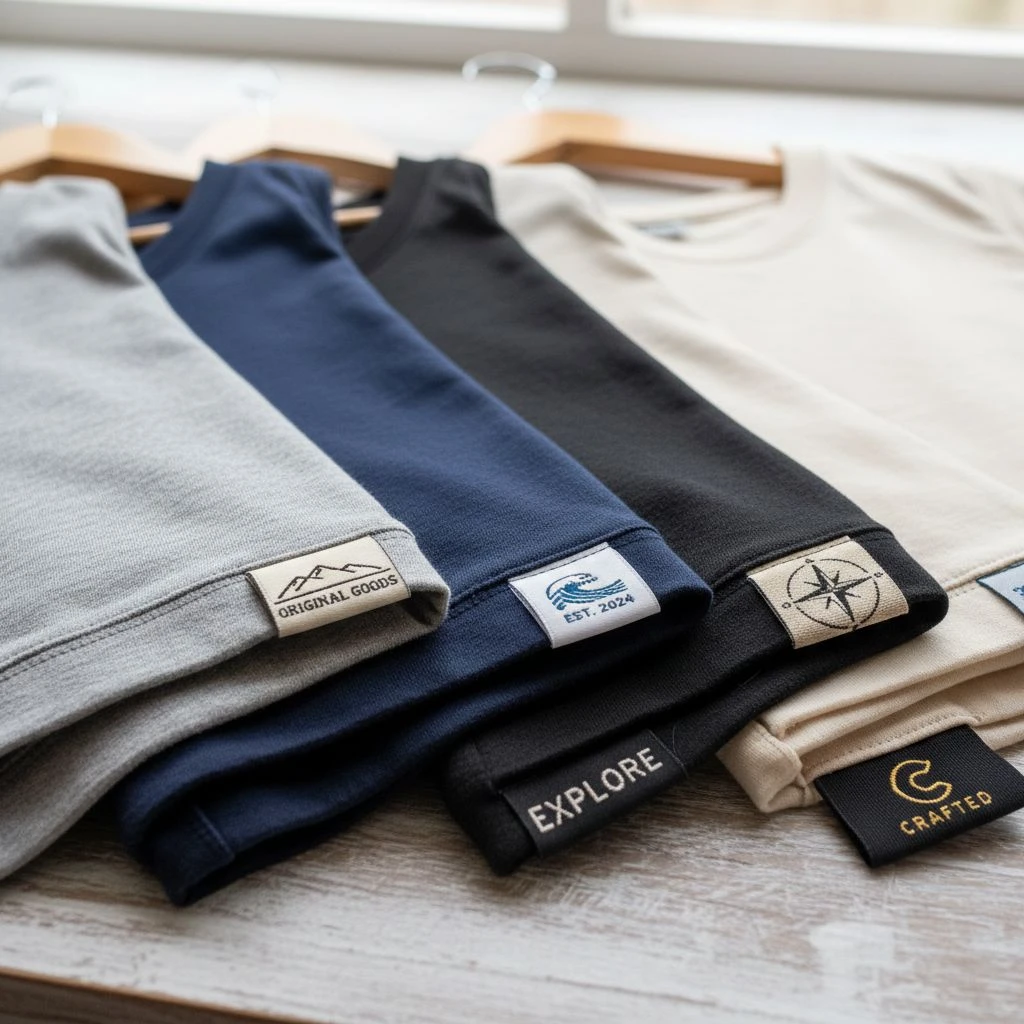
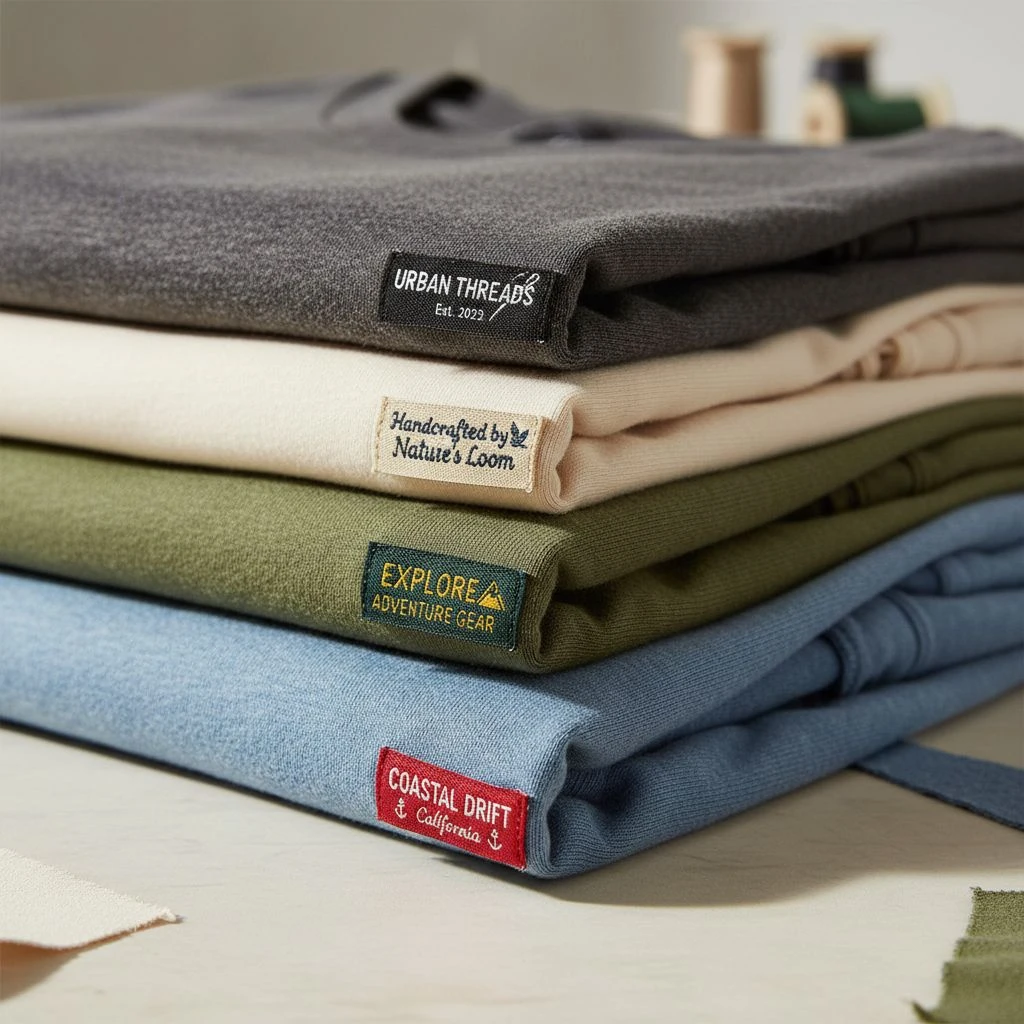
A custom hem tag is a small branded label attached to the hem or seam of a T-shirt as a finishing detail. It adds a professional touch that improves presentation and makes a garment feel retail-ready.
Common placements include:
- Bottom hem (left or right).
- Sleeve hem.
- Side seam (flag label).
- Pocket edge.
Why Custom Hem Tags Matter for Your Brand
1) Strengthen Brand Identity
In a crowded market, a custom hem tag gives your product another brand touchpoint. It reinforces your logo subtly, making the garment feel brand-owned rather than a generic blank. This quiet brand marker helps build long-term recognition.

2) Increase Perceived Value and Professionalism
Perceived value isn’t only about fabric weight. A clean hem tag signals attention to detail and production care. Customers often judge quality based on these small finishes. Trust is built when a team cares about the final garment finishing.
3) Support Customer Loyalty and Quality Showcase
Repeat customers start recognizing signature details. A well-executed tag reflects high quality control and craftsmanship, separating average brands from trusted ones. It tells your brand story in a very small design space.
Types of Hem Tags and Use Cases
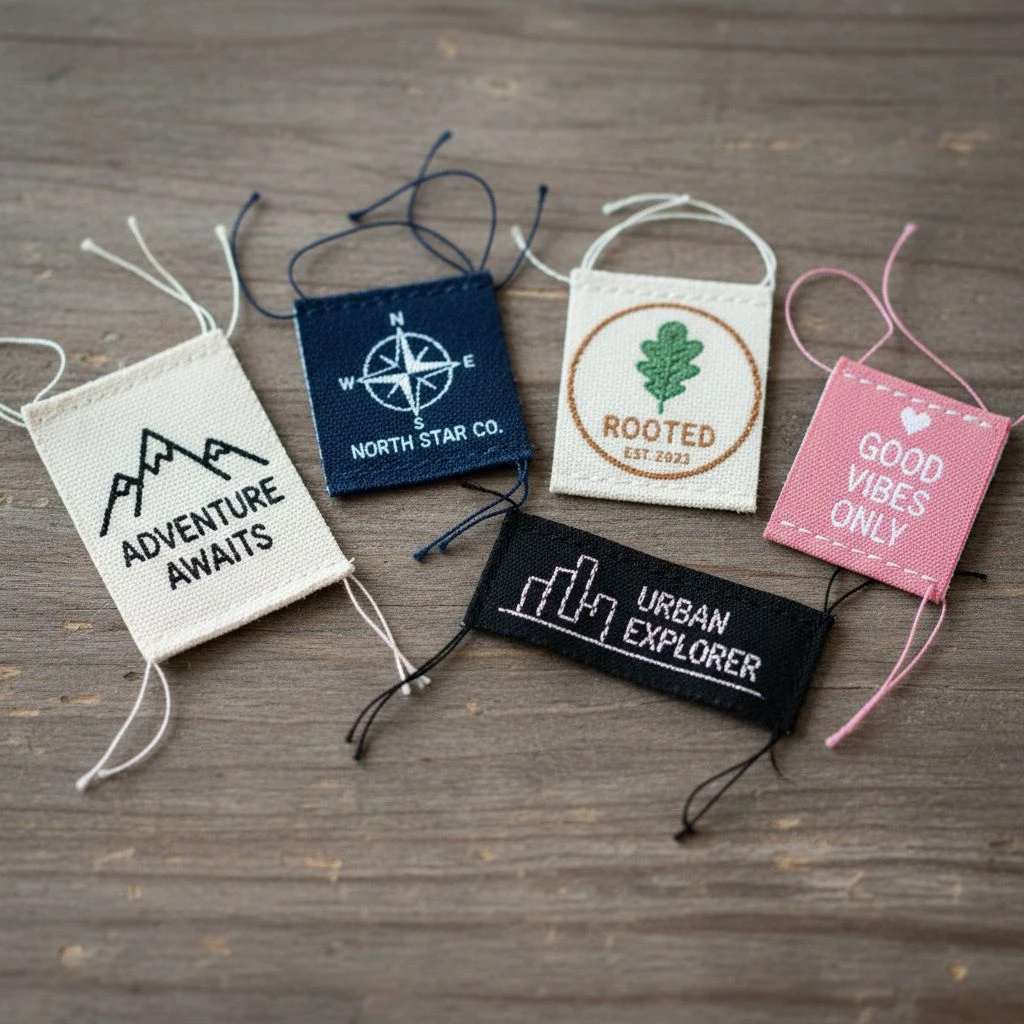
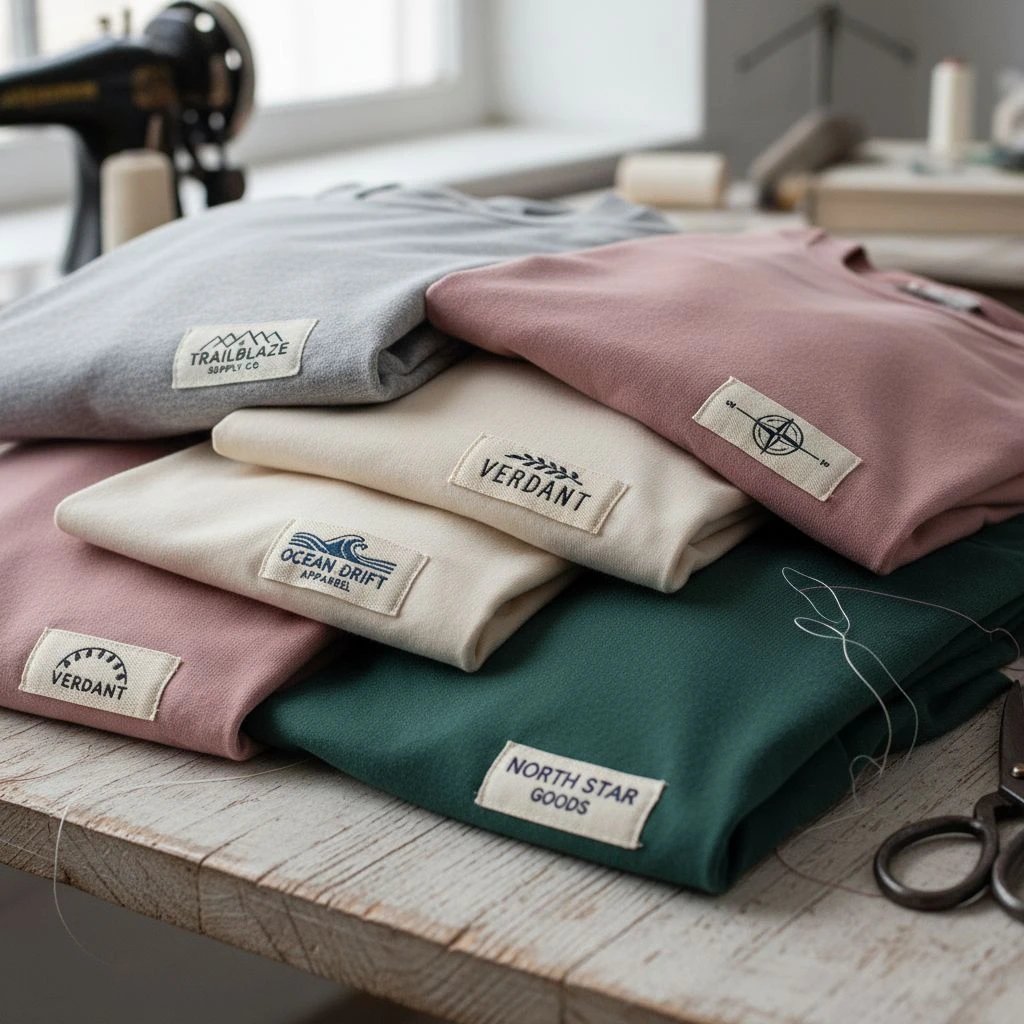
- Woven Labels: Most common for a premium, textured feel.
- Printed Labels: Better for fine text or detailed graphics.
- Fabric Patches: Bold and highly visible, often used in streetwear.
Common Mistakes to Avoid
Adding a tag is easy, but adding a good one takes thought. Avoid these common pitfalls:
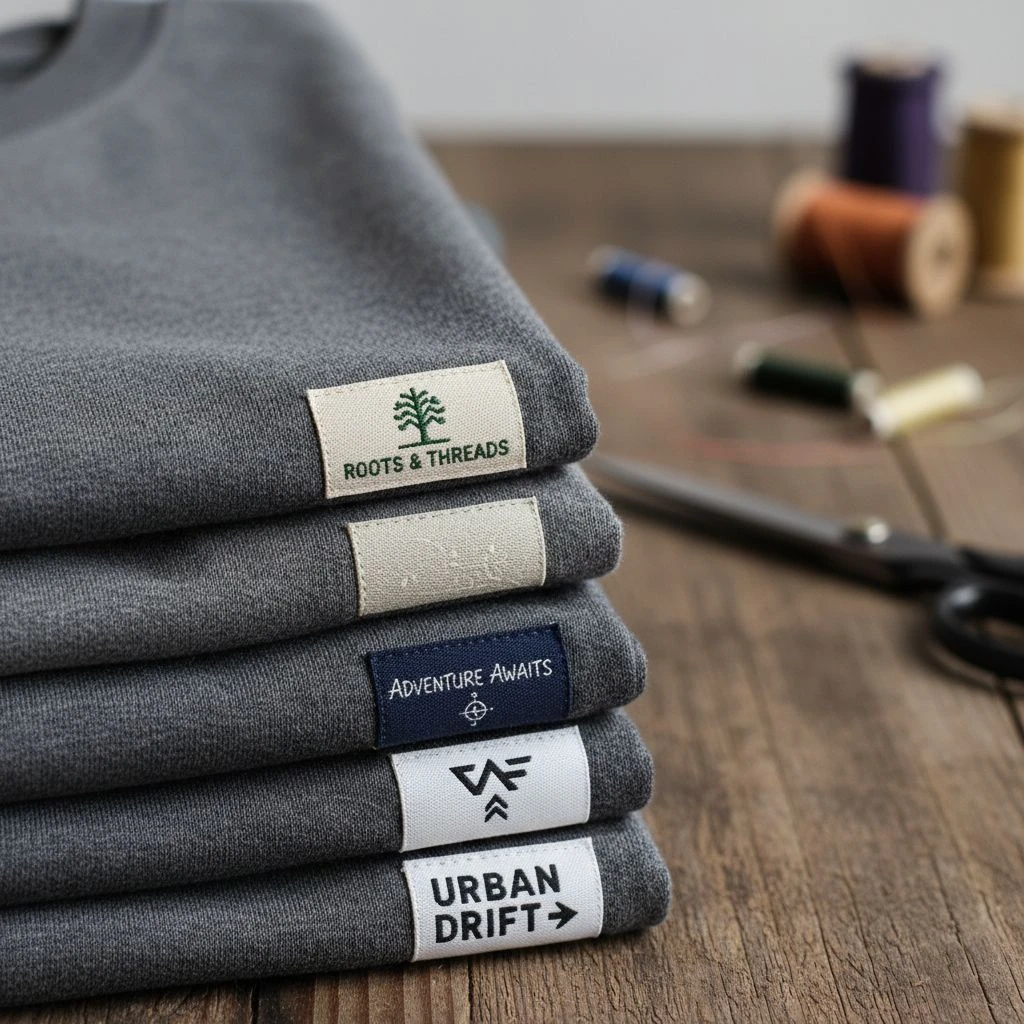
- Sizing Issues: Tags that are too large look forced and awkward.
- Technical Failures: Low contrast designs that are unreadable in real life or poor stitching quality.
- Overbranding: Combining too many prints and tags creates visual noise.
When Are Custom Hem Tags Worth the Investment?
Hem tags are a smart investment for premium or retail-focused brands. They are especially useful for streetwear, boutique labels, and gym brands trying to look more established. If you have a tight budget or a very low order quantity, you might prioritize fit and fabric quality first.
Conclusion
Custom hem tags help turn a basic T-shirt into a complete product. Execution is key: keep the design simple, ensure intentional placement, and maintain clean stitching. Treat hem tags as a strategic finishing detail to build a stronger, more recognizable brand signature.