
In garment manufacturing especially for export orders quality control does not end when production is finished. Many costly disputes happen after goods leave the factory, not during sewing or inspection. One of the most overlooked but critical tools for managing this risk is the Shipment Sample. Despite sounding simple, Shipment Samples are often misunderstood. Used correctly, they protect both brand owners and manufacturers. Used incorrectly or skipped without thought they can leave brand owners exposed when problems arise. This article explains what a Shipment Sample really is, why it matters, how it should be handled, and when it can (and cannot) protect you.
Types of Garment Samples In Garments Factory:
- Prototype Sample in Garment Production? (And How to Make One Step-by-Step)
- Fit Sample and Why You Need It in Garment Production.
- Size Set Sample: What It Is, Why You Need It.
- Counter Sample in Garment Manufacturing? (And Why Brand Owners Need It)
- Salesman Sample, And When Do You Really Need One?
- Pre-Production Sample (PP Sample) in Garment Manufacturing, and Why It Matters More Than You Think
- Top Production Sample (TOP Sample), and Why Brand Owners Actually Need It
- Shipment Sample in Garment Manufacturing?
What Is a Shipment Sample?
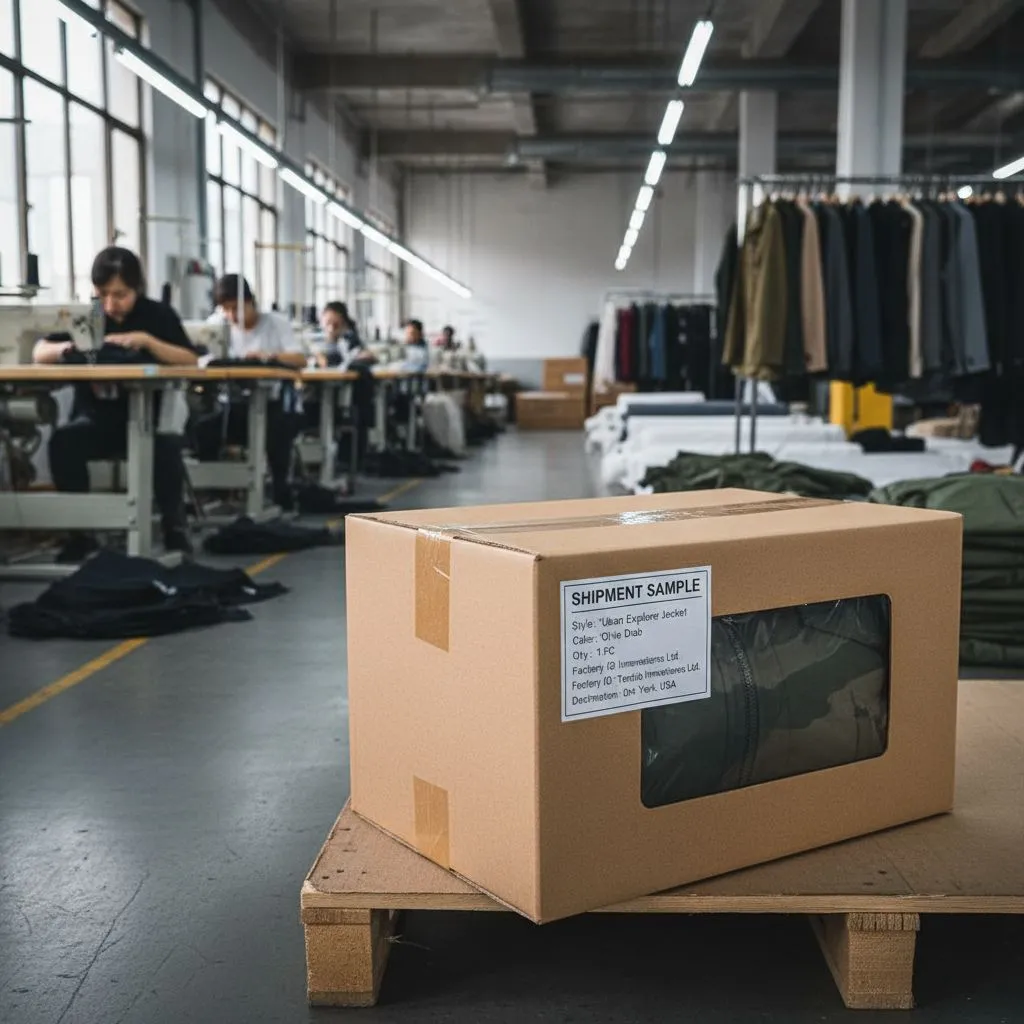
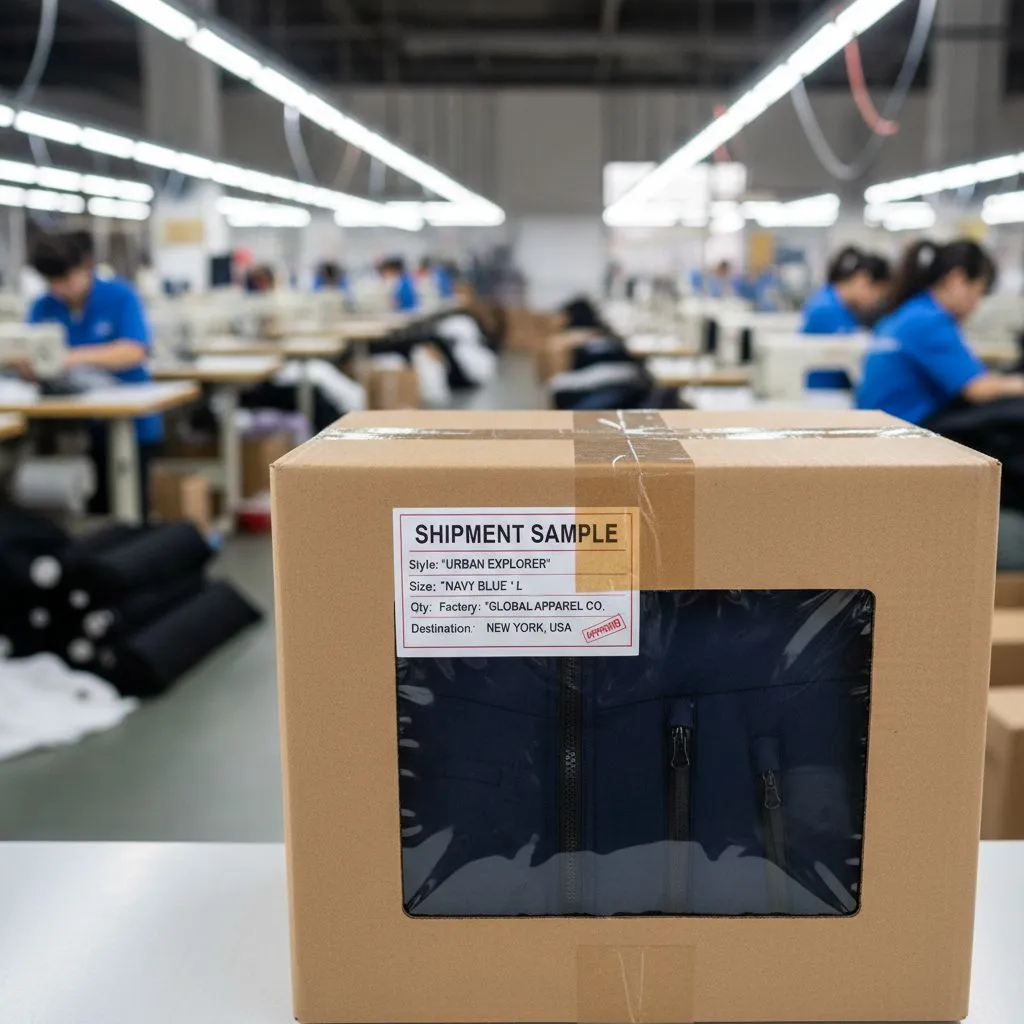
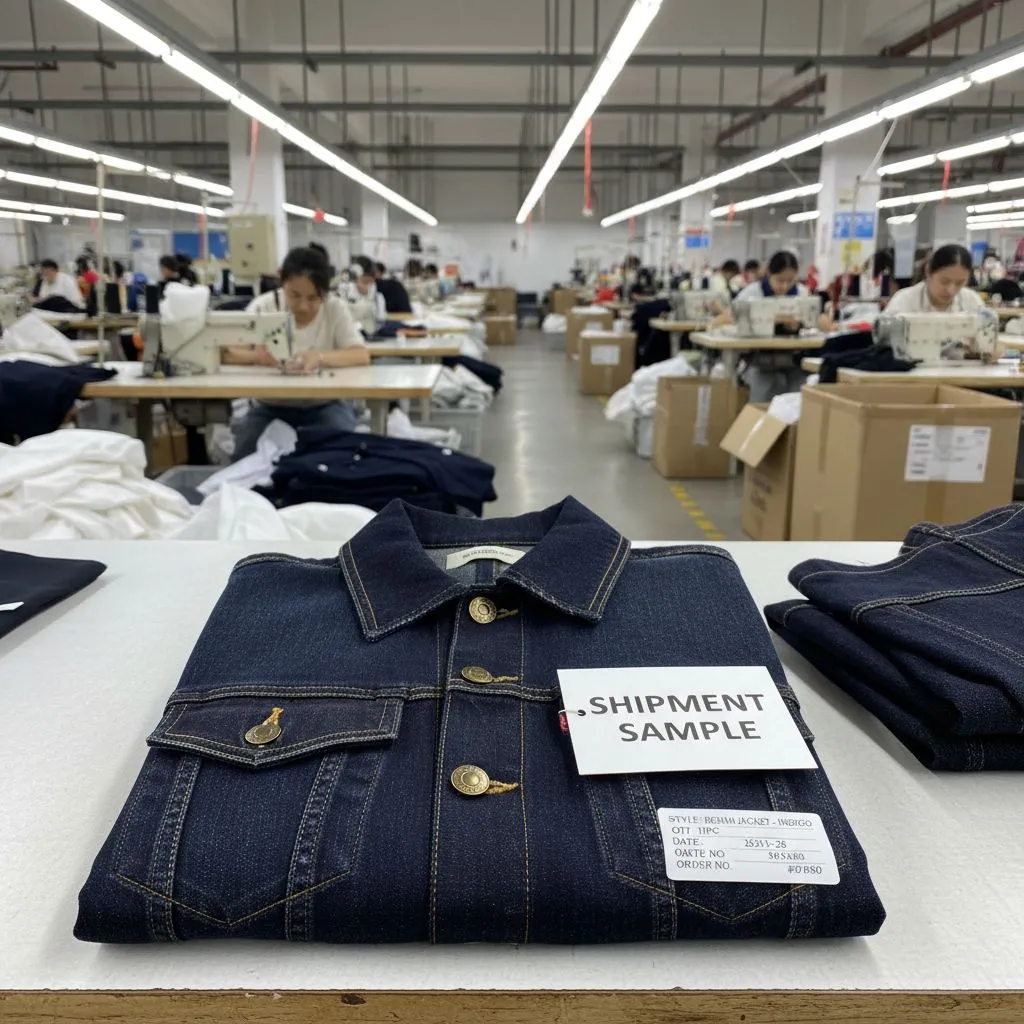
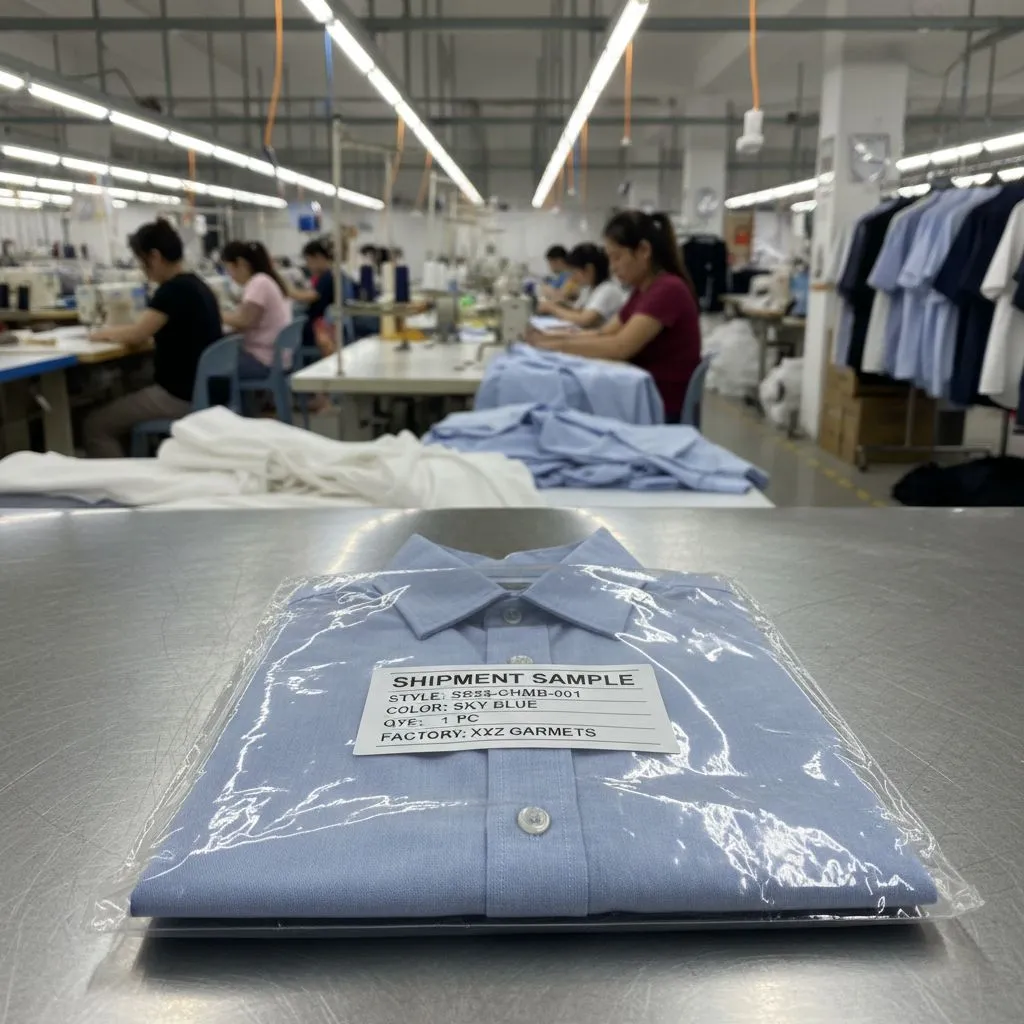
A Shipment Sample is a finished product taken directly from the final packed shipment, after production and packing are complete and the goods are ready for export. Unlike development samples (FIT, PP, or Approval samples), a Shipment Sample represents the product as it actually ships, including:
- Final fabric, trims, and workmanship
- Approved labels, barcodes, and hangtags
- Folding method, polybag, hanger, or carton packing
- Final size, color, and finishing condition
Typically, 2–3 pieces per style or order are taken and kept by the factory or sent to the buyer’s warehouse or head office. Key point: A Shipment Sample is not a “development” sample. It is a post-production reference.
Why Shipment Samples Matter More Than Most Brand Owners Think
Many brand owners assume Shipment Samples are just a formality. That assumption can be expensive.
1. A Reference for Post-Delivery Quality Claims
Once goods arrive at destination, inspecting every carton—or opening sealed containers—is often impractical.

Shipment Samples allow brand owners to:
- Compare received goods with an untouched factory reference
- Identify whether defects existed before shipment or occurred later
- Reduce subjective arguments about “what was originally shipped”
Without a Shipment Sample, disputes often turn into opinion vs. opinion.
2. Evidence in Quality Disputes
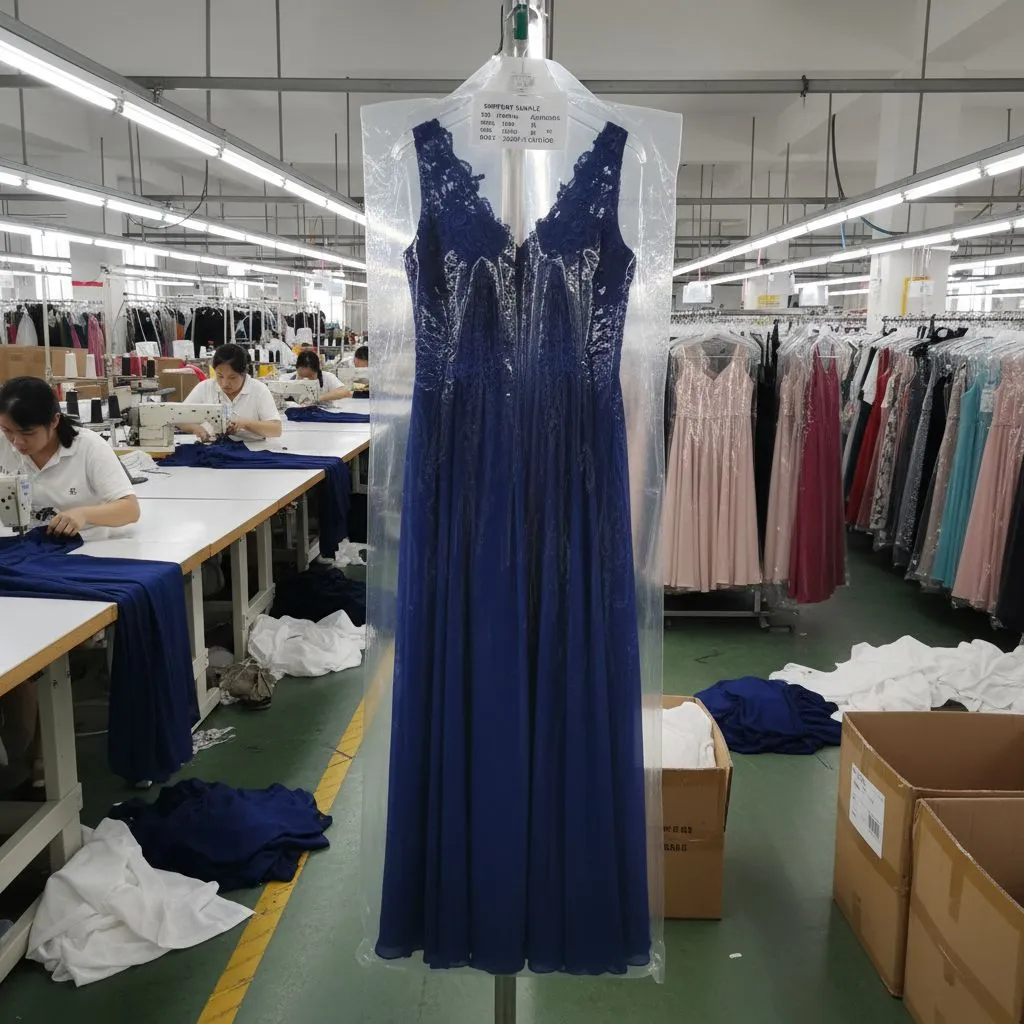
In real-world claims, Shipment Samples are often used to:
- Support or reject customer complaints
- Clarify responsibility between factory, logistics provider, or buyer
- Speed up claim resolution without reopening cartons
However and this is critical Shipment Samples only have value if they are properly taken and documented. A random piece pulled without records has limited legal or commercial weight.
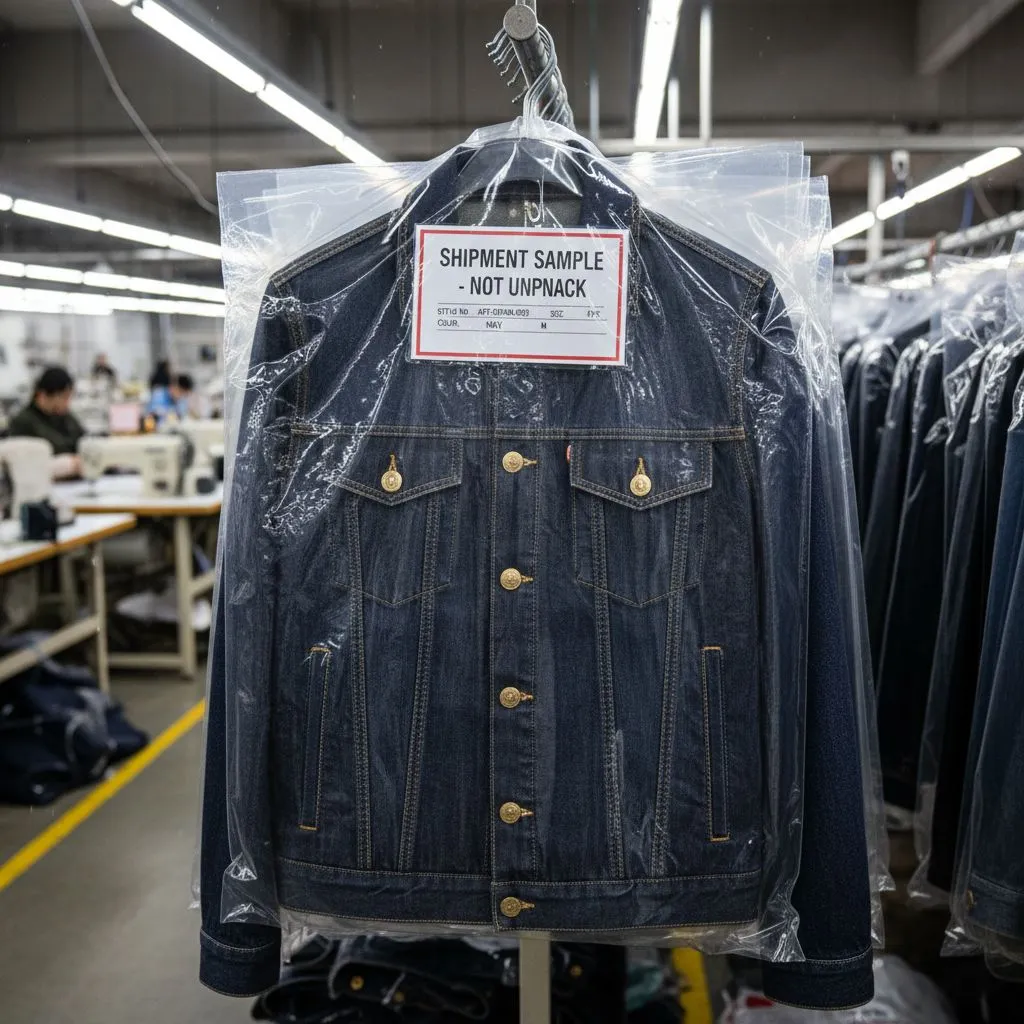
3. Monitoring Long-Term Storage Quality
For goods stored in warehouses for months:
- Shipment Samples help verify original condition
- They allow checks without breaking seals
- They reduce unnecessary handling damage

This is especially useful for seasonal programs or bulk retail orders.
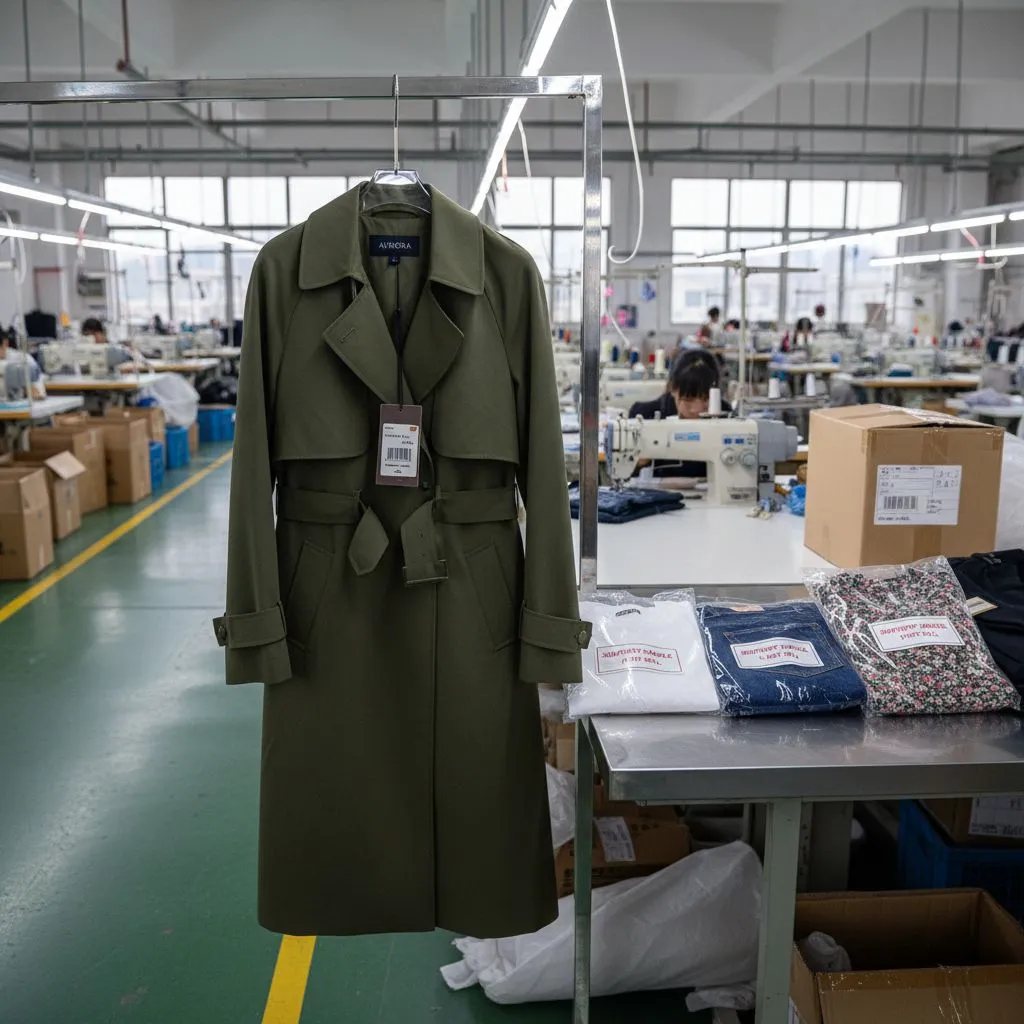
Shipment Sample vs. Approval Sample: Not the Same Thing
Brand owners often confuse these two. They serve very different purposes.
| Item | Approval Sample | Shipment Sample |
|---|---|---|
| Timing | Before bulk production | After production & packing |
| Purpose | Approve design & specs | Confirm shipped condition |
| Represents | Intended standard | Actual shipped goods |
| Used for | Production authorization | Dispute resolution & reference |
In many professional sourcing systems, Shipment Samples are compared directly against the approved sample to confirm no deviation occurred during bulk production.
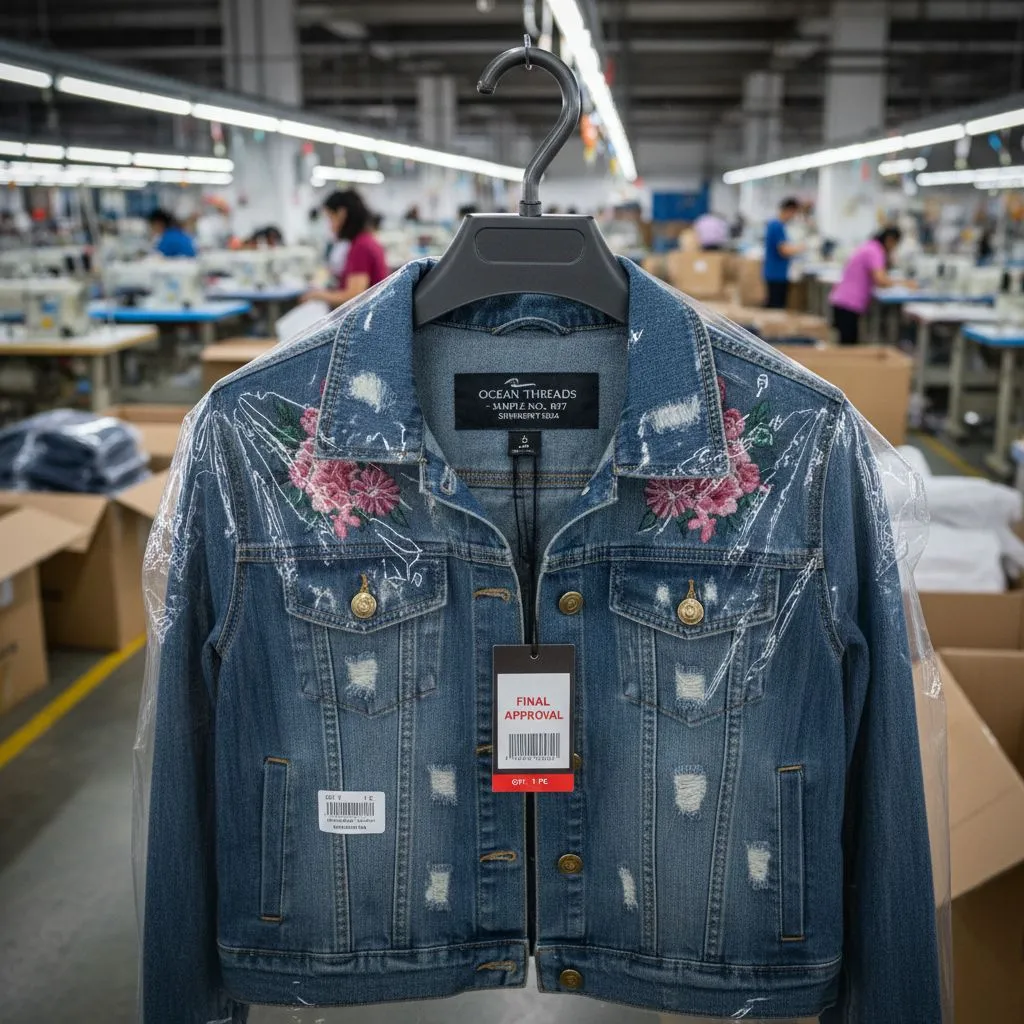
How a Shipment Sample Should Be Taken
Here’s where many brands and factories get it wrong. A Shipment Sample should not be casually selected.
Proper Shipment Sample Process:
- Taken after final packing Not before. Not mid-production.
- Selected from actual export cartons. Ideally random, not hand-picked.
- Recorded and identified: Carton number, Style / color / size, Packing date, Inspector or QC signature
- Stored in controlled conditions: Clean, Dry, Sealed or labeled

Without these steps, a Shipment Sample becomes a weak reference, not a reliable one.
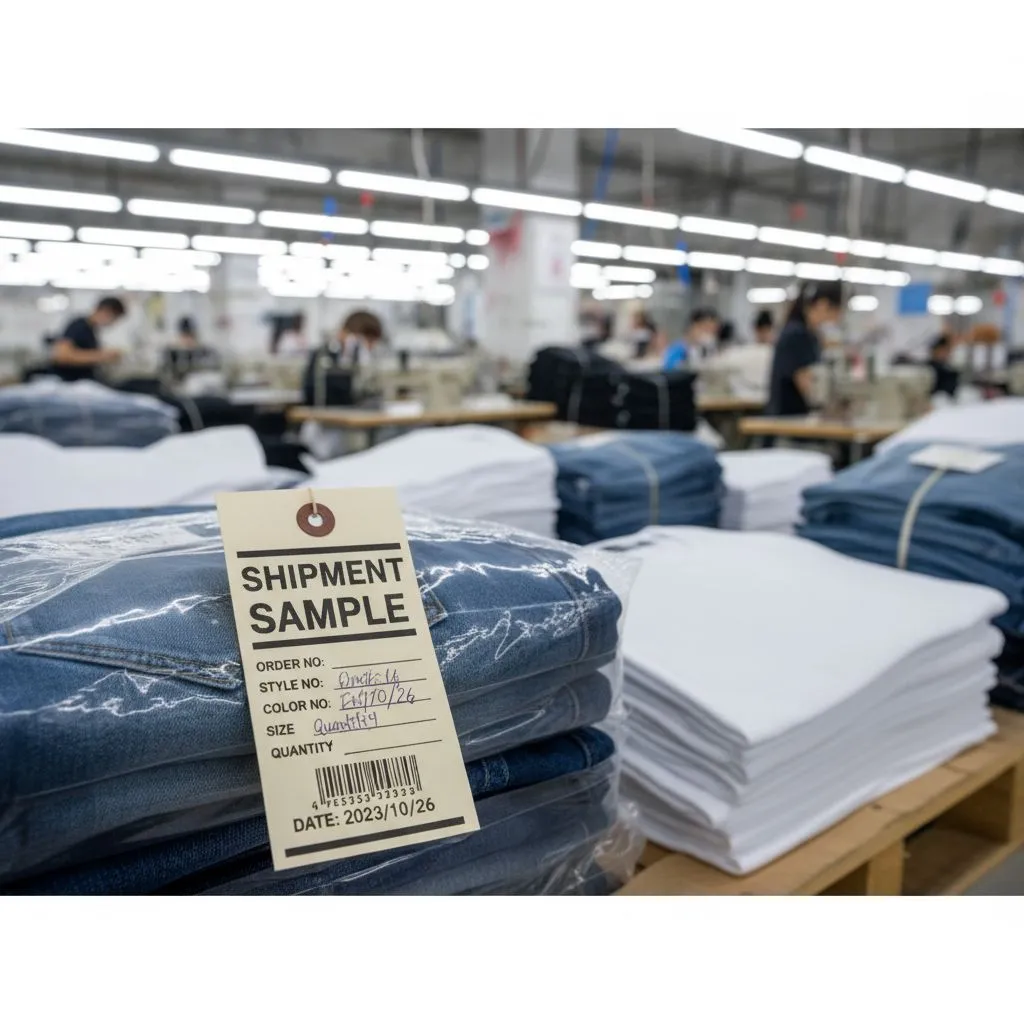
When Do Brand Owners Usually Require Shipment Samples?
Shipment Samples are most common when:
- Order quantity is large
- Brand compliance rules are strict
- Products are high-risk (wash effects, coatings, prints)
- The buyer–factory relationship is new
However, many experienced brands reduce or waive Shipment Samples when:
- The factory has proven consistency
- Internal QC systems are strong
- Timelines are extremely tight
This decision should be strategic, not automatic.
Can Shipment Samples Be Skipped?
Yes but skipping them always increases risk.

Shipment Samples are usually waived only when:
- The factory has a strong quality track record
- Final inspection reports are detailed and trusted
- The buyer accepts higher post-shipment risk
For new suppliers or complex styles, skipping Shipment Samples to save time often costs far more later.
Common Mistakes Brand Owners Make with Shipment Samples
Let’s be blunt:
- Assuming Shipment Samples replace inspections
- Accepting samples with no documentation
- Believing samples guarantee the whole shipment
- Skipping samples without understanding the risk
Shipment Samples are a tool, not a solution by themselves.
Conclusion: Shipment Samples Are Small, but Strategically Powerful
Shipment Samples may look insignificantjust a few garments from thousands but they play a critical role in:
- Protecting brand owners during disputes
- Providing objective quality references
- Reducing unnecessary claims and delays
- Strengthening professional sourcing systems
Used correctly, Shipment Samples reduce risk. Used carelessly or ignored they create blind spots that only appear when it’s too late. For brand owners working with export factories, Shipment Samples are not about paperwork they are about control, clarity, and accountability.