
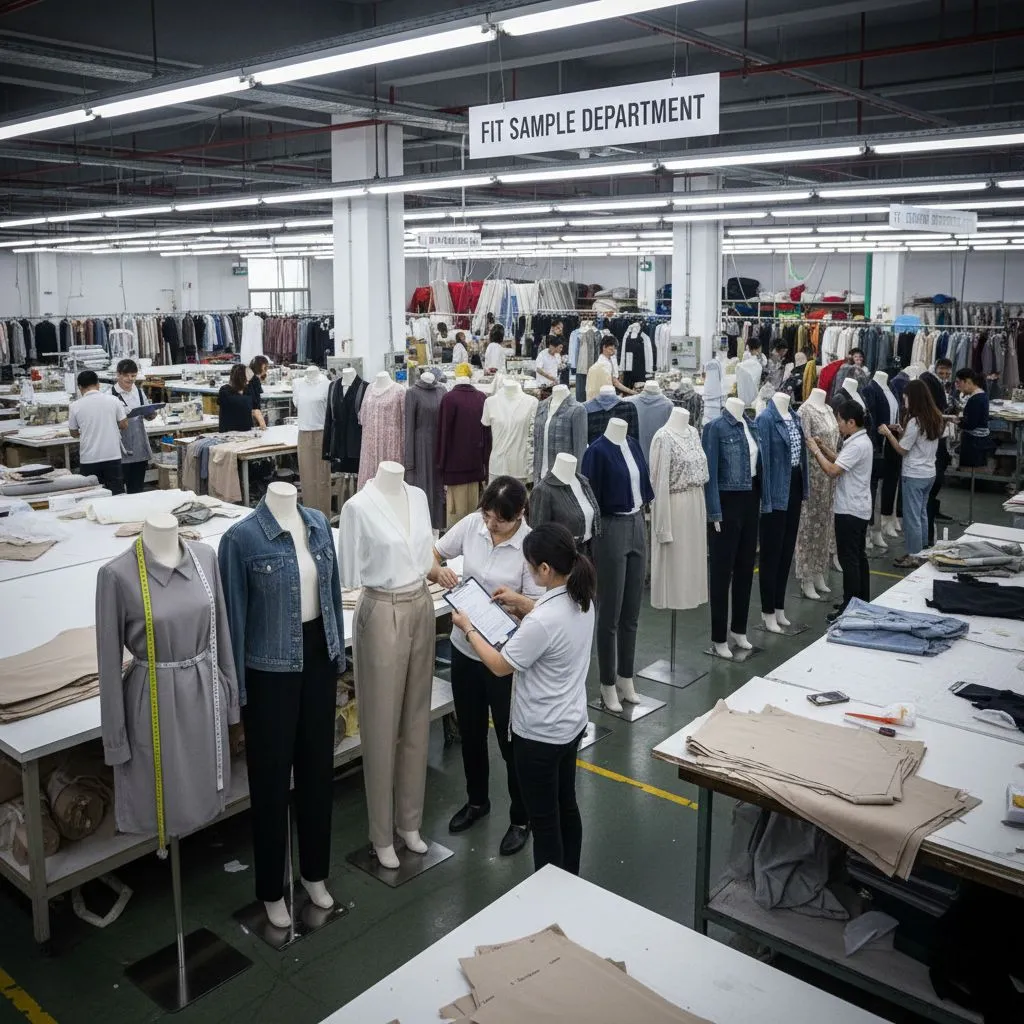
In the clothing manufacturing industry, ensuring that your apparel fits perfectly before mass production is crucial. This is where the Fit Sample plays a central role. A Fit Sample (also called a Fit Check Sample) is a prototype garment made to test fit, size, and silhouette on a live model or a mannequin. It is produced before bulk manufacturing to confirm that the product matches the intended design and sizing specifications. At Mekong Garment, we believe that a precise Fit Sample is the foundation of quality and consistency in every apparel order.
Types of Garment Samples In Garments Factory:
- Prototype Sample in Garment Production? (And How to Make One Step-by-Step)
- Fit Sample and Why You Need It in Garment Production.
- Size Set Sample: What It Is, Why You Need It.
- Counter Sample in Garment Manufacturing? (And Why Brand Owners Need It)
- Salesman Sample, And When Do You Really Need One?
- Pre-Production Sample (PP Sample) in Garment Manufacturing, and Why It Matters More Than You Think
- Top Production Sample (TOP Sample), and Why Brand Owners Actually Need It
- Shipment Sample in Garment Manufacturing?
Why Fit Samples Matter
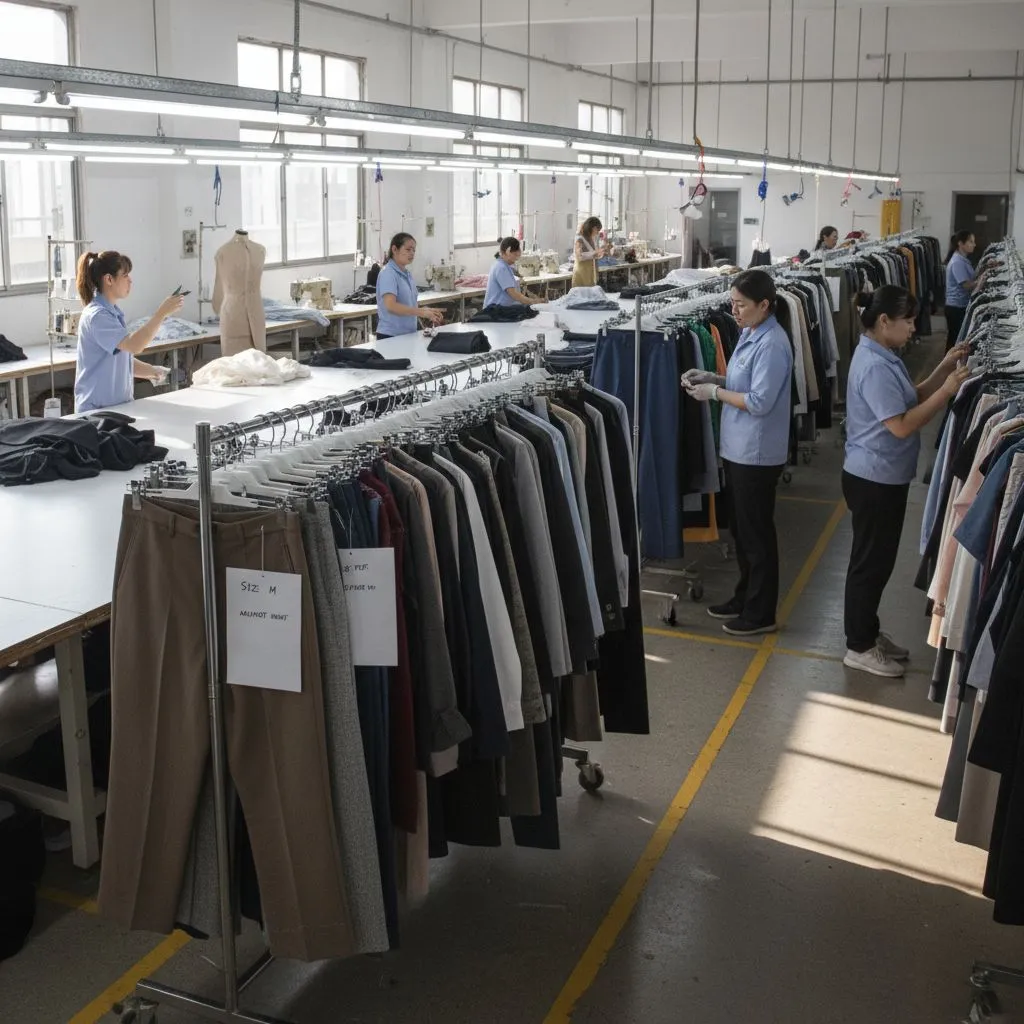
1. Ensure Accurate Fit and Size
One of the main reasons to create a Fit Sample is to test whether a garment fits correctly. When you try the sample on a model or mannequin, you can determine:
- If the garment’s proportions are correct
- Whether the size matches the technical specifications
- If the garment looks and feels as intended on an actual body shape
Without validating the fit first, you risk producing large quantities of garments that may not meet customer expectations leading to returns, reworks, and cost overruns.
2. Detect and Fix Errors Early
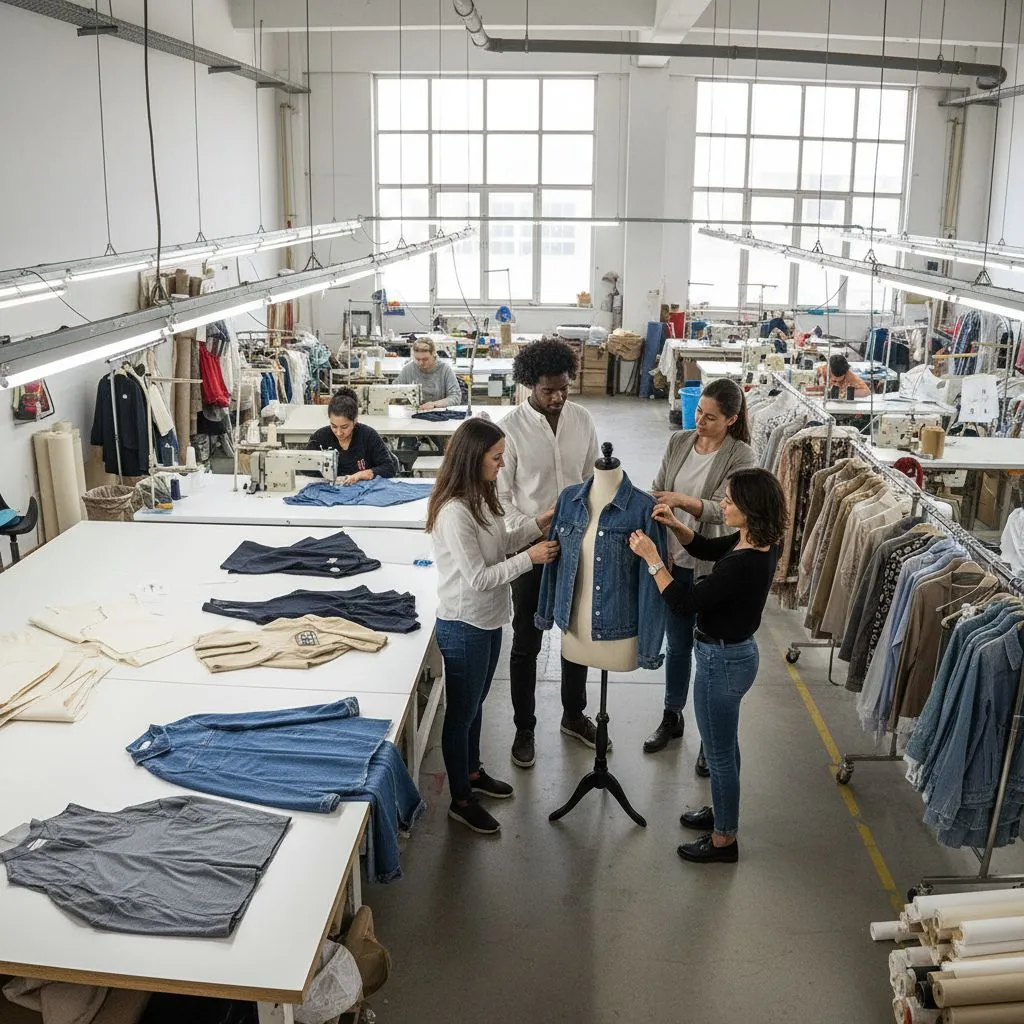
Fit Samples allow both the factory and the buyer to identify issues before full-scale production starts. This includes mistakes in:
- Pattern grading
- Construction and sewing accuracy
- Proportion and balance of design elements

For example, an armhole might be too tight, or the torso length might be off. By catching these errors on a Fit Sample, you save time and money that would otherwise be wasted on correcting hundreds or thousands of finished garments.
3. Optimize Garment Design
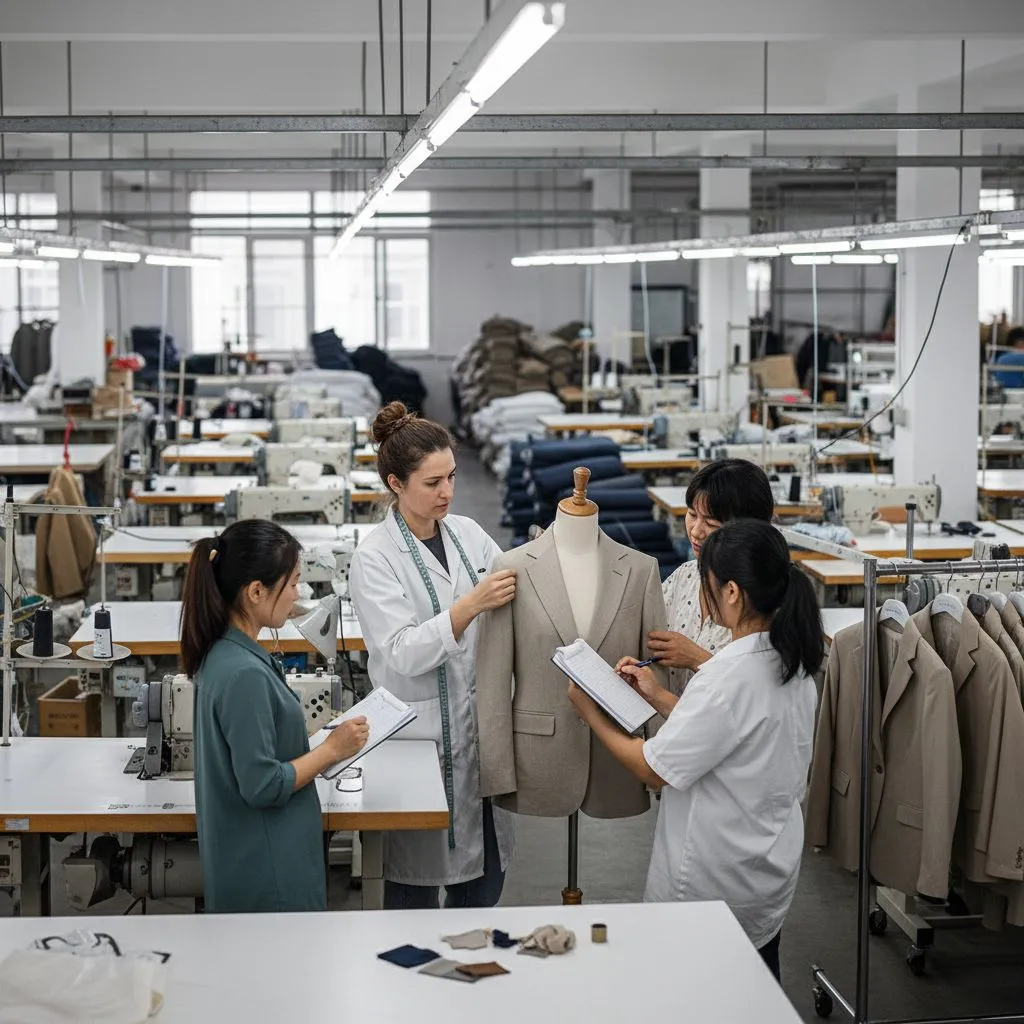
A Fit Sample is not just about size it is also about visual evaluation. It allows designers and technical teams to:
- See how design elements look in real life
- Evaluate drape and movement
- Suggest improvements or technical adjustments
This process helps ensure that the final product doesn’t just fit well but also looks great.
4. Establish Consistency Before Bulk Production
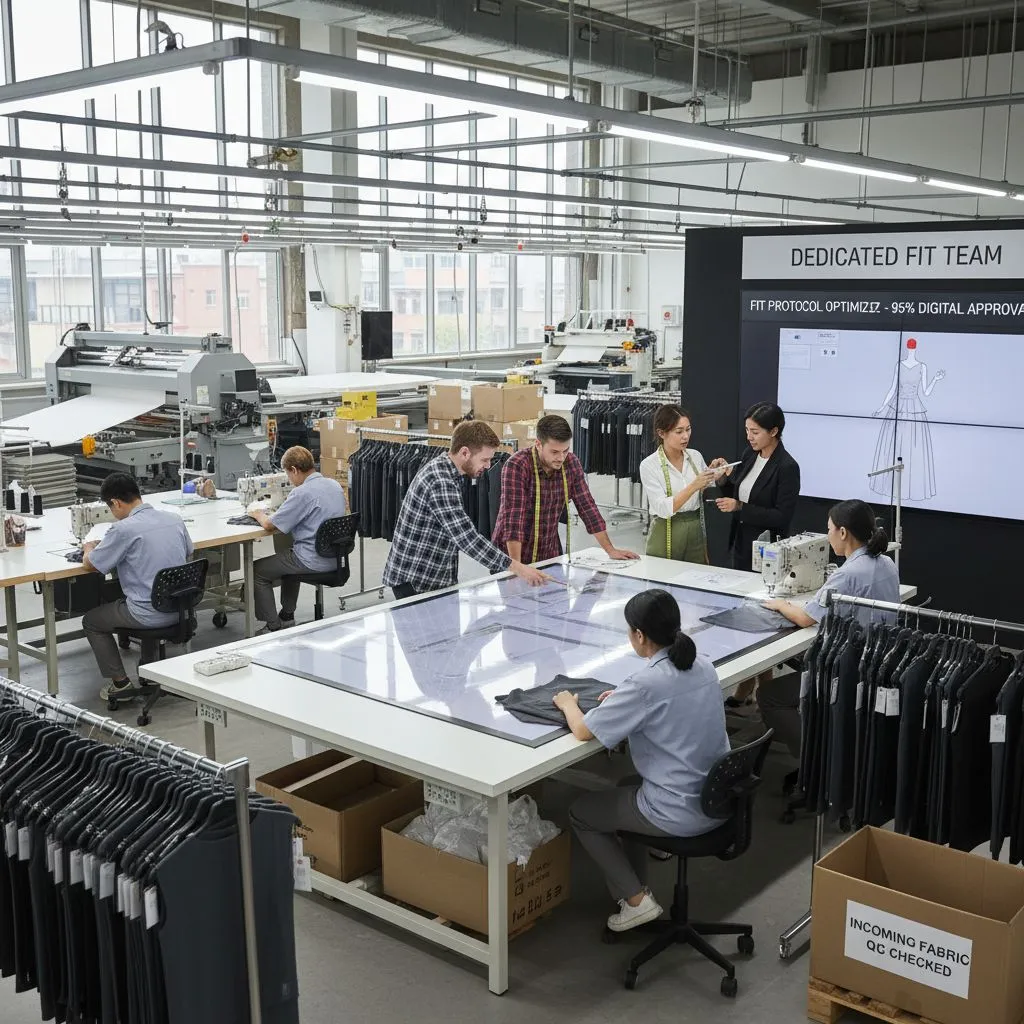
Fit Samples are often used as a reference standard throughout production. Once approved, they serve as a benchmark for:
- Size Set Sample creation
- Pre-Production (PP) Sample approval
- Bulk production quality checks
This ensures consistency across all sizes and units in a production run.

When and How Fit Samples Are Used
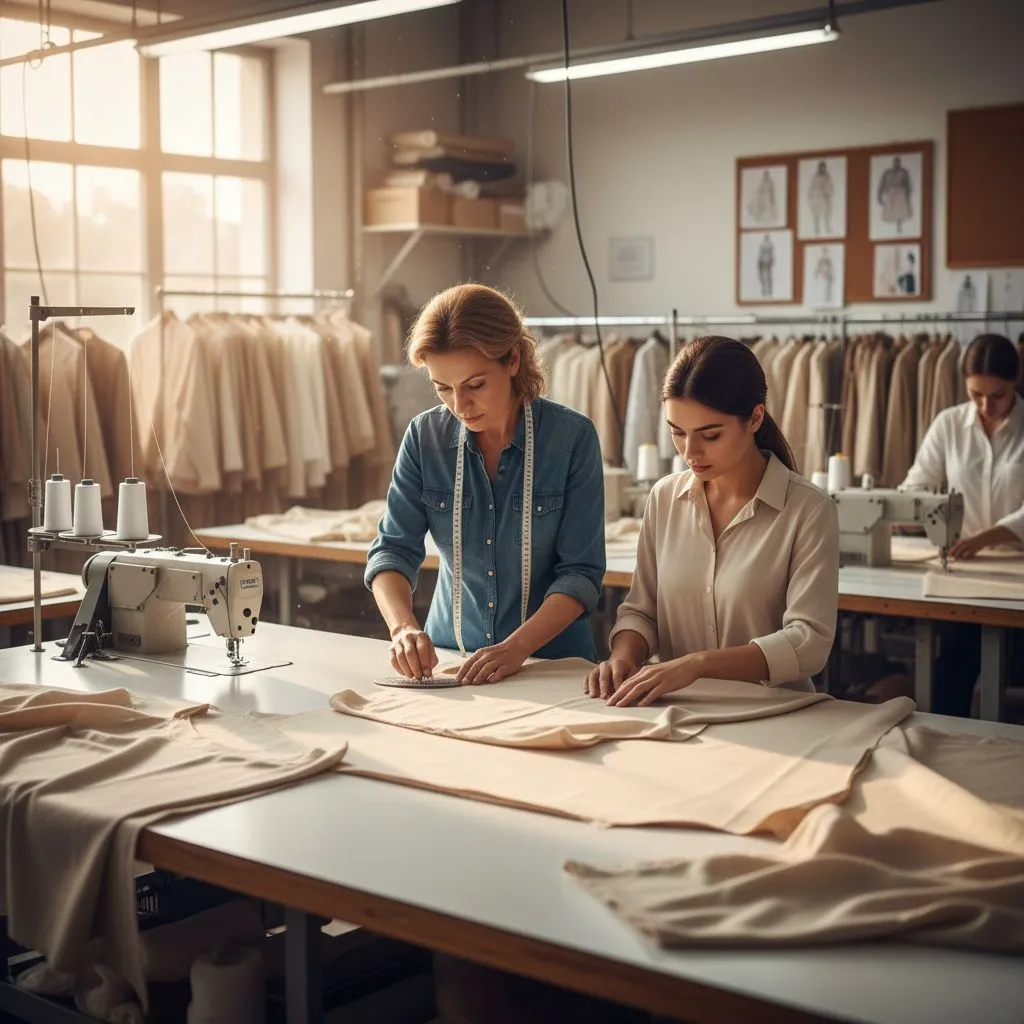
Fit Samples are most useful when you treat them like a checkpoint, not just “another sample.” They come in after the first pattern is ready and before you commit to the next stages like Size Set or PP Sample. At this point, your goal is simple: prove the garment fits the way you expect on a real body (or mannequin), then lock the fit decisions before mass production begins. In this section, we’ll break down when Fit Samples should happen in the timeline and how brands and factories use them to avoid costly fit mistakes later.
When Are Fit Samples Created?
Fit Samples are typically made when:
- A new style is introduced
- A new pattern or size chart is used
- A design is revised
- The buyer requires a pre-production check
In most cases, a Fit Sample is made in one size, often a medium or a size specified by the buyer and is evaluated thoroughly before continuing to the next sample stage.
How Many Fit Samples Are Made?
There is no universal rule, but commonly 2–3 Fit Samples are produced:
- One sample stays with the manufacturer
- One or more samples are shipped to the buyer for review and approval
However, the exact number depends on buyer requirements and product complexity.
Common Mistakes to Avoid
Even experienced manufacturers can make mistakes with Fit Samples. Here are the top issues to watch for:
- Assuming Fit Sample equals Final Product Quality: Fit Samples may be made with test fabric. Don’t assume color, hand feel, or stretch will match bulk production unless confirmed.
- Not Using the Correct Model or Mannequin: Fit results vary greatly depending on body type. Use accurate forms that match your target demographic.
- Skipping Buyer Confirmation: Always get written approval before moving to Size Set or PP samples. Assumptions here can cost you later.
Fit Sample vs Other Sample Types
Many brand owners, especially small or first-time buyers, assume that all samples do the same job. That’s a risky assumption. Each sample type in garment production has a very specific role, and confusing them often leads to fit issues, delays, or expensive rework. A Fit Sample is only about fit and proportions on the body. It is not meant to confirm final colors, trims, or bulk workmanship. Other sample types serve different purposes at different stages of production. Simple rule to remember:
- Fit Sample = body fit decision
- Size Set = grading decision
- PP Sample = final production decision
Understanding where the Fit Sample fits into the production process helps clarify its purpose:
| Sample Type | Primary Purpose |
|---|---|
| Fit Sample | Confirm fit and size |
| Size Set Sample | Check grading across all sizes |
| Pre-Production (PP) Sample | Final check before bulk production |
| Salesman Sample | Marketing and sales previews |
Conclusion / Final Words
A Fit Sample is a critical checkpoint in the garment production process. It helps garment manufacturers and buyers:
- Confirm size and fit accuracy
- Identify and correct errors early
- Refine design and production details
- Build a consistent standard for bulk production
In short, the Fit Sample ensures your garments not only meet technical specs but also deliver the perfect fit your customers expect.