
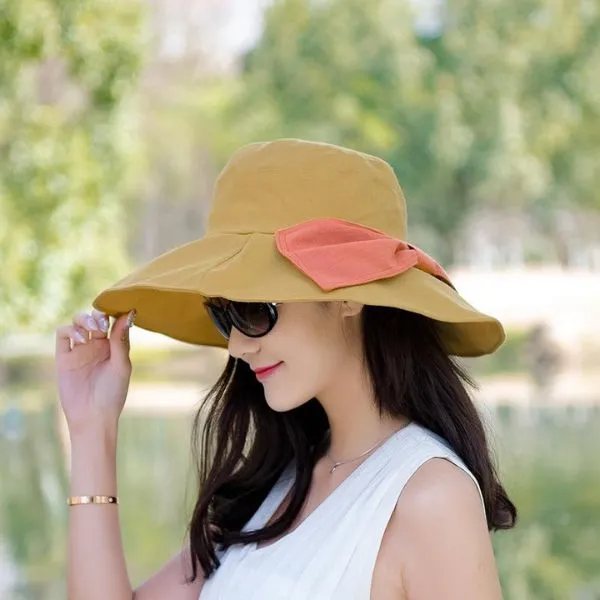

Nobody wants clothes soaked with sweat—uncomfortable, unflattering, and confidence-breaking. In hot, humid climates like in Vietnam, choosing the right fabric matters even more, especially for people who perspire heavily. In this article, Mekong Garment will guide you through 10 ideal fabric types for heavy sweaters to ensure your garments feel comfortable and look great.
What Does “Breathable Fabric” Mean?
Breathable fabrics are materials whose fiber structure allows air to pass freely through them. This helps sweat and body heat escape quickly, keeping you cool, dry, and fresh. Unlike fabrics that trap heat, breathable materials act like a “natural air conditioner,” reducing moisture buildup and odor.
Difference Between “Breathable” and “Absorbent” Fabrics:
Many people think they are the same, but they work differently:
- Breathable fabrics: Allow air to move through the weave, promoting rapid evaporation (e.g., mesh, bamboo, linen).
- Absorbent fabrics: Draw moisture into the fibers, where it remains until it dries out (e.g., cotton, rayon).
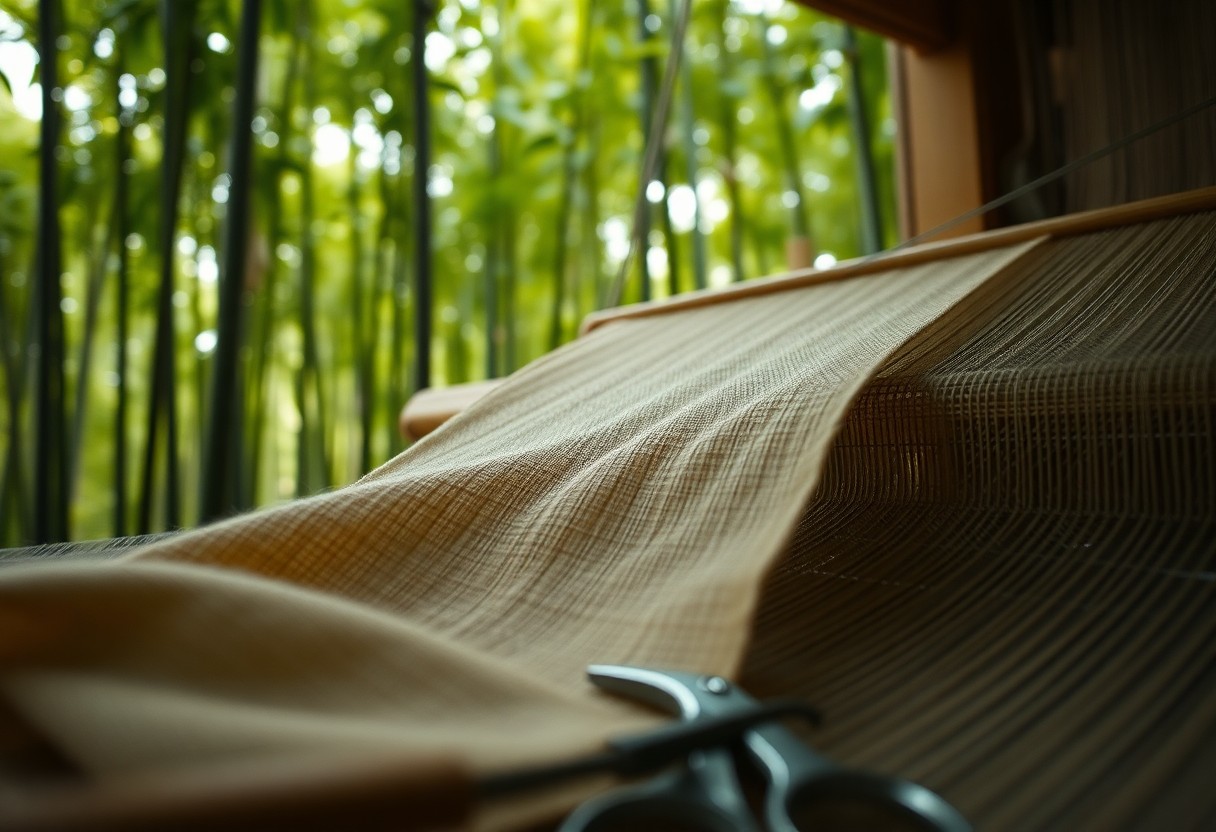
10 Best Fabrics for People Who Sweat Heavily
If you often deal with sweat stains, fabric choice is everything. Below are ten fabrics that balance softness, breathability, and freshness—perfect for daily wear, sports, or office work in warm weather.

=> Read More:
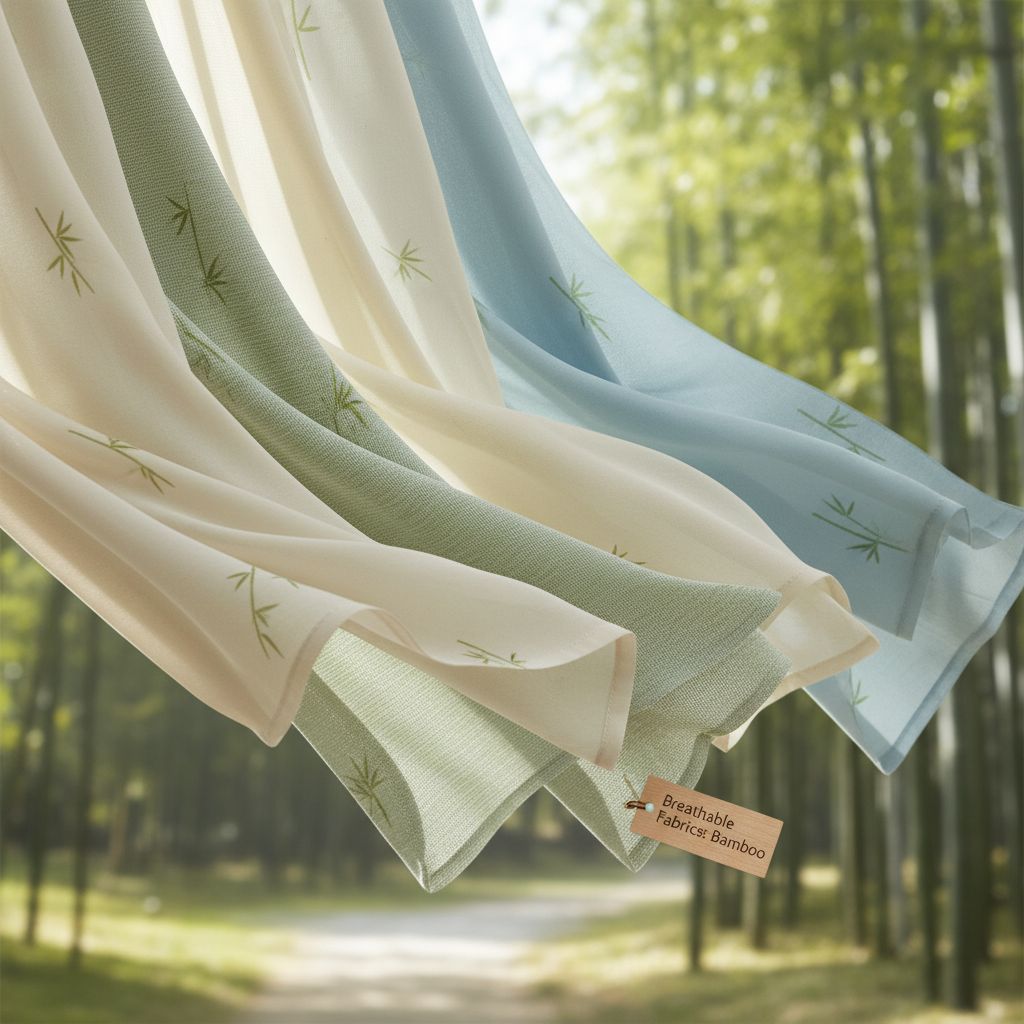
- Bamboo: Absorbs moisture quickly, keeps skin dry, and has natural antibacterial properties to reduce odor. Ideal for eco-friendly comfort.
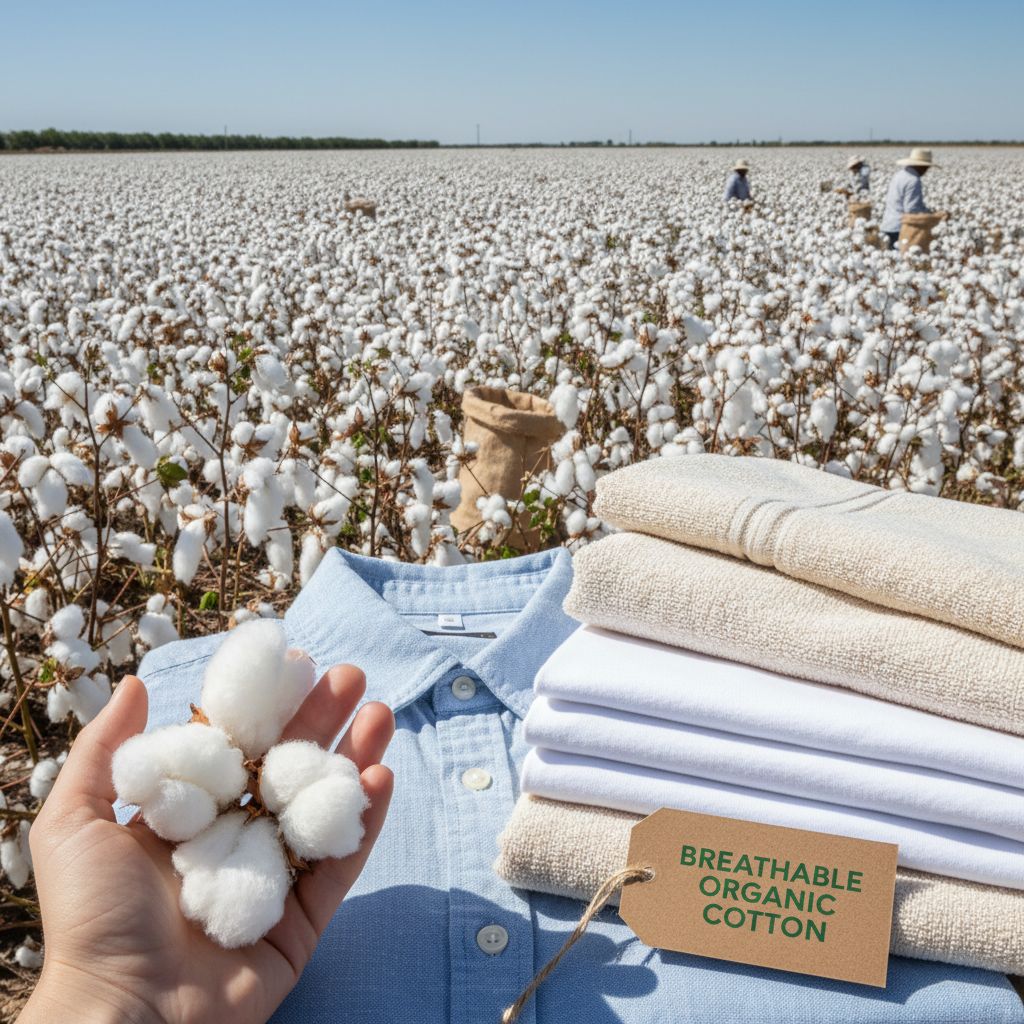
- Cotton: Soft, breathable, and affordable. It absorbs sweat fast so it can evaporate, making it perfect for daily T-shirts and uniforms.
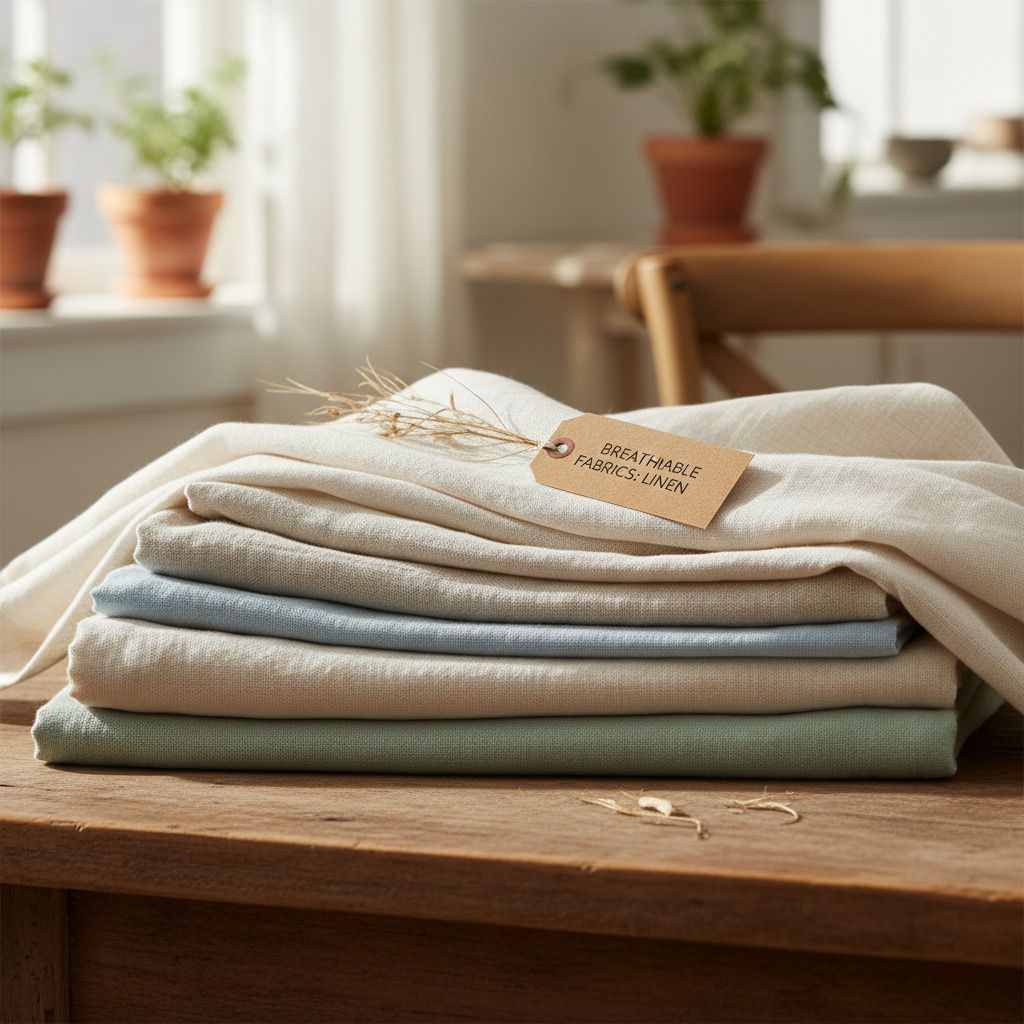
- Linen: The ultimate fabric for coolness. It dries faster than many fabrics and has a sophisticated, effortless look. (Note: wrinkles easily).
- Silk (Mulberry Silk): Feels luxurious and helps regulate temperature. Best for formalwear or high-end elegant garments.
- Hemp: Strong, naturally breathable, and more durable than cotton. Great for garments meant to last in tropical heat.
- Lotus Silk: A rare, handcrafted fiber that is moisture-wicking and UV-resistant. A premium choice for luxury fashion.
- Polypropylene (PP): While good for heat retention in cold climates, it is not recommended for heavy sweaters in hot weather as it can trap moisture.
- Rayon (Viscose): Lightweight and affordable with a soft drape. It feels cool to the touch but needs careful care in humid environments.
- Merino Wool: A hidden gem that controls odor and stays dry even when absorbing moisture. Excellent for high-performance activewear.
- Muslin: Extremely lightweight with an open weave. Used for baby clothes but also perfect for airy adult summer wear.
Deep Dive into Top Choices
Bamboo: A sustainable option that handles moisture exceptionally well. Its comfort justifies the premium price for those seeking superior sweat management.
Cotton: The most dependable option for balance. Affordable, widely available, and suitable for all age groups and daily uses.
Linen: Best for maximum airflow. It minimizes the “sticky” feeling in humid conditions better than almost any other fiber.

Final Word
If you sweat a lot, prioritize fabrics that are absorbent and quick-drying like cotton, bamboo, linen, and hemp. At Mekong Garment, we specialize in crafting high-quality T-shirts, uniforms, and shirts from these breathable materials to keep you comfortable all day long.
FAQs Breathable Fabrics for Hot and Humid Weather
What does “breathable fabric” mean and why is it important for hot, humid weather?
Breathable fabrics have a fiber structure and weave that let air move through, allowing sweat and body heat to evaporate quickly. In hot, humid climates this reduces trapped moisture, lowers cling and odor, and keeps garments feeling cooler and more comfortable for longer.
What are the top 10 breathable fabrics recommended for heavy sweaters in Vietnam?
Top 10 fabrics: 1) Cotton (lightweight/long-staple) — soft, absorbent, versatile; 2) Linen — excellent airflow and fast-drying; 3) Bamboo — naturally wicking and antibacterial; 4) Hemp — durable with great breathability; 5) Muslin — very lightweight, airy cotton weave; 6) Merino wool — temperature-regulating and odor-resistant; 7) Silk — lightweight, smooth, good for formal wear; 8) Lotus-fiber silk — premium breathable, natural texture; 9) Tencel/Lyocell — high moisture transport, cool drape; 10) Rayon/Viscose/Modal — cool, soft drape though may need quick-dry finishes for best performance.
Which fabric and weave combinations work best for office shirts and uniforms in humid conditions?
Choose lightweight cotton or cotton-linen blends in poplin, broadcloth, or seersucker weaves for airflow and a polished look. Tencel blends give a smooth, professional drape with superior moisture transport. Opt for lower GSM (light to midweight), looser weaves, and slightly relaxed fits to maximize ventilation while maintaining a neat appearance.
How should I care for these breathable fabrics to maintain performance and lifespan?
Wash in cold or warm water on gentle cycles with mild detergent, avoid fabric softeners (they can block wicking), air-dry or tumble-dry low, and iron on appropriate settings for each fiber. For merino and silk, use delicate or hand-wash cycles. Store garments dry and rotate wear to reduce odor buildup.
Are synthetic performance fabrics suitable for hot, humid climates or should I stick to natural fibers?
Modern synthetic performance fabrics and blends (engineered polyester, nylon with wicking finishes) dry very quickly and perform well for active use, but some can trap odor or feel less comfortable for prolonged casual wear. For daily and office use, natural fibers or natural-synthetic blends strike the best balance of comfort, breathability, and appearance.
How can heavy sweaters avoid visible sweat stains while staying comfortable?
Use fabrics that disperse moisture (linen, bamboo, Tencel, merino) and choose darker colors, patterns, or textured weaves that mask wetness. Wear thin moisture-wicking undershirts to pull sweat away from outer layers, select garments with looser fits and ventilation panels, and consider finishes like anti-odor or quick-dry when ordering custom pieces.