
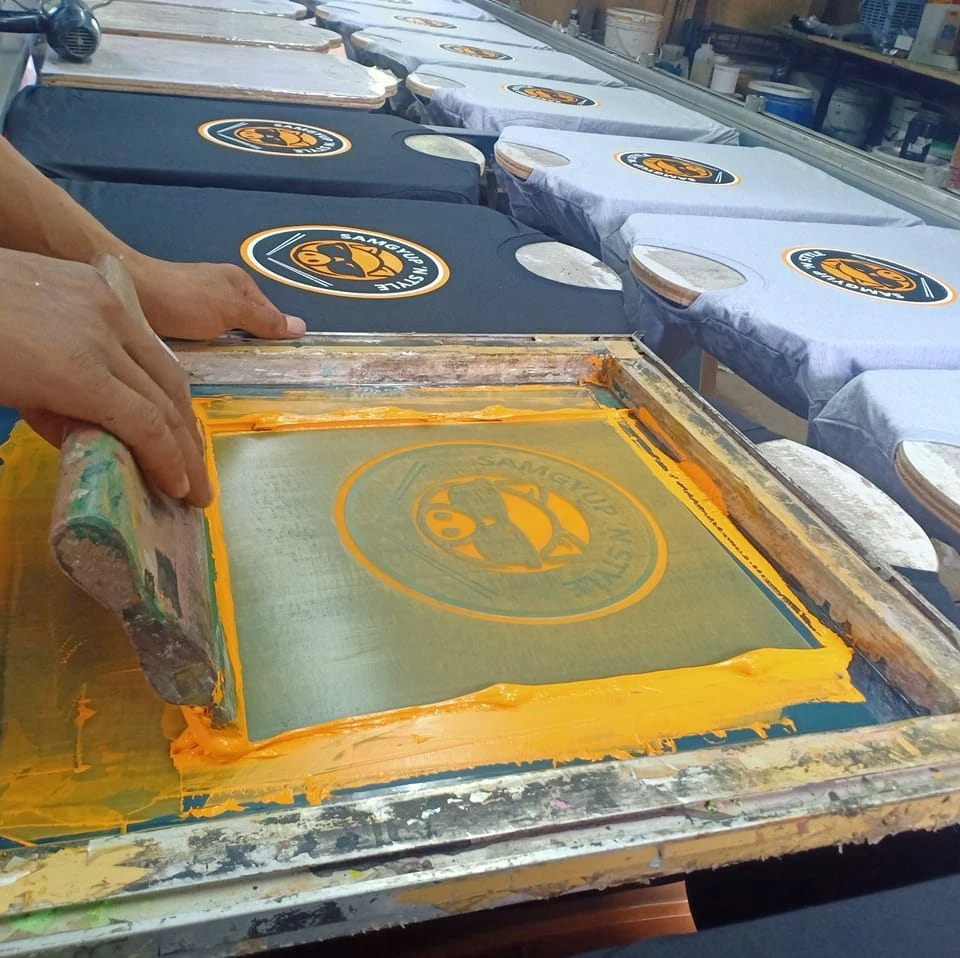
Screen printing is still the “workhorse” of T-shirt printing. It’s not trendy. It’s not magical. It’s just the method that wins when you need repeatable quality at scale. But here’s the part people get wrong: screen printing is not always the best choice, even if it sounds “premium.” It depends on your order size, color count, and fabric. Let’s break it down like a real brand owner would.
=> Read More: T Shirts Manufacturing Vietnam | Mekong Garment Factory
T-Shirt Printing Methods Comparison:
- Screen Printing for T-Shirts: What It Is, Pros, Cons, Costs, and When to Use It
- Direct-to-Garment (DTG) Printing for T-Shirts: Pros, Cons, and What Brands Must Know
- Direct-to-Film (DTF) Printing for T-Shirts: Pros, Cons
- What Is Heat Transfer Printing for T-Shirts: Pros, Cons, Benefits,…
- Sublimation Printing for T-Shirts: Pros, Cons and Guide for Brand Owners
- Puff Printing for T-Shirts: Pros, Cons, Benefits and Guide for Brand Owners
- Heat Transfer Vinyl (HTV) Printing: Pros, Cons and Benefits
- What Is Embroidery for T-Shirts? A Brand Owner’s Guide
What is screen printing?
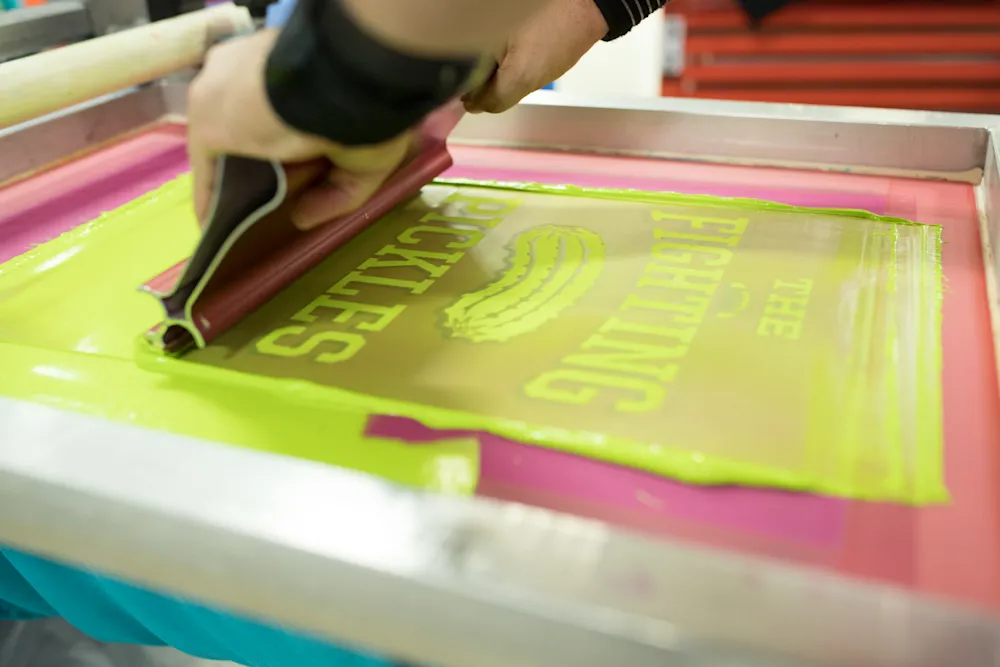
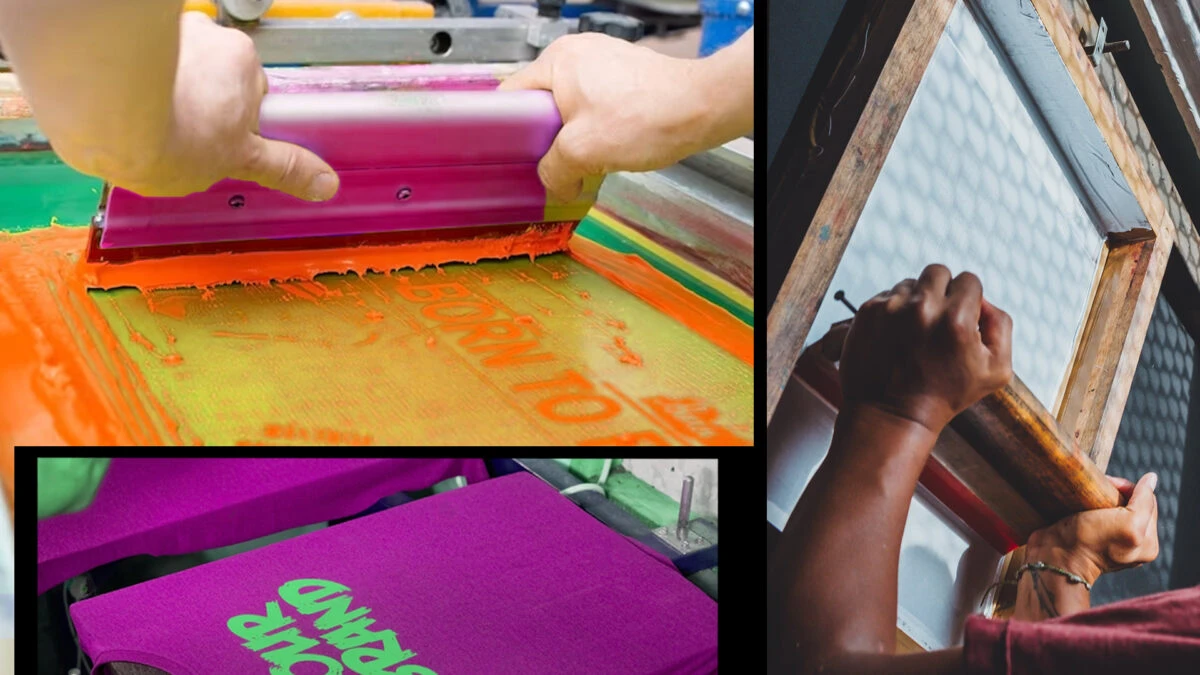
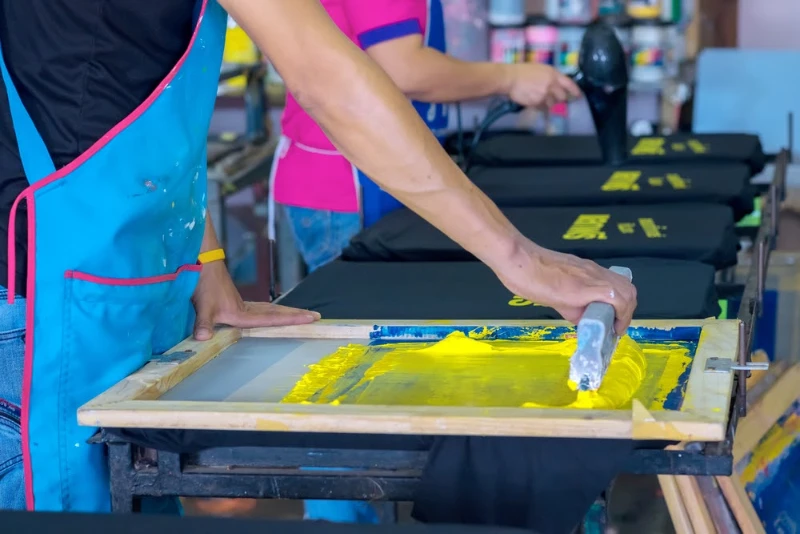
Screen printing (silkscreen printing) uses a mesh screen and a stencil to push ink onto fabric. Each color usually needs a separate screen. The ink is applied in layers and then cured (heated) to lock it in. Think of it like this:
- DTG = a printer printing on fabric
- Screen print = a “stencil + ink” process designed for speed and volume
Why screen printing is still popular
Screen printing is built for:
- consistent color
- fast production once setup is done
- high durability
- low cost per piece at higher quantities

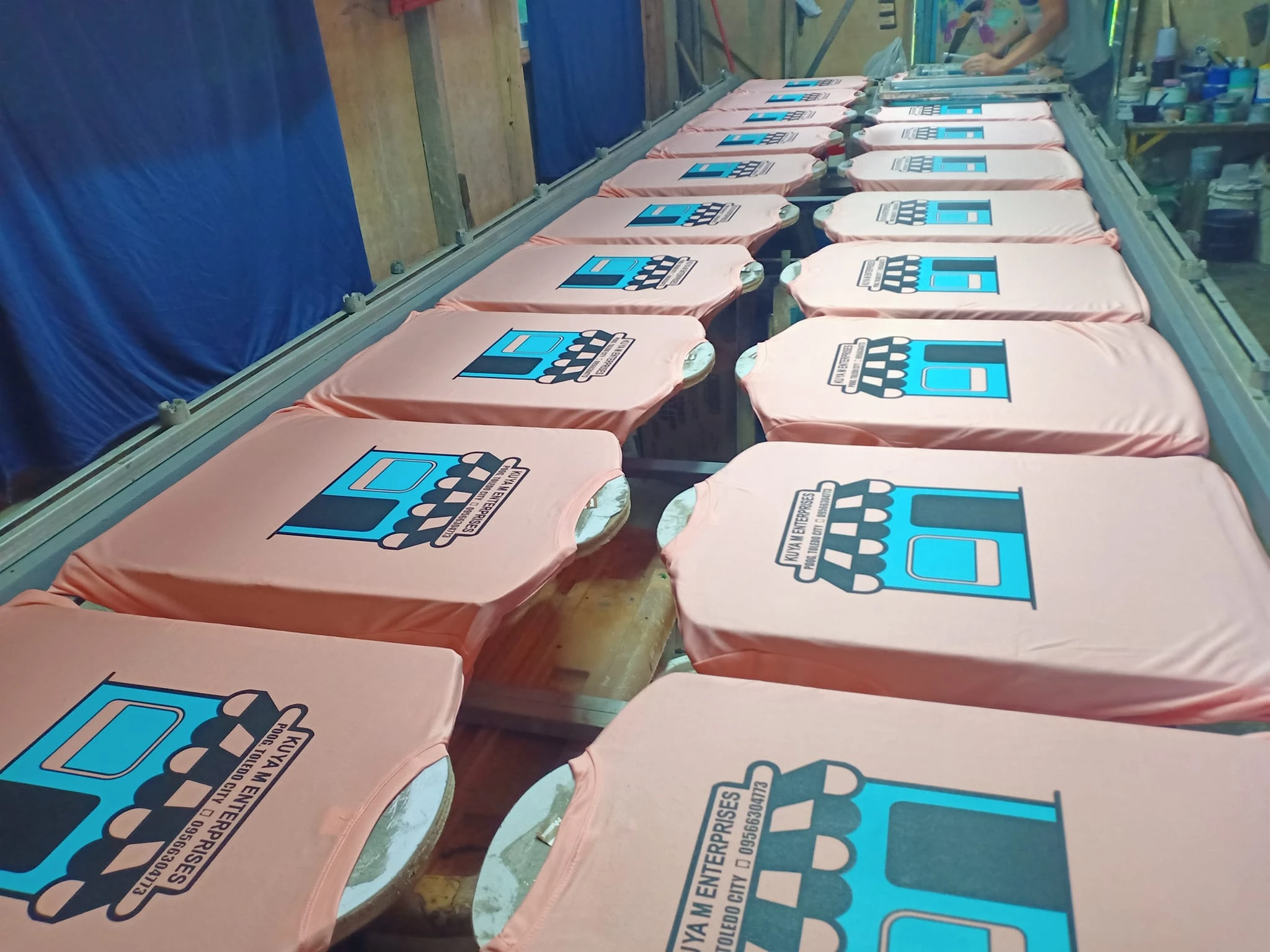
It’s the reason most promo tees, event shirts, and many streetwear drops are screen printed.
Best uses of screen printing
Screen printing works best when your design is:
- 1–4 solid colors (logos, bold graphics, simple text)
- large print areas (front chest, full back)
- repeated across many pieces (bulk orders, reorders)
Great for:
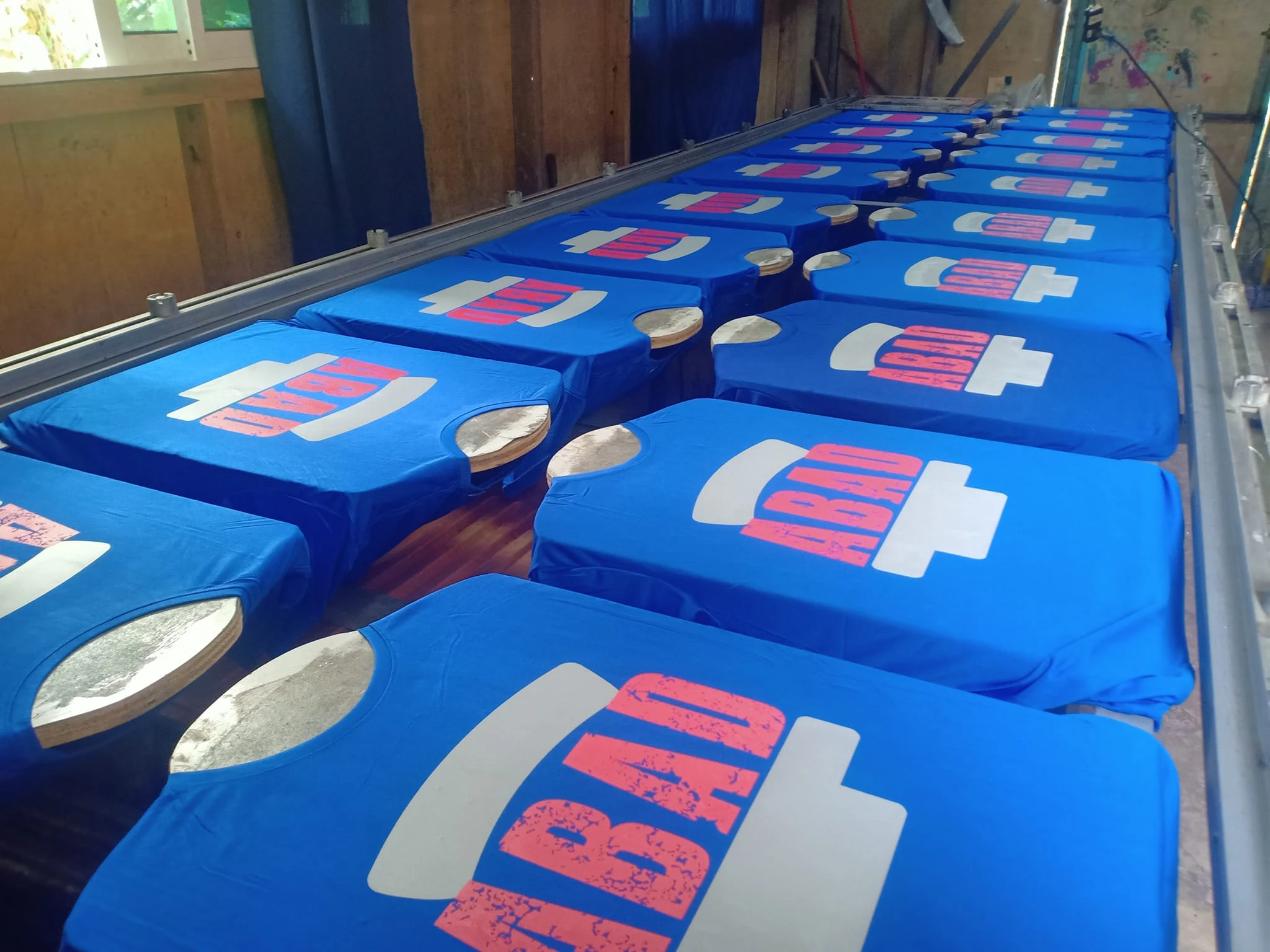
- bulk orders (50, 100, 500+)
- promotional and corporate T-shirts
- school/event shirts
- bold streetwear graphics
- special effects (puff, metallic, glitter, glow, high-density)
Pros and Cons of Screen Printing
Screen printing is one of the most trusted ways to print T-shirts especially when you need bold color, repeatable results, and serious durability. But calling it “the best” is only half true. Screen printing shines in bulk orders and simple color designs, yet it can get expensive fast when your artwork has many colors or your quantity is small. In this section, we’ll break down the real pros and cons of screen printing—not the marketing talk. You’ll see where it saves money, where it wastes money, what quality looks like when it’s done right, and when another method (like DTG or DTF) is the smarter pick.
Pros:
- 1) Very durable (when cured correctly): A good screen print can handle many washes without fading or cracking fast. Durability is not automatic. Bad curing = prints that crack, peel, or feel sticky.
- 2) Low cost per unit at high volume: Once screens are made and the press is running, each extra shirt becomes cheap.
- 3) Strong, vibrant colors: Especially on dark shirts, screen printing can produce bold colors that pop.
- 4) Works on many fabrics: Cotton, blends, and many polyester garments can be printed—if the shop uses the right ink and settings. Printing on polyester can be tricky. Some colors can “bleed” into the ink later if the ink system isn’t right.
- 5) Special effects are a big advantage: Screen printing can do effects DTG often struggles with: puff, metallic, glitter, discharge look (soft vintage feel), thick “raised” prints (high density)
Cons:
- 1) Setup cost is high for small orders: Each color needs prep work (screen, alignment, testing). That’s why small runs often cost more.
- 2) Multi-color artwork gets expensive fast: More colors = more screens = more setup time = higher cost and higher chance of alignment issues. People say “screen printing can’t do complex art.” That’s not true. It can. It just may not be cost-smart.
- 3) Not the best for photo-style gradients (in most cases): Photos and smooth gradients require special separations and skills (CMYK or simulated process). Many shops can do it, but not all.
- 4) Longer lead time than some digital methods: DTG/DTF can start quickly. Screen printing needs setup first.
- 5) More waste if your design changes: If you change artwork after screens are made, you’re paying again.
How Pricing of Screen Printing Really Works

Screen printing prices confuse a lot of people because the cost isn’t “per shirt” in a simple way. It’s more like two parts: a fixed setup cost (making screens, aligning colors, test prints) and a running cost (ink + labor for each additional shirt). That’s why one shop can quote “expensive” for 30 tees but “cheap” for 300 tees nothing shady, the math just changes.
Screen printing pricing is usually driven by:
- quantity (bigger order = cheaper per piece)
- number of ink colors (each color adds cost)
- placements (front only vs front+back+sleeve)
- print size (small chest vs full back)
- fabric (poly can add risk and steps)
A simple rule of thumb:
- 1-color / 2-color designs often make sense at lower quantities.
- 4+ colors usually needs higher quantity to feel “worth it.”
The “under 50 pcs is a bad idea” claim:
This is often true, but not always.
Screen printing under 50 can still be smart if:
- your design is 1–2 colors
- you plan reorders
- you need a special effect only screen print can do
- the shop has low setup fees or runs it efficiently
If your design is full color and you only need 20 shirts, screen printing usually isn’t the best value. DTF or DTG often wins.
Common mistakes brands make with screen printing:
A lot of screen printing “problems” aren’t really printing problems. they’re planning problems. Brands pick screen printing because it sounds premium, then get hit with high setup costs, color limitations, or unexpected results on certain fabrics. And when the final shirts don’t match the vision, the blame goes everywhere except the real cause: the choices made before the press even starts. In this section, we’ll cover the most common mistakes brands make, like overcomplicating artwork, ignoring fabric behavior, skipping test prints, and choosing the wrong method for small runs, so you can protect your budget, your timeline, and your brand’s reputation.
- Mistake 1: Picking it because it “sounds premium” – A printing method is not premium by name. The result is premium when the process fits the job.
- Mistake 2: Too many colors for the budget – A 7-color front + back design can be stunning—but it can destroy margin fast.
- Mistake 3: Ignoring fabric behavior – Polyester and some dyed fabrics need extra care, or you get weird color shifts later.
- Mistake 4: No test print for new garments – New blanks + new inks should be tested. Skipping that is gambling.
Screen Printing vs DTG vs DTF:
| Factor | Screen Printing | DTG (Direct-to-Garment) | DTF (Direct-to-Film) |
|---|---|---|---|
| Best order size | 50–500+ (bulk wins) | 1–50 (small runs) | 10–200 (small-to-mid) |
| Best for design style | Bold logos, solid graphics, spot colors, effects | Detailed art, gradients, full-color images | Full-color designs, logos, mixed artwork |
| Cost per unit | Lowest in bulk | Higher per piece | Medium (often cheaper than DTG for mid runs) |
| Setup cost | High (screens per color) | Low | Low–medium |
| Color handling | Great for spot colors; more colors = higher cost | Easy full color | Easy full color |
| Fabric compatibility | Cotton + blends; poly possible with correct ink | Best on 100% cotton / high cotton | Works on cotton, poly, blends |
| Print feel (handfeel) | Can be soft or thick (depends on ink/deposit) | Often softest on cotton | Usually more “film/transfer” feel |
| Durability (wash) | Very high when cured right | Moderate–high (varies by pretreat + wash care) | High (varies by film/powder/press) |
| Special effects | Best (puff, metallic, glitter, high-density) | Limited | Limited (some specialty films exist) |
| Speed for new designs | Slower (setup time) | Fast | Fast |
| Best business use | Brands doing repeats and bulk | One-offs, samples, quick drops | Many designs, many SKUs, mixed fabrics |
Final Takeaway / Conclusion
Screen printing is the best choice when you need bulk, consistency, strong color, and low cost per unit. But it’s not automatically the best for:
- small orders
- many-color artwork
- designs that change often
If you match the method to the job, screen printing can be the most profitable option for a brand.