


Polyester Blends Fabric: Pros, Cons, and Ideas for Jackets

Polyester blends are ubiquitous because they promise a low-maintenance lifestyle: fewer wrinkles, rapid drying, and a silhouette that remains sharp throughout the day. However, “polyester blend” is a broad technical label, not a specific performance guarantee. Two jackets with the same label can feel entirely different based on the weave, finish, and whether they utilize elastane or mechanical stretch. Understanding the nuances of these “fiber team-ups” is essential for choosing a fabric that aligns with your climate and design intent.
What Exactly Is Polyester Blend Fabric?
A polyester blend is a strategic mixture where polyester (typically PET) is combined with other fibers to modify hand-feel, stretch, durability, or price points. In the outerwear industry, polyester is favored for its hydrophobic nature—absorbing only about 0.4% moisture—which allows it to dry quickly and resist water-logging. While often compared to nylon, the real-world performance of a polyester blend is dictated by its finishing treatments and construction rather than the fiber name alone.
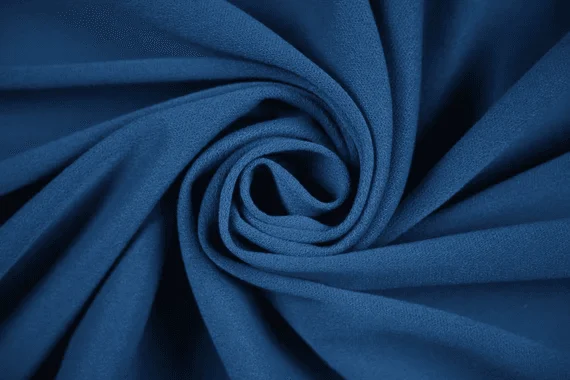
Common Blend Formulations:
- Polyester + Elastane: Provides superior stretch and recovery for tailored movement.
- Polyester + Nylon: Balances polyester’s dimensional stability with nylon’s extreme abrasion resistance.
- Polyester + Cotton (TC/CVC): Offers a natural, soft aesthetic with improved drying speed over 100% cotton.
- 100% Polyester with Mechanical Stretch: Achieves flexibility through yarn crimp and weave structure, avoiding the recycling complexities of spandex.
Pros & Cons: A Technical Evaluation
Advantages for Brands and Manufacturers
- Wrinkle Management: Famous for holding shape, making it ideal for packable travel bombers and city commuter shells.
- Dimensional Stability: Polyester fibers do not shrink or stretch easily, ensuring long-term garment fit.
- Engineered Hand-feel: Can be manufactured as “crisp,” “silky,” or “cotton-like” through texturing (DTY) and filament engineering.
- Fast-Dry Performance: Low moisture pickup ensures the garment remains lightweight even in humid or damp conditions.

Critical Trade-offs to Consider
- Breathability Challenges: Without moisture-wicking finishes or smart ventilation, polyester can feel clammy in hot, tropical climates.
- Odor Retention: Synthetic fibers are prone to bacterial buildup; anti-odor treatments are often necessary for active-use garments.
- Pilling Risk: Lower-quality blends or brushed surfaces can develop “fuzz balls” in high-friction zones like backpack contact points.
- Recycling Complexity: Blending polyester with elastane or natural fibers makes chemical separation difficult, impacting the garment’s circularity.
Sourcing Checklist: What to Look For
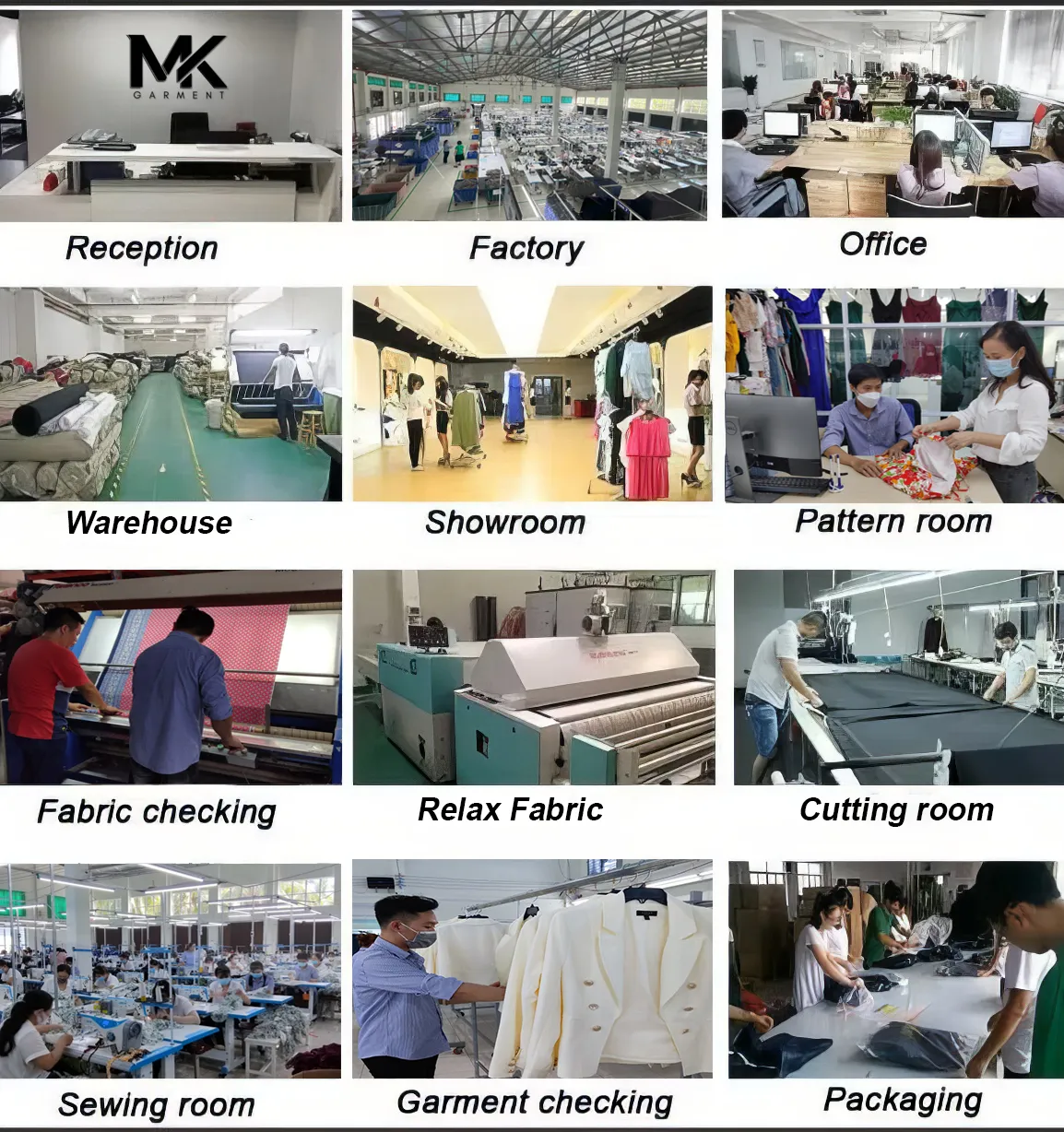
If you are sourcing for a premium jacket line, use these technical filters at Mekong Garment:
- Yarn Type: Specify DTY (Textured) for softness or flat filament for a technical sheen.
- Anti-Pilling Grade: Request lab results for pilling resistance, especially for commuter styles.
- Sustainability: Prioritize GRS-certified recycled polyester to meet global compliance standards.
- Weather Strategy: Remember that water resistance comes from the DWR finish and weave density, not just the “Polyester” name.
Conclusion
Polyester blends are a powerful tool for brands that prioritize structure, durability, and fast-paced utility. While they offer exceptional performance for the modern commuter, success lies in the details: the specific recipe of the blend and the quality of the finish. At Mekong Garment, we help our partners navigate these material choices—from mechanical stretch options to verified recycled supply chains—ensuring your final product meets the demands of your market. The best blend is one designed for your specific use-case, not just the easiest one to source.
Contact Information – Mekong Garment Factory
- VN Phone/WhatsApp/WeChat: +84 947 729 829
- Email: hanh@kimmy.vn