
OEM/FOB Workflow From Design to Ship Loading

The OEM/FOB workflow blends product development (OEM) with Free On Board (FOB) logistics, moving from design specs to ship loading: Seller (OEM) develops/manufactures, handles factory-to-port costs/export docs/loading, and transfers risk/ownership to Buyer once goods are on the ship at the named port; Buyer then manages main freight, insurance, import, and final delivery. This involves design finalization, prototyping, production, packaging, export customs, getting goods to the port, loading onto the vessel, and then the buyer takes over all onward costs and risks. 

Phase 1: OEM (Design & Manufacturing)

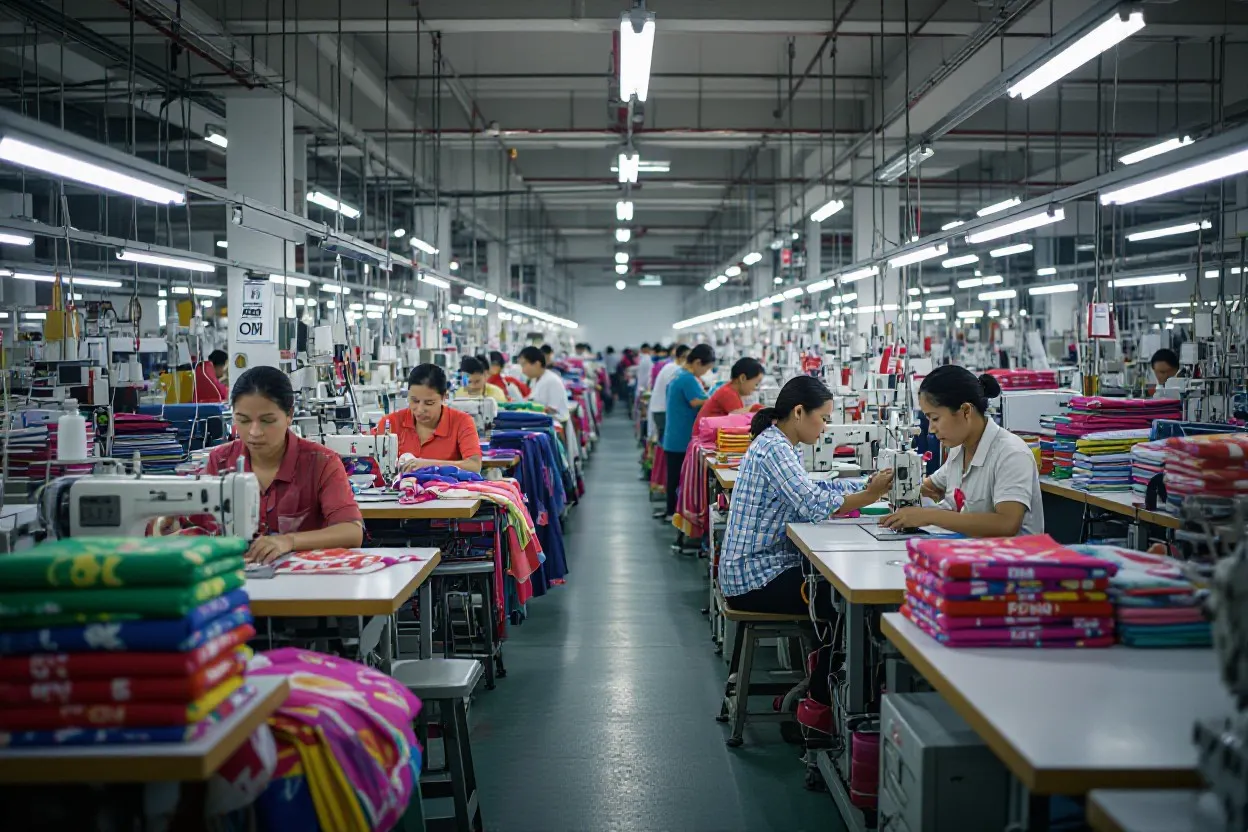
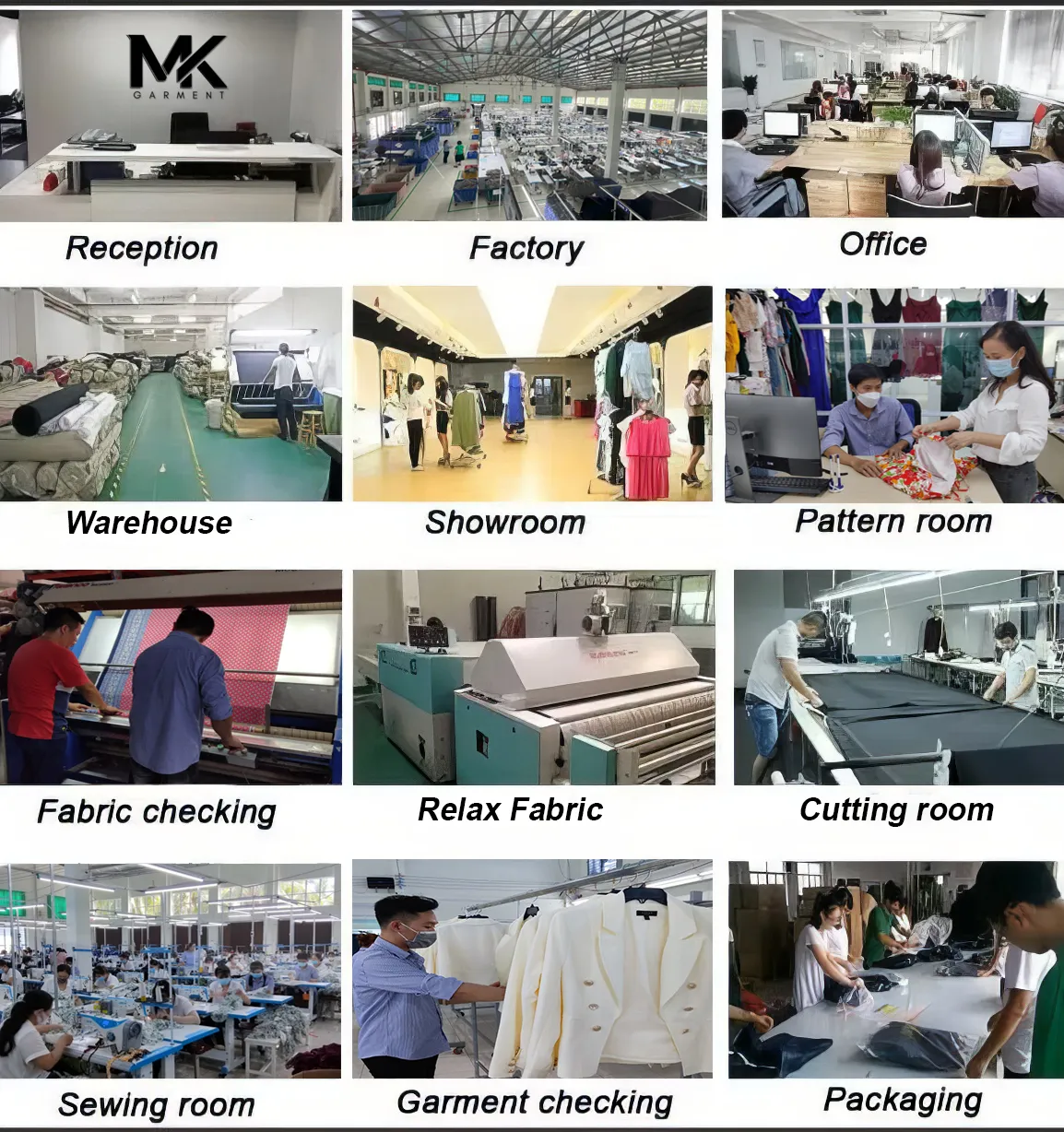
Phase 1 is where the product becomes “real” before anyone talks about ships, ports, or freight. In this OEM stage, the buyer defines exactly what to make, and the factory proves it can make it the same way every time. This phase covers specs, samples, the production order, and quality control, so both sides agree on one standard. If Phase 1 is done well, Phase 2 and Phase 3 feel smooth. If Phase 1 is rushed, every later step turns into rework, delays, and cost disputes.

  • Design & Specification: Buyer provides detailed product design (OEM), materials, and quality standards.
  • Prototyping & Samples: Manufacturer creates prototypes for buyer approval.
  • Production Order (PO): Buyer places order, defining quantities, quality, and packaging (crucial for FOB costs).
  • Manufacturing: Seller produces goods according to specifications.
  • Quality Control (QC): Inspections (often by buyer’s agents) to meet standards.

Design & Specification

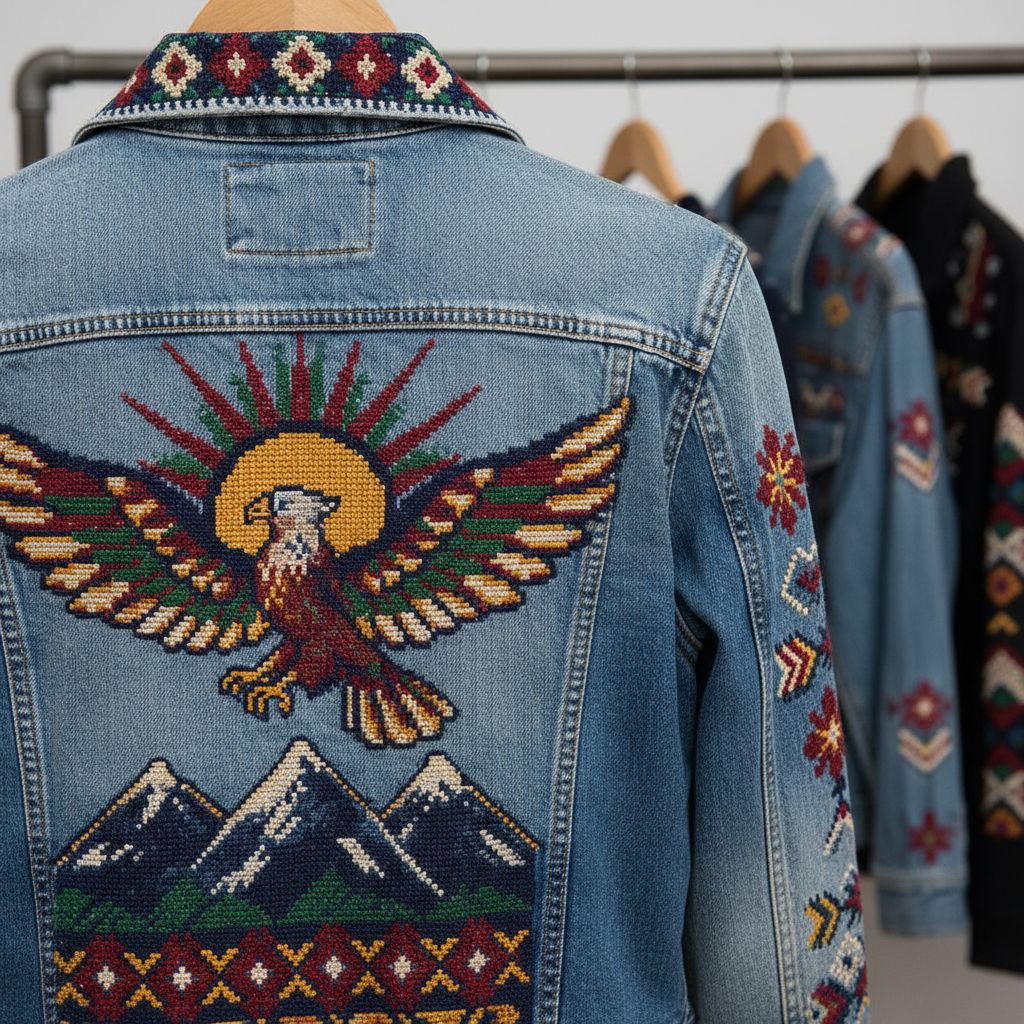
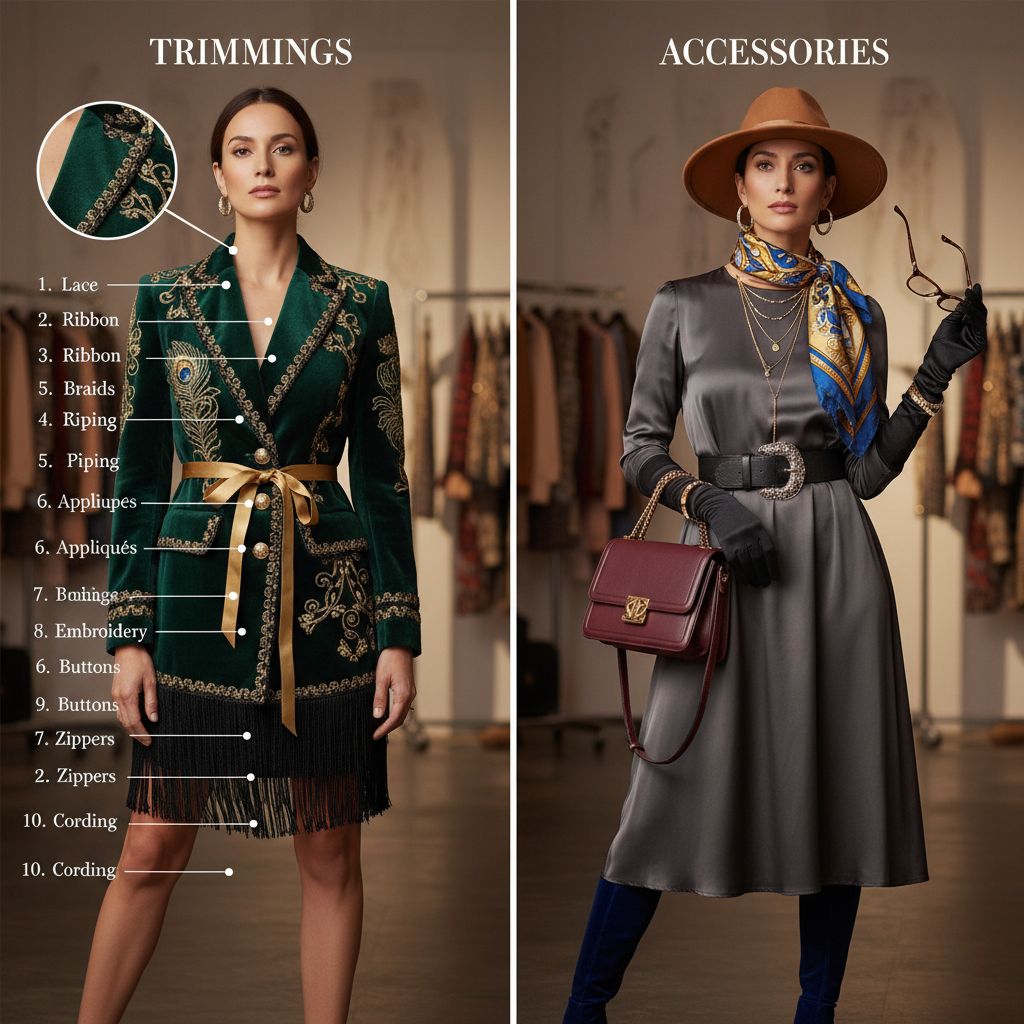
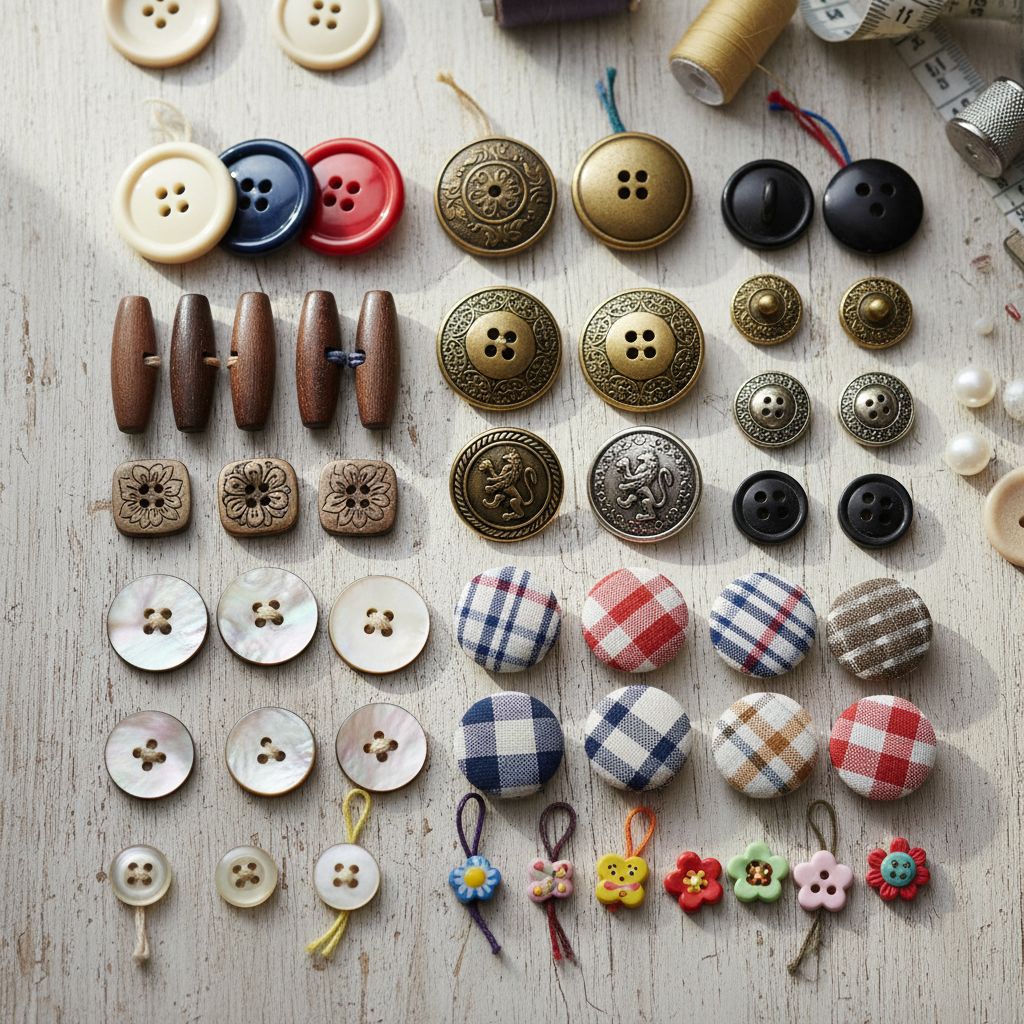
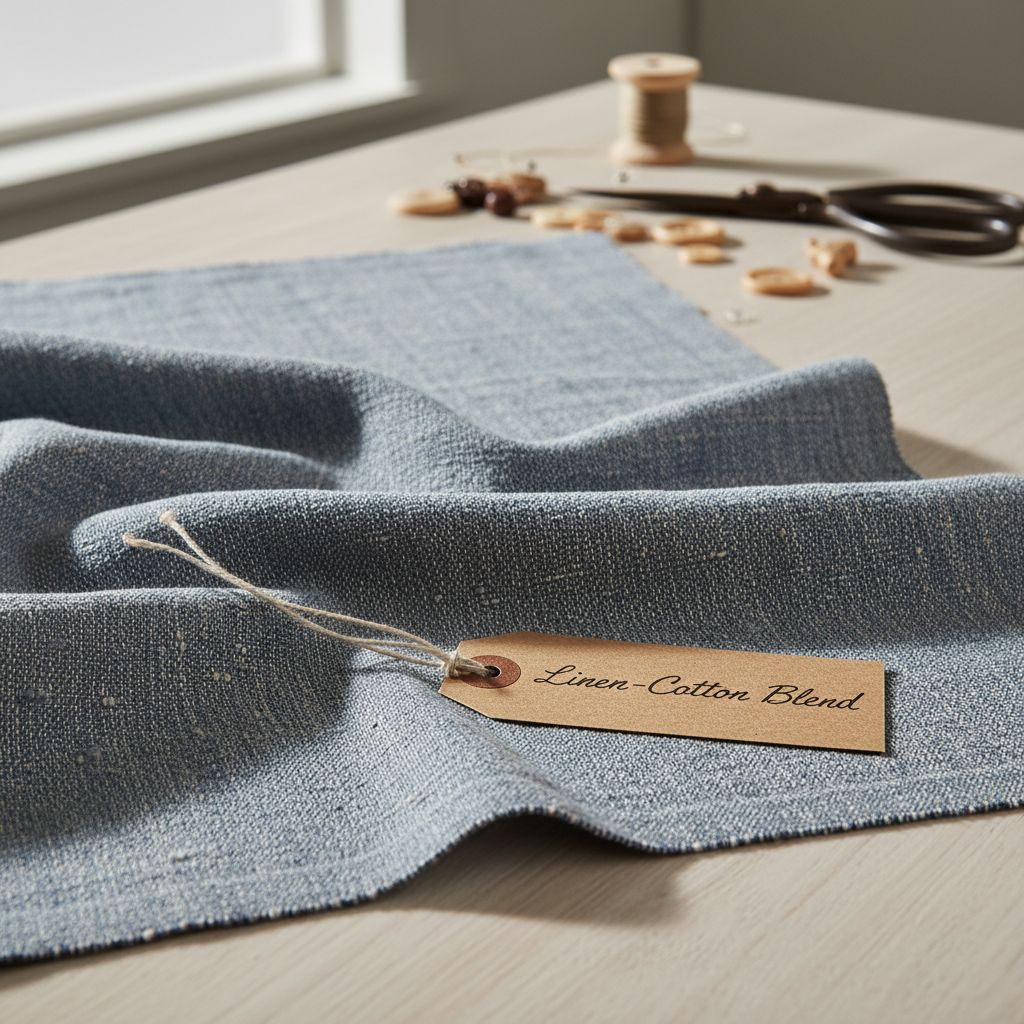
This is the “blueprint lock-in” step. If the design, materials, and quality rules are not clear here, every step after becomes arguments, delays, and extra cost. The buyer should define details like fabric, trims, measurements, tolerance, and test standards.

Prototyping & Samples

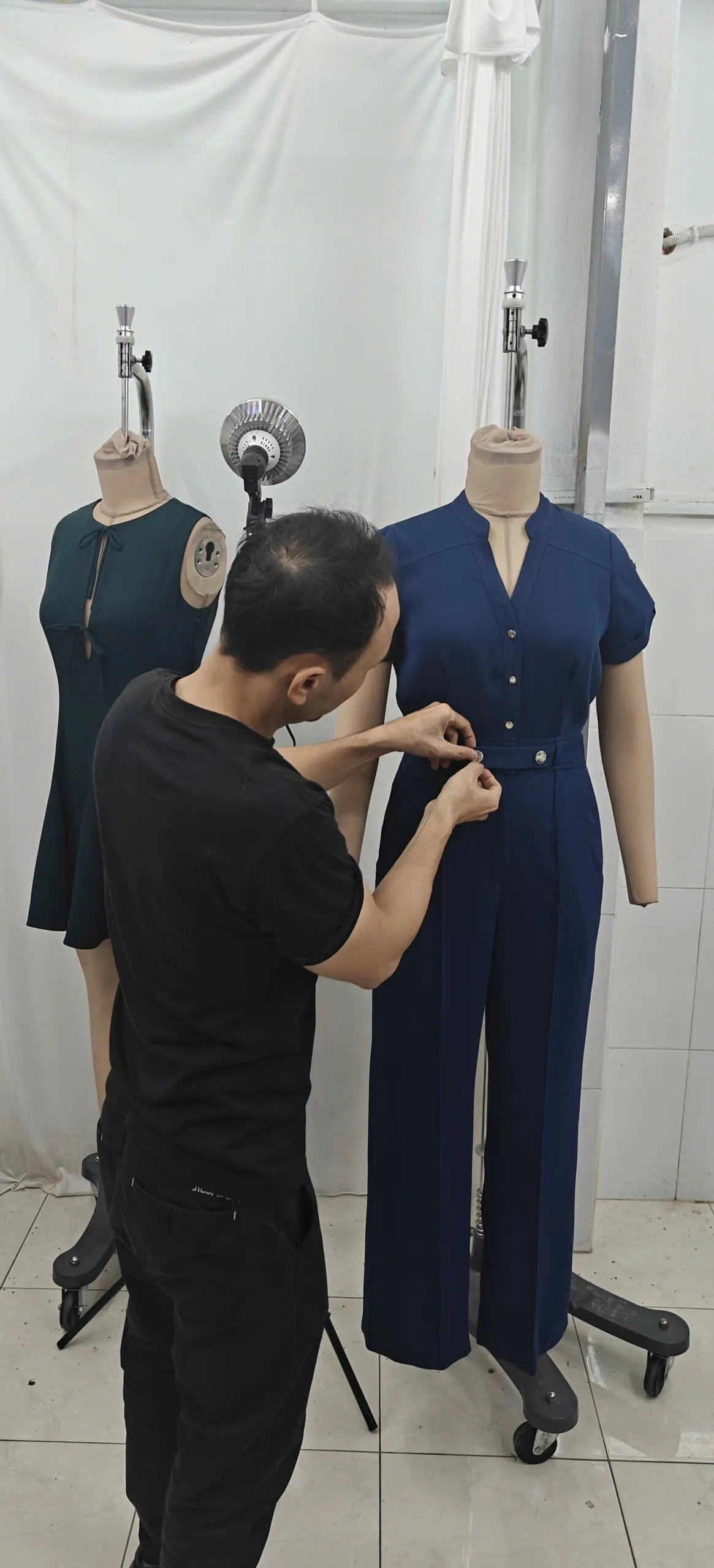
Samples are the reality check. They prove the factory can hit the look, fit, and function before bulk money is on the table. Samples also help both sides spot hidden issues, like hard-to-sew details or weak materials.

Production Order (PO)

The PO is the legal and operational “truth” everyone follows. It should state quantity, size breakdown, colors, packaging rules, labeling, and inspection level. Packaging details matter a lot because carton size and weight can change freight costs.

Manufacturing

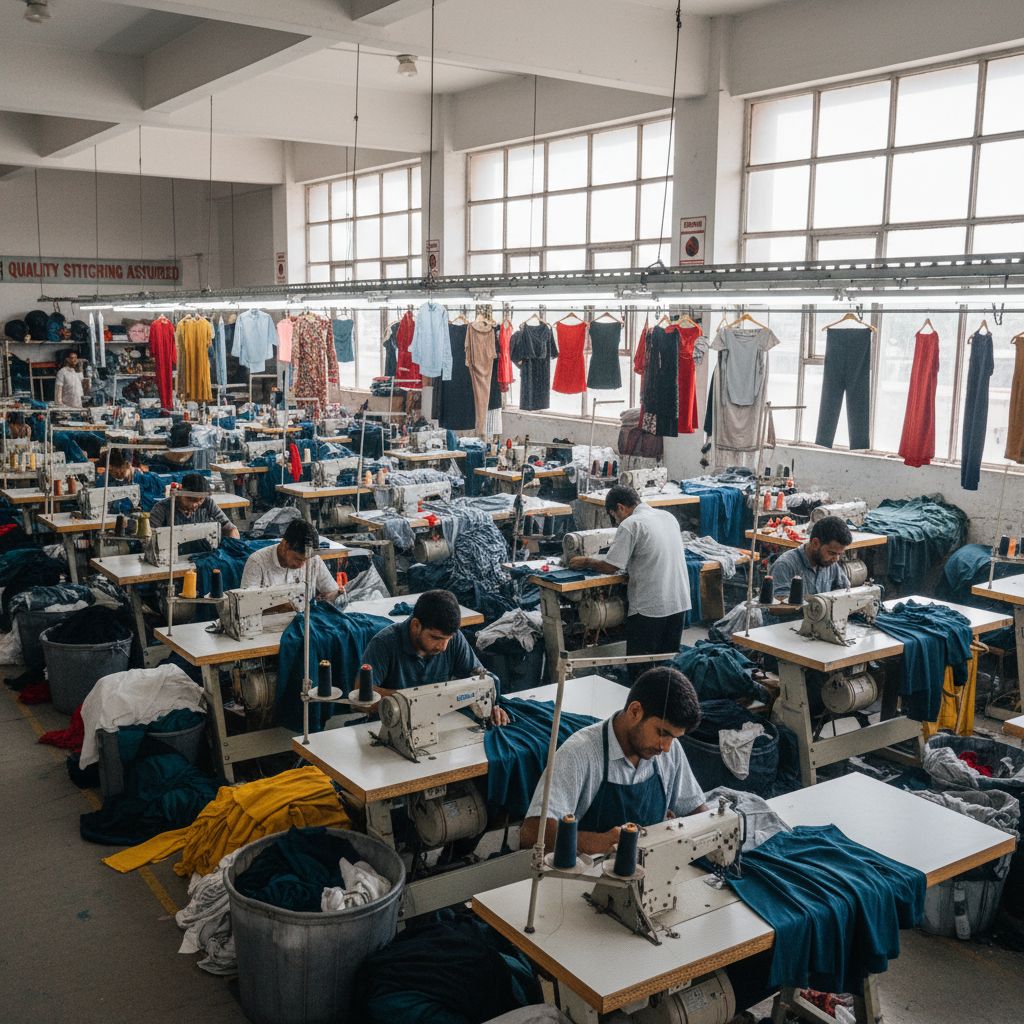
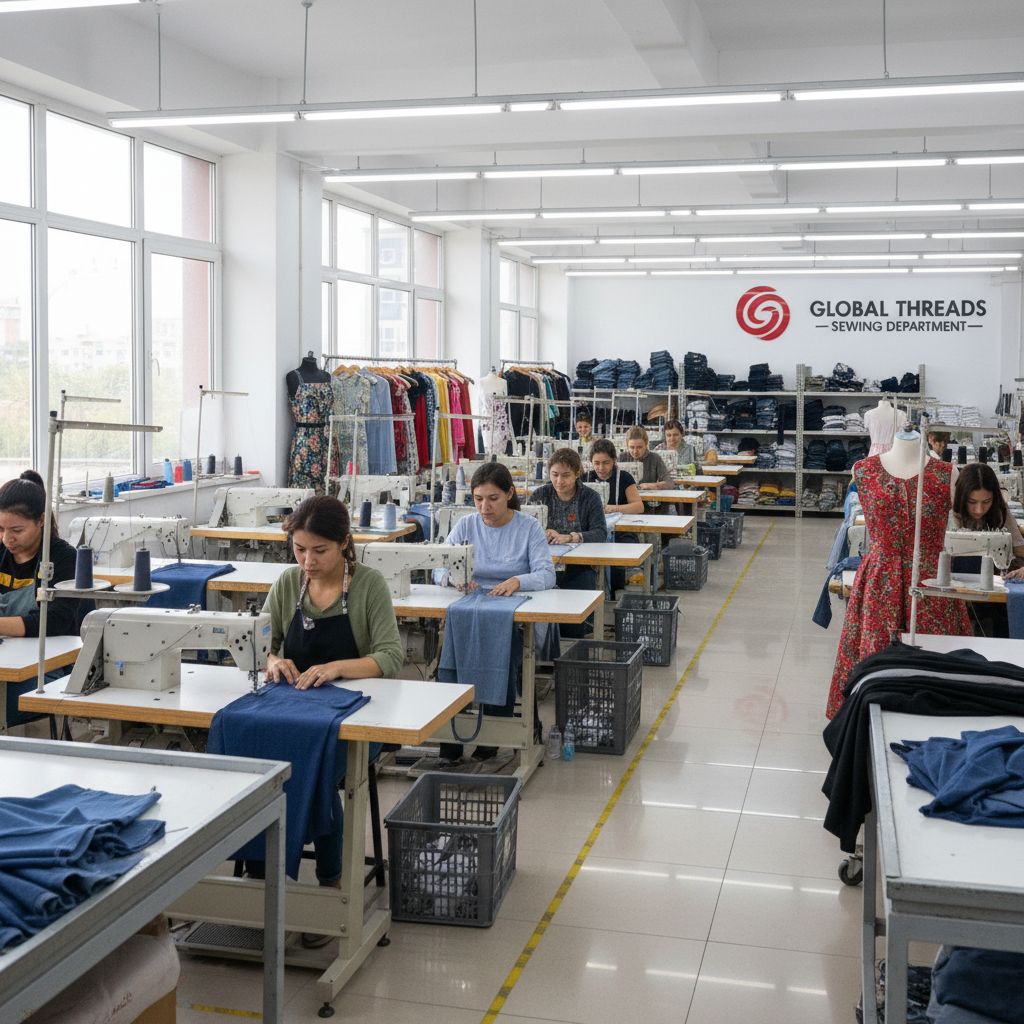
This is bulk production based on the approved sample and the PO. The factory’s job is consistency: same fabric, same stitching, same measurements, same finishing across the whole order. Any change during this stage should be written and approved, not handled by “verbal OK.”

Quality Control (QC)

QC is the gate that protects the buyer’s brand and the factory’s payment timeline. Inspections can happen inline, at final, or both, often using buyer agents. Clear QC rules (AQL level, defect definitions, measurement methods) prevent “we think it’s fine” fights.

Phase 2: FOB (Factory to Port) – Seller’s responsibility

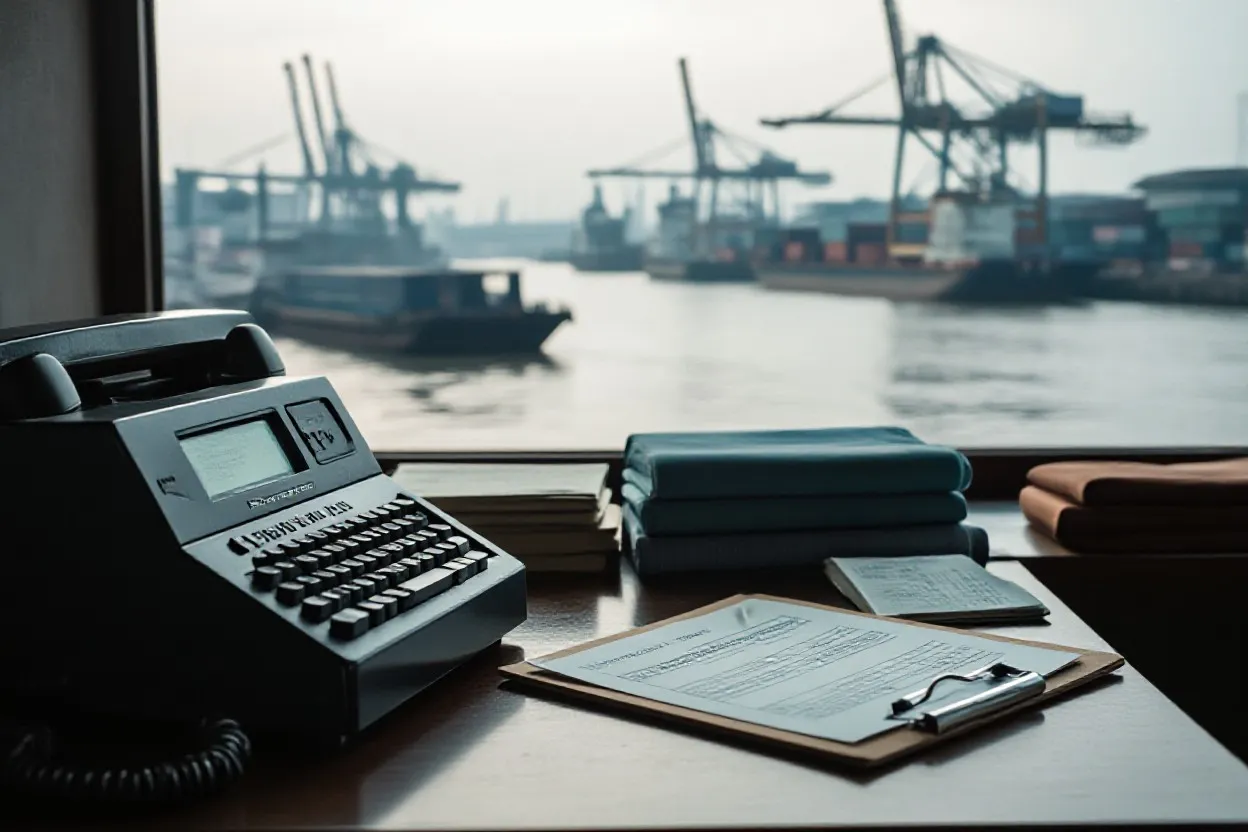
Phase 2 is the “export-ready and on-the-ship” stage. Here, the factory’s job is no longer about making the product, but about moving finished goods from the factory to the named FOB port and completing export steps correctly. This includes packing for international shipment, arranging inland trucking, preparing export customs documents, and delivering the cargo onto the buyer’s nominated vessel. If Phase 2 is managed well, the shipment catches the right vessel with clean paperwork. If it’s sloppy, small mistakes can cause port delays, extra fees, and missed sailing dates.

  • Packaging & Labeling: Seller packages goods for export, considering carton size/weight for shipping.
  • Inland Transport (Factory to Port): Seller arranges and pays for transport to the agreed FOB port.
  • Export Customs & Docs: Seller handles export clearance and documentation.
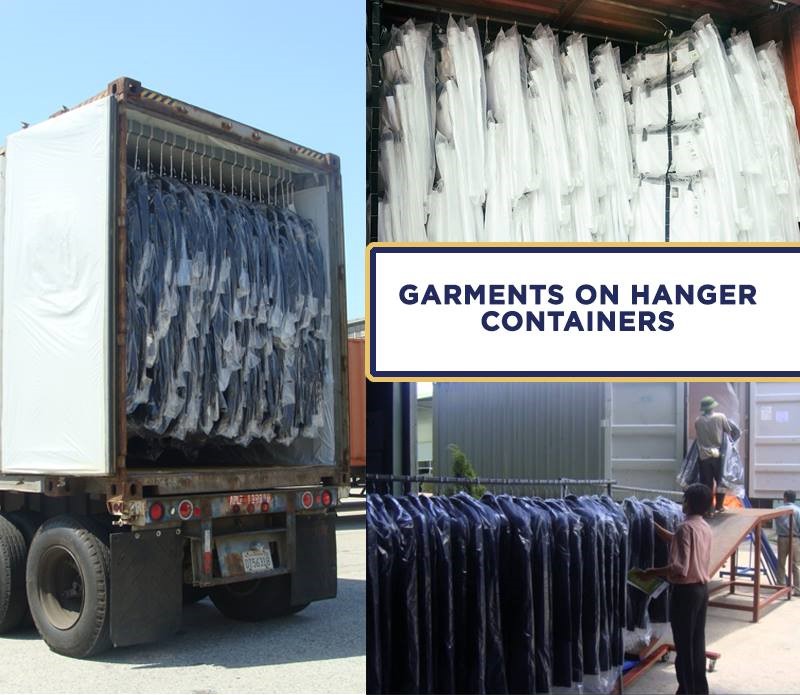
  • Loading: Seller loads goods onto the buyer’s designated vessel at the port. Risk & Cost Transfer Point (FOB Origin).

Packaging & Labeling

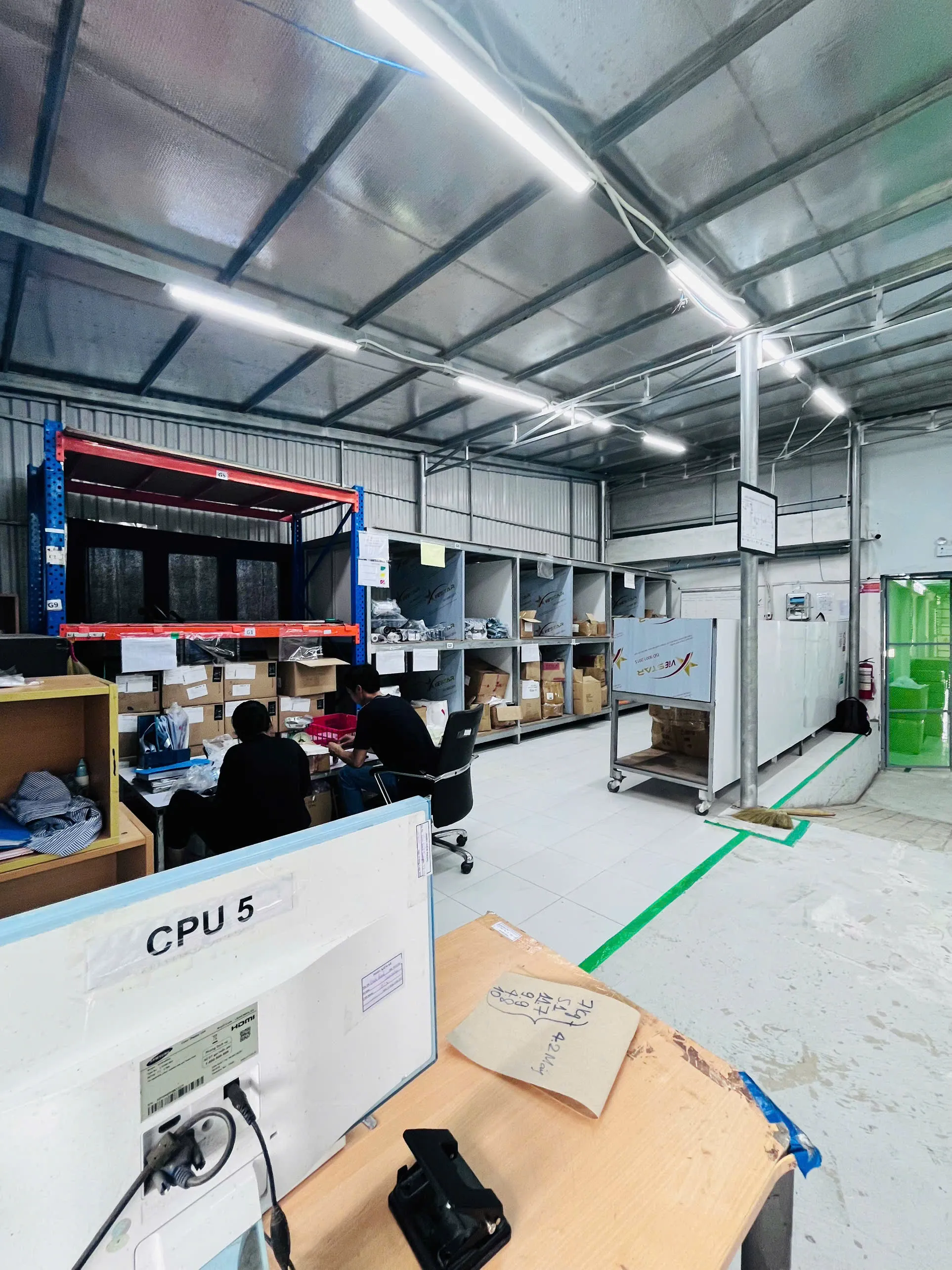
This is not just “put it in a box.” Export packaging must protect goods, match buyer specs, and fit shipping limits. Small carton changes can affect container space, damage rate, and cost per unit.

Inland Transport (Factory to FOB port)

This is the seller moving goods to the named port. It includes booking trucks, managing loading at the factory, and timing it to meet the vessel schedule. If trucking is late, the buyer can miss the ship and pay extra.

Export Customs & Documents

Export clearance is the seller’s job under FOB. That means preparing documents like commercial invoice, packing list, and export declarations, based on local rules. If documents are wrong, cargo can be held, and storage fees can start piling up fast.

Loading onto the vessel

This is the FOB handoff moment. The seller delivers the goods on board the buyer’s nominated vessel at the named port. From that point, the buyer carries the risk and most downstream costs.

Phase 3: FOB (Onboard to Buyer’s Door) – Buyer’s responsibility

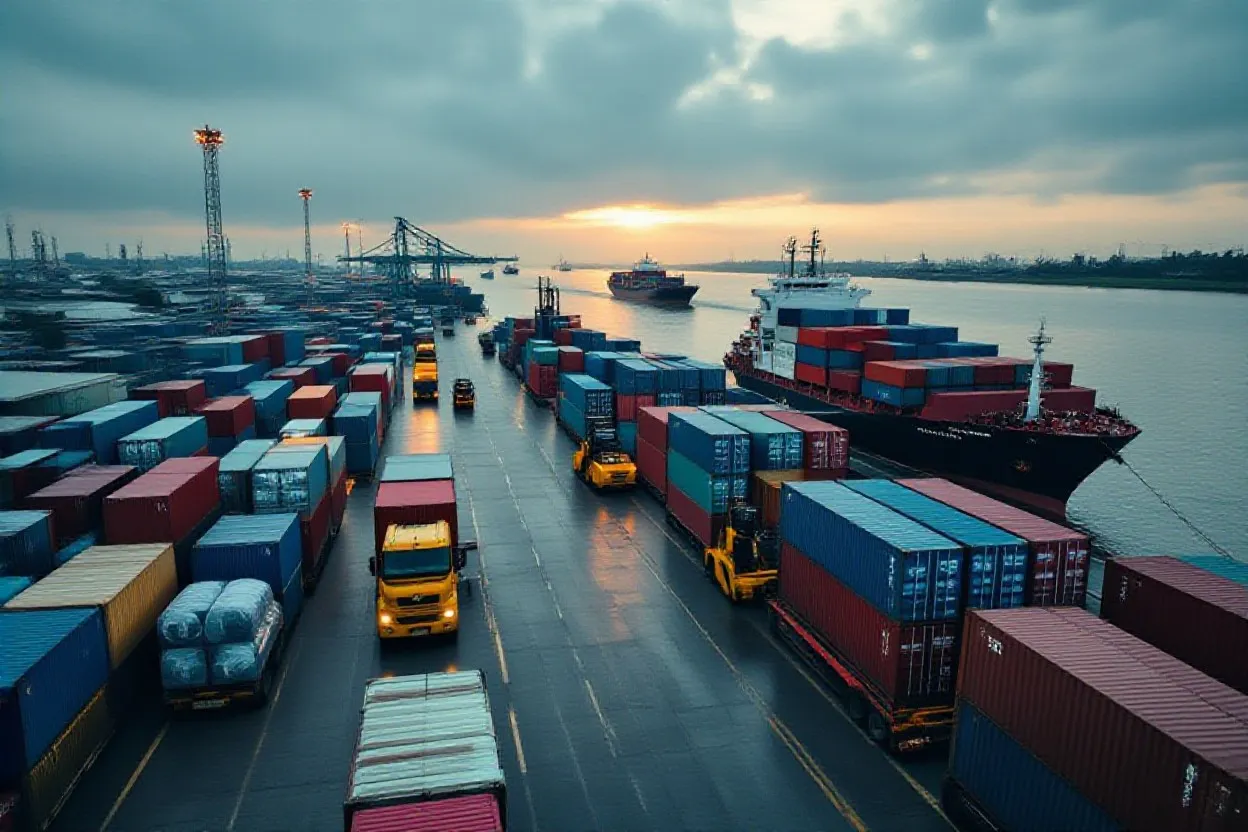
Phase 3 starts the moment the goods are placed on board the ship at the named FOB port. From here, the buyer becomes the “logistics owner” and controls what happens next. The buyer books and pays the ocean freight, decides on insurance, and handles all destination costs like port handling, import customs, duties, and final inland delivery to the warehouse or store. If Phase 3 is planned well, goods clear smoothly and arrive on time. If it’s not, delays and extra charges often show up at the destination port, where fixes are usually more expensive and time-sensitive.

  • Main Carriage: Buyer contracts and pays for ocean freight.
  • Insurance: Buyer arranges insurance for the main voyage (seller provides info if requested).
  • Destination Port Handling: Buyer covers costs like unloading, port fees, and demurrage.
  • Import Customs: Buyer handles import clearance and duties in the destination country.
  • Inland Delivery: Buyer arranges final transport to their warehouse or store.

Main carriage (ocean freight)

Now the buyer becomes the shipping boss. The buyer books the ocean freight, chooses the carrier, and pays the main freight charges. The buyer also manages schedule risk like rolled bookings or port congestion.

Insurance

Under FOB, insurance is usually the buyer’s choice. Many buyers forget this and assume someone else handled it. If you skip insurance, one accident can erase the savings from “cheap freight.”

Destination port handling

This covers unloading fees, terminal handling charges, and possible demurrage or detention. These costs can spike when the port is busy or paperwork is delayed. Buyers should plan time buffers and document readiness.

Import customs

This includes import clearance, duties, taxes, and compliance checks in the destination country. The buyer must ensure product compliance (labels, safety, testing, restricted substances) before shipping, not after arrival. Otherwise, cargo can be rejected, fined, or destroyed.

Inland delivery (port to warehouse/store)

This is the final leg: drayage, trucking, or rail to the buyer’s location. It sounds simple, but it’s where delays often happen due to appointment shortages or container returns. Good planning here protects delivery dates and cash flow.

Final Word (Conclusion)

OEM + FOB works best when everyone treats it like one connected system, not three separate jobs. First, lock the product standard in Phase 1 so there is no debate about what “correct” looks like. Next, in Phase 2, the seller must ship export-ready goods with clean packing and documents, and deliver them on board on time. Then, in Phase 3, the buyer must manage freight, insurance, customs, and inland delivery with tight planning to avoid surprise fees.

One last reality check: most FOB problems are not caused by the ocean. They come from unclear specs, weak packaging rules, late trucking, or missing paperwork. So if you want fewer disputes and smoother deliveries, write everything clearly, confirm responsibilities in the PO and contract, and track the handoff point like it’s the finish line.

Our Contact Information – MEKONG GARMENT FACTORY

  • Vietnam Phone: +84 947 729 829
  • WeChat: +84 947 729 829
  • WhatsApp: +84 947 729 829
  • Email: hanh@kimmy.vn

Related posts