

How To Reduce Risk With A 150 – 300 Piece Clothing Production Run

Launching a new clothing line feels bold and exciting. But a 150 – 300 piece production run is not “safe by default.” It sits in an awkward middle zone. It is too small for big factories to care about, yet too large to treat like a handmade experiment. Many brands underestimate this risk and pay for it in wasted money, poor quality, or dead inventory. The truth is simple. A 150 – 300 piece run is not low risk. It only becomes low risk if you design the process to reduce risk on purpose. That means planning, discipline, and choosing partners who understand small batches, not just tolerate them. This guide breaks down exactly where the risks come from and how to reduce them step by step.
Why Is a 150 – 300 Piece Production Run Risky? (Manufacturing Scale Mismatch)
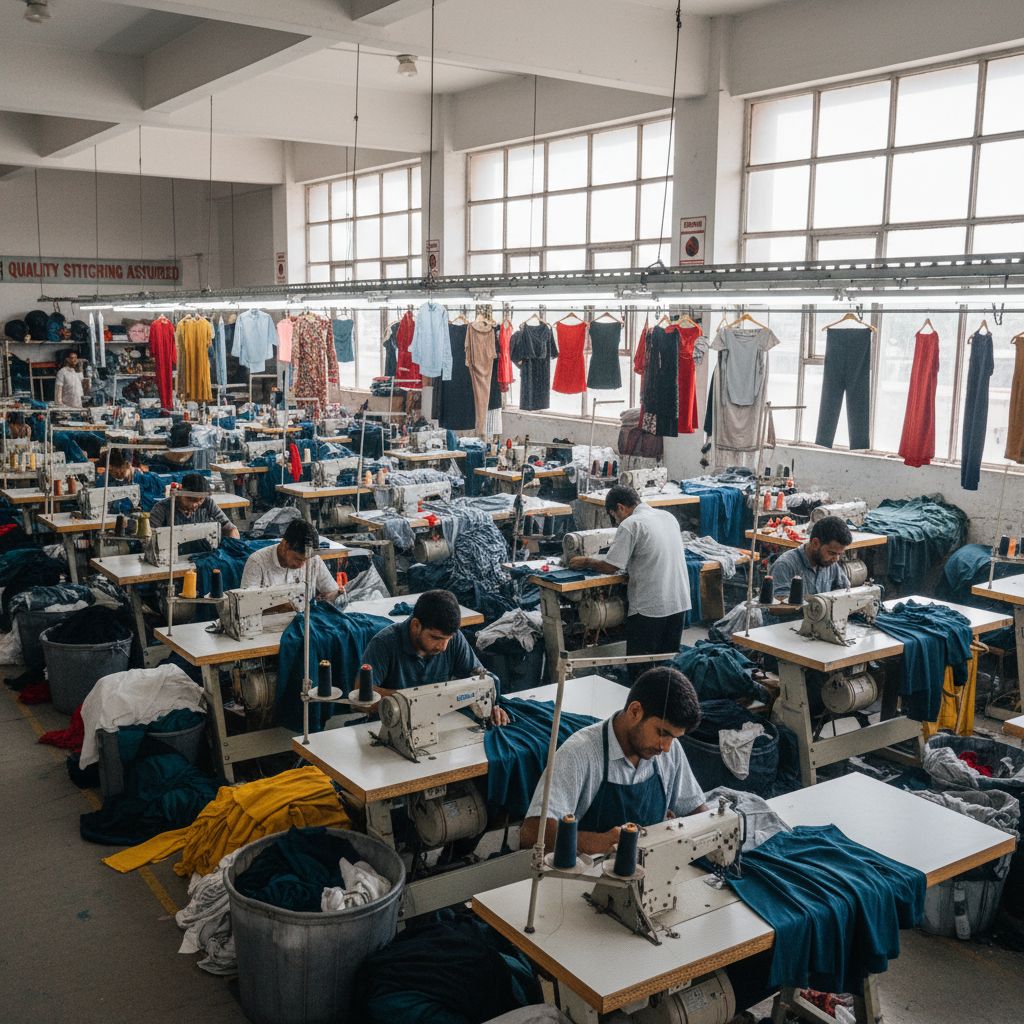
A 150 – 300 piece order lives in a manufacturing gray zone. Factories make money through volume. When volume drops, costs per unit rise, attention drops, and mistakes become more likely. At the same time, 150 pieces still require real money. Fabric, patterns, samples, trims, and labor all cost almost the same as larger orders.
This creates three problems:
- You pay more per unit
- You get less factory attention
- You carry inventory risk if the product fails
If you treat a 150 – 300 piece run like a “small test,” you are already making a mistake. Financially, it is not small.
What Makes Small Batch Production Financially Dangerous? (High Per-Unit Cost Pressure)
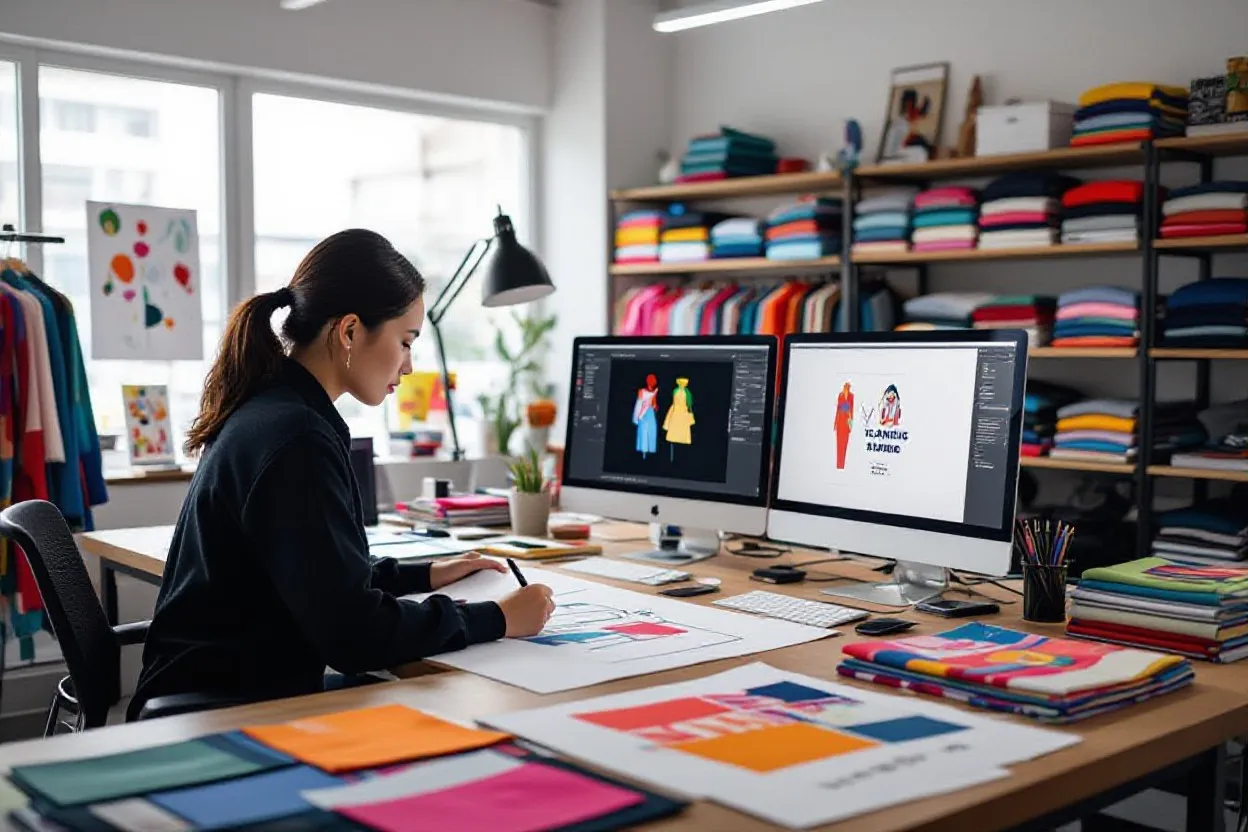
Small runs do not reduce fixed costs. Pattern making, grading, sampling, and setup still happen in full. When these costs are divided across only 150 – 300 units, the price per piece rises fast. Many brands panic at this point and either accept bad pricing or chase dangerously cheap quotes. Both reactions increase risk. The smarter move is cost control, not cost denial. Reduce customization, reuse standard blocks, and select existing materials. Lowering complexity is often more powerful than negotiating price.
Here is where money leaks out fast:
- Pattern making and grading costs are the same
- Sampling costs eat a bigger percentage of the budget
- Fabric minimums force overbuying
- Mistakes affect the entire run, not just a few units
Without planning, per-unit prices explode. Many founders accept high quotes without questioning why. Others chase cheap quotes that hide future costs. Both paths lead to regret. The safer approach is not “find the cheapest factory.” It is reduce how much custom work the factory must.
Why Quality Often Drops in Small Runs (Sampling Shortcuts)
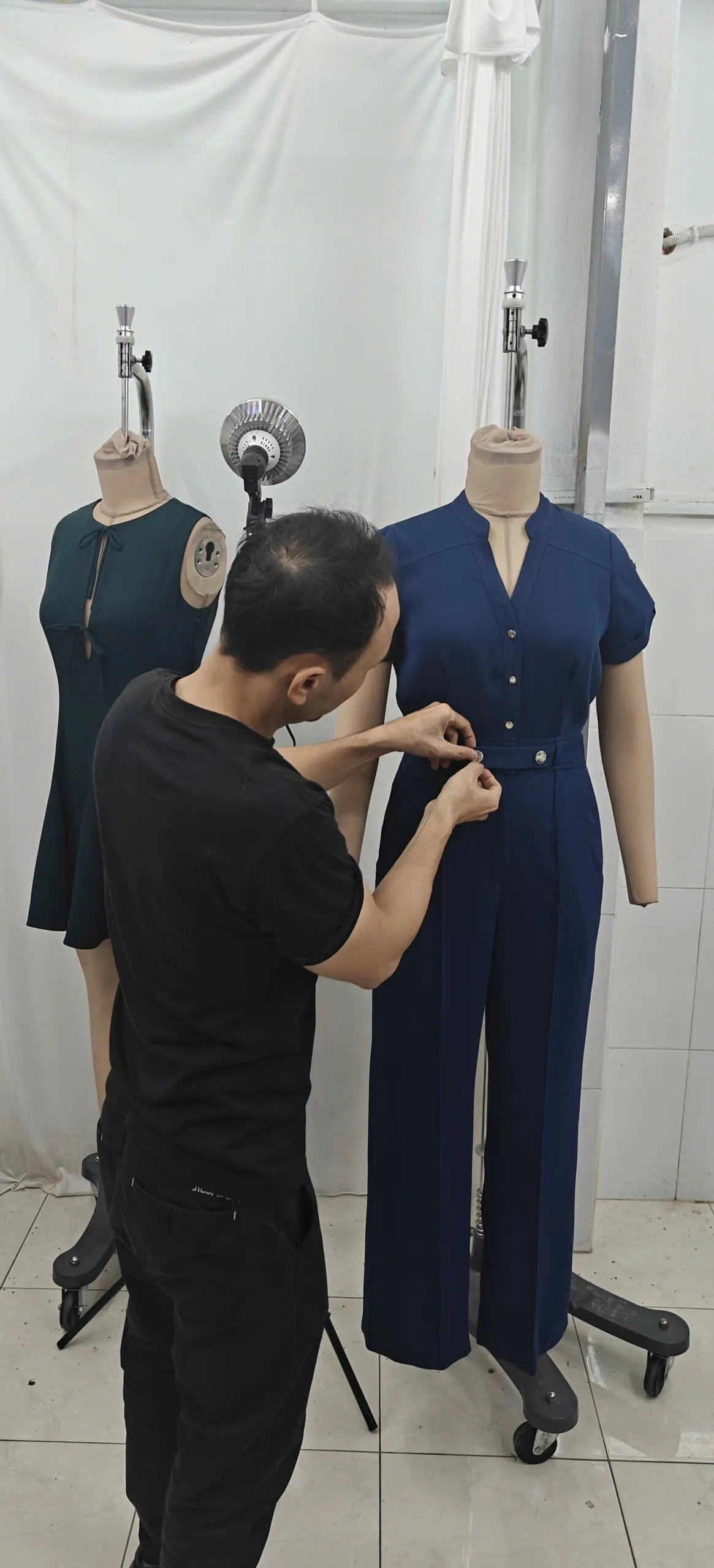
Skipping samples feels like saving money. In reality, it is how small runs fail quietly. One small design mistake, repeated 150 – 300 times, becomes a full-batch disaster. Fit issues, placement errors, or construction flaws are rarely obvious on paper. They only appear when fabric and bodies get involved. For a 150 – 300 piece run, sampling is insurance. A proper sequence includes a proto sample, a fit sample, and a production sample. If your budget cannot support sampling, your budget cannot support production either
Small orders are often:
- Assigned to junior workers
- Scheduled between large jobs
- Rushed to free capacity
- Checked less thoroughly
Quality problems appear slowly. The first 20 pieces look fine. Then stitching loosens. Colors drift. Measurements creep. By the time the issue is visible, production is almost done. If you do not demand a system for small-batch quality, you will receive big-batch assumptions applied to a small-batch reality.
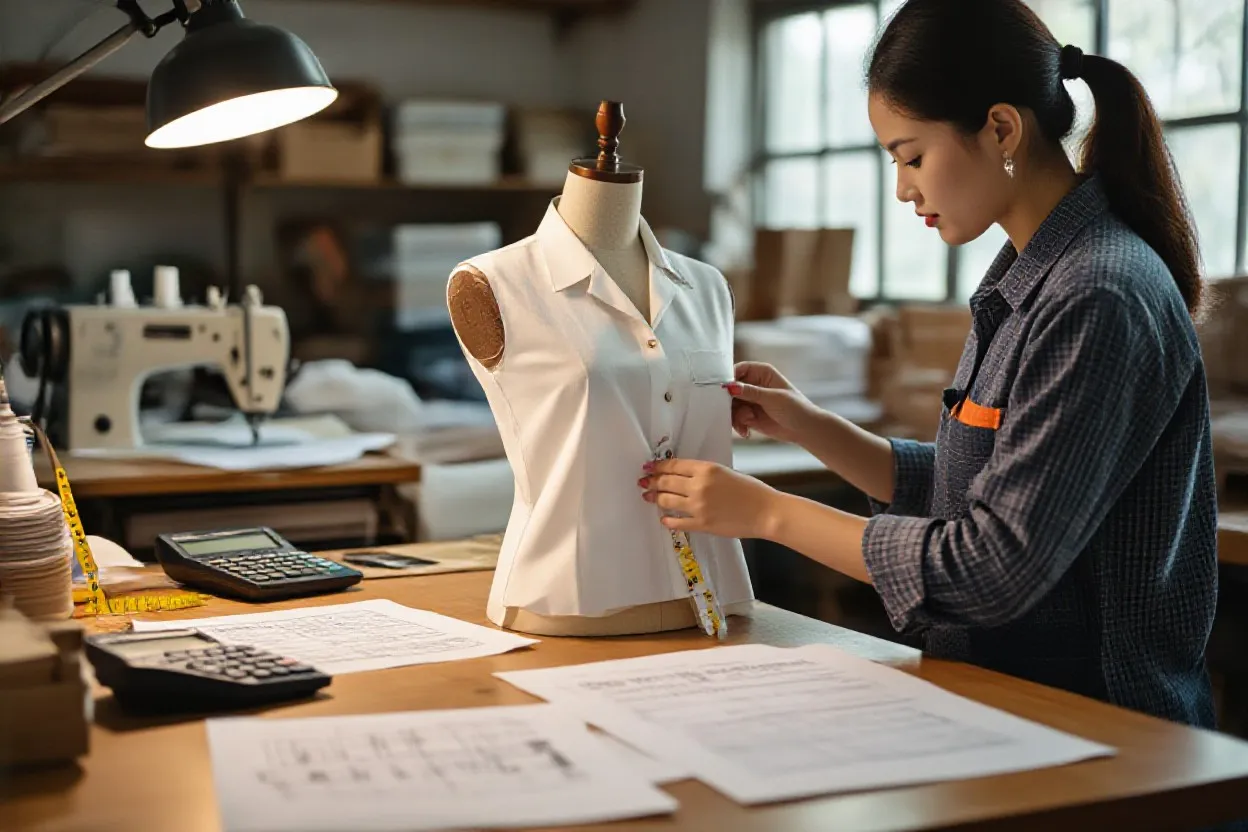
Why Pre-Production Is Where Risk Is Won or Lost
If you rush pre-production, you are choosing chaos later. For a 150-piece run, pre-production should consume at least 30 percent of your timeline. That feels slow, but it is cheaper than fixing mistakes after cutting.
Key pre-production goals:
- Remove ambiguity
- Lock decisions early
- Catch problems before fabric is cut
Skipping this phase is not speed. It is gambling.
Why Sampling Is Not Optional for Small Runs
Some founders try to skip samples to “save money.” This is one of the most expensive mistakes you can make. For 150 pieces, sampling protects you from repeating the same error 150 times.
A safe sampling structure includes:
- Proto sample to check design intent
- Fit sample to correct pattern issues
- Production sample to lock quality
If one sample feels expensive, imagine 150 returns.
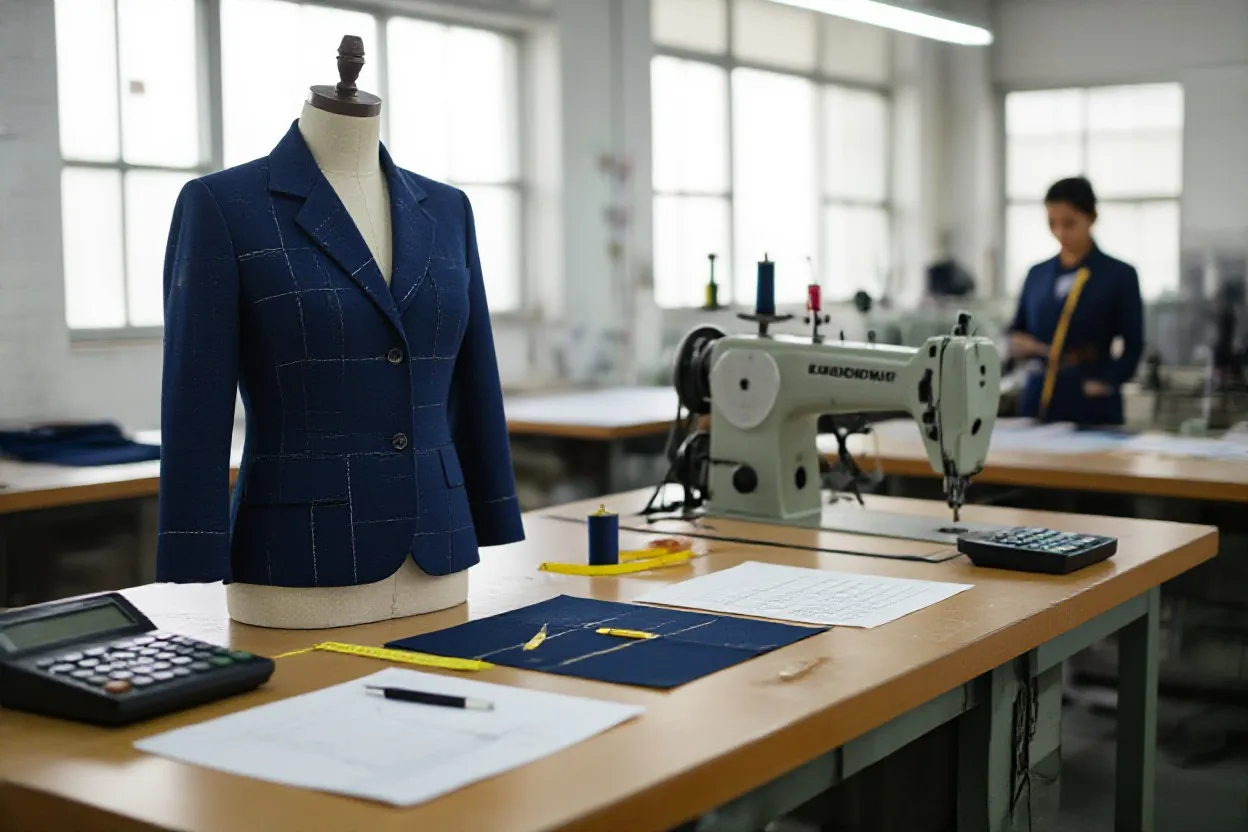
Quality Control That Actually Works for 150 – 300 Pieces

Final inspection alone is not enough.
Effective small-batch QC includes:
- Inspection during cutting
- Early sewing checks
- Mid-production review
- Final random inspection
- Measurement audits
You should receive proof, not promises. Photos, reports, and clear corrective actions reduce surprises.
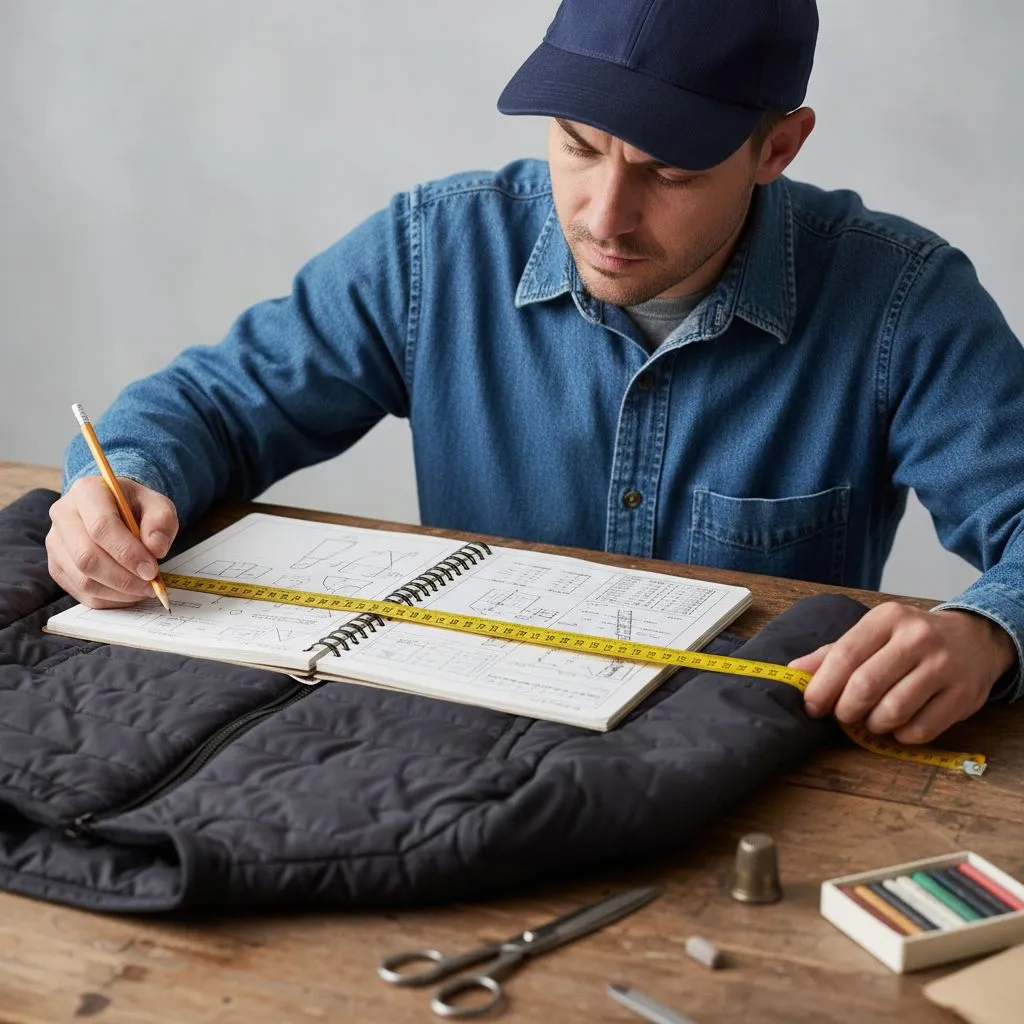
How to Choose the Right Manufacturer for a 150 – 300 Piece Run
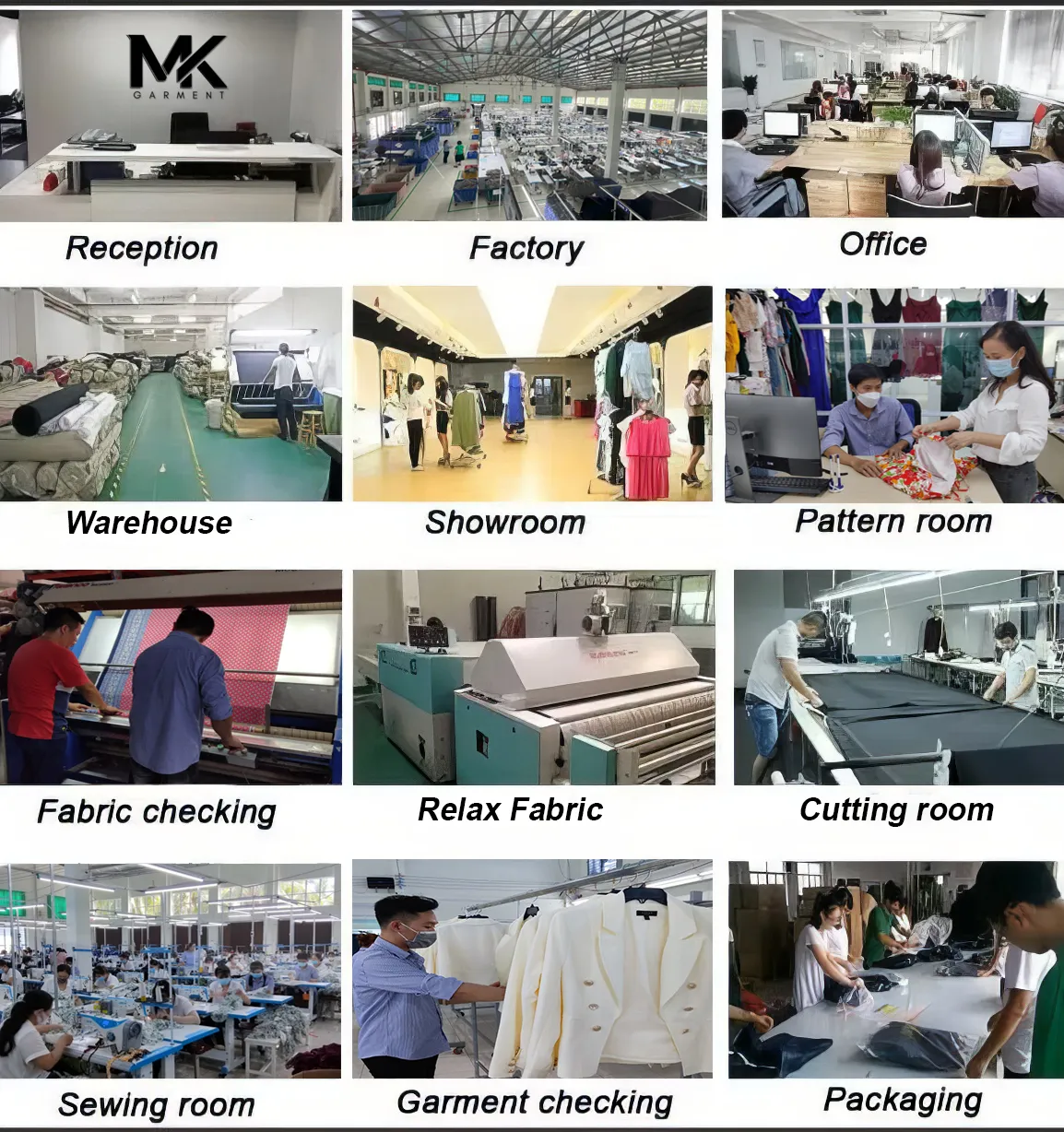
Not all factories are equally suited to small batch runs, and picking the wrong one can turn a strategic test into a costly misstep. You want partners who regularly run orders under 500 pieces and have dedicated processes or teams for low-MOQ work, not ones that treat your size as an exception. The right factory will be transparent, answer detailed questions about workflow and quality checks, and explain how they maintain consistency at small scales. If a manufacturer responds vaguely or only focuses on price, that’s a red flag. Selecting the right partner is less about cost and more about capability and clarity.
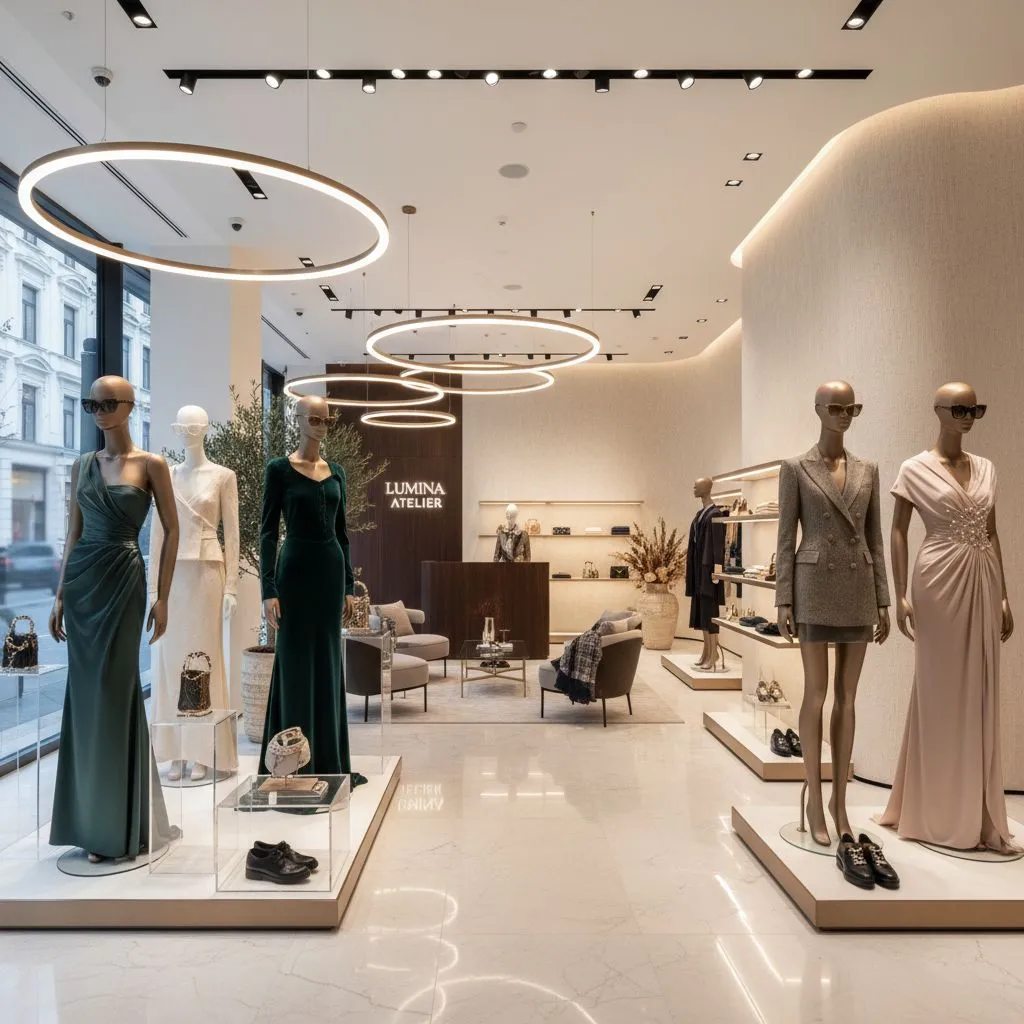
Avoid factories that:
- Only talk about price
- Cannot explain their small-batch workflow
- Treat low MOQ as an exception, not a system
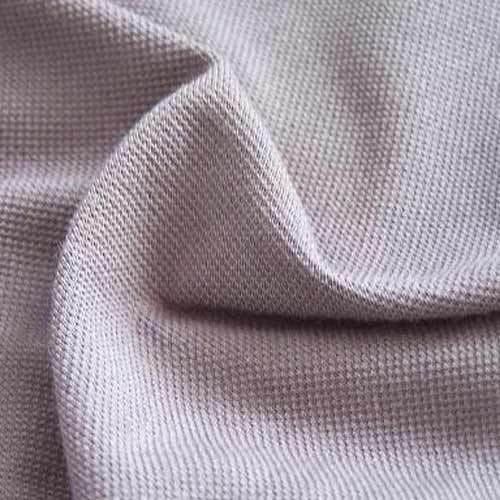
Look for manufacturers who:
- Regularly run orders under 500 pieces
- Have dedicated low-MOQ lines or teams
- Can explain how they maintain consistency
- Are transparent about costs and limits
If a factory sounds annoyed by your order size, walk away.
Questions You Must Ask Before Committing
Do not ask generic questions. Ask questions that reveal how they actually work.
Essential questions include:
- How many similar-sized orders do you run monthly?
- Who checks quality on small batches?
- What happens if production is delayed?
- How do you manage leftover fabric?
- Can you break down every cost line?
If answers are vague, the risk is real.
What a Strong Tech Pack Must Include for 150 – 300 Pieces
A weak tech pack transfers decisions to the factory. That is dangerous at any size, but deadly for small runs.
Your tech pack must be painfully specific:
- Flat sketches with multiple views
- Stitch type and stitch density
- Fabric composition, weight, and finish
- Trim specifications and sources
- Graded measurements with tolerances
- Color standards with physical references
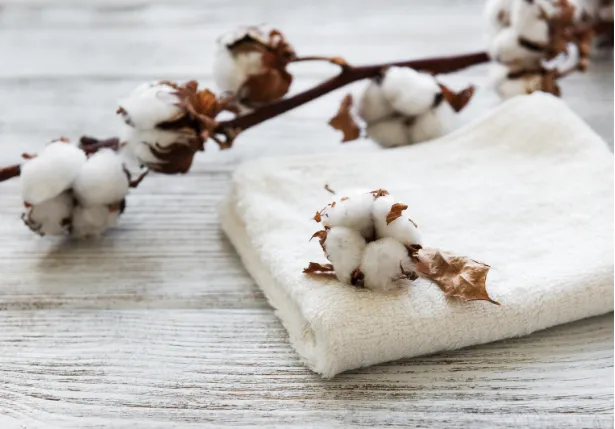
Think of the tech pack as a contract, not a suggestion.
Conclusion: A 150 – 300 Piece Run Is a Strategy, Not a Shortcut
A 150 – 300 piece production run is not automatically safe. It becomes safe only when you design it to be.
Risk shrinks when you:
- Invest in pre-production
- Refuse to skip samples
- Simplify materials and trims
- Choose factories built for small runs
- Treat details as non-negotiable
If you approach a 150-piece run casually, it will punish you. If you approach it deliberately, it becomes one of the smartest ways to test a market without betting your brand.
Our Contact Information – MEKONG GARMENT FACTORY
- Vietnam Phone: +84 947 729 829
- WeChat: +84 947 729 829
- WhatsApp: +84 947 729 829
- Email: hanh@kimmy.vn