
How to Find the Best Vietnam Clothing Manufacturers for Startups (Simple Guide for 2026)
Starting a clothing brand is more popular than ever. By 2026, the global apparel market is expected to reach $77.6 billion, which means new brands still have huge room to grow. But before you launch your line, one decision matters more than anything else:=> Finding a reliable clothing manufacturer for your startup. Many new founders struggle at this stage where to look, what to ask, and how to compare companies. This guide breaks everything down in a simple, friendly way to help you choose the right Vietnam manufacturing partner from the very beginning.
What Are Custom Clothing Manufacturers?
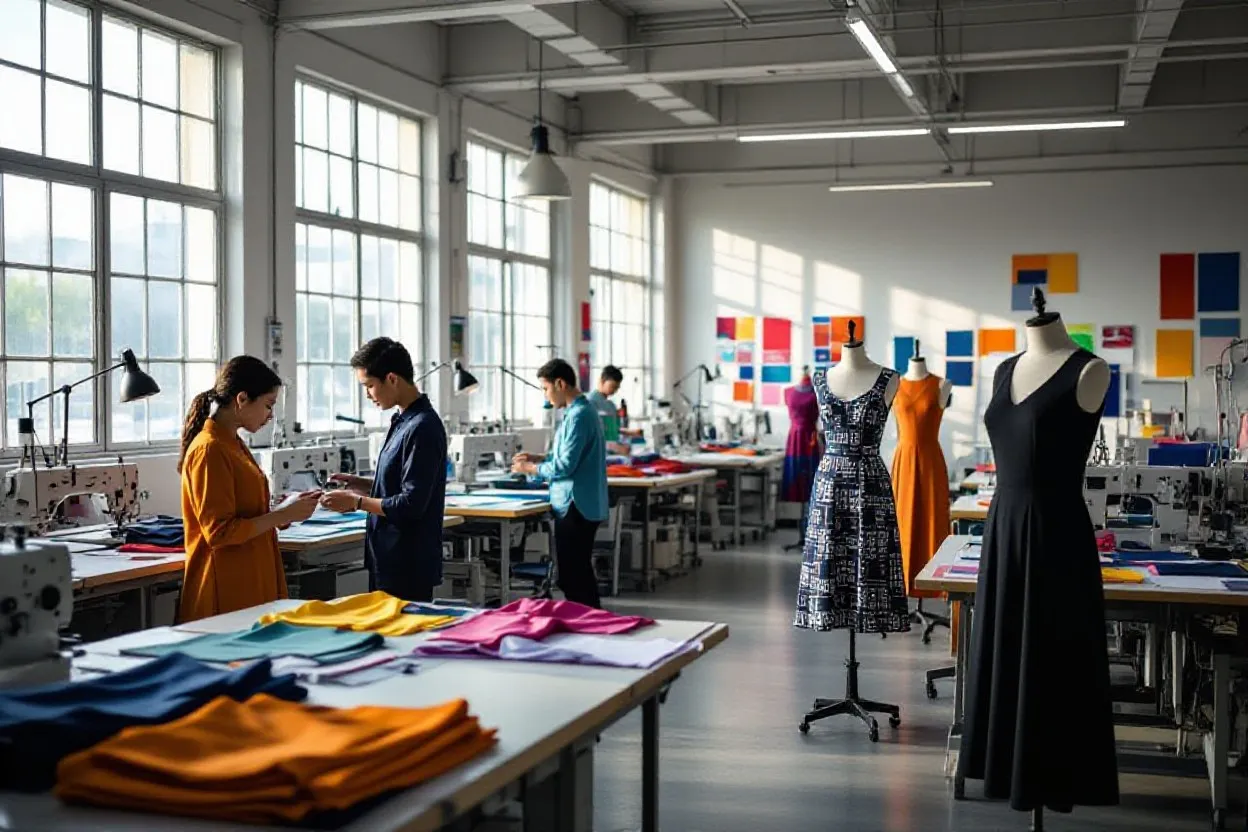
A custom clothing manufacturer is a company that produces garments based on your design, order, and specifications. Some focus on sportswear or outerwear, while others produce a wide range of apparel. Many can design, cut, sew, package, and ship your products. There are two main types:
- B2B manufacturers (work only with businesses)
- B2C manufacturers (also serve individuals)
Knowing the difference helps you choose the right partner for your goals.
=> Related Article: Garment Industry: Confident in the Future of Vietnam EU Relations

Definition of Custom Clothing Manufacturers
You work with a custom clothing manufacturer when you need garments made to your designs, specs, and label; they handle pattern-making, grading, cutting, sewing, and finishing. You can order samples, negotiate MOQs (often 300 – 1,000+ units), and require quality control checks and certifications before bulk production.
- OEM – Original Equipment Manufacturer – makes exactly to your tech packs and labels.
- ODM – Original Design Manufacturer – supplies designs you can adapt and brand.
- FOB Full Package – Free On Board – sources materials, produces, and ships to port.
- CMT – Cut Make Trim – focuses on assembly from your patterns.
- Private Label: Any private label options let you buy ready-made designs under your brand.
=> Related Article: A Big Opportunity for Vietnam’s Garment Industry: Vietnam and EFTA Push to Conclude FTA Talks
| OEM | Follows your tech pack; best for full design control and consistent specs. Use when you require strict control over specs and branding. |
| ODM | Offers in-house designs you can customize; faster product development. Choose to accelerate product launches with existing designs from factories. |
| FOB Full Package | Factory handles fabric sourcing, trims, production, QC, and logistics to factory local port. |
| CMT | Performs sewing/assembly only; you supply fabrics and patterns. Suitable when you control materials and need lower overhead. |
| Private Label | Buy branded items with minimal setup; useful for testing market fit. Good for testing new lines quickly without design investment. |

Why Do Startups Use Custom Manufacturers?
When you’re starting a clothing brand, producing everything on your own isn’t realistic. Custom manufacturers help you save money, reduce risks, and avoid investing in machines or staff too early. They handle the technical work so you can focus on branding and sales. Knowing why brands rely on manufacturers helps you make smarter decisions as you grow. For most new clothing brands, producing garments in your own facility is unrealistic. It requires:
- Large upfront investment
- Skilled workers
- Machinery and technology
- Inventory and logistics planning
That’s why even many global fashion brands rely on custom manufacturing partners. Working with a manufacturer saves you time and money so you can focus on design, branding, and marketing. Still, choosing the wrong partner can bring delays, quality issues, and unnecessary stress. So take your time before deciding.

Vietnam Custom Manufacturers & What to Expect When Working With Vietnamese Suppliers
Vietnam offers a wide range of custom clothing manufacturers, including OEM, ODM, FOB full-package, CMT, and private-label factories. Each type supports different business needs, from simple sewing services to full product development. MOQs and lead times vary by product category: knitwear usually starts from 200 – 500 units, while outerwear often requires 300 – 1,000 units due to higher material and labor needs. Choosing the right factory type helps you balance control, cost, and production speed.

When you select a manufacturer in Vietnam, it’s important to look at real, practical trade-offs. Many factories quote 30 – 60 days for bulk production after samples approvals and fabric arrival, though items with complex trims may take longer. MOQs also differ by category, fabric type, and factory capacity. If your brand needs strong quality control, request a pre production sample (PPS) and allow a third party audit before production. Skipping these steps often leads to issues like wrong grading, incorrect trims, or seam problems. These mistakes can delay shipments by weeks and raise total costs by 10–30%. In fact, many startups working with Vietnam FOB factories report faster turnaround times because these suppliers help consolidate fabrics, trims, and QC steps. This can reduce your time to local market by several weeks while keeping unit costs competitive.
Key Factors to Consider in Vietnam Manufacturing:
- MOQ – Directly affects your cash flow and inventory risk. Higher MOQs lower unit cost but require more capital.
- Lead Time – Expect 30–60+ days for bulk production, depending on fabric arrival and approval speed.
- Cost per Unit – Depends on fabric, trims, stitching level, and volume. Vietnam is known for strong cost efficiency with reliable workmanship.
- Quality Control – Use AQL inspections, PPS approval, and inline QC to avoid rework.
- Logistics & Packaging – Clarify carton specs, packaging methods, labeling, and export documents in your contract to avoid surprises.

Domestic vs. Overseas Manufacturers: Which Is Better?
Before choosing a manufacturer, you’ll need to decide whether you want to work with companies in your own country or overseas. Each option has its strengths: domestic factories offer easy communication, while overseas suppliers offer lower production costs. Understanding the difference helps you match your budget and business goals. This choice can shape your entire long-term production strategy. When picking a manufacturer, your first big choice is whether to work with:
- Local Domestic suppliers (U.S., Europe, etc.)
- Overseas suppliers (Vietnam, China, Bangladesh, India, Thailand…)
Each option has strengths and weaknesses.
Domestic Clothing Manufacturers
Domestic manufacturers offer local convenience and higher quality standards. Communication is easier, shipping times are shorter, and ethical production is more reliable. While costs may be higher, many startups value the peace of mind that comes with working close to home. Knowing what domestic factories offer helps you decide whether the benefits match your budget.

Pros:
You get faster turnaround (often 1-4 weeks), easier communication, and simpler returns-ideal when you need quick samples or small batches; many domestic shops accept MOQs as low as 50-200 units, so you avoid large inventory risk and can iterate designs quickly.
- Faster production
- Lower shipping fees
- Easier communication
- Strong labor laws and ethical standards
- Better relationship-building
Cons
You’ll generally pay more per unit-domestic labor and overhead can push prices 15-35% higher than overseas-and capacity can be limited for large runs, which makes scaling more expensive and slower. In practice, US/EU factories often quote higher tooling and fabric costs; if you need 1,000+ units you may hit capacity constraints or premium rush fees, and sourcing specialty fabrics locally can be harder, so many founders pilot with domestic samples then move production offshore to cut unit cost.
- Much higher production cost
- Smaller number of factories
- Stricter regulations
Best for: Premium brands, small batches, fast turnaround, MADE IN USA or MADE IN EU marketing.
Overseas Clothing Manufacturers
Overseas factories give startups access to large-scale production at competitive prices. Countries like China, Bangladesh, Vietnam, and India have experienced garment industries ready to support new brands. Although communication and long lead times can be challenging, the cost savings are often significant. Understanding these trade-offs helps you plan your production approach.

Pros
You can reduce unit costs significantly-Vietnam and other Asian hubs often deliver ~20% lower unit costs-and access large production capacity, extensive fabric suppliers, and competitive pricing on bulk orders, making overseas ideal once you validate demand. Specifically, Vietnam offers strong textile clusters and efficient mass production for sportswear and basic commercial lines; typical lead times run 6-12 weeks but per-unit savings and supplier variety let you scale to thousands of units with competitive margins.
- Lower production cost
- Many supplier options
- Access to large manufacturing hubs
- Opportunity to scale
- Fewer regulations
Cons
You face longer lead times, higher shipping and duty exposure, potential language or quality-control gaps, and common MOQs of 300-1,000+ units, which can tie up cash and complicate returns or fixes. Operationally, overseas production often requires paid pre-production samples, factory audits, and third-party inspections; founders frequently budget for travel or inspection fees and factor in month-long buffer times for port delays or customs inspections.
- Longer production time
- Higher international shipping
- Time zone and language barriers
- Higher MOQ requirements
- Quality varies widely
Best for: Budget friendly production, large quantities, commercially priced products.
Quick Comparison: Domestic vs. Overseas Manufacturers
Every startup faces the question: should you produce locally or abroad? Both choices come with clear advantages and disadvantages that affect cost, timing, quality, and flexibility. A simple comparison can help you see which option fits your goals. Making this decision early prevents surprises later in your production journey.
| Factor | Domestic | Overseas |
|---|---|---|
| Production Cost | High | Low |
| Shipping | Fast & low cost | Slower & more costly |
| Communication | Easy | Can be harder |
| Labor Standards | Strong | Varies |
| MOQ Flexibility | Better for small orders | Often high MOQ |
How to Find Startup Friendly Clothing Manufacturers
Finding the right manufacturer takes time and research, but the process becomes easier when you know where to look. From Google searches to industry groups, there are many ways to discover trustworthy suppliers. Each method offers different benefits, whether you want fast answers or real-world recommendations. With the right strategy, you can quickly build a strong list of potential partners.

Google Search
Google is often the first stop for startups searching for clothing manufacturers. With the right keywords, you can find companies that match your product type, location, and budget. It’s a fast way to gather options and compare what each factory offers. Just make sure to read details carefully and contact multiple suppliers before deciding. Search using specific keywords like:
- “Vietnam clothing manufacturers for startups”
- “small batch clothing production”
- “private label clothing factory + your country”
Always compare:
- Quality
- Pricing
- MOQ
- Production speed
And don’t hesitate to ask direct questions.
Manufacturer Directories
Online directories and sourcing platforms make it easier to discover verified manufacturers. These tools let you filter factories by product type, location, and capability in just a few clicks. They help you save time and avoid unreliable suppliers. Even so, reviewing profiles and checking reviews is still important before committing. Europe and the U.S. have several sourcing platforms such as Manufy and other fashion directories. These tools help you filter suppliers quickly but still check reviews and compare options before choosing.
Facebook Groups
Facebook communities are full of entrepreneurs willing to share real experiences and recommendations. These groups offer advice you won’t find on Google because it comes directly from business owners like you. By asking questions, you can learn from others’ successes and mistakes. It’s an easy way to gather trusted suggestions at no cost. Entrepreneur and fashion groups are full of helpful founders who share recommendations. Good groups include:
- Shopify communities
- Fashion startup communities
- Entrepreneur networking groups
Join active groups such as apparel sourcing, fashion startups, and maker communities to post short briefs (product, MOQ target, target price) and ask for direct recommendations; many founders share supplier names and honest pros/cons. Vet responses by asking for recent photos, production dates, and references before moving to paid samples. Post your questions, ask for personal experiences, and gather feedback.
Industry Meetups & Trade Shows
Industry meetups and trade shows are powerful opportunities to meet manufacturers face-to-face. These events let you see samples, ask questions, and build real relationships. Many startups find their long-term partners through networking like this. If you want personal connections, meetups are one of the best places to start. Events are powerful for networking. You may meet manufacturers, agents, consultants, or other business owners who point you to reliable suppliers.
Get Recommendations
One of the most reliable ways to find a good manufacturer is through referrals. When someone you trust shares their experience, it reduces risk and saves time. Recommendations often lead to factories that already have a reputation for quality and professionalism. Start by asking your network—you may find the perfect partner faster than expected. Word of mouth is still the most trustworthy method. If someone you know already works with a good manufacturer, ask for an introduction.
Compare Companies Carefully
After gathering a list of potential manufacturers, the next step is comparing them. Look at price, quality, experience, and production speed to understand who offers the best value. This helps you avoid choosing a supplier based on price alone. A careful comparison builds a strong foundation for your business. Once you have several options:
- Compare price quotes
- Ask for sample garments
- Review production timelines
- Understand minimum order quantity
- Look at certifications and experience
Never choose based on price alone.
Check Online Reviews
Online reviews help you understand what it’s really like to work with a manufacturer. They reveal how well a company communicates, delivers on time, and handles issues. Paying attention to these details can save you from costly mistakes. Let reviews guide you toward reliable suppliers and away from risky ones. Look at ratings on Google, sourcing platforms, or community groups. Reviews often reveal:
- Quality consistency
- Communication style
- Delivery reliability
If many reviews warn about late delivery or quality issues, move on. Whenever possible, visit the factory in person or ask for a video tour. Seeing the facility gives you more confidence before placing your order.
How to Know If a Manufacturer Is a Good Fit for Your Startup
Even if a factory looks promising, it must still fit your needs. Your manufacturer should match your product type, order size, budget, and timeline. Evaluating these factors helps you choose a partner who supports your long-term growth. A good fit means smoother production and fewer surprises.

Before signing a contract, make sure the manufacturer meets your needs in these areas:
Product Category
Every manufacturer specializes in certain garment categories. Some are experts in sportswear, while others focus on denim, formalwear, or kidswear. Identifying your category helps you find a factory that understands your needs. This ensures better quality and fewer production mistakes. Ask if they specialize in:
- Sportswear
- Streetwear
- Formalwear
- Kidswear
- Casual basics
- Activewear, etc.
Request sample products to confirm quality.

Minimum Order Quantity (MOQ)
Minimum order quantity (MOQ) is one of the most important factors for startups. Some manufacturers accept small batches, while others require large orders. Understanding MOQ helps you avoid factories that don’t match your budget. Always choose a supplier whose requirements align with your business size. Some factories accept small batches, while others require 300 – 1,000+ units per style. Choose a supplier whose MOQ fits your startup budget.

Price vs. Quality
Balancing price and quality is key to building a strong brand. Cheaper production may save money now but can hurt your reputation later. The goal is to find a manufacturer who offers good workmanship at a fair price. A smart balance helps you compete without sacrificing product value. Set a realistic budget, but remember:
- Cheap manufacturing often leads to cheap results.
- Your brand reputation starts with product quality.
Balance both to find the best value not just the lowest cost.

Shipping & Lead Time
Reliable shipping is essential for staying on schedule. Delays can affect your launch, inventory, and sales. That’s why it’s important to choose a manufacturer with clear, predictable delivery timelines. A well-planned shipping process keeps your business running smoothly. Fast and reliable delivery helps you:
- Launch on schedule
- Avoid delays
- Manage inventory efficiently
Ask for a clear production timeline before placing any order.
=> Related Article: Vietnam Labor Costs in 2025: Minimum Wage, Living Expenses, and Worker Priorities

Experience & Reputation
Experienced manufacturers bring knowledge, skilled workers, and proven quality control. They understand common challenges and know how to solve them quickly. Choosing a factory with a strong track record reduces risk, especially for new startups. Experience often leads to smoother production and better results. A great manufacturer usually has:
- Years of industry experience
- A specialized production line
- Skilled workers
- Good client references
Choose a partner with a stable reputation so you can build a long-term relationship.
=> Related Article: What Is a Garment Tech Pack? Why This Matters to Buyers & Factories
Final Thoughts: Choose the Right Partner From the Start
Finding a clothing manufacturer for your startup doesn’t have to be overwhelming. With careful research and the steps above, you can choose a partner who matches your budget, quality expectations, and business vision. Take your time, compare options, request samples, and ask questions. A good manufacturing partner will help your brand grow not hold it back. If you have more questions or want help finding the best manufacturers, feel free to ask anytime. I’m here to help your startup succeed!
FAQs How to Find the Best Vietnam Clothing Manufacturers for Startups
What should startups prioritize when choosing a Vietnam clothing manufacturer?
Prioritize a manufacturer’s experience with your product category, minimum order quantities (MOQ), quality control processes, lead times, communication skills, and relevant certifications. Request samples, check references and online reviews, and verify their capacity to scale as your brand grows. Consider proximity to ports and logistics partners if you plan regular exports.
How do minimum order quantities (MOQs) work in Vietnam and what can startups expect?
MOQs vary widely-small local workshops may accept 50-200 units per style, while larger factories often require 300-1,000+ units. Ask for proto or pre-production sample options and negotiate gradations or mixed-color orders to lower upfront volume. If MOQ is too high, explore cut-make-trim (CMT) suppliers, pilot runs, or working with a consolidator or sourcing agent who aggregates orders.
What are the most effective ways to find reputable Vietnam manufacturers for startups?
Use targeted Google searches with specific product and service keywords, check manufacturer directories (e.g., Manufy), join industry Facebook groups, attend trade shows and meetups, and ask for referrals from other founders. Evaluate candidates by reviewing samples, factory photos or video tours, customer testimonials, and checking business registration and certifications. Mekong Garment Vietnam can be a reference point for startups seeking a Vietnam-based partner with end-to-end services.
What key questions should I ask when vetting a factory?
Ask about product specialization, MOQ, sample lead times and costs, production lead time for full orders, quality control procedures, capacity, equipment, certifications (ISO, BSCI, OEKO-TEX), payment terms, packaging options, and handling of defects. Request references and recent client examples, and ask for a transparent cost breakdown including fabric sourcing, trims, and additional fees.
How can I evaluate quality and test samples before committing to a large order?
Order multiple sample types: prototype, pre-production, and production-sample (PP sample). Conduct fit sessions, wash and wear tests, trim and seam inspections, and lab tests for fabric performance if needed. Compare workmanship across suppliers, use a grading spec sheet to check sizing consistency, and place a small pilot run to validate processes before scaling.
What lead times and shipping considerations should startups plan for when manufacturing in Vietnam?
Typical sample lead times are 1-4 weeks; production lead times range from 4-12+ weeks depending on order size and season. Account for peak season delays (e.g., before holidays), fabric lead times, and customs clearance. Choose air freight for faster delivery at higher cost or sea freight for bulk shipments; define Incoterms up front and build buffer time into your launch schedule.
How can a startup protect intellectual property and ensure secure contracts with Vietnamese manufacturers?
Use NDAs and design registration where possible, include clear IP and confidentiality clauses in contracts, and define inspection, defect, and penalty terms. Limit sharing of full tech packs initially, split production across suppliers if necessary, and arrange staged payments (deposit + balance after inspection). Work with reputable factories, request factory audits or third-party inspections, and consult legal counsel for enforceable agreements.