
Guide to Clothing Trade Shows to Find Vietnam Garment Factories

Clothing trade shows are one of the fastest ways to meet real factories, see products up close, and understand how the supply chain works. When you want to source from Vietnam—one of the world’s leading garment hubs—trade shows give you a clear path. You can compare quality, talk directly with factory owners, and feel fabrics with your own hands. This guide explains how to use these events to find a reliable manufacturing partner, even if you are new to sourcing.
Why Clothing Trade Shows Are Best for Sourcing in Vietnam
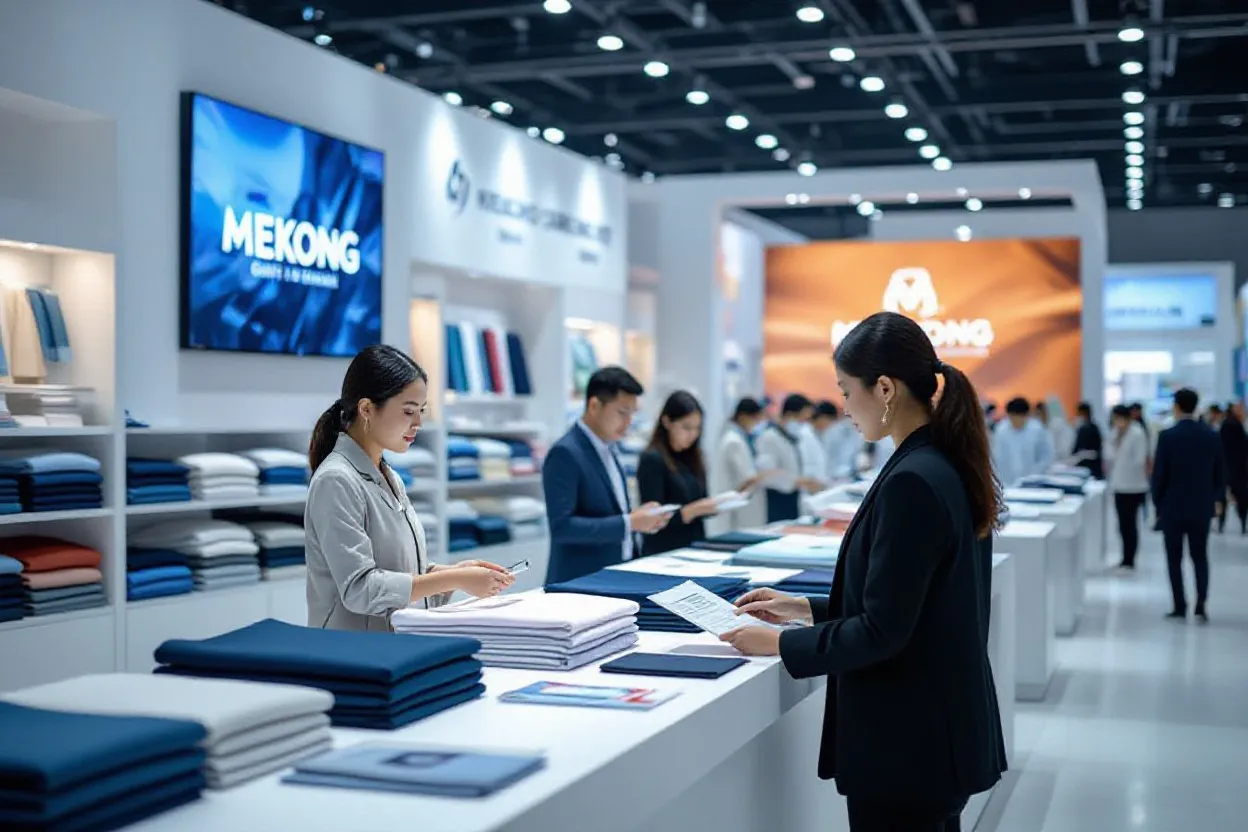
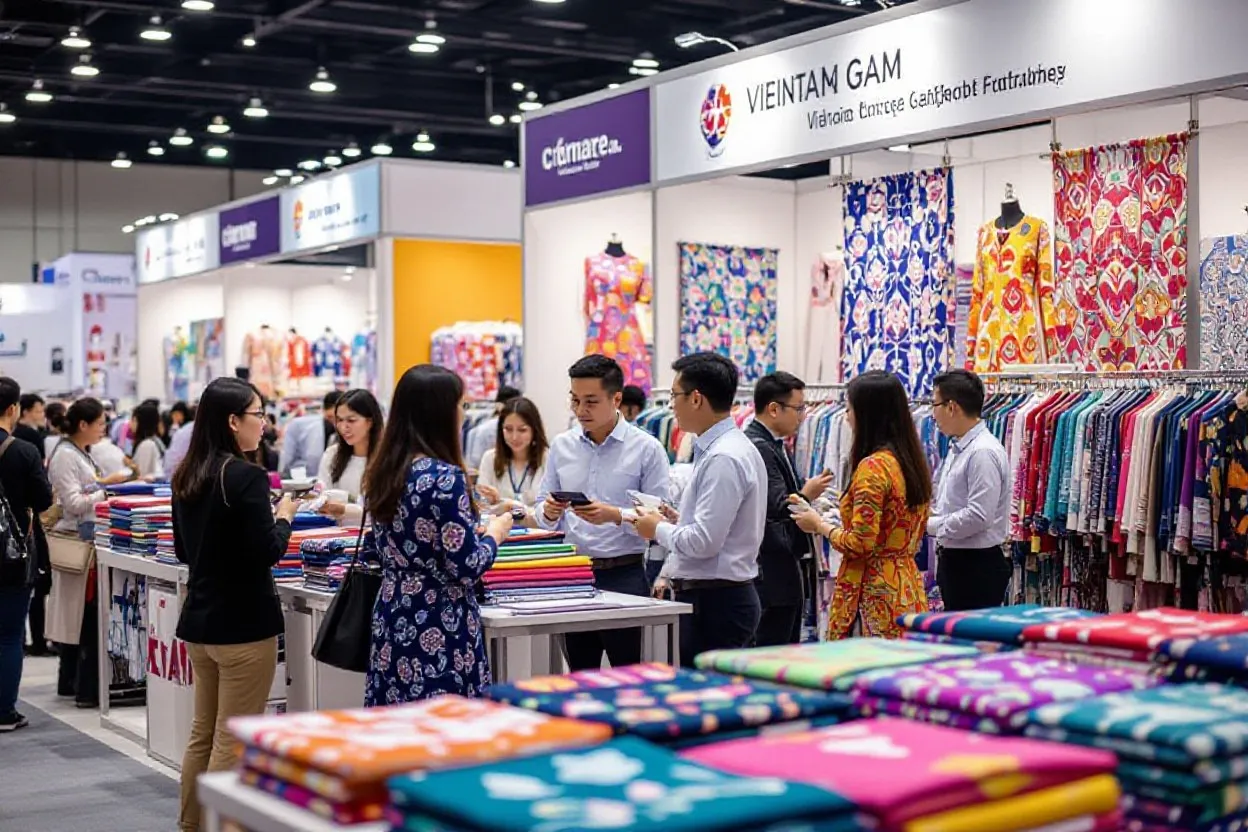
Trade shows provide something online sourcing cannot: real, high-touch interaction. Instead of guessing through photos, you get honest conversations and instant quality verification. Here is why they matter for your brand:
- Instant Quality Check: Stitch lines, fabric weight, and finishing are right in front of you.
- Meet Decision-Makers: Discuss pricing, MOQs, and lead times directly with sales directors and merchandisers.
- Efficient Comparison: Review 20+ booths in one afternoon instead of waiting weeks for email replies.
- Discover Hidden Gems: Find strong mid-sized factories that don’t have active websites or social media.
=> Related Article: Choosing Manufacturers for Small Runs
What to Prepare Before the Show
A little preparation makes your visit much more productive. When you know your numbers, factories can give you clearer, more accurate answers.
- Bring a Clear Concept: A mood board or a physical reference sample helps factories understand your expectations immediately.
- Know Your Numbers: Have your target price, MOQ (Minimum Order Quantity), and delivery timeline ready for discussion.
- Prepare Your Questions: Ask about monthly capacity, compliance certificates (BSCI, WRAP), and their strengths in fabric sourcing.
- Business Cards: Essential for the initial exchange in the Vietnamese business culture.
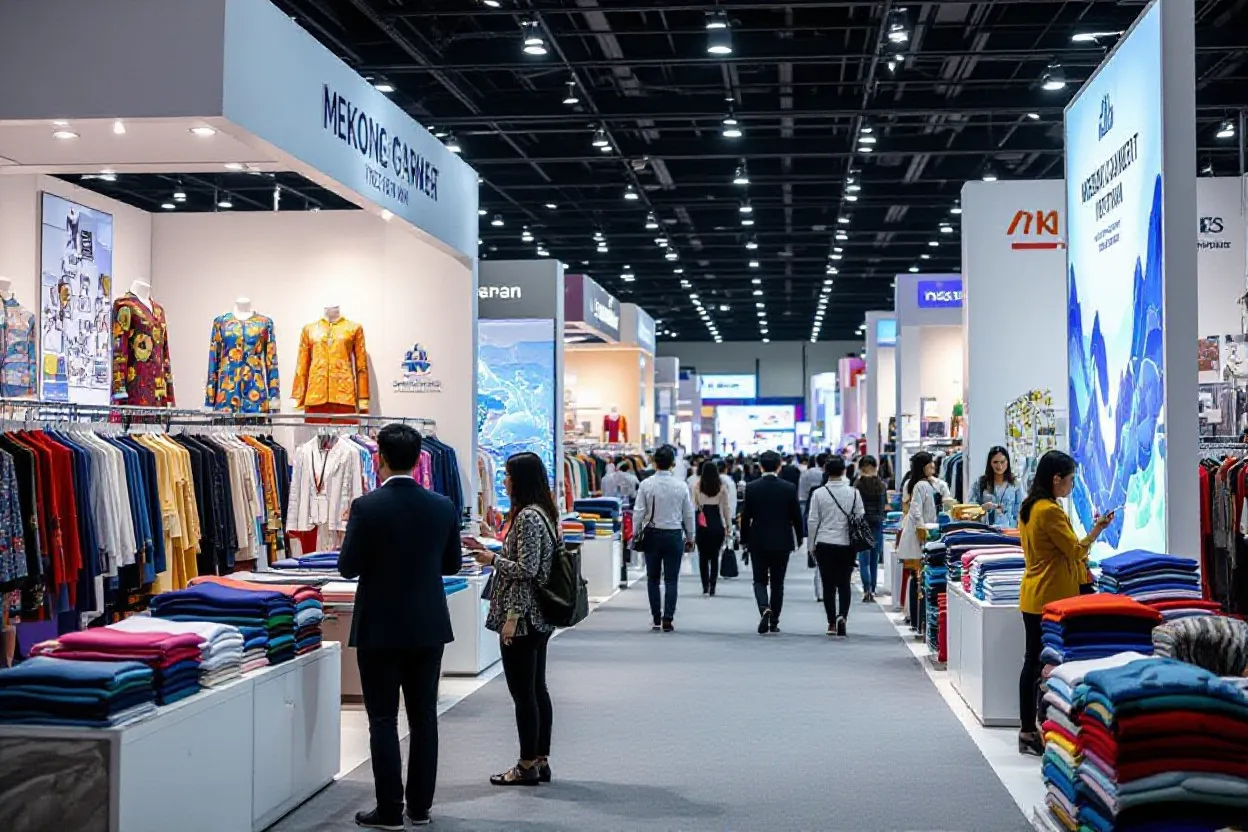
How to Engage With Factories: A 5-Step Flow
- The Intro: Briefly state your brand type and market (e.g., “We are a boutique label from Australia looking for knitwear specialists”).
- The Strength Test: Ask what they specialize in—denim, uniforms, activewear, or formal woven shirts.
- The Touch Test: Turn the samples inside out. Check the seam tension, zippers, and lining quality.
- The Digital Link: Collect catalogs and exchange WhatsApp or WeChat contacts for quick follow-ups.
- The Follow-up Request: Ask for a formal quote or schedule a factory visit for the following week.
Red Flags to Watch Out For
Not every booth represents a trustworthy producer. Stay alert for these warning signs:
- Lack of Technical Answers: If they can’t explain their sewing lines or lead times, they may not be well-organized.
- No Real Samples: If they only show catalogs or photos, they might be a trader, not a factory.
- Unrealistic Promises: Beware of “too good to be true” combinations of extremely low prices and fast delivery.
- Missing Compliance: For US/EU markets, ensure they have valid certificates like BSCI or ISO.
Post-Show Strategy: Choosing the Winner
Once you return home, shortlist 3–5 factories. Review the samples they sent, check their communication speed, and request a video tour of their production floor before signing a contract. Reliability and transparency matter much more than the lowest price.

Conclusion
Trade shows are the ultimate shortcut to finding a trustworthy Vietnam factory. They allow you to see the real work, meet the real people, and choose a partner who aligns with your brand vision. With the right preparation, you’ll leave the show with a clear production plan and the confidence to grow your clothing line. At Mekong Garment, we believe in the power of face-to-face transparency and look forward to meeting our partners at every major industry event.
FAQs: Guide to Clothing Trade Shows in Vietnam
In Short, Why should I use clothing trade shows to find Vietnam garment factories?
Trade shows provide direct, in-person access to multiple Vietnamese manufacturers in a short time. You can inspect fabric and workmanship, compare product lines side-by-side, discuss capabilities with owners or production managers, and gauge responsiveness and language skills. Shows also let you validate claims – sample quality, finishing standards and production range – before investing time in formal sourcing.
What should I prepare before attending a trade show to source factories in Vietnam?
Prepare a short tech pack or product brief, target order quantities, expected lead times, desired price range and quality standards. Bring sample swatches, measurement charts, business cards, a list of specific questions (MOQs, capacity, certifications), and a simple NDA if you need to protect designs. Pre-book meetings with priority suppliers and plan a timeline for follow-up actions after the show.
How should I approach conversations with Vietnam factory representatives at the show?
Start with a concise introduction of your brand and product needs, then ask focused questions: core capabilities, MOQs, lead times, seasonal capacity, sample policy, compliance certificates, and typical FOB prices for your spec. Ask to examine finished samples and prototype photos, request factory contact details, and agree on the next steps (sample timeline, quote format). Note any discrepancies between claims and samples.
What red flags should I watch for when evaluating factory booths?
Be wary of very low prices that don’t match sample quality, inconsistent answers about MOQs or lead times, reluctance to show production photos or a factory address, refusal to provide references or certifications, pressure for full payment upfront, and displays of samples that differ significantly from what the salesperson describes. Also note poor communication or evasiveness about QC processes.
After the trade show, how do I shortlist and verify Vietnam factories?
Narrow to 3-5 candidates and request detailed quotes, production lead times, sample timelines and references. Verify business registration and certifications, ask for current factory photos or a virtual tour, and request samples or pre-production prototypes. Schedule a factory visit or hire a third-party auditor for a social and technical audit. Compare total landed costs, payment terms and responsiveness before placing a pilot order.
What are best practices for payments, quality control and logistics when working with a Vietnamese manufacturer?
Negotiate a clear payment schedule (e.g., deposit + balance on shipment or L/C for larger orders) and use traceable payment methods. Confirm Incoterms (FOB common), agree on pre-production sample approval, set inspection points (inline and final), and consider third-party QC for critical orders. Arrange freight forwarding and insurance in advance, and get all export documents (commercial invoice, packing list, certificates of origin) prepared to avoid shipping delays