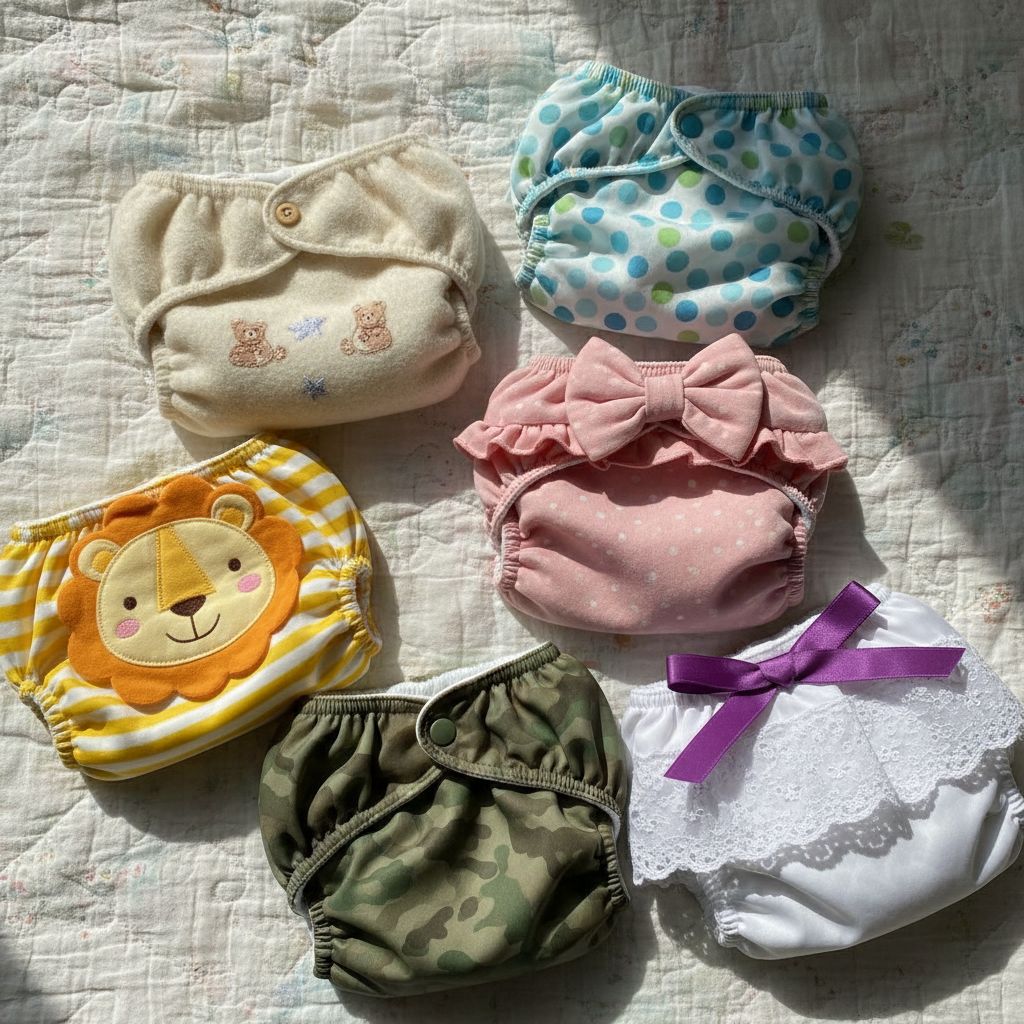
Baby Diaper Covers: The Simple Guide to Leak Protection (Cloth and Disposable)

Baby diaper covers look tiny, but they solve a big problem: keeping messes off clothes, bedding, and car seats. If you’ve ever dealt with a leak or a blowout, you already understand why these exist. This guide explains what diaper covers are, when you need them, and how to avoid the common mistakes that make people think they “don’t work.”
=> Related Article: Baby Outerwear Guide: Shielding Infants from the Elements
What Are Baby Diaper Covers?
Baby diaper covers are protective outer layers worn over a diaper to prevent leaks and keep clothes dry. While most commonly used with cloth diapers, they can also be used over disposables for extra blowout protection. Think of it like a raincoat for the diaper underneath—it acts as a barrier, not an absorbent sponge.
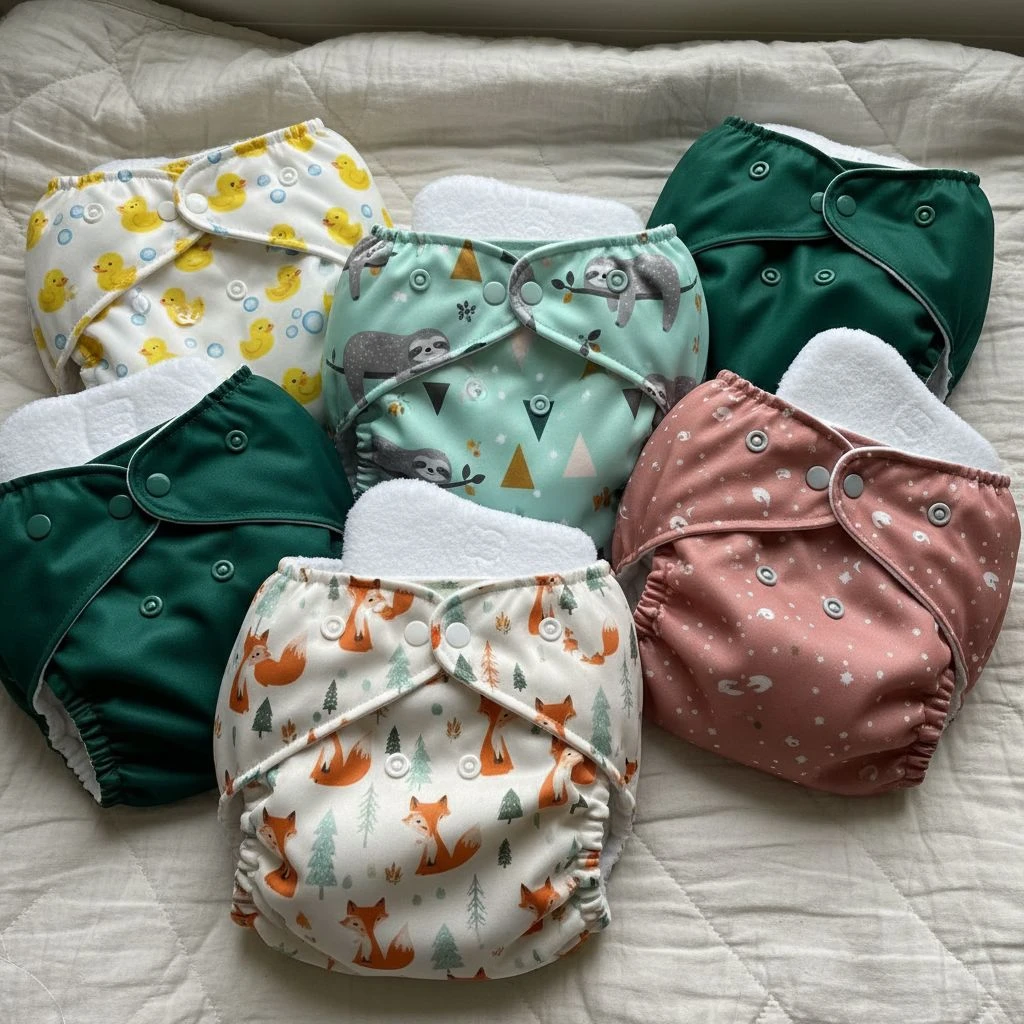
When Do You Actually Need a Diaper Cover?
You don’t always need a cover, but it is essential if you use cloth flats, prefolds, or fitted diapers which lack a waterproof outer layer. It is also a smart “backup layer” during travel or for babies prone to frequent blowouts. Note: If your disposable diaper already fits well, an extra cover might be unnecessary overkill.
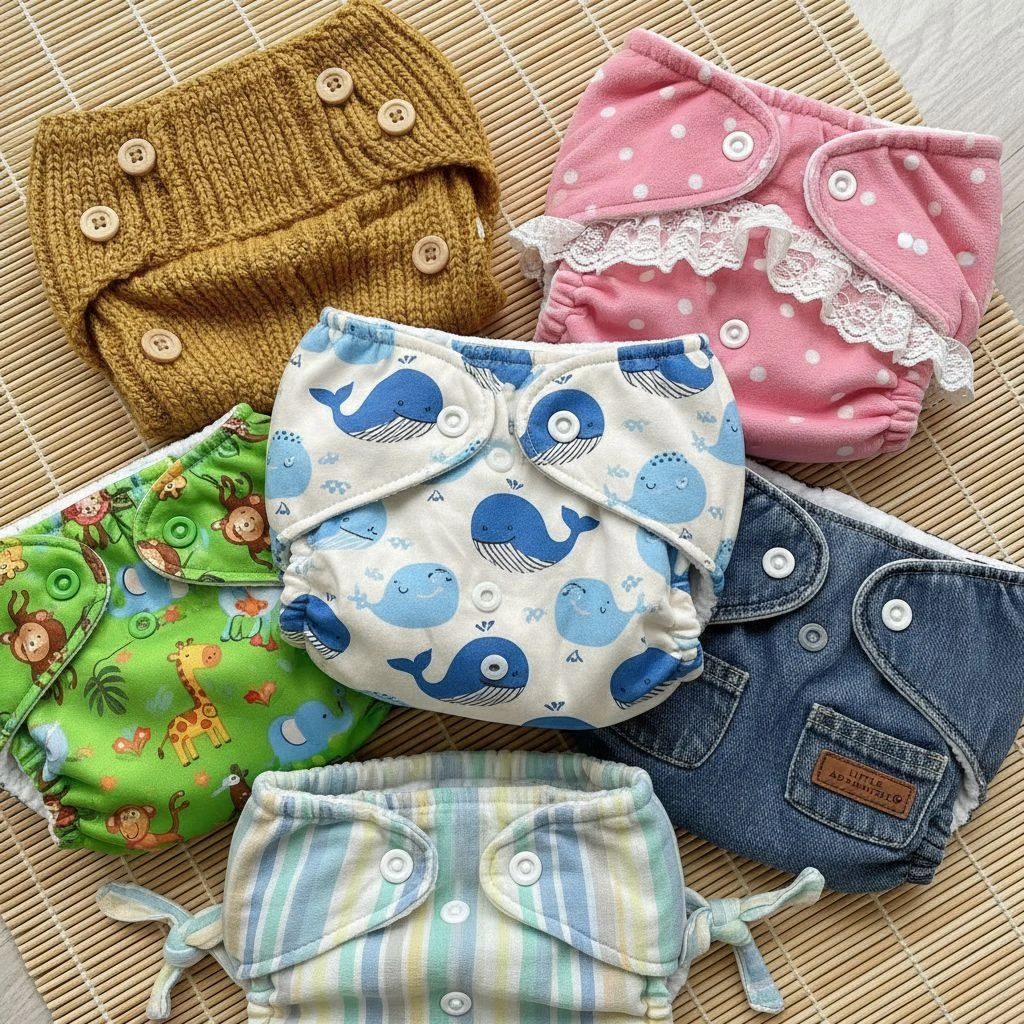
Main Types of Diaper Covers
1) PUL/TPU Waterproof Covers
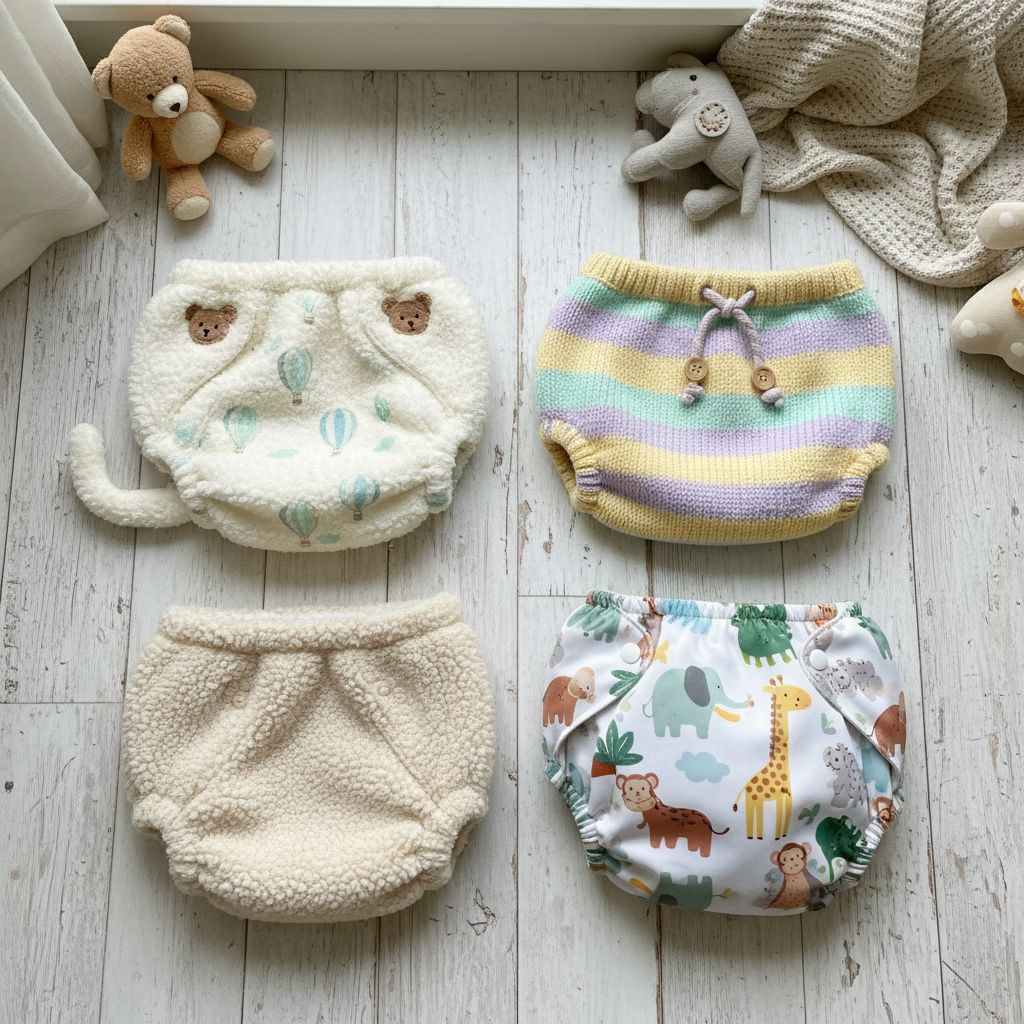
These are thin, wipeable, and designed for modern convenience. They are waterproof and lightweight, making them the most popular choice for everyday use and daycare.
2) Wool and Fleece Options
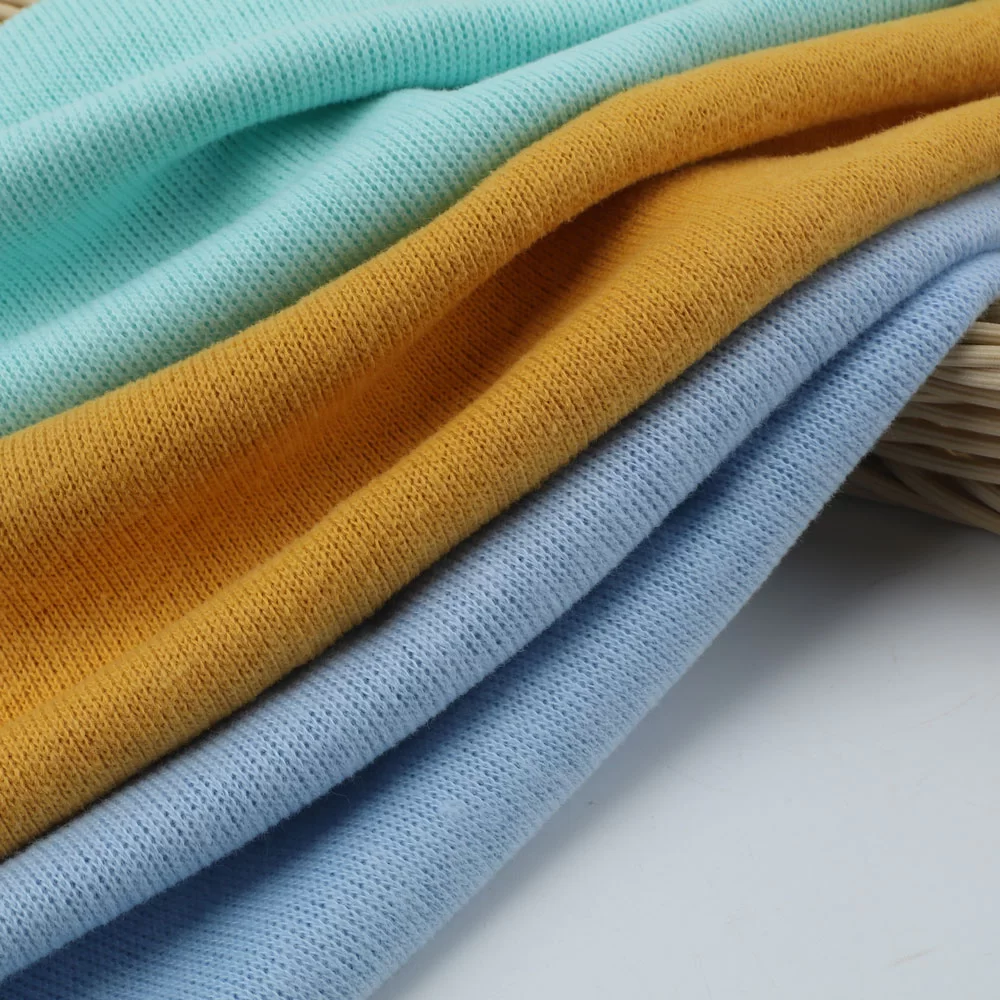
Wool is highly breathable and perfect for nighttime or sensitive skin, though it requires more maintenance. Fleece is soft and comfy but may leak under pressure, such as in a car seat or during long naps. Choosing the right type depends on your baby’s needs and your laundry routine.

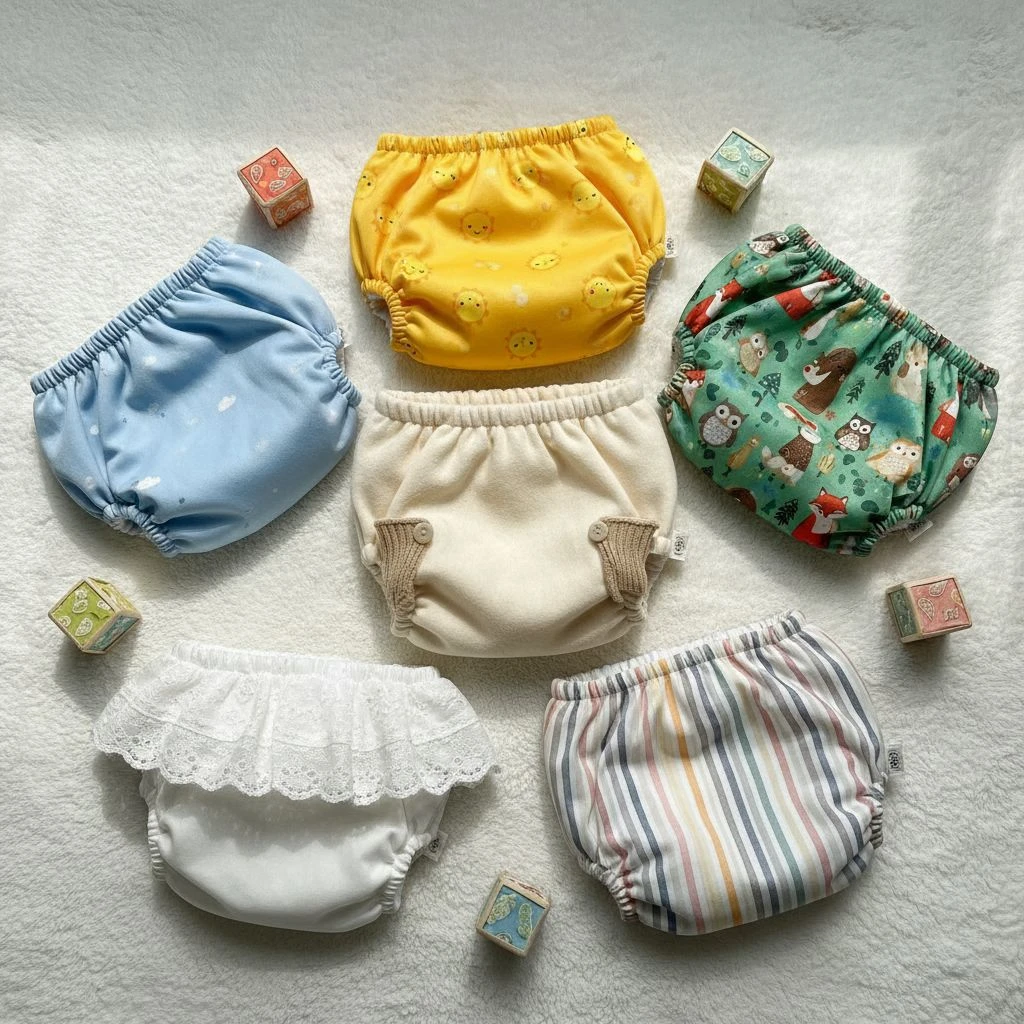
What to Look For When Buying or Manufacturing
The right cover should fit well and stay comfortable. Small details like leg elastic can make or break the performance. Know which features truly matter for leak prevention:
- Double Gussets: Two lines of leg elastic to trap messes effectively.
- Sizing Space: Enough room to house absorbent inserts without creating gaps.
- Smooth Waistband: Stretchy elastics that don’t leave deep red marks.
Common Problems and Fixes
Most issues aren’t about the cover itself, but about fit or absorbency. If it leaks at the legs, try a tighter setting or switch to double gussets. If it leaks at night, the diaper underneath likely needs more absorbency. For heat rash, switch to breathable fabrics and ensure more frequent changes.
Conclusion
A diaper cover is only as good as the diaper underneath it, and fit matters more than the brand. When used correctly, they protect your car seats, bedding, and sanity. Choose what fits your routine and your baby’s comfort—that’s what really works in the daily life of a parent.