T-Shirt Crew Neckline: The Most Common Neckline and the Most Misunderstood

The crew neckline is the most widely used T-shirt neckline in the global apparel market. At first glance, it looks simple: a round opening that sits close to the base of the neck. But for brand owners, the crew neck is not just a design choice it’s a quality signal, a cost control point, and often the deciding factor in repeat orders.
=> Read More: T Shirts Manufacturing Vietnam | Mekong Garment Factory
Many brands treat crew necks as “basic.” That mindset is risky. The truth is: crew necks only sell easily when they’re executed well. When they’re not, customers may not complain but they won’t come back. This article breaks down what a crew neckline really is, how it’s constructed, where brands often go wrong, and how to spec it properly for long-term success.
What Is a Crew Neckline?
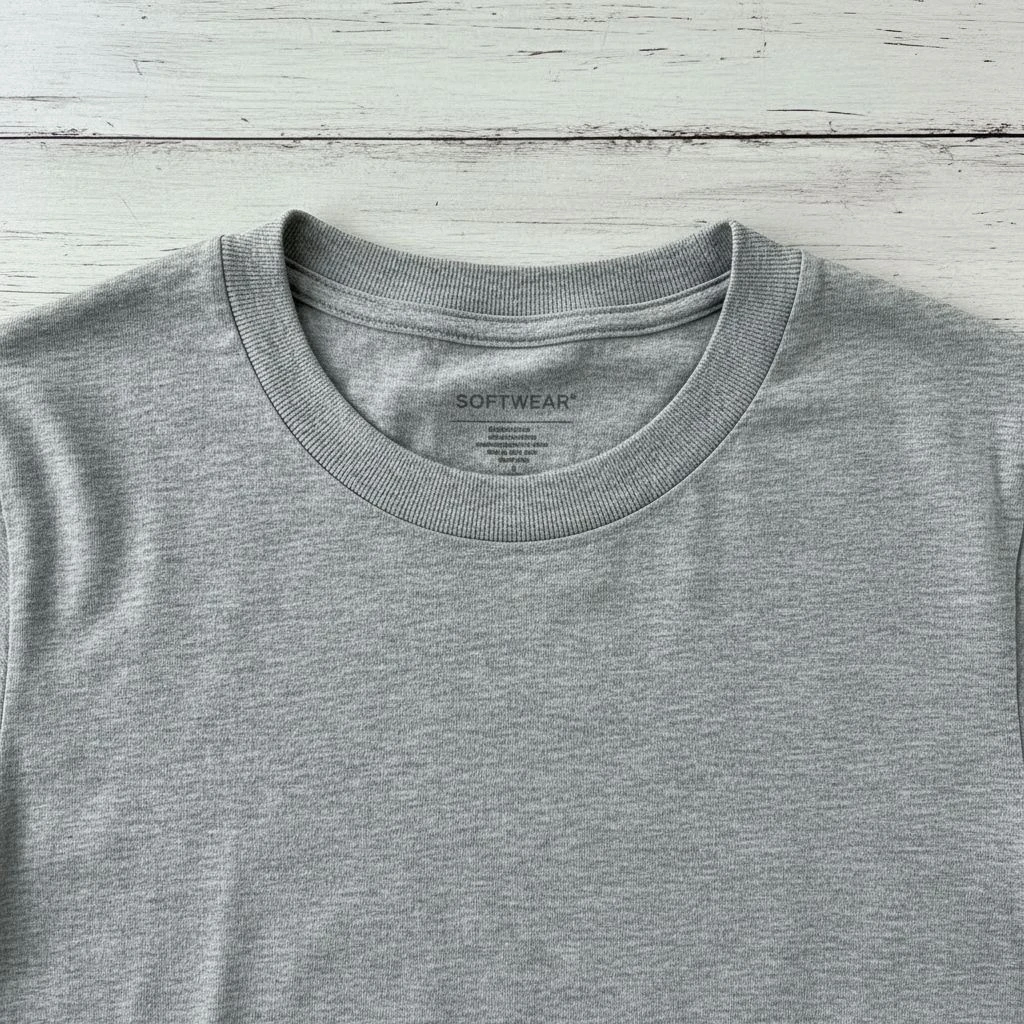
A crew neckline is a round, closed neckline that sits high on the chest and close to the neck. It is the most familiar T-shirt neckline across men’s, women’s, and unisex styles. Because customers instantly recognize it, the crew neck requires no education. That makes it ideal for:
- Core basics
- Uniforms and corporate tees
- Streetwear blanks
- Merch and promotional apparel
However, familiarity also means customers notice flaws quickly. A bad crew neck doesn’t look “designed wrong” it looks cheap.

Why Crew Necks Dominate Core Collections
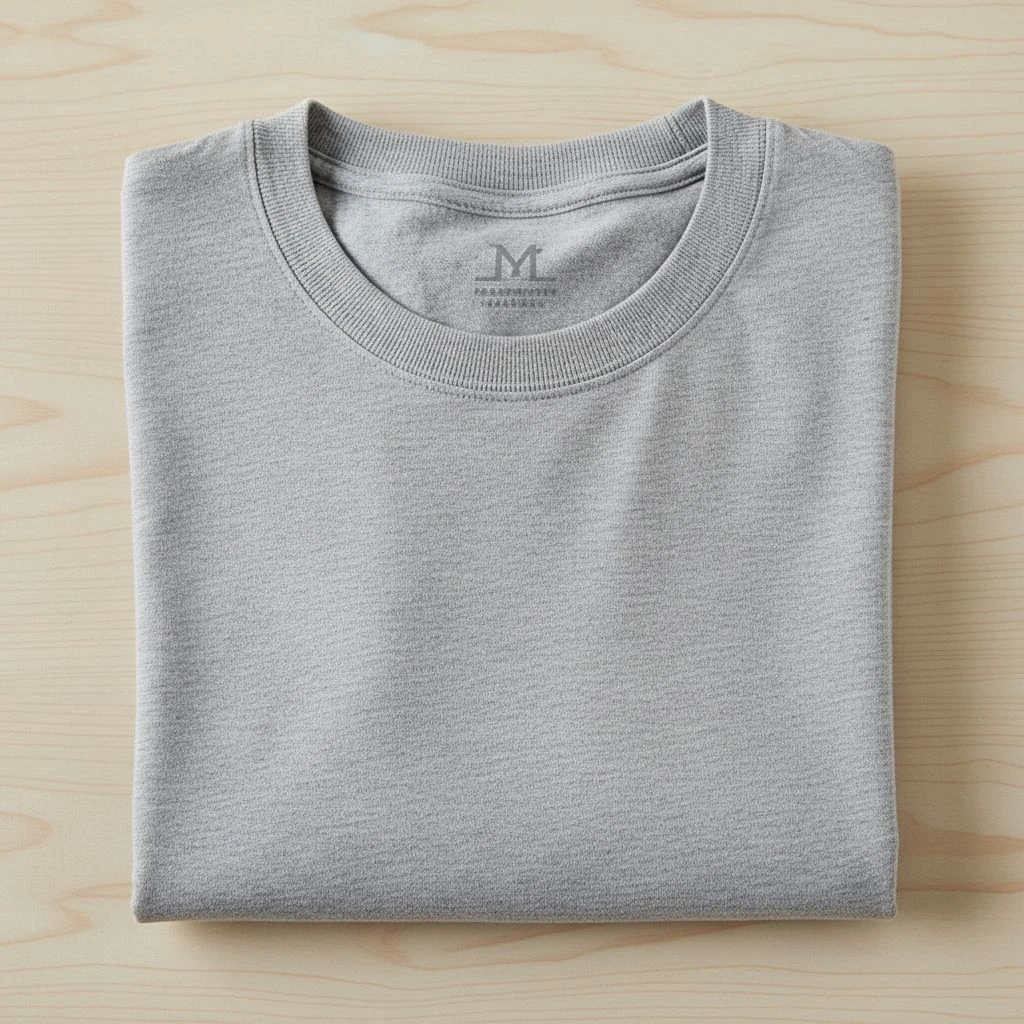
Crew necks dominate core collections because they’re the safest way to deliver consistent fit, consistent styling, and consistent reorders. Customers already understand the silhouette, so brands don’t have to “teach” the product—buyers can picture it instantly, try it once, and reorder with confidence. For production, the crew neck is also easier to standardize across colors and seasons, which helps brands control cost and reduce mistakes at scale.
From a brand perspective, crew necks succeed because they are:
- Size-forgiving across body types
- Compatible with printing and embroidery
- Easy to standardize across seasons
- Efficient for bulk production
But here’s the part brands often miss: “Crew necks don’t win because they’re simple. They win because they’re consistent.” Consistency is hard to maintain if collar specs are vague.
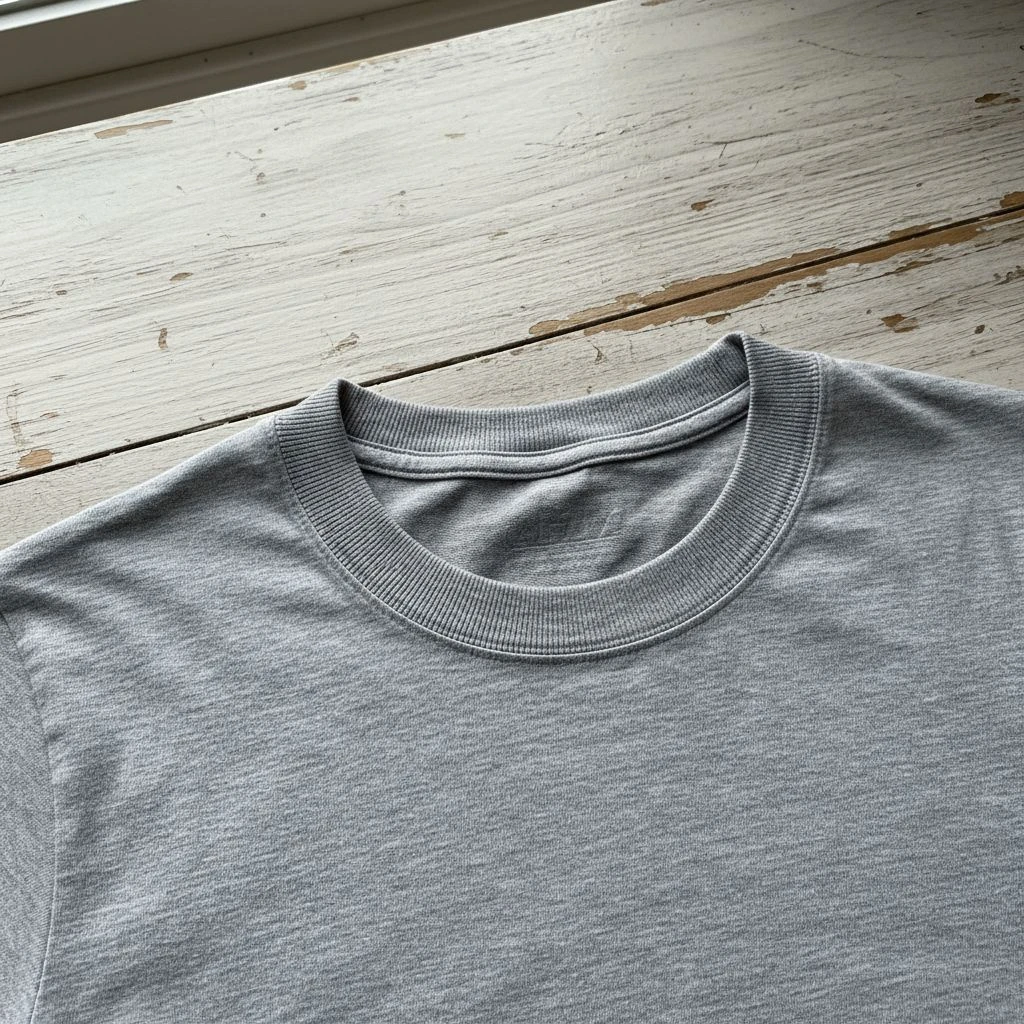
Crew Neck Construction: Where Quality Lives or Dies
1. Collar Fabric (Rib Knit)
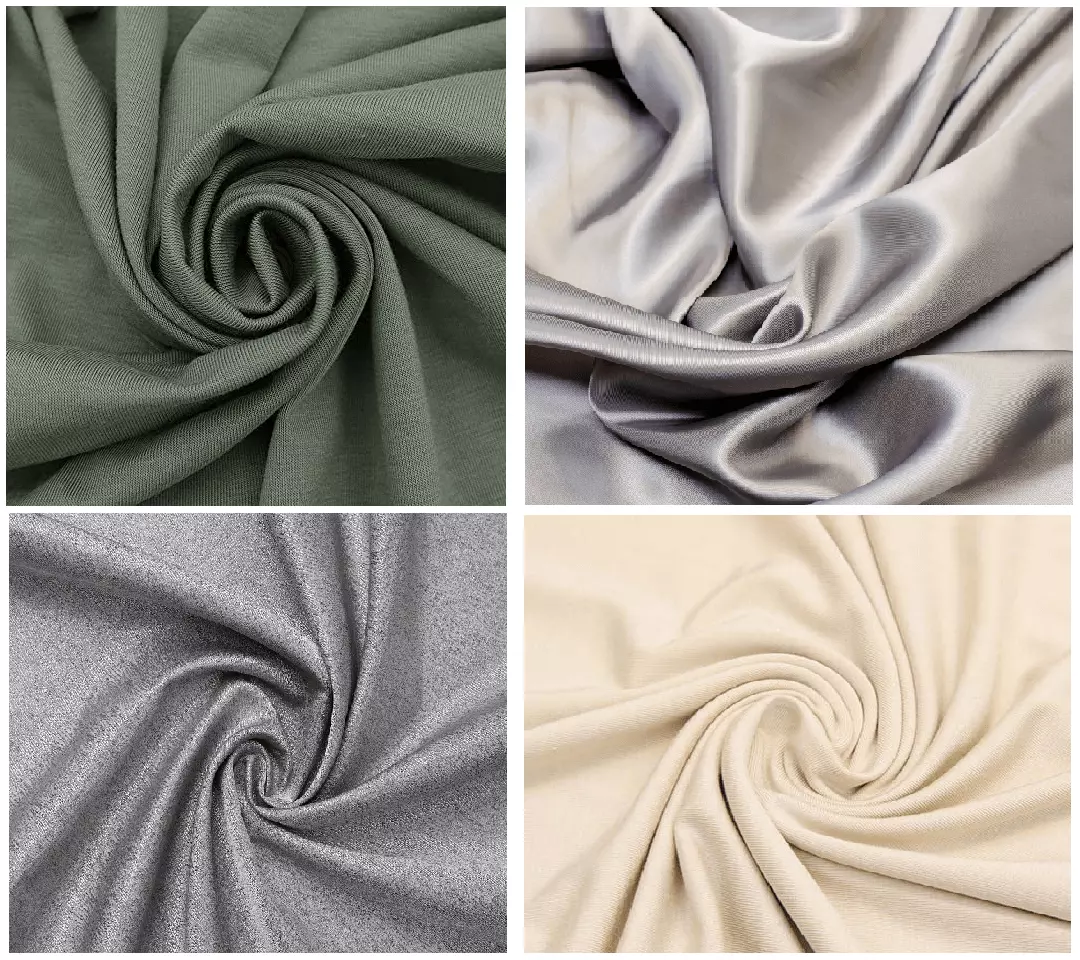
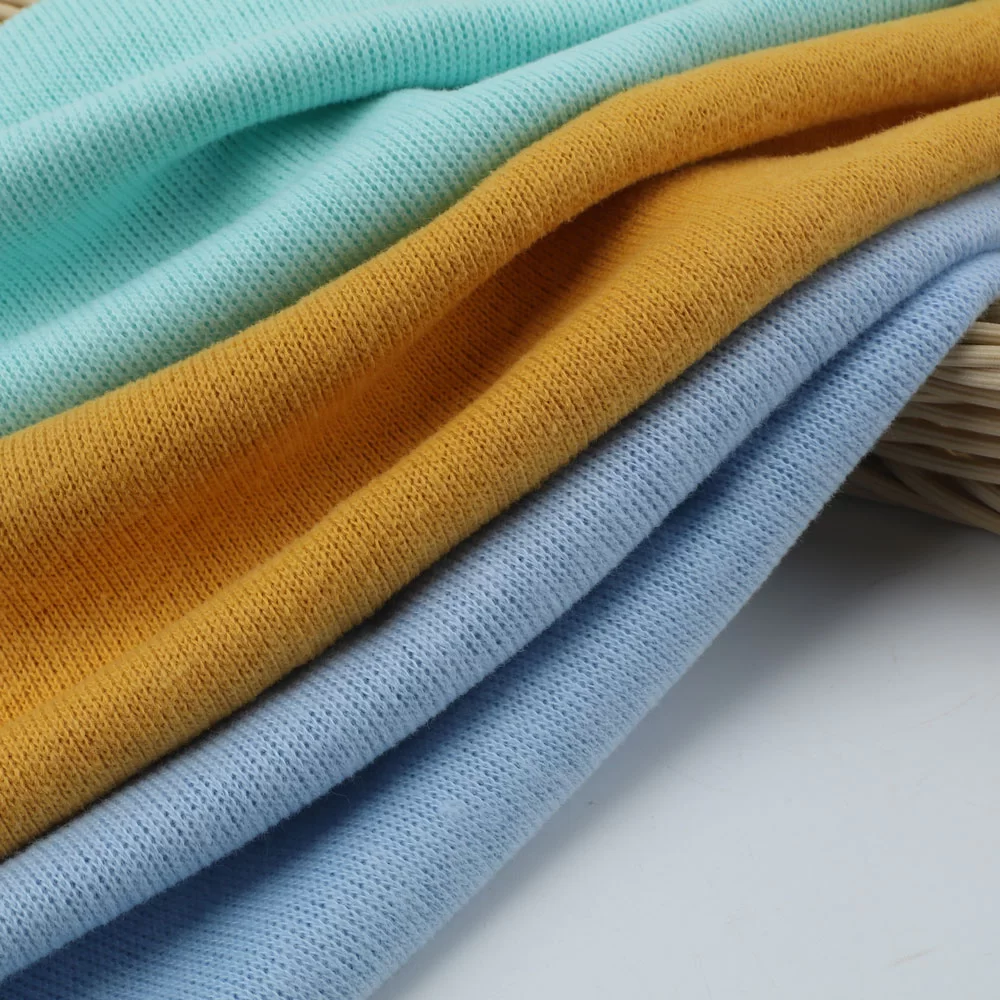
Most crew necks use a rib collar, but not all ribs perform the same. Key factors that matter: Rib structure (1×1 vs 2×1), GSM of the rib, and Elastic recovery after washing. Low-GSM ribs save cost but cause the wavy collar effect. A crew neck can survive years of wear if the rib is spec’d correctly.
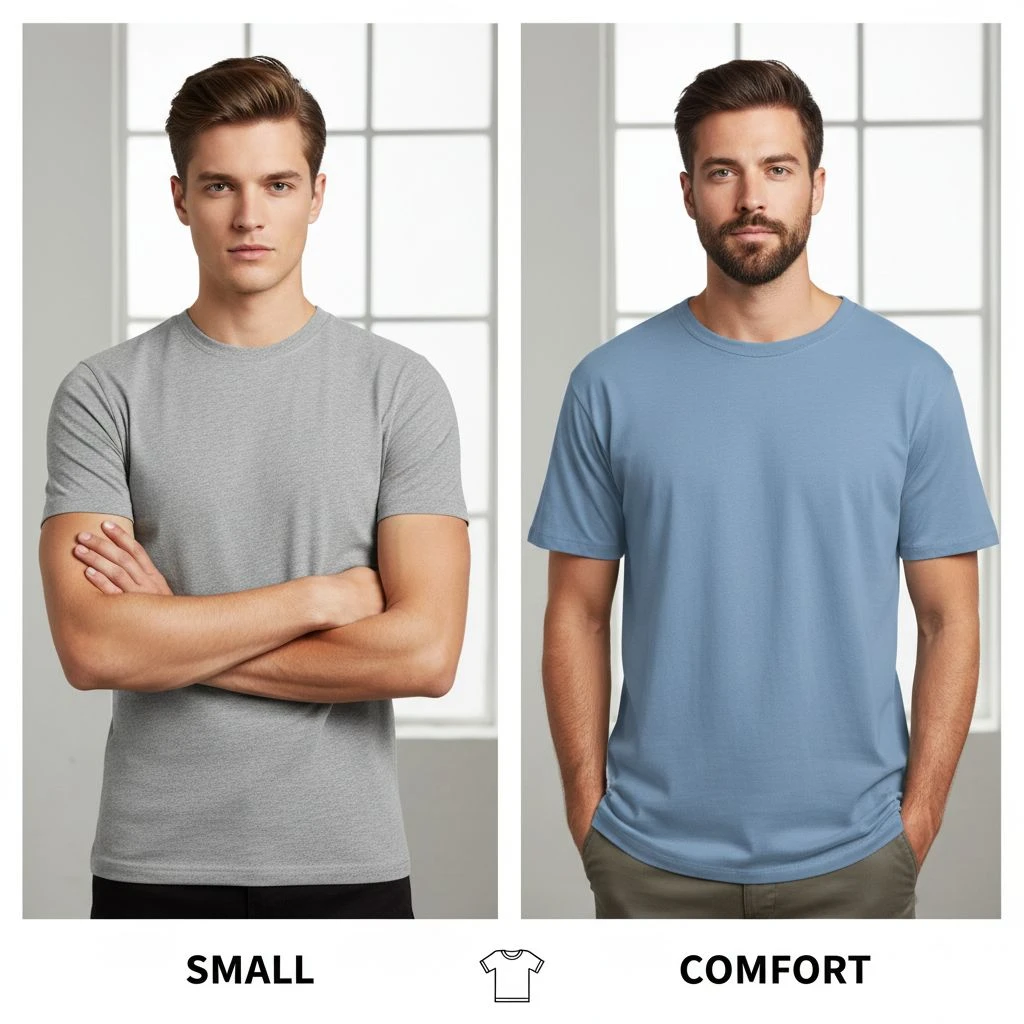
2. Neck Opening Size: Sales vs Comfort
Many brands design crew necks to look sharp on models: Small neck opening and tight collar look great in clean photos. However, in real life, this can feel restrictive and be harder to pull on, leading to higher returns.


A slightly wider neck opening often sells better long-term. Comfort wins repeat customers—not just Instagram photos.
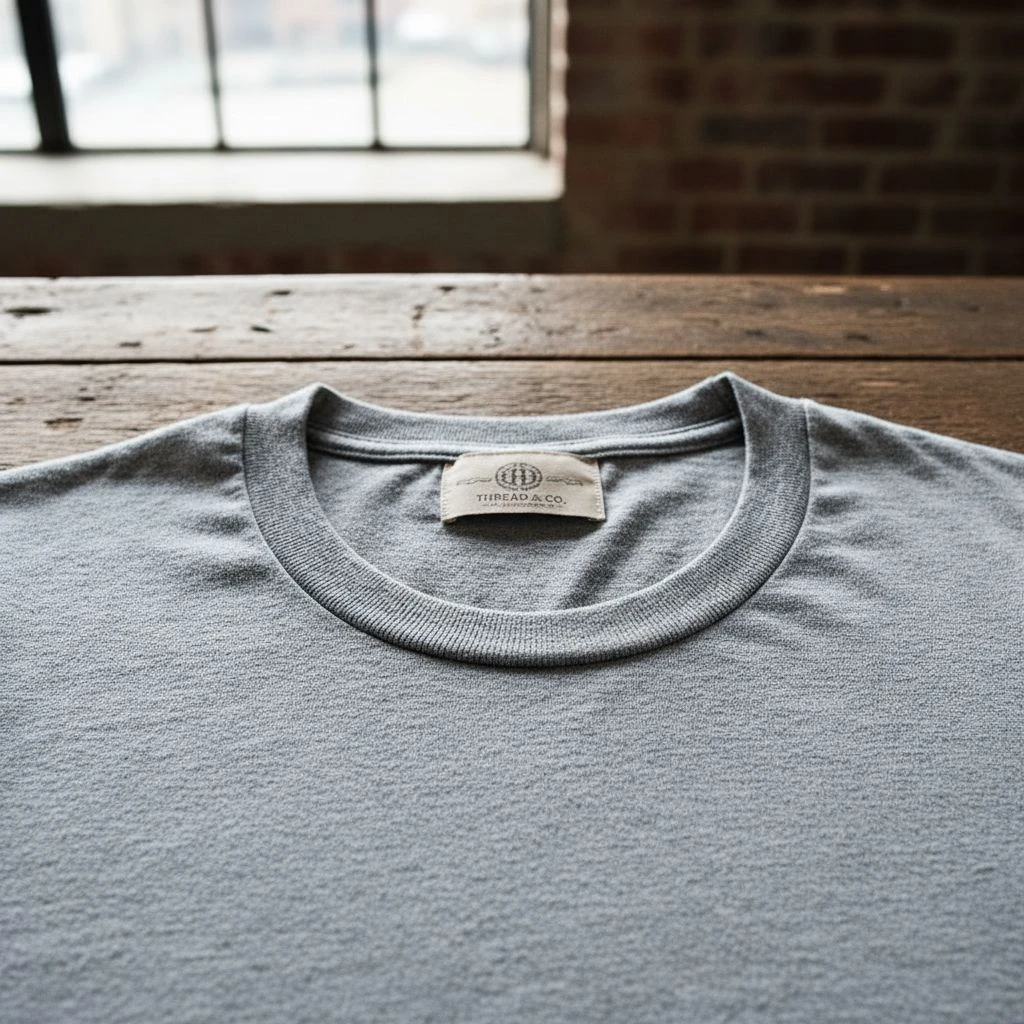
3. Stitching and Assembly
The neckline stitch must balance strength and flexibility. Tension control is vital to avoid warping or twisted necklines after washing. Even premium fabric can fail if stitching control is poor. Crew neck quality is a process issue as much as a material issue.
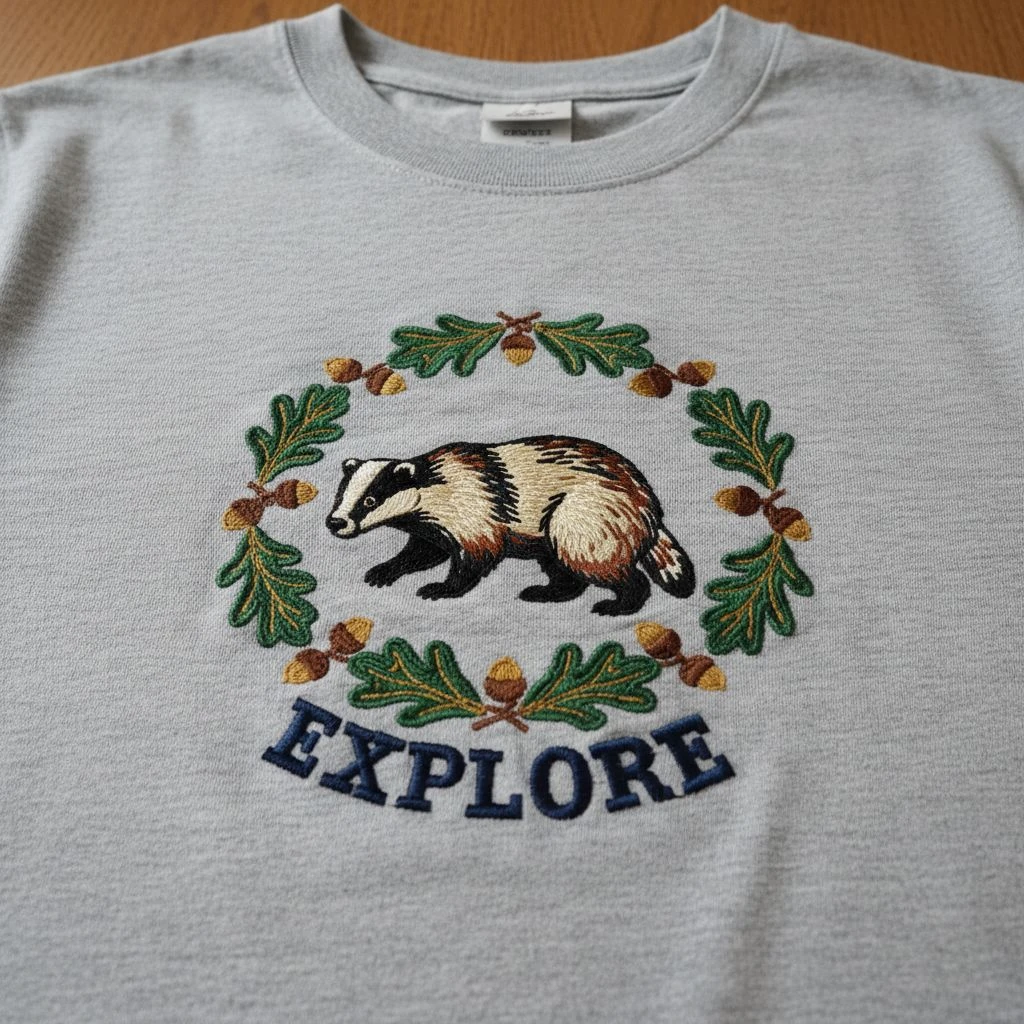
Fit Types: Crew Neck Across Men’s, Women’s, and Unisex
One neckline spec does not fit all bodies. Differences in shoulder width and neck circumference mean a men’s spec may feel restrictive on a women’s fit. Smart brands adjust specs subtly even when the neckline looks “the same.”
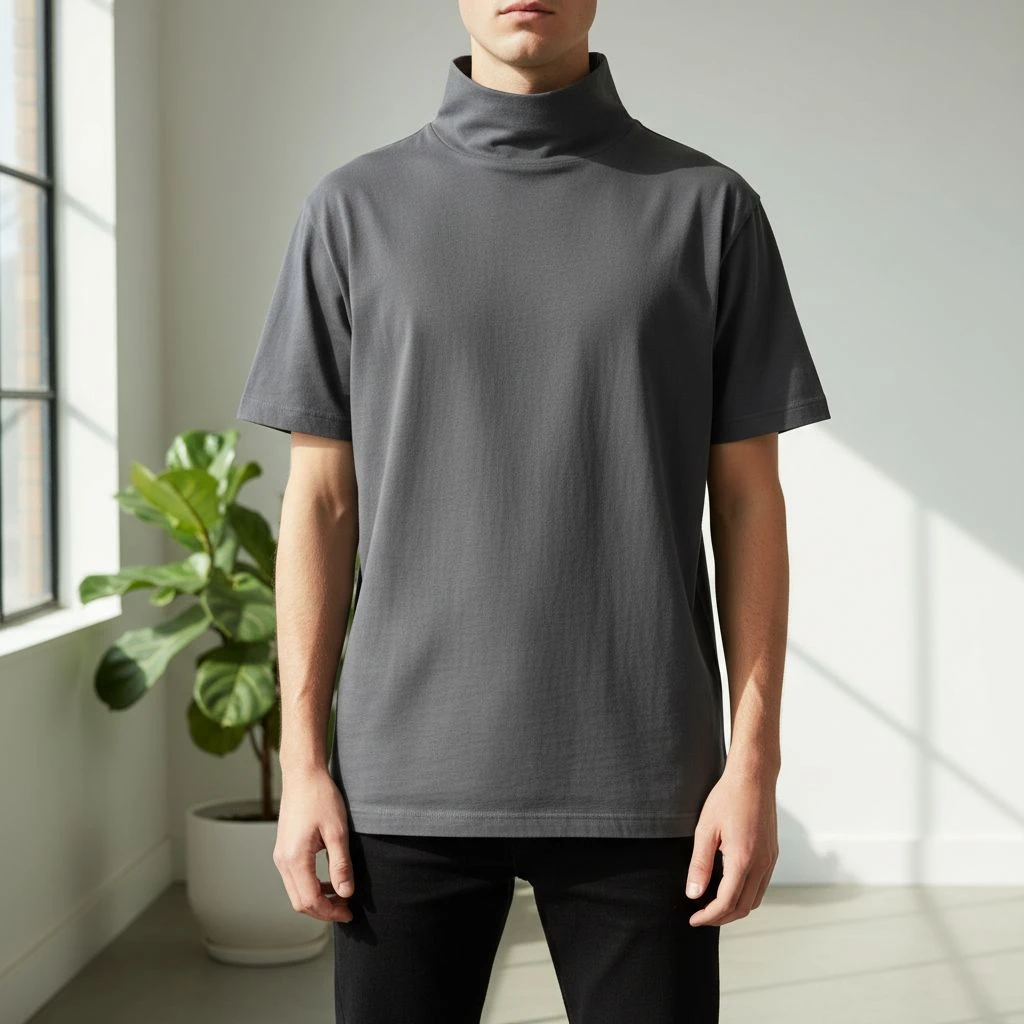
- Men’s crew necks usually sit slightly higher and tighter.
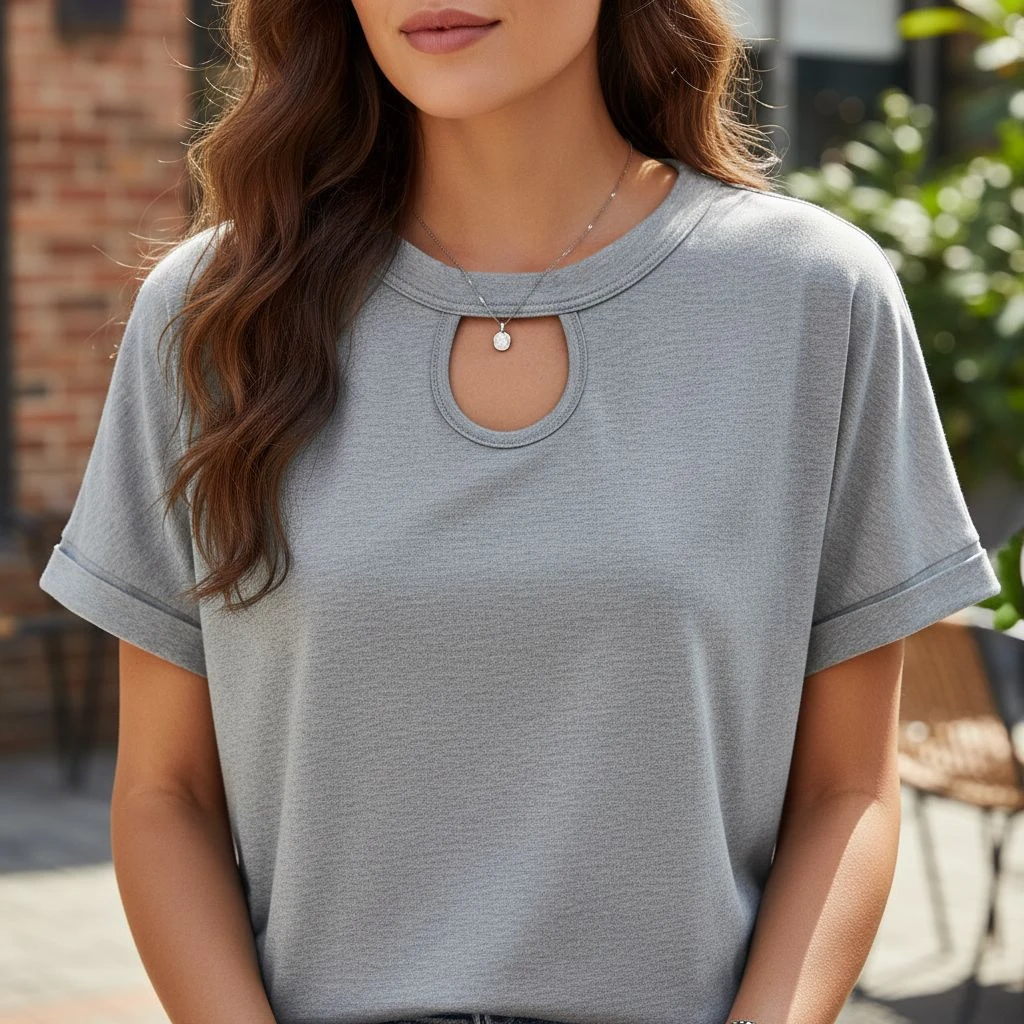
- Women’s crew necks depend more on shoulder width than bust.
- Unisex crew necks work best with moderate neck width and good stretch recovery.
Final Takeaway for Brand Owners
The crew neckline is not just a “basic.” It’s the most exposed and judged part of a T-shirt. Brands lose customers when they under-spec it. If your crew neck holds its shape, feels comfortable, and looks clean after washing, you’ve already won half the battle.