Do Synthetic Fabrics Hold Odors? Why It Happens and How to Avoid It

Synthetic fabrics like polyester, nylon, and spandex are everywhere due to their strength and fast-drying properties. However, a common technical complaint remains: do these fabrics hold odors? The answer is yes, but the reason lies in the intersection of microbiology and fiber science. This article explains why synthetic garments retain smells and provides professional care steps to keep your apparel fresh.

Why Synthetic Fabrics Hold Odors: The Science
It is a misconception that the fabric itself smells. The odor is a byproduct of how sweat and bacteria interact with non-absorbent fibers. Unlike natural fibers, synthetics create a unique environment for bacterial growth.
Bacteria, Not Sweat, Create the Odor
Human sweat is largely odorless. The smell occurs when bacteria on the skin break down sweat into volatile organic compounds. Natural fibers like cotton absorb moisture into the core of the fiber, sequestering the “food source” from bacteria. Synthetic fibers, being hydrophobic, trap sweat on the surface. This creates a moist, warm biofilm that is ideal for odor-producing bacteria to thrive.
The Impact of Fiber Structure
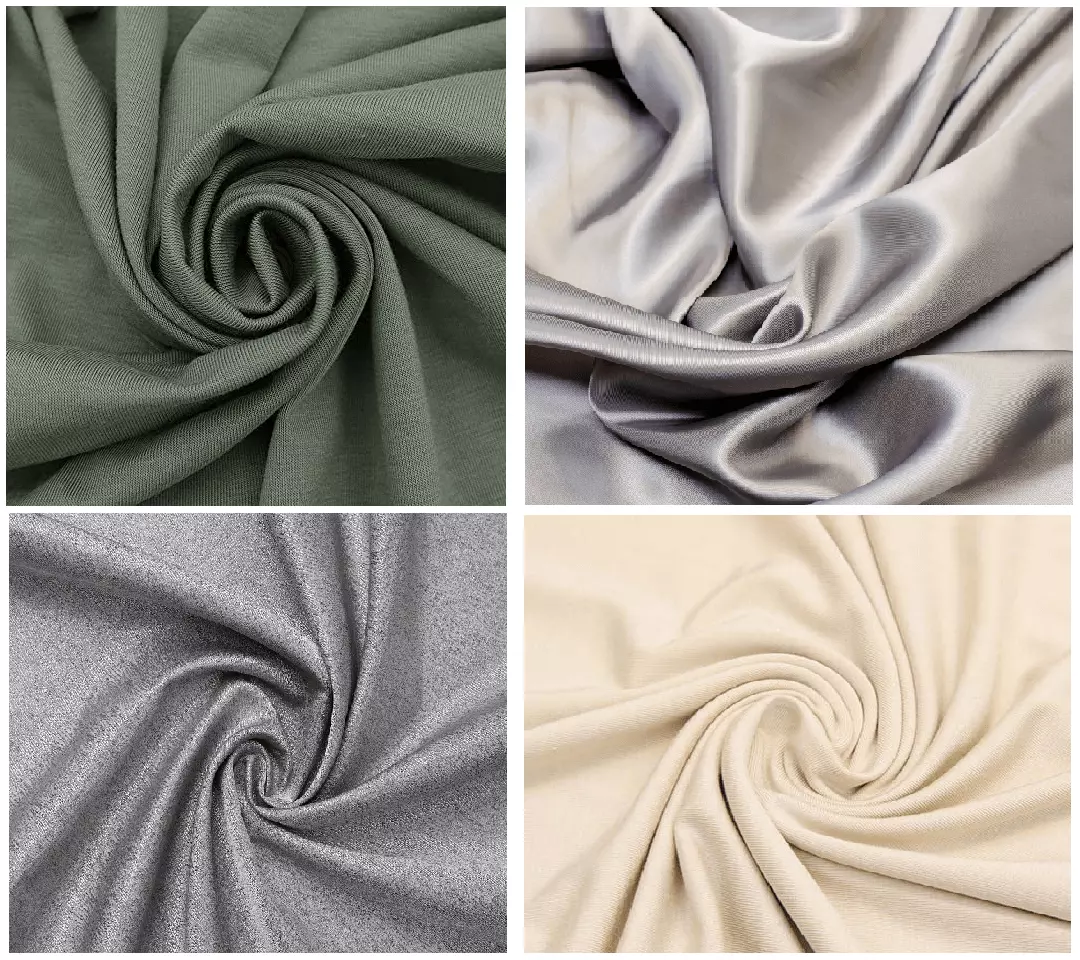
Synthetic fibers are smooth and tightly woven, which leads to several technical challenges for freshness:
- Reduced Permeability: Lower breathability compared to cotton or wool.
- Surface Biofilm: Sweat is trapped on the surface rather than being absorbed.
- Detergent Resistance: Smelly compounds can “hide” in the smooth structure, making them harder to rinse out.

Professional Care: How to Eliminate Odors in Synthetics
You can maintain synthetic garments without persistent smells by following specific garment care protocols:
- Immediate Laundering: Do not leave sweaty clothes in a bin. Wash immediately or hang them to dry to prevent bacterial multiplication.
- Inside-Out Washing: Turn garments inside out so detergent can directly target the skin-contact areas where bacteria are concentrated.
- Enzyme-Based Detergents: Use detergents specifically designed to break down oils and proteins—the real “anchors” for odor.
- Avoid Fabric Softeners: Softeners leave a waxy residue that seals in odors and prevents deep cleaning of synthetic fibers.
- UV Drying: Whenever possible, air dry in sunlight. UV light acts as a natural disinfectant to kill remaining bacteria.
Natural Fibers vs. Synthetic Fabrics: Technical Comparison
| Criteria | Natural Fibers (Cotton/Wool) | Synthetic Fabrics (Poly/Nylon) |
|---|---|---|
| Moisture Handling | Absorb into fiber core | Repel water, stay on surface |
| Breathability | High | Low to Medium |
| Odor Resistance | Naturally Superior | Lower (Requires more care) |
| Drying Speed | Slower | Faster |
| Durability | Medium | High |
Conclusion
The persistent smell in synthetic clothing is not a defect but a characteristic of how non-absorbent fibers interact with biology. By shifting to enzyme detergents and avoiding fabric softeners, you can enjoy the performance benefits of synthetics without the associated odors. For brands, selecting anti-odor finishes or merino blends can further improve the user experience in activewear collections.