What Are the Typical Lead Times for Men’s Wear Manufacturing?

In men’s wear manufacturing, timing is just as important as fit and fabric. A well-designed collection can still fail if production timelines are misjudged. Late deliveries affect marketing launches, retail schedules, and inventory planning. That is why understanding realistic lead times is critical for every men’s wear brand. Based on long-term experience working with American brands across casual, tailored, and technical categories, men’s wear manufacturing usually takes 8 to 16 weeks. Simple styles move faster, while structured or performance-driven garments need more time. These timelines depend on garment complexity, fabric sourcing, order size, and seasonal factory capacity. Below, we break down how each factor shapes production schedules and how brands can plan more effectively.

Average Lead Times in Men’s Wear Manufacturing

You should expect overall manufacturing to fall between 8-16 weeks depending on complexity; for example, basics often ship in 6-8 weeks while tailored or technical pieces take 12-16 weeks. If you choose stock fabrics you can shave off ~2-3 weeks, but custom mill development typically adds 4-6 weeks. Orders of 500-2,000 pieces usually need 8-10 weeks, runs above 5,000 often require 12-14 weeks, and peak season can push schedules longer. Before looking at individual factors, it helps to understand the general timeline range

=> Related Article: Vietnam Garment Factory Lead Time Explained: From Order to Shipment 

Men’s Wear Category Typical Lead Time
Basic knit or woven styles 6–8 weeks
Core seasonal items 8–10 weeks
Tailored or structured garments 12–14 weeks
Technical outerwear or complex designs 12–16 weeks

How Garment Complexity Influences Production Time

Garment construction plays a major role in how quickly production can move. Men’s wear often emphasizes structure, fit, and durability, which can add time compared to simpler designs. Basic styles follow a direct production flow. Complex garments require more preparation, testing, and precision at every step.

Timelines for Basic Men’s Wear

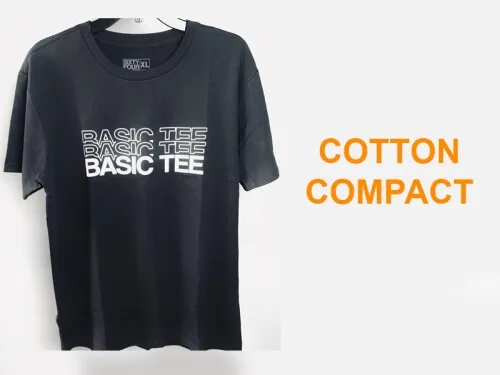
Basic men’s wear forms the backbone of many collections and repeat programs. These styles are familiar to factories and benefit from established workflows. Because patterns and construction methods are standardized, production moves quickly and predictably. Fabric sourcing is usually straightforward. This makes basic garments ideal for shorter lead-time planning.

=> Related Article: What Are the Typical Lead Times for Women’s Fashion Wholesale?

Basic men’s wear includes:

  • T-shirts
  • Polo shirts
  • Casual woven shirts
  • Simple shorts or knit bottoms

These styles typically require 6–8 weeks from confirmation to shipment.

They move faster because:

  • Patterns are standardized
  • Sewing operations are familiar
  • Fabrics are widely available
  • Fewer fitting rounds are needed

This makes basic items ideal for repeat programs and quick replenishment.

Timelines for Complex Men’s Garments

Complex men’s garments require a higher level of precision and craftsmanship. Tailoring, structure, and performance features all demand additional development work. These styles often go through multiple fitting and testing stages before production begins. Specialized machinery and skilled operators are also required. Each of these factors naturally extends the production timeline.

=> Related Article: What Are the Typical Lead Times for Men’s Wear Manufacturing? 

Complex men’s wear includes:

  • Tailored suits
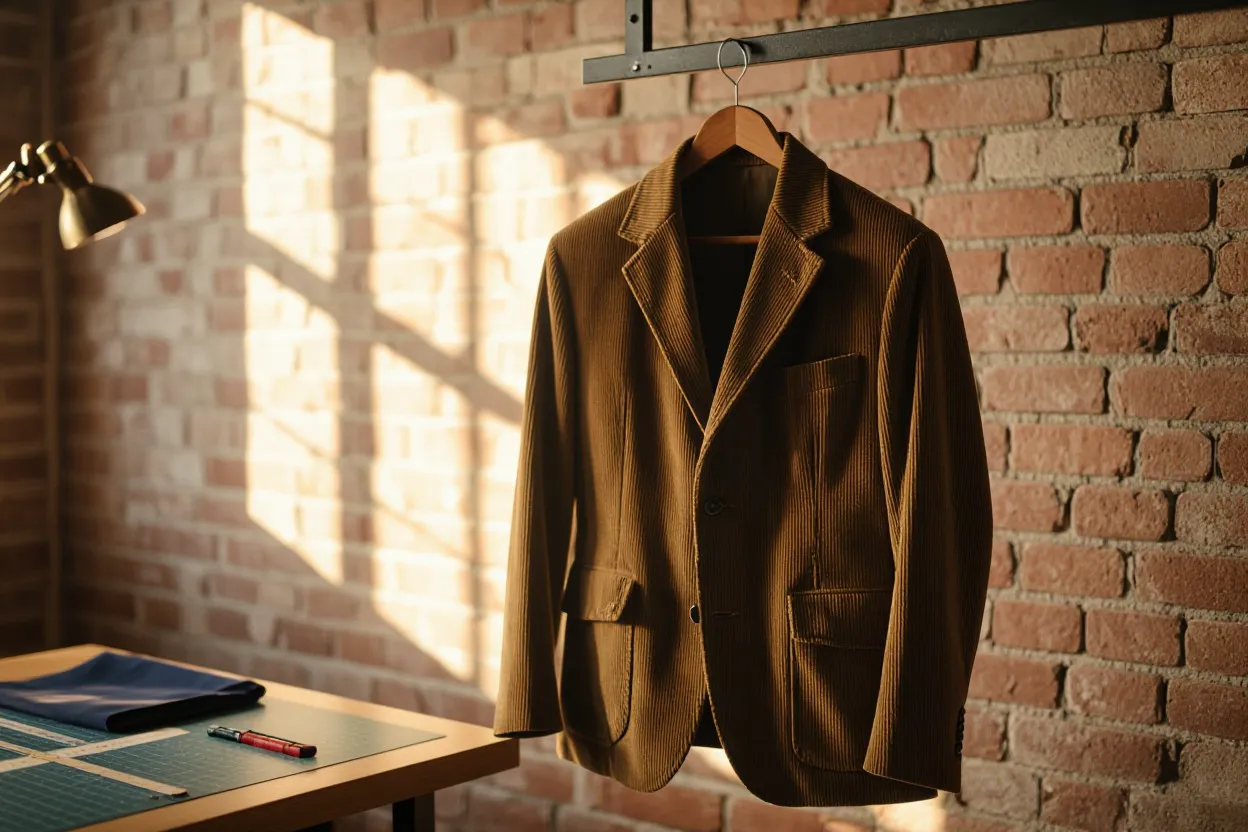
  • Structured jackets
  • Technical outerwear
  • Multi-layer or performance garments

These styles usually take 12–16 weeks.

Extra time is needed for:

  • Multiple fitting and wear-test samples
  • Precision tailoring or seam sealing
  • Specialized machinery and operators
  • Additional inspections

Each added technical requirement increases the production timeline.

How Fabric Selection Affects Lead Times

Fabric choice is one of the earliest decisions that influences production speed. In men’s wear, fabrics must often meet durability, comfort, or performance standards. Some materials are readily available, while others require development and testing. The difference between these two paths can add weeks to a schedule. Choosing fabric wisely helps protect delivery timelines. Fabric decisions can either accelerate production or create major delays. In men’s wear, fabric performance and durability standards often require additional testing.

=> Related Article: Sample Development Lead Time in Clothing Manufacturing: What Brands Should Expect 

Using Stock Fabrics to Shorten Timelines

Stock fabrics offer speed and predictability in manufacturing. Because these materials are already approved and available, production can begin quickly. There is no need to wait for lab dips, testing, or mill development. This shortens the pre-production phase significantly. For time-sensitive collections, stock fabrics are often the smartest choice. Stock fabrics that are already approved and available help production start quickly.

=> Related Article: Standard Lead Times Frame for Bulk Clothing Orders: What to Expect? 

Advantages include:

Using available fabrics can shorten lead times by 2–3 weeks, especially for basics and repeat styles.

Delays Caused by Custom Fabrics

Custom fabrics help brands stand out, but they also introduce risk to timelines. Developing a new fabric involves sampling, testing, and approval stages. Any delay at the mill level affects the entire production schedule. These processes cannot be rushed without compromising quality. Brands must plan additional time when choosing custom materials. Custom fabrics add uniqueness but also add time.

Common causes of delay include:

  • Custom weaving or knitting
  • Fabric testing and performance validation
  • Lab dip and strike-off approvals

Custom fabrics usually add 4–6 extra weeks before bulk production begins. Brands should factor this in early when planning launch dates.

How Order Quantity Impacts Production Speed

Order size influences how production lines are planned and scheduled. Smaller orders allow factories to stay flexible, while larger orders require longer continuous runs. Fabric purchasing, cutting, and inspection all scale with volume. This affects how quickly a factory can complete production. Understanding this relationship helps brands set realistic timelines. Order size affects how production lines are scheduled and how long each stage takes. The relationship between quantity and time is not always simple.

=> Related Article: Why Fabric Sourcing Is the Biggest Threat to Apparel Lead Times 

Small to Medium Order Volumes

Small to medium orders offer a balance between efficiency and control. These quantities are large enough to justify stable production planning. At the same time, they are manageable without overwhelming factory capacity. Quality checks remain thorough and consistent. This makes lead times more predictable for many brands. Orders between 500 and 2,000 pieces typically take 8–10 weeks.

This range works well because:

  • Production lines stay flexible
  • Quality control is easier to manage
  • Fabric sourcing is less complex

For many brands, this is the most predictable volume range.

Large Volume Orders

Large orders bring efficiency in cost but complexity in execution. More pieces mean longer production cycles across every department. Fabric sourcing becomes more demanding, especially if materials are not stocked. Quality control also requires additional time and staffing. As a result, lead times naturally increase for high-volume orders. Orders above 5,000 pieces often require 12–14 weeks.

More time is needed for:

  • Bulk fabric procurement
  • Extended cutting and sewing runs
  • More intensive inspections

Large orders benefit from efficiency but require careful scheduling to avoid delays.

=> Related Article: How CMPT Ensures Quality and Lead Time in Garments Production 

Seasonal Factors in Men’s Wear Production

Men’s wear manufacturing follows the rhythm of retail seasons. Factory capacity rises and falls throughout the year based on global demand. During busy periods, production slots fill quickly. This limits flexibility and extends lead times. Seasonal awareness is essential for accurate planning. Men’s wear manufacturing follows seasonal demand cycles tied to retail calendars. These cycles strongly affect factory capacity.

Peak Production Seasons

Peak seasons place heavy pressure on factories. Many brands compete for the same production windows at the same time. Labor, machinery, and inspection teams operate at full capacity. This often leads to longer queues and tighter schedules. Brands must plan early to secure production space.

Factories are busiest during:

  • January to March (summer deliveries)
  • June to August (holiday and fall deliveries)

During peak periods:

  • Lead times may increase by 2–3 weeks
  • Production slots fill quickly
  • Rush costs are more common

Brands that plan late often face limited availability.

Slower Periods with Faster Turnaround

Not every month is equally busy in manufacturing. Slower periods give factories more breathing room. Production lines are easier to schedule, and communication improves. Quality teams can focus more closely on each order. Brands that plan during these windows often see faster turnaround times.

Quieter production months include:

  • April to May
  • September to October

Producing during these periods can:

  • Reduce lead times by 10–15%
  • Improve communication and flexibility
  • Lower scheduling pressure

Strategic timing can improve both speed and consistency.

How Design Changes Affect Production Schedules

Design changes are one of the most common causes of delays. Even small adjustments can affect patterns, materials, and workflows. The later a change occurs, the greater its impact on timing. Rework often becomes unavoidable. Keeping designs stable is key to maintaining schedules. Design stability is one of the most overlooked factors in lead time planning. Changes made late in the process almost always cause delays.

The Real Cost of Late Design Changes

Late-stage changes disrupt production momentum. Once materials are ordered and patterns are approved, changes become expensive. Additional samples, approvals, and corrections are required. This adds both time and cost to the project. Many delays trace back to changes made too late.

Changes after final sample approval often result in:

  • 2–4 weeks of added time
  • Increased costs of 15–25%
  • Rework of patterns and materials

Even small adjustments can disrupt the entire production flow.

Why Proper Prototyping Matters

Prototyping is where potential problems should be solved, not during bulk production. Early samples allow teams to test fit, construction, and fabric behavior. This process reduces uncertainty before large-scale manufacturing begins. Issues found early are faster and cheaper to fix. Strong prototyping protects both timelines and budgets. Strong prototyping reduces risk before bulk production starts.

Effective prototyping:

  • Confirms fit and construction
  • Identifies technical issues early
  • Prevents last-minute corrections

Brands that invest in development experience fewer delays and smoother production cycles.

Conclusion / Final Words

Men’s wear manufacturing lead times depend on multiple connected factors, including garment complexity, fabric choice, order size, seasonality, and design stability. While basic items may ship in 6–8 weeks and complex garments may require 12–16 weeks, thoughtful planning can significantly improve outcomes. To optimize lead times:

  • Finalize designs early
  • Choose fabrics strategically
  • Plan around seasonal capacity
  • Match order size to realistic timelines
  • Invest in proper sampling

When timelines are planned correctly, brands gain better control, reduce risk, and deliver men’s wear collections exactly when the market needs them.

Our Contact Information – MEKONG GARMENT FACTORY

  • Vietnam Phone: +84 947 729 829
  • WeChat: +84 947 729 829
  • WhatsApp: +84 947 729 829
  • Email: hanh@kimmy.vn

Related posts