No Tech Pack, No Scale: How Big Brands Really Produce

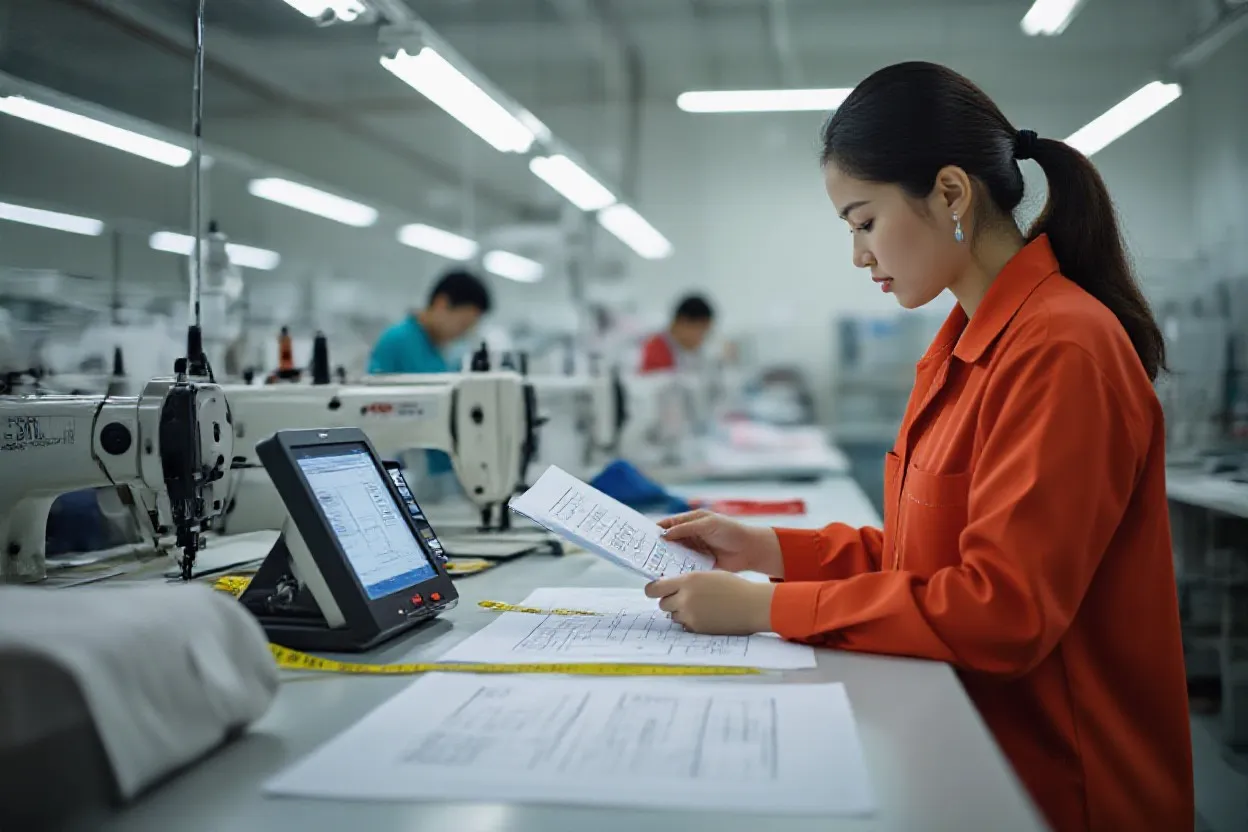
Big fashion brands may release hundreds or even thousands of styles every year, often using factories across several countries. From the outside, this speed can look almost impossible. How can a brand produce the same jacket in different factories, keep measurements consistent, control trims, maintain quality, and still hit tight delivery dates? The answer is not just better factories or larger teams. It is better production systems. And one of the most important tools inside that system is the garment Tech Pack. A Tech Pack turns a design into clear production instructions. It tells factories what to make, how to make it, what materials to use, what measurements to follow, and what quality standard must be achieved. For a small order, missing information may create a few questions. At large scale, the same missing information can affect thousands of garments. That is why scaling apparel production without strong technical documentation is extremely difficult.

When you observe global giants like Zara or Nike, it’s natural to wonder how they maintain flawless consistency while moving at lightning speed. The answer lies in one document: the Tech Pack. Managing hundreds of factories across multiple countries requires a universal “instruction book.” Without it, global production becomes chaotic, slow, and financially risky.
What Is a Garment Tech Pack?
A garment Tech Pack, short for Technical Package, is a document that contains the specifications needed to develop and manufacture a garment.
It acts as a communication bridge between:
- Designers
- Product developers
- Buyers
- Merchandisers
- Pattern makers
- Sample rooms
- Factories
- Quality control teams
- Material suppliers
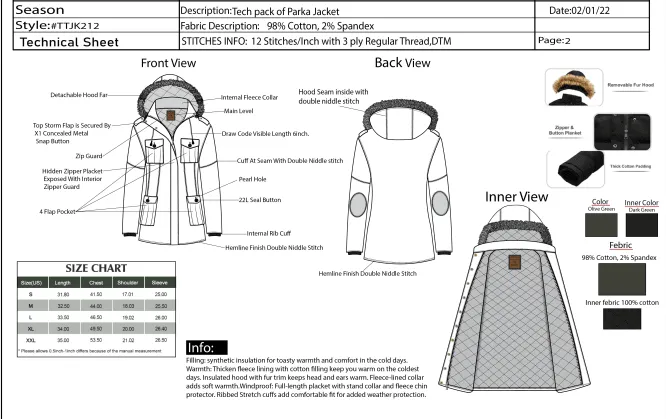
A basic Tech Pack may include:
- Technical sketches
- Measurement specifications
- Construction details
- Fabric information
- Trim details
- Colorways
- Stitching instructions
- Label placement
- Artwork placement
- Packaging requirements


More advanced Tech Packs may also include:
- Measurement tolerances
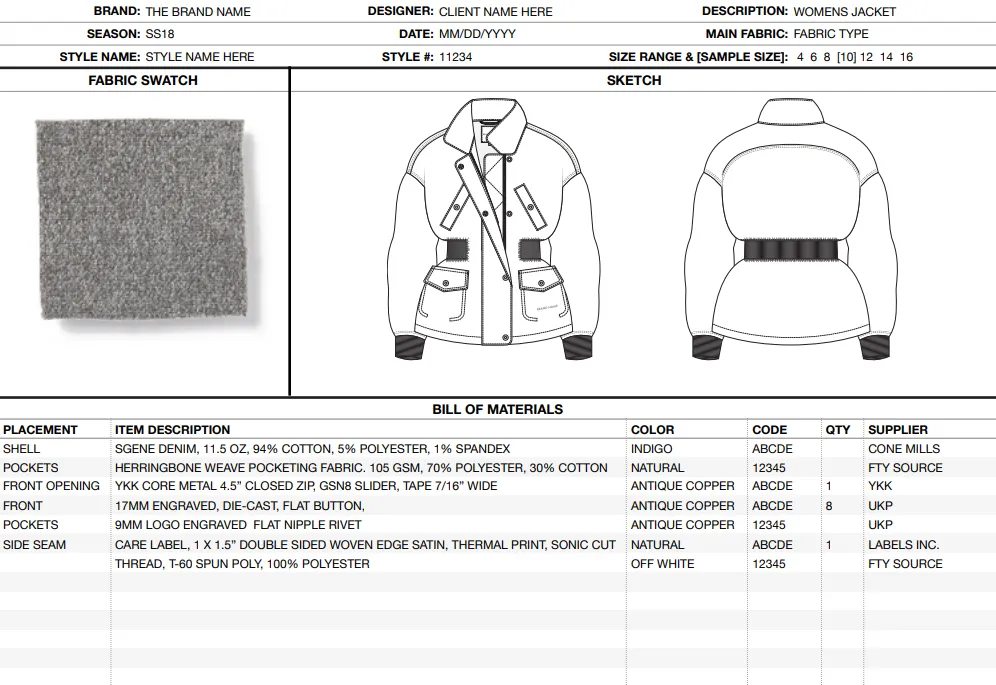
- Bill of Materials
- Approved supplier information
- Testing requirements
- Wash standards
- Packing ratios
- Barcode instructions
- Carton markings
- Revision history
The goal is simple: Reduce interpretation and increase repeatability.
Why Scaling Without a Tech Pack Becomes Difficult
Imagine asking one factory to produce 100 T-shirts. You might be able to explain many details through messages, photos, samples, and calls.
Now imagine producing:
- 50 styles
- 6 colors per style
- 8 sizes
- Several fabric suppliers
- Multiple factories
- Hundreds of thousands of garments
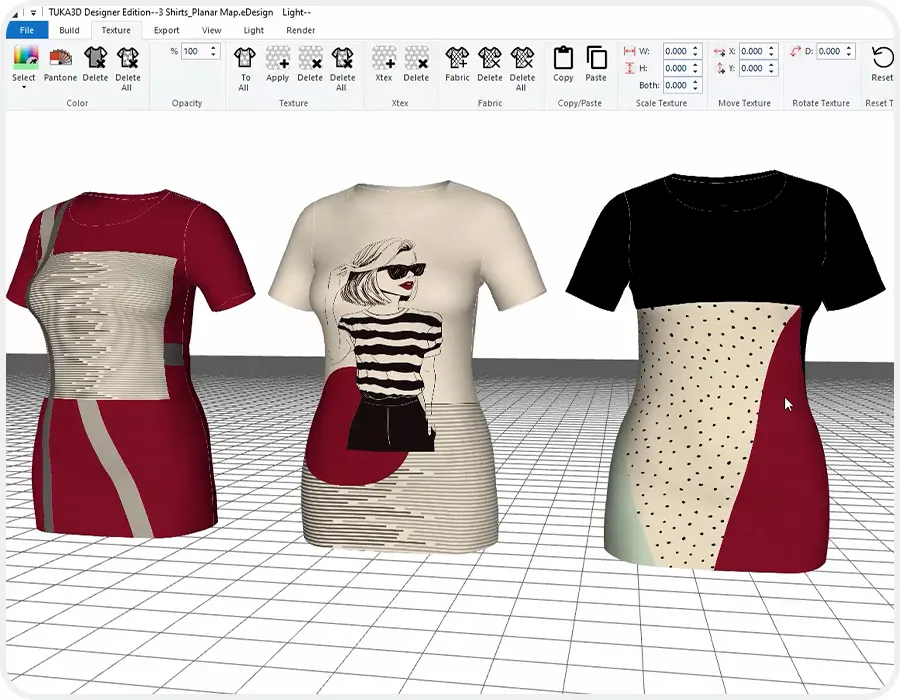
Informal communication quickly breaks down. One factory may interpret the instructions one way.
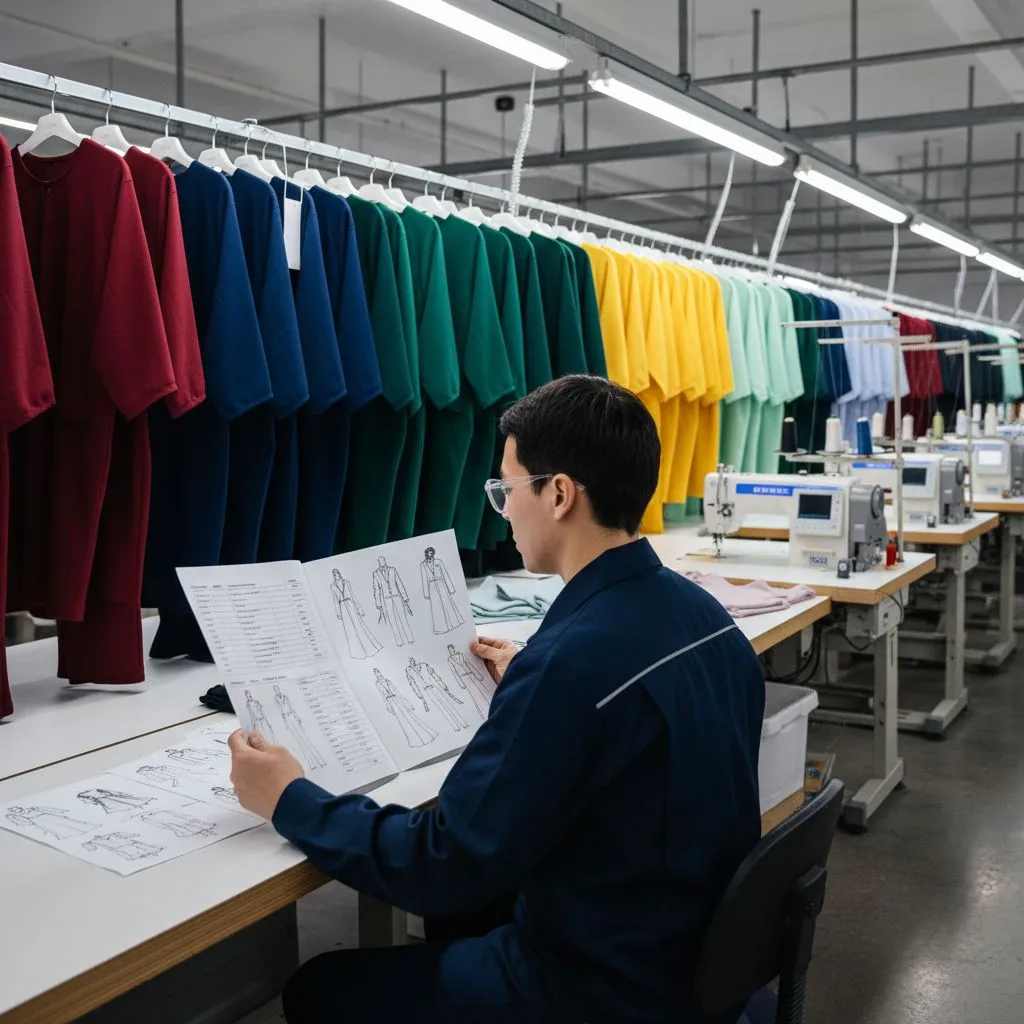
Another may interpret them differently. One supplier may use a slightly different zipper. Another may move the pocket by 1 cm. One factory may follow an old measurement chart while another uses the latest revision.
- At small scale, these differences may be manageable.
- At large scale, they create major quality and cost problems.
A structured Tech Pack helps create one agreed production standard.
Do Big Brands Really Use Tech Packs?
Yes. For large-scale fashion brands, tech packs are the industry standard. They serve as the working blueprint that ensures a garment is produced the same way in Vietnam as it is in any other region. At scale, one missing detail like an incorrect seam allowance or button placement—can lead to thousands of defective units and massive losses.
Tech Packs help big brands control:
- Consistency: Identical fit, color, and finish across every factory.
- Speed: Instant clarity means fewer questions and faster production starts.
- Quality Control: Objective pass/fail standards for QC teams.
- Compliance: Ensuring safety, social, and environmental standards are met globally.
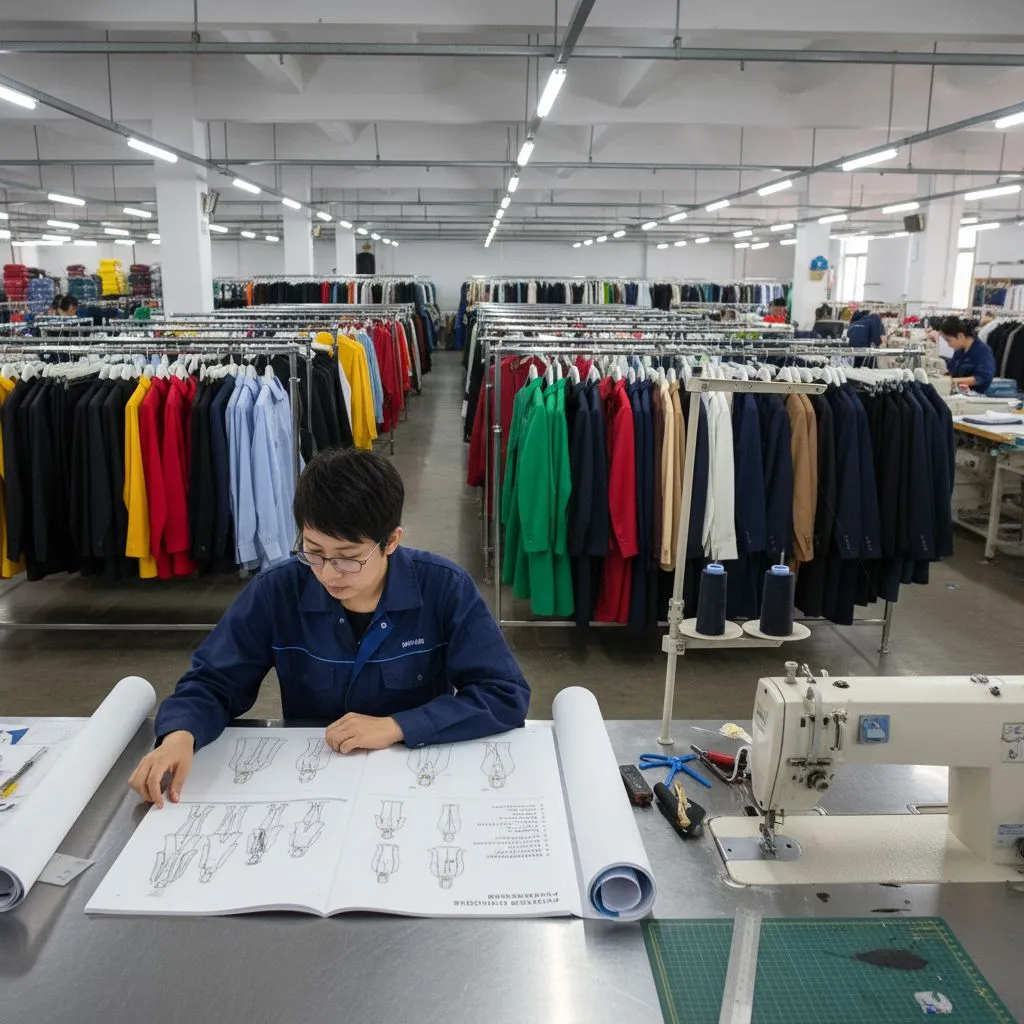
A common misunderstanding is that experienced factories already “know what the brand wants.” Experience helps, but it is not enough. Professional production systems do not depend on workers remembering instructions from previous orders. They depend on documented standards.
1. Tech Packs Turn Creative Ideas Into Manufacturing Instructions
Designers think visually. Factories need measurable instructions. A sketch may show a beautiful oversized sweatshirt, but the factory still needs to know:
- Chest width
- Body length
- Shoulder width
- Sleeve length
- Rib height
- Rib stretch
- Stitch type
- Seam allowance
- Fabric GSM
- Print placement
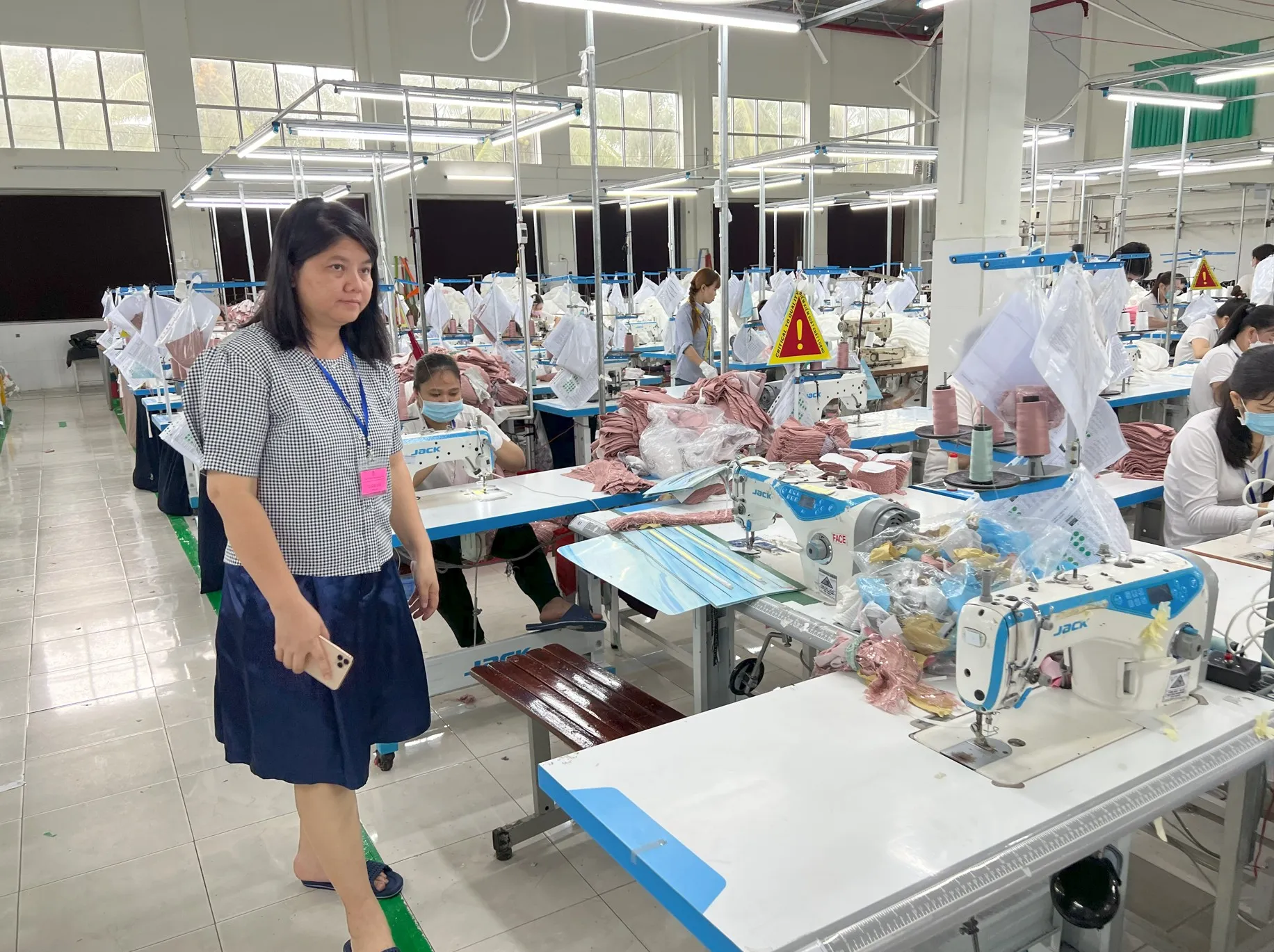
Without these details, two factories can produce two very different garments from the same sketch. A Tech Pack removes much of that ambiguity. It converts the design concept into production data.
2. Tech Packs Help Maintain Fit Across Large Orders
Fit consistency becomes harder as production grows.
A garment may need to be produced across:
- XS
- S
- M
- L
- XL
- XXL
The Tech Pack records the approved measurements for each size or provides the grading rules used to create them. Common Points of Measurement may include:
- Chest
- Waist
- Hip
- Shoulder
- Body length
- Sleeve length
- Armhole
- Neck opening
- Rise
- Inseam
The Tech Pack may also state measurement tolerances. For example: Chest: 52 cm ± 1 cm. This gives quality teams an objective way to decide whether a garment is acceptable. Without tolerances, quality decisions become subjective.
3. Tech Packs Help Prevent Material Substitution
Fabric and trims have a major impact on the final garment. A small material change can affect:
- Fit
- Hand feel
- Appearance
- Shrinkage
- Stretch
- Weight
- Durability
- Cost
A professional Tech Pack may define materials using a Bill of Materials (BOM).

This can include:
- Fabric composition
- Fabric weight
- Fabric construction
- Supplier
- Fabric code
- Color reference
- Thread
- Zipper
- Button
- Elastic
- Labels
- Hang tags
- Packaging
For larger programs, approved supplier information may also be controlled. This helps reduce unauthorized substitutions.
4. Tech Packs Standardize Construction
Two sewing factories may use different methods unless construction is clearly defined.
Consider a simple side seam.
The factory may need to know:
- Seam type
- Stitch type
- Stitch density
- Seam allowance
- Thread type
- Reinforcement requirement
The same applies to:
- Collars
- Waistbands
- Pockets
- Hems
- Plackets
- Zippers
- Cuffs
- Binding
- Lining
Technical sketches and construction notes help reduce differences between factories. This becomes especially important when the same style is produced in multiple locations.
5. Tech Packs Speed Up Sampling
Sampling often becomes slow because information is missing.
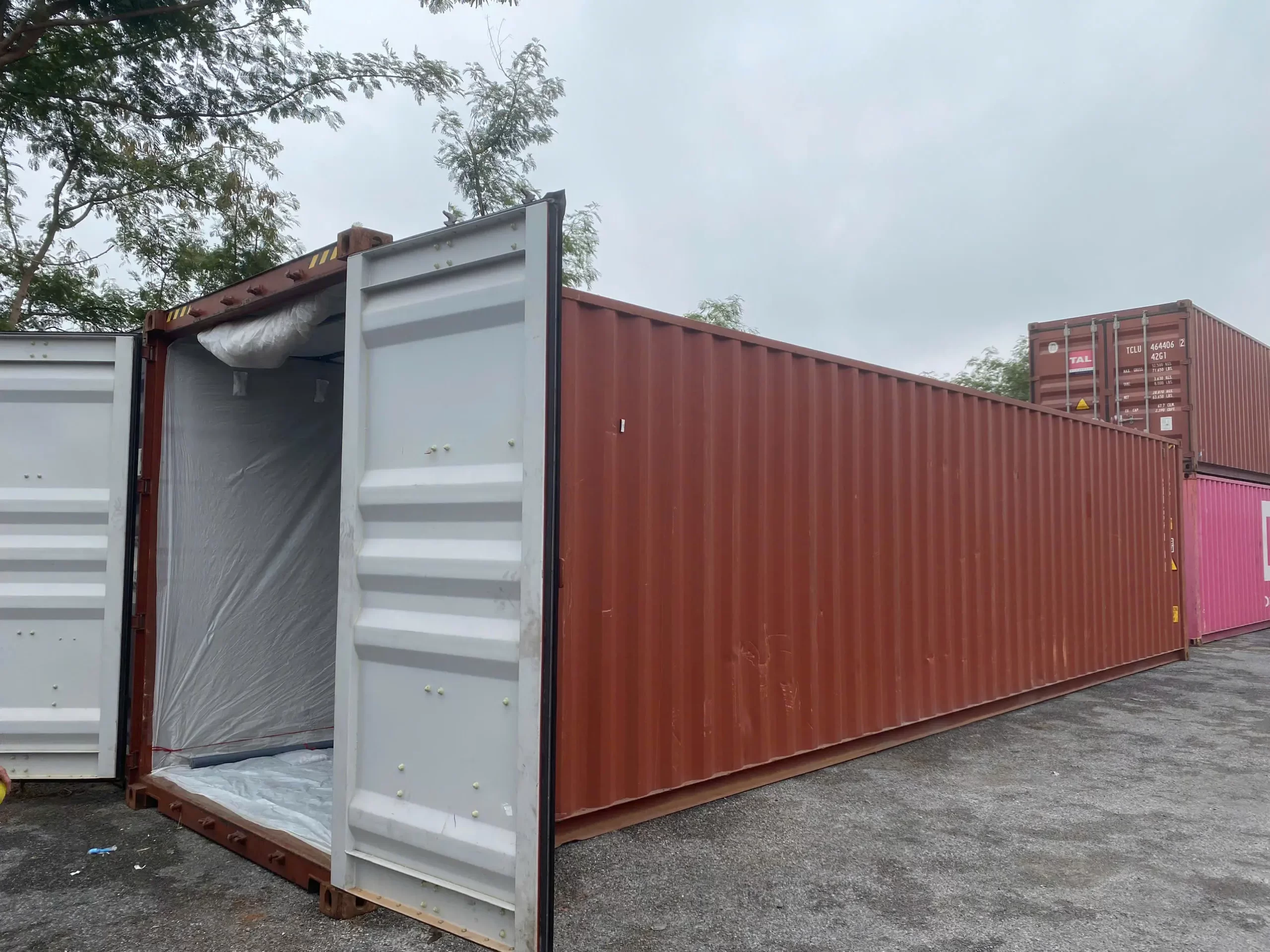
A factory may need to ask:
- Which fabric should we use?
- What is the finished measurement?
- What color should the button be?
- Where should the embroidery sit?
- Which label goes in the neckline?
- How wide should the hem be?
Each question creates another message, email, or approval cycle.A complete Tech Pack answers many of these questions before sampling begins. This does not mean the first sample will always be perfect. But it gives the sample room a much stronger starting point. That can reduce unnecessary sample rounds.
6. Tech Packs Create a Clear Approval Process
Garment development usually involves several rounds of comments. For example: Proto Sample → Fit Sample → Revised Fit → Size Set → PPS Measurements and construction may change during this process. Without revision control, factories can easily work from outdated information. A good Tech Pack should clearly show:
- Version number
- Revision date
- Updated measurements
- New comments
- Approved changes
This helps ensure the factory is using the latest approved specifications. One of the worst production mistakes is making bulk goods from an old file.
7. Tech Packs Give Quality Teams Objective Standards
Quality control becomes easier when there is something measurable to inspect against. QC teams can compare garments with:
- Measurement charts
- Tolerances
- Approved PPS
- Construction diagrams
- Artwork placement
- Color standards
- Trim specifications
Instead of saying: “This pocket looks too low.” the inspector can check the approved measurement.
Instead of saying: “The logo seems too large.” the inspector can compare it with the approved artwork dimensions.
This makes quality decisions clearer and more consistent.
8. Tech Packs Help Control Color
Color is another area where visual judgment alone can cause problems. “Dark blue” can mean many things. That is why professional production may use defined color references and approved lab dips or standards. The Tech Pack may record:
- Color name
- Internal color code
- Pantone reference
- Fabric supplier color
- Approved lab dip reference
- Print color
- Embroidery thread color
This helps reduce color variation between suppliers and production batches. However, color codes alone do not guarantee perfect bulk color. Physical approvals and proper color evaluation are still important.
9. Tech Packs Can Include Testing Requirements
Large orders often require more than good appearance. The garment may also need to meet performance standards. Depending on the product and buyer, testing may include:
- Shrinkage
- Colorfastness
- Pilling
- Seam strength
- Fabric weight
- Dimensional stability
- Print durability
- Stretch and recovery
The Tech Pack or related technical documents can tell factories what testing is required. This allows testing to be planned before shipment rather than discovered at the end.
10. Tech Packs Extend Beyond Sewing
A garment is not finished when sewing ends. Retail-ready production may also require precise instructions for:
- Folding
- Polybags
- Hang tags
- Size stickers
- Barcodes
- Price tickets
- Tissue paper
- Carton assortment
- Carton markings
Large brands depend on these details because distribution centers often use automated systems. A wrong barcode or carton marking can create problems even when the garment itself is perfect. That is why packaging instructions can be just as important as sewing instructions.
How Tech Packs Power Global Supply Chains
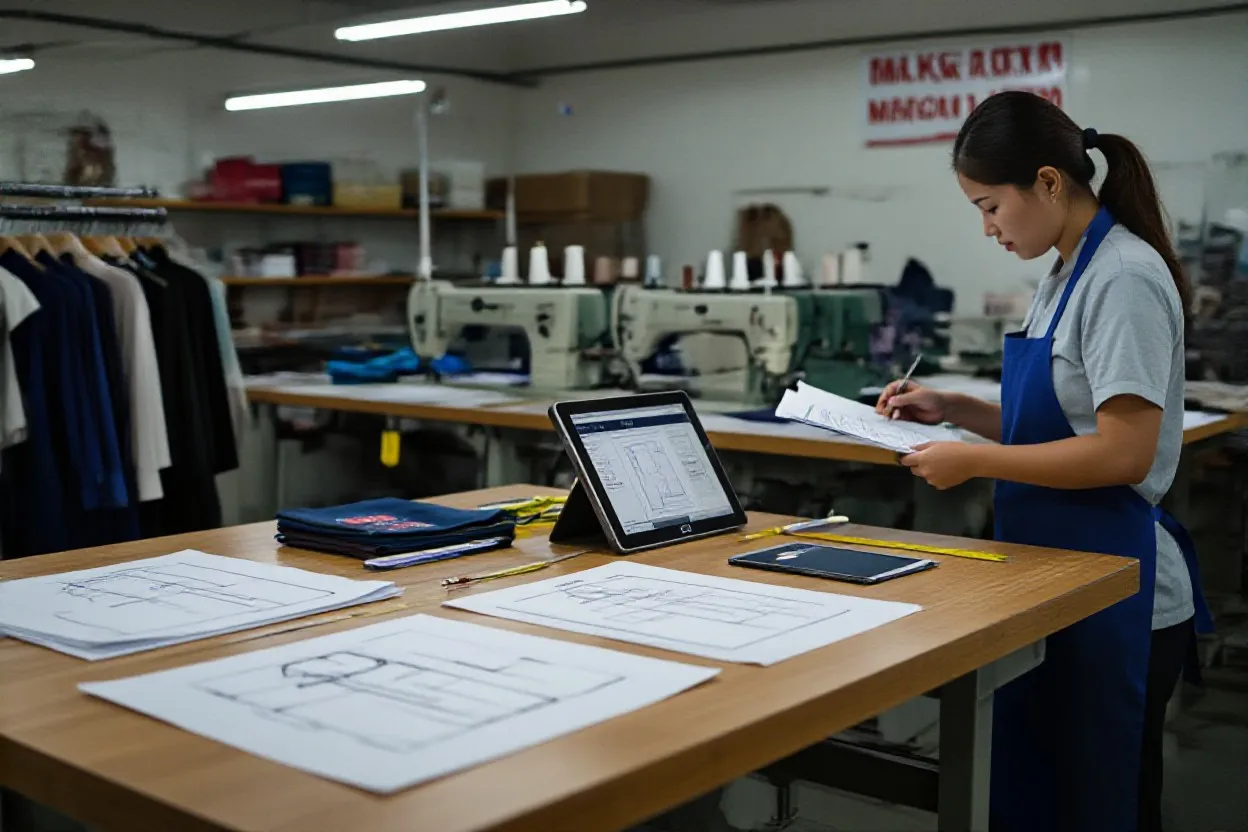
When producing across diverse regions, keeping items identical is the greatest challenge. A tech pack acts as the single source of truth. It eliminates guesswork by locking down technical details such as:
- Defined color references (e.g., Pantone codes) to prevent “color drift.”
- Measurement tolerances to ensure fit consistency.
- Strict material and trim specifications.
- Standardized sewing and finishing rules.
Advanced Elements Found in Global Tech Packs
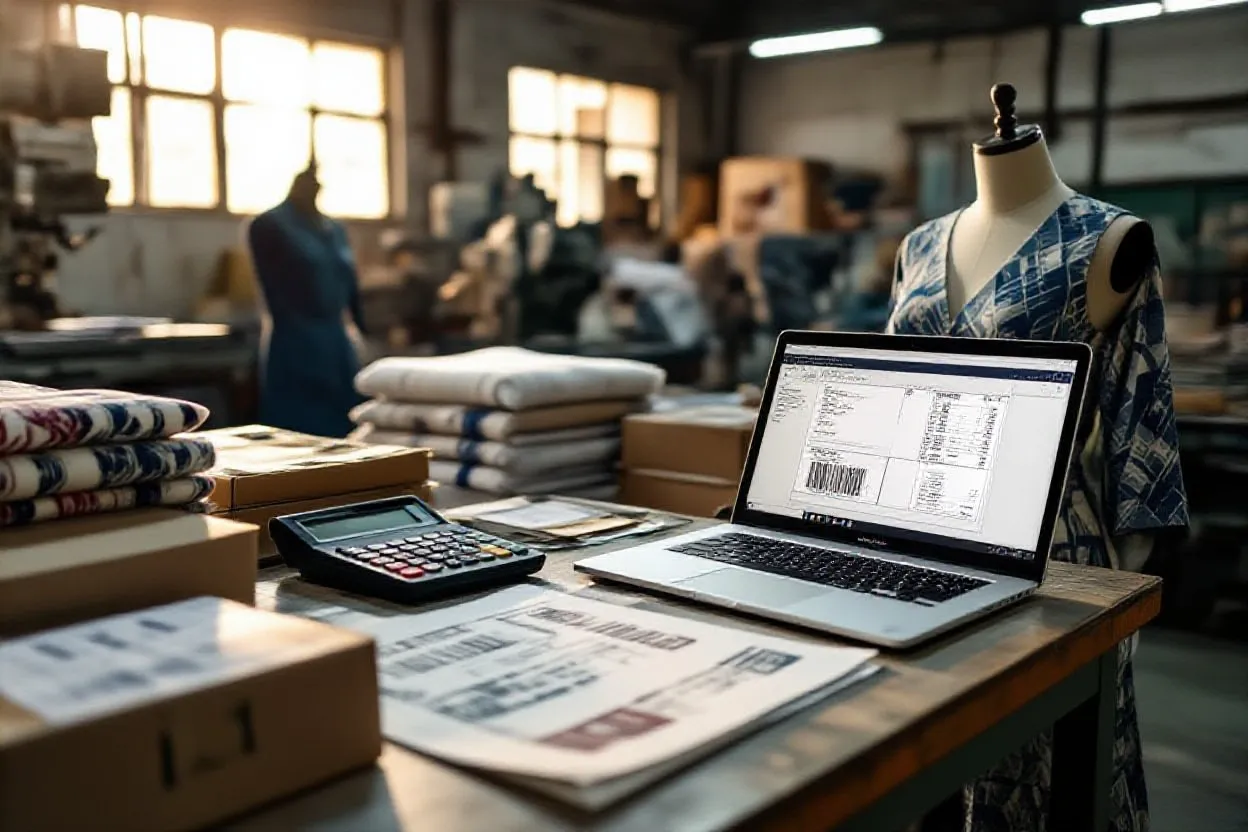
Large brands go beyond sketches. Their tech packs include “deep data” to ensure logistics and compliance run smoothly:
- Approved Vendor Lists (AVL): Specific fabric mills and trim suppliers to avoid unauthorized substitutions.
- Testing Requirements: Performance benchmarks for shrinkage, pilling, and colorfastness.
- Logistics Instructions: Precise folding methods, carton markings, and barcode placements for global warehouses.
What Happens When There Is No Tech Pack?
Factories can still produce garments without a complete Tech Pack. But the process becomes much more dependent on interpretation. That creates risk.
- More Questions: The factory needs to ask for missing information. This slows development.
- More Sample Rounds: Each unclear detail may need correction after the sample is made. That means more time and courier cost.
- Inconsistent Production: Operators and factories may interpret the same design differently.
- More Rework: Errors discovered after cutting or sewing can become expensive.
- More Disputes: Without documented specifications, it becomes difficult to determine whether the factory followed the buyer’s requirements.
Conclusion / Final Words
Big apparel brands do not scale because every factory magically knows what to do. They scale because production knowledge is documented, shared, updated, and controlled. The Tech Pack is one of the key tools that makes this possible. It helps convert design into measurable instructions. It helps factories reproduce the same product. It helps quality teams inspect against clear standards. And it helps brands reduce misunderstandings as production becomes larger and more complex. But the strongest lesson is not simply: “Every brand needs a Tech Pack.” It is this: The larger your production becomes, the less you can afford to depend on assumptions. A professional Tech Pack, combined with proper sampling and quality control, creates the structure needed to move from small orders to reliable bulk production.
Contact Mekong Garment Factory
- VN Phone/WhatsApp/WeChat: +84 947 729 829
- Email: hanh@kimmy.vn