Are Tech Packs Necessary For Custom Clothing Manufacturers?

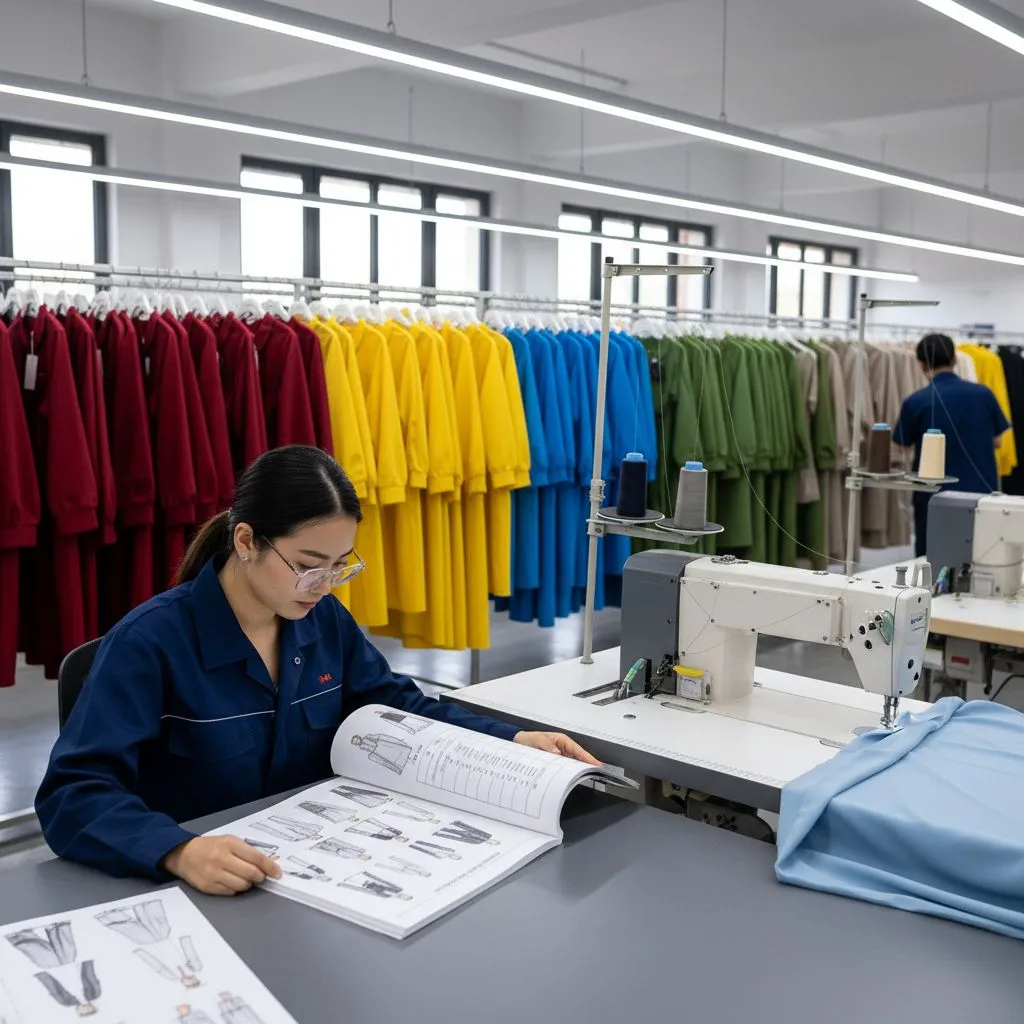
A small brand lands a significant order: 150 made-to-measure jackets for a corporate event. The excitement quickly turns to stress on delivery day when garments feel inconsistent in build, despite correct measurements. This is the risk of working from sketches alone. Are tech packs necessary for custom clothing manufacturers? Yes. A tech pack is the essential document that ensures consistency, quality, and team alignment, especially when multiple tailors are involved in the assembly process.
=> Related Article: How Do Tech Packs Improve Your Apparel Quality Control?
How Tech Packs Protect the “Brand Feel”
Custom clothing is not mass production, yet it relies on repeatable steps: cutting, stitching, and pressing. Without written standards, every maker will interpret these steps differently, leading to “brand drift.” A tech pack sets the non-negotiable standards while allowing for variable client measurements. The result is a personalized fit delivered with predictable craftsmanship.
Essential Elements to Document in Custom Work
Custom customers have a sharp eye for detail. They can feel when a collar sits differently or a stitch looks less premium. To maintain trust, you must document:
- Construction Methods: Specific stitch types, seam finishes, and reinforcement points.
- Pressing Rules: Guidance on where to shape the garment and where to avoid excessive steam/shine.
- Signature Details: Brand-specific buttonhole styles, topstitching, and lining applications.
- Measurement Protocol: Standardized points of measure (POM) to ensure all team members measure exactly the same way.

The Financial Benefits of Documentation
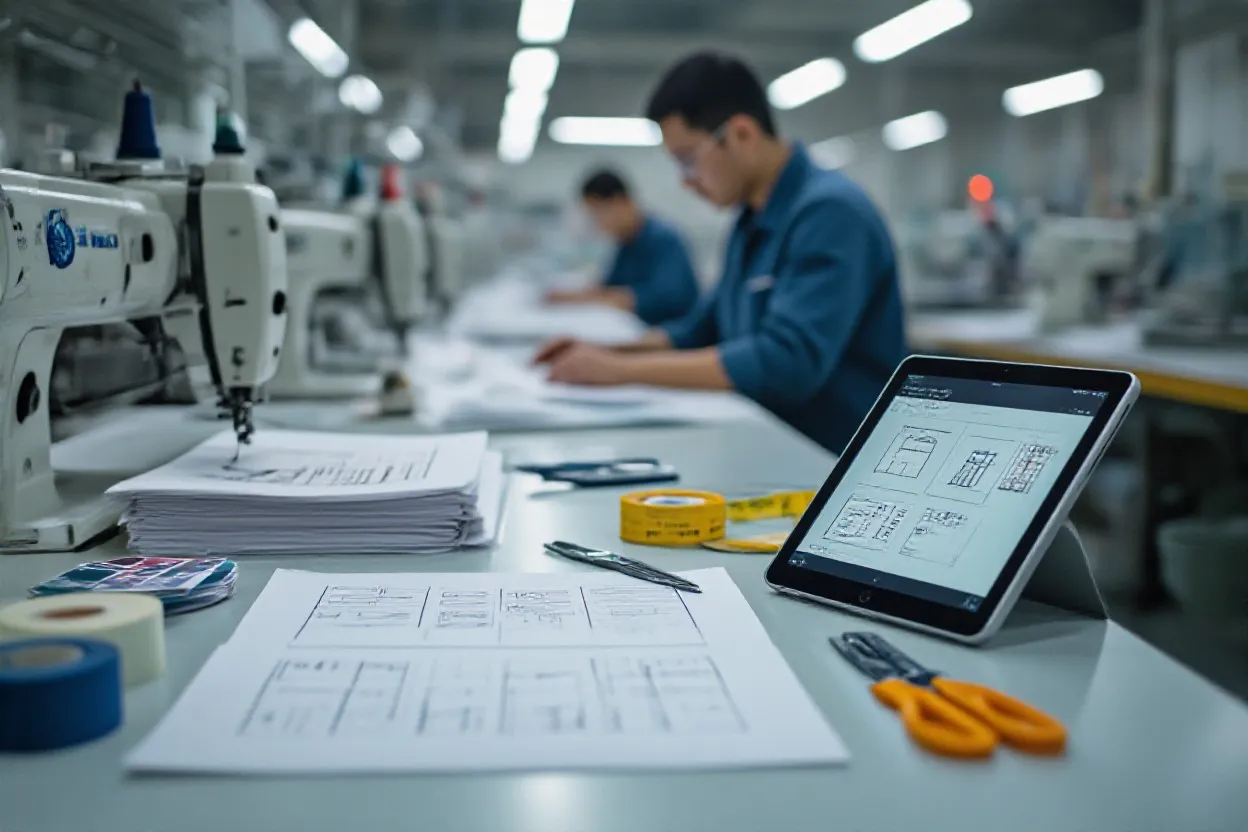
Tech packs save money by drastically reducing “fix cycles” and remakes. In custom manufacturing, time is your most expensive resource. Clear documentation speeds up the handoff from the fitting room to the sewing floor and ensures the second order feels exactly like the first.
| Operational Area | With Loose Specs | With Clear Tech Packs |
|---|---|---|
| Rework Rate | 10% – 20% | 3% – 7% |
| Staff Training Time | Longer/Inconsistent | Short/Standardized |
| Production Flow | Stop-and-Start | Smooth & Continuous |
| Repeat Orders | Hard to secure | High retention |
Scaling Custom Brands Without Losing Quality
Most custom brands struggle to grow because quality lives in the hands of one “master tailor.” This is a bottleneck. Tech packs turn personal “know-how” into shared standards, allowing a team to produce consistent results across more orders and locations while keeping your brand identity intact.
Conclusion
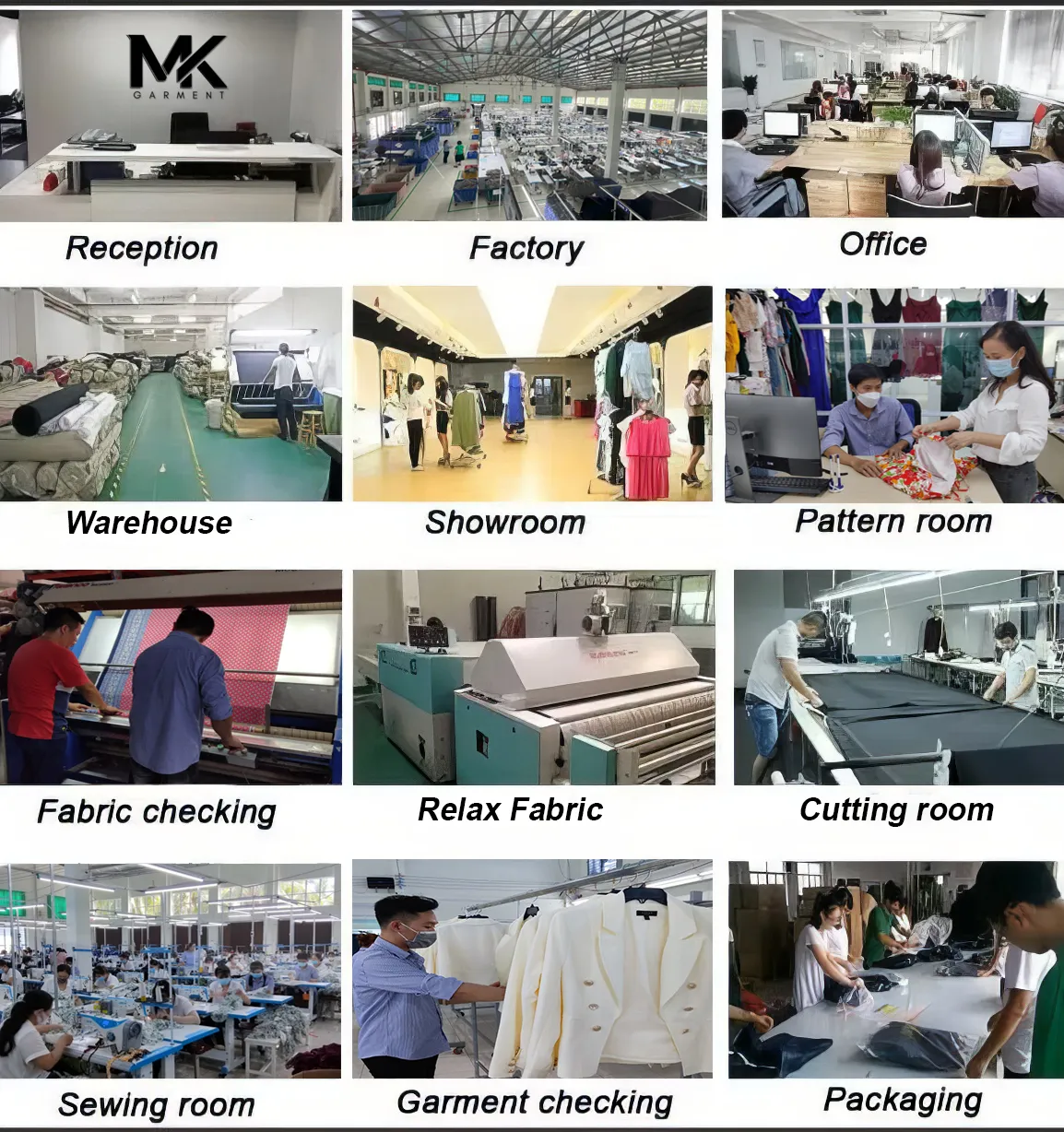
Custom clothing increases, rather than removes, the need for clear technical specifications. Tech packs protect your time, your quality, and your client relationships. They allow you to repeat success instead of repeating mistakes. At Mekong Garment, we help boutique brands transition from basic sketches to professional tech packs, ensuring every custom piece is a masterpiece of precision.
Contact Mekong Garment Factory
- VN Phone/WhatsApp/WeChat: +84 947 729 829
- Email: hanh@kimmy.vn
FAQs About Tech Packs for Custom Manufacturing
Why are tech packs necessary for custom clothing when every garment is unique?
While the measurements and specific fit adjustments change for every client, the construction standards of your brand should remain static. A tech pack ensures that the fundamental “brand feel”-how a collar is turned, how seams are finished, and the specific stitching techniques used-stays consistent regardless of who is sewing the garment. Without these written rules, different tailors may interpret the construction differently, leading to a collection of garments that feel disjointed rather than part of a cohesive brand identity.
How does a tech pack differ for custom manufacturing compared to mass production?
A tech pack for custom work requires a flexible, two-layer approach that mass production documents do not need. The first layer establishes the “Base Standards,” covering the non-negotiable construction methods, hardware choices, and seam allowances that define the brand’s quality. The second layer is the “Client Specific” section, which changes with every order. This section houses individual measurements, unique body adjustments, and specific fit notes. This structure allows the factory to maintain high-quality standards while adapting the fit to the individual customer.
What are the risks of relying on a master tailor’s memory instead of documentation?
Relying on memory works only as long as the specific individual is present and available. Custom shops often possess “invisible skills,” such as specific ways to shape a lapel or build comfort into a tight fit. If these techniques are not recorded in a tech pack, that knowledge leaves the shop whenever the tailor is absent, retires, or quits. Documentation converts personal know-how into a company asset, ensuring that the quality of the product survives personnel changes and busy seasons where temporary help might be needed.
How do tech packs help in handling client reorders and alterations?
Custom clients often return expecting their new garments to match the feel and quality of their previous orders. A tech pack serves as a historical record that captures not just the measurements, but the construction choices and fabric notes from previous jobs. This allows the manufacturing team to recreate a specific look or apply previous fit corrections without guessing. It ensures that a client’s second order feels like an evolution of the first, rather than a completely different product, which is vital for retaining high-value customers.
Can implementing tech packs actually save money for a custom clothing business?
Yes, detailed documentation significantly reduces costs associated with errors and time management. In custom work, time is the most expensive resource. When production teams have to stop to ask questions, guess at details, or rework a garment because a specific finish was missed, profit margins shrink. Tech packs clarify expectations before cutting begins, reducing wasted materials and minimizing the need for expensive remakes. Furthermore, they streamline the training process for new staff, allowing them to become productive members of the team much faster.
How does having a tech pack improve the relationship between the brand and the client?
Clients investing in custom clothing are paying for confidence and expertise. When a brand uses clear documentation, it demonstrates that they have a repeatable, professional method and are not simply improvising. This builds trust, as the client can see that their preferences are recorded and valued. Additionally, tech packs allow you to clearly explain the value of premium details hidden inside the garment. being able to name and show these specifications helps justify the price point and manages client expectations regarding the final result.
How do tech packs facilitate scaling a custom clothing brand?
Growth is difficult when quality control depends entirely on one person’s supervision. Tech packs solve this by turning individual expertise into shared standards that a larger team can follow. This allows a business to handle a higher volume of orders without a drop in quality. whether you are hiring more local staff or outsourcing to a specialized manufacturer like Mekong Garment Vietnam, having a tech pack ensures that your specific requirements are met without you needing to physically oversee every stitch.