Fabric softener (also called fabric conditioner) is one of those laundry products many people buy out of habit. It promises softer clothes, less static cling, and a “fresh” smell. And yes sometimes it delivers. But it also leaves behind a coating that can build up over time, reduce performance in key fabrics, and even cause dryer issues. For most homes, it’s optional, not essential. Below is a full, practical guide using your text as the base, plus extra research.
What Fabric Softener Does?
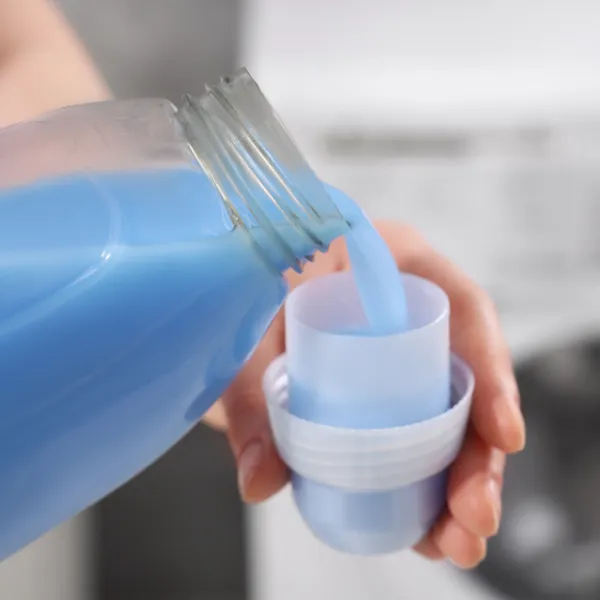
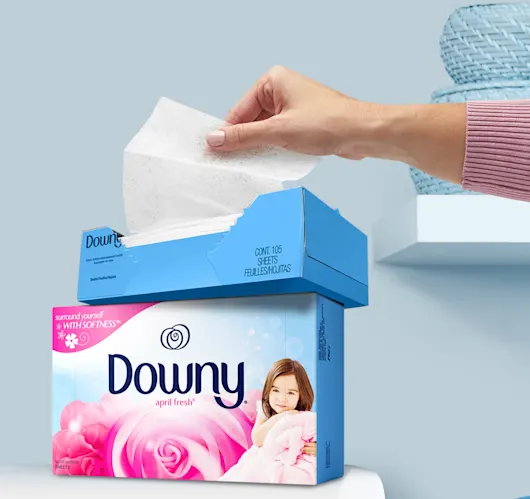
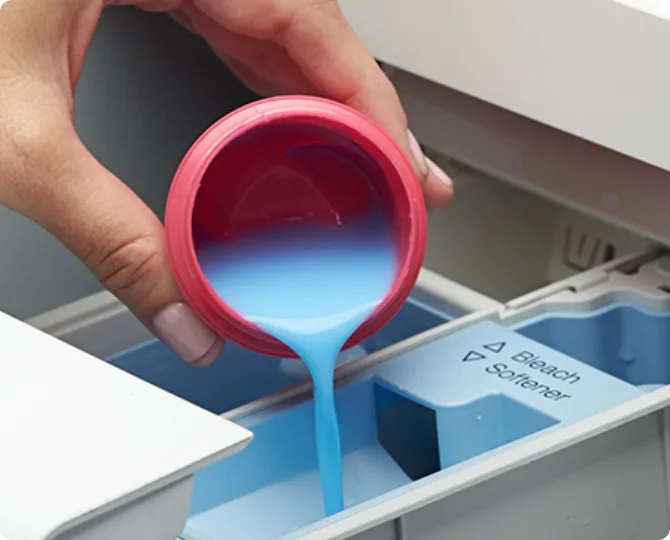
Fabric softener makes fabric feel smoother by coating fibers with a thin, slippery film. That film reduces friction between fibers, which can make clothes feel softer and reduce static cling.

The two common forms
- Liquid softener: added during the rinse cycle in a washing machine
- Dryer sheets: a coated sheet tossed into the dryer

Why Fabric Softener “Works” Against Static
Static cling happens more when clothing gets very dry and rubs together (especially in winter or with synthetics). Dryer sheets and softeners reduce static partly by leaving a film that lowers friction and makes fabric less likely to hold a charge. But here’s the key point: you can reduce static without coating your clothes in chemicals (we’ll get to that).

The Big Downsides of Fabric Softener
It leaves residue that builds up
Fabric softener works by coating fabric fibers with a thin layer. At first, this makes clothes feel soft and smooth. Over time, however, that layer builds up and stays on the fabric. This buildup can make clothes look dull and feel waxy. It can also reduce how well fabrics absorb water or breathe. That soft feeling comes from a coating. Over time, that coating can build up and make fabrics:
- look dull or “dingy”
- feel waxy
- absorb less water
This is one reason softener is a bad match for towels and performance fabrics.

It’s bad for towels, athletic wear, and moisture-wicking clothes
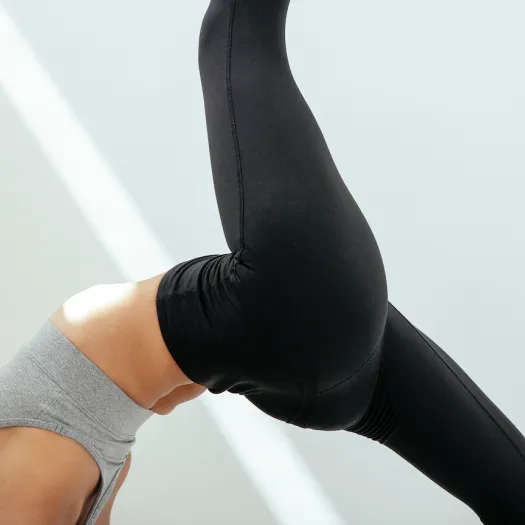
Towels and sportswear are designed to absorb or move moisture. Fabric softener interferes with this function by blocking the fibers. As a result, towels may stop drying you properly. Workout clothes can feel hot and uncomfortable because sweat no longer evaporates well. This defeats the purpose of performance fabrics.

It can damage special-performance fabrics
Many modern garments rely on special finishes to work properly. These include water-repellent jackets, raincoats, and outdoor gear. Fabric softener can slowly break down these finishes. Once damaged, the fabric loses its protective function. This means rain gear may no longer repel water as intended. Fabric softener can reduce effectiveness on items like:
- water-repellent rain gear and outdoor apparel
- technical “performance” finishes
(That slick coating may mess with the fabric’s surface and finish.)

It can irritate sensitive skin and airways
Many softeners include fragrance mixtures and chemical ingredients that can trigger irritation for some people. Also, a major chemical family often discussed in this space is quaternary ammonium compounds (QACs, “quats”), which have been linked in the scientific literature to concerns including dermal and respiratory effects. If you or someone at home has eczema, allergies, or asthma symptoms, softener is often one of the first things worth removing.

It can contribute to dryer problems
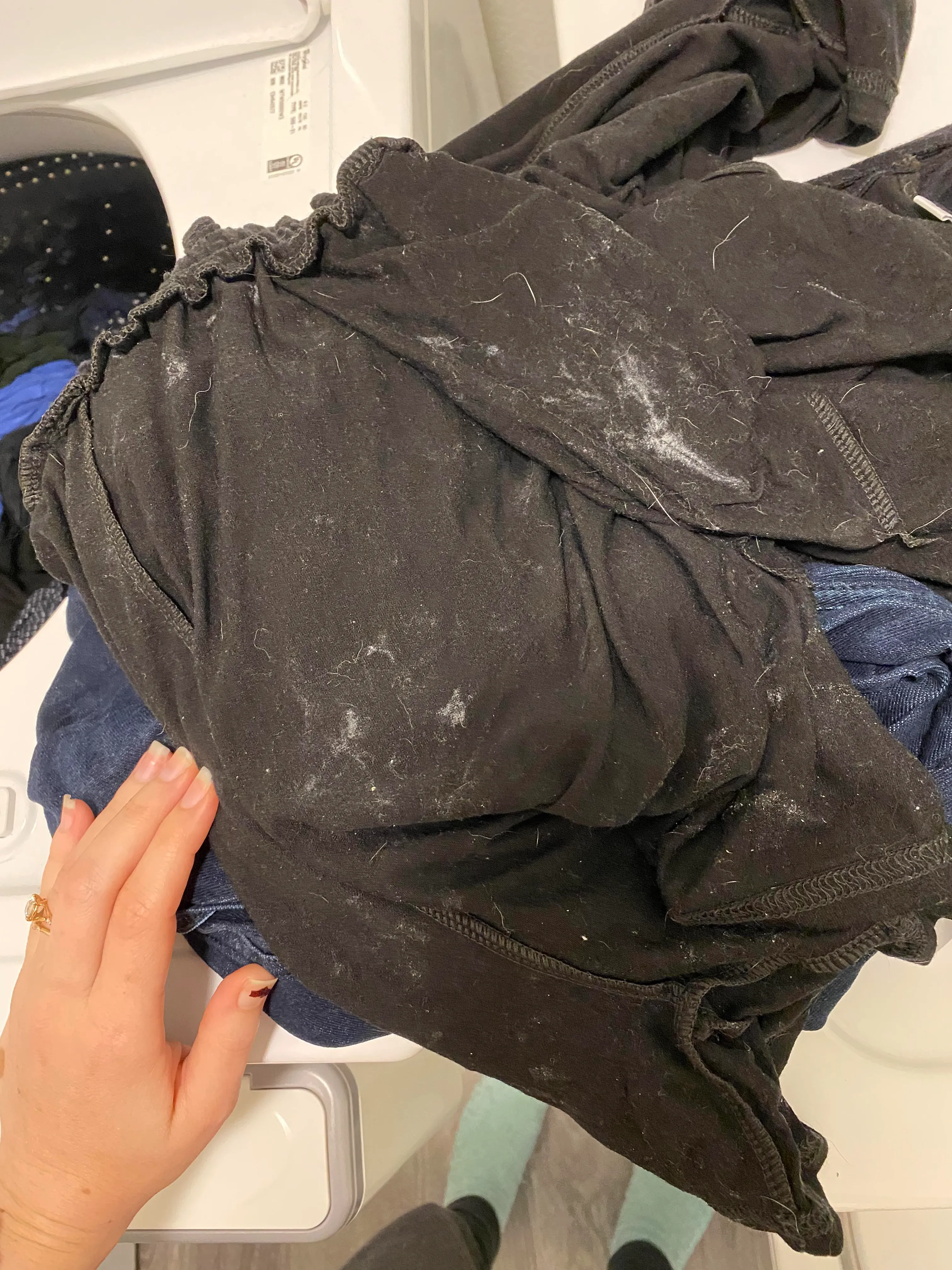
Residue doesn’t only stick to clothes. It can also build up on dryer parts like lint screens, affecting airflow and dryer performance. Dryer safety guidance strongly emphasizes keeping filters and dryers clean because lint and blocked airflow can contribute to overheating and fire risk.
It’s an extra cost you don’t need
Fabric softener is a product you must buy again and again. Yet it does not actually clean clothes. Its role is optional, not essential. Over time, this adds to household expenses. Simple alternatives can achieve similar results at a much lower cost. If it’s not essential, it’s one of the easiest monthly laundry costs to cut.
When You Should NOT Use Fabric Softener
Fabric softener may seem harmless, but it can actually damage certain types of fabrics. Some materials rely on their natural texture or special coatings to work properly. When softener coats these fibers, it reduces absorbency, blocks breathability, or weakens protective finishes. Over time, this can shorten the life of your clothes. That’s why fabric softener should be avoided for the items below. Skip it for:
- Towels (cotton or microfiber)
- Sportswear / athletic wear / moisture-wicking clothing
- Microfiber cloths and microfiber bedding
- Water-repellent jackets and rain gear
- Any item with special finishes (always check the care label)
Microfiber is a common “no” because softener can create a wax-like buildup over time.
Do you really need fabric softener?
For most people, no. You can get clean, soft, low-static laundry without coating every load. And you’ll protect the performance of towels and activewear.
If you still want to use fabric softener, do it smarter
If you love the feel or scent, you can reduce risk by:
- using it only for sheets or casual cotton, not for towels or activewear
- using less than the label suggests
- choosing fragrance-free options
- cleaning your dryer lint screen regularly (and scrubbing it if residue builds up)
Better Alternatives (natural, cheaper, and low-residue)
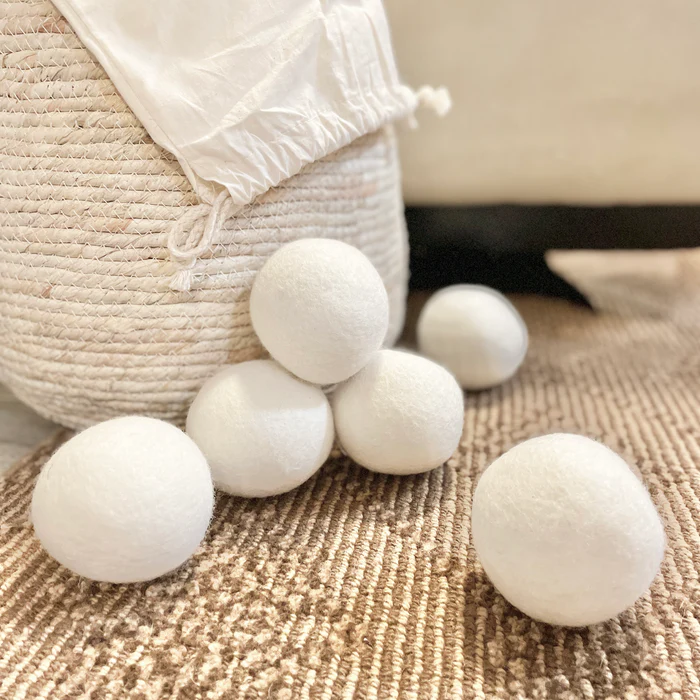
Wool dryer balls (best all-around swap)
- reduce static
- improve airflow in the dryer
- can shorten drying time
- no coating, no fragrance required
They’re commonly recommended as a softener alternative.

White vinegar in the rinse (simple and cheap)
A small amount of white vinegar in the rinse cycle can help with softness and odors for many loads—without the same waxy coating feeling. (Do not mix vinegar with bleach. Never combine cleaning chemicals.)

Fix static at the source (no products needed)
Static gets worse when laundry is over-dried and air is very dry. Helpful habits include:
- don’t overdry (use moisture-sensing mode if your dryer has it)
- air-dry some items
- keep indoor humidity in a healthy range in very dry seasons
These are common non-chemical approaches for static control.
Use fragrance-free detergent and skip extras
Often the “fresh smell” people want is really just “clean.” A good detergent + correct dose is usually enough.
Final Word / Conclusion
Fabric softener is a comfort product, not a must-have. The same coating that makes fabric feel “soft” can also:
- reduce absorbency
- hurt performance fabrics
- irritate sensitive skin
- contribute to dryer residue issues
If you want soft, low-static laundry without the downsides, wool dryer balls + smart drying habits are usually the best upgrade.
Our Contact Information – MEKONG GARMENT FACTORY
- Vietnam Phone: +84 947 729 829
- WeChat: +84 947 729 829
- WhatsApp: +84 947 729 829
- Email: hanh@kimmy.vn