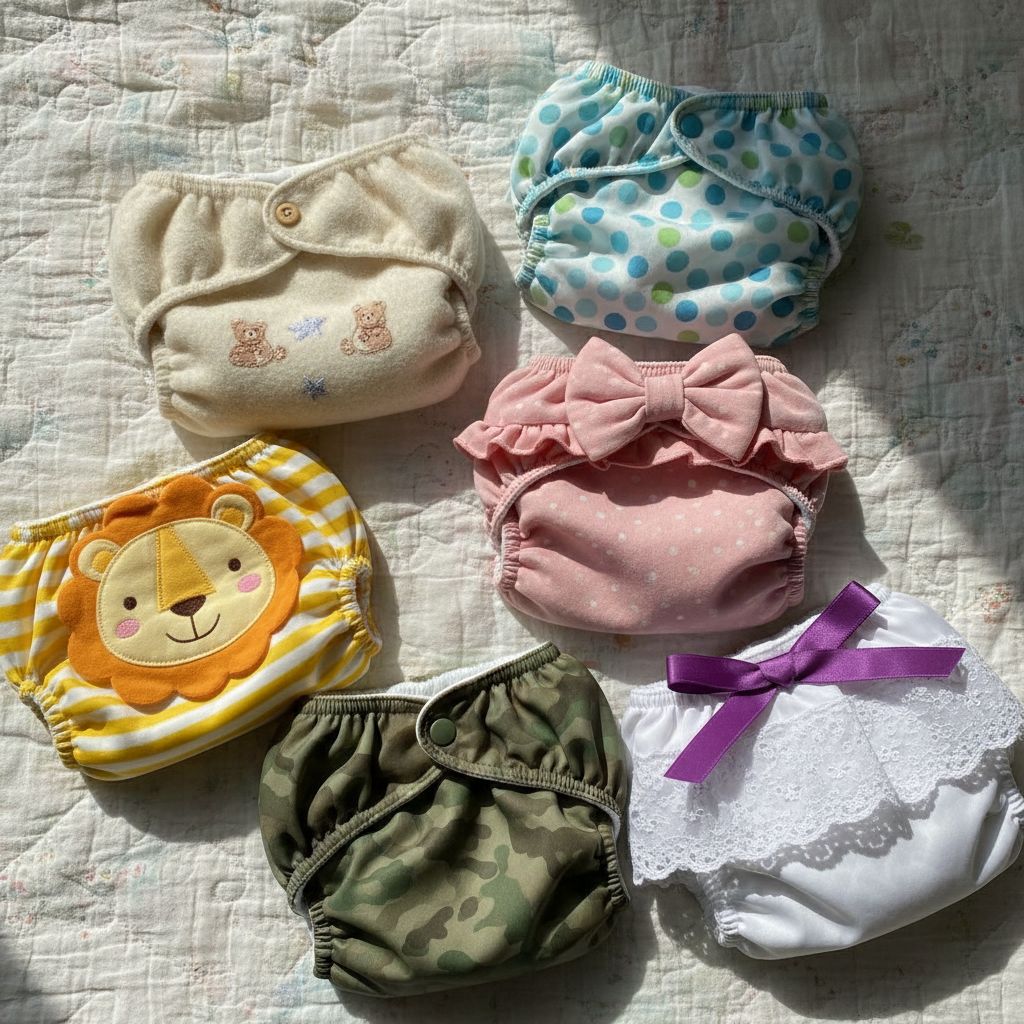
Baby Diaper Covers: The Simple Guide to Leak Protection (Cloth and Disposable)

Baby diaper covers look tiny, but they solve a big problem: keeping messes off clothes, bedding, and car seats. If you’ve ever dealt with a 2 a.m. leak (or a blowout that climbs up the back), you already understand why these exist. This guide explains what diaper covers are, when you actually need them, which types work best, and how to avoid the common mistakes that make people swear diaper covers “don’t work.”

What Are Baby Diaper Covers?

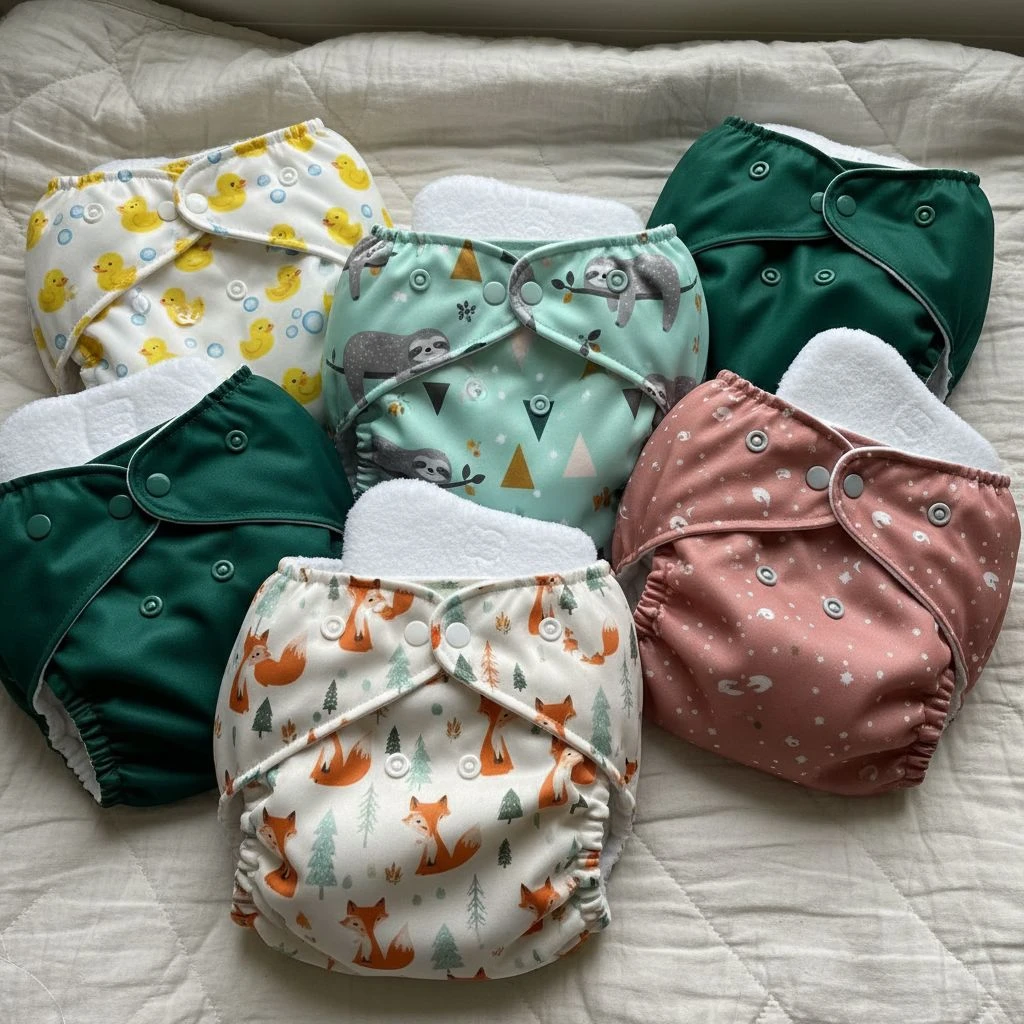
Baby diaper covers are protective outer layers worn over a diaper to help prevent leaks and keep clothes dry. The diaper absorbs the mess, and the cover acts as a barrier to stop it from spreading. They’re most commonly used with cloth diapers, but some parents use them over disposables for extra blowout protection. A baby diaper cover is a protective outer layer worn over a diaper (cloth or disposable). Its job is to:

  • Block leaks
  • Contain blowouts
  • Protect clothing and surfaces
  • Hold cloth diapers snugly in place

Think of it like a raincoat for the diaper underneath.

=> Important truth: A diaper cover usually does not absorb much on its own. It’s mostly a barrier, not a sponge.

When Do You Need a Diaper Cover?

You don’t always need a diaper cover — but in some cases, it makes a big difference. If you’re using cloth diapers that aren’t waterproof, a cover is essential to prevent leaks. Even with disposables, some parents add a cover for extra protection against blowouts. The real question isn’t “Should everyone use one?” It’s “Does your current diaper setup leave you dealing with messes?” If leaks are a regular problem, a diaper cover might be the simple fix.

You definitely need one if you use:

  • Cloth flats
  • Prefolds
  • Fitted cloth diapers (these absorb a lot but are not waterproof)

These cloth options are absorbent, but without a cover, leaks are common.

You might want one if you use disposables and:

  • Your baby has frequent blowouts
  • You’re traveling and want extra protection for car seats
  • You’re dressing baby in a special outfit and want a “backup layer”

=> Important Notes: If your disposable diaper fits well and rarely leaks, a cover may be overkill. A better diaper fit can fix the problem without adding layers.

The Main Types of Diaper Covers (And Who They’re For)

Not all diaper covers are the same. Some are built for everyday convenience, some focus on breathability, and others work best for overnight protection. Choosing the right type depends on your baby’s needs, your routine, and how much maintenance you’re willing to handle. Before picking one, it helps to understand the main options and who they’re best suited for.

These are thin, wipeable, and designed for modern cloth diapering.

Best for:

  • Everyday use
  • Daycare (easy and fast changes)
  • Parents who want low maintenance

Pros:

  • Waterproof
  • Easy to clean
  • Lightweight

Cons:

  • Can feel less breathable in very hot weather
  • If sized wrong, leaks happen at the legs

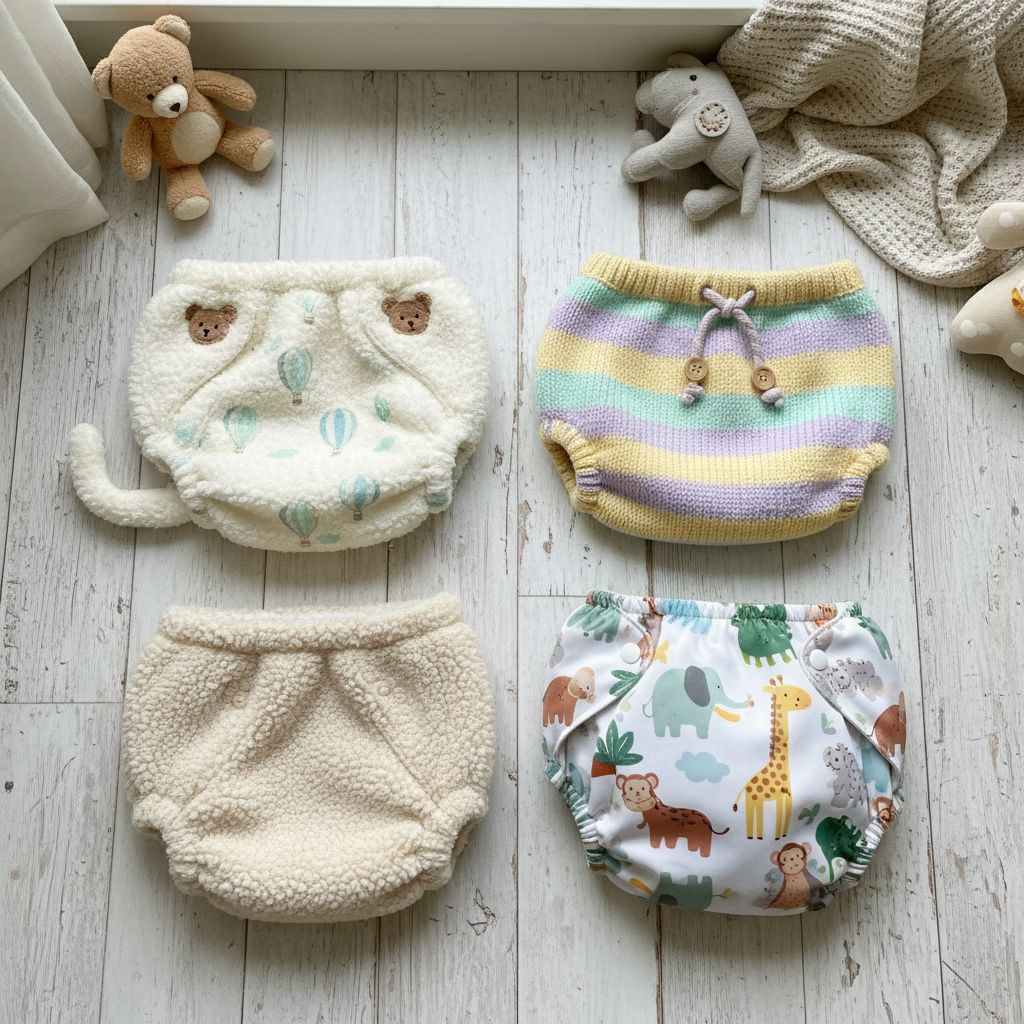
2) Wool Covers (Breathable + Great for Night)

Wool is famous in cloth diaper circles because it can be breathable, comfortable, and still handle moisture well.

Best for:

  • Nighttime
  • Sensitive skin
  • Parents who prefer natural fibers

Pros:

  • Breathable
  • Helps reduce damp feeling
  • Often great for long stretches (like overnight)

Cons:

  • More care (washing + lanolin treatment)
  • Pricier upfront

=> Important Notes: Wool is awesome, but if you don’t want extra laundry steps, you might end up not using it. “Best” doesn’t matter if it’s too annoying to maintain.

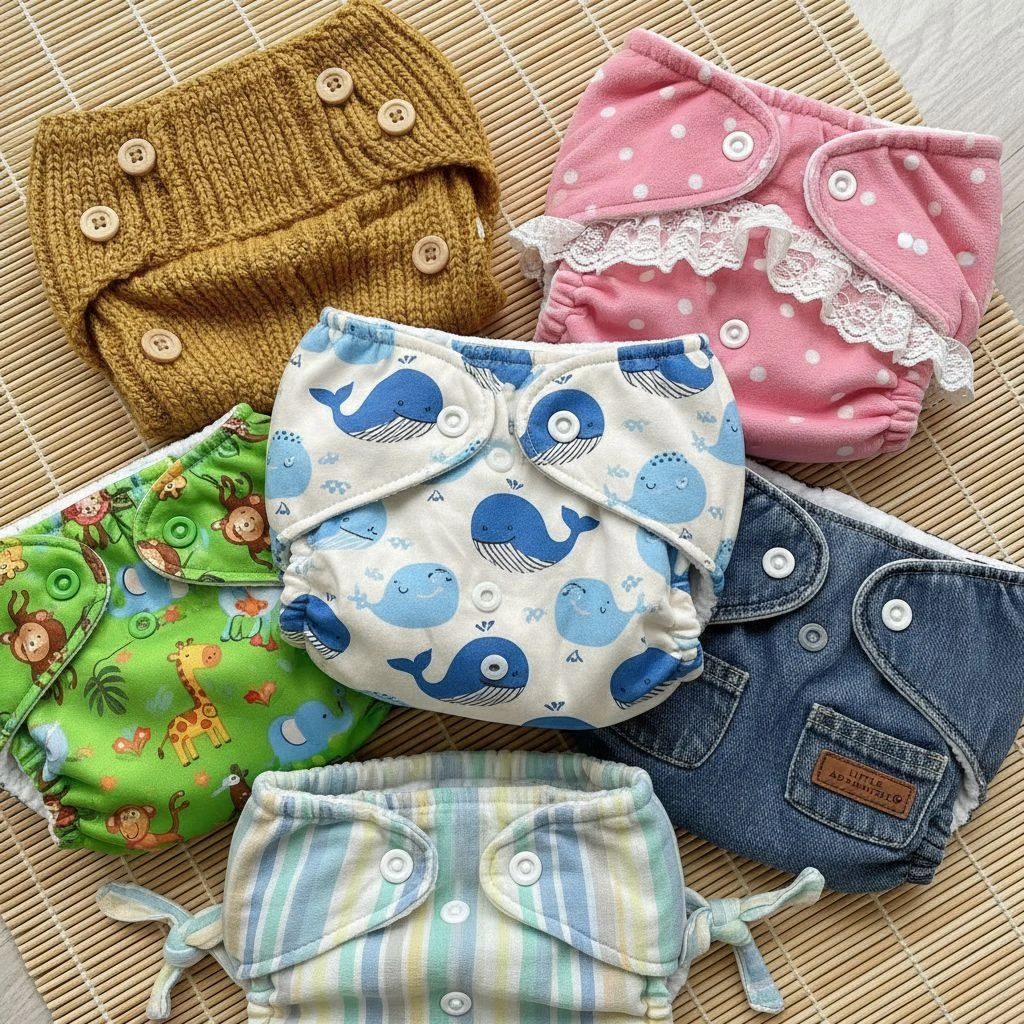
3) Fleece Covers (Soft + Simple, Not Always Fully Waterproof)

Fleece covers can be water-resistant and comfy, but they vary a lot by brand and thickness.

Best for:

  • Short wear periods
  • Comfort-first parents
  • Cooler climates

Pros:

  • Soft
  • Breathable compared to plastic-feel covers

Cons:

  • Not always strong enough for heavy wetters
  • Can leak under pressure (car seat, sleeping on tummy)

4) Styles: Wrap vs Pull-On (Which Is Easier?)

Wrap Covers (Snaps/Velcro) – These open flat and wrap around baby.

Best for:

  • Newborns
  • Fast changes
  • Babies who hate being lifted during changes

=> Watch out: Velcro is fast, but it can snag laundry if not closed before washing.

5) Pull-On Covers (Like Little Pants)

You pull them up and down.

Best for:

  • Older babies/toddlers
  • Standing diaper changes
  • Quick on/off at home

=> Watch out: If there’s poop, pulling down can get messy fast.

What to Look For When Buying a Diaper Cover

Not all diaper covers perform the same, even if they look similar. The right one should fit well, prevent leaks, and stay comfortable on your baby’s skin. Small details like leg elastic, sizing, and material can make a big difference in how well it works. Before you buy, it’s important to know which features truly matter, and which ones are just marketing.

1) Leg fit matters more than brand:

Most leaks come from gaps at the legs, not from “bad material.”

Look for:

  • Double gussets (two lines of elastic at the legs)
  • Soft, stretchy elastics that don’t leave deep marks

2) Enough room for absorbency:

Night diapers can be bulky. Your cover needs space without creating gaps.

3) Smooth waist fit:

  • Too tight = red marks and discomfort
  • Too loose = leaks and sliding

4) “Cute” doesn’t always mean “protective”:

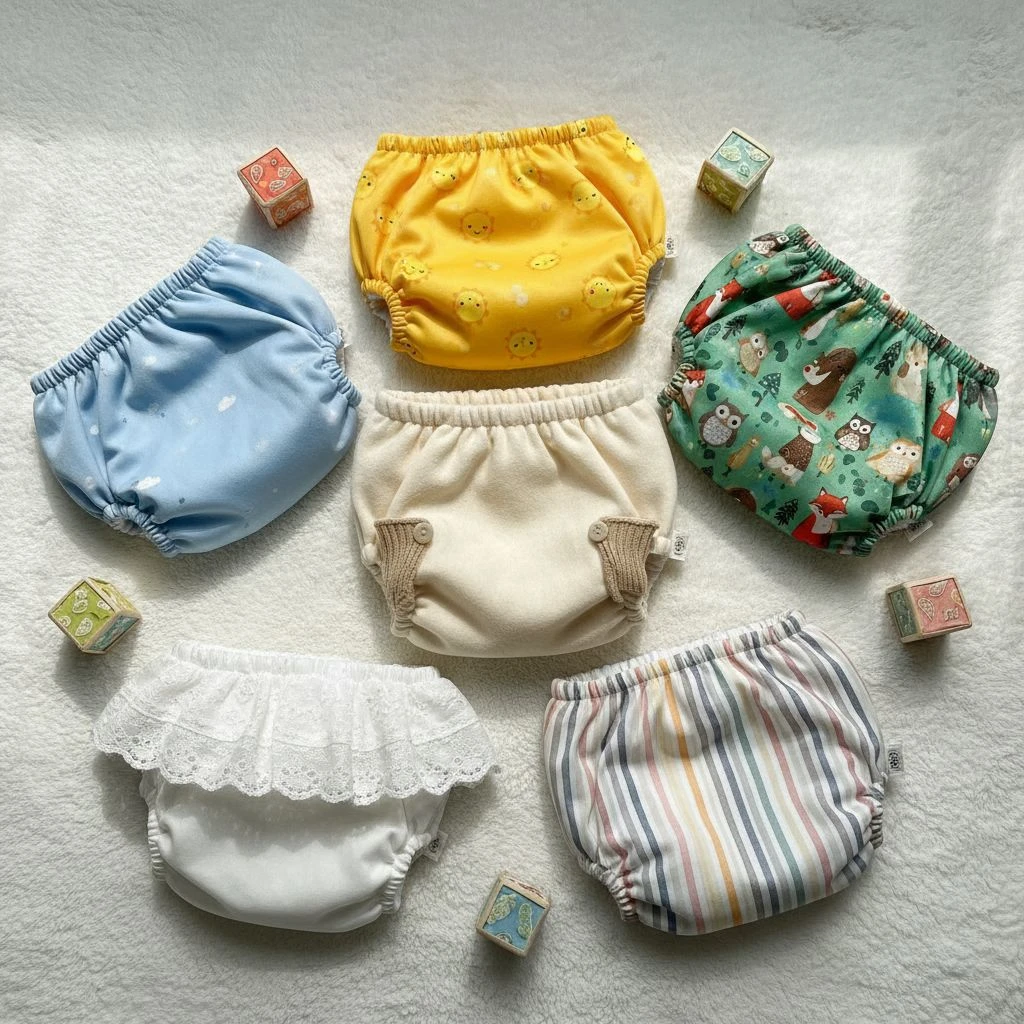
Some “diaper bloomers” are just fashion shorts. They can hide a diaper but won’t stop leaks unless they’re designed as real covers.

Common Problems (And Fixes That Actually Work)

Even the best diaper cover can fail if something isn’t set up right. Leaks, red marks, strange smells, these issues are common, and they usually have simple causes. Before giving up on diaper covers altogether, it helps to understand what’s really going wrong and how to fix it. Most problems aren’t about the cover itself, but about fit, absorbency, or routine.

  • “It leaks at the legs.”: Likely cause: size or fit issue. Fix: try a tighter setting, adjust elastics, or switch to double gussets.
  • “It leaks during naps/night.”: Likely cause: diaper underneath isn’t absorbent enough. Fix: add absorbency (cloth inserts/boosters) or change the diaper type for night.
  • “It smells.”: Likely cause – cover not drying fully or not washed after poop Fix: air dry thoroughly; wash after soiling; avoid leaving it damp in a bag.
  • “My baby gets heat rash.”:  Likely cause: too many layers + low airflow. Fix: lighter clothing, breathable cover choice, more frequent changes.

Final Words / Conclusion

Baby diaper covers may seem small, but they solve one of the biggest daily parenting problems: messes where you don’t want them. They aren’t flashy. They aren’t complicated. But when used correctly, they protect clothes, bedding, car seats, and your sanity.

That said, here’s the honest truth:

  • A diaper cover is only as good as the diaper underneath it.
  • Fit matters more than brand.
  • More layers don’t always mean better protection.

If leaks keep happening, don’t just add another cover. Step back. Check the fit. Check the absorbency. Check how often you’re changing. Parenting works best when it’s simple and practical. The right diaper cover should make your life easier, not create more laundry stress or confusion. Choose what fits your routine, your baby’s comfort, and your energy level. That’s what really works.

Related posts