



Why Is a Physical Sample More Important Than a Digital Design?
In modern apparel sourcing, digital design tools are powerful. Brands can visualize styles, adjust proportions, and share ideas instantly across continents. On a screen, everything looks precise, clean, and ready for production. Yet this convenience creates a dangerous illusion: that a garment is understood before it physically exists. A digital design shows intention, not reality. It cannot fully confirm how fabric feels, how color behaves under light, or how a garment performs when worn. A physical sample turns ideas into evidence. It is the only stage where assumptions are tested against the real world. This is why sampling remains the most critical checkpoint in professional apparel production. Digital design starts the conversation. Physical sampling decides whether that conversation ends in profit or loss.
Table Compare Physical Sample And Digital Design
| Point | Digital design | Physical sample |
|---|---|---|
| Purpose | Shows the idea | Proves the real product |
| Speed/cost | Fast + cheap edits | Slower + costs more |
| Fit & comfort | Can look right but still fail in wear | Real try-on shows issues |
| Fabric & drape | Can’t feel or test drape | Touch + see real drape |
| Color | Screen can mislead | Real fabric under real light |
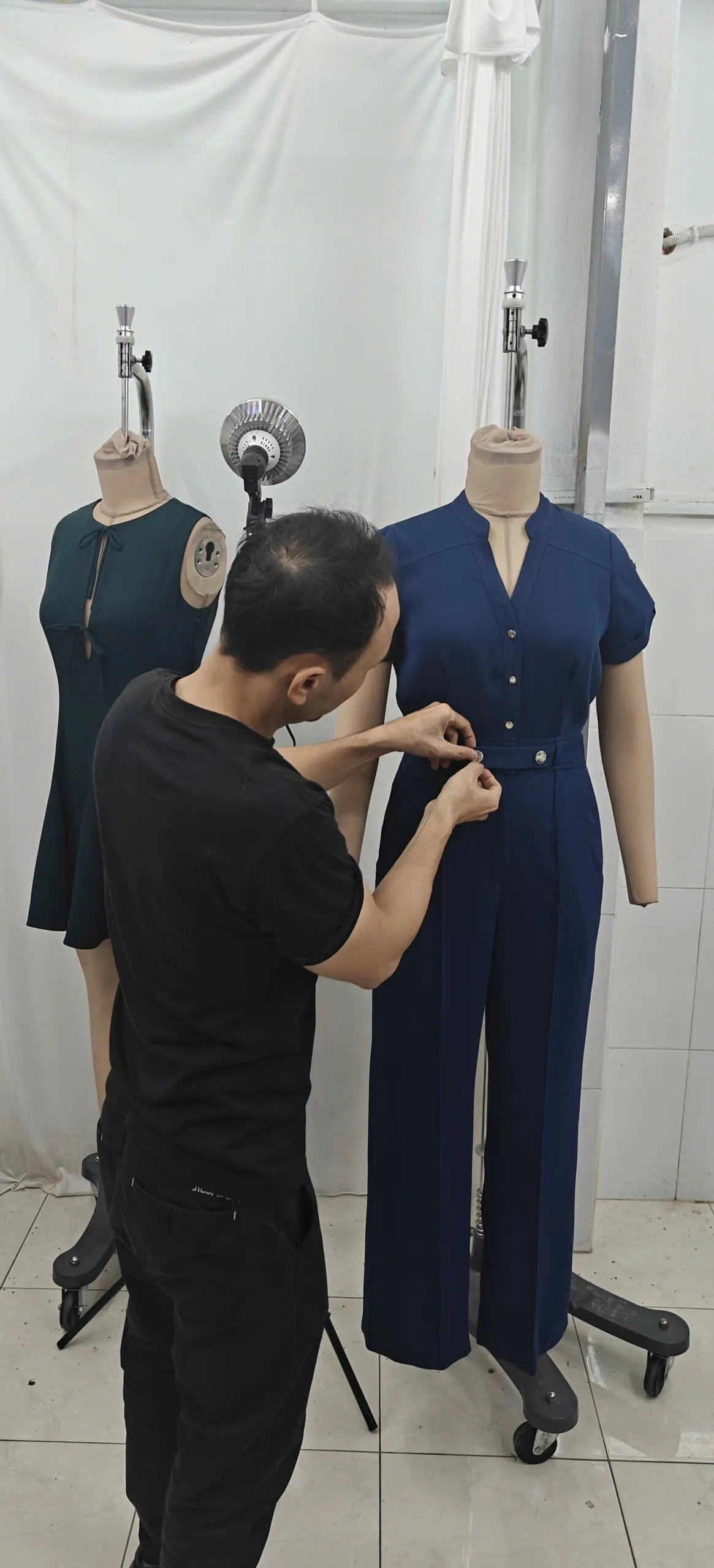
| Construction & trims | Can’t stress-test seams/zippers | Can test workmanship + hardware |
| QC reference | Too abstract | Becomes the “gold standard” for bulk |
| Risk control | Errors may appear late | Catches problems before bulk |
How Can a Physical Sample Prevent Costly Production Mistakes?
Every production order carries fixed risks. Fabric is ordered. Lines are booked. Labor is scheduled. Once bulk production begins, mistakes stop being affordable. A physical sample is the last low-cost opportunity to catch problems before they multiply. Digital files often hide real-world issues. A Pantone color that looks correct on a calibrated screen may shift on fabric because of fiber content, dye method, or surface texture. A pattern that appears balanced in 3D software may pull or twist once sewn. Approving production without a physical sample means approving uncertainty. A single untested assumption can lead to re-cutting fabric, re-dyeing materials, delayed shipments, or rejected goods. Sampling converts unknowns into knowns, when changes are still manageable.

What Flaws Can a Physical Sample Reveal That a Digital File Cannot?
A digital design shows how a garment should look. A physical sample shows how it actually behaves.
Key issues only visible through sampling include:
- Fabric hand-feel: Whether a fabric feels stiff, scratchy, heavy, or too warm cannot be judged on screen. Comfort is physical, not visual.
- Drape and movement: How fabric hangs on the body, how it folds, and how it reacts to motion can only be seen when worn.
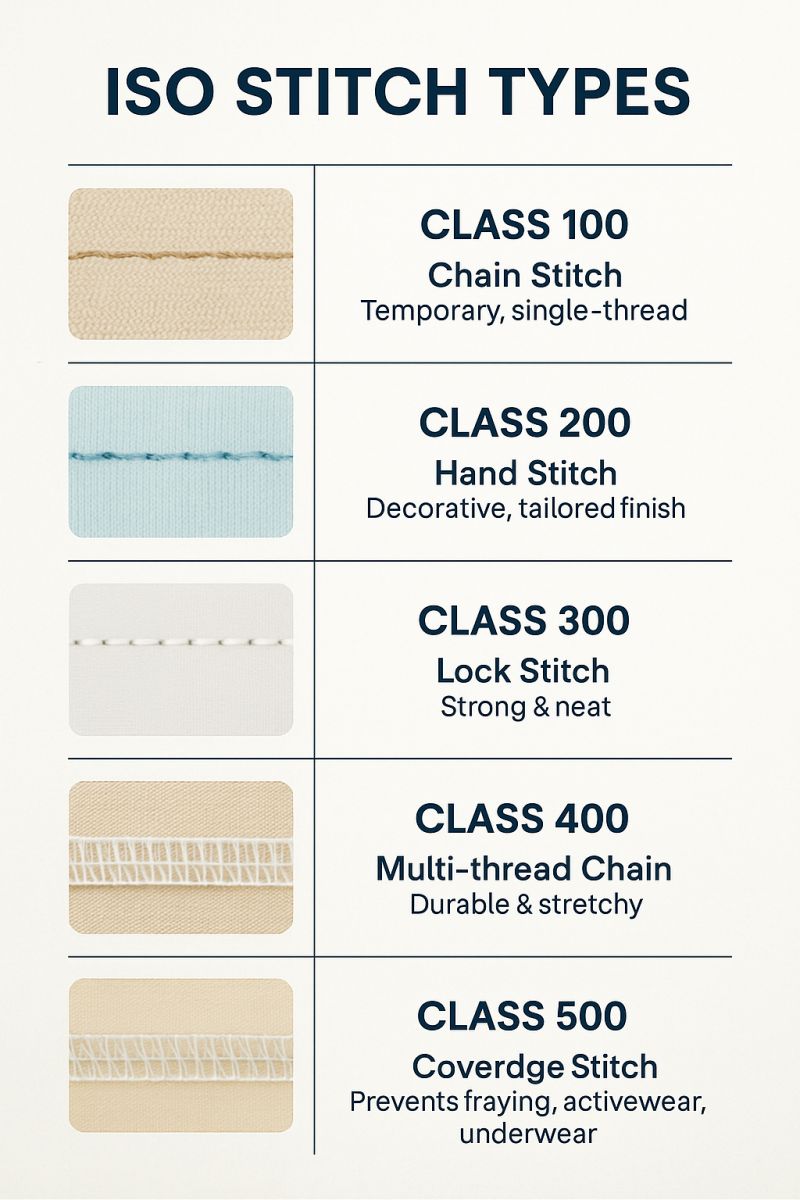
- Stitching and construction quality: Uneven seams, tension problems, skipped stitches, or weak stress points require hands-on inspection.
- Trim and hardware performance: Zippers, buttons, snaps, and elastic must be tested repeatedly. A render cannot show failure over use.
- Surface application results: Prints may crack. Embroidery may pucker. Heat transfers may stiffen fabric. These issues only appear after production processes are applied.
These factors directly affect customer satisfaction and return rates. Ignoring them risks launching a product that looks right but feels wrong.
How Does Sampling Fit Into a Professional Quality Control Process?
Sampling is not a creative afterthought. It is a control mechanism. In a professional manufacturing workflow, the approved sample becomes the physical standard. Quality control teams use it as a reference throughout production. Measurements, construction details, materials, and finishes are checked against this benchmark. Without a clear sample standard, inspections become subjective. With a sample, quality becomes measurable. This reduces disputes, minimizes rework, and protects both brand and factory from misaligned expectations. Sampling is where quality stops being a promise and becomes a specification.
Why Does a Physical Sample Provide Better Fabric and Color Verification?
Screens emit light. Fabrics absorb light. This difference makes perfect digital color accuracy impossible. Even with advanced software, color appearance changes based on:
- Fiber type
- Fabric weave or knit
- Dye method
- Surface finish
- Lighting environment
A physical sample allows evaluation under real lighting conditions, including daylight, retail lighting, and indoor environments. This is essential for avoiding metamerism, where colors appear to match in one light but differ in another. Customers do not buy garments under studio lighting. They wear them in real life. Sampling lets brands judge products the same way customers will.
How Can You Assess Fabric Quality and Durability Through Sampling?
Sampling enables simple but powerful tests that digital tools cannot replace. Practical checks include:
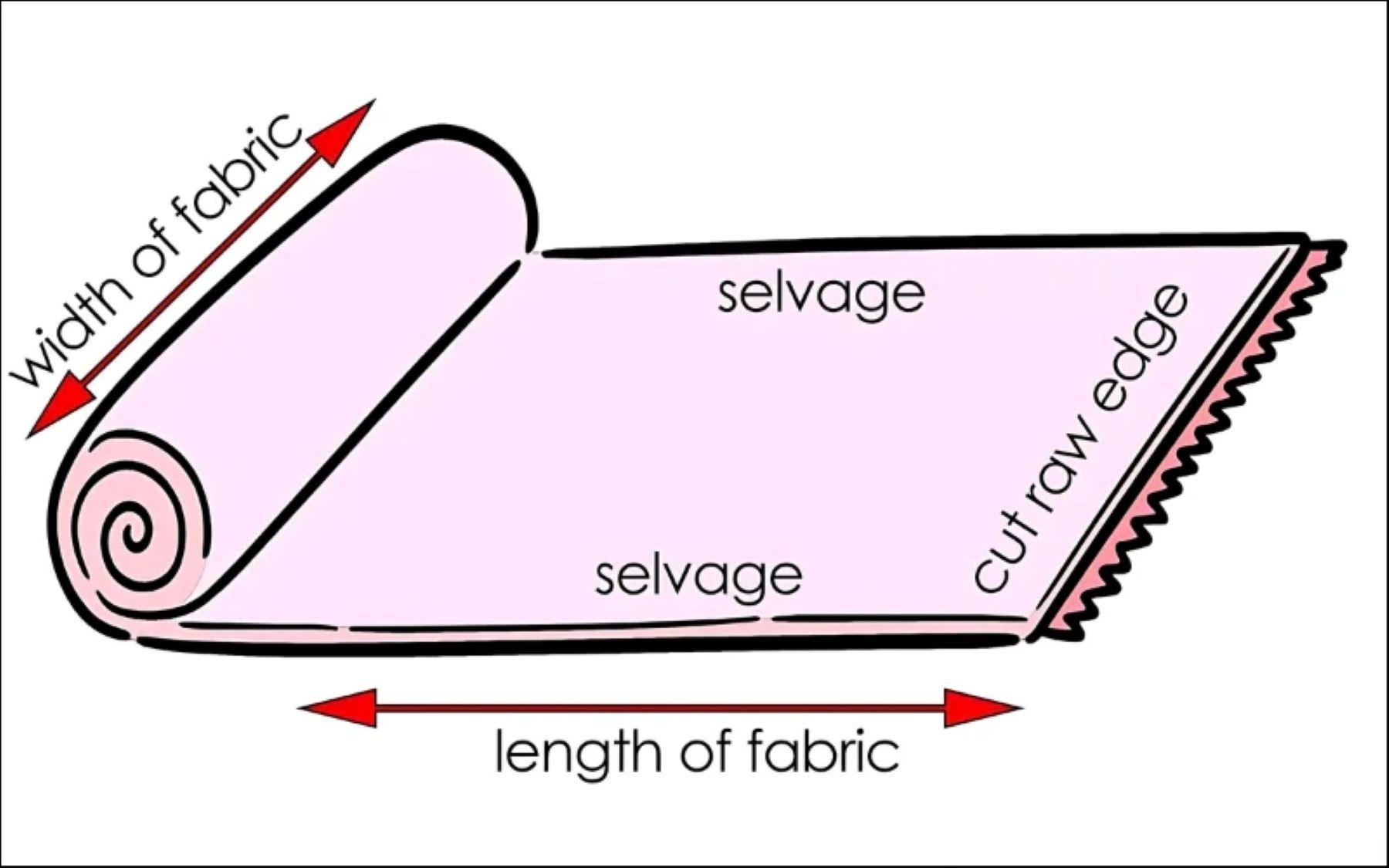
- Stretch and recovery tests along and across the grain
- Seam strength testing at stress points
- Fabric transparency checks under light
- Colorfastness tests using dry and damp rubbing
- Shrinkage observation after washing or steaming
These checks reveal how materials will perform after repeated wear and care. For international sourcing, where reordering fabric is costly and slow, this validation is critical. A fabric that looks acceptable but fails after use damages trust faster than any marketing mistake.
Can a Physical Sample Improve Communication With Your Manufacturer?
Yes, dramatically. Written descriptions leave room for interpretation. Physical samples remove it. Instead of explaining fit issues in long messages, brands can mark the sample directly. Instead of debating color differences, both sides can compare the same object. This clarity is especially important when working across languages, cultures, and time zones. A sample becomes a shared reference. It reduces back-and-forth revisions and speeds up decision-making. More importantly, it signals professionalism. Manufacturers take brands more seriously when feedback is precise and grounded in physical evidence.

How Should You Provide Effective Feedback on a Production Sample?
Professional sample feedback is structured, not emotional.
Best practices include:
- Marking changes directly on the garment with chalk or removable tape
- Attaching numbered tags that correspond to written comments
- Using exact measurements instead of subjective terms
- Including photos to clarify issues
- Grouping feedback by category: fit, construction, material, finish
Clear feedback shortens revision cycles and builds efficient working relationships. Vague comments slow production and increase errors.
What Must Be Confirmed Before Sample Approval?
Before approving a sample, brands should verify the following:
- Fabric type, weight, and composition match specifications
- All measurements align with the tech pack
- Stitching quality and seam strength meet standards
- Colors and prints are correct under proper lighting
- Trims and labels function and match requirements
- Packaging elements comply with brand guidelines
Approval should be based on a checklist, not intuition. Once approved, changes become expensive.
How Does Sampling Protect Your Supply Chain and Delivery Timeline?
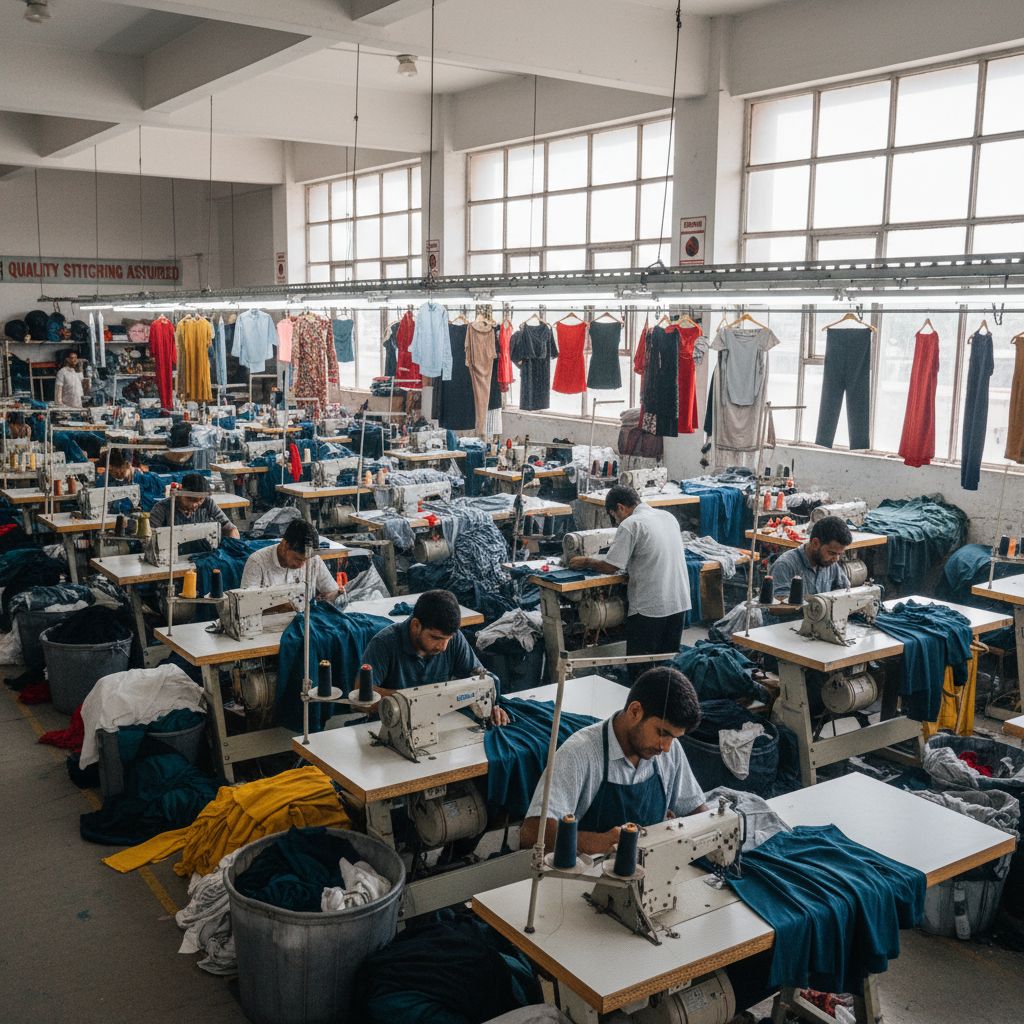
Sampling tests more than the product. It tests the factory. How quickly a manufacturer produces a sample, how accurately they follow instructions, and how they respond to feedback reveals their true capability. Problems during sampling often predict larger failures in bulk production. A factory that struggles with a sample will struggle more with 1,000 units. Sampling exposes risk early, when switching suppliers is still possible. Skipping or rushing this step may feel faster, but it often leads to delays that destroy entire selling seasons.
Why Is Sampling Essential for Risk Management?
Sampling is risk control, not inefficiency. It verifies materials, confirms workmanship, and validates production processes before large financial commitments are made. The cost of sampling is small compared to the cost of rework, markdowns, or unsellable inventory. Brands that skip sampling are not saving time or money. They are transferring risk from a controllable stage to an uncontrollable one.
Conclusion / Final Words
Digital design is a powerful starting point, but it is not proof. It shows how a garment might look, not how it will perform. Physical samples transform ideas into tested reality. Sampling prevents expensive mistakes, aligns expectations, improves communication, and protects supply chains. It is not a delay. It is insurance. In apparel manufacturing, speed without verification is not efficiency. It is gambling.
Our Contact Information – MEKONG GARMENT FACTORY
- Vietnam Phone: +84 947 729 829
- WeChat: +84 947 729 829
- WhatsApp: +84 947 729 829
- Email: hanh@kimmy.vn