
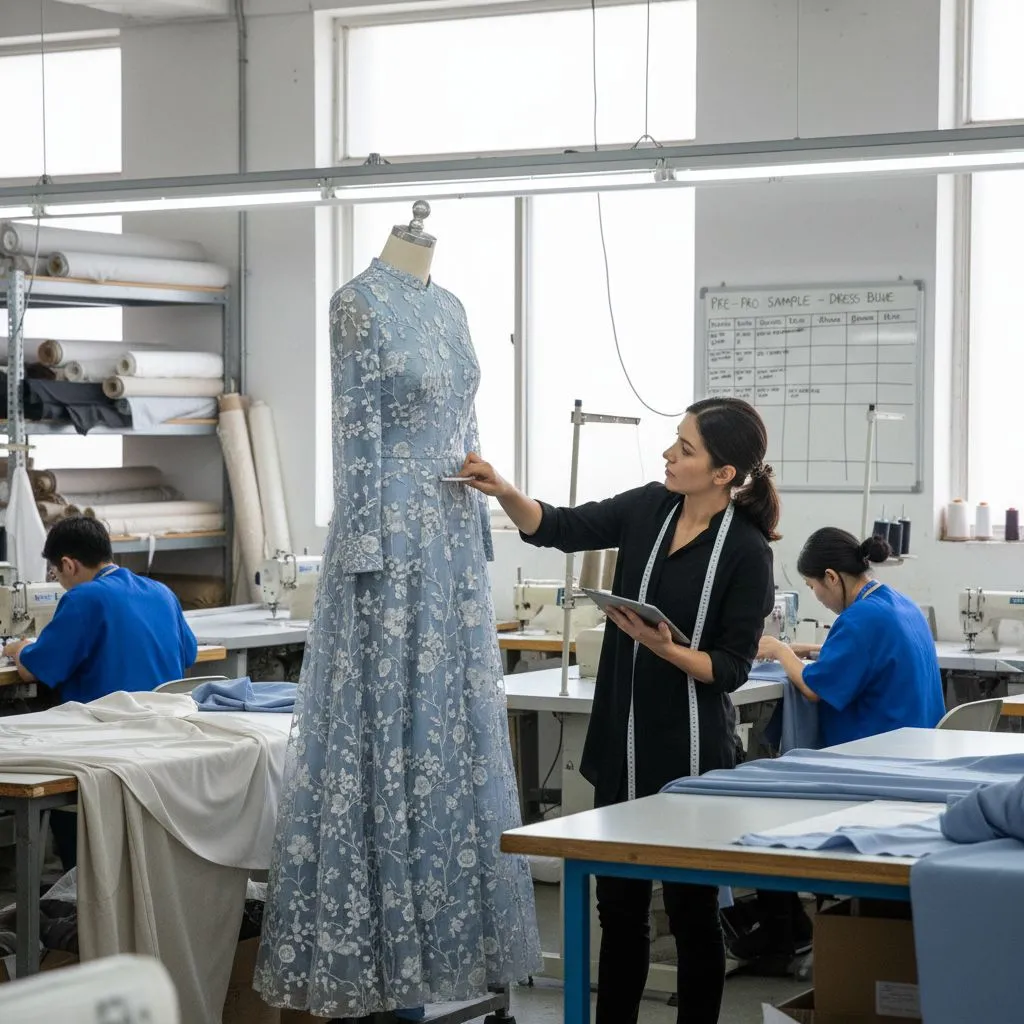
What Quality Control (QC) mean in Garment Manufacturing: A Full Guide

Quality Control (QC) in garment manufacturing is the part of the system that checks real garments. Where QA (Quality Assurance) tries to prevent defects, QC is the last line of defense that finds defects and blocks bad pieces from going to the buyer. In simple words:
- QC asks: “Is this garment good enough to ship?”
- If the answer is “no,” QC must catch it, classify it, and stop it.
What Is QC in Garment Manufacturing?
Quality Control (QC) in garment manufacturing is the process of checking finished and in-process garments to make sure they meet agreed quality standards. It focuses on the actual product, examining stitching, measurements, appearance, and packaging. QC acts as the final safety net catching defects that slip through production. Without QC, even a well-designed garment process can deliver inconsistent products.
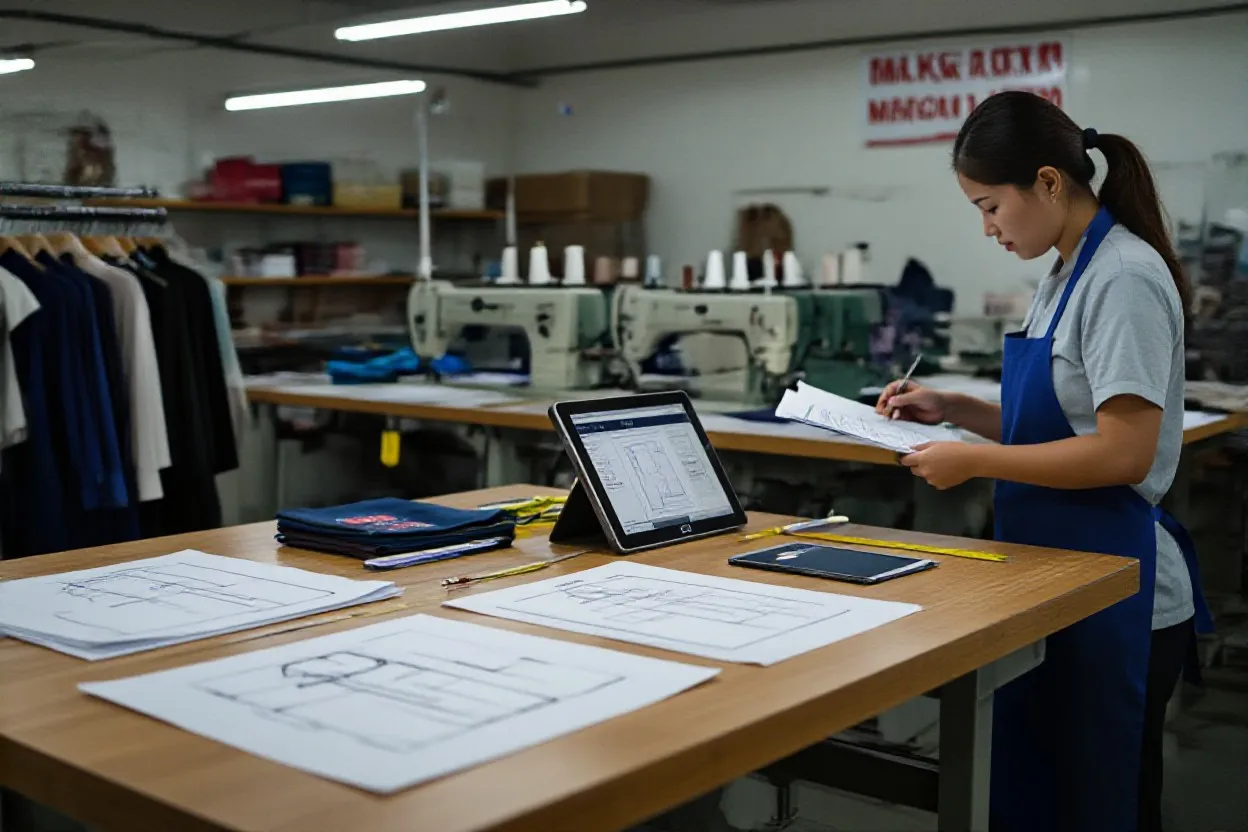
Quality Control (QC) is the set of activities that:
- Inspect garments during and after production.
- Compare them against agreed standards.
- Sort them into accept, repair, or reject categories.
- Provide data about defect levels.
Why QC Is Critical (Even If You Have QA)
A strong QA system reduces risk, but it does not eliminate human error. Relying on QA alone is like trusting a recipe without tasting the food. QC detects reality—tired operators, drifting machines, and fabric variations—protecting your brand and timelines. If you think you don’t need QC because your QA is strong, you are not confident; you are blind.

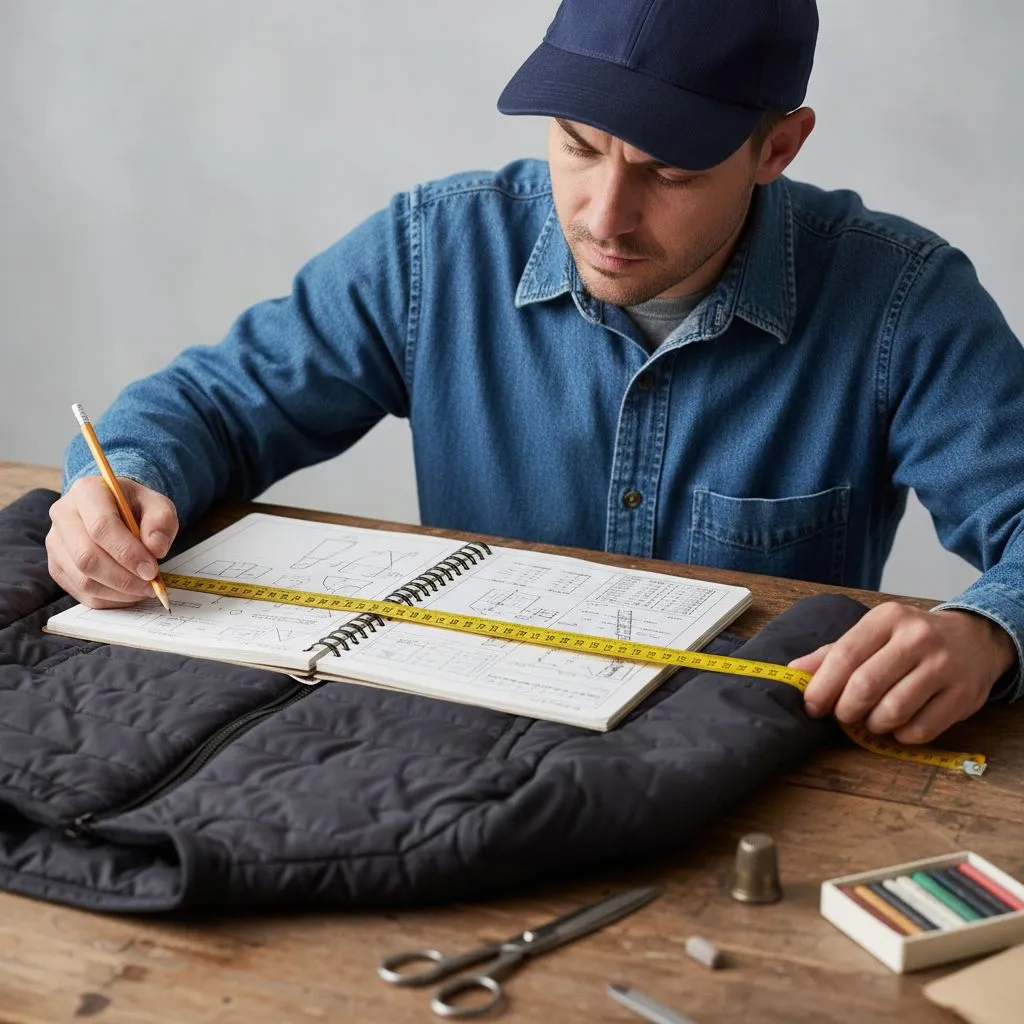
Where QC Sits in the Production Flow
QC is not a single checkpoint at the end of production; it is spread across multiple stages to catch defects early. Early detection reduces rework and prevents small mistakes from turning into shipment-level failures.
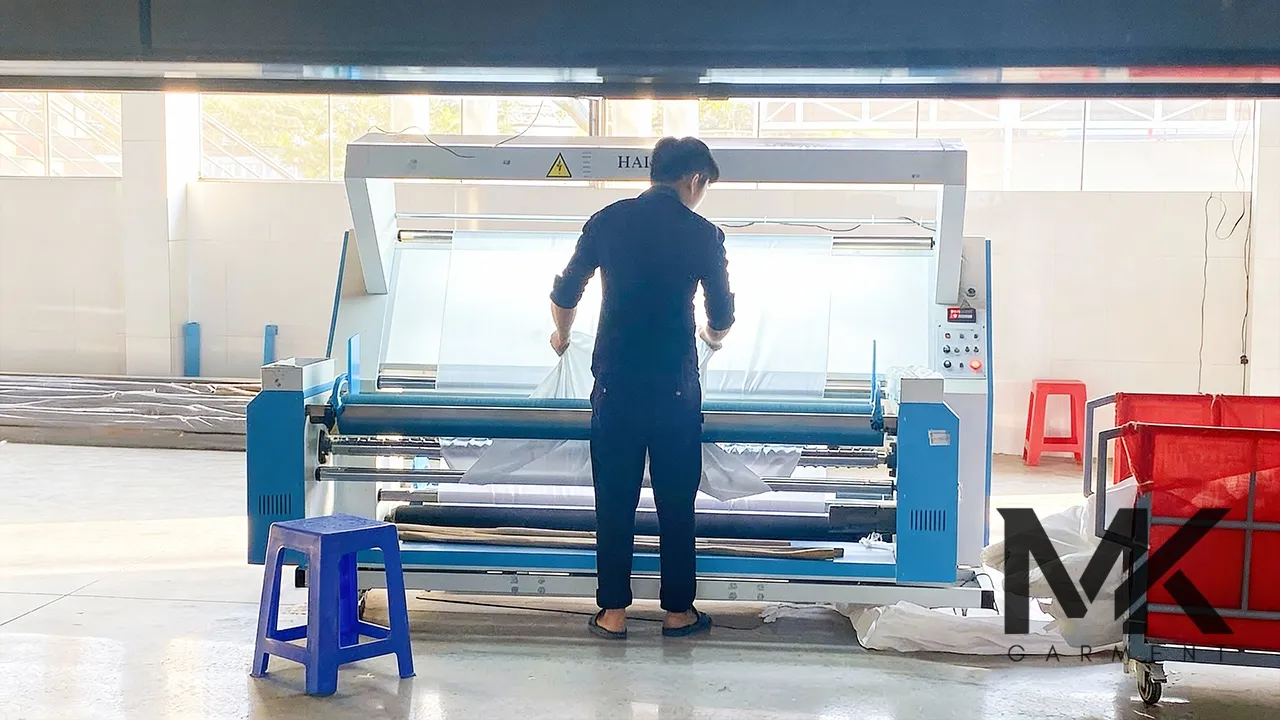
Incoming Material QC
Before cutting starts, QC verifies: fabric (shade, weight, holes), trims (buttons, zippers), and prints/embroidery clarity. This systematic check ensures garment production starts with quality materials.
In-line QC (During Sewing)
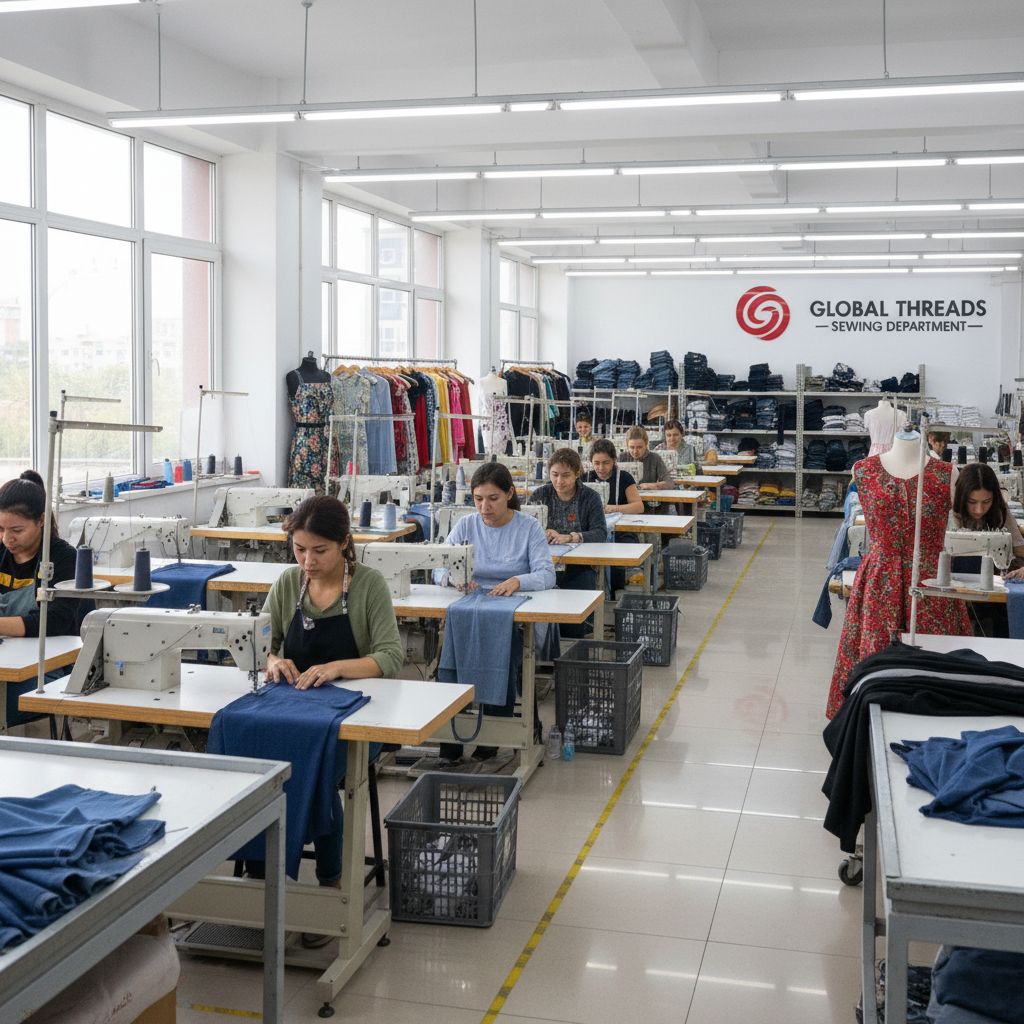
Inspects components (collars, pockets, waistbands) while sewing is in progress. The goal is to catch skipped stitches or mis-attached parts early, when they are cheaper to fix.

End-line QC (After Sewing)
At the end of the sewing line, inspectors check the whole garment for balance (left vs right), measurement accuracy, and visible defects like puckering or seam slant.

Final QC / Pre-shipment Inspection

Final QC is the last gate before garments leave the factory. When production is complete and fully finished, inspectors use AQL sampling to confirm the lot truly matches the approved shipment sample. This protects both the brand and the factory from expensive post-shipment disputes. In international trade, this is often called final random inspection (FRI).

Conclusion / Final Words
QC is the control point that protects your brand. While QA builds the process, QC confirms the reality. Strong factories use both to improve consistency and ship with confidence. If you want reliable quality at scale, ensure your QC is placed at the right stages and using the right standards to feed data back into your improvement cycle.
FAQs About QC in Garment Manufacturing
In Short, What does QC mean in garment manufacturing?
QC (Quality Control) in garment manufacturing means checking real garments during and after production to make sure they meet agreed quality standards before shipment. It focuses on the actual product, including stitching, measurements, appearance, and packaging.
What is the difference between QC and QA in garment production?
QA (Quality Assurance) focuses on preventing defects through process control, while QC focuses on finding defects in actual garments and stopping bad pieces from reaching the buyer. In simple terms: QA builds the system, QC checks the result.
Why is QC still important if a factory already has strong QA?
Even with strong QA, real production can still create defects because people get tired, machines drift out of adjustment, fabric rolls vary, and new styles behave differently. QC catches these real-world issues before shipment.
What does QC inspect on a garment?
QC typically checks: garment appearance, measurements, packing and labeling… It also compares garments against agreed standards and helps classify pieces as acceptable, repairable, or rejectable.
Is QC only done at the end of production?
No. QC is not just one final inspection. It is spread across multiple stages in the production flow so defects can be caught earlier, when they are easier and cheaper to fix.
What is incoming material QC in garment manufacturing?
Incoming material QC happens before cutting. It checks fabric and trims (such as buttons, zippers, labels, and tapes), and may also check prints/embroideries for clarity, placement, and color issues.
What is in-line QC during sewing?
In-line QC is performed while sewing is in progress. Inspectors check garment parts (such as panels, sleeves, collars, pockets, and waistbands) and look for defects like open seams, skipped stitches, broken threads, wrong labels, or mis-attached parts
What is end-line QC?
End-line QC takes place after sewing and before finishing. It checks whole garments, verifies key measurements (such as chest, length, sleeve, and waist), checks left/right balance, and looks for visible defects like puckering, twisting, seam slant, or mismatches.
What happens to garments that fail QC?
In-line QC is performed while sewing is in progress. Inspectors check garment parts (such as panels, sleeves, collars, pockets, and waistbands) and look for defects like open seams, skipped stitches, broken threads, wrong labels, or mis-attached parts.