
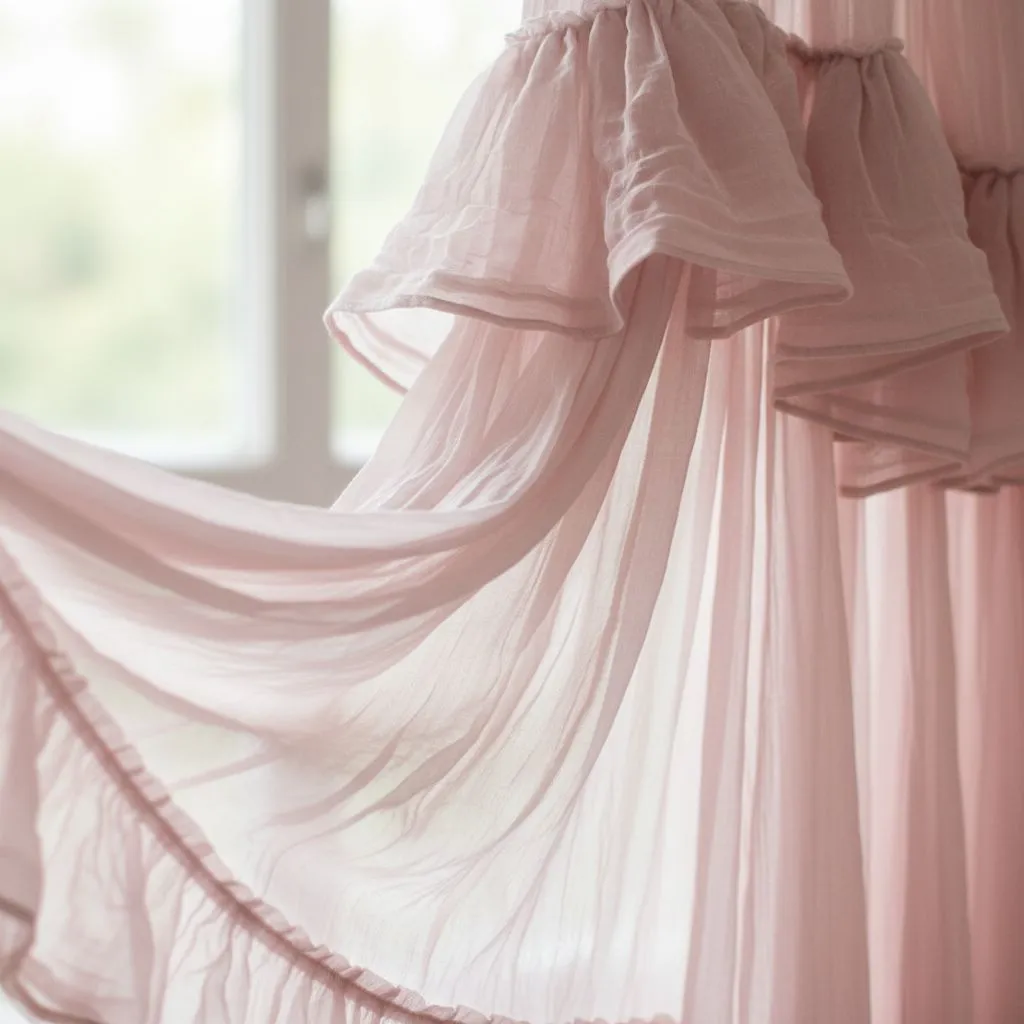
Chiffon is a lightweight, sheer fabric known for its soft drape and flowing movement. It is widely used in fashion for garments that need elegance, airiness, and visual softness. While chiffon is often associated with luxury and romance, the reality is more nuanced: its properties vary greatly depending on fiber type, yarn twist, and finishing. Understanding chiffon properly helps designers, buyers, and consumers avoid common mistakes especially when choosing between silk and synthetic versions.
What Is Chiffon Fabric?
Chiffon is a plain-weave fabric made from highly twisted filament yarns, traditionally silk but now more commonly polyester or nylon. The fabric is semi-transparent, airy, and fluid, with a slightly grainy surface. Chiffon is not defined only by being “thin.” Its signature look comes from high-twist yarns twisted in alternating directions (S-twist and Z-twist). This opposing twist creates subtle puckering, which gives chiffon its soft drape and gentle texture. Because of this construction, chiffon behaves very differently from other lightweight fabrics like voile or organza.
How Is Chiffon Fabric Made?
Chiffon is produced using fine filament yarns woven in a plain weave, with yarns twisted at high tension before weaving. The alternating twist directions cause the fabric surface to crinkle slightly once tension is released.
- Silk chiffon uses natural silk filaments
- Polyester and nylon chiffon use synthetic filaments engineered to mimic silk’s drape
The weaving itself is simple, but the yarn preparation is what defines chiffon. Without high-twist yarns, the fabric would lose its characteristic flow.
Types of Chiffon Fabric
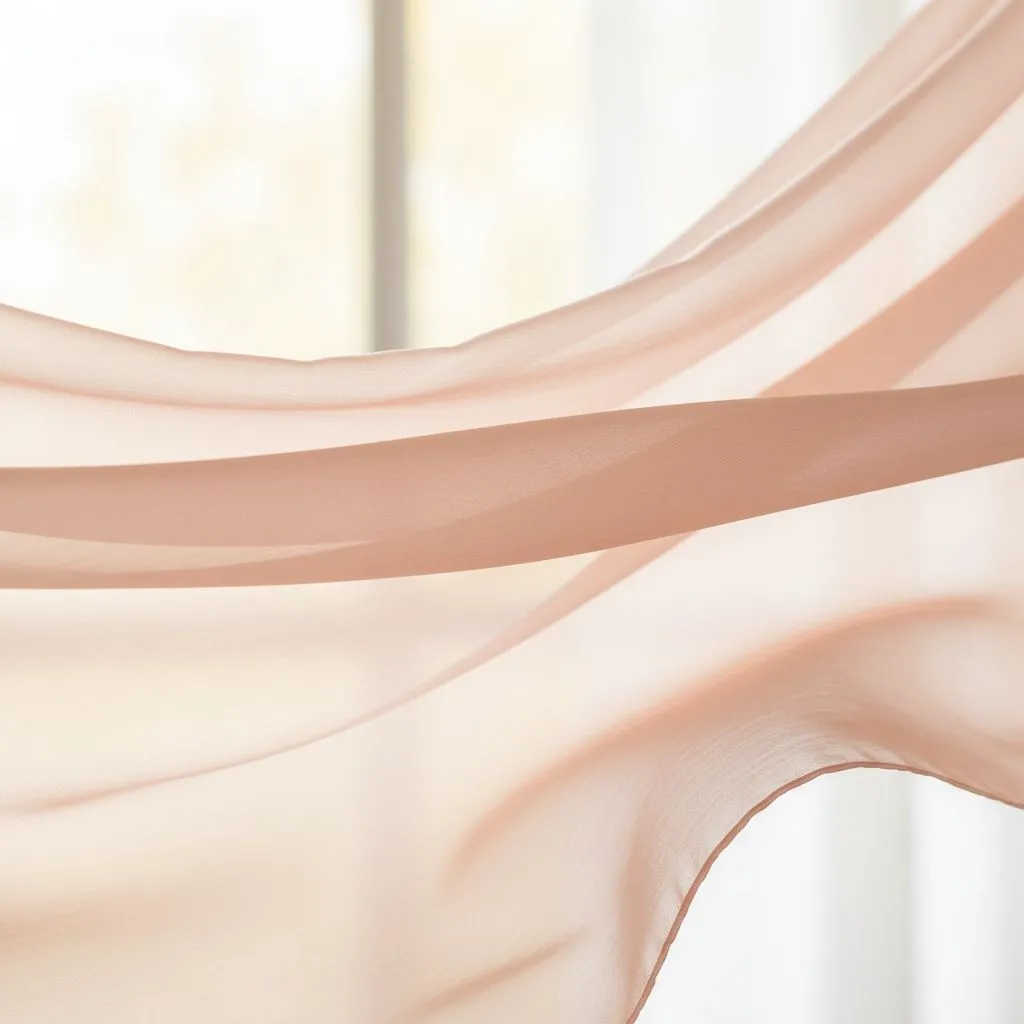
Chiffon fabric comes in several different types, and each one behaves differently in terms of feel, drape, durability, and care. While all chiffon shares a lightweight and sheer appearance, the fiber content and finishing process can dramatically change how the fabric performs in real use. Some types are prized for luxury and comfort, while others are chosen for affordability or ease of maintenance. Knowing these differences helps you choose the right chiffon for the right purpose, instead of relying on appearance alone.
| Type of Chiffon | Main Fiber | Texture & Feel | Drape & Weight | Durability | Ease of Care | Common Uses | Key Pros | Main Drawbacks |
|---|---|---|---|---|---|---|---|---|
| Silk Chiffon | Natural silk | Soft, smooth, breathable | Very light, fluid, airy | Low–medium | Delicate (hand wash or dry clean) | Luxury dresses, bridal wear, scarves | Best drape, natural comfort, premium look | Expensive, fragile, hard to sew |
| Polyester Chiffon | Polyester | Slightly dry or slick, varies by quality | Light, flowing | Medium–high | Easy (machine washable) | Blouses, dresses, everyday fashion | Affordable, widely available | Less breathable, can feel synthetic |
| Nylon Chiffon | Nylon | Smooth but cool, synthetic feel | Light, slightly springy | High | Easy | Travel wear, layered garments | Strong, wrinkle-resistant | Lower breathability, static buildup |
| Georgette Chiffon | Silk or polyester | Crinkled, slightly rough | Medium-light, less sheer | Medium | Moderate | Dresses needing more body | More opaque, better structure | Less fluid than classic chiffon |
| Jacquard Chiffon | Silk or polyester | Textured patterns woven in | Light–medium | Medium | Moderate | Decorative fashion, eveningwear | Pattern without printing | Higher cost, limited transparency |
| Crepe Chiffon | Silk or polyester | Grainy, matte surface | Medium-light | Medium | Moderate | Skirts, blouses, overlays | Better drape control, less slippery | Slightly heavier, less airy |
Key Properties of Chiffon Fabric
1. Lightweight and Sheer
Chiffon is extremely light, typically ranging from 20 to 60 GSM, depending on fiber and finish. Its transparency allows light to pass through, creating a soft, floating effect. However, “sheer” also means:
- It usually requires lining
- It shows seams, stitches, and needle holes easily
2. Fluid Drape and Movement
Chiffon flows rather than holds shape. It drapes close to the body and moves easily with motion, making it ideal for garments designed to look soft and graceful. That said, chiffon offers very little structure. If a garment needs stiffness, volume, or crisp edges, chiffon is not the right choice.
3. Texture Depends on Fiber (Not All Chiffon Feels Soft)
This is where many descriptions become misleading.
- Silk chiffon: soft, breathable, and smooth with a natural luxury feel
- Polyester chiffon: often slick, dry, or slightly rough, depending on quality
- Nylon chiffon: stronger and wrinkle-resistant but can feel synthetic against the skin

So while chiffon is often described as “soft and smooth,” this is not universally true. Comfort depends heavily on fiber quality and finishing.
4. Breathable but Not Insulating
Chiffon allows air to pass through easily, which makes it comfortable in warm weather. At the same time, it provides little warmth, so it is unsuitable for cold-weather garments unless layered.
5. Slippery and Difficult to Handle
From a production standpoint, chiffon is not beginner-friendly.
Common issues include:
- Fabric shifting during cutting
- Fraying edges
- Difficulty keeping seams straight
- Visible needle marks that cannot be hidden
This property is rarely mentioned but matters a lot in real-world use.
How Much Does Chiffon Fabric Cost?
Chiffon fabric cost can range a lot, mainly because the fiber type and quality level change the price quickly. In general, silk chiffon is the most expensive since silk production takes more labor and careful processing. Polyester and nylon chiffon usually cost less and are easier to find, but the feel and drape can vary a lot between cheap and premium grades. Besides fiber, price also depends on the finish, print/dye quality, width, and minimum order quantity if you’re buying for production. Pricing depends mainly on fiber content and quality:
- Silk chiffon: high cost due to silk cultivation and labor-intensive processing
- Synthetic chiffon: significantly cheaper and more consistent in supply
Lower price does not always mean lower quality, but cheaper chiffon often sacrifices softness, breathability, or durability.

Environmental Impact of Chiffon Fabric
The environmental impact of chiffon fabric depends largely on what the fabric is made from and how it is produced. While chiffon is often seen as light and delicate, its footprint can be significant—especially when made from synthetic fibers like polyester or nylon. Natural silk chiffon and synthetic chiffon raise different sustainability concerns, from resource-intensive farming to fossil-fuel dependence and microplastic pollution. Understanding these differences helps consumers and brands make more responsible material choices rather than assuming all chiffon fabrics affect the environment in the same way. The environmental footprint of chiffon varies widely:
- Silk chiffon is biodegradable but resource-intensive
- Polyester and nylon chiffon are petroleum-based and shed microplastics
- Recycled polyester chiffon reduces waste but does not eliminate microplastic release
There is no perfect option. Sustainable choice depends on use case, garment lifespan, and care habits.
Conclusion / Final Words
In the end, chiffon is beautiful because it feels light, looks graceful, and moves with the body but it’s not a “one-type-fits-all” fabric. The smartest choice comes from matching the right chiffon type to your real needs: comfort, budget, durability, care, and the look you want. Before you buy or produce, don’t judge chiffon by appearance alone check the fiber, weight, and quality, because they change everything. When you choose with clear information, chiffon stops being a risky fabric and becomes a reliable material you can use with confidence.