


What Happens When Defects Are Found During Garment Production?
Finding a defect in a garment production line doesn’t just trigger a band‑aid fix. It sets off a whole quality process one designed to correct this problem and stop similar ones from ever happening again. But here’s the problem: many factories fix the symptom and not the cause. That leads to repeated defects, delays, cost overruns, and stressed customers. Let’s walk through what really happens step by step, how the process should work, and why it matters.
From Defect Detection to Shipment:
Detecting the Defect
Defects can appear at any stage of garment production, from cutting fabric to final finishing. Early detection is crucial to prevent faulty items from reaching customers. Factories use manual inspections by trained quality personnel to spot issues like uneven stitching or stains. Advanced factories also employ automated vision systems to catch defects faster and more consistently. Effective detection reduces waste and keeps production on schedule. Modern factories use a mix of:
- Manual checks by quality inspectors
- Automated systems and sensors

Manual checks by quality inspectors
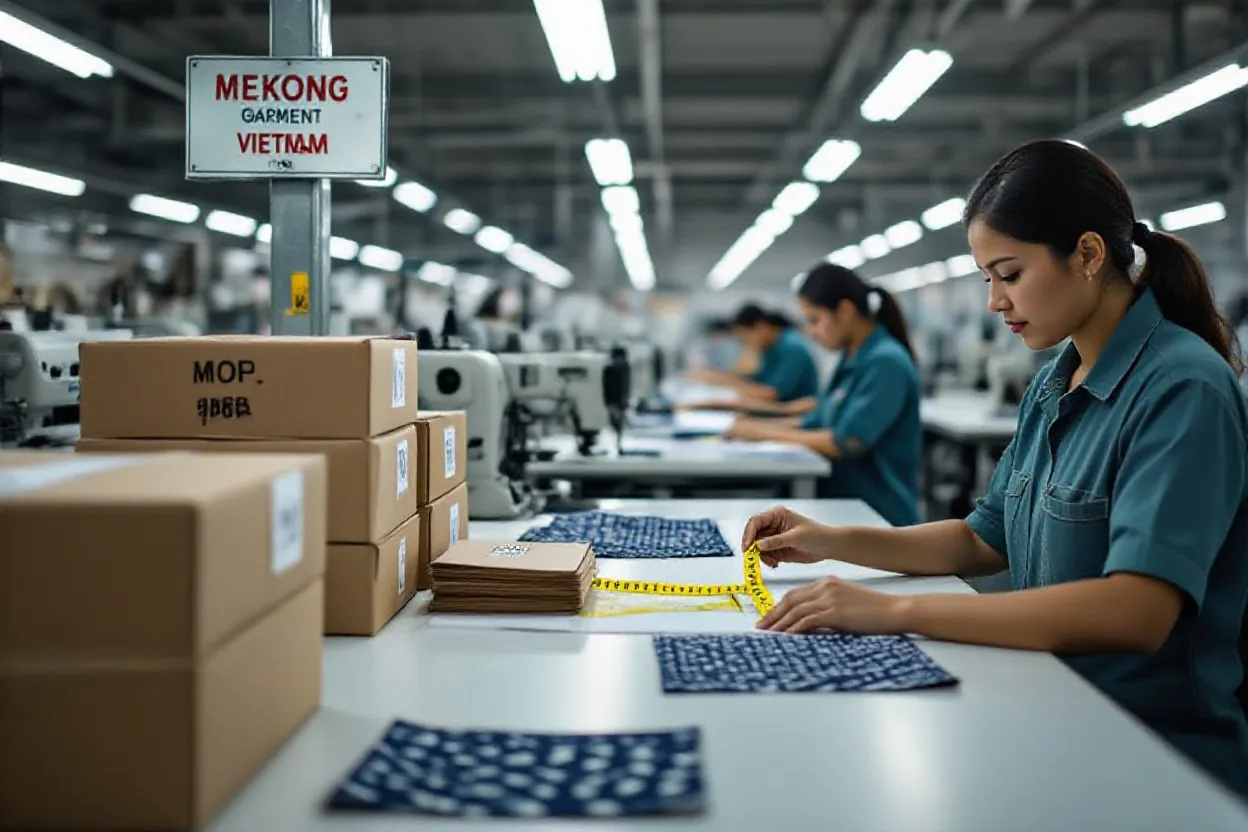
Inspectors examine garments at key points. They flag problems like uneven stitches, stains, holes, or misaligned parts. In many factories, defects are labeled “NG” (No Good) versus “OK” to separate bad products right away.

Automated systems and sensors
In more advanced operations, cameras, machine vision, or AI systems spot defects earlier. These systems reduce human error and help catch problems before they grow into big batches of faulty goods. Just finding a defect doesn’t tell you why it happened. If detection isn’t linked to good root cause analysis, the same defects will reappear later. That’s the real trap most factories fall into.

Basic Sorting and Isolation
Once a defect is found, the affected garment is immediately marked and separated from the main batch. This prevents defective items from mixing with quality products. Severity is assessed based on standards like AQL (Acceptable Quality Limit). Logging the defect including type, operator, and machine used—creates a record for further investigation. Proper sorting ensures the problem doesn’t multiply downstream.
Once a defect is found, quality teams do three things:
- Identify the severity minor, major, or critical. This is often based on AQL standards (Acceptable Quality Limit), which guide whether a defect is tolerable or not.
- Mark and isolate: faulty pieces are tagged and moved out of the main flow so they don’t contaminate good inventory.
- Log details: date, defect type, operator, and machine data are recorded.
This is standard, but not enough on its own. If the defect stays isolated but no follow‑up happens, you still don’t fix the problem.

Immediate Correction
Factories often perform quick fixes to prevent production delays. This can involve re-sewing seams, replacing buttons, or adjusting machine settings. Sometimes operators are retrained if human error caused the defect. Immediate correction addresses the symptom but does not always solve the underlying cause. Without follow-up, the same defect may reappear in future batches.
The factory often takes a quick fix, called corrective action:
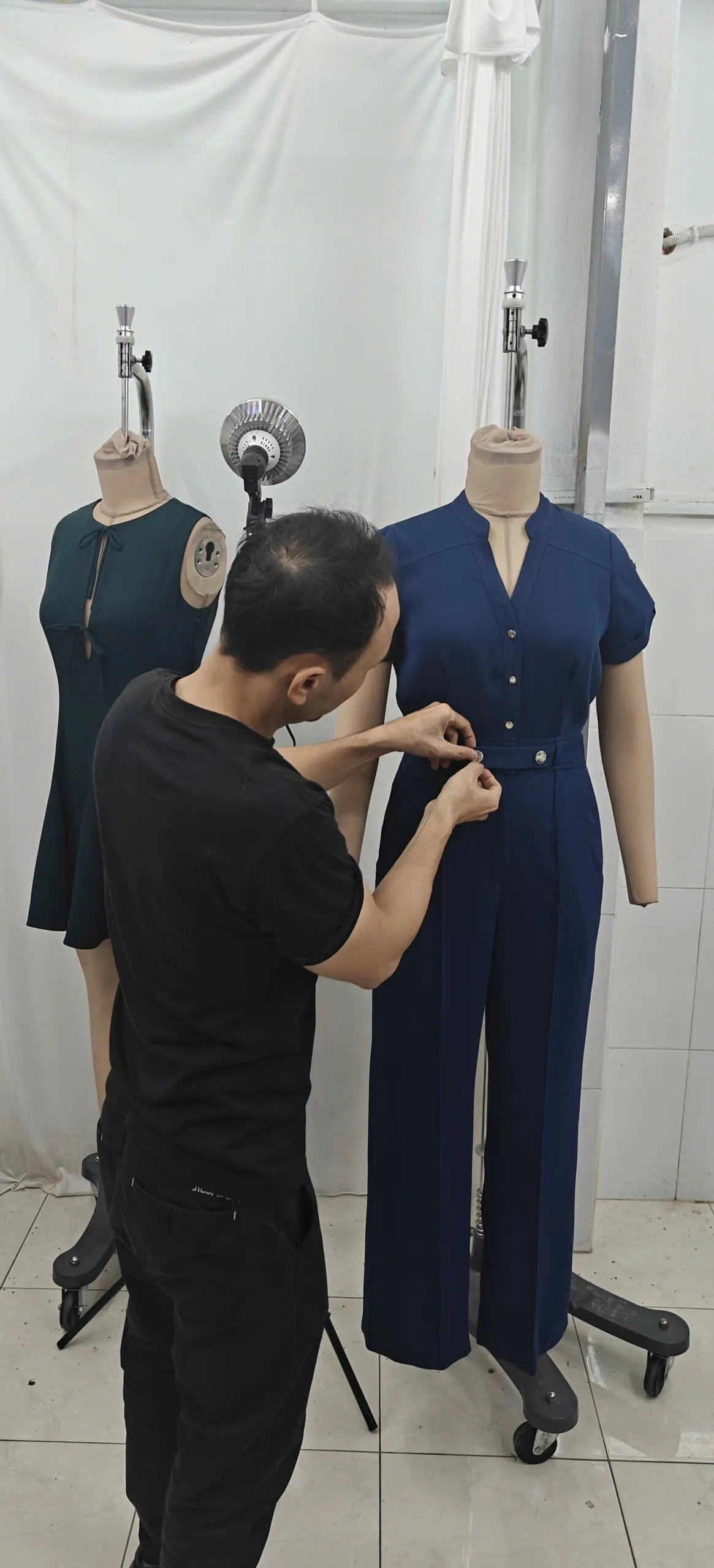
- Repair the garment: for example, re‑sewing a seam or replacing a button.
- Adjust the machine settings: ecalibrate stitch length or tension.
- Re‑train the operator: teach correct procedures if the defect was due to human error.
These actions are important: they keep production moving and help meet delivery timelines. But here’s the kicker: If you only do immediate corrections, you risk endless repeat defects. Suppliers often fix the surface issue without fixing what caused it. That’s why many buyers complain about the same problem returning in the next batch.

Root Cause Analysis (RCA)
Root Cause Analysis (RCA) identifies why the defect occurred, not just what it is. Methods like the 6M model examine machinery, manpower, materials, methods, measurement, and environmental factors. Effective RCA ensures that corrections target the real source of the problem. Skipping this step risks recurring defects and repeated costs. Thorough analysis lays the foundation for long-term quality improvement. This is the step where many factories say they do a corrective action plan but actually don’t do it well. A proper RCA digs into why the defect happened, not just what the defect is.
Methods like the 6M cause‑and‑effect model are used:
- Machinery: Was the machine out of calibration?
- Manpower: Was the operator trained?
- Materials: Was the fabric flawed?
- Methods: Was the process wrong?
- Measurement: Was the inspection accurate?
- Mother Nature: Were environmental factors like humidity involved?
If any of these aren’t investigated thoroughly, the “root cause” is just a guess. Many factories skip deep RCA because it slows production and costs money. But skipping it is something like fixing a leaky roof with tape. it seems cheaper but it fails when the next storm comes.

Preventive Actions and Long‑Term Fixes
Once the root cause is identified, preventive measures are implemented to stop recurrence. This can include updated SOPs, operator training, machine maintenance, or error-proofing systems. Continuous monitoring tracks whether these measures are effective over time. Regular follow-up ensures defects are minimized and production quality remains consistent. Prevention is more sustainable than relying solely on quick fixes.
Once the root cause is known, real preventive measures should follow:
- Standardizing the fix: Update SOPs (standard operating procedures) so everyone does the task the same way.
- Training and coaching: If a skill gap caused the defect, fix the gap.
- Machine maintenance and upgrade: Regular maintenance prevents mechanical causes of errors. New tech (IoT devices, vision systems) can detect issues earlier.
- Poka‑yoke (Error‑proofing): This means building safeguards so an operator can’t make the same mistake again like pins that only fit one way or jigs that prevent misalignment.
Without these, the same defect will pop up again. Immediate fixes without prevention are like bailing water without plugging the hole.

Follow Up and Monitoring
After corrective and preventive actions are implemented, follow-up ensures that the solutions are actually working. Factories track defect recurrence to confirm that the root cause has been eliminated. Records are updated, and lessons learned are documented for future reference. Key performance indicators like defect rates and response times are monitored to maintain production quality. Continuous follow-up prevents repeated issues and keeps both timelines and standards on track.
A good corrective action plan includes follow‑up:
- Track defect recurrence: if the same defect comes back, the plan failed.
- Update records and lessons learned: this helps future batches.
- Adjust KPIs (key performance indicators): like defect rate and response time.
Factories that skip this end up repeating efforts and frustrating buyers. Reality check: Many factories promise “prevention” but don’t track whether the prevention actually worked. That’s wishful thinking, not quality control.

Final Quality Assurance Before Shipment
Before garments leave the factory, a final quality check ensures that all defects have been corrected and standards are met. Items are inspected for stitching, finishing, measurements, and overall appearance. Defective products may be reworked, sold as seconds (if minor and approved), or scrapped if beyond repair. This step guarantees that only products meeting buyer expectations are shipped. Strong final QA protects brand reputation and prevents customer complaints.
After corrections and preventive steps, products go through final QA checks. If defects still show up, some items are:
- Reworked
- Sold as seconds (if minor and agreed by buyer)
- Scrapped (destroyed or recycled)
The goal is to ensure only acceptable garments ship to customers.

Summary: Fixing the Surface Doesn’t Mean Fixing the Problem
Your original statement that quick fixes keep quality and timelines on track, is partly true. Quick correction is necessary. But it’s only one step in a systemic process. Without proper root cause analysis, preventive action, and follow‑up, defects will come back, costs will rise, and quality will suffer. That’s why companies that invest in deeper quality systems (like RCA tools, error‑proofing, and automation) typically outperform competitors.