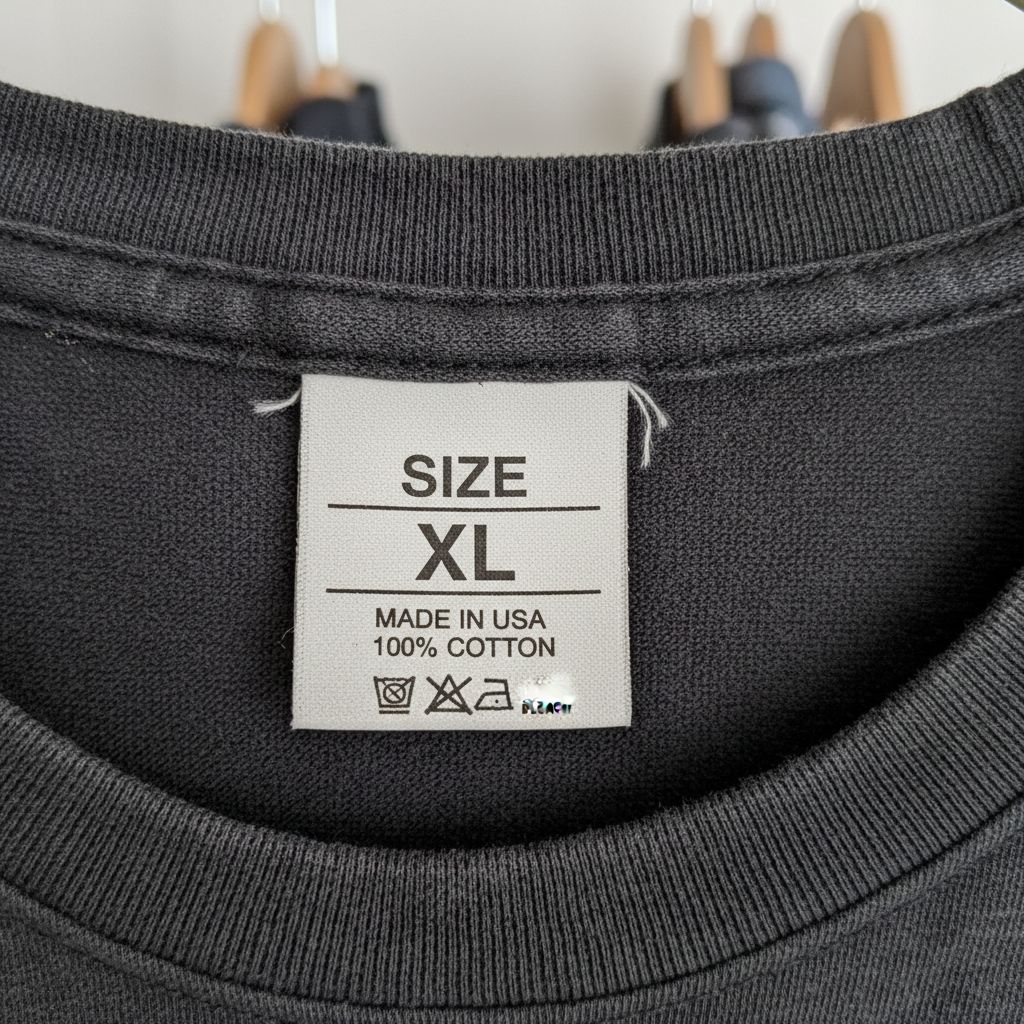

Ordering T-shirts sounds simple until you have to guess everyone’s size. For teams, clubs, and company orders, most buyers use a size-by-percentage breakdown. It’s a practical way to order the “right mix” without collecting individual measurements. This article explains the most common size percentages and how to adjust them so you don’t get stuck with leftovers.
=> Related Article: T Shirts Manufacturing Vietnam | Mekong Garment Factory
What “Most Common Sizes by Percentage Ordered” Means
This refers to the typical size distribution seen in large T-shirt orders. Patterns show that Medium and Large are usually ordered the most, while extreme sizes make up smaller portions. Buyers use these percentages as a guide to estimate quantities quickly when exact size data is unavailable.
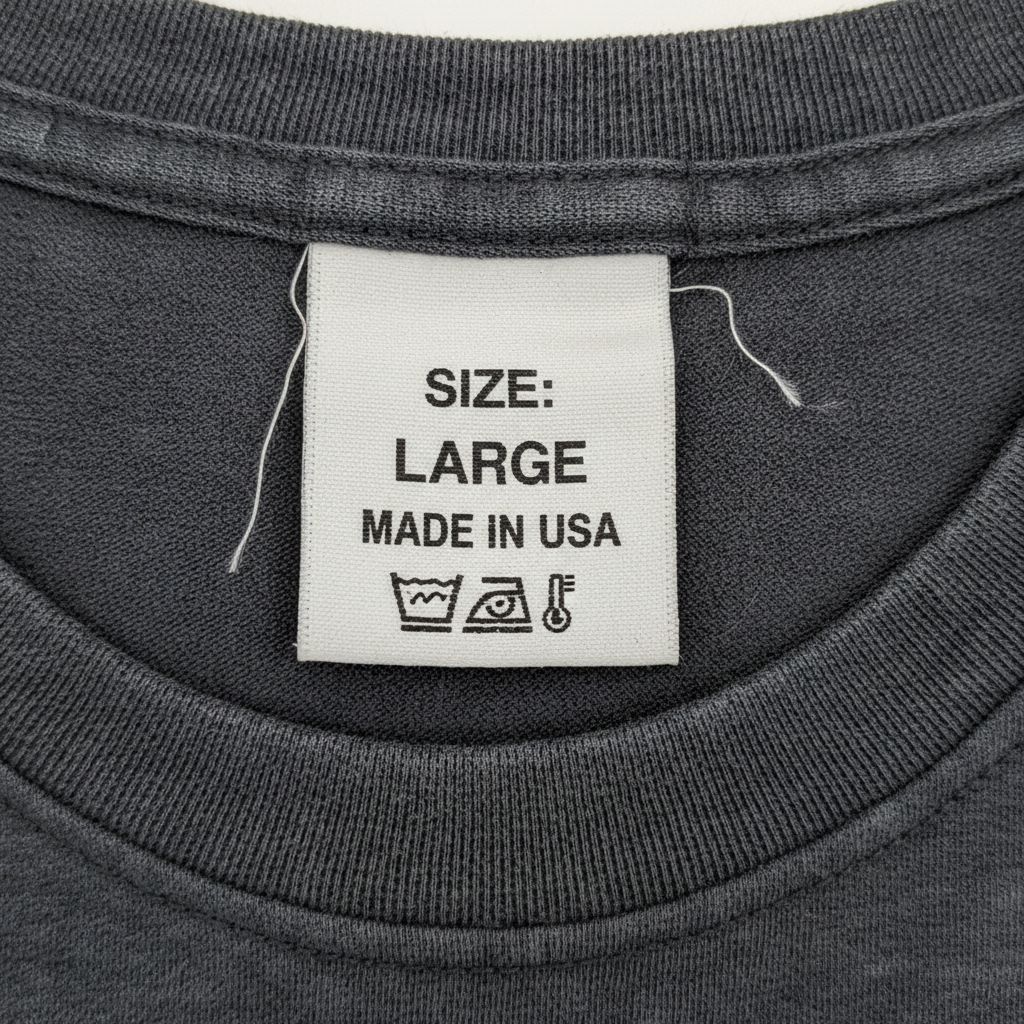
Typical T-Shirt Size Breakdown by Percentage
Instead of random guessing, this method uses common ordering patterns. It helps buyers estimate quantities effectively for teams or events. Below is a standard baseline for a custom apparel customer base:
- S: 19.56%
- M: 28.36%
- L: 27.16%
- XL: 16.16%
- 2XL: 5.19%
- Other (XS, 3XL+): ~3.5%
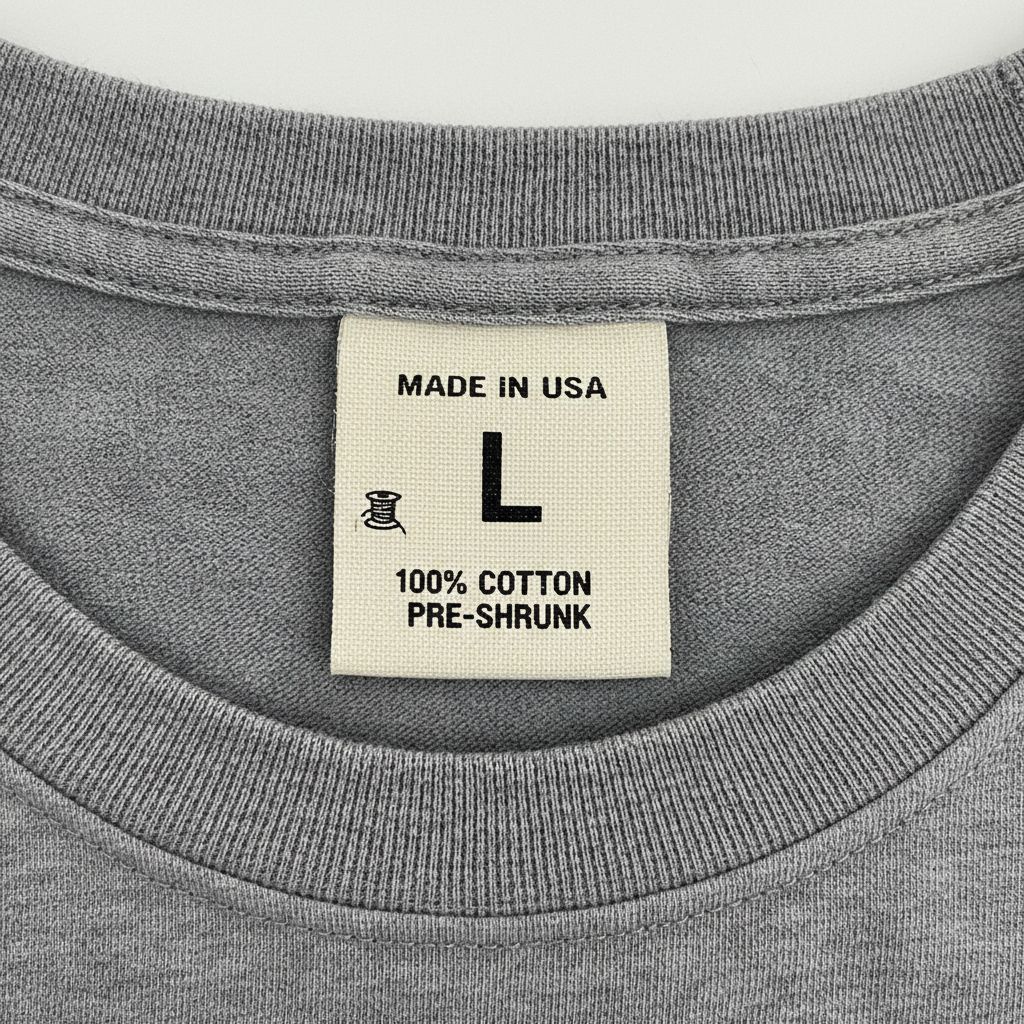
Example: Ordering 100 Shirts
Once you choose your total order quantity, convert percentages into real pieces. For 100 shirts, you would roughly get: 20 S, 28 M, 28 L, 16 XL, and 5 2XL. Tip: Always round up or down on the M/L sizes first, as these sizes are easiest to reassign if someone needs a swap.

How to Adjust the Breakdown for Your Audience
No size mix is a law of nature. Adjust your ratio based on these simple rules:
- Athletic/Bigger Build: Increase L, XL, and 2XL; reduce S.
- Youth/Smaller Build: Increase S and M; reduce XL.
- Oversized Streetwear: Focus heavily on L and XL.
- Women’s Unisex Orders: Increase S and M; expect more demand for smaller fits.
Budget Warning: Larger Sizes Cost More
Many printers and factories charge a premium for 2XL and up. A size breakdown affects your budget, not just inventory. Smart planning keeps these sizes in smaller, intentional amounts unless your audience specifically requires them. This prevents overspending on expensive “round-up” sizes.
Conclusion
A percentage-based chart is a helpful shortcut, not a rigid rule. Most orders skew toward Medium and Large, especially in hot weather when comfort is key. Use these percentages as your starting point, adjust for your specific group, and you’ll achieve a smoother order with fewer leftovers and less waste. Choosing the right mix is the first step to a successful apparel program.